





















A quadrupole mass filter uses four parallel electrodes with applied voltages to selectively transmit ions based on their mass-to-charge ratio; the filter applies both direct current (DC) and radio frequency (RF) voltages to opposite pairs of rods, where the RF voltage creates oscillating electric fields that cause ions to either stabilize and pass through or destabilize and collide with the rods, with only ions within a specific mass range successfully passing through the filter.
How a Quadrupole Mass Filter Works: Chemistry Tutorial
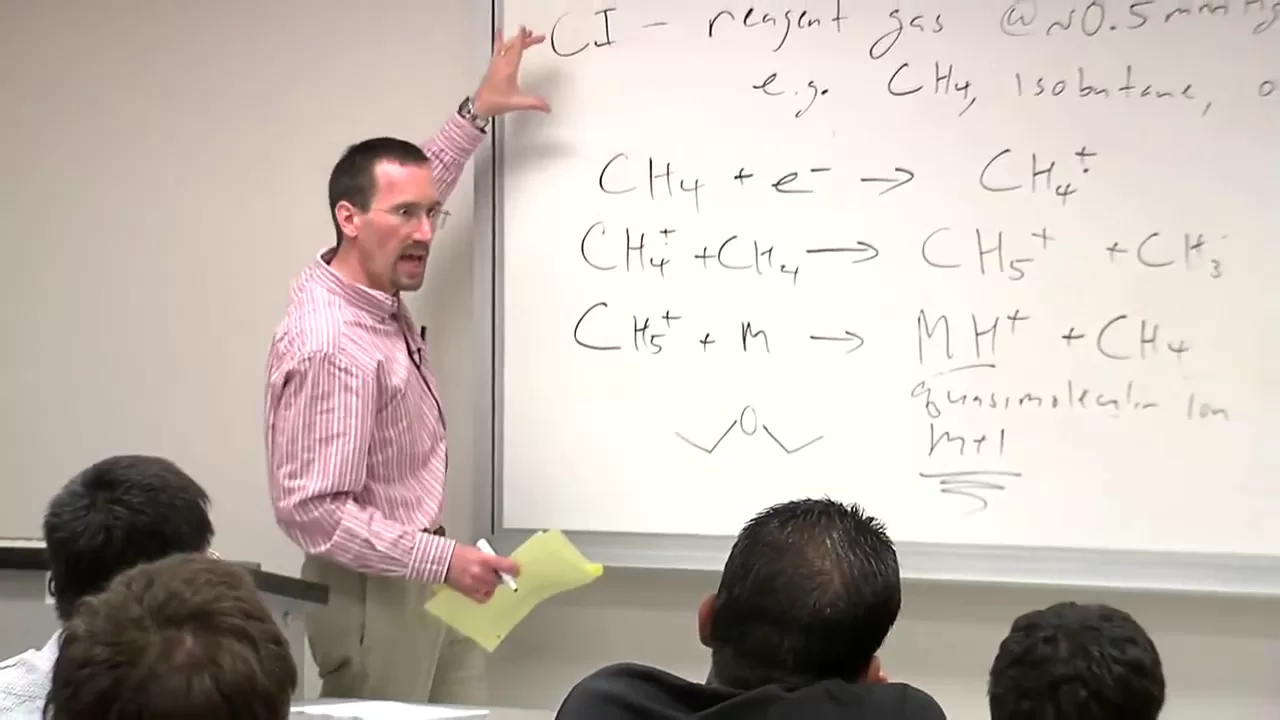
Added:Basic principles of mass spectrometry, including ionization techniques and the concept of the mass-to-charge (m/z) ratio.
Fundamental electrostatics, specifically how static electric fields exert forces on and manipulate charged particles.
The operational differences between Direct Current (DC) and Radio Frequency (RF) alternating current voltages.
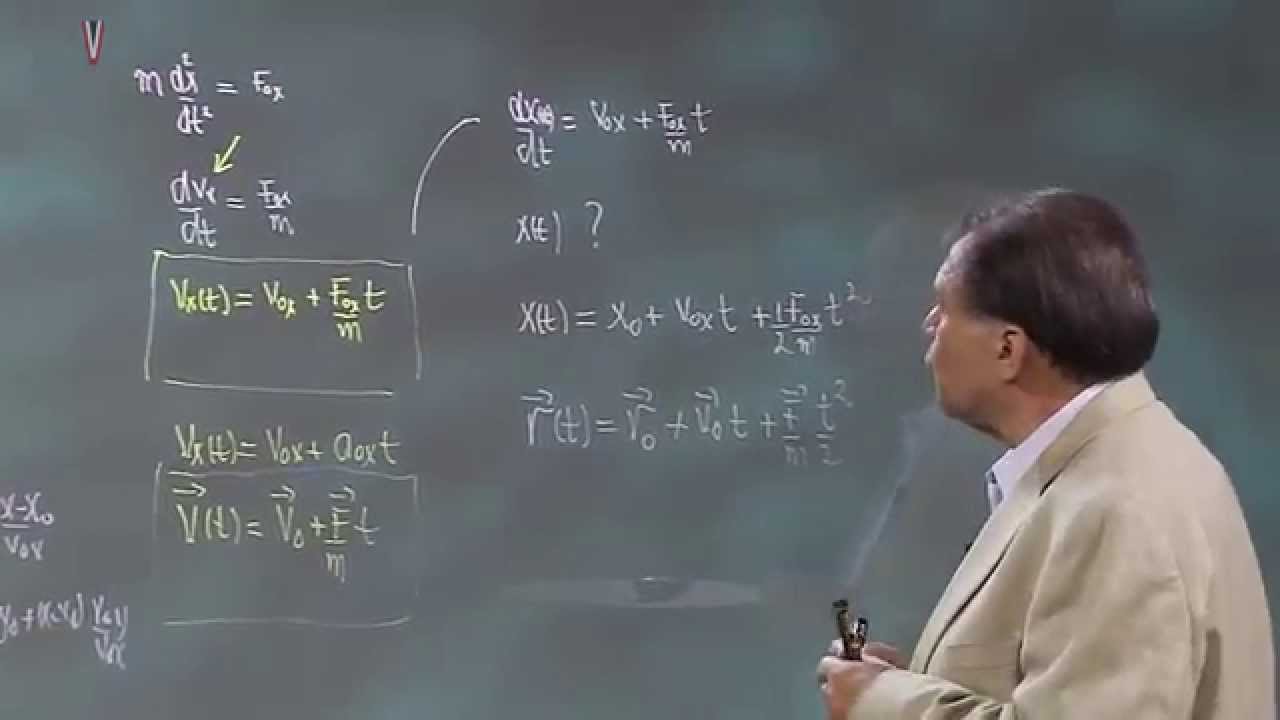
Newtonian mechanics and kinematics, focusing on the trajectories of moving particles under the influence of time-varying forces.
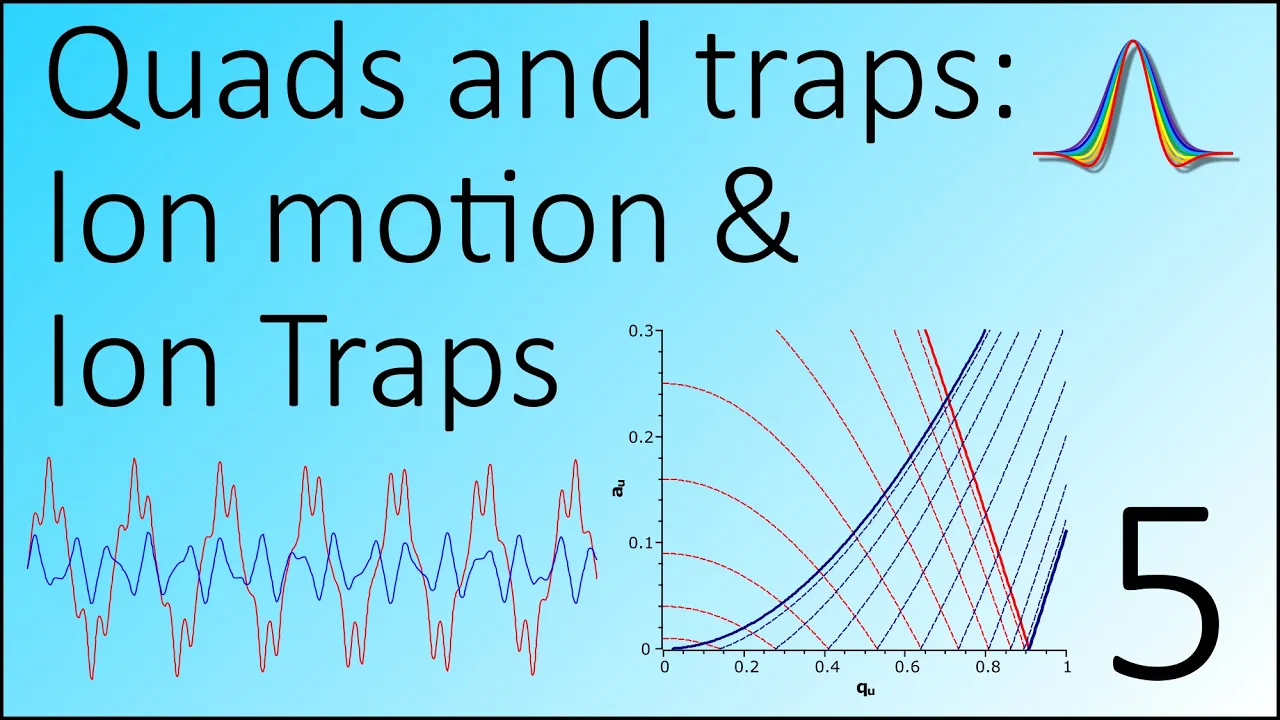
The Mathieu equations and stability diagrams that mathematically govern ion trajectories in quadrupole fields.
Tandem mass spectrometry (MS/MS), particularly the configuration and operation of Triple Quadrupole (QqQ) systems.
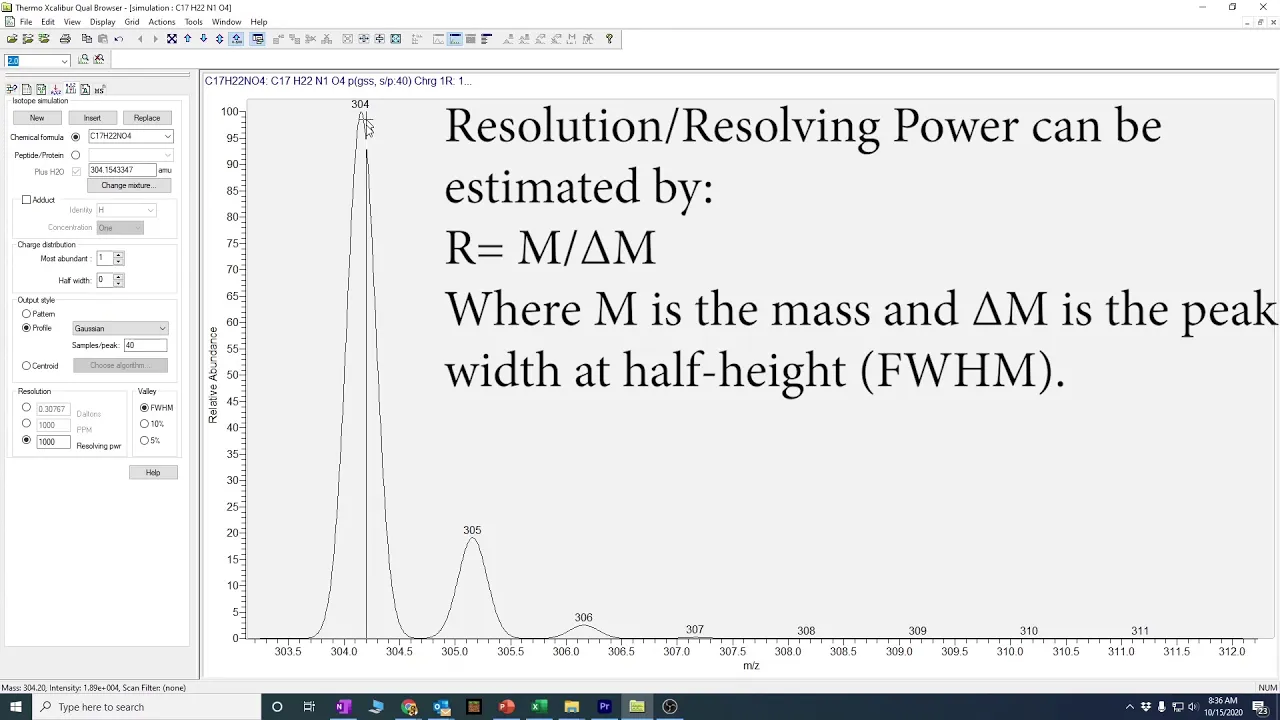
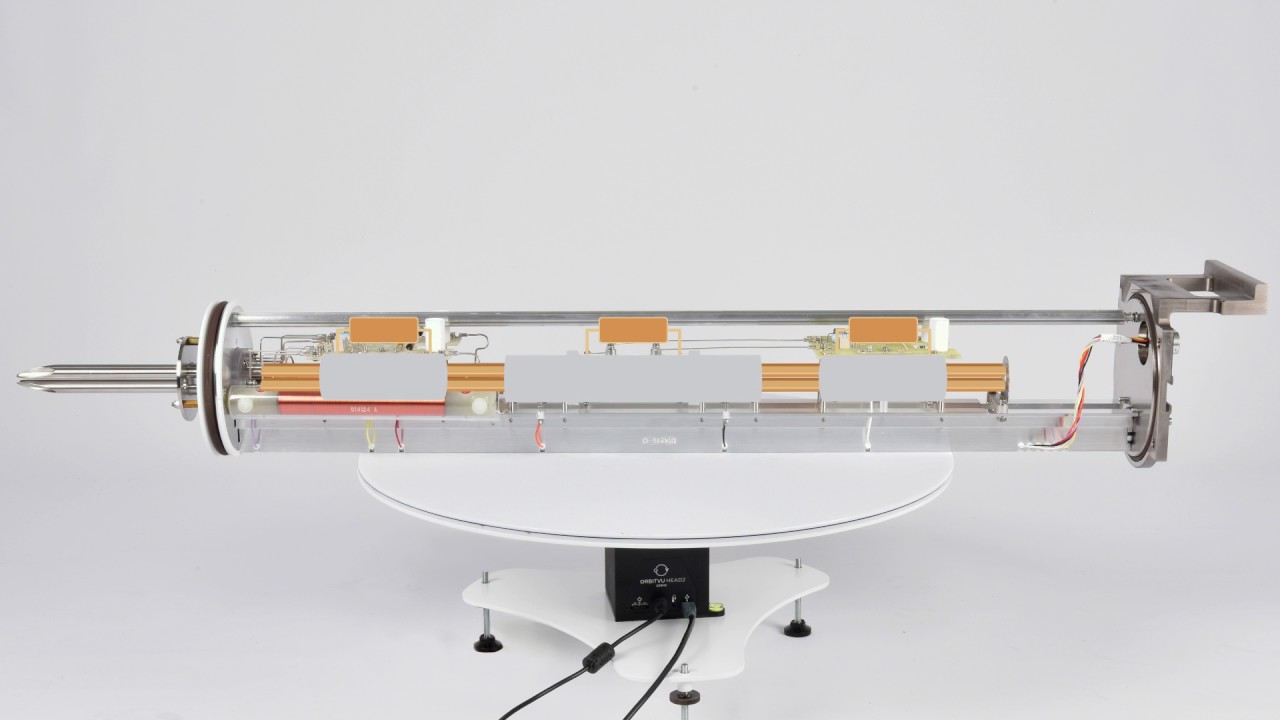
Alternative mass analyzers, comparing the quadrupole to Time-of-Flight (TOF), Ion Trap, and Orbitrap technologies in terms of resolution and mass range.
Practical coupling of quadrupoles in hyphenated analytical techniques, such as Gas Chromatography-Mass Spectrometry (GC-MS) and Liquid Chromatography-Mass Spectrometry (LC-MS).
122.5K views776likes11:38Original Release: 2013-02-22
hello this is Dr David K of the Department of Chemistry of Georgia Southern University I'm here with a video that is hopefully going to help you understand how quadripole Mass Filter Works so the quadriple mass filter has an anatomy or physical sort of layout that looks a bit like this there's four parallel rods rods are actually electrodes they have electric voltages applied to them and then because of those voltages electric fields that go out in space around around them now ions that have been generated in some ion Source are kind of manipulated so they travel down through the rods in the space between the rods this is a rather simple construction but there is something complicated about this whole thing the complicated part is not physically what it's like it's uh just simply these four rods so that's pretty easy to the complicated part is the voltages that's applied to them and hence the electric fields that are associated with those voltages now so the voltages are complicated in the sense that they have two components so each Rod has on it a direct constant and alternating portions of voltage now let's get a little more specific about these voltages okay so each pair of rods is connected any Rod has the exact same sort of voltage profile the exact same thing is happening to the voltage of the rod directly across from it two rods have a voltage say the the DC voltage is positive and added to that is this um alternating voltage for the other rods it's a negative DC voltage also the alternating voltage is of course alternating but because it's got this negative sign out here it's like it's 180° out of phase so the alternating voltage on one pair of rods 180° out of phase with the alternating voltage on the other rods ions as they're going down through this Center Central Area within the quadripole they're affected by the fields because of course the ions have a positive charge on them and uh so they're affected in any given time if the ions are sensing a negative field they'll be attracted in that direction towards that field and so ions basically they either make it through this filter and and they're detected by this ion transducer or or they do not make it through the filter only ions of a specific mass charge ratio make it through quadripole at any particular time whether an ion makes it through there depends upon its depends upon the magnitudes of the DC and um RF voltages and at that given point in time so here's what happens to these voltages over time over the course of a certain time period both the DC voltages and the amplitude of the alternating voltages increase and they kind of increase together in lock step as there's a they have a certain ratio but they increase in lock step so the the ratio of the two stays constant now the amplitude of the alternating field is about six times the strength of the DC field so you could say that the DC field is a little bit like it's kind of set into the background it's not quite as loud as the voltage from the alternating field okay so now let's discuss the way in which alternating voltages can affect iron trajectories now to keep this simple and build it up a little bit at a time we're going to first look at this vertical Direction Let's consider the rods that have only the alternating voltage so so rather than a positive voltage in a sort of DC sense here let's consider the movement of some ions in this quadripole region under the influence of these voltages that are oscillating these voltages are basically going up and down like a wave sometimes they're positive then a little while later it flips through negative positive electric field negative positive negative Etc changing in time now let's think about what these ions are doing let's think about how their trajectories are influenced anytime that the voltage is positive the ions will will be repelled by the rod and anytime the voltage on the rod is negative the ions will be attracted to it so what happens to ions as they go down here with this voltage it's going back and forth actually the time s that the voltage is positive it's not necessary problem for the for the ions in terms of whether or not they make it through to the other end they would just be repelled but it would be a problem for the ions the times when these voltages are negative and the ions would be attracted to the rods and if they are able to actually accelerate enough that they are able to hit the rods they're just going to crash there and they will never never make it through so whether or not an ion actually makes it through this uh situation where there's an RF field only depends upon the charge of the ion if the charge in the ion is large okay there's strong forces on it and it will accelerate quickly and that would increase its chance of smashing into the rod when it does have a negative voltage ion Mass also factors in to the physics of the motion if the ion mass is say low if it's a light ion okay it's going to accelerate quickly and that too is going to increase the probability that it's going to smash to the rod when the rod is is is negative what else is another Factor okay the strength of the field is is an important factor the stronger the field the more likely it is that the ion's going to smash into it when it's negative again also the frequency at which the field flips back and forth from positive to negative positive negative Etc is also another Factor if the field flips back too quickly the ion will never really be affected that much okay the ion just won't have time to react if it's flipping to too quickly the frequency of oscillation in that voltage is too high so now looks let's look at the combination of EC direct constant voltage and alternating voltage on the ion so in red here I've got the DC voltage what it's doing so it's this constant while the alternating voltage goes up and down as it's on the last slide okay so let's look at these ions okay the background DC voltage will tend to keep the ions in there right where the alternating voltage has has the potential no pun intended to to destabilize so the the DC voltage would focus the ions tend to keep the ions in the center because the DC voltage is positive that it would be repelled by both and sort of Trapped in the center the the alternating voltage would have the tendency would have the possibility of destabilizing them so if the ions are not really affected by the alternating RF Fields either because because the charges are too low the mass is too high or the the fields are fluctuating too quickly they will tend not to be affected that much by the RF field they will be controlled largely by the background field which the background DC field which has the effect of stabilizing their trajectory high mass ions will have stable trajectories but if the mass of the ion is too low lower than some critical value of mass charge ratio the ions will crash so if the DC voltage is positive it only lets through ions of high mass now I know this is kind of complicated I had to think about this for quite a while quite a number of times had to go over this before I think I really started to understand it so watch this video a couple times over and then maybe look at some other materials if you really are serious about figuring out the quadriple you got to believe that you can and it will eventually completely come to you okay so anyway now let's look at the situation where where the rods have a negative DC voltage then when the rods have this negative DC voltage that tends to destabilize the trajectories the ions would crash the ions would crash if they were not affected sufficiently by the by the alternating voltage so in this in this situation the alternating voltage has the chance to save them from crashing but ions will only be saved if their mass is low if their masses are low and they can respond in time ions of mass charge ratio higher than some critical value will crash and the critical value of mass charge ratio that does make it through will depend upon variables like the frequency of oscillation the amplitude of oscillation the the magnitude of the voltages ETC to summarize the quadripole is actually a double Mass filter you've got these two pairs of rods thogonal directions at 90° to each other so we can talk about the way it works quite nicely with a graph looks like this which talks about passage of ions here on the the vertical axis basically talking about like whether the ions don't pass or do pass it's kind of like a binary thing zero or one so we're talking about whether or not the ions make it through as a function of their Mass charge ratio so in the Y Dimension to summarize which has a positive DC voltage on those rods the ions make it through unless their mass is too this is a little depiction of what the filter function is like for those y Dimension electrodes high like this means that they do pass low means that they don't pass have some critical value of mass charge ratio above which it will make it through but below that it won't you know you have the second dimension and in the X Dimension which is carries on the rods the negative DC voltage ions traveling down through the quadripole will make it through unless their mass is too high as we described okay so the the filtering function for that X Dimension would look like this okay ions make it through up to a certain critical point in Mass charge ratio anything above that ions do not make it through so here's how the quadripole is a double Mass filter at certain values of the DC and alternating RF voltages only a narrow range of mass charge ratios will make it through like this narrow range this is like a little window that will make it through if you're below they will be cut off by this filter if they're above this window they'll be cut off by the other filter and so only a little window makes it through and of course what we want to do with the quadriple mass filter is create a Mass Spectrum which protects ions of all different Mass charge ratios and also sort of quantifies how many ions of each type there are so we want to be able to scan through the entire Mass charge ratio range from low to high and we want to do this ideally pretty quickly so that we can do low to high scans over a bunch of times and then maybe do use something like Ensemble averaging to add those scans together anyway so that is the reason why we showed you previously I showed you previously the voltages sort of scanning from low to high over the course of um a a scan okay thanks for watching and I hope this has given you some conceptual idea of the way a quadriple mass Filter Works
Up Next

10:57
Reynolds Number & Flow Around Objects | Physics of Life
@ESFTV
258.6K views•2009-11-23

12:53
21cm Hyperfine Transition in Neutral Hydrogen: Radio Astronomy Basics
@AaronRobertParsons
12.4K views•2011-10-13

32:32
NMR Spin Physics I: Zeeman Effect, Resonance Condition & Larmor Frequency
@nptel-indianinstituteofsci8064
2.3K views•2024-01-17

27:14
Entropy and the Second Law of Thermodynamics Explained
@veritasium
27.5M views•2023-07-01
Related Study Plans & Knowledge Roadmaps
Structured learning paths in Physics
physics
Nuclear Physics (Decay, Fission & Reactors)
01Atomic Structure and the Binding Force
02Radioactive Decay and Half-Life
03Nuclear Fission Mechanics and Chain Reactions
+ 2 more learning modules
12h5 modules
Explore Roadmap
physics
Soft Matter (Polymers, Colloids & Rheology)
01Foundations of Soft Matter & Thermal Forces
02Polymer Physics and Macromolecules
03Colloids, Surfactants, and Self-Assembly
+ 2 more learning modules
38h5 modules
Explore Roadmap
physics
Analytical Mechanics: Lagrangian & Hamiltonian
01Mathematical Foundations: Calculus of Variations
02From Newtonian Mechanics to Constraint Dynamics
03The Principle of Least Action & Lagrangian Mechanics
+ 3 more learning modules
28h6 modules
Explore Roadmap
physics
General Relativity (Spacetime & Cosmology)
01Foundations of Relativity: Special Relativity
02The Geometry of Spacetime: Equivalence Principle & Curvature
03Einstein's Field Equations: The Mathematics of Gravity
+ 2 more learning modules
55h5 modules
Explore Roadmap