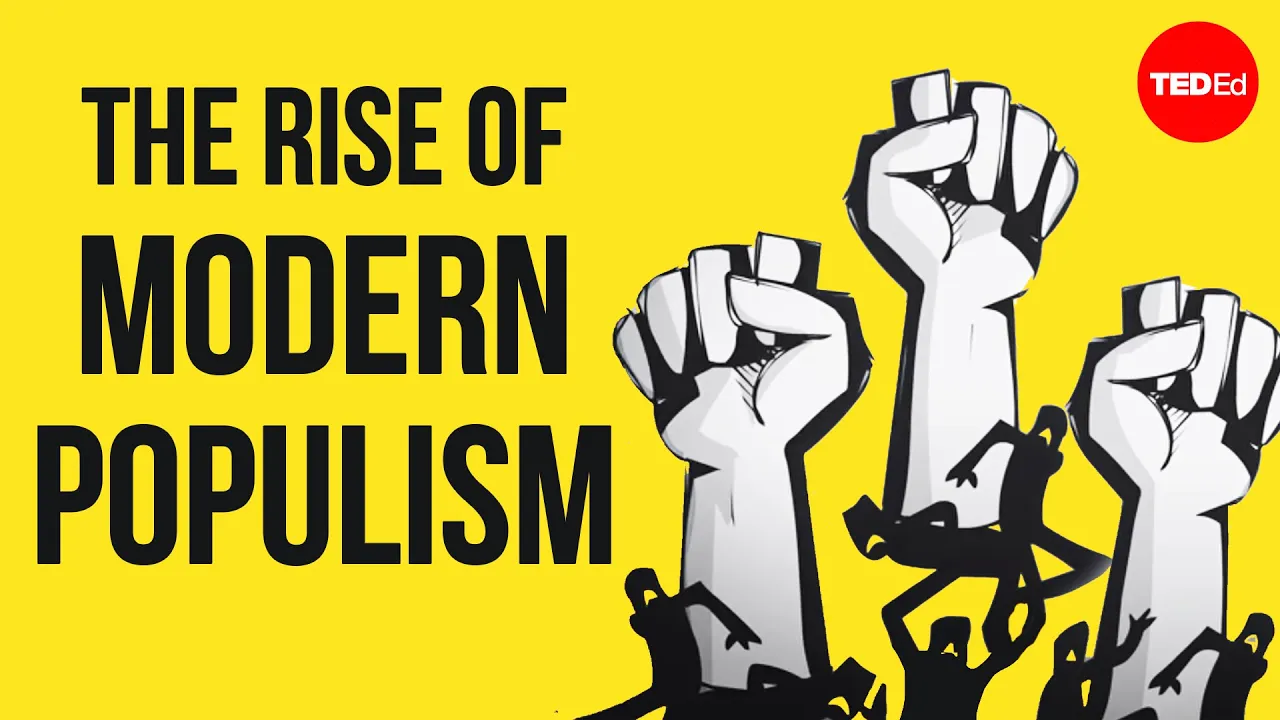














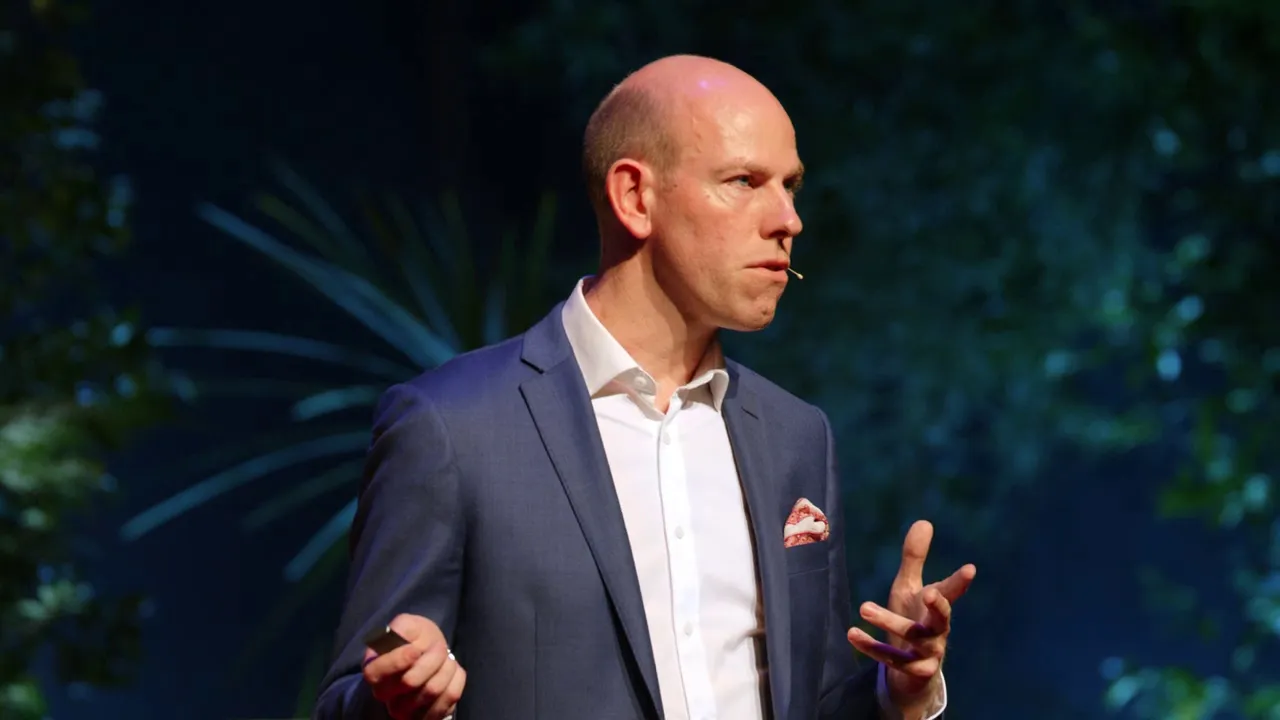

Populists define themselves as the authentic representatives of 'the real people' while simultaneously declaring all political opponents illegitimate, which undermines democracy by attacking pluralism and essential democratic rights such as free speech, assembly, and association; however, populist movements typically require collaboration from mainstream political figures to gain power, suggesting that democrats can counter them by exposing contradictions, calling out misleading propaganda, and pressuring supporters within mainstream parties to reject populist policies.
Populism and Democracy: A Scholarly Analysis
Added:Understanding of the core tenets of Liberal Democracy, including the separation of powers, the rule of law, and the protection of minority rights.
Familiarity with the concept of Pluralism, specifically how modern democracies accommodate diverse and competing social, political, and cultural groups.
Basic knowledge of representative government systems and the traditional role of political parties in mediating between the state and the citizenry.
Awareness of historical political movements of the 20th century, particularly the distinction between democratic representation and authoritarian or fascist regimes.
Analyzing constitutional design and 'militant democracy'—how democratic systems can legally defend themselves against anti-democratic actors.
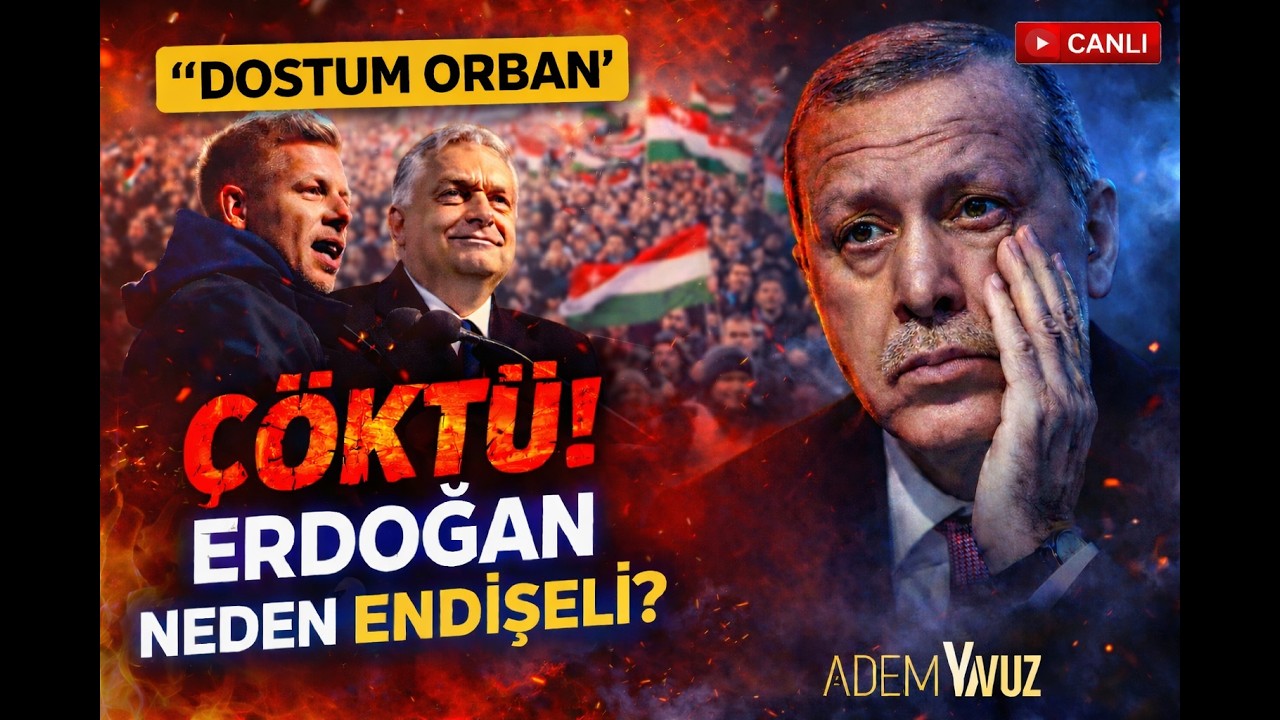
Comparative analysis of contemporary populist leaders and regimes in practice (e.g., Victor Orbán in Hungary, Recep Tayyip Erdoğan in Turkey) to observe the transition from rhetoric to governance.
Exploring the socioeconomic and cultural drivers of populist backlashes, such as globalization, economic inequality, and cultural anxiety.
Investigating democratic innovations and reforms, such as deliberative assemblies and participatory budgeting, designed to rebuild public trust in democratic institutions.
27.2K views455likes10:50Original Release: 2017-03-02
So welcome Professor Müller, if we can get some general definitions out the way, if I were a voter, how could I recognize a populist?
So contrary to what is often said today, not everybody who criticizes elites is therefore automatically a populist.
In fact, any old civics textbook will tell you that we as citizens should be critical of elites, should keep an eye on the powerful.
Now, of course, when in opposition, populists will criticize elites, but above all, they will tend to say that they and they alone represent what they call the people, the real people, or sometimes also, the silent majority.
How do they define silent majority, the real people?
That depends, that depends on different political and national, to some degree, contexts.
But what really matters is always this, in a nutshell, anti-pluralist gesture, because even though it might sound relatively innocuous to say that we and we only represent the people, it’s actually dangerous for democracy in two ways: First of all, populists will then also say that all other contenders for power are illegitimate and this is always, in a sense, a moral and very personal claim.
It’s never just about policy disagreement, which, of course, in a democracy, is completely normal.
No, populists will basically say, “The others are corrupt.
They don’t work for the people, they work for the E.U. or multinationals, or what have you.
And secondly and less obviously, they will also say that all those citizens who don’t share their conception of the supposedly “real” people and hence also those who don’t support populists politically, that all these people might have their status as properly belonging to the people put into doubt.
The word “real” comes up quite a lot, in what you’re saying, do populists believe in real democracy?
They say they do.
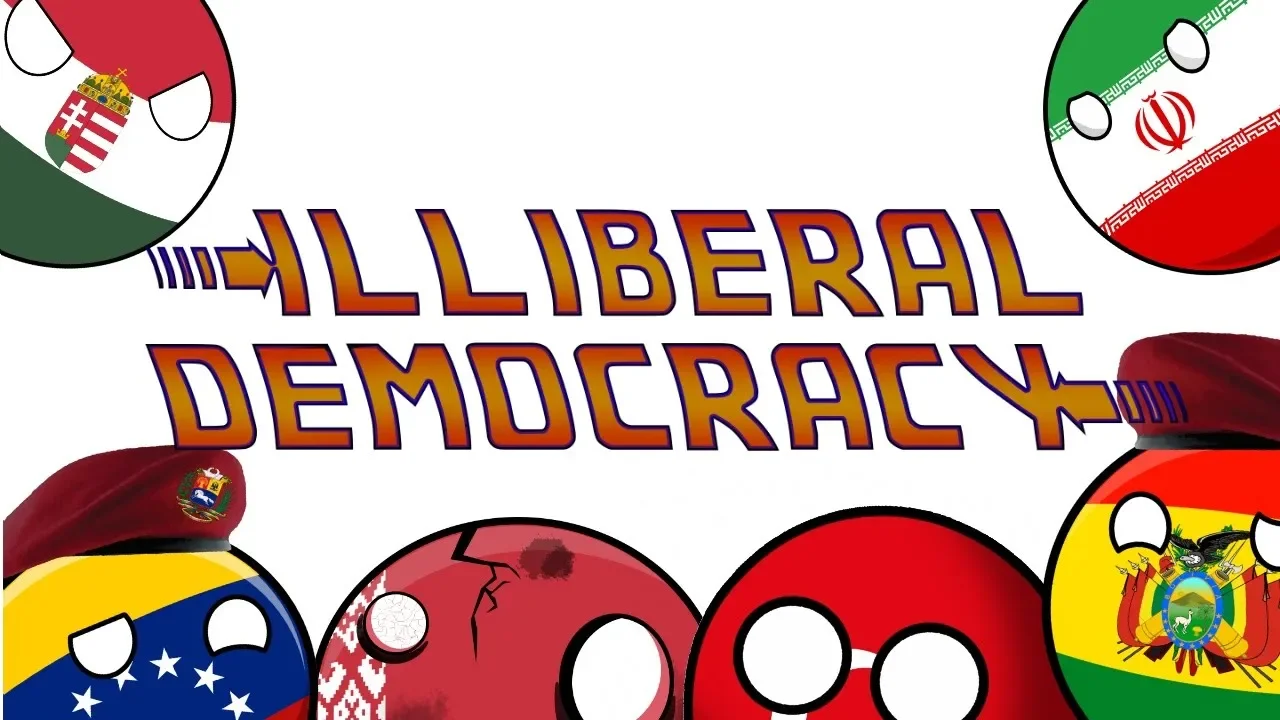
I think this is one of the striking features that populists today, of course, very often advance the argument that they are the last real believers in democracy, that they’re against liberalism, which is supposedly opposed to democracy, we all know recent instances in Europe, where, supposedly illiberal democracy has been established.
Democracy cannot be had without pluralism.
So this claim, that the majority can do whatever it wants, is wrong.
This is not just about liberalism, if populists, as they often then do, attack courts.
If they restrict rights, which are constitutive, essential for democracy, as such- such as free speech, free assembly, free association, they’re not just damaging liberalism or the rule of law, as it is sometimes put. No, they are damaging democracy itself.
So we should not fall for their story that they are the real believers.
You said that liberalism is the opposite of democracy, or is perceived to be the opposite of democracy, why is that?
Well they want to present it that way, I’m not saying that liberalism and democracy are the same thing, they are tensions. But in specific instances we’re talking about, when people say “Oh Hungary’s not a liberal democracy, Turkey’s a liberal democracy.” I think this is profoundly mistaken, because what’s under attack there is democracy itself.
Could it be called authoritarianism?
Basically, yeah, these are basically leaders who have taken their country in an authoritarian direction, and we shouldn’t make the mistake sort of… almost like an unforced error, of leaving these leaders with the concept of democracy, because they can turn around and say, “Thank you for confirming that we are still democracies.” In the case of Orbán for instance, he will be very happy to say, “Oh thank you for confirming that I’m not a liberal because I don’t want to be a liberal anyway, I told you international audience many times that I am against liberalism, and less obviously, this kind of conceptual division between liberalism and democracy also can lead to an image where the nation state, always does democracy, and the E.U. or the Council of Europe, as supranational organizations, they sort of come in to repair liberalism.
But that’s a very wrong image, they should basically always say, “No, we basically care about democracy, and if democracy constitutive rights are violated, it’s important for democracy and not just liberalism, that somebody makes the point that these rights need to be restored or repaired.
So what should an organization like the Council of Europe do, where some of these countries are member states of the organization?
What can the organization really do to defend, strengthen, enforce democracy?
Well one important role the Council is playing of course is to provide expertise.
The Venice Commission basically goes to countries and very carefully makes a case for saying that here are certain problems… Very respected institution, so with the exception of some countries, like Poland now where clearly, you know, the Venice Commission, the EU Commission has gone in trying to point at certain problems that’s largely been ignored.
Let’s bring the talk to Europe.
Are you worried that the European project itself might be perceived as a product built on mistrust of a popular will, of a lack of trust of the population? Is that an accusation that could be brought?
Any accusation can be brought, uh, free speech, we can debate what Europe really means, as we wish, of course, so I think it’s true that it’s a misconception to say that, from the get go, the European Union was there to promote foster secure democracy. I think historically, that is indeed, inaccurate. That was to an extent intended to be the role of the Council of Europe That was supposed to be the institution that reinforced democracy, through supranational mechanisms, including rights protection, where again, it’d be wrong to open up a certain division and say, “Oh the nation state does democracy” and then all these paternalistic, elitist God forbid even, institutions coming from the outside, because at the time of the fifties people said, “Look, an outside institution can reinforce, or sometimes repair democratic rights.” It’s not opposed to the people, even though in our own days, as you know, it’s become very fashionable among some people to say that all judges must automatically be enemies of the people.
Now, things change over time… I think the E.U. then took on a much larger role in, to some degree, promoting and protecting democracies.
Starting in the 1970s, it basically said, “If you join our club, we will also play a role in consolidating democracy.” This became very very strong then, of course, after 1989 it’s very clear that people said, "We can’t have an Europe ridden with political instability.
Come and join the fold.” Council, of course, was also very important, but also the Union that said much more clearly, “Come and join us to secure democracy.” Against that background, of course, it’s particularly tragic that the E.U. today is failing, to keep up precisely this promise.
If you think about Hungary and Poland, I think the E.U. is failing in this regard.
Sometimes, then politicians say, “ But we can’t do more, because then we would turn these countries into Euro-skeptic countries, and there’s already so much Euro-skepticism.” What this completely fails to see is that many people in 2004, when Hungary and Poland joined, also said, “Thank God, we’re finally in this club.
We finally, in a sense, have a guarantee we’re not going to go back to authoritarian forms of politics.” It’s all these citizens that the E.U. is letting down right now.
Commentators have pointed out that young people in the Brexit referendum in the U.K., even voting for Hillary or-er-uh Donald, tended to vote against leaving the European Union and in favor of Hillary Clinton, rather than Donald Trump.
Are you hopeful for the future?
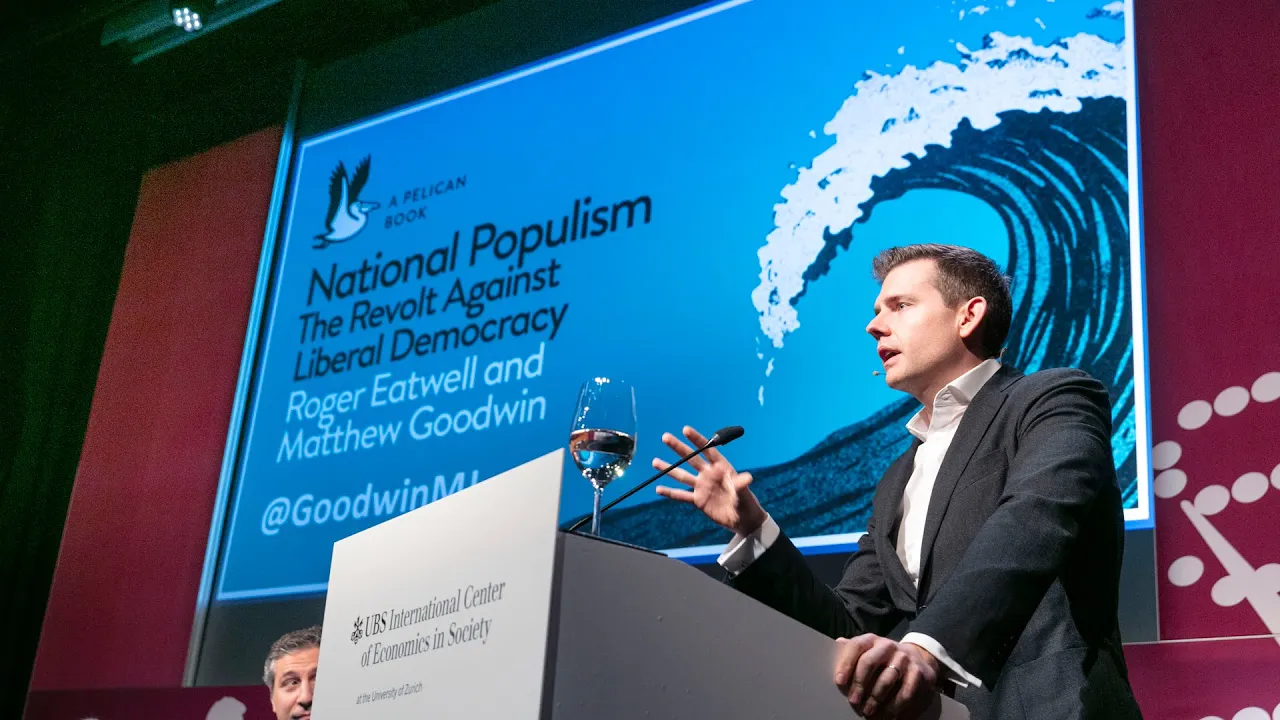
So I resist the currently very popular image of a supposedly unstoppable wave of populism triumphing everywhere, or as Nigel Farage, for whom ‘wave’ wasn’t dramatic enough put it, a “tsunami” that will wash away, you know, the elites, elites everywhere.
This is not a neutral objective description of reality, this is basically playing into the hands of populists, who, like Marine Le Pen, like this image of one domino falling after the other.
But what I think is wrong with this image if nothing else, is that actually, the cases usually mentioned: Brexit, Trump, and now supposedly Geert Wilders and Marine Le Pen and God knows what in Germany, that completely overlooks the fact, that Nigel Farage didn’t bring about Brexit, singlehandedly.
He needed very very established, conservative, supposedly “mainstream” politicians to give credibility to his case. He needed people to say, “Yeah, this guy might be a bit eccentric, but the case is sound.” In the same way that Donald Trump didn’t become President as the candidate of a third, insurgent, populist, grassroots, anti-establishment party.
He was the candidate of a very established party, and just as much as Nigel Farage needed his Boris Johnson and his Michael Gove to tell people you can vote for- basically- Brexit.
Trump needed his established Republicans, such as Giuliani, Christie and Gingrich to essentially say,“Yes, he’s a bit eccentric, as well, but ultimately, he is a safe Republican.” Because the one factor, that above all explains the outcome of the American election is simply partisanship.
90% of self-identified Republicans voted for Trump.
So had he run for a non-established party, who knows how much he would have gotten.
Maybe the kind of figures that one sometimes sees in the far right in Europe, with a 20-25% maximum.
But I dare say, he wouldn’t be President today.
So we also need to look at, to put it harshly but, I think not unjustly what potential conservative collaborators are doing in the case of far-right populists.
Are they willing to work with them?
Give them legitimacy? Help them into power?
Or do they hold the line?
Thank you very much Professor Müller for talking to us today on a very complex but fascinating subject.
Thank you very much.
Up Next

14:54
Populism Explained: Definition, Tendencies, and Dangers
@realryanchapman
282.5K views•2021-09-27

24:30
BRICS Pay and de-dollarization: A New Financial Order Emerges? | 55 chars
@DannyHaiphongYT
164.6K views•2024-10-22

7:33
Government Surveillance Methods: 10 Ways You May Be Watched
@BeAmazed
1.6M views•2017-04-09
10:19
Explaining the Saudi-Iranian Proxy Conflict in the Middle East
@Vox
18.2M views•2017-07-17
Related Study Plans & Knowledge Roadmaps
Structured learning paths in Political Science
political-science
Economic Statecraft: Sanctions & Chokepoints
01Foundations of Geoeconomics and Economic Statecraft
02The Mechanics of Weaponized Interdependence
03International Sanctions: Types, Implementation, and Efficacy
+ 2 more learning modules
12h5 modules
Explore Roadmap
political-science
Central Bank Independence: Politics & Policy
01Foundations of Central Banking and Monetary Policy
02The Time Inconsistency Problem & Inflation Bias
03The Delegation Model and Designing Independence
+ 2 more learning modules
12h5 modules
Explore Roadmap
political-science
Consociationalism: Power-Sharing & Stability
01Democratic Dilemmas in Divided Societies
02Introduction to Consociational Democracy
03The Four Pillars of Consociational Design
+ 2 more learning modules
12h5 modules
Explore Roadmap
political-science
Rebel Governance: Legitimacy, Economy & State
01Foundations of Rebel Governance and Statehood
02Establishing Political Legitimacy and the Rebel Social Contract
03Wartime Economies and Rebel Resource Management
+ 2 more learning modules
14h5 modules
Explore Roadmap