














The global e-waste trade exploits developing nations like Pakistan, where 50 million tons of electronic waste annually—75% illegally dumped—creates a toxic informal economy employing 150,000 people while causing severe health consequences including respiratory diseases, neurological damage, and premature death; recycling workers face the lowest life expectancy in the country, with 4 million people dying yearly from e-waste-related causes, as toxic substances contaminate groundwater, soil, and air in communities like Karachi's Shersha neighborhood.
Public Health Impacts of Informal E-Waste Recycling in Pakistan
Added:Understanding the chemical composition of e-waste, specifically the hazardous substances and heavy metals (such as lead, mercury, cadmium, and brominated flame retardants) commonly found in consumer electronics.
The operational distinction between formal, regulated recycling systems and informal, unregulated recycling practices driven by subsistence economics in developing countries.
Basic pathways of environmental toxicology, including how hazardous substances migrate through soil, water, and air, and how they bioaccumulate in the human body.
The concept of the global waste trade and the socioeconomic disparities that cause hazardous waste to flow from high-income nations to marginalized communities in low-income nations.
Analyzing international policy frameworks and treaties, such as the Basel Convention, that aim to regulate and restrict the transboundary movement of hazardous wastes.
Exploring the principles of Extended Producer Responsibility (EPR) and 'cradle-to-cradle' circular design in electronic manufacturing to mitigate waste at the source.
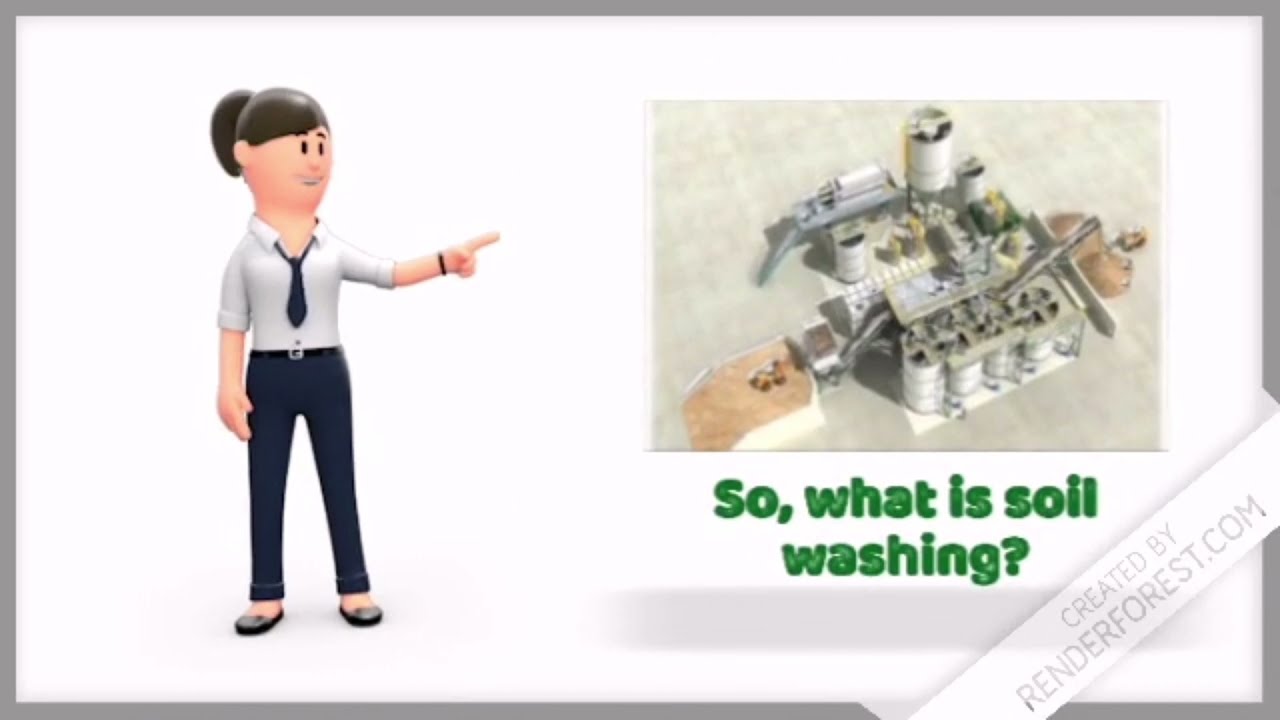
Studying environmental remediation techniques, such as bioremediation and soil washing, used to clean up sites heavily contaminated by informal smelting and acid-stripping.
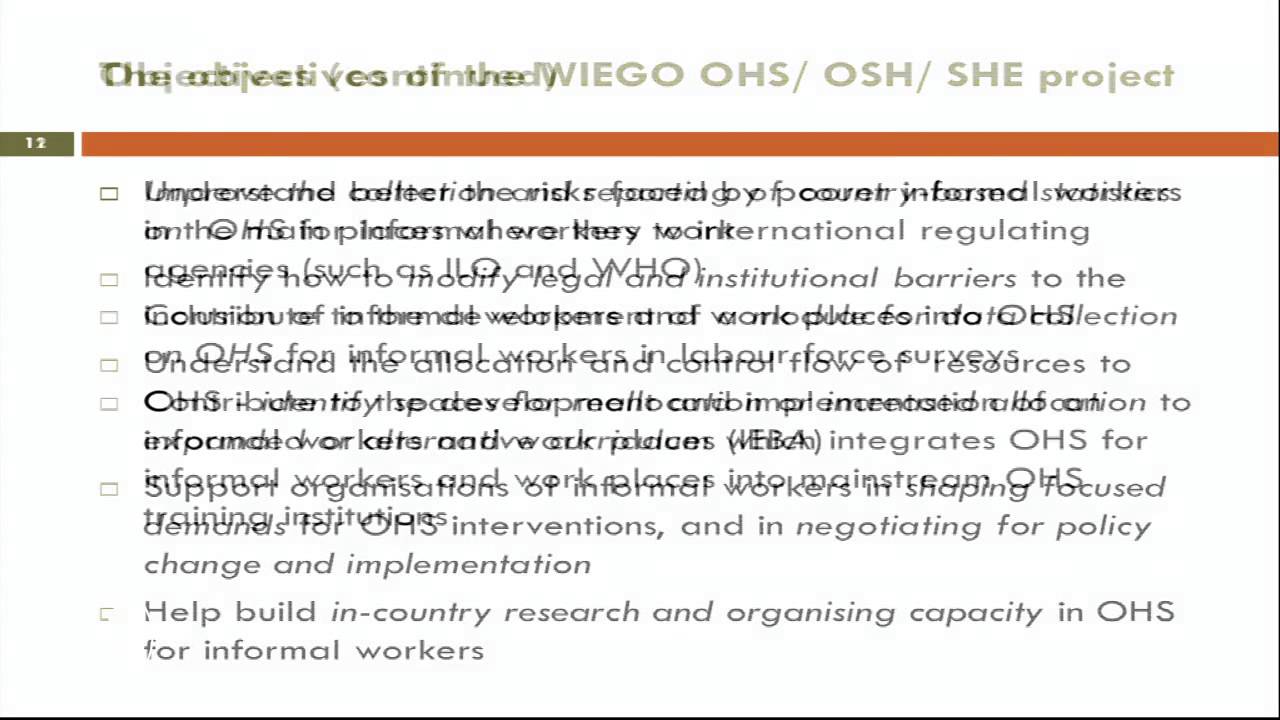
Developing community-based public health interventions and occupational safety strategies tailored to informal economy workers in developing nations.
1.4M views9.1Klikes28:11Original Release: 2016-07-11
every year 50 million tons of electronic waste is thrown out 75% of the waste illegally ends up in the landfills of third world countries like India Bangladesh China and some African countries Pakistan has now become a Dumping Ground too computers fridges televisions and unwanted old devices find a new life here bringing employment to thousands of Pakistani people but the health and environmental consequences are monstrous electronic pollution destroys everything this represents a huge setback for a country that doesn't have the means to remedy this pollution Karachi the economic and financial capital of Pakistan with its 20 million inhabitants this is one of the largest cities in the world an incontrollable and ultraviolent City in the city center a step away from the electronics Grand Bazaar gulam is receiving his Goods hundreds of computers that arrive straight from the harbor gulan is one of the main electronic waste importers in Pakistan he discovered the potential of this Market 10 years ago his alib cabern is packed with broken keyboards computers and [Music] printers yeah PS2 keyboard This 42-year-old Tycoon owns two other enormous warehouses he has employed around 30 people and is proud of his success and having come so far SC charging €500 per ton gulam earns a lot all of his supplies go through his associates and deai the Hub of the Region's electronic waste and wholesale the associates make it seem as if they are functioning secondhand products hard for customers to tell the difference SC [Music] every year almost 4 million tons of electronic waste coming mainly from Europe and the US is Spilled Out onto karachi's Harbor much that could have been repaired by the manufacturers or distributors in the native countries I think over the period the people have realized that uh getting it recycled in the developed countries underdeveloped countries is much cheaper uh rather than doing it their own countries and may maybe they having the environmental concerns of the recycling so uh it's just a nimi attitude not at my backyard somebody's else backyard this is part of the globalization the world is becoming a one uh Trade Center so one material which may be a waste for the other can be uh something for earning for the other country and E is just like that according to the UN Pakistan is earning as much on electronic waste recycling as it is earning on drug trafficking that is to say millions of Euros the business has slowly developed a structure and has come to be of particular interest to wholesalers like nir who specializes in DVD readers and CD recycling just bought 900 devices for500 he is hoping to earn twice as much by selling them to a scrap metal Merchant who will disassemble them but not everyone earns as much as gulam and nasia in sha just a few kilometers away this waste will be recycled for a lower price shha one of the most dangerous neighborhoods in Karachi is located on the border of lari having been taken over by rival gangs the authorities have no control over the area everything has been recycled here for the past 30 years Motors cars even vessels the massive arrival of electronic waste has created an informal substance economy that feeds 150,000 people there are primitive shops at every street corner however no health or environmental regulations are in place fial and akar owned this recycling shop every day the two brothers receive hundreds of kilos of waste from all over the world [Music] they will extract silver copper steel and Brass from even the smallest cable and sell it per gram the working condition conditions are rough there are very few tools and no Health protection the men work without masks glasses or gloves they work 10 hours a day surrounded by nauseating [Music] smells the brothers are about to get to the motherboards they use a blowtorch to search for rare elements precious metals that are indispensable to electronic devices and for a few grams of gold in the smart carts remote vcd DVD card this waste releases smoke that is full of dioxide or monoxide carbonate inhaling this smoke is extremely toxic for the lungs and the Brain [Music] resignation isn't an option in Pakistan every second person lives off one euro per day for on a good day the brothers make two this is the only income for their family of six the father lost his job after an accident he was working in Shera collecting copper the two brothers are still not able to make as much as their father did generally labor are uneducated the people who are involved were not aware of what they are handling so they may not totally aware of what what is what is the danger for their health what is the danger for the environment or how it can be damaging so uh although the awareness has increased but not not in the communities which are involved in the recycling business for them is a matter of business so they may be handling those toxic material do handling the dangerous material but not being aware of what what the consequences can be in sha everyone ends up being poisoned by electronic waste lead cadmium and Mercury is progressively polluting the neighborhood even those who don't work get sick yet no one seems to worry akbar's mother moniba has always lived here ever since she was born she has been breathing polluted air she is suffering from stomach upsets skin diseases and is often affected by allergies During certain months she spends half of her son's income on medicine but often sees no results for [Music] infe in infection the toxic gases have reached Act Bar's lungs a 21-year-old young man is living on borrowed time today Akbar has decided to get a health checkup on the other side of town Dr aif Khan specializes in breathing problems he has been working in Karachi for 5 years and is constantly busy [Music] in [Music] [Music] be [Music] gloves mask or goles thank you very much the the e-w recycling can cause a whole spectrum of health problems ring from the skin problems to digestive issues uh to even neurological illnesses um and obviously as uh the magnitude of the industry is growing uh so is the magnitude of the of the health problems subjected to cancer neurological and breathing illnesses recycling workers have the lowest life expectancy in the country 4 million people die every year for causes linked to ronic waste despite the risks to his life pbar cannot do without his job arriving back home in the evening he continues his work piece by piece the waste and their toxic substances are located in the center of the household the entire family are exposed to them k but these precautions are derisory in sha everyone knows that when someone starts to work in recycling they lose 10 years of their life [Music] [Music] but not only does the electronic waste affect the workers and their fam's health it is also harmful to the environment shersha is one of the most polluted neighborhoods in Pakistan groundwater is contaminated on the banks of the lari river amongst the landfill toxic residues are being burnt their poison pours out slowly into the water and the soil I was grown in the vicinity of shes and my school used to be there right at the bank of lari river and uh as a student we used to go to this River to catch fish it used to be a clean environment it so we have paid a heavy price for just dping our liquid and solid waste in lari river and turning it to a uh just only a gutter lines or it's just only a waste line it's a destruction of the environment that I have seen with my own eyes so I have grown in the area so I can realize and it it touches my heart when I go to that area and see the level of pollution sabba and shib are some of the rare activists that have dared to enter this area both of them work for the NGO WWF in EXP today sabba and shib are going to warn these children's parents about Electro smoke am [Music] Malik is an immigrant who fled the north of the country and the Taliban she was hoping to find work and a peaceful life in shersha now she is worried about her eldest daughter who has been bedridden for the past few days the local Clinic was not able to tell her more about her condition Malica uses part of the family budget on clean drinking water but it doesn't seem to help her daughter is getting worse by the day many such families dream of leaving shersha but they cannot afford to do so the authorities are powerless in the face of the E-Waste pollution's magnitude it has become a problem and we are aware but uh keeping in view the priority we focus other ways if if we talk of the just Solid Waste Municipal solid B of Karachi it is currently it is around more than 12,000 tons per day the waste water which is whether it is treated or untreated both are mixed and ultimately disposed through this River to the Arabic sea the Arabic sea is just off the Karachi River and is now contaminated by E-Waste pollution a whole Community is in danger the fisherman's Community representing more than 2 million people in Pakistan [Music] the material which is coming out of the EVS from Pakistan other countries they are again going back to the developed countries uh for reuse so it is not this it's a it's a big cycle so it's just ultimately these materials some of the materials which are taken out of the uh this east of no use for this nation at present but it is being of great use for the Nations which have using it which means China and even the European countries and America or other places where these material can be used for uh creating other electronic materials so it is it's a cycle it's a big cycle dismantled in Pakistan and reused in China or elsewhere nothing seems to be stopping this vicious cycle of e-w trafficking not even the laws reinforcing the basil convention this is an alarming situation in the face of a growing Global consumption of computers and cell phones if nothing is done the electronic Revolution will continue to have devastating effect in the meantime shersha an open wound in the heart of Karachi continues to absorb the aftermath of E-Waste recycling for
Up Next
1:45
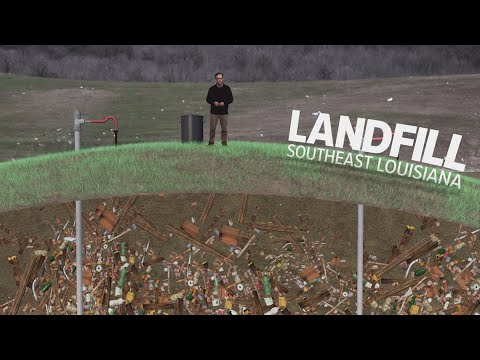
Landfill Gas and Leachate Collection Systems Explained
@wwltv
108.7K views•2019-11-15

15:54
Life in Biosphere 2: Sustainable Ecosystems & Human Survival
@TED
334.9K views•2009-06-16
14:30
Microplastics Everywhere: How Plastic Impacts Our Lives
@TEDx
100.9K views•2018-05-08
10:28
Ice Stupa Artificial Glaciers: Solving Ladakh's Water Crisis
@SonamWangchuk66
3.2M views•2015-05-03
Related Study Plans & Knowledge Roadmaps
Structured learning paths in Environmental Science
environmental-science
Ocean Noise: Cetacean Impacts & Mitigation
01Fundamentals of Underwater Acoustics
02Marine Mammal Bioacoustics
03Anthropogenic Noise: Shipping & Seismic Surveying
+ 2 more learning modules
16h5 modules
Explore Roadmap
environmental-science
Road Ecology: Corridors, Overpasses & Fencing
01Foundations of Habitat Fragmentation and Carnivore Ecology
02The Road Barrier: Ecological Impacts of Transport Infrastructure
03Principles of Ecological Corridors and Connectivity Mapping
+ 3 more learning modules
14h6 modules
Explore Roadmap
environmental-science
Ocean Acidification: Kelp Buffering & Shellfish
01Fundamentals of Ocean Chemistry & pH
02Chemical Pathways of Coastal Acidification
03Bivalve Physiology & Calcification Under Stress
+ 2 more learning modules
18h5 modules
Explore Roadmap
environmental-science
Ice Stupas: Glacial Retreat & Water Security
01Foundations of Glaciology & Mountain Hydrology
02Climate Change and Glacial Retreat Dynamics
03The Science of Ice Stupas & Artificial Glaciers
+ 2 more learning modules
14h5 modules
Explore Roadmap