











![[🔴LIVE] 오정환 전 MBC 보도본부장 초대석! [젊소토크]](https://i.ytimg.com/vi/ahYsd0Roqo8/maxresdefault.jpg)










Undersea fiber optic cables form the backbone of global internet connectivity, carrying over 99% of all international data traffic, yet remain vulnerable to geopolitical tensions as major powers like the United States and China compete for control of this critical infrastructure, creating a modern 'Cold War' struggle over who controls the plumbing of the global economy and the flow of information across borders.
How Undersea Cables Shape Global Geopolitics | Explained
Added:Basic Internet Infrastructure: Understanding that the global internet relies primarily on physical, underwater cables rather than satellites for high-speed data transmission.
Fundamentals of Geopolitics: Concept of sovereignty, state-sponsored espionage, and how physical communication routes act as strategic choke points.
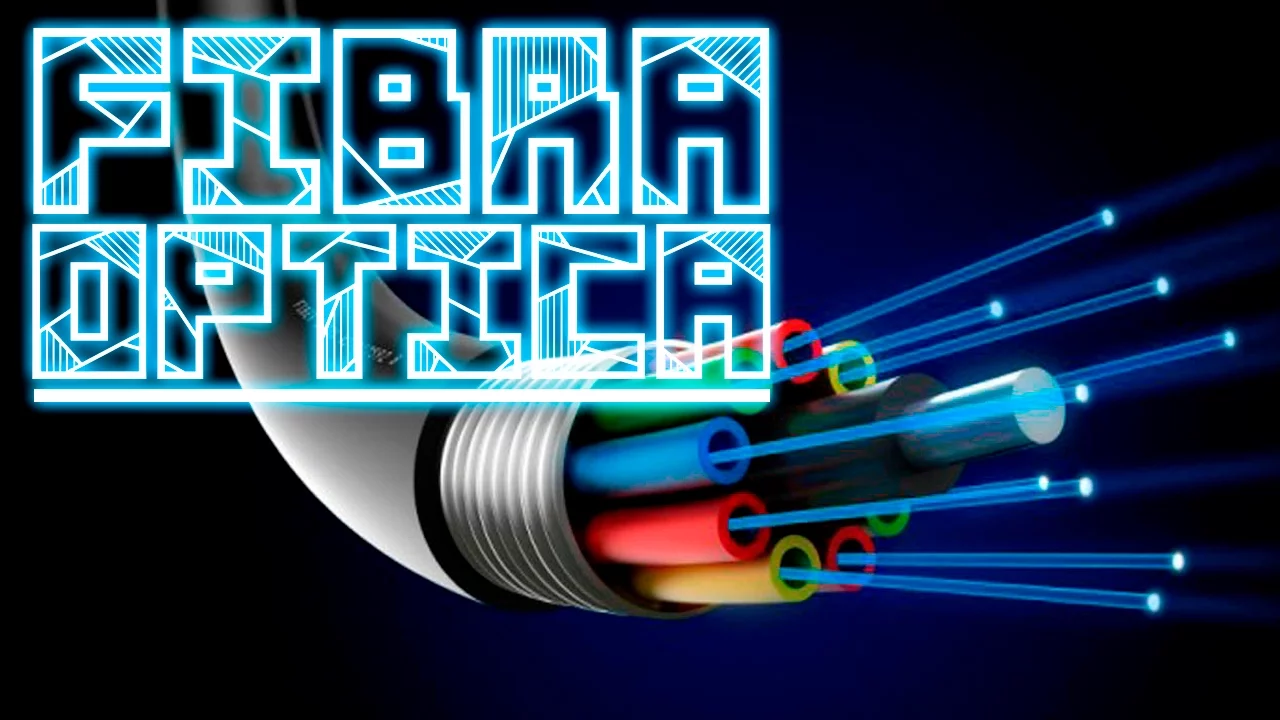
Fiber Optic Technology: Basic understanding of how glass fibers use light pulses to transmit vast amounts of data across long distances.
International Maritime Law: Familiarity with the United Nations Convention on the Law of the Sea (UNCLOS) regarding international waters and cable laying rights.
Digital Sovereignty & 'Splinternets': Exploring how nations build firewalls and domestic network infrastructures to decouple from the global internet.
Maritime Choke Points & Security: In-depth analysis of high-risk geographic areas (e.g., the Red Sea, Taiwan Strait) and the physical protection of critical infrastructure against sabotage.
The Sino-US Tech Hegemony: Studying the diplomatic and economic competition between the US and China over subsea cable routing contracts and data landing station control.
LEO Satellite Networks: Comparing the geopolitical implications and strategic resilience of subsea cables with Low Earth Orbit satellite constellations like Starlink.
561.2K views4.1Klikes58:20Original Release: 2023-12-20
[Music] beneath the world's oceans is a rarely seen technological Marvel a global web of fiber optic telecommunications cables lacing The Contours of the ocean floor stretching hundreds of thousands of kilm is the underwater information Super Highway the backbone of the communications Revolution it's how we talk text and stream it is the physical network of the Internet connecting billions of people to the digital age subc cables are the most important infrastructure you've never seen most people think they use their phone and things go through the air magically around the world across the continents they don't these cables are also the front line of a technology war between superpowers it's a Titanic struggle for Supremacy they carry at least 10 trillion dollars of financial transactions every day cables are our lifelines transport hospitals education everything in modern life depends on them if such a system would be uh cut off the society would be almost completely paralyzed and they the central nervous system of National Intelligence and security agencies in a world where data and speed dominate there's the constant threat of surveillance Espionage and even sabotage Beijing and Washington have accused each other of tapping cables and carrying out cyber attacks we have a war in our backyard I think it's a court War 2.0 we have been asked to make take sidence at stake is the control of global data worth billions of dollars diplomatic brinkmanship behind closed doors meddling in the very architecture of the internet almost everything you say do or see online whether it's on your computer or your phone instantly ends up on a beach like this crisscrossing the oceans through undersea cables right there just out of sight is a shadowy world where technology big money geopolitics and secrecy converge there's a battle for control of Neptune's Kingdom the cloud under the [Music] [Music] sea oh you hear a big bang um that's not something that you hear often um and it was shocking um to to most everyone yeah we just saw the SM coming up out of the sea in the sky everything just went crazy everybody's running for it it was like the movie zombie when we all came out to see what what impact there was a tsunami advisory is now in effect for the entire Us West Coast and Alaska this comes after an underwater volcanic eruption overnight in the South Pacific the eruption happened near the island nation of Tonga the Pacific Nation almost in a communication blackout following a volcanic eruption that triggered a tsunami witnesses to the biggest volcanic eruption in more than a century recall the day the sky turned dark with Ash in January 2022 just 65 km off the coast of Nuku alofa the hunga Tonga hunga haai volcano ripped open the ocean floor with a force a thousand times more powerful than the Hiroshima atomic bomb what happened next would plunge tongin into the center of the disaster a Army up to 20 M High crashing onto the coast the m is cover my mom on the bed is up on the bed the water was going up on the bed so I can't say anything I just crying it's really scary heart was beating of course we didn't really know what to do our mind was blank but all we need to do is just evacuate as as people ran for shelter the volcano and tsunami were also shredding tonga's only subc telecommunications Cable in the country's moment of need we were totally black from the internet world for about at least 3 days and that was quite anxious and I think more so the family overseas were more anxious because they didn't know what was happening in Tonga in their minds they probably thought that Tonga was just wiped off the map if felt isolating um it felt it did we it just felt like we were completely just isolated in an area where there's nobody else um to call for help to um we couldn't communicate to anybody uh we couldn't call our families in the next Village natural disasters the size of the honga hunga haai volcano are rare but it does show how quickly the whole country can be blacked out by mother nature always back mother nature mother nature is so much stronger than uh whatever we can engineer it doesn't matter how many steel wires we place around the cable it's still going to snap those things almost the entire internet relies on a simple principle that you can connect two places by joining them with a fiber optic cable running thousands of kilometers end to end across the ocean floor but Tonga shares a problem with most other countries here in the South Pacific where entire communication systems depend on just one cable a single point at which if anything goes wrong the whole country is cut off from the rest of the world it's a dilemma that links Tonga to other countries also caught in in a geopolitical tug of war there are officially nearly 500 undersea cables running between countries and continents more than 1.4 million kilm of high-speed fiber optics almost everyone is now connected the fundamental backbone of the way the whole world interacts and the whole way the world uh drives its economy forward people have asked well isn't that satellites and I've said no you know um 99% today of all traffic data whatever you're looking at video streaming gaming whatever voice which is very small is all carried on submarine cables there's an astonishing resemblance between today's telecommunications lines and the busiest trade routes of the 19th century in the 1850s the Industrial Revolution was transforming life in Europe and the United States electronic Telegraph networks were spreading rapidly over land laying a Communications cable across the ocean was the New Frontier it was the beginning of the communications Revolution letters that once took months to deliver could now be telegraphed in less than an hour the British Empire was very instrumental in connecting all their foreign territories this is how the superpowers of the 20th century Britain and the United States reinforced their place at the center of the global economy and hoped to Herald a new era of World [Music] Peace it is impossible that old prejudices and hostilities should longer exist while such an instrument has been created for the exchange of thought between all nations of the earth ironically the cables would be among the first casualties in both world [Music] wars in the past Century the dots and dashes Morse code have transformed into torrent of terabytes at a rate of 84 billion words a second the science the physics that goes into these is is incredible you know you're you're pushing the limits of how much data you can push down an optical glass fiber the 19th and 21st century share at least one piece of specialized Marine equipment the cable repair [Music] ship cables do break all the time actually there's an average of you know one fault every 3 days somewhere in the world there are Fleet of ships on standby that go out and fix cables when one cable goes out other cables can carry the [Music] traffic this is one of just 60 operational cable laying and maintenance vessels on call at any time around the world to lay cable or fix faults usually caused by fishing nets and [Music] anchors draped across the ocean floor they are unspooled by ships employing basically the same process used in the 1850s to lay the first transatlantic Telegraph cable the state-of-the-art technology comes down to this a length of cable as narrow as a garden hose plastic and steel encase glass fibers as thin as a strand of hair this is what carries the world's information as Tiny pulses of light subing cable industry is living a double life what we're told about is the commercial industry what you and I experience of the plumbing of the internet and that's true that is the bulk of the submarine cable industry but of course the military also transfers its data it Secrets its military operations now it has to use the same cable infrastructure or secret infrastructure which it has built but who builds those cables for the military for the intelligence agencies it's the very same companies that build the internet infrastructure that you and I use and it's that double life that they're trying to [Music] hide it's invaluable data and a surveillance goal old mine for spies yeah can't comment on that yeah I'm just going to get myself in the with the US government here if I startop I don't think the Chinese and any worse than the Americans the only ones who's actually been caught are the Americans I think we're all used to operating under the assumption that all our data is private um you know maybe end to end encrypted um but uh do you really know just who is watching who is the question haunting the world's most powerful leaders both Washington and Beijing are now working on the uncomfortable assumption that cables are susceptible to espionage the US intelligence Services claim China is undermining the West's technological advances the uh Chinese counterintelligence threat is more more deep more div diverse more vexing more challenging more comprehensive and more concerning than any Counter Intelligence threat I can think of the submarine cable industry very much mirrors what is going on with geopolitics at at the moment and that's what makes it such a shady industry and has that sort of eerie Echoes of the past in terms of the Cold War and I think the the submarine cable industry is the very essence of what some people are calling the new cold war between the US and China and like the cold war this 21st century dilemma leaves smaller countries caught in [Music] between you just got to make sure you align with your government to the right side or to the politically correct side we cannot afford to be enemies with anyone you'll find that African governments will tell you they they are non-aligned they they they need to be friends with everyone you know there's a saying in Africa when the elephants fight it's the ants and the TR and the grass that gets trampled we are an our friend to everybody um enemy dunan we have to ensure our sovereignty is uh soice there um as a country uh as an island State um uh we always you know um when we talk with them uh when they come uh we always want to maintain that that sovereignty of T the question of sovereignty becomes more complex in the multi Billion Dollar World of subc cables smaller countries unable to fund these projects alone depend on the Goodwill of major powers and corporations to get connected I understand that there are some people that want to treat our region as a bit of a chessboard uh for playing geopolitical games that's not the Australian government's approach in the Pacific you know we want to see a region that's peaceful prosperous and [Music] secure in May 2022 the Chinese government started talks with 10 nations in the South Pacific offering loans to help build and expand their Communications networks Prosperity the provider would be the Chinese technology giant haaw US Federal Communications Commission has imposed a ban on import and sale of communication equipment from Chinese firm Huawei Technologies China has reacted angrily after the government banned Huawei from the UK's 5G networks amid security concerns Chinese Telecom giant is being banned from supplying Canada's telecommunications system Huawei has been banned from building communications infrastructure in most Western countries because of National Security concerns that it would be a back door for top secret information to be siphoned off to Beijing it's a claim Huawei and the Chinese government deny purely itical move made without a shred of evidence Australian Security Experts advised local authorities to ban Huawei in 2018 it's targeted at and aimed at solely protecting Australia's interests and the protection of Australia's national security that is our first responsibility as a government Australia was the first country to ban Huawei the US Japan India and many European countries soon followed there is a long-standing distrust of of China by uh definitely the American government people are very wary of giving the Chinese government you know access to private Communications but for many developing countries the Chinese Tech Titan is an attractive option simply because it's cheaper when you look at what's happened uh in Africa um a lot of the cheapest technology that has gone into many other the countries has actually been hwe technology when their relationship with with the the West um becomes an issue many of them are being asked to switch out that technology at a high cost to them and I'm not sure that that's affordable for them the chines are beating in them at their own game the Chinese has a there an interesting history in the Chinese they have a long you know a long plan while the West we have a short plan so it's again building knoow building infrastructure buying into companies getting the knowhow and develop again it is has been their strategy while the West has been like idiots in my opinion the Federated States of micron is one of the Pacific countries that's found itself in the middle of this power struggle its former president David panello has accused Beijing of rampant bribery corruption and spying saying China was attempting to take control of the nation's submarine cables and Telecommunications Network China is seeking to acquire access and control of our region with the result being the fracturing of regional peace security and stability it's been um a little bit confusing at times but I know it's all driven by politics so yeah I think I'd I'd rather leave that to the politicians the Chinese government's charm offensive in the South Pacific has prompted Washington to take action the US is now flexing its influence in the region and intercepting plans for where cables are laid and who controls [Music] them the South China Sea is the most congested and contested region for sub sea cables it's also one of the most critical sea areas in China's military strategy but it's a tangle of disputed Maritime and Island claims and a choke point for the global network of cables as China's military mind grows Taiwan has become a flash point Taiwan is now living under such a military threat almost on the daily basis I would think that it is very icy very complicated given that how much distrust there is not only between the governments but between the people China has never given up on taking Taiwan by force if [Music] necessary these rough seas are a metaphor for what's going on in this region like tongin the Taiwanese had experience in what it's like having their SSE cables cut there were 14 cables coming in and out of Taiwan and there have been 27 cable Brakes in the past 5 years now that is a lot by global standards officially at least it's mostly blamed on Chinese fishing boats accidentally dragging their anchors on the sea floor and snapping those cables which then take months to repair but it's been happening so frequently that the authorities here have started wargaming the prospect of what it would be like to lose their Communications with the outside world altogether and what that would mean for Taiwanese domestic security and defense systems I think that's the very very uh you know serious situation for the Taiwan security America's determination to preserve democracy here in Taiwan and around the world remains Ironclad The Fallout since Nancy Pelosi's visit to Taiwan has seen Beijing increase military drills in the airspace and Waters around Taiwan the former head of taiwan's military has serious concerns about China's show of force well let's much more difficult than it's used to be because they are getting the closer and closer to Taiwan and Taiwan needs to protect their own sovereignty so we have to also send the fighter jets or na ships to counter this kind of coercive the activities that I think this the risk of that kind of miscalculation will be easily happen Taiwan has raised the alarm following a record number of Chinese Jets Crossing The Unofficial border the military action is especially menacing in light of China's vow to reunite with Taiwan facing deliberately heightened military threats Taiwan will not back down some fear conflict is inevitable Taiwan would like to remain independent Taiwan would like to decide for ourselves where to go from here as a country uh China uh would does not want that to happen uh China would not want Taiwan to remain on the world map uh and we've seen that China has continued uh to flex its muscle again diplomatically economically and militarily to make sure that Taiwan does not remain independent so we know that China will not stop if you told me whether Taiwan is very underprepared I would say that yes you know but being underprepared is not a reason to be unprepared I think t com and people are trying very hard to demon on one hand you do not want to scare your people too too much but at the same time you need to let your people know that there might be an incoming war that hopefully may not happen but we need to be prepare for it so far the Maneuvers have fallen short of an invasion and stayed within the gray Zone that's military speak for tactics that fall between War and Peace in terms of geopolitics we also need to consider uh we do have defensive capability but do we have offensive capability do we have the offensive capability once any conflict happen we have sufficient power to fight him back if the people's Liberation Army were to attack it's believed the First Act of War would be to cut the submarine CES I think in the pis calculation if the intend to uh invade Taiwan they will certainly conduct that to sabotage the or Subs cable to isolate the Taiwan to the International Community community authorities are looking at low orbit Satellite Systems as a desperately needed backup it would be very serious because we are very and also technological based society everyone is counting on their mobile phone their laptop and also their Wi-Fi so if such a system would be uh cut off during such a difficult time I think uh I can imagine uh the society would be almost completely paralyzed and especially with this uh sophisticated system uh weapon system and also other communication function will be a blackout they've been War gaming what it would be like losing Communications with their allies we definitely need to have any conflict plan in place make sure even we are in a pist time we try our best effort to protect our critical infrastructure so far the existing cell has very limited capability to to back up all the data that require by the C cable but we work in on that step onto the streets of Taipei and this is what you see life in full color it's bustling with excitement and energy and the Aromas of the incredible food scene here it's also uniquely Taiwanese take a look at this but what do you can't see here is the anxiety that hangs in the air every single day that at any moment people here could find themselves under attack and having to step up to defend their democracy but locals are becoming used to the almost daily incursions by Chinese fighter jets and warships if they transform this kind of a coercive operation become real invention cooperation operation that will be very danger for us Enoch Woo's organization is training locals in civil defense if we are prepared for conflict prepared for the worst then we have the best chance in fact that is the only chance we have at keeping this peace it is a fragile piece everything's hanging in a delicate balance while ramping up its military presence in the region China is is waging a strategic battle on another front stripping countries from taiwan's already short list of diplomatic allies Taipei is losing friends as Beijing continues to isolate the self-governed island we actually do see This Global power play happening in Pacific Islands especially you know in the past when this specific Islands some of them used to be diplom diplomatic allies of Taiwan you know I I remember vividly uh when there was one week 2019 September where Taiwan actually lost two diplomatic allies kuus and San islands in the same week both Push by China for the Chinese it's strictly business but Taiwan claims Beijing is backing private investment in Pacific undersea cable networks as a way to spy on foreign Nations and steal data from its Rivals we are no longer the only country that feels uh Chinese interference in our local politics and our democracy we are no longer the only country that is uh subjected to the intellectual property theft um that's waged by Chinese uh State actors we're no longer the only country uh that faces the Diplomatic pressure at the world stage critics of beijing's belt and Road initiative the ambitious plan to connect new trade routes between China and the rest of the world claim it's a form of economic imperialism unfortunately uh we have uh look into bayro initiative uh China advocated heavily over the last 10 years and it it also comes with certain criticism with this D trap because most of uh uh countries sign on this uh b r initiative project with China most of them are uh underdeveloped or lower end of the developing countries obviously their economies are not in the good shape so once this big project constructed or develop further the first thing is they would have to borrow uh huge uh loan from China but obviously this loan may not be able to be returned by most of the country but the criticism may not be justified I think this is a questionable always qu criticizing China for that trap because uh from Chinese original purpose is good helping those country to develop further sometimes it may not be fair to simply criticizing them fiber optic cables are critical lifelines for Pacific economies it's almost lifechanging in a sense and um when we landed a cable in in tolea probably one of the smallest countries in the world 1500 people is a total population on three atols and the day we landed the the cable there was a six-h hour Celebration Church service followed by uh festivity so the internet had arrived in in the small Pacific island so being enabler of that connectivity makes you feel you know super good because you could see it in the kids faces and and uh and things like that that they are now being connected to the real world but cables are not only conduits for information strategically they assets of influence a great deal of the future of our world is going to be written here in the Indo Pacific and together the recent quad meeting held in Hiroshima made a bold statement on undersea cables the quad is an alliance of the United States India Japan and Australia standing together for an open stable secure and prosperous indopacific region they are the largest stakeholders in the world world's subc cable ecosystem all governments now treat submarine Fiber Optic Cables as critical infrastructure so forms fabric of a country's critical infrastructure being the key component that joins a lot of other Industries so Banking and finance oil and gas food production everything is tied into submarine fiber optic cables to communicate internationally amongst again the quad announced the partnership the cable connectivity and resilience to build secure telecommunications in the Pacific region to strengthen our cooperation and submarine cables uh new joint efforts between our private sectors in other words joining forces to exert influence and enroll allies in the indopacific it stresses the need for maintaining a region free of coercion a thinly veiled swipe at China the West is worried the region could become part of China's global data collection Network we seek a region where no country dominates and no country is dominated one where all countries are free from coercion and can exercise their agency to determine their [Music] future the move will bring together public and private sector actors including two technology Giants Google and Microsoft to develop what they call trusted and secure cable systems in the region to establish better internet connectivity the United States is backing the new cable connecting several Pacific Islands boosting Washington's influence in the region the Central Pacific cable would connect American Samoa with Guam and extend to up to 12 Pacific Islands among them Papa New Guinea samaa tuvalu Fiji naru through the Marshall Islands kirbas Cook Islands Wallace and Fortuna and the Federated States of Micron Asia it's a tangible sign of the strengthening ties between the US and Pacific island countries that are caught up in the geostrategic tug of war between Washington and Beijing the United States shares your vision and we're committed to help realize it incredibly uncomfortable position they're caught between a rock and a hard place you look at somewhere like the Pacific Islands for instance where you've got some countries which are doing deals with China some countries which are doing doing deals with the the US and usually you hear from their leaders they don't want to be involved in geopolitical competition all they want to do is have the investment in in infrastructure um like undersea cables Unfortunately they are caught between the US and China and they then have to make often have to make a choice and you're seeing these countries making these choices all the time it's not an e Easy Choice there are Economic Consequences and it's diplomatically fraught we've seen uh firsthand how the Chinese Communist Party weaponizes trade how the Chinese Communist Party leverages its economy to compel other countries towards political compromises in the aftermath of the tsunami which devastated Tonga the government looked for assistance from Australia New Zealand the United States and China from my own experience in China was a good friend good partner as I said of to like this building they buildt this building uh for us and they have assisted Us in several sectors areas partnership is the key uh for us not only China but also other [Music] countries in the wake of the disaster Tonga needed all the help it could [Music] get it was Devastation and we're very very lucky that we weren't we didn't have more deaths fixing the broken cable took a long time and millions of dollars from when it went down it took 38 days until it was back on live for the domestic C took 543 days about a year and a half that gives you some idea of how small the industry really is with just four major cable manufacturers and a limited number of repair ships we had to order 150 km of cable and that's produced by Alcatel in France and it took them 6 months to make and then they shipped it down to sore where the cable Depot is located and that took until another six months and then we had to call in the ship and the ship was actually busy with another job so it could it another couple of months before it could get here to come and do the domestic repair but the country lies on the ring of fire a region characterized by active volcanoes and frequent earthquakes we are the second most risk country in the world for the disaster uh natural disasters where is tsunami volan eruption the Australian government is helping fund a second cable to the north of the main island to ensure the country can better avoid being plunged into a Communications black hole we saw in Tonga after that terrible uh volcanic eruption um and tsunami uh they were disconnected um from the world and that had an enormous impact um not just in their ability to communicate with the world um but their ability within the country to provide services uh for their people so subsidy cable is an incredibly important enabling technology it creates opportunities for economic growth and development but also in the modern world uh underpin those basic uh government services um that communities rely on the Internet is a vital link for businesses and communities we' become reliant on it we'd run all our businesses through it and during the tsunami it was it it cost us business because people couldn't get in touch with us we couldn't get in touch with people um and our supply chain and and so forth was cut for almost a week two weeks until everything sort of came into to place people actually didn't walk around with their phones anymore they just left them at home they would just not even bother picking it up cuz that's all they used it for was internet social soci media and when you had dinner people were actually sitting at the table without their phones yeah it has its goods and its bads I [Music] guess like T the island nation of Singapore looks to the Seas for its connection to the rest of the world and it's where the cable industry's Global heavy weights have come together for their annual [Music] conference this is a gathering of the world's leading experts and biggest companies in the submarine cables Network there's a distinct Vision here those who think that these cables are a proxy for the tech war between the United States and China versus those who say that this is strictly business that market forces can and are overcoming the geopolitics Reuters investigative journalist Joe Brock has exposed how Washington fearful of beijing's spies has thwarted Chinese projects abroad and blocked new cable routes to Hong Kong you're talking about you know diplomatic brinkmanship behind closed doors meddling in critical infrastructure attempts for militaries and governments to control the very architecture of the internet the entire global economy operates on the internet so I mean you can call it a cold war you can call it uh gry Zone Warfare or geopolitical tensions but it is a battle over the plumbing of the global economy I don't know if cold war is the right terminology there is certainly a technology War Mike Constable is a former chief executive of Huawei he worked there for 6 years before as he says geopolitics went crazy anything digital there was a fear of of security um so the US and and friends for example are more confident that their data is more secure uh on friendly Nations uh networks if you will and similar for the Chinese so the division in terms of Technology between China and the US for example uh that's one of the key drivers of this what we refer to the bifurcation of the global internet he means access to the internet splitting into two two branches a western run cable network and a completely separate Chinese one but some disagree I think there's one big myth that I hear right now a lot in the media that there's going to be one world and two networks a American backed one and a Chinese backed one that's not what we're seeing at all Alan molden is the director of research at te geography the current issues between China and the US have led to delay or the cancellation of some projects that were designed to link China and the US now this does not mean data cannot flow between China and the US it has to go via a different route we've had a shitload of geopolitics you know and um this is like you're not allowed or Chinese companies are not allowed to come into the US for instance you have other cables not you know not being able to come into China e territory but everybody's losing from this game despite numerous official and unofficial approaches none of the Chinese delegates or speakers at the conference in Singapore would talk on camera you can see there are so many Chinese except for one sales representative from SB submarine Solutions Asia's leading provider of Submarine cable installation and maintenance and China's leading supplier of subc cable services come out from this from the perspective of business I think having the relationship having a good relationship between America and China is definitely good for us we did project in Mediterranean Waters uh back in 2021 and we also did project in African Waters in Angola back in 2021 and our clients for those uh two projects uh are Chinese but our the territory of our cable installation is just globally our clients could be Japanese companies and it could be Korean companies and may uh and also we have European companies is our client there's no doubt the industry is at a Crossroads I think many in the submarine industry have got their head in the sand and they wish there was no geopolitical conf conflict they wish that their industry could operate in the shadows as it often has and that their secrets wouldn't come out into the open unfortunately you know Pandora's Box has been opened uh the secrets out and to deny that there's no sort of geopolitical influence in under theea cables um you know is just is is the myth that is the the secret and that is the lie that many would like to you know maintain but I think that it's being that's been massively exposed the despite being blocked from International sub cable projects involving us companies China is adapting by building cables from the mainland to many of its Allied Nations Chinese are very Innovative in their mindset I mean if I looked at the company Iran the average age of of our people was about 35 if you look across this industry the average age is probably over 50 um so with a younger mind set and with a a very strong work ethic which I see in Asia more so than I see in the west there is a big driver to bring Innovation to change the way things have done it's a point not lost on industry insiders well it's been uh a race for years so again and looking at you know how Chinese great companies look at Hua as one how did they start and look at where they got their technology and how they have been you know sending people out to get you know higher education uh working with Western companies and all that so to get the knowhow um and then you know building up this industry it's like uh booming train it's it's like phenomenally what what they've actually uh made out of these companies at the same time somebody has lost a game one key aspect here of of this subc cold war that's emerging is despite the challenges in laying new cables between China and the US and the inability of new cables to be approved in the in the South China CH sea data still flows between China and the US right you don't have to have a direct cable to do that um and it doesn't matter who builds the cables data is still flowing between these countries the US government has stepped in to keep Chinese companies out of at least six private undersea Cable deals in the asia-pacific region forcing a re-rooting of the cables that would have directly linked China to the United States our support for submarine cable uh infrastructure in the Pacific supports Pacific Ison Nations to exercise their own autonomy to make choices to support their own sovereignty you know we want Pacific isand Nations to have a choice of providers um to be able to work with trusted providers of cable infrastructure to roll out secure and resilient infrastructure to support their own economic ambitions but it's getting more complicated roots are changing companies are beginning to divide what you're seeing is the fracturing of Internet architecture along you know a us and Allied grouping and you know China and its allies and it's a and it's a fracturing so you're now at risk of creating two Internets the South China Sea has been essentially blocked off from us companies so they can no longer run cables through there so they're running cables around Chinese companies can't run cables to the US which is the biggest internet Market in the world and others have been other countries and companies are having to fall in line if they want to keep up um you know with the whether it be the the business deals or whe they want their countries to you know have the best internet connections for the city state of Singapore that means adding more cable Landing stations and enhancing its reputation as a datadriven financial capital of the world in the next decade Singapore is planning to double the number of cables connecting it to the rest of the world with the help of ships like this more bandwidth equals a bigger economic Advantage which means that in the near future Singapore will have the capacity to process the huge amounts of data needed to make artificial intelligence autonomous machines and immersive virtual reality a part of everyday life the big tech companies are the ones at the Forefront of the data Revolution for many years the subc cable industry was driven by investments from largely state-owned telecommunications operators but over the past decade Tech groups or over-the-top providers have taken their place it's competitive but collaborative because um even the the large OTS don't need just one route between countries they will need several routes so they still may need to partner with uh the larger corporations to build uh redundant cables and that's the the theme of modern uh fiber optic Communications now the US tech juggernauts Google meta Microsoft and Amazon have invested billions into laying their own cables they are also big consumers of cable capacity accounting for more than half the global bandwidth usage but they're reluctant to discuss their business models or how the dramatic shift in geopolitics has cost them hundreds of millions of dollars we approached all four tech companies to be part of this documentary all of them declined insiders claim the big tech companies are now data scraping on an epic scale there's a massive amount of money in the cloud when you have these powerhouses like Google and meta you know these companies are making huge amounts of money you're installing infrastructure it's a tax deduction really your data is invaluable it helps companies Target you directly with advertising and allows governments to track your digital footprint NSA and the intelligence community in general uh is focused on getting intelligence wherever it can by any means possible that it believes on the grounds of sort of a self- sertification that they serve the national interest the former US intelligence contractor Edward Snowden exposed the United States using a mass metadata surveillance system to covertly access top secret information held by intelligence agencies if you speak to intelligence experts they will tell you that spnr takes place on the data and cables there's enough evidence for us to know 10 years ago Edward Snowden exposed how easy it was for the British and uh American intelligence agencies to Hoover up data um since then there's obviously been advancements in encryption technology but there have also been massive advancements in in military capabilities we know that the the the US and China have accused each other of extracting data they haven't denied they have those capabilities themselves some claimed the Snowden leaks were nothing less than an attack on Democracy like all technology now there is a concern uh a security concern who is tapping into my phone who is sneaking into my email so again this is this is infrastructure but it's digital infrastructure uh therefore there's a lot of National Security concerns about this um you know Edward Snowden many years ago spoke about the US government uh systems to to take capacity or take traffic off the end of the cables and filter that out to to monitor traffic um I think that's uh that's happening all around the world there's also the concept of legal intercept which is a clause in every commercial cable laying agreement it allows governments the right to access anyone's data with a warrant several countries including China Pakistan Saudi Arabia and Russia have been overt about their Ambitions to create a more centralized internet infrastructure allowing them to turn off access to certain websites or even the whole internet if you really want to it's not hard technically to disconnect uh a country or a region from the internet experts warn some countries have found more subtle means of interfering with cables using alleged inbuilt back doors or plants in the wires themselves it's a long way from one of the most daring missions of the Cold War Operation Ivy bells in 1972 US divers emerged from a submarine to wiretap a secret Communications cable between the Soviet fleet's Pacific base and headquarters in Russia seabed Warfare has evolved the superpowers now have specialist submarines and underwater drones capable of interfering with cables there are reports the USS Jimmy Carter a nuclear powerered submarine has a secret mission to Target subsea cables around the world Chinese and Russia so-called research ships and fishing vessels have also been spotted tracking cables the US and the United Kingdom have both deployed ships dedicated to protecting their telecommunications assets if you think about the definition of security and cyber security it's the CIA Tri Triad so confidentiality Integrity availability um so cable infrastructure we want to roll it out in a way that lets Pacific ARS Nation make choices um to protect their sovereignty in that context the Chinese have come up with a radical new way to protect their data the world's first commercial underwater data center there's no doubt the infrastructure front line is Shifting we are doing business we're business we're company we want to make profit we want to do more business and then we make more money right so we would like to the entire world you see our vision at linking the word lighting the future so we want the Work World just linked all together we are a entire family both superpowers want access to more information and trade there is a map that you can find online which is very interesting and we'll show you hundreds of publicly known cables there is a whole other hidden network of cables which you will not find online those include military spy cables for listening to submarines they include secret cables that are used to pass intelligence data that they want to keep top secret and private and these are around the world they exist on the seabed but you will never find them on a [Music] map and that is an emblem for the Dilemma facing most of the planet our futures and connection to each other depends on a dazzling amount of invaluable data surging across the sea floor almost entirely out of sight that data holds the key to how we manage the biggest questions of our age the education of our children our health wealth cultural identity climate change War and Peace [Music]
Up Next

29:36
US-Cuba Geopolitics: The 2026 Strategy of Economic Containment
@JackChappleShow
162.3K views•2026-02-04

24:30
BRICS Pay and de-dollarization: A New Financial Order Emerges? | 55 chars
@DannyHaiphongYT
164.6K views•2024-10-22
7:33
Government Surveillance Methods: 10 Ways You May Be Watched
@BeAmazed
1.6M views•2017-04-09
10:19
Explaining the Saudi-Iranian Proxy Conflict in the Middle East
@Vox
18.2M views•2017-07-17
Related Study Plans & Knowledge Roadmaps
Structured learning paths in Political Science
political-science
Economic Statecraft: Sanctions & Chokepoints
01Foundations of Geoeconomics and Economic Statecraft
02The Mechanics of Weaponized Interdependence
03International Sanctions: Types, Implementation, and Efficacy
+ 2 more learning modules
12h5 modules
Explore Roadmap
political-science
Central Bank Independence: Politics & Policy
01Foundations of Central Banking and Monetary Policy
02The Time Inconsistency Problem & Inflation Bias
03The Delegation Model and Designing Independence
+ 2 more learning modules
12h5 modules
Explore Roadmap
political-science
Consociationalism: Power-Sharing & Stability
01Democratic Dilemmas in Divided Societies
02Introduction to Consociational Democracy
03The Four Pillars of Consociational Design
+ 2 more learning modules
12h5 modules
Explore Roadmap
political-science
Rebel Governance: Legitimacy, Economy & State
01Foundations of Rebel Governance and Statehood
02Establishing Political Legitimacy and the Rebel Social Contract
03Wartime Economies and Rebel Resource Management
+ 2 more learning modules
14h5 modules
Explore Roadmap