
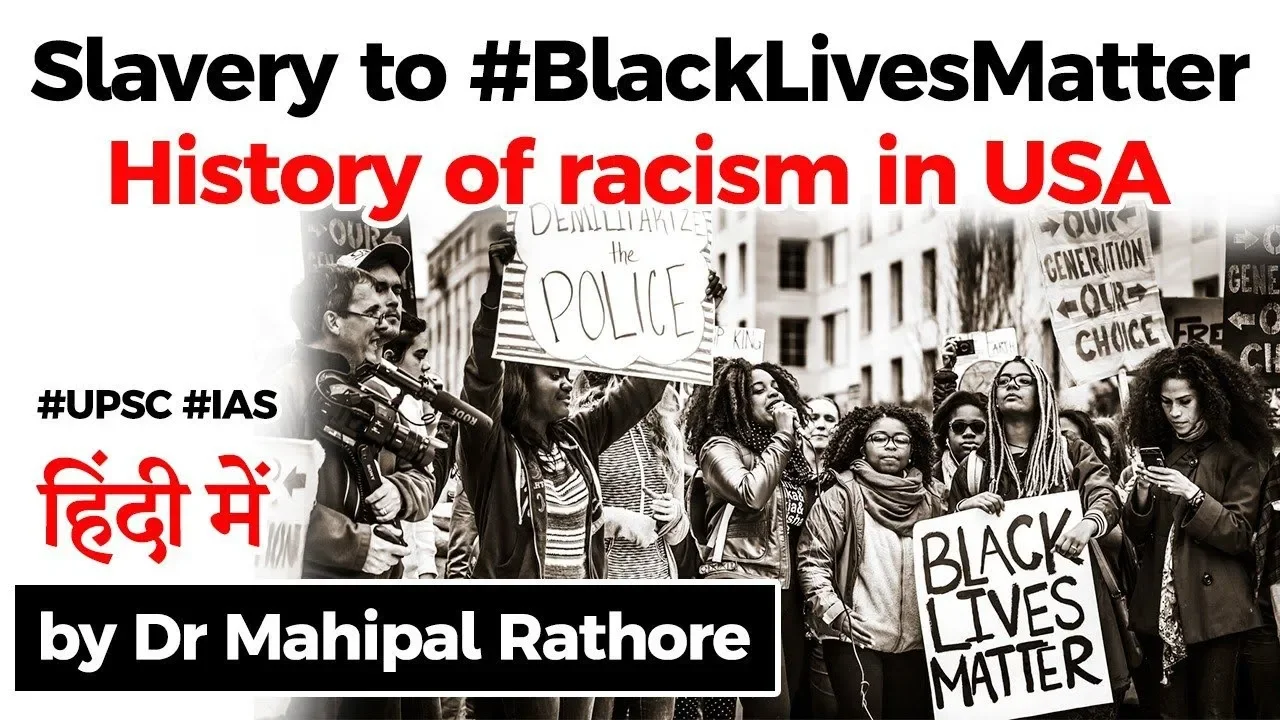

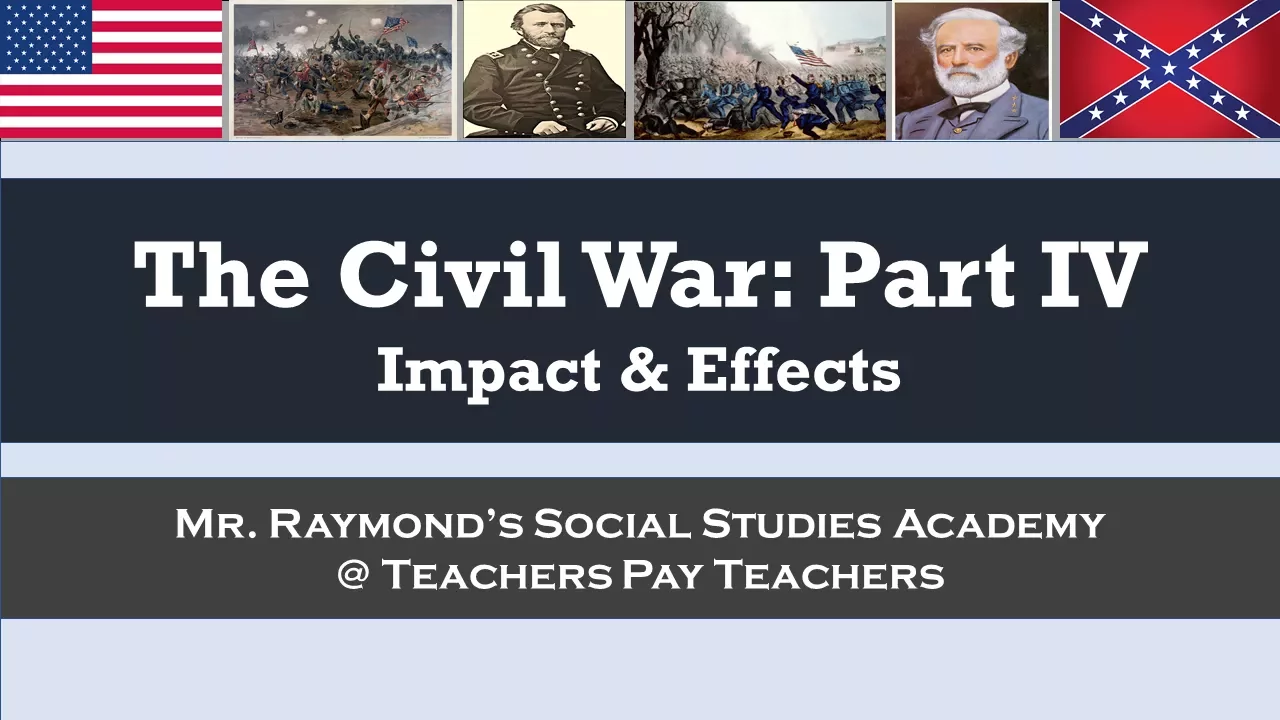


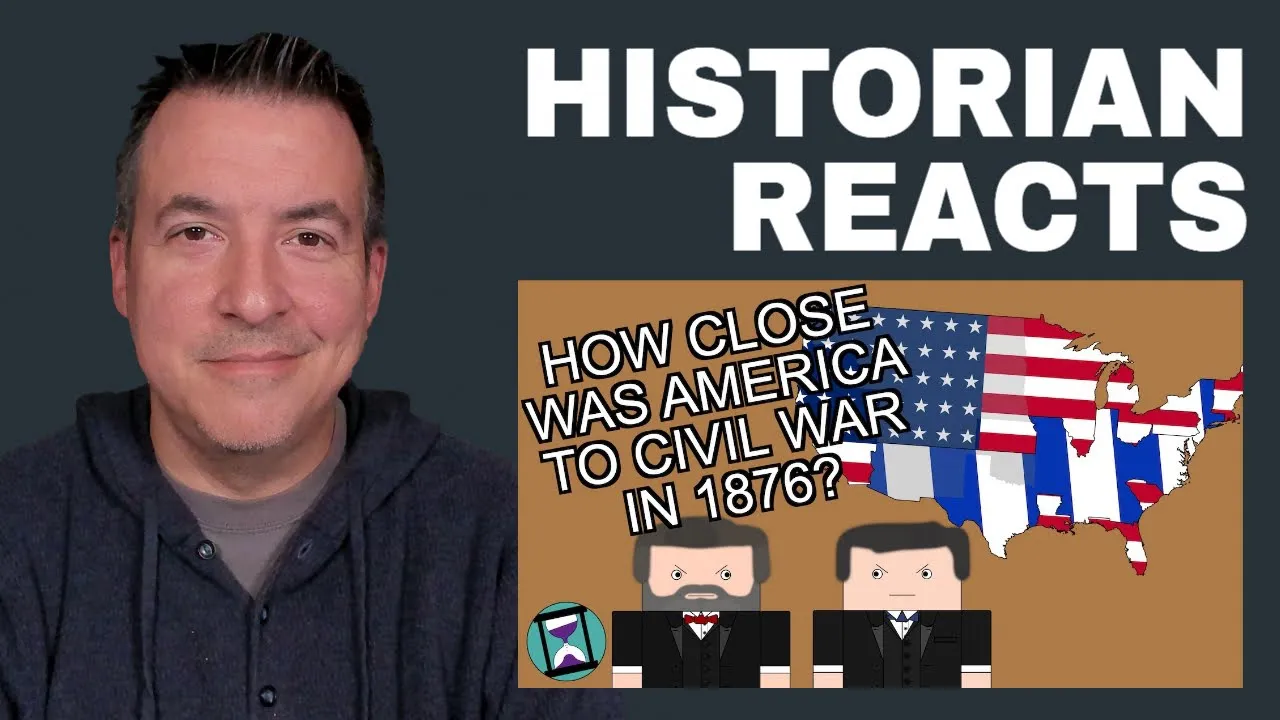




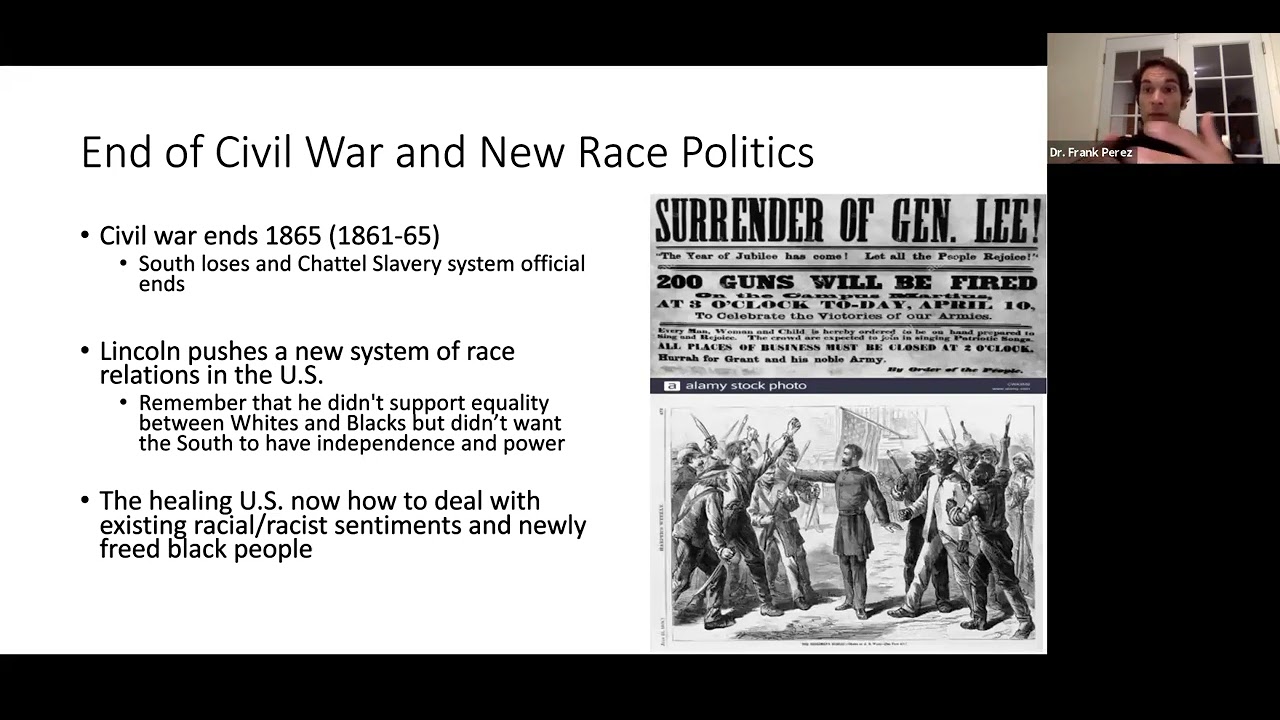
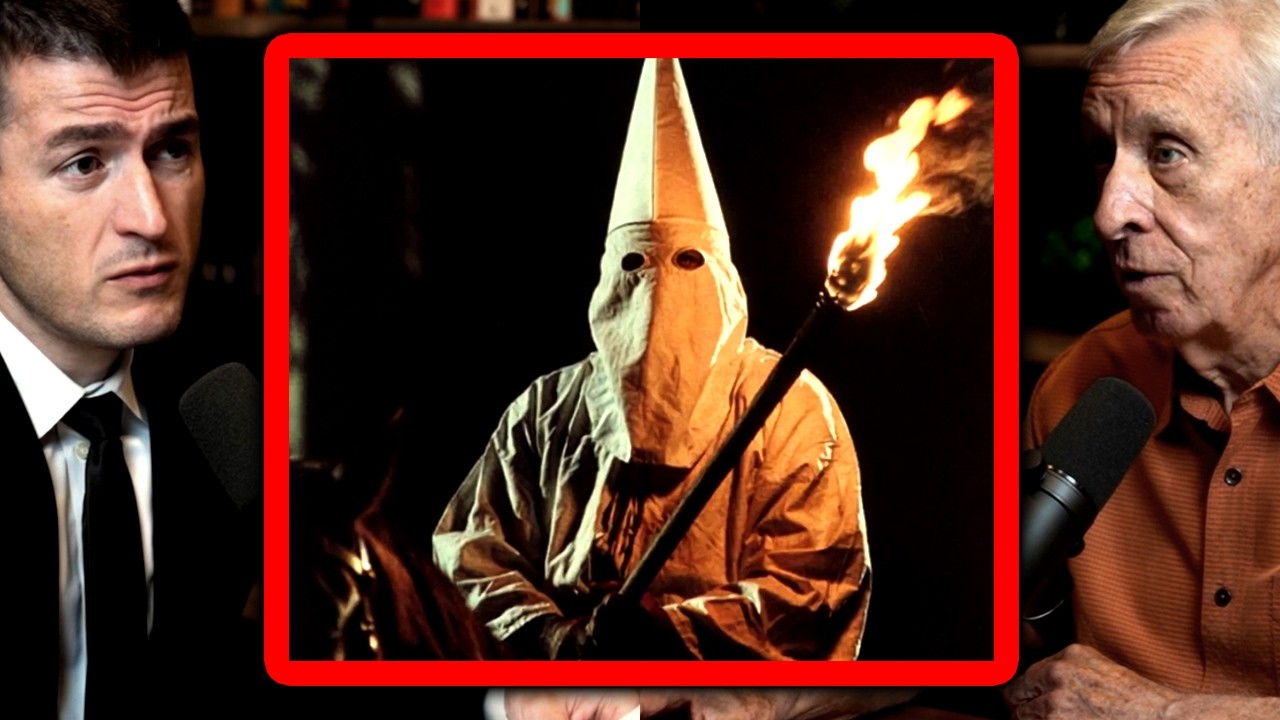







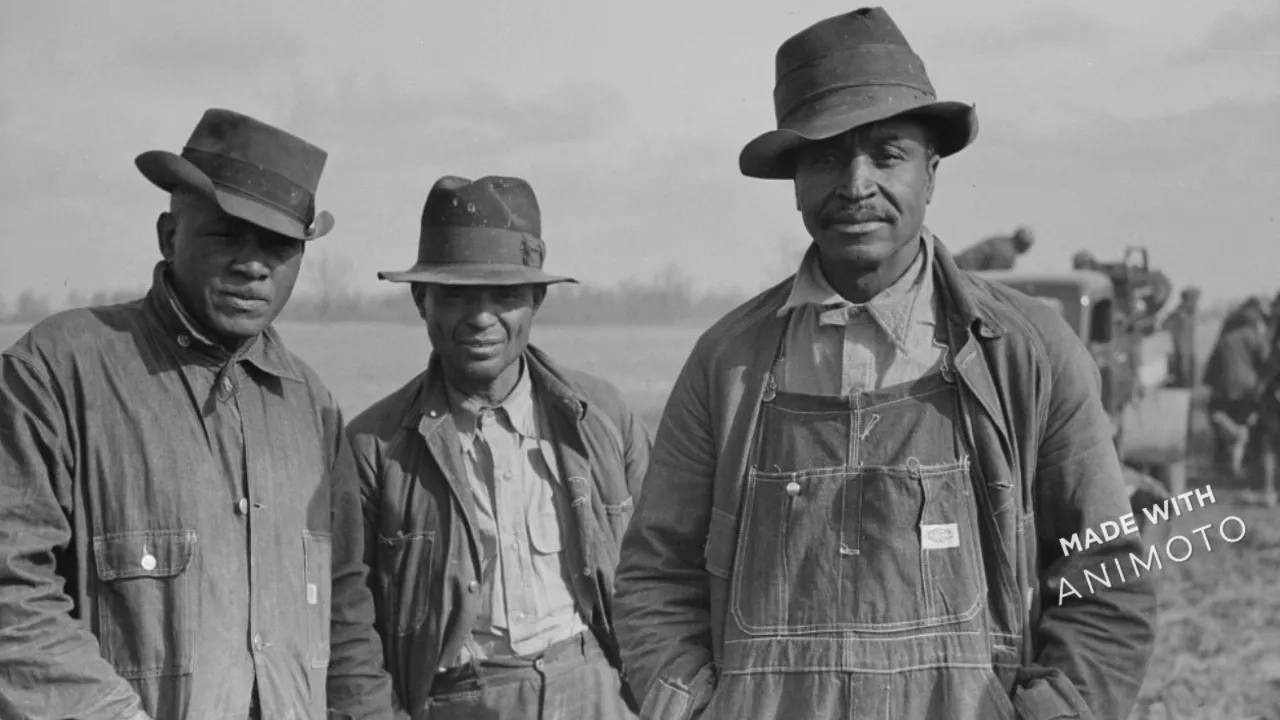





The Freedmen's Bureau, established in March 1865 under the War Department to assist four million newly freed African Americans with food, housing, medical care, education, and employment, faced significant challenges including political opposition from President Andrew Johnson, insufficient funding, and violent attacks from groups like the KKK, ultimately limiting its effectiveness; simultaneously, Southern states implemented Black Codes and later Jim Crow laws to restrict African American rights, while sharecropping systems created economic dependencies that resembled slavery, demonstrating how institutional racism persisted despite constitutional amendments.
Freedmen's Bureau During Reconstruction | US History
Added:The causes and outcomes of the American Civil War, specifically the passage of the 13th Amendment which abolished slavery.
The definition and general goals of the Reconstruction Era (1865–1877) in reuniting the nation and integrating formerly enslaved people into society.
The political division between Presidential Reconstruction (under Andrew Johnson) and Radical Reconstruction led by Congressional Republicans.
The socio-economic devastation of the post-war South, including the collapse of the plantation economy.
The passage and impact of the 14th and 15th Amendments, which attempted to secure citizenship and voting rights for African Americans.
The Compromise of 1877, which resulted in the withdrawal of federal troops from the South and the formal end of Reconstruction.
The transition of the Southern legal system from Black Codes to the era of Jim Crow segregation and widespread disenfranchisement.
The rise of sharecropping and tenant farming as dominant economic systems that replaced slavery but maintained cycles of debt and poverty.
The foundational role of the Freedmen's Bureau in establishing Historically Black Colleges and Universities (HBCUs) and early public school systems in the South.
73K views255likes5:48Original Release: 2021-01-24
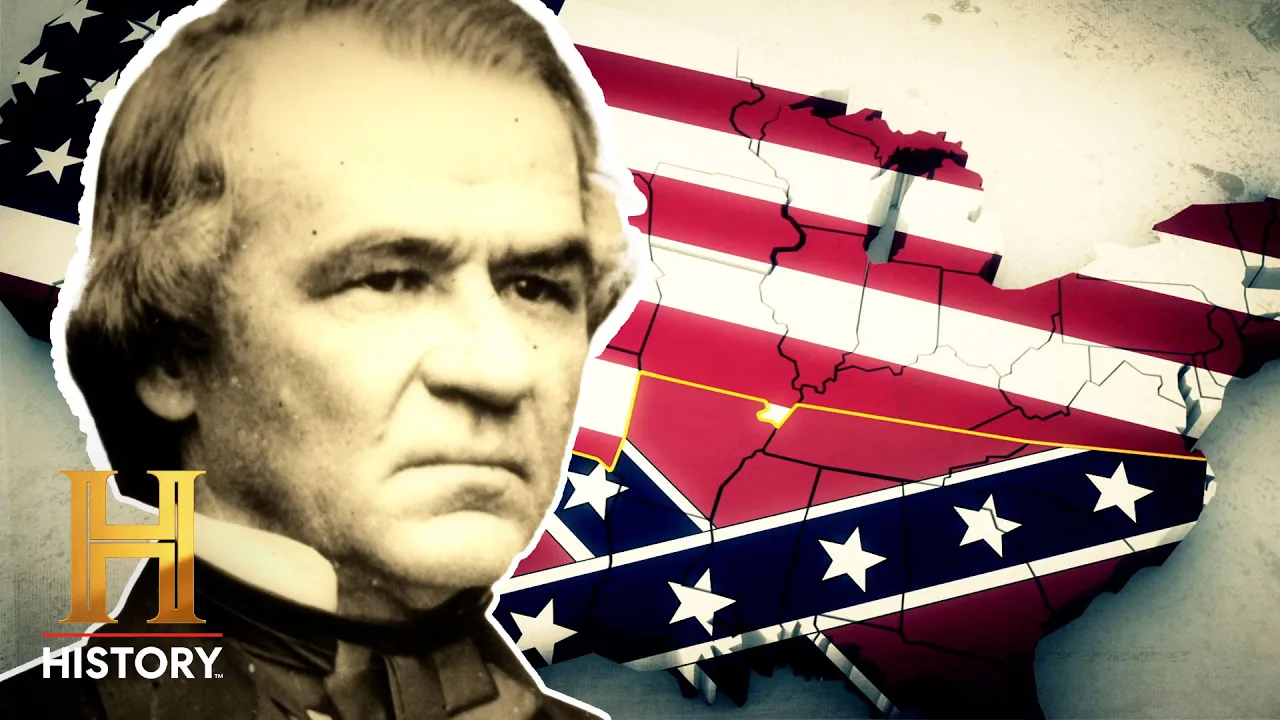
today we're looking at the freedmen's bureau sharecropping and black codes hello and welcome to the daily bell ringer please don't forget to subscribe and take a look at the questions down in the description in the wake of the american civil war the nation entered into a time period called reconstruction in which the nation was attempting to piece itself back together after four years of bloody fighting an integral part of reconstruction was the extension of rights to former enslaved african americans through the 13th 14th and 15th amendments slavery was abolished and rights were guaranteed unfortunately however despite official changes to the u.s constitution racism and discrimination still existed and fair treatment of african americans was by no means guaranteed some did seek to aid former enslaved people while others sought to keep former enslaved people in a state of slavery one important measure that was taken to help former enslaved people was the establishment of the freedmen's bureau on march 3rd of 1865 just as the 13th amendment had passed congress to abolish slavery and barely a month before lee would surrender to grant effectively ending the civil war with the war coming to an end and the 13th amendment on its way to ratification the government began to realize that there would be now over 4 million former enslaved people seeking work a home land medical care education basically all of the rights and privileges that they had been denied by slavery the freedmen's bureau goal was to aid in the transition and help former enslaved african-americans as well as some poor whites in the south in establishing themselves the bureau was put under the control of the war department as many former union soldiers who fought in the war now found themselves working in the bureau attempting to help those left homeless after the war the bureau helped in providing food medical care clothing housing finding work for former enslaved people and even open schools to educate those who had been denied an education the bureau helped former enslaved people find family members that they had been separated from because of slavery but again racism and discrimination was rampant in the areas in which the freedmen's bureau operated and so organizations such as the newly formed klu klux klan attacked those working for the bureau and burned schools operated by the bureau the bureau suffered from lack of money as you know many political leaders such as president andrew johnson argued against the bureau and vetoed legislation to further fund it this led to years of argument and debate in washington over the bureau's work and by 1872 the bureau came to an end as i mentioned earlier some sought to help former enslaved people while others sought to keep them in a state of slavery one popular method of this was what was called sharecropping as the war came to an end large landowners in the south found themselves without really any money and no labor force to operate their large plantations the plantation owners created an arrangement in which they provided former enslaved african americans a place to live they gave them seeds to plant and farming tools to work with but in return the landowner would get a share of the crops that were harvested of course since the land owner had to borrow money they bought seeds and tools on credit and went into debt they then of course passed this debt onto the sharecropper the landowner could then lie about the cost of materials or the value of the the sharecropper's harvest and so now the sharecropper was in a virtual state of slavery to the landowner and would have to borrow from the landowner and you know as the bible verse says the borrower is slave to the lender there were other variations of this system such as shared tenancy and and tenet farming which offered more choice and freedom to former enslaved people but nonetheless former enslaved african americans remained at a very low status economically in the southern society despite the fact that slavery had been abolished former confederate states began passing laws within their own states that heavily discriminated against former enslaved african americans these laws became known as black codes basically trampling the rights of former enslaved people these codes included laws such as african americans and whites could not enter mary african americans could not serve on juries or could not testify in court against a white man could not own land and also required african americans to sign contracts with landowners to work on their land for example in a share cropping situation and then if they did not have a contract they could be declared a vagrant and arrested congress of course attempted to intervene with the actions of the freedmen's bureau and the passage of the 14th amendment which attempted you know guarantee citizenship to former enslaved people and guaranteed protecting their rights these measures aided in overthrowing many of the black codes unfortunately however as time went on in into the late 1800s enforcement of the 14th amendment and protection of rights began to grow weaker as many former confederate states began passing what were known as jim crow laws that discriminated against african americans and sought to take away their rights the period of reconstruction would have long lasting impacts on american society that we feel even to this day as with any period in history there are good and bad lessons to learn and it's up to us to look at these events and form a better future so with that hopefully you learned something and thanks for watching
Up Next

5:03
The Freedmen's Bureau: A Yankee Agent in Post-Civil War Louisiana
@apushonline
85.7K views•2013-12-18

33:02
The Great Schism of 1054: Causes and Consequences
@SacredCathedrals
113.5K views•2026-02-19
5:37
Reconstruction Amendments: 13th, 14th, 15th Explained
@thedailybellringer
84.2K views•2021-01-04
17:05
Understanding the Cold War: Superpower Conflicts and the Road to Détente
@OverSimplified
46.1M views•2019-01-24
Related Study Plans & Knowledge Roadmaps
Structured learning paths in History
history
Byzantine Iconoclasm: Theology, Art & Politics
01Foundations of Byzantium and Early Christian Images
02The First Iconoclasm: Leo III and the Crisis of Images
03Empress Irene, Nicaea II, and the Second Iconoclasm
+ 2 more learning modules
9h5 modules
Explore Roadmap
history
Iranian Revolution (Causes, Events & Legacy)
01The Pahlavi Dynasty and the Roots of Discontent
02The Spark of Rebellion and the Rise of Khomeini
031979: The Fall of the Shah and the Climax of the Revolution
+ 2 more learning modules
8h5 modules
Explore Roadmap
history
Mali Empire: Mansa Musa, Trade & Timbuktu
01Foundations of the Mali Empire
02The Trans-Saharan Gold and Salt Trade
03The Reign and Pilgrimage of Mansa Musa
+ 1 more learning modules
6h4 modules
Explore Roadmap
history
1947 Partition: Politics, Borders & Legacies
01Foundations of British India and the Divide
02The Political Negotiations and the Mountbatten Plan
03Drawing the Boundary: The Radcliffe Line
+ 2 more learning modules
8h5 modules
Explore Roadmap