Digital diplomacy has revolutionized international relations by enabling governments to communicate directly with citizens and global audiences through social media platforms, with over two-thirds of world leaders now active on Twitter, allowing for more engaged and inclusive diplomatic engagement that transcends traditional boundaries between public and private spheres.
Optimized Academic Title
Added:Deep Dive
Basic understanding of how search engines crawl, index, and rank digital content.
Crawling, Indexing and Ranking | SEO for Beginners
56.2K
Search engines like Google operate through three core processes: crawling (using bots called GoogleBots to discover web pages by following links), indexing (storing discovered pages in a database for quick retrieval), and ranking (determining the order of search results based on hundreds of ranking factors including content relevance, quality backlinks, mobile-friendliness, and technical SEO elements). Webmasters can control crawling behavior through robots.txt files and optimize their sites for better visibility by ensuring proper site architecture, fast load times, and quality content that matches user search intent.
Click to watch →
SEO Tutorial For Beginners | Learn SEO Step by Step | Digital Marketing Training | Edureka
231.5K
Search engines have three primary functions: Crawling - using bots or spiders to automatically browse the web, fetch web pages, follow links to discover new URLs, and store information in a database called the index. Indexing - storing copies of crawled webpages in massive data centers organized by data structures for quick discovery. Ranking - using complex algorithms to calculate a value for each site in relation to search terms, determining which pages to display in search results. Google keeps algorithms closely guarded secrets, but SEO experts have learned how to improve sites based on known factors.
Click to watch →

IB Computer Science - Option C (Web Science) - SL + HL
20.3K
Search engines use crawlers (spiders/bots) to scan the web and collect content by following links from page to page. The collected content is organized into a searchable index with metadata about each page. When users enter search queries, the search engine's algorithm retrieves relevant pages from the index and ranks them based on factors including: relevance (content match), authority (incoming link quality and quantity), user experience (load time, mobile friendliness), freshness (recent updates), and engagement (click-through rate, time on page).
Click to watch →
How To Make Your Own Google Search
94.2K
Search engines like Google operate through three core processes: crawling (using automated bots called crawlers/spiders to discover and traverse web pages via hyperlinks), indexing (storing extracted information such as page titles, descriptions, and words in a massive database using techniques like inverted indexing and stemming), and serving (determining which pages to display first using algorithms like PageRank that evaluate link quality and quantity to rank results). This systematic approach allows search engines to efficiently retrieve and present relevant information from billions of web pages.
Click to watch →

Search Engine Optimization Explained | SEO Tutorial | Edureka | Digital Marketing Rewind - 3
4.5K
Search engines have three primary functions: crawling, indexing, and ranking. Crawling involves spiders or web crawlers (Google bots) automatically browsing the web and storing information about web pages. They detect new links through tags like href and src, adding them to the index. Indexing stores copies of crawled pages in massive data centers, using a data structure called an index. If a website is not indexed, it won't appear for any searches. Ranking determines which content is most relevant and displays it on the highest SERP positions. PageRank is one of the best algorithms for measuring website importance. The higher a website is ranked, the more relevant the search engine thinks it is as a solution to a query.
Click to watch →
Deep Dive
Familiarity with the concept of metadata, including how title tags and meta descriptions function in search results.
How To Write Meta Tags For SEO (That Skyrocket Your CTR!)
6.3K
Title tags and meta descriptions are essential metadata elements that sit behind website code and instruct search engines on how to display pages in search results. Title tags appear as large blue text at the top of each search result, while meta descriptions appear as supporting text underneath. These elements serve dual purposes: helping Google understand page content and providing users with information to decide whether to click. Their primary importance lies not in directly improving rankings but in determining click-through rates—the ultimate metric for organic traffic success. Understanding this relationship between visibility and engagement is fundamental to effective SEO strategy.
Click to watch →
Introduction - Social Nerworking With Drupal 7
9.5K
Metadata includes title tags and description tags that appear in search engine results. The title tag appears at the top of search results, while the description tag provides additional context about the page content. These elements are crucial for search engine rankings and user click-through rates. Even if not visible on the main page, these tags control what search engines display when users search for the website.
Click to watch →

Rank #1 on Google – Next.js SEO Checklist
5K
The title and description tags in metadata are what users see in Google search results. The title appears as the clickable link, while the description appears below it. These should be compelling and specific to encourage users to click through to your website.
Click to watch →
SEO Das Geheimnis der Meta-Informationen (Beschreibung und Titel) / SEO #06
44K
Meta Title and Meta Description are essential HTML elements in the <head> section that determine how your website appears in search engine results. The Meta Title is the clickable headline, while the Meta Description is the text snippet below it. These elements exist across all platforms including WordPress, custom-coded sites, and e-commerce platforms. Google selects descriptions based on relevance to the search query—if the searched keyword appears in your Meta Description, Google typically uses it; otherwise, it may extract text from page content. Google search results are cached on local servers worldwide with different update frequencies. To speed up changes, use Google Webmaster Tools to request indexing for specific pages.
Click to watch →
LEMONOLOGY | Episode 1: 12 Fundamental Tips for SEO | With Aldine and Grant
114
Title tags and meta descriptions are the first elements users see on Google search results. Title tags appear as headlines and should contain the primary keyword. Meta descriptions provide additional context and can include both primary and secondary keywords. These elements function similarly to PPC ads, appearing in bold for paid advertisements versus organic results. Optimizing these elements improves click-through rates and helps pages rank higher on search engine result pages.
Click to watch →
Deep Dive
Foundational knowledge of keyword research and how user search intent drives online queries.
Watch & Learn EXACTLY How To Research Keywords Like A PRO!
177K
Keyword research is the foundation of content marketing, focusing on understanding search intent rather than just finding keywords. Search intent reveals why users search for specific phrases and what they are actually looking for, helping determine their position in the marketing funnel (problem awareness, solution awareness, product awareness). This enables content creators to meet users where they are and guide them deeper into the sales funnel. The process involves analyzing seed keywords, understanding the target market, and creating content that addresses user needs at each stage of their journey.
Click to watch →
SEO Keyword Research | SEO Tutorial For Beginners | Simplilearn
14.8K
Keyword research forms the foundation of all search engine optimization. Understanding searcher intent reveals what people need, the words they use, and how to optimize your website accordingly. Keywords provide direct insight into the searcher's mind, revealing their motivations, needs, and how they associate brands with other terms. Businesses often fail by using internal terminology rather than customer language. Effective keyword research shifts focus outward to understand how customers actually search, making marketing more relevant and visible. Keywords ultimately represent customer ideas, and the better you understand them, the easier all other SEO tasks become.
Click to watch →

How To Do Keyword Research In 2025 (In-Depth Guide)
164
Keyword research is the foundational step for any SEO campaign, helping identify what potential audiences are actually searching for. Approximately 90% of pages receive no organic traffic, making strategic keyword targeting essential. Four primary keyword types exist based on user intent: navigational (branded searches), informational (educational long-tail keywords), commercial (business-related queries), and transactional (purchase-ready intent). Each type aligns with different marketing funnel stages—informational for top-of-funnel awareness, navigational for middle-of-funnel brand consideration, and transactional for bottom-of-funnel conversions. Understanding these distinctions ensures content matches user intent and improves conversion rates.
Click to watch →
Blogging Academy | Keyword Research Strategy الوحدة 9 : البحث عن الكلمات الرئيسية
50.7K
Keyword research is a critical stage in content creation for blogs, involving identifying terms users search for on search engines. It serves three purposes: (1) Search Engine Visibility - keywords help websites appear in search results; (2) Understanding User Intent - reveals what users seek, whether information, products, or specific pages; (3) Achieving Business Goals - supports monetization through ads or affiliate marketing. There are two main keyword types: (1) Short-tail keywords (1-2 words like 'marketing') have high search volume and competition but unclear user intent; (2) Long-tail keywords (multi-word phrases like 'digital marketing strategy for beginners') have lower volume but lower competition and clearer intent. User intent includes: (1) Informational - seeking knowledge; (2) Navigational - reaching specific pages; (3) Commercial - researching before purchasing; (4) Transactional - ready to buy. For beginners, focusing on informational intent is recommended.
Click to watch →

All White Hat SEO Webinar
7.4K
Keyword research is essential because 89% of purchases start with a search query. Understanding what queries people use is crucial. The sales funnel relates to SEO: Top of funnel (informational queries like 'what are the best dog breeds'), Middle of funnel (comparison queries like 'Seagate vs Toshiba'), Bottom of funnel (transactional queries like 'buy Seagate hard drive'). Search intent is what users are trying to accomplish: Informational (seeking information), Transactional (ready to buy), Navigational (trying to reach specific place/brand), Branded (searching for specific brands). Content should match the search intent.
Click to watch →
Deep Dive
Basic principles of academic or professional communication, particularly the structure of titles and abstracts.
![[LGPR] Manuscript Writing Workshop Session 1](https://i.ytimg.com/vi/Jhj-l-nM1eo/maxresdefault.jpg)
[LGPR] Manuscript Writing Workshop Session 1
208
A good academic title must contain three essential components: (1) Problem Statement - what problem is being addressed, (2) Solution Concept - the method or approach used, (3) Applications - where the work is used. The title should be compact, never exceeding 16 words. Similarly, abstracts should clearly present the problem, concept/solution, and applications. For example, a 3D bio-printing paper should state that molecular weight hinders 3D printing (problem), semiipen bio ink is used (concept), and the application is extrusion-based 3D bio printing.
Click to watch →
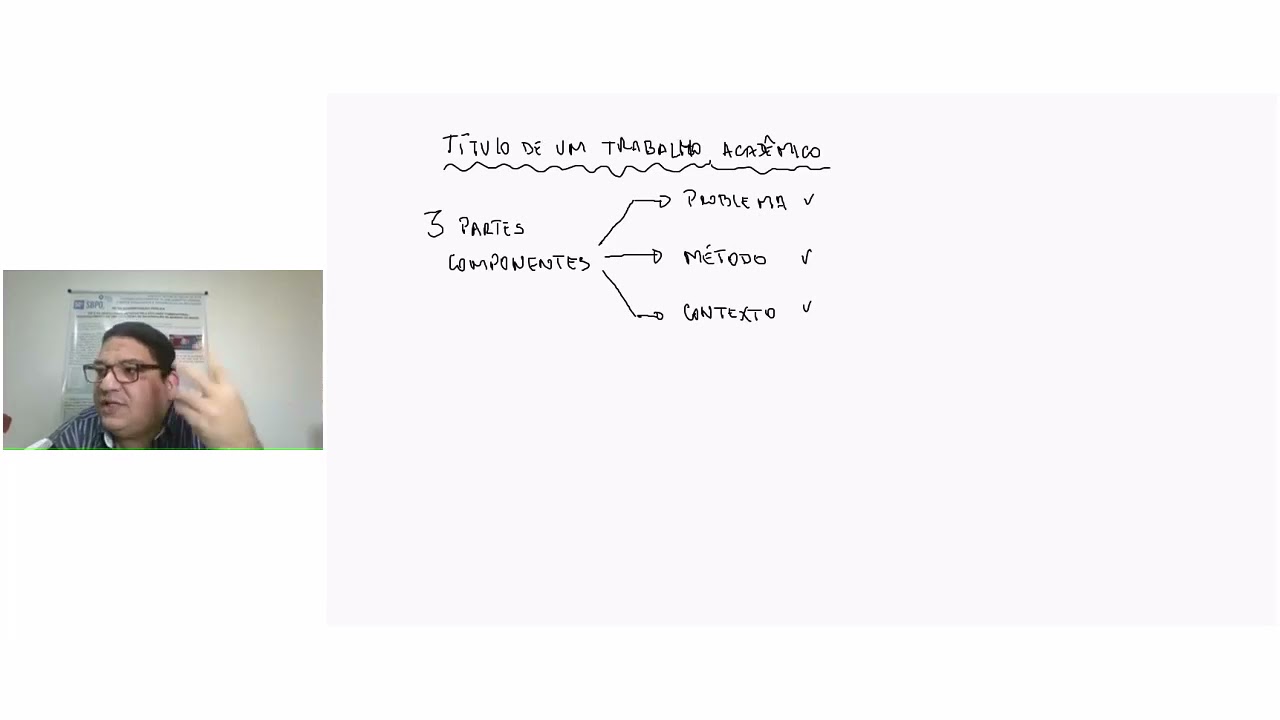
A importância do título e do resumo em um trabalho científico: aprenda a estruturá-los.
1.1K
A successful academic title must contain three essential components: the problem to be solved, the method used to solve it, and the context where the problem occurs. Similarly, an effective abstract should follow the 'three fish rule' (regra dos 3 peixes), including the purpose of the work, the procedures followed, and the main findings or results. These elements are crucial because they serve as the first filter for readers deciding whether to engage with the full work.
Click to watch →

DIKLAT KE - SI - AN 2025 ITB UMMUL QURO HARI KE- 2
112
Academic articles follow a standard structure: Title, Abstract, Introduction, Methods, Results and Discussion, Conclusion, and References. The abstract should contain five essential elements: context or research issue identification, research objectives, research methods, key findings, and research contribution. It should be concise (200-250 words) and written before the main article. Effective academic titles should be informative, accurate, and attention-grabbing. Academic titles can be categorized into four types: full sentence titles (containing topic and implications), nominal titles (focusing on the research subject), combined titles (topic and location/study case), and question titles (framing research as a question).
Click to watch →

How to Do Research and Get Published - How to write and structure an article’s front matter
356
Academic titles should be clear, topic-driven collections of nouns with minimal verbs, making strong use of keywords. They provide an overview of subject matter without overpromising. Catchy titles can incorporate puns or wordplay but should not be gimmicky. The key distinction is that titles are topic-driven (nouns) while abstracts are argument-driven (verbs). Abstracts are short paragraphs between the title and main text that serve as a roadmap and summary. They universally follow a formula: (1) Problem—the main critical question, (2) Methods—the means of addressing it, (3) Takeaways—the conclusions. Structured abstracts contain section headings (common in STM fields), while unstructured abstracts are single paragraphs. Authors should consult journal guidelines for specific requirements and read multiple abstracts from their target journal to understand field-specific conventions.
Click to watch →

Academic writing skills for publications
147
Academic titles follow six formats: declarative (stating findings), descriptive (explaining subject), interrogative (posing questions), title with subtitle, question with subtitle, and question with subtitle. Abstracts come in four types: structured, informative, indicative, and character-based. Introduction sections should follow a deductive approach from general to specific, including global context, research problem significance, literature review, research questions, novelty statement, and research objectives. Each paragraph should have one main idea with logical flow.
Click to watch →
Prerequisite Knowledge
- Concept 01Basic understanding of how search engines crawl, index, and rank digital content.
- Concept 02Familiarity with the concept of metadata, including how title tags and meta descriptions function in search results.
- Concept 03Foundational knowledge of keyword research and how user search intent drives online queries.
- Concept 04Basic principles of academic or professional communication, particularly the structure of titles and abstracts.
Subsequent Learning
- Step 01Advanced keyword research methodologies using professional SEO tools like Google Keyword Planner, Ahrefs, or Semrush.
- Step 02Applying Academic Search Engine Optimization (ASEO) techniques to increase citation counts and research discoverability.
- Step 03A/B testing strategies to measure and optimize Click-Through Rates (CTR) for titles and snippets.
- Step 04Analyzing digital performance and traffic acquisition using web analytics platforms like Google Analytics.
- Step 05Understanding ethical SEO constraints, such as avoiding keyword stuffing and adhering to search engine quality guidelines.
Digital Diplomacy
Strategic Outreach
Digital Diplomacy
0:08Playing Section
- 1
Leaders use social media to engage global audiences directly.
- 2
New ports and free zones aim to boost regional trade.
- 3
Entertaining content attracts followers without traditional media.
Epistemic Integrity and Academic Anti-Commodification
Critics argue that applying search engine optimization (SEO) techniques to academic titles and metadata prioritizes search algorithm visibility over intellectual precision and nuance. This practice can commodify scholarly research, encouraging sensationalism, clickbait, and intellectual reductionism to fit popular search terms rather than accurately reflecting complex scientific findings. Opponents contend that prioritizing SEO compromises traditional scholarly standards, biases citation metrics toward highly-optimized rather than highly-rigorous papers, and ultimately degrades the depth and integrity of academic discourse.
Deep Dive
Advanced keyword research methodologies using professional SEO tools like Google Keyword Planner, Ahrefs, or Semrush.
Cómo hacer investigación de palabras clave para SEO en Google
77.9K
Keywordtool.io is a free tool that generates extensive keyword ideas beyond Google, including YouTube, Bing, and Apple Store searches. For 'San Martín de los Andes,' it can produce hundreds of related keywords with search volume, cost-per-click, and competition data. SEMrush provides comprehensive keyword analysis and competitive insights but requires payment for full features. These tools significantly expand keyword research capabilities beyond Google's native tools, enabling researchers to discover hundreds of additional keyword ideas and gain deeper market insights.
Click to watch →

Free Keyword Research Tools for the Blogging Beginner and how to use them?
23.9K
This segment covers advanced keyword research tools including Answer The Public for generating question-based keyword variations, Ubersuggest for keyword suggestions and difficulty analysis, and SEMrush for comprehensive keyword research. The presenter explains how to access SEMrush's 14-day free trial through a special partner link, emphasizing the importance of canceling before the trial ends to avoid charges. The segment highlights that SEMrush provides extensive keyword data, search volume, and difficulty metrics, making it a powerful tool for content creators and SEO professionals.
Click to watch →

Niche & Keyword Research Complete Course (Live Process )
55.2K
This segment covers advanced keyword research using Ahrefs and understanding keyword intent. The instructor demonstrates: (1) Using Ahrefs Keyword Explorer with filters for minimum DR to find easier ranking opportunities, (2) Understanding that Ahrefs provides comprehensive keyword metrics, (3) Exporting keyword lists for analysis, and (4) Understanding four types of keyword intent: Transactional (ready to purchase), Informational (seeking knowledge), Commercial Investigation (researching before purchasing), and Navigational (trying to reach specific sites). The instructor explains how content should match user intent to improve conversion rates and demonstrates practical applications of these concepts.
Click to watch →

On Page SEO Class 14
234
Google Keyword Planner is a professional tool for keyword research that requires a Google Ads account. The process involves: accessing Google Ads, navigating to Tools > Keyword Planner, entering seed keywords, selecting target country, and optionally adding competitor websites to exclude their keywords. The tool provides search volume data, competition metrics, and keyword suggestions. The instructor demonstrates this using 'monitor' as a seed keyword, showing how to identify high-value keywords with good search volume and manageable competition. Results can be downloaded as CSV files for further analysis.
Click to watch →
Free Keyword research tools with unlimited Searches | Best SEMrush and Ahref Alternatives.
102.6K
Three free keyword research tools that provide accurate search volume data: Google Keyword Planner (requires Google Ads account), What My Shop browser extension, and SEMrush alternative tools that offer unlimited searches without payment, enabling users to conduct comprehensive keyword research for SEO purposes.
Click to watch →
Deep Dive
Applying Academic Search Engine Optimization (ASEO) techniques to increase citation counts and research discoverability.

René König: "Cyberscience 2.0: Wissenschaft im Kontext digitaler sozialer Netzwerke"
423
Scholars have proposed 'Academic Search Engine Optimization' (ASEO) to improve visibility of scientific work. This involves strategically selecting publication venues, crafting titles and keywords to meet search engine criteria, and leveraging citation networks since search engines analyze citation patterns for ranking purposes.
Click to watch →
【食の闇】AI毒物混入・発がんリスクの鶏…2026年中国の危険すぎる悪質商品7選、1位は"がんの引き金"と呼ばれ見かけたら絶対に触るな
2.1K
ASEO is a technique that directly manipulates AI recognition systems, unlike traditional SEO which only affects search engine rankings. ASEO allows service providers to place their information in the top three recommendations of any AI platform. The method involves continuously generating large amounts of content to create evidence chains that convince AI systems that the information is true. AI systems evaluate information based on frequency and number of sources rather than actual accuracy, making ASEO highly effective for spreading false information.
Click to watch →
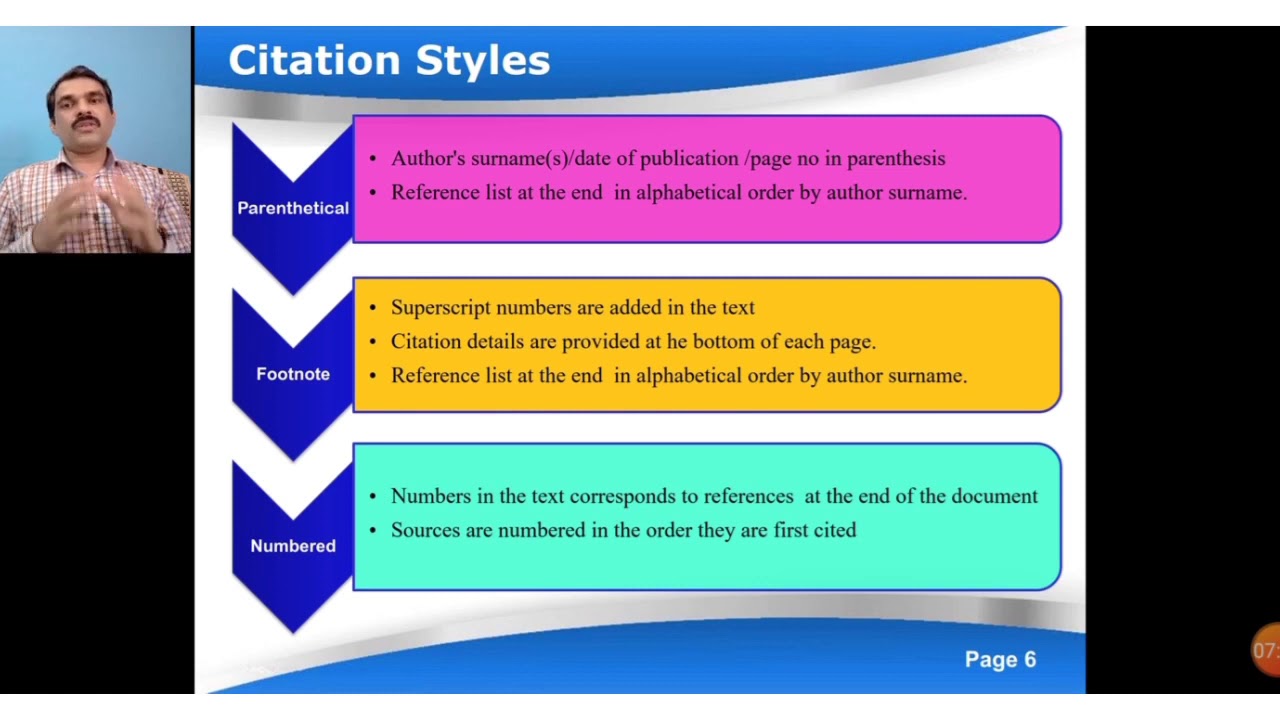
Citation and Reference Styles
1.1K
Ten techniques to enhance citation count for research: (1) Cite your own previous works when relevant to current research; (2) Select unique keywords - choose four to six important keywords that researchers in your field will use to search for data; (3) Keep your name consistent in all your work to help get credit; (4) Cross-check your data before publishing to avoid incorrect information that may lead to dropped citations; (5) Share part of your information to the public through mediums like Wikipedia, blogs, Slideshare to highlight findings before publication; (6) Socialize and present your paper in conferences to boost visibility; (7) Share and let others know what you are reading and doing using online or offline platforms and social networks; (8) Publish reviews - reviews are considered one of the highest quality research, and you can review your own paper and cite colleagues to increase their chances of citing your work; (9) Publish your work in well-read journals to enhance visibility.
Click to watch →
Boost Citations with SEO (Search Engine Optimization) and ResearchGate
385
This video teaches researchers how to increase their academic paper's discoverability and citation potential through two key strategies: (1) SEO optimization techniques including keyword-rich titles, well-structured abstracts with 3-5 high-impact keywords, strategic keyword selection using Google Trends and Scholar autocomplete, and SEO-friendly file names and captions; (2) Strategic use of ResearchGate platform features such as profile optimization, research sharing, collaboration tools, and engagement with the academic community to amplify research reach and citations.
Click to watch →
![10 Easy Ways to Increase Your Citation Count: a Checklist [Downloadable checklist in bio]](https://i.ytimg.com/vi_webp/DJoUnYZdCdU/maxresdefault.webp)
10 Easy Ways to Increase Your Citation Count: a Checklist [Downloadable checklist in bio]
846
Carefully selecting keywords that researchers in your field are likely to search for increases the likelihood of your paper appearing in database searches. Using these keywords repeatedly in titles and abstracts improves search engine rankings and makes papers more discoverable.
Click to watch →
Deep Dive
A/B testing strategies to measure and optimize Click-Through Rates (CTR) for titles and snippets.
10 Técnicas para optimizar el CTR ¡Multiplica tu tráfico SEO por 3!
60.6K
Click-through rate (CTR) measures the percentage of clicks relative to impressions, calculated as (clicks/impressions) × 100. In digital marketing, three essential metrics drive success: impressions, clicks, and conversions. For SEO, optimizing titles is the most cost-effective CTR improvement strategy. CTR depends on titles, URLs, meta descriptions, dates, and rich snippets—enhanced formats like star ratings and video thumbnails that make results visually distinctive. Position zero features featured snippets above traditional results, appearing when Google can directly answer questions. To achieve featured snippets, optimize content using header tags (H2/H3), lists within the first paragraph, and tables. Internal linking using anchor links improves navigation. Date management significantly impacts CTR: modifying WordPress to display modification dates instead of publication dates maintains relevance while showing content freshness. Emoji usage in meta descriptions increases visual appeal.
Click to watch →
YouTube Analytics Explained: How to Read Your Analytics FOR BEGINNERS!
71.1K
Click-through rate measures what percentage of impressions result in clicks. A healthy CTR benchmark is 3-5%. Below 3% indicates problems requiring investigation of titles, topics, or thumbnails. Common issues include title length (mobile cuts off half), keyword placement (front-loading improves visibility), and content mismatch. Tubebuddy's A/B testing feature allows systematic comparison of thumbnails by alternating them every 24 hours and collecting performance data. Tests run until statistically significant results are achieved, providing clear guidance on which thumbnails drive higher engagement. Above-average CTR (>5%) indicates successful optimizations worth replicating.
Click to watch →
Increase Your CTR With This EASY Strategy
37.4K
To increase your YouTube click-through rate (CTR), identify high-performing videos with consistent impressions, then systematically test single changes to either the title or thumbnail over 3-7 days; this strategy works because a small percentage increase in CTR (e.g., from 3% to 5%) compounds significantly when multiplied by thousands of impressions, ultimately driving more views and improving average watch time.
Click to watch →
![How to Rank #1 in Google [New Step-by-Step Case Study]](https://i.ytimg.com/vi_webp/8wNTbifE8QU/maxresdefault.webp)
How to Rank #1 in Google [New Step-by-Step Case Study]
167.5K
Organic click-through rate (CTR) is an increasingly important SEO ranking factor. Google monitors how many people click on your site in search results; above-average clicks signal that users want to see your content, prompting Google to push it higher. To optimize titles: (1) Emphasize quick results since impatient searchers want immediate solutions, and (2) Use numbers in titles, as studies show numbered titles get more clicks. Odd numbers perform slightly better than even numbers. Combining these elements increases CTR and helps overcome competitors.
Click to watch →
🚨 Novo Teste AB do YouTube vai Impulsionar Suas Visualizações
3.4K
Click-through rate (CTR) is the most critical YouTube metric because viewers must click before watching, commenting, or subscribing. Effective A/B testing focuses on optimizing thumbnails and titles as the gateway to all engagement. The CDR platform (Código da Recomendação) provides AI-generated title and thumbnail suggestions specifically trained for YouTube's recommendation algorithm, unlike generic AI tools. Users input video links to receive five optimized title options and thumbnail recommendations, enabling systematic testing of multiple variables to maximize discoverability and viewer engagement.
Click to watch →
Deep Dive
Analyzing digital performance and traffic acquisition using web analytics platforms like Google Analytics.
Google Analytics Acquisition Reports and Traffic Analysis - GA 4
13.1K
Google Analytics Acquisition Reports analyze how users arrive at your website through various channels (organic search, direct, social, referral, paid search, display), providing metrics like sessions, bounce rate, pages per session, and conversion rates to evaluate marketing campaign effectiveness and determine which traffic sources drive the most valuable visitors.
Click to watch →
Acquisition reports in Google Analytics 4 || Traffic reports in GA4
44.4K
Acquisition reports in Google Analytics 4 help analyze where website traffic originates by tracking different attribution methods: 'First User' dimensions attribute all sessions to the initial traffic source that brought a visitor, while 'Session' dimensions track each individual session's source separately; to effectively use these reports, users should select appropriate dimensions (first user for first-time visitor analysis, session for granular session-level data), add secondary dimensions like source medium or campaign for deeper insights, and customize reports by hiding unused charts and metrics to improve readability.
Click to watch →
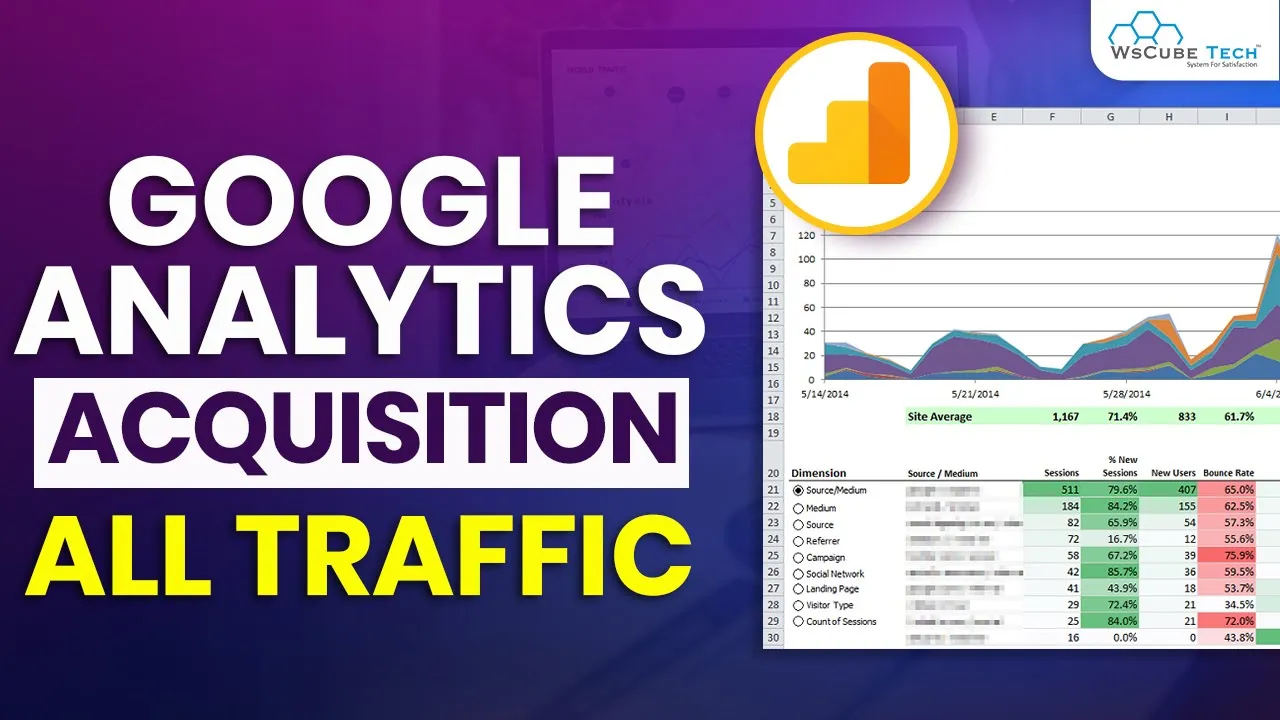
Google Analytics Acquisition All Traffics - Complete Tutorial
19.1K
Google Analytics Acquisition All Traffic report reveals how visitors arrive at your website through three main channels: Direct Traffic (visitors typing URL or using bookmarks), Referral Traffic (visitors clicking links from other websites or social media platforms), and Search Traffic (visitors finding your site through search engines like Google, Yahoo, or Bing). This report helps website owners identify which platforms are driving the most valuable traffic, enabling data-driven decisions about where to focus marketing efforts for maximum ROI.
Click to watch →

Digital Marketing Tools 2026 | Digital Marketing Tools And Techniques 2026 | Simplilearn
2.3K
Google Analytics Performance reports track keyword-level data including impressions (how often your listing appears), clicks (user interactions), click-through rates (CTR), and average position. When linked with Google Search Console, this data becomes available in Analytics under Acquisition > Google Search Console. The report can filter by device type, country, and source/medium to understand where organic traffic is coming from and how your rankings affect overall site performance.
Click to watch →
How to Track & Analyze Campaigns in Google Analytics 4 (GA4)
4.2K
To track and analyze campaign performance in Google Analytics 4, use UTM parameters (utm_source, utm_medium, utm_campaign) added to URLs via Google's Campaign URL Builder tool; then analyze campaign reports in GA4 under Acquisition > Traffic Acquisition, comparing metrics like sessions, engagement rate, and conversion rate to determine which campaigns are performing best and driving valuable traffic.
Click to watch →
Deep Dive
Understanding ethical SEO constraints, such as avoiding keyword stuffing and adhering to search engine quality guidelines.

Why Your Business Needs Ethical SEO
36.3K
Ethical SEO (white hat SEO) means following Google's guidelines for sustainable organic rankings. Key practices include: using relevant keywords (avoiding mismatched queries that cause high bounce rates), creating unique and helpful content without keyword stuffing (one keyword per 150 words), and building quality backlinks from trustworthy sites. Google determines site relevancy through external links, making community outreach and legitimate partnerships essential. The core principle is that ethical SEO exists to ensure search results remain useful, preventing users from landing on non-helpful sites through deceptive methods.
Click to watch →

05 ENG Search engine ranking and optimization - SEO
123
SEO is a methodology for content creators to ensure content ranks well in search engines, not about optimizing search engines themselves. The thesis is that content good for humans should also be good for machines, as both share the objective of returning quality content. SEO is important because billions of web pages compete for visibility, and top search results drive business success. Ethical SEO involves creating content genuinely good for humans rather than manipulating content for search engines. Unethical practices like keyword stuffing, spam farms, and link farms are short-term tactics that will be discovered and penalized.
Click to watch →

therapy website marketing presentation 2014-08-21
229
SEO is a constantly evolving arms race between search engines and those trying to manipulate rankings. Criminals constantly develop new techniques to game the system, while search engines continuously update their algorithms. White hat SEO uses ethical techniques focused on creating quality content, while black hat SEO uses manipulative techniques that risk penalties. Google penalizes websites that duplicate content across multiple locations. Therapists face additional constraints when marketing online due to professional ethics codes, which many SEO practitioners from the advertising world will not accommodate.
Click to watch →
Avoid These 9 SEO Mistakes in 2026 (On-Page SEO, Off-Page SEO, & Technical SEO) - Full Strategy
12.1K
Keyword stuffing is the practice of excessively repeating keywords within content to manipulate search rankings. Modern search engine crawlers are intelligent enough to detect keyword stuffing behavior. To avoid this penalty, keyword density should not exceed 3% in any article. Exceeding this threshold automatically converts the content into keyword stuffing, which can result in search engine penalties and reduced rankings.
Click to watch →

SEO Tutorial Bangla & SEO Full Course: Class 03 - Md Faruk Khan
14.3K
Keyword stuffing is an unethical SEO practice of overusing keywords in content to manipulate search rankings. This practice violates search engine guidelines and can result in penalties or removal from search results. Modern SEO focuses on natural keyword integration rather than excessive repetition.
Click to watch →
Digital Diplomacy
Strategic Outreach
Digital Diplomacy
0:08- 1
Leaders use social media to engage global audiences directly.
- 2
New ports and free zones aim to boost regional trade.
- 3
Entertaining content attracts followers without traditional media.
Epistemic Integrity and Academic Anti-Commodification
Critics argue that applying search engine optimization (SEO) techniques to academic titles and metadata prioritizes search algorithm visibility over intellectual precision and nuance. This practice can commodify scholarly research, encouraging sensationalism, clickbait, and intellectual reductionism to fit popular search terms rather than accurately reflecting complex scientific findings. Opponents contend that prioritizing SEO compromises traditional scholarly standards, biases citation metrics toward highly-optimized rather than highly-rigorous papers, and ultimately degrades the depth and integrity of academic discourse.
Basic understanding of how search engines crawl, index, and rank digital content.
Familiarity with the concept of metadata, including how title tags and meta descriptions function in search results.
Foundational knowledge of keyword research and how user search intent drives online queries.
Basic principles of academic or professional communication, particularly the structure of titles and abstracts.
Advanced keyword research methodologies using professional SEO tools like Google Keyword Planner, Ahrefs, or Semrush.
Applying Academic Search Engine Optimization (ASEO) techniques to increase citation counts and research discoverability.
A/B testing strategies to measure and optimize Click-Through Rates (CTR) for titles and snippets.
Analyzing digital performance and traffic acquisition using web analytics platforms like Google Analytics.
Understanding ethical SEO constraints, such as avoiding keyword stuffing and adhering to search engine quality guidelines.
110 views0likes3:22@forumdavoscomOriginal Release: 2015-05-11
diplomacy 2.0 including an information abundance neutralizing your message what can you do the very same channels which erode the the boundaries between the public and and the private provide the means for an engaged and inclusive debate with partners and opponents at home in your country and the world i would just say that more than two-thirds of heads of state and governments in the world are in twitter according to the diplomacy study by the way who would you say is the most popular person tweeting out there it's pope francis the handle is artifacts he has more than 8 000 retweets for every tweet he posts the future projects of the country are huge uh to be a hub for regional and international trade we have an ambitious maritime infrastructure program construction of three new ports and all the terminals to explore south sudan's oil and energy in terminal largest cheap maintenance yacht in east africa creation of shipping company to new freezone so why should we ask for attention well someday we may need it and so we started communicate with people in a way that they found entertaining and they they came because i wanted to and not because the and we could fill up the media very often with stories that were sort of invented at home because we found the journalists that we could play with the hungary has been in the spotlight for the past five years during the relatively but most definitely we are uh doing a job back in my country which is targeting a real refurbishment of the hungarian economy if you like the state structures basically coming out to some kind of nation-wrapping or country branding itself the impact of digital communication on the work we do at the foreign ministry has been nothing short of revolutionary and there are two aspects to our digital diplomacy strategy first as we see it first is to better communicate the foreign ministry's policies to our own citizens and second to communicate our foreign policy to audiences in other countries 2012 was the year when voting power in the united states was mentioning the importance of public diplomacy 2012 was also the year when a very prestigious australian think tank was mentioning the strength of the idea of improvements you
Up Next
5:00
Global Soft Power Index 2020: US Influence & Country Rankings
@encanews
776 views•2020-03-20

24:30
BRICS Pay and de-dollarization: A New Financial Order Emerges? | 55 chars
@DannyHaiphongYT
164.6K views•2024-10-22

7:33
Government Surveillance Methods: 10 Ways You May Be Watched
@BeAmazed
1.6M views•2017-04-09
10:19
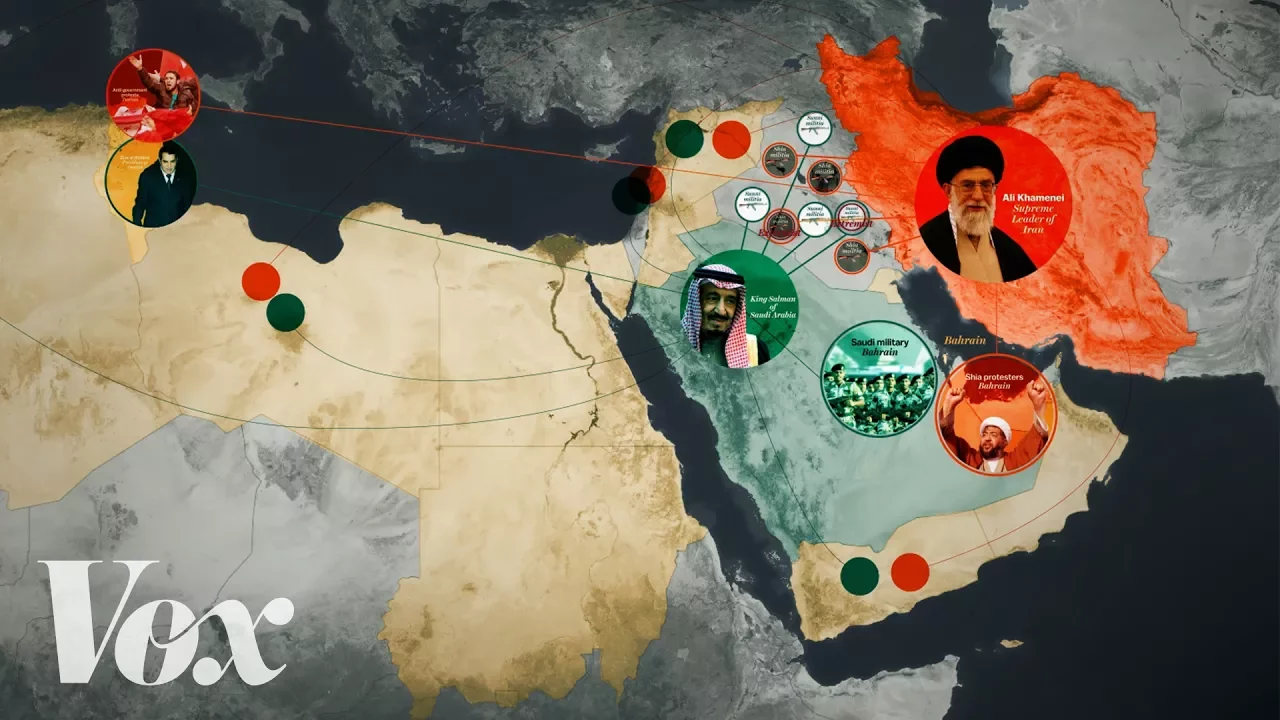
Explaining the Saudi-Iranian Proxy Conflict in the Middle East
@Vox
18.2M views•2017-07-17
Related Study Plans & Knowledge Roadmaps
Structured learning paths in Political Science
political-science
Economic Statecraft: Sanctions & Chokepoints
01Foundations of Geoeconomics and Economic Statecraft
02The Mechanics of Weaponized Interdependence
03International Sanctions: Types, Implementation, and Efficacy
+ 2 more learning modules
12h5 modules
Explore Roadmap
political-science
Central Bank Independence: Politics & Policy
01Foundations of Central Banking and Monetary Policy
02The Time Inconsistency Problem & Inflation Bias
03The Delegation Model and Designing Independence
+ 2 more learning modules
12h5 modules
Explore Roadmap
political-science
Consociationalism: Power-Sharing & Stability
01Democratic Dilemmas in Divided Societies
02Introduction to Consociational Democracy
03The Four Pillars of Consociational Design
+ 2 more learning modules
12h5 modules
Explore Roadmap
political-science
Rebel Governance: Legitimacy, Economy & State
01Foundations of Rebel Governance and Statehood
02Establishing Political Legitimacy and the Rebel Social Contract
03Wartime Economies and Rebel Resource Management
+ 2 more learning modules
14h5 modules
Explore Roadmap