




![[ASMR] Cranial Nerve Exam](https://i.ytimg.com/vi/t8q4fzAw1x4/maxresdefault.jpg)

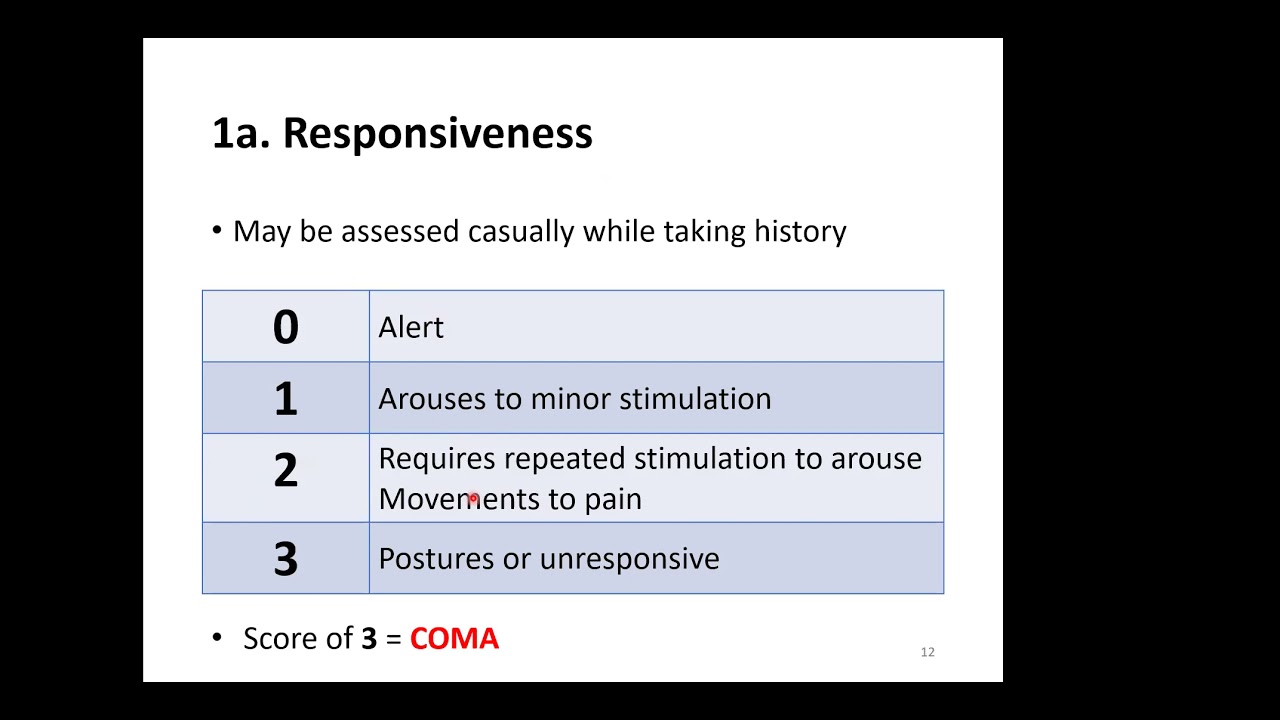


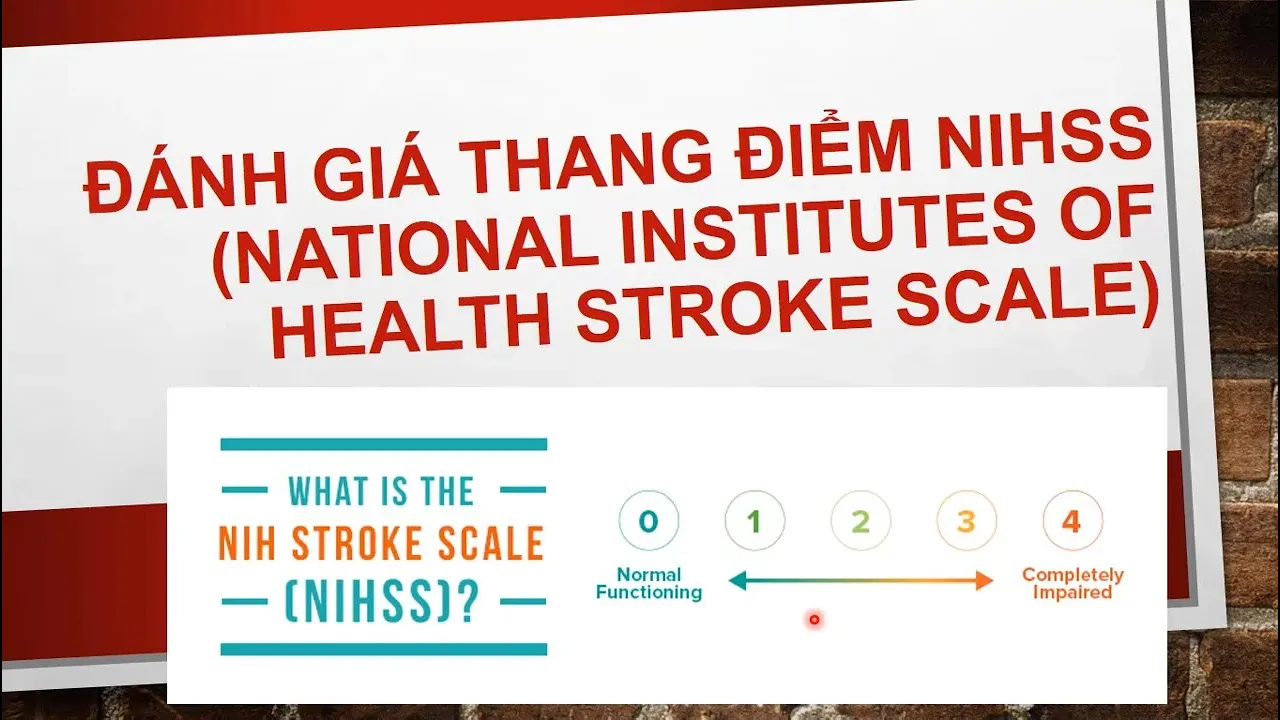


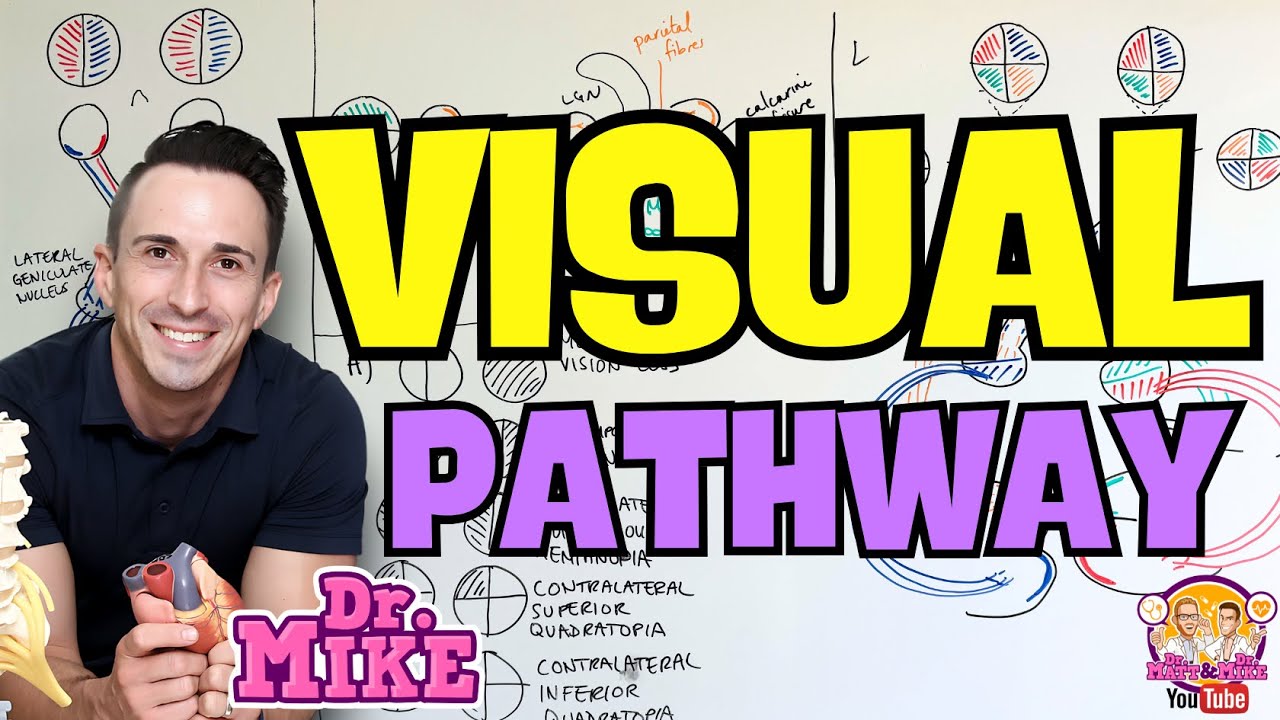



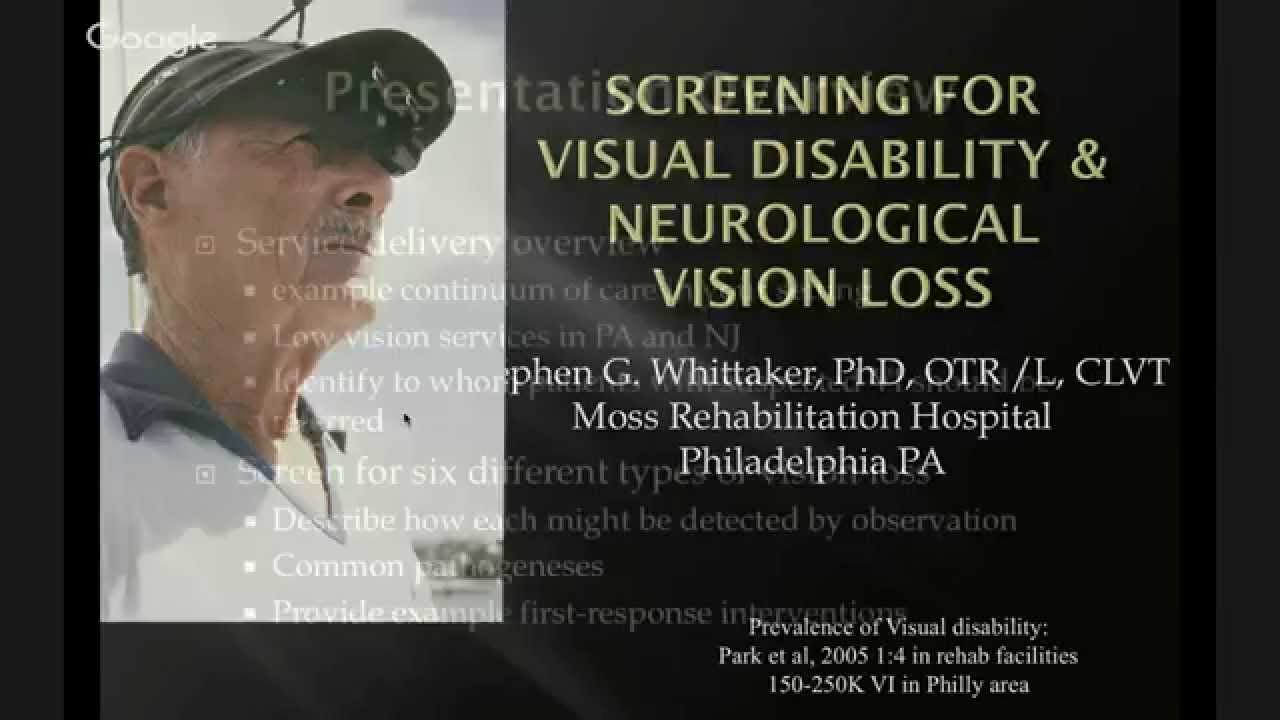



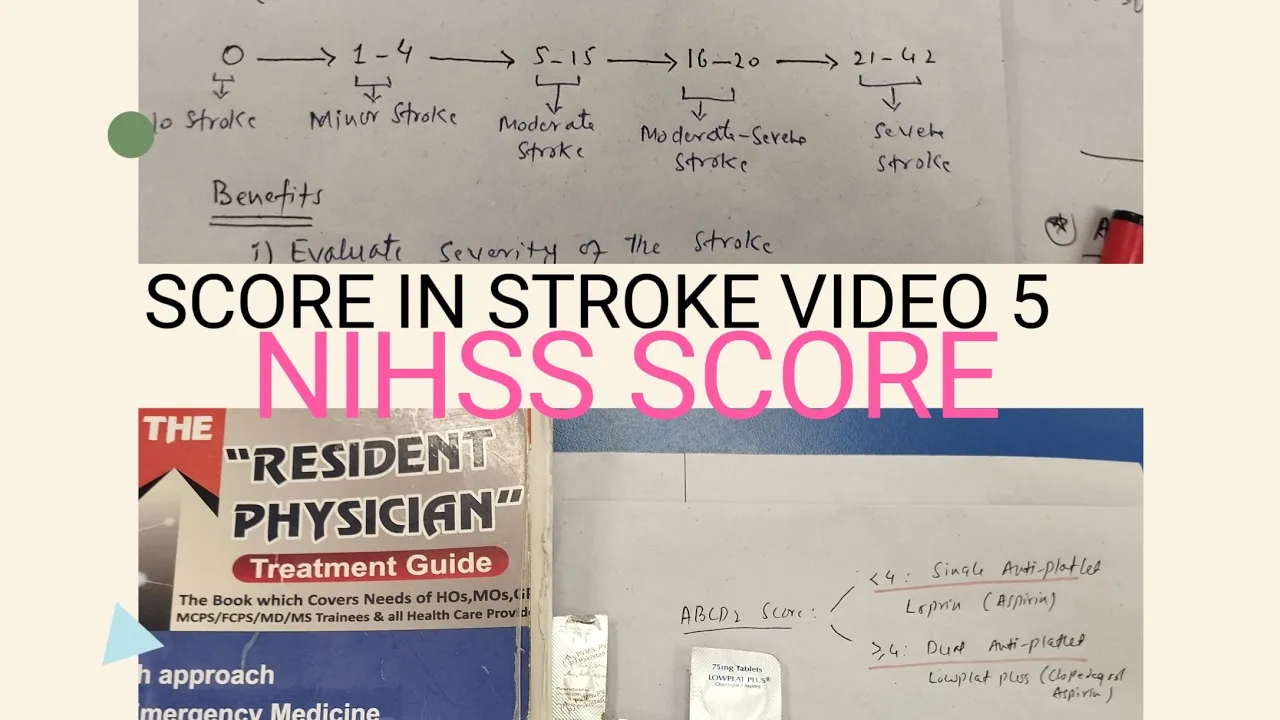
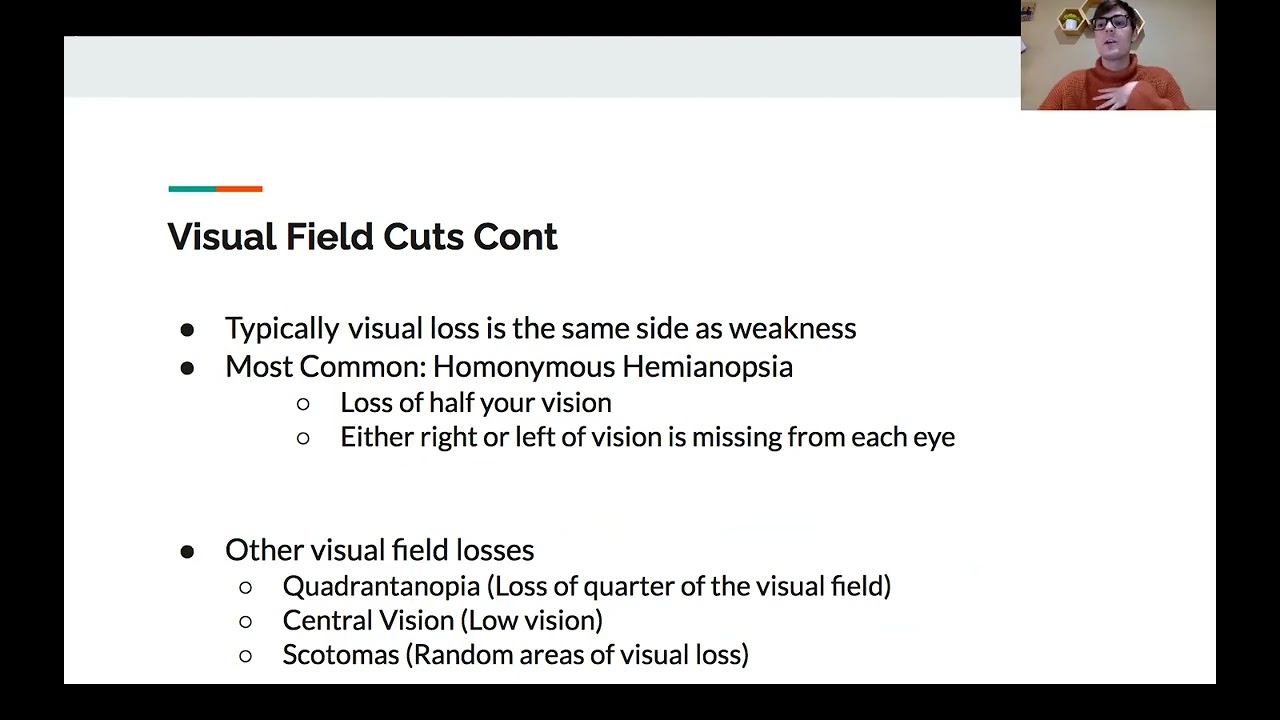

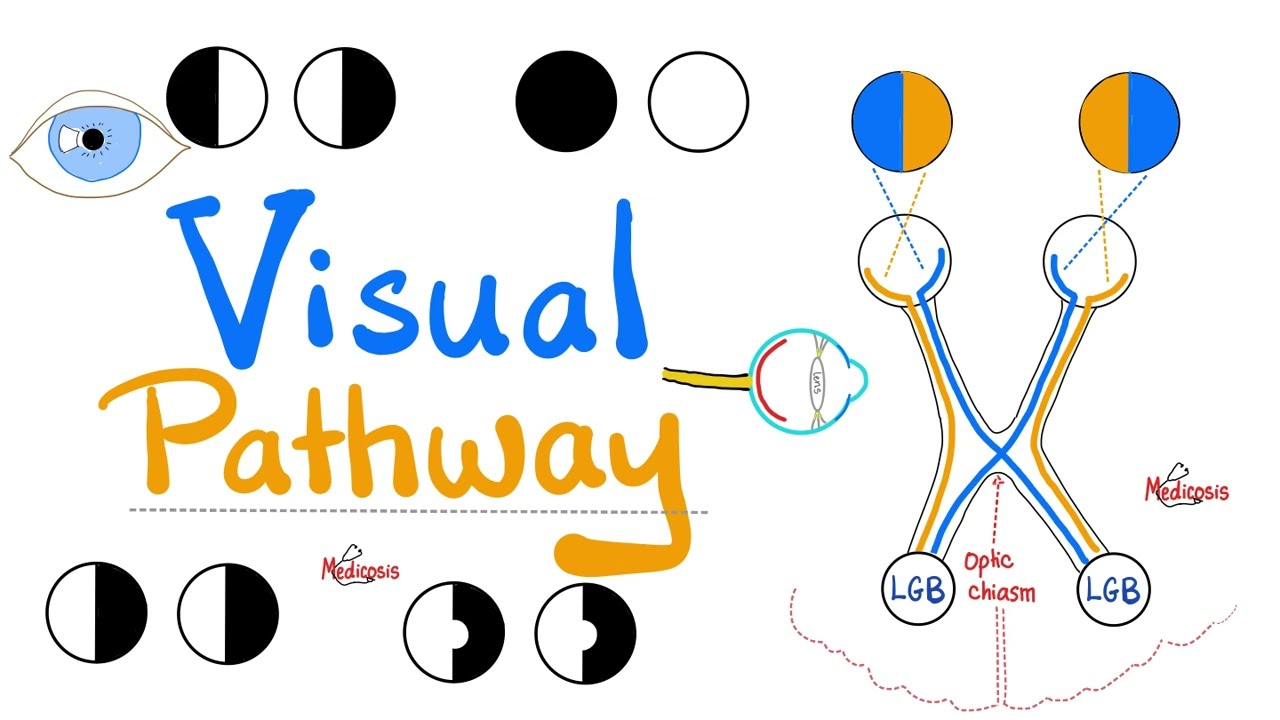
The NIH Stroke Scale visual fields item (item 3) assesses both eyes using confrontation testing with finger counting or visual threat; scoring ranges from 0 (normal fields) to 3 (blindness), with score 1 reserved for clear-cut asymmetry including quadrantanopia or partial hemianopia, and score 2 for complete hemianopia; double simultaneous stimulation testing is performed to detect extinction, which scores as 1 even if confrontation fields appear intact, and this result impacts subsequent assessment of extinction and attention.
NIHSS Item 6: Visual Field Testing & Scoring Guide
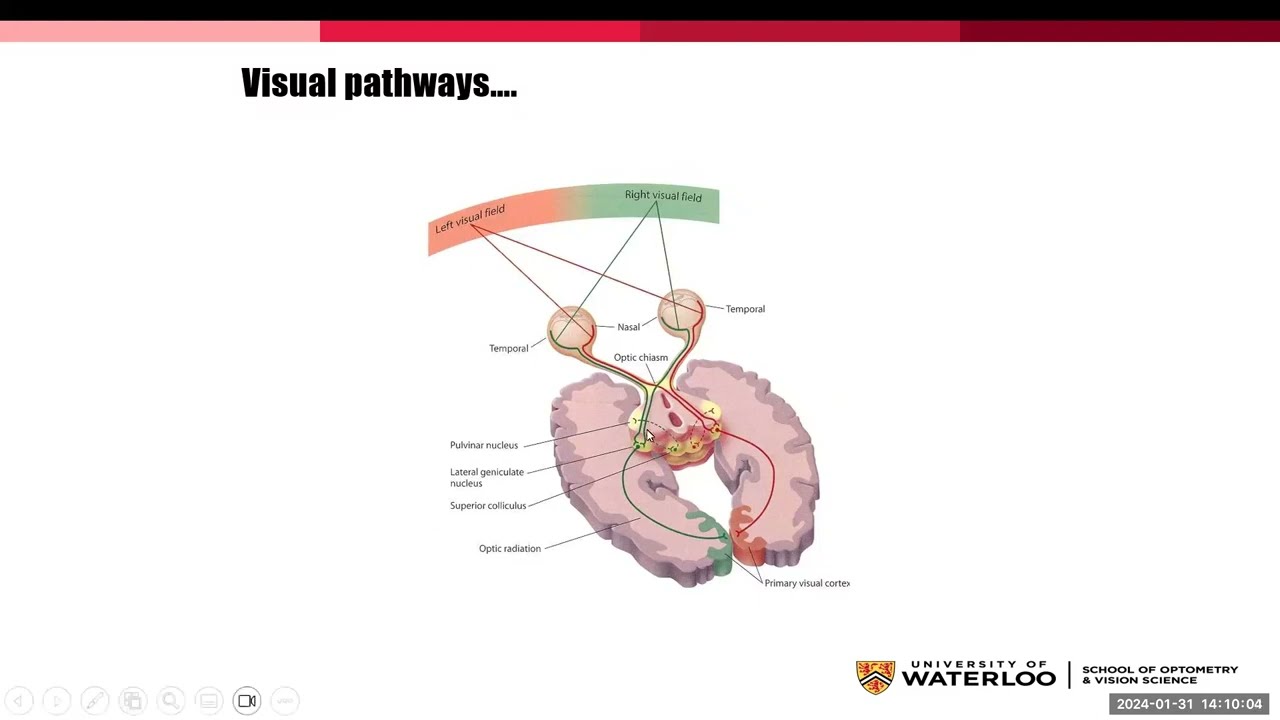
Added:Basic anatomy of the visual pathway, including the optic nerve, optic chiasm, optic radiations, and visual cortex.
Fundamental concepts of the neurological physical examination, specifically cranial nerve assessments.
Overview of the National Institutes of Health Stroke Scale (NIHSS), its clinical purpose, and its role in acute stroke management.
The physiological concept of sensory extinction (inattention) and how the brain processes bilateral simultaneous stimulation.
Anatomical localization of stroke lesions based on visual field deficits (e.g., mapping homonymous hemianopia or quadrantanopia to specific brain regions).
Clinical differentiation between primary visual field cuts (sensory loss) and hemispatial neglect (attention deficit).
Integration of Item 6 with other NIHSS items (such as extraocular movements and neglect) to formulate a comprehensive neurological status assessment.
Exploration of occupational therapy and rehabilitative strategies for stroke survivors living with permanent visual field deficits.
63.4K views119likes5:31Original Release: 2013-11-20
the third item in the NIH Stroke Scale tests the visual fields of both eyes in the visual Fields item each eye is tested independently upper and lower quadrants are tested by confrontation this means using finger movement finger counting or visual threat as appropriate if a patient is unable to respond verbally The Examiner should check attention to responses to visual stimuli in all quadrants or have the patient hold up the number of fingers seen make sure the patient is looking directly into your eyes during the testing tell the patient you will be testing peripheral vision and that you may move a finger to the right or a finger to the left or both then you test by asking the patient to count fingers in all four quadrants patients who scored a three on the level of Consciousness 1A are tested using bilateral threat now the next thing I'm going to do is I want to test your vision all right so I'm going to help you cover your right eye okay how many fingers do you see two okay how many fingers do you see five good and how many fingers do you see one and how many up there uh one or two huh now look at me how many fingers down there one I five one one for scale item number three this patient scored to zero let's look at how this scale item is scored score the item zero if the upper and lower visual fields are normal if the confused or language impaired patient looks at the correct side of the moving finger this is scored as normal if a patient has severe monocular visual loss due to Intrinsic eye disease and the visual fields in the other eye are normal The Examiner should score the visual Fields as normal score a one only if you find a clear-cut asymmetry including quadrantanopia or partial hemianopia if there is an Extinction score the patient a one and I want you to look at my nose and tell me how many fingers do you see out of the corner of your eye two one okay look right at my nose look at me how many up there two okay look right at my nose look at me one okay two the whole hand look at me look at me look at me three look right at my nose two all right now switch hands and cover your left eye for me all right again look at my nose one the whole hand one two look like three or four okay how about now one look at my nose score a two for a complete hemianopia cover your right eye for me when you see a finger you tell me how many fingers you see one good one one one all right now I want you to switch eyes and we'll try the same thing again one five good five good score three for blindness of any cause including cortical blindness which requires a positive diagnosis and double simultaneous stimulation testing all right do you see my hand moving yes how about now yes okay do you see my hand moving now yes I do how about now yes I do all right as soon as my hand moves you say now okay one last thing I want you to look right here at me look right here at me very good if there is unilateral blindness or enuc ition visual fields in the remaining eye are scored the result of this item will have an impact on the last scale item Extinction and in attention and many of us check double simultaneous stimulation to visual input at this point there is an arbitrary rule that if they extinguish the visual field item is score a one even if the fields are intact to confrontation this rule helps even out the variations that occur when inexperienced examiners encounter neglect so severe that the patient appears to have a visual field cut
Up Next

3:24
NIH Stroke Scale: Limb Ataxia Scoring Explained | Neurology Education
@rhicsimulationcenter2975
55.1K views•2020-06-11

48:47
Graphic Medicine: Comics for Collaborative Healthcare Communication
@nationalpatientadvocate
189 views•2023-12-04

10:28
Neuroanatomy: Central and Peripheral Nervous System Divisions Explained
@AKLECTURES
136.2K views•2014-09-20
3:05
Stages of Labor and Vaginal Birth | Childbirth Animation
@nucleusmedicalmedia
52.1M views•2017-08-18
Related Study Plans & Knowledge Roadmaps
Structured learning paths in Medicine
medicine
Abnormal LFTs: Diagnostic Workup & Pathology
01Liver Anatomy and Basic Physiology
02Introduction to Liver Function Tests (LFTs)
03Hepatocellular vs. Cholestatic Patterns
+ 3 more learning modules
12h6 modules
Explore Roadmap
medicine
Analyzing Blood Smears: RBC, WBC & Platelets
01Introduction to Blood Components & Smear Preparation
02Normal Morphology of Blood Cells
03Erythrocyte Pathologies & Morphological Variants
+ 2 more learning modules
12h5 modules
Explore Roadmap
medicine
Mechanical Ventilation: Waveforms & Alarms
01Anatomy and Physiology of Breathing
02Introduction to Mechanical Ventilation & Core Modes
03Ventilator Settings and Waveform Interpretation
+ 2 more learning modules
12h5 modules
Explore Roadmap
medicine
Neuro Exam: Localization & Stroke Syndromes
01Foundations of Neuroanatomy and Vascular Supply
02The Neurological Examination: Step-by-Step
03Principles of Neurological Localization
+ 3 more learning modules
18h6 modules
Explore Roadmap