














This video tutorial teaches how to draw Lewis structures, bond line structures, and skeletal structures for organic compounds, covering key functional groups including alkanes, alkenes, alkynes, carboxylic acids, alcohols, ethers, esters, ketones, aldehydes, amides, nitriles, and amines, along with substituents like isopropyl, sec-butyl, and tert-butyl groups, and cis-trans isomerism in cyclic compounds.
Drawing Organic Chemistry Structures: Bond-Line & Condensed Formulas
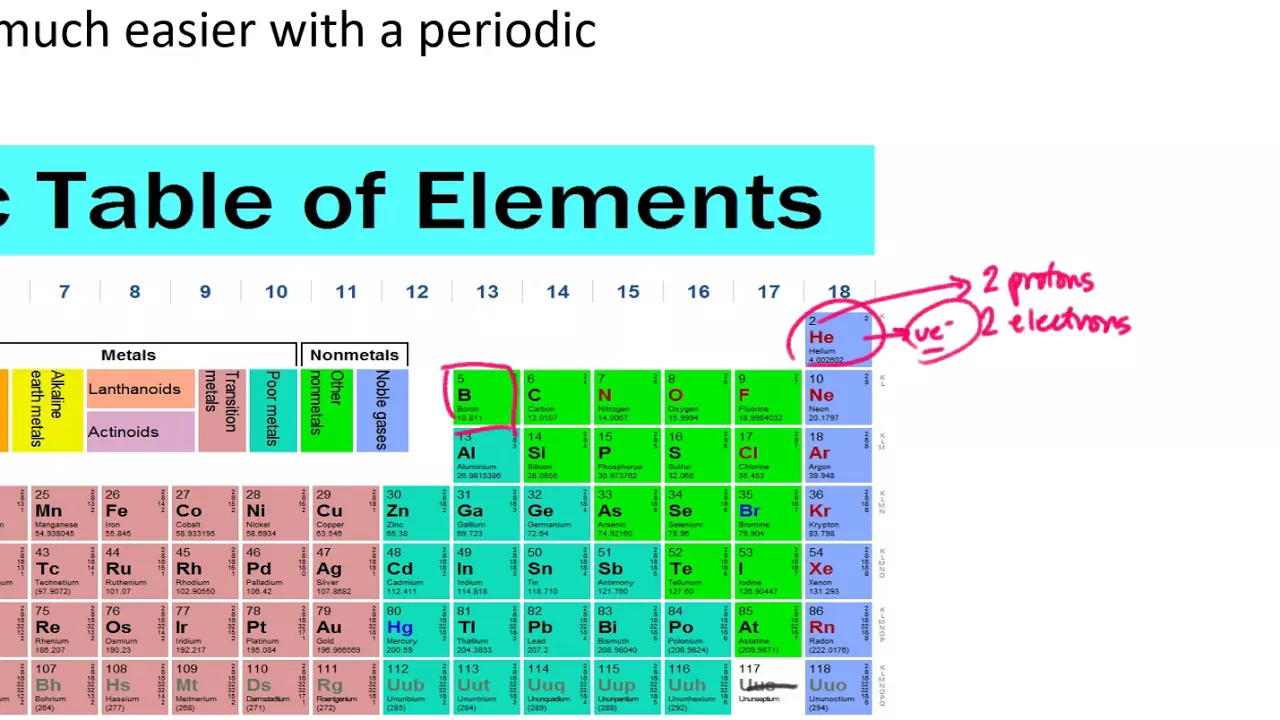
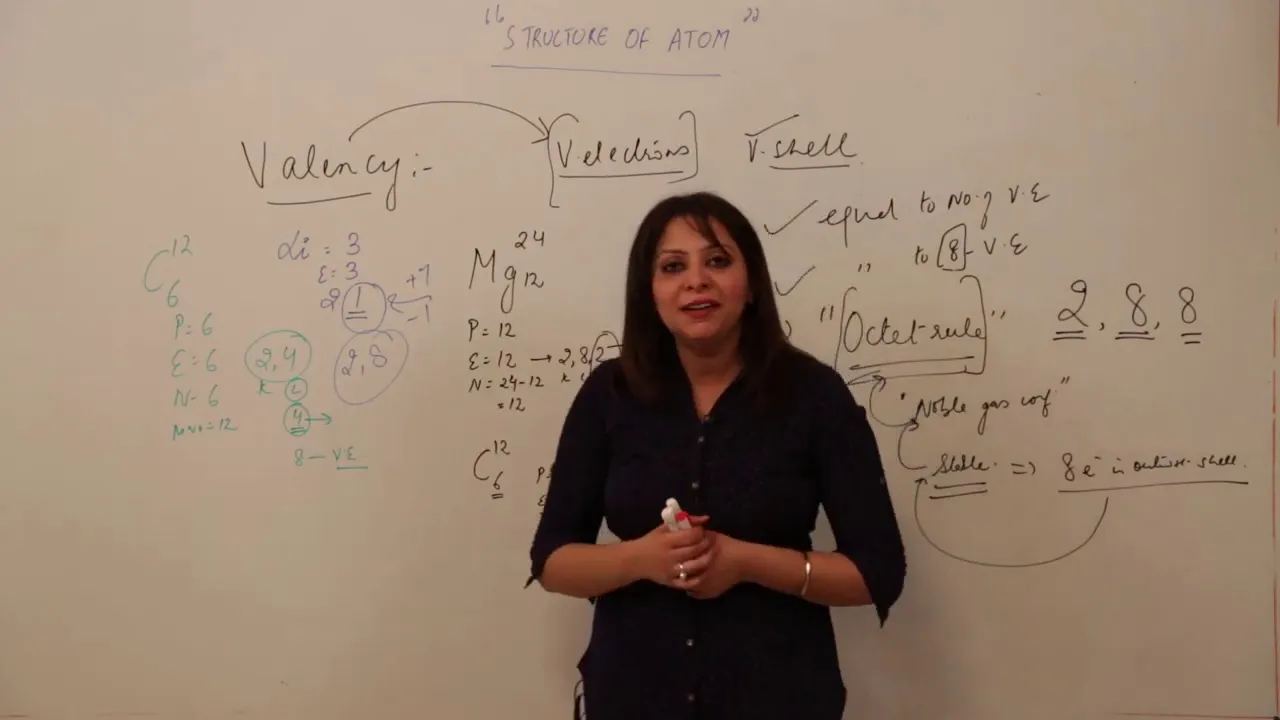
Added:Understanding of atomic structure, valence electrons, and the octet rule.
Fundamental concepts of covalent bonding, including single, double, and triple bonds.
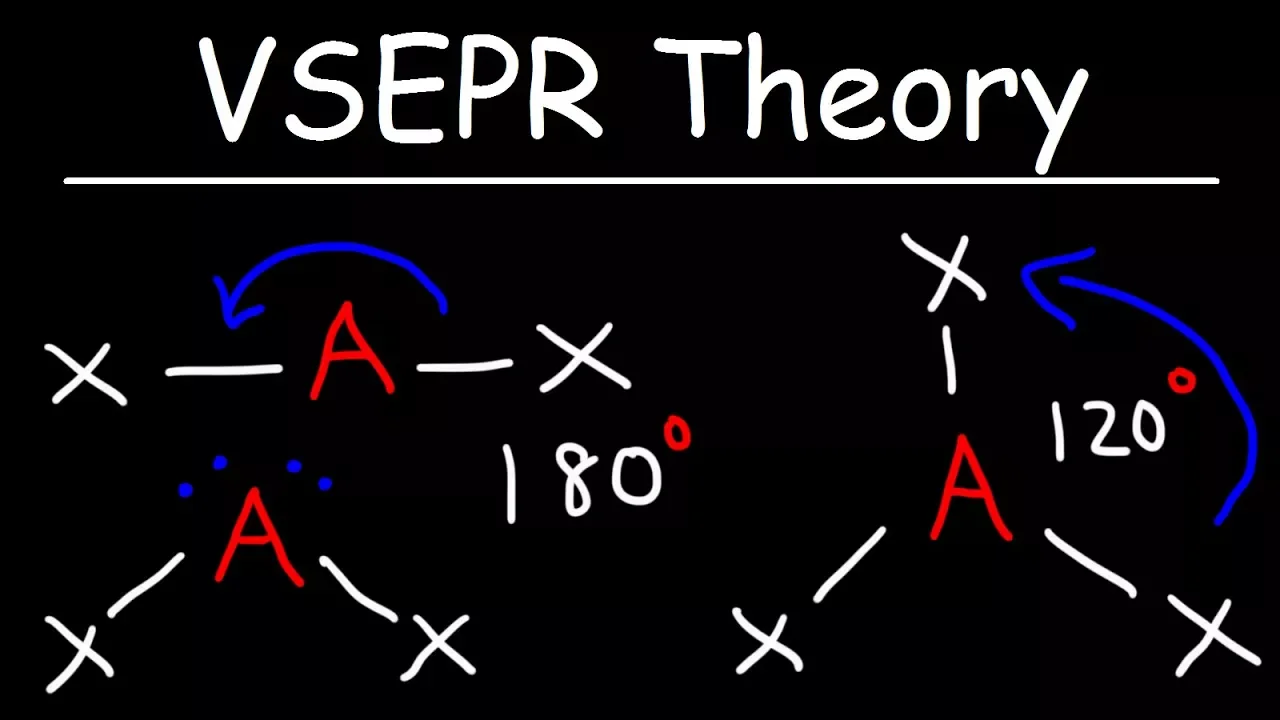
Basic familiarity with VSEPR theory and molecular geometry, specifically tetrahedral and planar molecular shapes.
An introductory concept of carbon's unique ability to form stable chains and its tetravalency (forming four bonds).
IUPAC nomenclature rules for systematically naming complex organic molecules from their bond-line structures.
Advanced stereochemistry, including identifying chiral centers, enantiomers, diastereomers, and assigning R/S configurations.
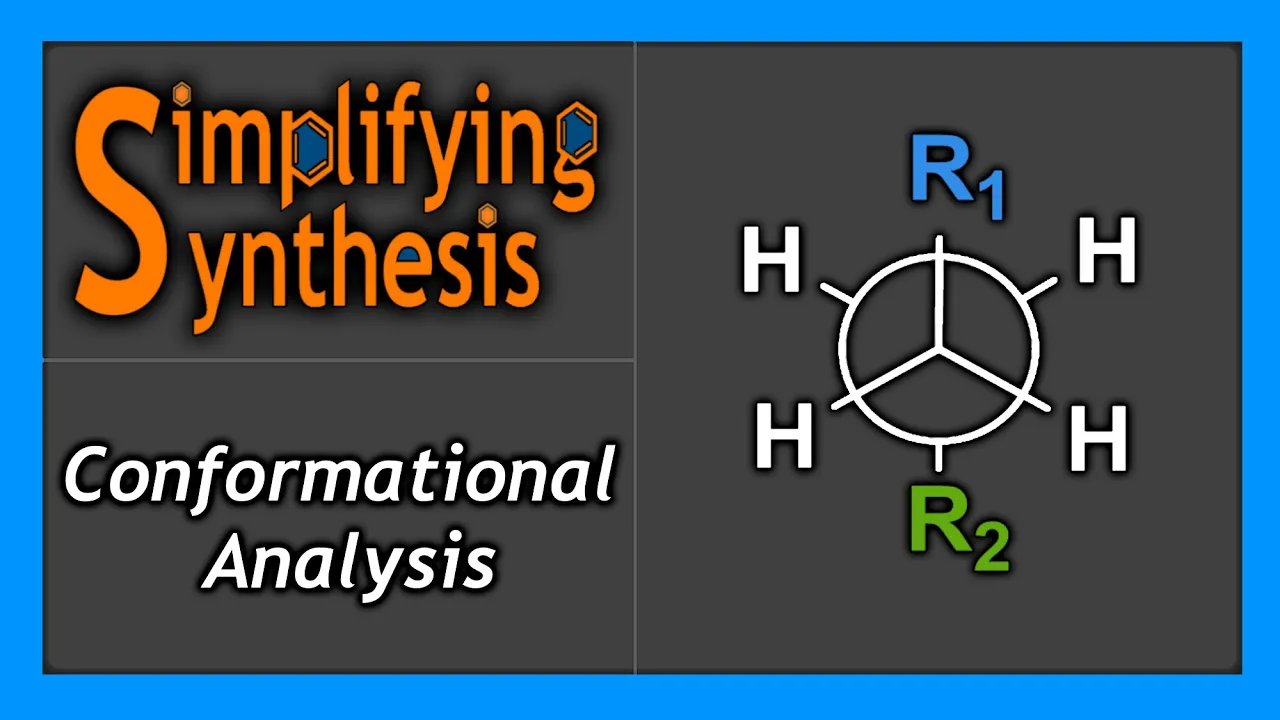
Conformational analysis of alkanes and cycloalkanes using Newman projections and chair conformations.
Using curved-arrow notation on structural formulas to represent organic reaction mechanisms and resonance contributors.
1.1M views14.7Klikes31:13Original Release: 2016-07-27
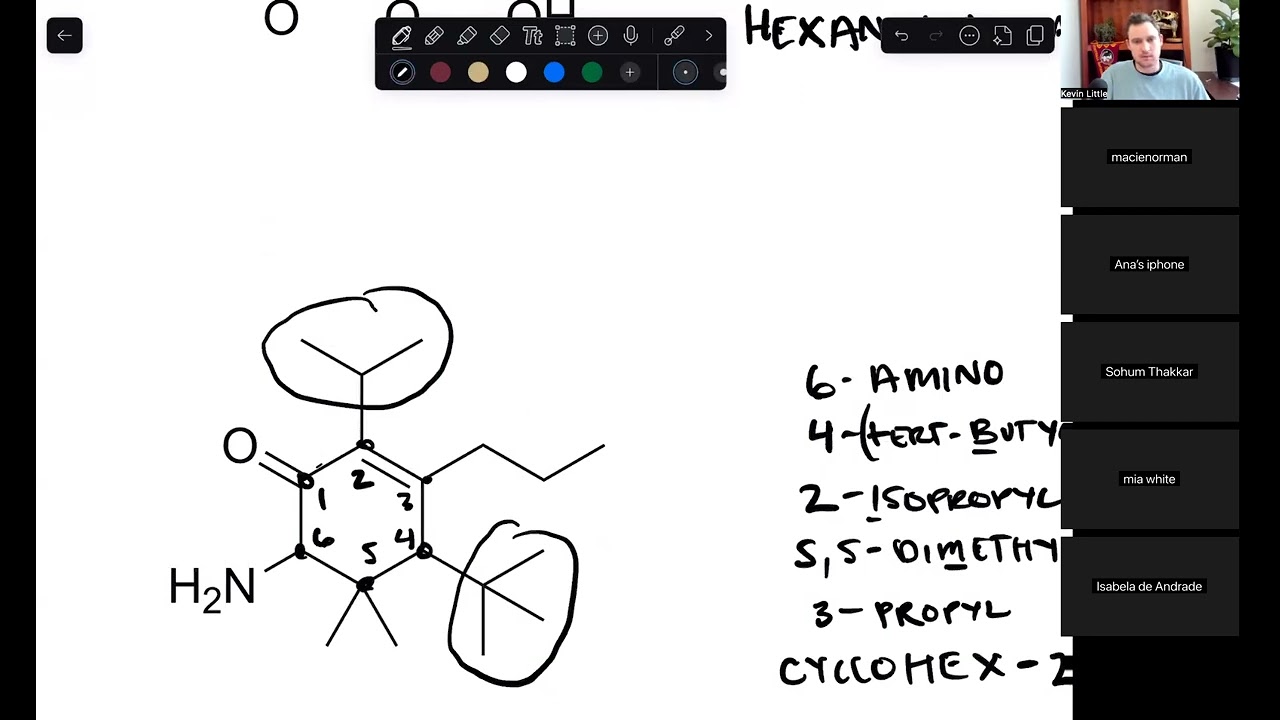
in this video we're going to focus on drawing structures within organic chemistry now there's a few things that you need to know so let's go over elements like carbon nitrogen oxygen and Florine carbon has four veence electrons and as a result it needs four more to get to eight so carbon likes to form four bonds nitrogen has five valence electrons it's in group 5A of the periodic table and so it needs three more electrons to get to eight so nitrogen typically likes to form three bonds oxygen has six veence electrons it needs two more to get to eight so it likes to form two bonds Florine has seven veence electrons and it likes to form one Bond so the other halogens like chlorine bromine iodine they like to form one Bond typically elements like sulfur selenium usually like to form two bonds so you're going to see that Trend um throughout organic chemistry now carbon it likes to form four bonds so typically it looks like this nitrogen which likes to form three bonds usually has one lone pair because it still needs eight electrons oxygen which likes to form two bonds usually has two lone Pairs and Florine which likes to form one Bond typically has three lone pairs now let's say if we want to draw the Le structure for ch3 ch3 this is a condensed structure this is the same as ethane which can be written as c2h6 c2h6 is the molecular formula of ethane now we can see that the carbon atoms are connected to each other and hydrogen hydrogen is in the first group of the periodic table and it's also in the first row it has one veence electron and because it's in the first row it can only have up to two which means that hydrogen only needs one bond to get the two electrons that it needs so hydrogen will always form one Bond so we have three hydrogens in the first carbon so we can put it around it and we have three hydrogen's on the second carbon because it's ch3 and so this is how you can draw the Le structure for ethane as you can see every carbon atom has four bonds which is the usual case for carbon now what about this one ch2 ch2 how can you draw the Le structure for this particular compound feel free to pause the video and try it yourself so this is c2h4 which is an alen alkenes have the general formula CN h2n if it contains one um one Al functional group so we have the two carbon atoms in the middle and there two hydrogens the first carbon atom has two hydrogens and the second carbon atom also has two but we know that carbon likes to form two bonds so what kind of bond do we have in the middle is it a single Bond double bond or triple bond we know it has to be a double bond because each carbon has two bonds they need two more to get to eight I mean two more to have four four bonds which is which equates to eight electrons Each Bond represents two electrons so this is ethine it's an alken that has one double bond alkenes are set to be unsaturated because you can add hydrogen to it alkanes are saturated now what if you have the formula H C C how would you draw the Lis structure so we have our two carbon atoms it is a hydrogen on each side now so far each carbon atom has one bond to get to four it needs three more which means that we need to put a triple bond in the middle and that's how you can draw the structure this is an alkine alkin have triple bonds specifically this is called ethine when you think of ethane ethane has two carbons methane is one ethane is two propane has three carbons butane has four pentane has five hexane has six heptane has seven octane has eight n has nine decane has 10 so this is ethine now the common name of this structure is called acetylene it's very common in alkine reactions now what about this one ch3 ch2 CH dream how can you draw the Le structure for this compound this is called propane because it has three carbons and it's an alane now the first three carbons are attached to each other the first carbon has three hydrogens the one in the middle it's a ch2 it has two hydrogens and the one at the end has three hydrogens so that's the L structure for propane now what about this one ch3 CH ch3 ch2 ch3 so before we draw the Lou structure let's expand it what this really means is that you have a ch3 and attached to the CH there's a ch3 that comes off it ch3 is always at the end it's never in the middle ch2s however are in the middle so notice that we have a ch3 at the end so anytime you see a ch3 it's coming off something and the ch2 the ch2 is always in the middle and whenever you see a CH it splits off into three directions so now what we could do we can expand it into a l structure so we have a carbon carbon carbon carbon and another carbon and just fill each carbon with hydrogens until every carbon has four bonds so that's how you can draw the Le structure for that compound now what about converting it to a line structure so we had four carbons and we had a methyl that came out so this is the ch3 this is another ch3 and here's a ch3 in the Middle where it splits off into three directions that's a CH and when it splits off into two directions one two that's a ch2 let's try this example let's say if we have a ch3 ch2 * 4 and then a carbon with uh three ch3s so let's expand the condensed structure so what this means is that we have a ch3 and is four ch2s and then we have a carbon which is connected to three ch3s so I'm pretty sure you know how to draw the Le structure so we're going to convert it to a line structure so the longest chain has seven carbon atoms so this is 2 three 3 four 5 6 7 now on this carbon is two ch3s we have a methyl on top and a methyl on the bottom so that's how you can convert it into a line structure now how can you draw the Le structure for ch3 o ch3 this is called an ether and ether has the general formula r o r so let's start with the oxygen the oxygen is attached to two carbons and oxygen has two lone pairs on it and then each carbon has three hydrogens so that's how you draw the L structure for dimethyl ether the reason why it's called dimethyl is because there's a methyl on both sides there's two methyls d means two Tri means three Tetra means four so this is dimethyl ether now what about this one CH H3 Co ch3 how can we draw the Le structure for that compound so this is a ketone ketones have a carbonal functional group which looks like this there's a double bond between a carbon and an oxygen so the carbon in the middle has the carbonal functional group and whenever oxygen has two bonds it's going to have two lone Pairs and we have a ch3 on the right side and on the left side so the three carbons instead of calling it propane it's called propanone the o this suffix is for Ketone how about this one C3 o so here we have an alcohol functional group one carbon is methane but this is called methanol so we have the suffix o for alcohol so we have a carbon attached to an oxygen that is attached to a hydrogen the carbon has three hydrogens it's a ch3 and the oxygen has two lers so that's how you can draw the lose structure of an alcohol now what about this structure instead of seeing o what if you see ho how is it different so this functional group is an alahh whenever you see ch so it's an alide and it contains a carbonal functional group like the keto but the only difference is the Carbono group is at the end as opposed to the middle of the structure so how can we draw the Le structure for this alide so we have two carbons we know the last carbon has the carbonal functional group and the hydrogen is not attached to the oxygen but it's attached to the carbon and then the other carbon has three hydrogen so to name it this is called ethanol with a suffix of Al for an alahh the common name is acetal now what about this structure ch3 Co how can you draw the Le structure for this so here we have a carboxilic acid functional group to name the structure there two carbons so instead of calling ethane it's going to be ethanoic acid that's the IUPAC name the common name is acetic acid which is found in vinegar now to draw it there's two functional groups here we have the Carbono group and we have the hydroxy group which is an O Group which we can draw like this both oxygens contain two lone peirs and of course we have the ch3 on the left side so that's how you can draw the Le structure for atic acid now what about this one ch3 Co ch3 so this is called an Esther so we have two carbons the first carbon is a ch3 the second carbon is attached to two oxygen atoms and then the second oxygen has a ch3 so it looks like this and each oxygen has two L pairs so this is an Esther so this portion right here is the Esther functional group so how can we name this Esther so the left side which includes the two carbons and the two oxygens that is the acetate group also it can be called the ethanolate part and this side here that's just methyl so this is called when you combine it methyl ethano that's how you can name an ester now what about ch3 ch2 nh2 how can we draw the structure and what type of functional group do we have so this is called an amine whenever you see the functional group R NH H2 this is an amine so you can call it Etho am me because on the left side we have an ethyl Group which is two carbons so to draw the L structure we have a carbon attached to another carbon attached to a nitrogen atom now the first carbon has three hydrogens the second carbon is a ch2 so it has two hydrogens and the nitrogen also has two hydrogens but it also has a lone pair typically when you see nitrogen it usually has three bonds and a single lone pair but this is how you draw the loose structure for Etho amine now what about ch3 Co and H2 feel free to pause the video and draw the Le structure whenever you see C nh2 this is an amide functional group so the amide functional group has a Carbono group and it also has an amino group so we have a carbon attached to another carbon that has the carbon group next to an nh2 group or an amino group the nitrogen has two hydrogens and one low pair the carbon on the left has three hydrogens and so that's how you can draw the L structure now to name it there's two carbons so instead of calling it athane it's repl the e in ethane with amid so ethanamide now what about this one ch3 CN whenever you see a CN group this is the functional group for a Nitro and a Nitro has a triple bond between the carbon and the nitrogen atom so to draw it let's start with a triple bond now since the nitrogen already has three bonds we only need to add one lone pair to it so since there's two carbons it's called ethane Nitro the common name is aceto Nitra when you hear the word aceto or acetic think of two carbons so this is aceto Nitro now what about this one ch3 ch2 F so if you see a Florine a bromine chlorine or iodine atom attached to a carbon this is called an alkal haly now keep in mind whenever you have a halogen it usually has one Bond and three lone peirs which we discussed earlier in this video so we're going to have two carbons attached to a Florine the first carbon atom has three hydrogens and the second has two hydrogens and the Florine which has one bond has three lone Pairs and that's how you can draw the L structure for this alcohal so the common name is ethol fluoride the iup pack name is fluoroethane we really can't say one fluo ethane because it can only be on one of the carbons you can't draw two Flor ethane it's not possible whichever carbon the Florine is going to be on is going to be carbon one so this is just floral ethane now let's say if we have the name 3 ethyl Das 24 Das dimethyl hexane how can we draw the line structure for this compound so the first thing we should do is draw the parent name hexane means that we have six carbons 2 3 4 five six on a carbon 3 we have an ethyl Group which represents two carbons and we have a methyl on two and another methyl on four so that's how we can draw the line structure of three ethyl to four dimethyl hexan by the way how many primary hydrogens do we have and how many secondary hydrogens and tertiary hydrogen how can you figure that out so to answer a question like that you need to be able to determine which carbon atoms are primary which On's are secondary and which one's a tertiary the carbons at the end which are the ch3s those are primary carbons because they're only attached to one other carbon atom so these are all primary carbons the carbon atoms that split off into three directions are tertiary carbons so this carbon is tertiary because it's attached to three other carbon atoms so here we have another tertiary carbon and this one is tertiary now this carbon atom is secondary because it's attached to two of the carbon atoms so this one is also secondary so if you want to find out how many primary hydrogens are you can count it a primary carbon has has three hydrogens attached to it it's a ch3 so because we have five primary carbons with and each of them has three primary hydrogens 5 * 3 is 15 so there's 15 primary hydrogens now the secondary hydrogens they're associated with the ch2s so as you can see because the secondary carbons are attached to two other carbon atoms for them to have four four bonds they must be attached to two hydrogen atoms that's why it's a ch2 and since we have two secondary carbons each with two hydrogens we have four secondary hydrogens now a tertiary carbon which already has three bonds to carbon atoms it only has one hydrogen so since we have three tertiary carbons we have three tertiary hydrogens so let's try another example how would you draw the line structure of 2 comma 2 comma 3 comma 3 tetramethyl pentane so like the other one this one is not bad we can start with the parent chain which penan has five carbons two 3 four five we have two methyls on Carbon 2 and two methyls on carbon 3 so you can also draw it this way so that's it for that example now let's say if we have three isopropyl dash for Seco octane so to draw octane we have eight carbons two 2 3 4 5 6 7 eight now on three we have an isopropyl group an isopropyl group looks like this and on four we have a sec buo Group which looks like this and that's how you can draw it so you need to be familiar with certain substituents so this might be a good time to review it so this is a propo group it has three carbons an isopropyl group it splits off into two directions so you usually end with two ch3s that's an isopropyl group we still have a total of three carbons outside of the parent chain isoo looks like this 1 2 3 4 it splits off into two directions isop Peno looks like this one two three and then four five SE buto that's normal beo is just four carbons that's beo the SEC buo you're going to attach it to to the secondary carbon this carbon is secondary before you connect it once you connect it's now tiary but if you don't count this attachment you're attaching it to the secondary carbon so it's called SE be this is a turb group before you connect it this carbon is tertiary so this structure is the turb group so make sure you're familiar with uh those common names now how would you to draw the L structure of two pentin so if you see y it's an alkine so Pence that's five carbons and on a carbon two which really is between two and three you're going to have a trible bond so that's how you can draw two pen time now what about two bromo dash three chloro let's say heptane how can we draw the structure for this one so heane has seven carbons 2 3 4 5 6 7 we have a bromine on Carbon 2 a chlorine on three and that's it for this one now what about three chloral das2 meth Das one hexine so feel free to pause the video and try this example so let's start with the hexine part hexane has six carbons but hexine we have an alen that means we have a double bond and it's so on carbon 1 which means it's between 1 and two on carbon 3 we have a chlorine and on a carbon 2 we have a methyl and so this is the Le structure for three chloro 2 methyl 1 hexene so what if we wanted to draw trans 3 hex and CIS 3 hexine how would you do it so let's start with hexine which has six carbons the double bond is between three and four this is trans because the hydrogens are opposite to each other to draw the cyst version you want to draw it like this so now the hydrogens are on the same side so that's how you can draw CIS trans three hexine now what if you want to draw CIS and trans let's say one two dimethyl cyclo hexane how would you do it so cyclohexane is a ring with six carbons so it looks like at cyc Xing and the two method groups can be Cy or trans with respect to each other so for it to be sis they need to be on the same side on the wedge or on the dash so because they're both on the wedge this is the CIS isomer to draw the trans isomer one is going to be on the wedge and the other is going to be on the dash so this is on a wedge this is on a dash if it's on the wedge it means that it's coming like out of the page towards you it's in the front and if it's on a dash it's like going into the page or it's behind it's behind the page so it's moving away from you so this is the trans iser and this is the CIS now what about this one let's say if you have two amino Dash three aoxy dash four hydroxy Dash five methoxy Dash six Oxo and then heptanoic acid how would you draw the Le structure now the reason why I wrote out uh this long name is so you can be familiar with the substituents amino ethoxy hydroxy methoxy and Oxo so heptanoic acid tells us that we have a carboxilic acid functional group and heptane um is associated seven carbons so this is going to be 2 3 4 five six 7 so on the first carbon which will make it the carbon on the right this is the carboxilic acid the carboxilic acid has the highest priority out of all the groups listed so therefore that means that this is carbon one and so Carbon 2 is the next carbon we have an amino group on Carbon 2 an amino group is simply an nh2 group on carbon 3 we have an ethoxy Group which is an ether but with an ethyl so we're going to have an oxygen attached to an ethos so it's O2 ch3 that's an ethoxy group a hydroxy group is basically just an O that's on carbon four and on carbon 5 we have a methoxy group so instead of being O2 ch3 is simply O3 because ch3 is methyl and ch2 ch3 is ethos so ethoxy versus methoxy hopefully you see the difference there and on six we have an oxog Group which is a ketone it could be an alide too so that's an an oxog group and so that's how you can draw the structure so now you know what an oxog group is what a hydroxy group is an amino group a methoxy group that's an o with a methyl and ethoxy that's an o with an ethyl group so that concludes this video thanks for watching and have a great day
Up Next

19:25
Curved Arrow Pushing in Reaction Mechanisms | Organic Chemistry
@ChadsPrep
87.2K views•2020-10-28
83:56
Biocatalysis and Catalysis in Islatravir Synthesis | Merck Webinar
@SCIwheresciencemeetsbusiness
675 views•2020-10-08
45:35
Intermolecular Forces: Hydrogen Bonding, Dipole-Dipole, Ion-Dipole
@TheOrganicChemistryTutor
2.5M views•2016-06-17

17:31
Edible Water Bottles: A DIY Guide to Sodium Alginate Spherification
@ryan
10.5M views•2019-06-21
Related Study Plans & Knowledge Roadmaps
Structured learning paths in Chemistry
chemistry
Nuclear Chemistry: Decay, Meds & Fuel Cycle
01Introduction to Nuclear Structure and Radioactivity
02Decay Dynamics and Kinetics
03Radiation Interaction and Detection
+ 2 more learning modules
24h5 modules
Explore Roadmap
chemistry
Supramolecular Chemistry: Forces & Machines
01Foundations of Chemical Bonding and Intermolecular Forces
02Introduction to Host-Guest Chemistry
03Thermodynamics and Dynamics of Self-Assembly
+ 2 more learning modules
16h5 modules
Explore Roadmap
chemistry
Photochemistry: Excited States & Reactions
01Foundations of Light-Matter Interactions
02Molecular Orbitals and Electronic States
03Photophysical Processes and Jablonski Diagrams
+ 2 more learning modules
18h5 modules
Explore Roadmap
chemistry
Coordination Chemistry: Bonding & Properties
01Introduction to Transition Metals and Ligands
02Crystal Field Theory (CFT) and Geometry
03Magnetic Behavior and Spin States
+ 2 more learning modules
14h5 modules
Explore Roadmap