











Coral reefs, despite covering less than 1% of the ocean, support one in four marine species and provide critical ecosystem services including coastal protection, fisheries support, and potential medical discoveries; however, 20% of the world's coral reefs have already died due to ocean acidification and human activities, with remaining reefs threatened by coral bleaching from global warming, making conservation efforts like coral transplantation and artificial reef installation essential for protecting these vital ecosystems.
Coral Reefs 101: Why Protecting Them Matters for Our Ocean's Health
Added:The concept of biological symbiosis, particularly the mutualistic relationship between coral polyps and photosynthetic zooxanthellae algae.
Basic marine ecology principles, including the structure of marine food webs and the concept of keystone species.
An introductory understanding of ocean chemistry, specifically how parameters like water temperature and pH affect marine life.
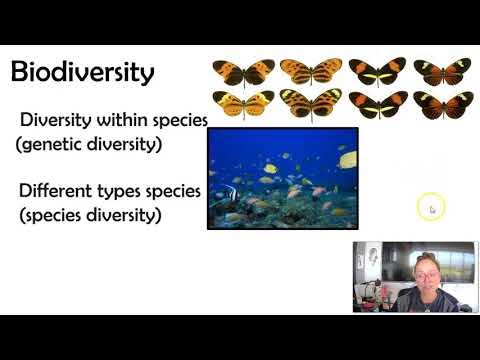
The definition and importance of biodiversity in maintaining ecosystem resilience against environmental disturbances.
The chemical mechanisms of ocean acidification and its specific physiological impacts on calcifying marine organisms.
Modern marine conservation strategies, such as the design of Marine Protected Areas (MPAs) and global marine policy frameworks.
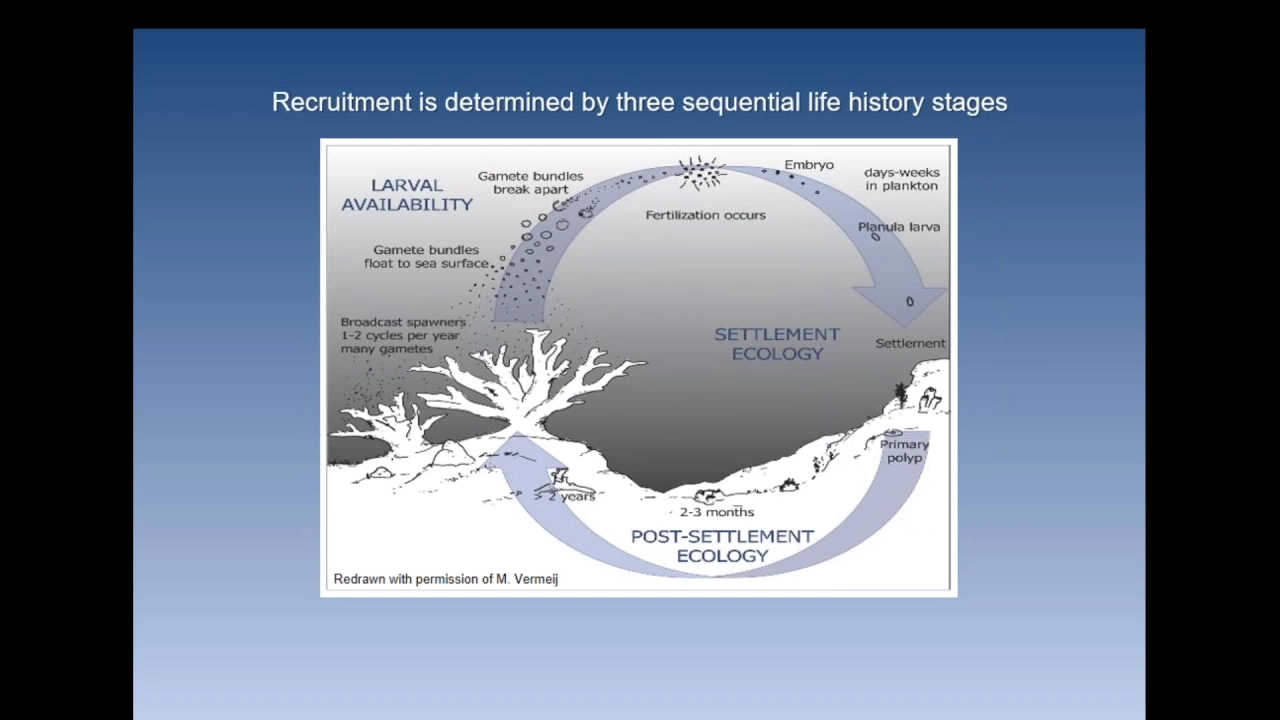
Active coral restoration technologies, including microfragmentation, selective breeding for heat tolerance, and larval seeding.
The socioeconomic valuation of ecosystem services, focusing on how coral loss affects coastal protection, fisheries, and global tourism economies.
7.6K views59likes5:04Original Release: 2022-01-18
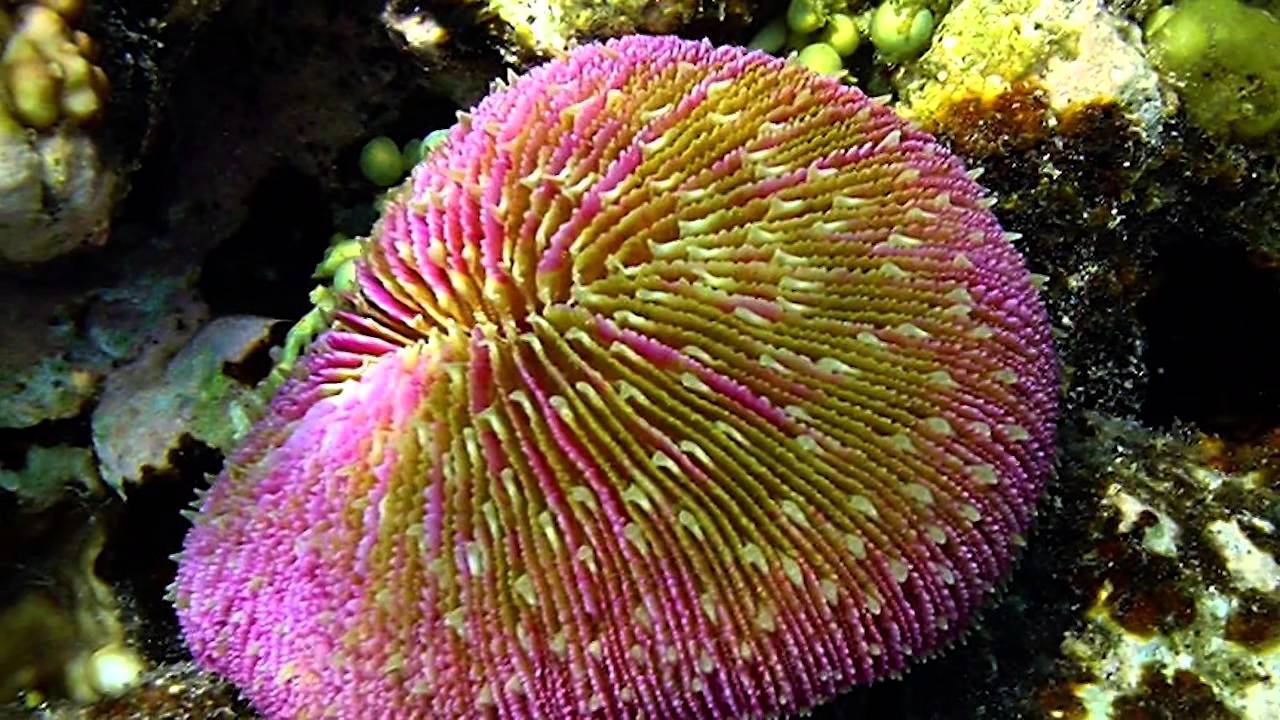
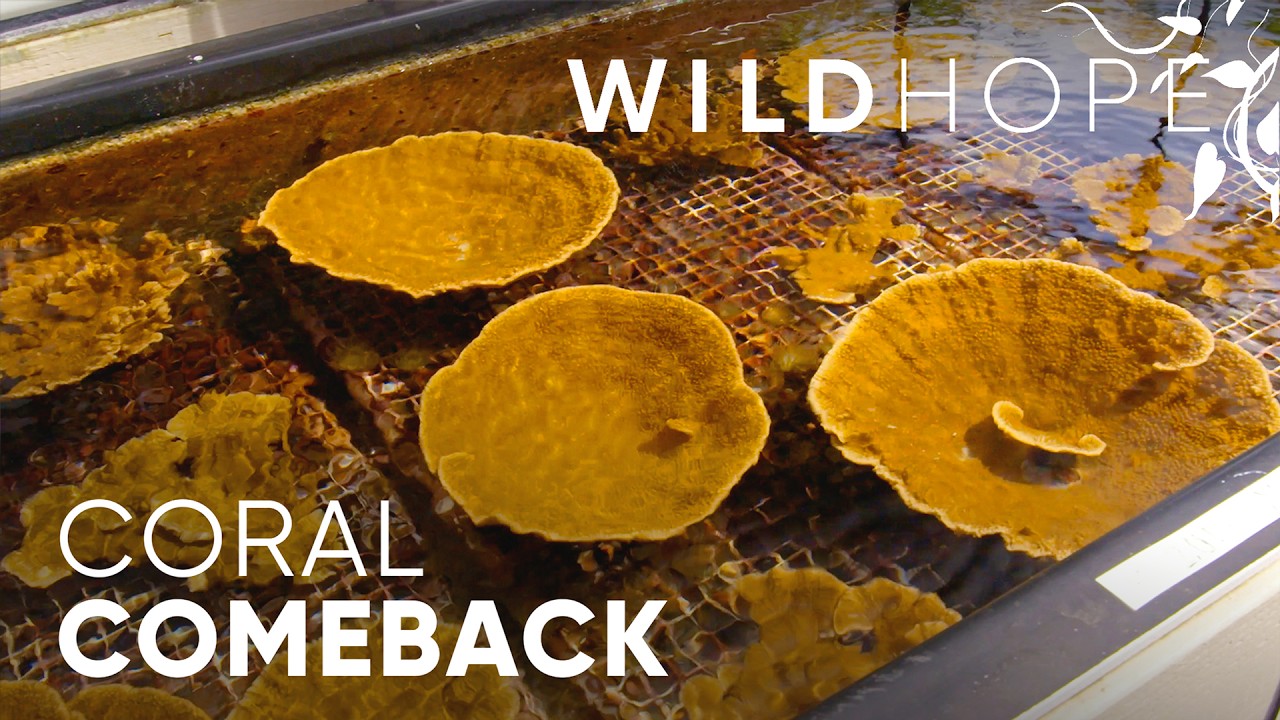
hello i'm jehora singaporeans a singapore freshwater crab but you can call me joe i'm so small i doubt you've seen me but i bet you've seen my big blue buddy the ocean in this video i want to talk about the importance of coral reefs and what happens when we lose them coral reefs are the heart and soul of big blue buddy and corals are found all over the ocean from shallow waters to deep seas often called rain forests of the sea coral reefs are among the most diverse and valuable ecosystems on the planet so are corals plants or animals almost all corals are made up of individual animals called polyps coral reefs are formed from colonies of polyps and their structures are homes to algae which provides them with food although coral reefs cover less than one percent of the ocean one in every four marine species is dependent on them for food shelter and survival coral reefs are important nursery grounds that feed fish which many people depend on for food and income they also keep coasts safe providing a barrier for storms and soil erosion they are also called medicine chests of the sea because they are a valuable source of new medicines to treat diseases and other health problems sadly despite their enormous importance 20 percent of the world's coral reefs have died wiped out mainly by ocean acidification and human activities like overfishing pollution and mining the remaining reefs are under threat from global warming which can cause what's known as coral bleaching corals get their colors from algae living inside them when sea temperatures are abnormally high corals can become stressed causing the algae to leave the corals lose a key source of nutrients become weak and turn white and over a sustained period of time the corals usually die what's more restoring them isn't easy because coral reefs don't grow overnight or just anywhere even though buddy is really big only a limited area is suitable for corals to grow if we lose coral reefs then everyone loses fish and other sea creatures will lose food and shelter without fish many people will lose their main source of food and income coastal areas will lose protection against extreme weather and coastal erosion people will lose their homes and businesses and be forced to relocate we'll lose a valuable source of potential medicines and the world will lose one of its allies in the battle against climate change here in singapore an island home to more than 250 species of corals these corals faced similar bleaching threats in a bid to protect them the national park sport or n-parks worked with community groups and began monitoring local coral reefs they started a plant a coral seed a reef program so organizations can help transplant nursery grown coral fragments in the sea together with conservation groups n parks also installed artificial reefs like this one in sisters islands marine park where corals can take root and grow and other marine life can flourish you can help too by telling everyone you know how magical corals are and how much our health depends on them by being careful when snorkeling or diving not to touch coral reefs no matter how pretty they are saving big blue buddies coral reefs will turn lose-lose into win-win [Music]
Up Next

1:22
Microbiome Health in Reef Aquariums: Key Insights from Reefstock 2024
@ReefBuildersVideo
2.4K views•2024-03-08

12:54
Triumph of Orthodoxy Icon: Byzantine Art & History Explained
@BenCallan
2.1K views•2024-08-06

9:49
FastAPI vs Flask vs Django: Choosing the Right Python Web Framework
@TechWithTim
302.5K views•2024-05-26

1:42
Game of Thrones Opening Credits: A Cinematic Analysis
@gameofthrones
46.3M views•2011-04-18
Related Study Plans & Knowledge Roadmaps
Structured learning paths in General & Interdisciplinary Studies
general-studies
Elevator Engineering: History, Physics & Cities
01From Hoists to Safety Brakes: The Dawn of Vertical Lift
02Hydraulic vs. Traction: The Engineering Physics of Elevators
03Modern Speed, Safety, and Algorithms
+ 2 more learning modules
12h5 modules
Explore Roadmap
general-studies
Rubber: Material Science, History & Geopolitics
01Origins of Natural Rubber & Mesoamerican History
02The Chemistry of Natural Rubber & Vulcanization
03The Geopolitics of the Rubber Boom & Colonization
+ 2 more learning modules
12h5 modules
Explore Roadmap
general-studies
Containerization: Evolution, Logistics & Trade
01Ancient Trade & Bulk Cargo: Amphorae to Barrels
02The Industrial Revolution & Cardboard Packaging
03The Containerization Revolution: Malcom McLean
+ 2 more learning modules
12h5 modules
Explore Roadmap
general-studies
Textile Tech: Evolution, Labor & Global Impact
01Pre-Industrial Textiles: Handloom & Cottage Industry
02Mechanization: The Spinning Jenny to the Power Loom
03The Factory System & Global Labor Transformation
+ 2 more learning modules
10h5 modules
Explore Roadmap