














![BOAT LIFE; what does a girl do for FUN!? behind the scenes of my freediving life [ep 59]](https://i.ytimg.com/vi/QPkdhCEMT_Q/hqdefault.jpg)


Healthy coral microbiomes contain specific beneficial symbionts including Endozoicola, Roseobacter, and certain Rhodobacterales species that regulate other bacterial populations and support coral immunity. These symbionts can be diazotrophic (fixing atmospheric nitrogen) and provide nutritional sources to the coral. Rather than pursuing biodiversity for its own sake, hobbyists should focus on cultivating the right families of bacteria known to benefit coral health. This targeted approach differs from indiscriminate addition of live sand or bacterial products.
Microbiome Health in Reef Aquariums: Key Insights from Reefstock 2024
Added:Understanding the marine aquarium nitrogen cycle, including the roles of ammonia, nitrite, nitrate, and phosphate.
Fundamental knowledge of coral biology, specifically the symbiotic relationship between corals and zooxanthellae.
Basic ecological concepts of a microbiome, including the distinction between beneficial bacteria and opportunistic pathogens.
The chemistry of organic carbon in aquatic environments and its relationship to heterotrophic bacterial growth.
Advanced methodologies of carbon dosing, comparing the metabolic pathways of different carbon sources like ethanol, vinegar, and biopellets.
Utilizing modern eDNA and 16S rRNA sequencing services to analyze, monitor, and troubleshoot the bacterial diversity of a home aquarium.
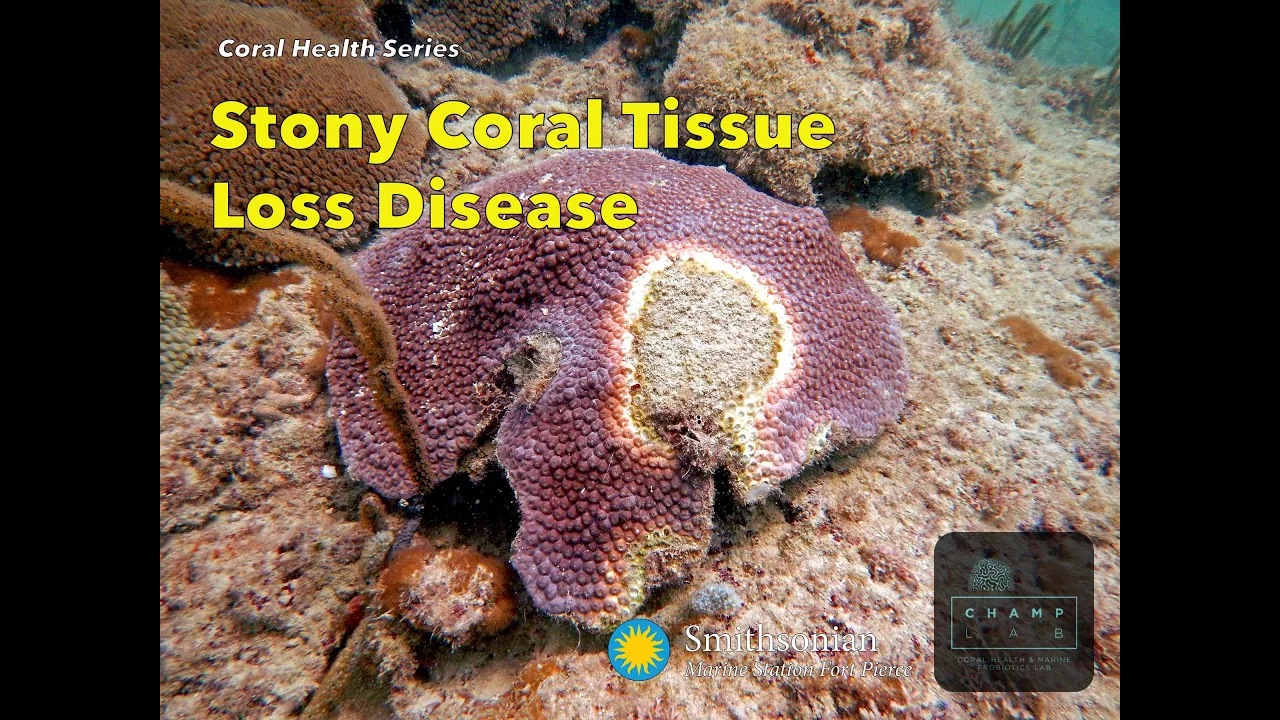
The application of targeted probiotics and bacterial therapeutics to combat specific coral pathogens and diseases like Stony Coral Tissue Loss Disease (SCTLD).
Translating closed-system aquarium microbiology insights to open-ocean reef conservation and climate change resilience research.
2.4K views97likes1:22Original Release: 2024-03-08
[Music] St what's up Reef Builders welcome to another week of reef recap we will wait to for some people to jump on here and then we'll go into it this episode we're going to discuss all of this past week's content we're going to talk a lot about Reef stock and uh this is officially the state of the hobby since all of you chose to watch me instead of the president of the United States I'll be giving my state of the hobby a value a tonight instead of the State of the Union there's a lot of very new content that'll be coming out in the following weeks here that's going to be extremely exciting we recorded a Litany of podcast we had videos going over our favorite corals at the studio talking about how we can improve the studio we visited Chris caps store a lot of great stuff coming comment if you're here so I can begin going down the rabbit hole on something not sponsored I just got a cool mug so if any company wants to send me a mug I'll do a different mug every single episode I thought it was cool and I put something kind of red in it so it looks like the hydrospace product but yeah no tier list this time sorry for not being live uh last week we were recording some some videos with Sarah Stevens which was great oh I was on private chat the whole time I'm like this is dead there's no one talking I see there's comment now so that's good yes I saw you commented last week S2 you were like where's the live stream we were at the Butterfly Pavilion recording some very interesting stuff with Sarah Stevens I got to see endangered Caribbean coral for the first time and I like totally nerded out it was it was really cool because I got to see these species that I've never seen before and morphologically they're like a combination of like 10 different things that are in the industry so uh yilia was like my favorite one it EAS I can't remember the actual like the second name of the species but it looked like an Elegance Coral but like as a colony what's up Harley nice to meet you there yeah Harley's got some very cool products coming out he's gonna he's gonna send me a tank to look at he's uh I don't know if he's told people he's going all glass now so he's gonna have some glass uh smaller ones so I'm gonna set up a probably like a sponge Pico which will be very cool what's up Amanda I had a great conversation with Chris I think we're trading some corals so you're going to be receiving a PM from me he wants it all to be a surprise but I have to send you zoas that I have and you have to confirm if they are going if if he has them or not and then I'll be sending him a box what's up Jack nice to meet you at reefstock yeah Jack is great he got the studio ready for everyone he's been grinding he's been improving it it looks really good so there was some very cool coral there oh goodness we're getting right into it does hydrogen peroxide have an effect on the microbiome in a reef tank I dose for water Clarity yeah probably yeah so hydrogen peroxide just free radicals in in the tank right so that's going to be cytotoxic to pretty much everything um I mean hydrogen peroxide is used as a sterilizing agent you know when you get a cut and things like that so if you're dosing peroxide in your tank you're likely wiping out most anything waterborne uh in that system I know of some people that have seen an aquab biomics results to where they have where they they actually peroxide dose there's a significantly lower population of plagia actor and oosa which are two common modal and waterborne uh bacterial strains which are very beneficial to basically everything they can act as Coral food they can metabolize things like dimethyl suono propriate which is an infochemical which pathogens can use to translocate to the coral they also will metabolize ex's amino acids and nutrients in the water column which can alempe pathogenic strains of bacteria so that's also the reason I don't utilize UV sterilizers on tanks where I want to grow out coral on fish only systems that's a a different story but RIT large yeah I don't like to use peroxide for the same reason you're adding a sterilizing agent into the water column if you're looking for clarity only I mean you can use flatulence you can use carbon and small amounts carbon combine the trace elements as well there's applications for for carbon one mil per 10 gallon once a week yeah so even that small of a dosage is probably doing something what's up Jason yeah Jason Jason's a cool guy I met him at Reef stock as well we're going to actually have an article out pretty soon so he makes he makes uh algae Turf scrubbers but he's done something I've not seen any other manufacturer do he took a year of his tank with one of his Turf scrubbers on it and he tested nitrates and phosphates every single day and then he also had the dry weight of the algae when he harvested it and you could see he grafted it all on Excel he showed it to me we were all had taken shots and been drinking so it was this like drunken like like it was so funny because I was just out of it and he's like you got to see this and he shows me his computer and we're just sitting in the corner of the reiler studio looking at all this data and there was clear correlation so like whenever there was a higher uh weight dry weight of the algae that you harvested there was a you know higher there had been there had been a larger increase or decrease in nutrients over that time so there was a direct correlation between Alo weight and decrease in nitrates and phosphates and a lot of people have argued that maybe Turf scrubbers aren't that effective because no one measures the dry weight is the dry weight really indicative of the nutrients and taking out of the water column well according to Jason yeah I told him he needs to have another year where he doesn't control and just has no Turf scrubber and he can compare them but um it was still very interesting data uh did they record you at the conference will that be available yes I did not speak very well at the conference though the Colorado error was uh was very bad so I got up there to speak I was like ready to rock I practiced it I had my PowerPoint and then I couldn't say words like I wasn't nervous or anything but um it was like I could it was like cotton mouth or something I didn't have enough like my mouth was not moist at all so I had to chug a bunch of water and then like 30 minutes in I was able to rebound and actually give a good speech but yeah it was pretty brutal I don't even know if I want it uploaded um I'm sure I'll give a better version of that speech at aquella or something like that but uh yeah most people I talked to no I wasn't stage Fred I I I was um done debate and like forensics and like model un and stuff like that all my life so I'm pretty comfortable talking in front of people even right now I'm talking in front of all of you right U so it wasn't stage fright it was um yeah it was like a Colorado altitude thing I mean I was not very responsible the trip I'd been staying up the entire uh time I'd been drinking a lot so I was probably dehydrated and I wasn't drinking water that day so it was like bone dry but uh I'm sure I'll give a better version of that speed trk and even just maybe like subtitute for it and I can give the speech live you know do an interactive thing and answer questions and we can upload that but uh I would say you Pro there's probably not much to learn from the speech I gave the we did a microscope um lab or not like lab but a workshop then the microscope didn't work so I had to just kind of like pivot halfway through it I'm like okay let's have an open dialogue about things let's talk about bacteria so even that one was a little bit sketchy so but at Future shows Chattanooga I think we worked out the Kingston it'll be really good we can upload it there but uh enough chitchat I think we should get into what this week was about there was a lot of uh very very interesting articles that came out this week so first of all Sanjay and Rich had their ICP article and it is a monster of an article if you have not got a chance to read it yet you should definitely read it uh now they had they didn't go into what I ICP test should you use rather they looked RIT large about um you know is there repeatability that is statistically significant among the ICP tests that they sample and they determine that yeah you know there's a small amount of error between the tests but relatively like you know they're calibrated enough to where if you stuck with the same ICP testing company uh you could get relatively consistent results so many people asked I saw all the comments of like why didn't you use every single ICP test available on the market well it's really expensive so first of all to buy for certified standards and also to buy a multitude of different ICP tests that's pretty expensive now that does not mean we're not open to doing that if we want to do a community funding thing through Reef Builders it was through Reef um Reef beef before but we could do like a dual funding thing to Reef Builders and reef beef and if you all want an even deeper dive into ICP of analyzing and comparing every single ICP test OES and Ms available on the market then we could maybe set up like a gofund miror or something like that because I'm sure rich and Sanjay would love to be able to send out more tests and evaluate this with a much larger sample size but just at the time the funds were not there so it wasn't that there was not a will there was simply just not a way in terms of the money available but still it was relatively useful data to show that at least if you stick with um you know an ICP company you're going to have relative it's the same thing as like if you use an apex and you don't calibrate it you know you're going to be consistent wrong if that makes sense so but because there's still consistency there is um yeah similarity between the results that you get you can still tweak things in your tank relatively well so they're not completely useless in that way now how much they deviate from the standards that would be more interesting to see but it requires some cash now another article that just came out today is Michael Peta had one about coral nutrition so specifically he was talking about dosing ammonia ammonia bicarbon and then also he talked about the concoction which I covered last time so if you weren't here for the last episode be sure to tune in for the last one I kind of cover my thoughts on this whole bacterial concoction thing and uh how I think it's quite dangerous that people are trying to culture these polymicrobial cultures at home without aseptic conditions I mean that to me that seems like a fast track to grow pathogens to have even human pathogens potentially grow I gave examples last time of a telegram had sent me aquab biomics results of some ecob balance that he had that he had open in the past and there was actually human pathogens that had grown from the minimal media the in the ecobalance bottle so if you're adding something like that unknowingly to a rich media Source it could be not just a threat to the corals and fish that you have by maybe culturing a pathogen that affects them but it could also affect you and your family so yeah I do not think that that's a good way I think that they're right that nutrition is you know there's a very large component of bacterial uh you know heter trophy or like you know nutrition that occurs with coral but there's a much better way to do it and I I'll most likely have a write up highlighting maybe a better and sterile way to do something similar to this but RIT large I think the carbon dosing if you've got the nutrients available is going to be able to do the exact same thing if not better you're going to be growing the existing populations of bacteria in your water column which the coral can also feed on and there's not going to be a threat of an external human pathogen in that instance now Coral pathogen maybe it depends on the existing microbiome you have what carbon Source you have how they metabolize it what families you're boosting so you know it's always good to send in an aquab biomics result and have a good idea of the Baseline that you're messing with so but yeah so I disagree with Michael Peta on that point I would not utilize the concoction but I completely agree with them about dosing ammonium bicarbonate I've been doing it for months now as well as that going to the studio we're going to start implementing and using it the studio too there's been uh you know just excessively low nitrates uh in in the systems and a lot of the corals kind of have U um God what's the term for it when the SPs grow too fast for the burnt tips so some of the SPs are getting burnt tips and things like that which is typically indicative of uh you know not enough nutrition so but the thing is is if you're dosing nitrates corals can't directly utilize nitrates they use ammonia as a nitrogen Source in the wild so if you're dosing nitrates you're just dosing the end result of the entire nitrogen cycle which to me doesn't make a lot of sense now you could get some you know secondary nutrition so to speak nutrition via proxy because some symbiotes in the corals microbial Community can uptake that excess nitrogen and then feed the like the coral can then eat them so in a roundabout way you can feed the coral more but you're not directly feeding the coral what it utilizes so if you're dosing ammonia then you can feed the coral that nitrogen source that they can utilize and also so you still get this uh you know Downstream benefit of feeding the bacteria in the microbial Community because they're still going to be getting nitrates it's also a much cheaper way to dose nitrates I can't remember the math at the top of my head but it's it's close to a 1 to 10 ratio of like one PPM of ammonia is around 10 PPM of nitrates I think it's like 13 or 16 it's a particular number but I can't remember it off the top of my head um so I mean yeah Sean says can you dose heter tropes with carbon dosing so like maybe right so I mean some of the more commensal strains that are used in human health that are used in a lot of these products like lactobacillus billus subtilus I am sure could probably be eaten by the coral now would I like to see a product that actually uses Marine bacteria yeah I would I think that that would be a good idea to have that because who knows what external effect that terrestrial bacteria even if they are not reproducing in the aquarium will have longterm on the microbial population of the tank so if you're inter producing Mula suus and it uptakes all the pyruvate in the system what happens to all the Marine Associated microbes I mean that could cause some issues so I I think it'd be interesting to actually oh Vanessa I I was gonna I can't there's so many vulgar things I could say but I won't I'm on a live stream it was nice to meet you Vanessa is getting me some NES she's more in the uh her herp side of things but I've been wanting to get some Firebelly or Alpine NES since I was like uh like 12 and then I finally got the cash to get them and they're banned from import because there was some really weird fungal issue with salamanders and NES um you nice to meet you I'm dead um anyways back to Sean's question so yeah I mean I think a decent option would be um using stuff like the red phytop Plankton which is a bacteria Plankton and then combining that with a carbon source and you would probably get the same and a safer end result than the concoction which is I think very dangerous what's up Chris I've got some zoa pictures coming to Amanda so yeah I'm stick crazy I got this Walt Disney and it's got po extension and I'm going crazy so I need to get some SPS from you if anyone else has any SPS recommendations let me know I don't know the names very well of SPS compared to everything else so I I like to see the names so I can Google them and say oh I like that I don't like that I've got a list of stuff I want to get like Master Yoda's on there I obviously want a home wrecker I obviously want a rainbow splice um but uh I want some basic stuff too I want some like organ and CI torz I want to get green slimer I want to get everything I'm going to be selling a bunch of stuff and just getting a ton of sticks if I kill them I kill them but um I'm like fairly confident in my system knock on wood right now but uh yeah so those are the two major articles we had this week we didn't have a ton of content uh right now because we were at reefstock making content for all of you to be released in the following weeks but the ICP article and Michael peta's ammonia article both very interesting this week like I said I'll be responding to the ammonia article with a lot more data to back up ammonia dosing but also arguing and debating with Michael Peta um you know about if we should be doing the concoctions so if you want to see old school versus new school on the Rebuilder team butting heads there you go the dirty Insanity I keep hearing about Chris told me all about it it might be one I have to get if I can keep like if I get like growth on the Disney if I get like a home recer or something more expensive and I don't kill it in like two months I'll probably then get a rainbow splice dirty Insanity like a vivid Insanity maybe I'll just try speciosa too I'll probably just go full kitchen sink and get everything and uh speaking of kitchen sink one of the videos we're going to have coming up next is analyzing the kitchen sink tank in the reef Builder Studio it was certainly my favorite tank there so this was the one it's got the grafted tuban area in it it's got some like LA Lakers scroll Coral there's a couple really interesting bird's nest in there it kind of was a kitchen sink it had quite a few different species that were thrown into it that had all grown are grown to a colonies and the time the studio you know has been taken care of and we kind of went in a deep dive it with it we talked to Jack about his favorite Corals in there in terms of what uh you know he's doing to maintain it as well as some of his favorite species and little birdie told me maybe uh Remy and I will be getting some frags from that tank to put in our own system so we'll have a little series updating who can grow things faster Remy and I we're going to have a little bit of a race uh showing if who can grow things faster I think that Remy will probably keep them alive I'll probably end up killing the SPs but uh we we'll see what happens yeah I said if I kill them I kill them yes I don't want to kill them but that's part of the hobby it's part of learning I'm sure if I get a bunch of SPS and I end up uh killing the SPs then I will learn a lesson from that I'll be able to deduce what I did wrong and then learn from it so you know what what's nice is I will be getting aquacultured pieces not things that are taken from the ocean so having clones of things and reint you know introducing them to tanks allows for people to learn so if I can learn some tricks with keeping SPS then I can share that with all of you because I've never done SPS before I've done about everything else so it's not that I don't care about killing them but it's that I know that if I do it I can potentially learn from that and hope to have a dialogue about it so I do run Cal yes I hopefully all be fine I run calc and then I also have H sodium hydroxide so pH gang 8.4 plus only 10 frags left and I'll have colonies left to regrow better get it next week ah I guess we will have to trade by next week then Chris I'll have to go to the airport and send you a box why should I trust you if you can't grow SPS sanj can grow SPS ah maybe you shouldn't maybe you should not trust me that's the whole skepticism thing I've been talking about anyways so but uh no I think I could probably grow SPS I've just never done it as a college student I've not invested in them because I know that it's harder to get a return on that investment I've grown zoas high-end zoas I've grown eilia I've grown a lot of chalises things that are much harder which I know I can get a return of my investment on and I've been able to get a return on but uh you know I've been you know I think it's time I think it's try time to try SPS so something that I want to talk about that I planned out at Reef stock which will impact all of you and the hobby RIT large I talked we had a couple beers and Dr Eli Meyer and Dr Andrew balma from Oregon State both had a very in-depth conversation so these are the guys that are with the aquab biomics team so the company where you send in a sample and you get the whole microbiome back so obviously I've been a very large proponent of using that technology to you know expand our understanding of our systems and to try to push push the envelope even further Beyond just ICP we now have a way to test the biolog olical side of things and the you know in terms of the minutia and potentially change those things so many of you have asked me through consultation or just on here what do I do if I have this pathogen or what do I do if um I want to increase this family and my tank and Eli Andrew and I are going to try to determine the answers to those questions and this is best done we think through a community science approach so instead of us just going and messing with it we're going to have an opsource program to where you can go and get aquab biomics test two of them a a before and an after and you will evaluate a certain question for your tank now this involves controls right so you basically need to keep excuse me everything the same for like a week or two a month even for some of these things then have one thing you're changing in the tank and we are interested in seeing the before and after the microbiome after that single change so the first thing we're going to explore is carbon sources now number one thing is we want people that do not run a UV sterilizer because UV sterilizers can knock out a lot of those waterborne families which we are interested in increasing the concentrations of so if you do not utilize a UV sterilizer and you're interested in this PM me but we're going to be having a small sample size at first people who are dedicated who have successful reef tanks who have experience in the Hobby and who really want to push the boundaries and begin answering these questions so we'll have carbon sugar vodka a couple of uh interesting ones that Eli and I have been you know going down the rabbit hole about in terms of literature out there but the hope is that we can find a carbon source that can actually shift the microbiome in a preferable way so potentially a carbon source that some of these more uh beneficial guys can metabolize better or more exclusively or competitively than a lot of the you know the pathogenic or opportunist opportunistic trins of bacteria this would then give hobbyists a tool to expand and modulate their microbiome in a very easy way without buying some thousand doll bottle from a company where they don't list what's in it you could simply carbon dose a selective carbon source and then modulate the microbiome so obviously we want to have the community do this an assortment of different tanks all with different microbiomes and the goal is to get a very large sample size of community volunteers and then over time even though they can all be different microbiomes we may see emerg with even these ones had distinct baselines because they added this carbon Source the end result was the same we saw an X percentage increase in this family so I mean that's the number one thing we're going to be exploring right now is carbon sources we're going to evolve beyond that we have a lot lot more questions we want to answer but we figured that it would be great to get the community involved with something like this because then we can all learn and all begin to explore these questions together and obviously it's not things that we can do on their our own UV sterilization is important with LED systems only so I assume you were saying that because you feel that UVB from metal halides or t5s could lead to some sterilization in the water column I'm not sure about that if that is your claim I think that you could potentially see residual effects to where you could knock out some bacterial populations but I think that even having UVB on a shallow tank is not going to have the same effect as UVC because I mean UV having UVC with a long exposure time with the whole spiral design can really just you know cause a massive amount of mutations which prevent uh reproduction later on whereas UVB can be you know carcinogenic as well but it's not going to be as as as much as like those lower lower bandwidths so uh yeah balance minor and traes has have helped us eliminate carbon dosing yeah so obviously I agree with that I don't think that carbon dosing is absolutely required you know for nutrient management or anything like that but rather we're interested in it by you know through changing the microbial populations so yeah but I don't I don't like to use UV I think UV can be important for fish only systems but I think I opt for a more naturalistic or ecological approach to where one is trying to increase the concentration of those water born benign bacteria which can act as a coral nutritional source and metabolize some of the known infochemicals that cause pathogenic events so while you could go the route of nuke at all I like the route of uh you know try to have a have balance so Jake and I used Jin for a little bit back in the day because we're out of vodka that'd be cool something we talked about was Jack Daniels something we also talked about was cocacola um this is one we're going to explore uh Sarah Stevens was telling about this guy and he works for like some public aquarium right and they had like a 30,000 gallon system they were trying to cycle and they had a plateau in the nitrite phase so they couldn't get any bacteria to eat the nitrites and convert them to nitrogen gas or to nitrates so this guy figured out that cocacola had the perfect amount of phosph furic acid and and other assorted chemicals to where you could add it and it would then accelerate the growth of all those nitrite metabolizing bacteria and get them over the plateau and it was also the cheapest option because phosph furic acid is very very expensive so they were able to buy like you know a thousand liters of cocacola and poured in this 30,000 gallon tank and then it overnight it cycled it completely cycled overnight and Sarah used this The Butterfly Pavilion as well and had success with it so I really wouldn't test some of those goofy ideas like that like we were joking like okay so Coca-Cola can be a phosphoric acid Source what's our carbon Source obviously um you could use Jack Daniels so we could have Jack and Coke in the tank so yeah I had never heard of that before but was pretty pretty interesting biodiversity sounds better in a system to make it harder same concept as having a bigger system and makes it more stable so like I say I'm not advocating for biodiversity for biodiversity sake rather having the right families having the right diversity so for example endoo kimonis rosoa which is member of the Rota AA that's non-pathogenic you can have the pagor the oshop spilia these four are four very well described symbion that can really Aid in the coral immune response as well as nutrient cycling there's some Roto actor ACA that are associated with uh the coral internally which can also e with nutrient cycling to where they are dizat tropes and can eat nitrogen and then you know pass it onto the coral as a nutritional source so it's not really just throwing in as many bacterial products or like sources of live sand as possible rather getting a baseline through something like aquab biomics and then seeing how can we push these populations in one way or the other to basically change the microbiome to have a higher concentration of those known good guys so yeah it's not just like the concoction angle where you're throwing everything in a bottle with a carbon and amino acids s and throwing it in your tank it's a much more controlled and scientific way of going about analyzing the families that are there and trying to find ways to change the concentrations of those families pushing them in a better Direction who is my favorite speaker in Reef stock I actually only got to uh catch Kevin's speech and it was it was pretty cool seeing all the stuff they're doing at as he was like yeah we got a blank check to do all this we've got heat resistant trains of zoa thi were infecting with coral we've been able to infect Coral with strains of Zo and the they typically don't uptake which was extremely interesting to me because I've not heard of anyone doing that so it was pretty interesting to see what they're doing down at ases and see the extent of the projects they're doing for conservation and it really gave me a lot of hope that um you know Coral might be able to survive in my lifetime maybe even past it maybe we could have an Adaptive approach to climate change where Coral can um you know have have more heat you know tolerance strains be genetically engineered or whatever mechanism it's through to survive different Oceanic conditions but I mean yeah it was it was a pretty interesting talk for sure I can't wait till everyone else is uploaded because there was quite a few talks I wanted to see that I didn't get to see I really wanted to see tasas I wanted to see I wanted to see everyone's pretty much like I I really wanted to watch them all but I had a booth I was making content I had uh too many irons of the fire I'll probably not sell Coral uh next time because it would have been great to watch those videos videos Vanessa said Coca-Cola in the glass bottle or the can so that was something we wanted to explore right have corn syrup sugar or aspartame we could have Diet Coke like the the glass bottle Cokes or the can of Coke would any of those have a different effect on the microbiome so that would be uh that would be pretty funny I'm bourbon dosy myself right now my fish and coral seem to be jealous yeah bourbon dosing is pretty good man I I'm not no I'm I'm not going to drink tonight I'm not going to go that I've got I've got some Gatorade in here we're not going to do the drinking thing ever again can aquab biomics use be used as a Veterinary diagnostic maybe right I mean the technology is extremely accurate but to to have diagnosis and to deploy antibiotics you know from any any amount of data when the microbial world is so complex in terms of coral these are all polymicrobial infections often which occur from a dis by biotic event where many of the corals beneficial symbiotes become opportunistic and then become pathogenic to then go and say I'm going to use cypro on the entire tank even if you have data suggesting that vibrio or arcoa are present some of these gram negatives that could be affected that's a very slippery slope and will result in a residual power vacuum which could then cause you know even bigger fish to come into play and then cause a pathogenic event the most important thing to remember with any infection that occurs in Coral is that it will always begin with an abiotic stress response so the the best you know an ounce of prevention is a pound of cure the best way to go about things is to have stability and chasing stability in whatever way you can whether that's ICP and having the traces in line or just the macro elements uh your big three and those are the most important things to ensure uh that a pathogenic event does not come into play having a very reliable test kit like uh meckley was talking to me about some very interesting test kits that that um he was using I think it was like ey dip is what he called it but you know that that might be something to look into I'll probably write an article about that obviously salifert is something that is accurate but it is not you know it's not the right values but it is consistent over time but yeah I mean utilizing antibiotics that's very slippery slope with diagnosis or without prophylactically is even worse I think resistance is real and it's very scary what was my biggest takeaway for the wreath Builder Studio H well it was pretty cool it was really nice seeing that many tanks put together with that many Unique Corals I mean I was just very impressed by the diversity of corals there like I mean there was so many rare species that I've not really seen anywhere else like the Manila spy there was that branching ainapur like there was stuff that was just so unique all the snake pops so I kind of got to nerd out about the diversity and the um the Rarity of the coral there but also I think that it was it's a pretty pretty massive task for Jack I was really like wow Jack's The Man He's maintaining all these tanks on his own I mean that's like a that's a full-time job to have to maintain that many tanks I mean I've got like seven tanks at home but they're all smaller so I mean it's it's already a full-time job here I barely have time to do it so to take care of that many large systems I mean that's a that's a lot of work so shout out to Jack there's a lot of cool coral there and I think it's got potential to really have um you know even even better growth even better coloration obviously it's coming back from from Jake's absence but I think that we're on the right path and it's going to look great it already looks way better and it's looking pretty good I think in a year from now it's going to be back on track and look absolutely amazing and we could maybe get acquiring more Unique Corals that would be something that Jake would have liked to include in those tanks I think that that would be you know the next step forward is thinking would Jake you know appreciate this being in the studio is this a really interesting or Unique Piece we're not seen anywhere else that we could include that would you know fit the existing mold of the wreath Builder studio so it was something like a mum to all of Jake's work and I thought it was very cool it was very nostalgic for me and very it was almost like this like like fever dream because I couldn't believe that I was standing there after I had watched these videos for like my entire time in the hobby it was it was a really really cool moment to get to look over the logo and be like wow um I've not seen that but like I said I I certainly I don't like to add them because of those bacterial species I don't think that it would straight up crash a tank by any means there's plenty of successful tanks that use UV sterilizers but I think that you could be converting your corals to like a carrier state to where there microbiome could be out of whack enough to where it'll only take one abiotic swing to then cause a pathogenic event so corals could be carriers for disease as well to where they don't have expressed symptoms yet but they still have the preconditions in a microbial sense for those symptoms to be Express for things to be lit on fire so you know like say having that balanced and beneficial microbial Community which I think a UV sterilizer harms yeah no mention of the Margaritas I don't know what you're talking about it all oh yeah yeah I had a great conversation with meckley and sanj till like well I think mey what was it like 2 am we stayed up like we we'd all been drinking and um Chris was talking about some very interesting experimental things he's doing with a certain type of food in his systems and it was very cool just hearing like three generations of the hobby kind of kind of talk about things so sanj had his opinions and Chris had his and I had mine and it was interesting for me personally to view like I could understand the opinions of everyone there I disagree with some of them right but I also could understand their rationale and I could see how for a very long time it could be it was it was a very good you know source of logic but we talked about a lot then Chris and I talked to like three in the morning and talked about a ton of crazy stuff so it was it was a great conversation the best thing about Reef stock was getting that Reef uh Reef beef experience so had they always describe like you know Reef buom or Reef beef is uh what we do at at shows we all stay up till 4 in the morning we drink we smoke we whatever and we just talk about the hobby I got to experience that firsthand with a lot of very big names in The Hobby and um it was great there was a lot of very interesting conversations over time yeah so apparently if there's enough consumer demand Raj is going to take me and Remy and Ben and Rich to Fiji because Ben and I have never actually seen anything besides a Caribbean Reef we've never seen which is like fire coral gorgonians and sadness right at least right now so yeah um Raj and Rich were like we should take we should take Ben and Salem to a real like Fiji reef and just have their minds blow and make a bunch of content while we're there so if you guys want to see us go to Fiji or any Reef drop below where you want to see us go what's your opinion on freeze dried bacterial products versus liquids so first I think you would need to evaluate what your goal is by adding them is it a food source are you trying to decrease nutrients is it snake oil where you think you're going to solve all your problems and there's no proof of that these are all things that are on the market all three of these I think that some of the freeze so obviously also there's freeze dried to where the colony forming unit units can come back to life right so like the bip pets food all the colony forming units in that are freeze dried and then resuscitate in the water column but I also have seen foods that are you know sterilized they're dead it's just bacterial it's kind of like the freeze dread phytoplankton stuff like phyto Feast like the old school stuff so I mean there could probably be a nutritional Source from some of the freeze Dr items like that but if you're adding in any product any bacterial product you a value what you're adding and why and I think the majority of companies out there cannot tell you why that should be and I don't think that these things should be added just to add them at all I think they could be relatively dangerous you could shift your microbiome in ways we don't yet understand like why are we adding lactobacillus and basilla subus to our tanks why are we adding like you know strains that are utilized in human probiotics to our tanks because a company saw them they could commercially buy them and they wanted to make money off of it yeah that seems like a great reason you know but there's not a there's not really much rationale scientifically behind adding these things it's most of it is just a marketing push and uh I don't really agree with it kind of takes advantage of a lot of people's ignorance about these topics and uh think it's pretty slimy speaking of slimy biopellets yeah better option I think right you're at least growing the bacteria that are already in the tank by giving them a carbon source and area to colonize it's kind of old school method right I mean it's better to use that if you've got pretty pretty high nutrient levels but it's a tool you can use you know Carbon dosing that's a tool you can use there's plenty of tools plenty of ways to skin every cat out there so you know that's that but you know I I don't really use many bacterial products in my systems at all I'll use live sand live rock things like that if I want to see things the coral obviously have symbiance on them sometimes I will use hydrospace it's at least it's at least better because Ken is transparent about what strains are in it he says here's what they do here's what they don't do that's a little bit better than most companies out there there's at least some data that shows that some of these strains can be associated with coral at the very least they can at least be diatropic and take up nitrates uh in the water and have like a bio remedia property which is just like the the clean products so let's say let's see s might have a bunch of LPS but now a single mushroom survive my tank um what species of mushrooms have you tried how old is your tank where are you placing them those are three questions let's see I found the biopellets you only need an eighth the recommended yeah probably yeah biopellets are pretty hardcore if you're going to do it then I I would definitely underdo it because yeah they can really strip a tank of things that is for sure it is a very aggressive approach what Coral should I put in a room temp tank a lot of the Western Australian species would be good options so like button Scoles um you can get like the astrophilia like the will sonai those are really cool I've had luck with those um in lower temperature tanks like 72 68 to 72 I've seen them do a lot better they keep their coloration better but I mean a lot of corals can be kept in a little bit colder water there's a couple tanks in Europe that don't run heaters at all that are very successful tanks now who knows if they could be better in warmer water but they can at least handle it reproduce and thrive in those temperatures relatively speaking at least that we can see with our eyes so like a can theila things like that um other options of things you could do in room temp tanks are some of the deeper water nonphotosynthetic Caribbean or Pacific gorgonians so like the swiftia that's a really cool species from the Caribbean those naturally come from a little bit cooler Waters because they are deeper um I run my tank at 76 I usually run it like a little bit colder anyways because it'll limit some of the pathogenic bacterial growth limits all bacterial growth but it gives you a little bit more of a a um response time to really big issues and most corals don't mind it so yeah I run my tank cooler anyways but room temperature I've done um I've done NPS at room temperatures so like dendr nepia scalero nepia the um Chromo nepia which are a dendr nepia subspecies some of the sun corals so a lot of those guys are kind of deeper typically on the reefs as well they seem to do well with cooler water if you want to do like real cool water stuff you can get some of those Japanese deep water anemones I can't remember the ACT Latin name it starts with an H but they are very very cool they're NPS but they're easy to keep you just feed them you know it's like any of the like it's like sun Coral level of NPS but they're bright bright screaming green and they're they come from deeper water so you could do those as well most softies would probably be fine so how did your Coral show sales go at Reef stock and when can I get some of those spectral Hornets went all right I should have brought more lower end stuff it was a kind of more middle of the road market so I brought 50% really high-end Ballers stuff had like an HG colony and like a big like OG bounce and stuff and then I had 50% which was just like cheaper stuff like five for 100 and I sold mostly the cheaper stuff um I sold a couple high-end pieces though but if I were to do it again and come to the Denver area I'd probably just bring a bunch of excess um overgrowth I have and just blow it out you know it's probably what I would do so I think it seemed like a pretty decent show for everyone give Remy nothing Remy has given me the world he's given me a shoulder to cry on his expertise his opinions he's he's been my producer behind the scenes I I owe Remy a spectral Hornet probably a beer quite a few things are you going to bring a mix to the swap in St Louis I'm probably going to bring cheap stuff to blow out because uh I don't really want to bring High ends and stress them out again you know if there's a request for higher and stuff I'll bring it but I'm you know I don't really want to stress out an HG Colony Again by by bringing it and then having it not sell so yeah yeah the the Hornets are nice the spectral Hornets are very nice I sold out of those I have to grow them back out uh Josh got one Ben from BSA got one meckley was drooling at one Remy was drooling at one everyone seemed to like them I do phal plankton when I have time so I've been busy with school a lot of things like that so whenever I get time to set it up all grow some phto I always have pods I feed my pots some bacterial cultures that's a little something I'm experimenting with so I don't have to have phyto to grow those but uh yeah I'm probably going to do some phyto this week because I need to pretty over over um the time of doing it at this point it's been like a month top three skimmers in dosing pumps I'm not the person to ask I reefing on a budget all the stuff that I get I get through trades or I buy the cheapest stuff so I could tell you but it's going to just be regurgitation and there's probably a lot better people to ask about that I've heard the ghl dosers are really good but I don't have one two-year-old tank Greener cour of Florida mushroom from th found her an overhang of my rocks bab on the sandbed H what happens like does it slowly die over time or do you have it die pretty fast does it bleach does it kind of jelly up kind of like just you know melt what happens there because I have one Theory based on what you said already but I need to know that information but there there's something that might be happening with where you've placed it maybe but yeah this was just kind of like a little recap stream I missed last week I figured I'd talk about restock a lot of the cool stuff we're doing you know be a good conversation yes slowly turning white okay so here's the hot take I don't like to place corals on sandbeds maybe something like a trachy or an A canophilia which is just like they're in mud they love it right in nature but even even a lot like even them right at least anecdotally I have had better success not placing them on the sandbed so I have something of a theory for why this is so it's with the whole you know pathogenesis thing if you think about it the coral has an ideal microbiome that it keeps you know the right in the right concentrations you've got endozo gonus and Rosio baor which are top level Regulators which are controlling the populations of everyone else that could become opportunistic and blocking the bad guys from getting in when those die off you have a lot of problems that can happen so the sandbed is a place where a lot of the bad guys can live so there's an excess of surface area every single grain of sand presents a ton of place for like a bacteria to grow so even more than the pores in your live rock as well as that the sand tends to Clump together can have anerobic regions so this presents a perfect environment for a lot of bio anerobic and biofilm produc producers to live so if you think about it even if you have a plug if you have a coral on a plug if it's even close to the sandbed if the sand blows on it if it's even in residual contact with the sandbed what you have is essentially a microbial War you have all of these opportunistic bacteria which are typically pathogenic or Coral pathogens that live in concentrated areas in the sand and then you have all the good guys and if even a single grain attaches I mean that's like D-Day happening right there there's an invasion that's occurring so over time you're going to probably see a very slow recession and degradation of the typical immune responses of the coral so that you know other times they can happen a lot more rapidly so that's kind of like the stn versus rtn thing that happens right so if you're seeing a very slow bleaching of it over time typically bleaching will be associated with the buildup of reactive oxygen species in the coral where corals will generate free radicals as a general response to pathogenic infection or abiotic stress now these can kill all the bad guys but they also kill the good guys and it's also cytotoxic to the Coral's tissue so if you have continued you know like basically immune challenges then there's going to be a continued buildup of reactive oxygen species and that can also lead to a buildup in things called danger signals which then means the coral can recognize the zanelli as other instead of self and they can reject them that's like a whole very complex thing I have an article about the coral immune response on Reef Builders but uh yeah I moved it around on the S sandb but not vertically so I would try a ricordia again place it lower in the tank still lower power lower flow like mushrooms love but don't place it on the sandbed place it on the rockwork and see if you have more success now that's just my thoughts right now based on what you said but typically any corals that I place on the sand over time they're going to die like that so so let's see so there's other questions I see plate quels in the sand and shake my head they live on hard Rocky Reef slopes yeah every fungia Helio fungia cycloseris dieras whatever any of the plate corals I've had they will melt on the sand and in the beginning I never understood it but looking at things now yeah any good books for dummies on microbiology that would you recommend any for terminology um no books I can think of I'm sure that there are some I'm sure is actually like a microbiology for dummy book um that it would probably be a really good resource but typically KH Academy like a lot of like the tutoring resources on YouTube are great ways to learn about these Concepts and terminologies so yeah uh KH Academy organic chemistry tutor which yeah organic chemistry tutor sounds like it's about organic chemistry but he does all the stem classes so he does like computer science everything he's one of the better like people on YouTube for stem subjects but uh yeah sounds like in the whole a hole in the market for some microb microbiome s your next project yeah probably I've got a lot of projects already um one of them which will be announced uh next month so stay tuned but we will have a very large amount announcement for things I'm working on uh next month and re Builders so can coral be treated with antioxidants H probably right I've thought about this before like maybe you could directly add catalase enzyme or like super dioxide mutate to a sick Coral right because those are the two enzymes that are typically expressed to deal free radicals in a Coral's tissue now I found one peer-reviewed article where someone where where they actually added catala to sick coral and it ended up killing the coral so they don't really know the mechanism for why that is my thought is most likely that um at at the point to where you're wiping out all the free radicals that the coral generates you are also significantly bottlenecking its immune response so obviously some amount of free radicals needs to be needs to be produced to resolve that potential immune challenge but uh yeah I mean maybe but that would be something that needs to be tested and really really experimented with and at least in terms of the data so far yeah yeah people used to do vitamin C um I'm not sure if that was for the antioxidant or for you know it is a co-actor no one really that I ever saw had a good reason for why that was but you know could come back I think a lot of the aminos and like just a balanced diet takes care of any of those benefits so if you've got like for instance some like the red phytoplankton the bacterial plankton like ramonas it has catenoids catenoids are an antioxidant you could dose them that way and it's also nutritional Source maybe a little bit better than a um an actual like enzyme or antioxidant purified my plate corals thriving on the sand and spinning out babies yeah no it can certainly happen I'm not I'm not here to say that 100% of the time it's going to die but I am going to say that often I have more success and I've had more success than the shops I've worked in not keeping corals on the sanded you can always get lucky but in terms of overall Trends I have anecdotally experienced I tend to not be lucky in that instance so you never know right I am not sure where tongue corals are in nature but like I say even Athos even trachy things that do live on the sandbed I will avoid placing them on the sandbed simply because the microbiome and our tanks any of the pathogens are going to be there most likely so even if in nature they are adapted to living on the sandbed and maybe are more resilient to that different microbial community in a closed loop ecosystem to where you have a concentration of pathogenic bio like you know biofilm producers in the sand I would rather not take that chance put them on some EG crate put them on a rack or so you know a rock rack same thing what's your experience on hair algae and Bri bosis and how to deal with it so I don't want to say fluconazol that's like Last Resort right you could use fluco as an absolute Last Resort but hair algae and biosis hair algae a lot of things will eat sea hairs will eat it Turf algae is different Turf algae is a little bit of a different beast and sometimes you know you could really really have trouble beating it bosis is also a problem typically now you could do like spot treatments with per with peroxide you could try juvenile Emerald crabs they will sometimes go after hair algae or turf algae rather um getting your nutrients in a better concentration so something like sending out an Indo test and seeing the ratio of organic to inorganic carbon that can sometimes be very useful and then you can carbon carbon dose and things like that to push it in a different direction um on top of that having your Trace elements in the proper concentration so like getting your halogens in line can really help um having higher magnesium concentrations can maybe help anecdotally I keep my systems at 1500 basically always because high magnesium it acts like a regulatory chemical for basically all redo reactions so the higher you have that up until a precipitate Point uh the more stable most all reactions are in a RAF tank is kind of my rationale for doing it but yeah I would try to like correct traces correct organic versus inorganic carbon try to add some herbivores potentially do like a Turf scrubber or a fuge to out compete it somewhere else with a higher par value on that other beneficial algae source so it's more favorable to grow there um yeah I mean that's those are the things that I would look at then potentially magnesium and you could always do spot treatments with peroxide I would use fluconazol as a last resort simply because fluconazol could probably knock out some of the beneficial fungal uh symbion that are you know with coral and there's a lot of those and that's not something I've talked about a lot but there's a lot of data there to show that fluconazol could really mess some things up and the the fungal good guys are just as important as the bacterial good guys and that's something that really no one has really talked about so yeah fluco is a last resort but there's plenty of ways to maybe deal with it without that oh that's interesting Nick I've not pushed it that high but I could really see that working maybe I'll do it in a nano I've got a nano where I've really just had higher nutrients and I've let things uh go rampant so I'll dose the mag up this week and see what happens that's interesting you're going up against the State of the Union what's the state of the hobby are you wearing pants ah so yeah the state of the hobby think there's a lot of snake oil think there's a lot of misinformation I think there's a lot of people who are ignorant about things that are trying to probably take advantage of you either I don't think maliciously I think it's just they're trying to make a business don't know about a lot of things and then that can cause uh some issues so so something that I would like to do going forward with Reef Builders is have more transparency so bringing attention to the science bringing attention to peer-reviewed things and applying them to the Hobby so you can see already we've been doing this this week so we had the ICP article out so um yeah Reef Builders you know angle we're going to have the community science so with aquab biomics we're going to be doing pretty hardcore we're going to be pushing A lot of those projects and all of my content is going to be based on peer-reviewed articles and breaking them down and trying answer a lot of the questions that people have so this week I'll have one about dosing ammonia and going through the whole pathway of how Coral utilize ammonia as a nitrogen source and showing data um you know that ammonia is a little bit better than Dosey nitrates things like that so in terms of state of the hobby I think uh what I'm wearing pretty much sums it up so I look pretty nice up here right but uh look at this oh no I'm making a mess out here Remy I've got my pajama pants on you would have never known tip of the iceberg type of stuff right so not all is what it you know not all out there is what it seems to be skepticism You Know Rich Ross's whole thing is something that should really be applied I think people should be a lot more skeptical about what they're putting in their tanks I think that most people should be pushing and buying products that are transparent with what's in them so you know there's a lot of good stuff out there that where they tell you what is in the product if they don't tell you what's in it who knows what you're adding your tank it's the exact same concept as don't dose what you're not testing for why would you dose something that a company just yes I am wearing pants I W I wasn't going to not wear pants that would have been horrendous I won't do that to all of you but yeah the entire point was basically just don't take things at face value from companies be a little bit skeptical be uh diligent about what you put in your tank and consider why you're adding what you're adding don't just add things because an influence are told you to add things because there is a biological or chemical reason to add them to maybe help the coral or the fish or whatever it is in your system be healthier that's kind of how I do my tanks it's not a kiss method because you can obviously get pretty crazy and add a lot of really weird things uh to solve specific issues but also it is I mean it's it's keeping it simple in terms of only adding what you you know you know only adding things like only adding controlled amounts of things where you know what you're adding instead of an unknown they could push Trace concentrations in a different way it could push the bacterial populations in a different way who knows what is out there many products might be like this clean cut but they we pajamas so what test skits do I have I have a tritant that I calibrate I have the hand of stuff for nutrients but I Pro I kind of want to do this whole eye dip thing that meckley's talking about he kind of sold me on that so I know that um salord is very consistent maybe not accurate but very consistent that's a good one but the most important thing is if you have a test kit doing it really well so if you know if you got titration do it the same way every time become be consistent with your testing that's the most important thing aptasia ber are great if you don't have like rasses and things like that that's the easiest solution is bergia um you could use like the fasia all that stuff but you're probably never going to get all of it um you know there's like Klein's butterflies copper bands can you know people claim to eat them there's aptasia eating file fish the problem with all the peppermint shrimp the Caribbean ones have never had luck the Indonesian peppermint shrimp I have had luck with them but the the thing is is that biocontrols are never going to be 100% besides something like bured or they obligately eat aptasia so you know if you can do bergia that's going to be the easiest option otherwise you're going to be cycling through a different guy eyes which may end up eating the Coral in the long run so little bit of cost benefit analysis there with dealing with aptasia bare bottom tanks I love them really easy to grow Coral you can have ripping flow there you go I still like sand though right so I've got a tub of sand on my Sump you can still have the microbial Community associated with the sand but you don't have to deal with all those problems I talked about earlier to where you can have the distinct microbial Community which is likely to be more pathogenic that it's colonizing on the sand interact with your corals and you can also have higher flow so yeah I run my systems bare bottom but I still have a tub of sand in the bottom in the sump and then I also have a cryptic sump I'll probably do a deep sand bed that's remote as well it seems people are dosing traces but aren't sure how they're being utilized can they build up and cause problems probably right so there's like a lot of really weird traces people are dosing now to where it's pretty spotty if they actually have any biological usage like rubidium is one like there's there's probably maybe some use to ridium but if you're not doing regular ICP testing when you're doing traces you probably should be just blindly dosing traces or using any of the trace products to where it's based on like your alkalinity or calcium consumption could be a a pretty slippery slope and can lead to buildup of some you know buildup of stuff especially if you're dosing any like the heavy metals or transition metals like you know people are dosing nickel and stuff now if you're doing that without ICP testing that can be a problem very fast so anyone doing traces you really really want to be consistent with ICP what about Rubble like in the tank or yeah aluminum zinc lithium all can cause problems I completely agree uh like do you mean rebble in the tank or like rebble somewhere else what do you mean Nathan like where located or you just want to know about my opinions on reubel anyway like RIT large but I like reborn you know calcium reactor media I'll use that in some spots right like throw in my cryptic sump um I've got some of my Sump as well so so you know that stuff's great can maybe buffer things who knows I've seen some systems at Shops I've worked at where we just threw in like a ton a ton yep yep Reborns stuff man that's that's the best way to do it if you want Rubble for for Media or for a substrate but yeah some of the shops I've worked in we just threw in like a ton of shroom baskets with reborn in it and we did notice like a little bit better out you know pH stability completely anecdotal though we might have just been dosing more Cal who knows so I don't really know there's a lot of data behind having larger concentrations of aragonite in the system and having more stable pH maybe to a certain extent like a massive amount of it you know but not something I've seen a lot of data for could be something to experiment with though so yeah um we can go however long I don't know how much longer Remy wants to go I'm not really doing whatever tonight I'm kind of under the weather staying at home so I can talk if we want to talk about whatever we can end it since it's been an hour it's uh up to Remy so yeah I could do a final final questions if we want to do that I don't know what Remy's schedule is okay five to 10 minutes so drop in your last questions or give me something to go down a rabbit hole on Skyler okay so yes I have spoken out against hydrogen peroxide dips in the past under the rationale that I have read some papers that show that using peroxide as a treatment can cause a copious amount of stress in the Coral's tissue and can be pretty bad I also you know thinking about it I say I don't know about the chemistry as much but thinking about it if you're going to use peroxide it will I I think it would disassociate into a free radical and an aquous solution which would be the same thing as having the buildup of free radicals that corals do and they naturally produce peroxide but I was approached by someone who has a peroxide based dip and I was asked to evaluate it and think about it more and they had a pretty decent counterargument so I will look into it more I do not have my final opinion on this but those are my initial thoughts uh but I have I started reading some papers today so I will certainly read some more papers and become more educated on the subject and then give a more informed response so yeah I think that peroxide can be good with like fish and stuff like that so yeah how would you approach a clown fish with a Popeye the fish is only about two inches long oh geez yeah Popeye can be like a lot of different stuff I would say that I'm not the guy for that I'm more Coral pathogen stuff I do not want to Ill advise you on how to treat fish you talked like Bobby Miller like humble fish for sure I could tell you maybe what I think like you know off the cuff but it might not be the right advice for something like that yes I read sandre and Richard Ross's ICP article it is the sauce I think that we should get them some more money so we can do a much larger and more in-depth article so I was talking in the beginning maybe having a joint Crown crowdfunding effort through Reef beef and reef Builder so they can test every ICP company on the market with certified standards and have a sufficient sample size so it can be like version three of things yeah was great to meet you Nick thank you for picking up some uh candy cane oh nice to meet you I was like who the hell is that it took me a second to recognize I saw the picture I'm like oh okay KFC dip nah don't do it I can go I can go much deeper on that if you want me to but uh no I do not utilize antibiotics especially not prophylactically and especially when I do not know what I'm targeting what dosage to use or what the contact time is if uh you know people that utilize it cannot answer answer those questions then you know don't dose what you don't test for same logic there even dosing Trace do you feel confident or getting consistent ICP results hearing that sometimes there could be quite a change in ICP results in both ways hobby packing from samples yeah so that's what I'd like to evaluate right I think if we had you know a little bit better funding behind it we could evaluate those questions to determine which companies were the most accurate based on standards and which ones were consistent based on standards so I think that that would be pretty worthwhile I think that kind of the same result that rich and Sanjay come to which is if you use the same IP company consistently it's the same idea as using like a te you know the same test kit you can probably do something you know if you use the exact same one but in terms of which is the best we don't really have data to support that and until people come out and talk about you know what machines they use what the calibration standards are how they calibrate with saltwater how often they calibrate we're probably not going to know that information so yeah so you know it's an unknown right now but it's not one we can't figure out how do you test carbon doine um are you talking about the community science project thing so with aquab biomics the goal is we're going to have different people without UV sterilizers use different carbon sources for like a month and they will send in a sample to aquab biomics before and after that so we can see how the microbiome will change in the tank based on that one change of adding a certain carbon source so our thought is potentially finding a carbon source which could boost some of the more beneficial bacterial populations in a tank so that'll be a joint thing between Reef Builders and aquab biomics that we got sorted out this weekend so if that's what you're referencing that's kind of the lowdown on that we'll have a uh large large uh link to that soon let's say you have a mushroom like a bleach one spoken about earlier from the sandbed would a bacterial dip be helpful before moving it off the sandbed how could you nurse it back to health so what I would do is I would do something like a general antiseptic like iodine so do iodine because like antibiotics no right I've got plenty of stuff about that so iodine is a general antiseptic after that you could then add it somewhere else in the tank off of the sandbed because Coral are able to reacquire the their symbiotes in a system so if you've got a good microbial Baseline in your tank already if you take it off of the sandbed it's no longer getting interfered with by that external population it can then reacquire things to the water C and healthy be hopefully become healthy maybe doing some targeted feedings and ensuring that it gets like you know pretty good nutrition at that time would be something um you could like there's not really any there's no probiotics in the market that are really Coral Associated maybe this stuff you could dip it in you could maybe try to dip in an ecob balance which is like basilla sellus which could eat fibrio but even then who knows what else is eating in the tank or in the microbiome with that Coral so yeah dips for SPS I like to use potassium chloride just about for anything obviously when you get SPS if you're getting wild you got to go and cut the base because of Any eggs that could be down there but potassium chloride I'll basically nuke just about anything large or small and just doing regular consistent dips with something like acros because if you got if you've got you know flat worms you'll have the egg cycle to deal with so doing consistent dips with something like that a lot of people will use Interceptor in tank uh you know beay is kind of scary to me because it can be carcinogenic anything can be carcinogenic right but if you're not rinsing something like Bayer very very well then it could potentially be aized by a skimmer so I would just rather use something more General like potassium chloride that does not have that issue what can cause the color from frags of SPS to turn brownish lose color when they you seen them the shop and drop poens I live in Dallas have huge po t t tank is eight month old I can't talk um yeah like a billion things right it could be the microbial population it could be lack of stability in your tank it could be you know not having traces in the correct concentration it could be a difference in par it could be too low of par I would need to know you know a lot lot more information to answer your question but I would say look at pH look at traces look at the par they had it in maybe do an oob biomics test those are all good things to do anyways but it could be a number of those things if you've had it alive for for that long and it's got pop extension that's good it could be a par issue it could be too low of par if it's happy um because it's got pop extension so you could maybe try to move it up slowly over time par meter is a really good investment rent it or uh you know if you buy one yeah bacon balance is interesting the thing is it's a lot of false advertising at least from what I've experienced anecdotally so first of all a polymer that targets only the good bacteria okay right I mean that's any carbon Source most any bacterial species is going to be able to utilize and you know you could have some that maybe some are more competitive at metabolizing than others but to have just to have grandiose claims like that with no data and at least anecdotally when me and several others that I'm close with have used it we've seen really no no difference I think it's probably just a different carbon Source right I think that many others would have the same effect now this will be one we test with Eli right backto Balan is on the list because it does have very impressive claims but we will then have data to evaluate if it really follows along with that yeah citizen science seems like the best way at least to us because we're going to need a pretty substantial sample size and obviously because there's not really much control between all the systems out there it's going to be interesting to see that among that diversity of samples if we can get something consistent on the other side so yeah I mean sugar um vodka vinegar backo balance noox which is methanol I have successfully used bellix for SPS dips Ki also so actually I will not say what I was going to say because I might get sued but one of those is very similar or maybe identical to like five of their dip in the market I'll tell you that so yes that makes sense to me but yeah maybe we'll do like uh two more questions and wrap it up for tonight I think Remy's got a family and a life outside of this stuff so he probably needs to go I can stay on talk all night but alas people life priorities my brain Hurts So Good that's like what what like Ben said he's like I listen to back or S I'm talking about bacteria and I wanted to quit the Hobby and I was like oh man that's not that's not what I'm going for at all talking about Fiji is there any shops the general public can go to or recommend are you talking about in terms of buying Fiji corals I think a lot of people have been getting them in I mean most of the major wholesalers like you know um iachi and Etc are getting into Fiji corals right now so I think just maybe ask your lfs tell them to get a accounts I I think ACI had some on their site so get an account with like ACI or ey catching or whoever they order from and ask for Fiji corals what can I do if a gani starts to close and the pops never open I would test your nutrients ganes are really the biggest thing I've also what par had right so I've had a lot of success with ganis on a little bit lower par a little bit higher flow and they it's weird because they like to have be fed right not like taret get fed but they like to have a lot of nutrition or nutrients in their system but also I've had them do better in systems with lower nutrients this is all completely anecdotal but like the the tanks where I've done the best with ganis is where I have extremely high nutrient input and then extremely high nutrient output so the overall nutrient values in the water are low but they are getting fed a lot now there's the whole manganese I think it's right show me some papers if you show me a paper I'm open to it but otherwise I think think it's just important as every other major Trace element iodine could be equally as important for metabolic function right so that just instead of Manganese get your traces in order right so ICP testing and doing traces now maybe I'm wrong maybe there is a Litany of scientific literature out there that shows that manganes is extremely important for ganis but no one's told me a mechanism or sent me a paper so far I'll Google it right now let's look right now in Google Scholar the importance of manganes to G AA and GES are pretty researched ah the number one source is from FAA Marine H I wonder why that might be let's see there is absolutely nothing be reviewed they are oh here we go here's one let's see this is okay this is not specific to ganes this is just writ large about manganese as a trace element so manganese benefits heat stress corals at the cellular level we do that one so right obviously um you know Addie manganese is good for a lot of different biological and metabolic fun like you know Pathways but is it specifically important for ganis more than anything else probably not guys and I'm sure that you know it looks like quite a few vendors on the front page of vendor that sell Dry Goods have told you that it's very important for gani so same thing nice shirt up here I'm wearing pajama pants below the table all things always look look very you know very very nice so actually there might be anecdote to where manganese is very very important for ganes and there just aren't any peer-reviewed articles and there's been a disconnect like Nick is saying between the Hobby and Academia but at least so far I know of no data I think that it makes sense to you know keep in line all of your Trace elements including manganese so anyways lower par make sure they get fed make sure you got your nutrients in order Trace elements for ganes I've had success that way with with them but uh yeah so we'll do one more question and then we will head out tonight if we want to go really late maybe I will go live on my own Facebook but I don't really know if I want to do that it also won't be as clean and professional is this this is like I've got like the lighting I've got this awesome microphone it's like ASMR I can do like hold up oh that was gross e yeah I should do like Coral ASMR I should like frag Coral like an inch from the mic you hear like the brutality of the band saw water slashing 10 hours of coral fragging ASMR to go to sleep in or go to sleep too too bad I was shipping all day yeah yeah you're you're a busy guy Skyler you got to ship me some bread man anecdotal evidence is a good stepping stone you have to isolate the variables I suspect a lot of traces are just making your water more expensive I think so too like ridium nickel lithium I don't know chromium I don't know maybe right but maybe not I think the big ones are good right iodine manganese those make a lot of sense to me but other ones maybe just a product maybe just a product I'd like to see data wouldn't aragonite sand be a good source um of what sorry what are you referencing I mean some of these things like calci aragonite live rock you know if you got a calcium reactor that can take care of traces Tyler you're a gy to this hobby everyone go follow Inland Reef on Instagram I met Tyler this weekend awesome guy we're gonna be doing some very cool articles for Reef Builders as well he's like the mangrove master so we've been thinking for a while maybe we could get mangroves to be able to be you know propagate BL nodes you cut it off like you would propagate like a terrestrial plant and then we use rooting hormones so we're going to mess around some cool stuff like that and have an article about it but yeah if the ocean has it why would it not play a role in the health of an ecosystem in a box I think that that's a good line of logic right I think that also you have to consider though do we have to add it at least directly so there's a lot of these that come in external to us adding them in a dropper a lot of balanced Foods you could get these Trace elements through so the question is just because it does not come up on an ICP test does is the coral not getting that element and I think that's a much harder question to answer I think that supplementing the majority of you know known traces that have a lot of data behind them with ICP makes a ton of sense to me but I think the flip side of that is also having very diverse and appropriate nutrition so uh yeah I think that that makes sense let's see oh here we go maybe there's some data in Australia where G is found in large and healthy corals especially the red G there's a lot of red iron and manganes rich on the land and Upstream from the rivers that dump water in the ocean right at the intro re I believe the water in these locations has been tested but I know the soil opine is Rich so it makes sense the river now that makes more sense to me that's great to know now that that's awesome one time on a live stream I used to sell coral on these auctions I was completely bullshitting one time and I was like I was like they determined that I was like I I think I read somewhere that like they determined that like the rock had more meanes in it or something that ganes grew on but I couldn't remember if like I made that up or if I read it somewhere but maybe that's true yeah so you know that makes a little bit more sense to me that maybe ganes have naturally evolved over time at least Australian ganes to utilize manganese and iron more right that's great that's a lot more logical than just the idea of company X says to use manganese but again that would follow along with just making sure that all of your traces are in line if if that's the case then you're going to be getting the benefits of ganes needing higher concentrations or at least being adap Ed to higher concentrations of Manganese and iron why do you have to dose every day to keep levels at if food has them well I'm not saying that the food would so here's the thing is I think taking a sample from the water is distinct from taking a sample from the coral so if a coral is already uptaken it eating it you know from a feeding and is utilized it already as a co-actor and protein production whatever they utilize it for metabolically then obviously you would not have that in your water column it's the same concept as like uh you can't test for the phosphates that are bound in your rock it's not you know available in solution because it's already being utilized in a system so if you have if there's food that has some of these more minute Trace elements in them and the core will uptake them really rapidly because maybe they are a limiting factor for some metabolic or very Niche Pathways then that's not going to be available in solution to test with ICP that's my logic is if you have something that's in such a minute minute sample in like you know or concentration in the natural lotion you know I don't know is there a benefit to maintaining that minute of a concentration in the water column if they could be getting in from food so that's a question to ask and to kind of to explore I don't know the answer to that it's just rationale I'm utilizing right now you know if I see papers about these specific Trace elements are good in this concentration in Solution that's a different story but I Haven not seen that data that doesn't mean it's not true but it does mean that I haven't seen it I can easily get a water s sample of the reef and river system I've seen it I've been meaning to it for a while and yeah do it that'd be awesome yes that would be awesome that'd be very interesting actually yeah I would love to see that data for sure if you could get it like are you in Australia I'm assuming you're in Australia because you said that if that's the case if you could get it there and then if you could get it at a different Reef location that maybe does not have as many ganis obviously it's not like a great control but it could give us an idea if that's something that is endemic to one region or if it is distinct you know because of that River in particular or runoff or something like that this is turned into the mecley and ey Trace element debate okay we have a cheap balance for three weeks straight while dosing all MNT did everything start to become deficient and amount has let it increased okay hold up I got to read what you're saying here everything started to become deficient and amounts had to be increased to keep levels balance okay so that is a little bit more persuasive to me if you notice that they began to decline after you were dosing them then something's utilizing them right is it the coral maybe is it uh you know Coraline algae any of the microf I mean bacteria can use these things too is it important for a system and is it necessary for Coral growth is my question so I think that that's a little bit better than just the baseless claims of you need to dose this right so if you at least have had experiential knowledge or you know anecdotal of not anecdotal yeah experiential to where you are dosing it and you see a trend to where there's decline the more you dose it you know if it correlates with calcification that's a little bit more persuasive to me that it could be Coral utilizing it but it also could be Coral analogy right there could be many things that you know utilize a process of calcification that could be utilizing these Trace elements that are not Coral I have just not seen data to show there was a one toone connection between coral utilizing these Trace elements and maybe I haven't dug deep enough I have data water data from this region I don't have much data from the southern Queensland re system yet though that'd be cool if you've got time if you've got the cash like all the major collecting sites in Australia and having like a list of the coral from those regions and then having like the ICP data from those regions as well that'd be very interesting to see like what's Western AI look like right like what like Darwin and stuff like that that's like Northern I think right like it'd be cool to see if there's a distinction in the different um in the trace element concentrations in those Waters that'd be cool to have like a super biotope like only Western aie corals and keep the traces of the concentrations that are endemic to that region okay there there you go looks like there's a lot of anecdote that magnes or maganese is important I think though that manganese is important r large for all corals right so I think that could be true with a lot of corals but it seems that if manganese you know has is more prevalent or in higher concentration from runoff like you know Shane says then that makes sense that they've might utilize higher concentrations of it so ganis in particular would suffer from low iron and manganes we're all learning things right I don't know I I've not I've not heard of this before so this is interesting dialogue now we know the amount dose we dialed in and they then started to decrease the the amount had to be increased okay so what what is like what is the list of things that you are dosing right like Is Rubidium on there lithium like what what of like the weird more Niche things are you dosing that's my question CA because yeah if you're seeing a direct onetoone correlation of an increase in consumption that is pretty persuasive to me I just don't know if I've seen that with I think the way to do it this would be like a decent way to test this would be to set up a bunch of tanks and only dose one Trace element like one of the minor elements over time and see if you can get like maintain the big three right like maintain all of your macro elements but then dose one Trace element at a time and then see if you could get uh consumption to increase or see if it would begin to decrease in concentration and have a completely sterile tank with one Coral in the tank that would be a much more scientific or interesting way to answer these questions then you only dose ridium and then you see okay do corals actually utilize ridium at least is this species of coral utilize ridum like acros or like eil like you know filia like some hammers those with things that would be more interesting that are common among all you know that that are pretty common in the hobby I think that'd be good wow what was 10 times higher than what we know it should be that's interesting H I wonder if when there's higher runoff if there's a higher growth rate for the ganis right if they really do utilize um manganese and iron and higher concentrations naturally because they've just evolved in that Regent over time that'd be cool if like during the wet season when there's more runoff you get a fat you get like a growth sprad in the ganes h g get as on this someone someone tag Kevin in the chat we need to see if rainfall correlates to gani growth in Australia let's see what brand is better I bought a few rounds of ATI Trace cements lithium seem be better one the dose one IP ICP we do not have the data for that yet every company is going to claim they're the best um again I would like to have like a dual funding thing that's like crowdfunded through Reef uh beef and reef Builders so we can do like the same sanj Rich article but try every single company multiple times with standards sure I I know yeah they they definitely agree with you they all play a role in the health the corals but my question is just do they uptake every single one of these right is it the ACT is it actually the coral that is uptaking these specific nutrients right we can dose rubidium in our system but is it the coral that's utilizing rubidium that's my question and I think that You' be able to see that through a controlled test like that to where you see if the coral directly uptakes that spe specific minor Trace element so yes well all of them together are important for health if they are uptaken by the coral I at least have not seen exact data that show the coral is uptake them anecdotally experientially we can see that but also there is a multitude of other organisms in our systems that could use them too so maybe I'll set it up I might do it I've got a bunch of these spare Little T I'll do like some critter keepers I'll do like autoclaved sterile water I'll do one piece of coral in each and I'll do a minor Trace in each and I'll have the same par on all of them I'll just have like an AirStone in each so like with the same air pumps that's the same amount of Like Oxygen or flow and then I can do it over like a week like that'd probably be enough time to see uptake and then I can dose like um I don't even know if I need to dose macro elements then inst since if we have like if I have one piece of coral and a gallon depends on how big a piece of coral that is um yeah here's my experimental design I'm I'm brainstorming right now someone someone send Reef Builders some money and we'll do it we'll do this huge like do corals utilize this minor Trace element study sample size of one very scientific we have controls too but that's someone that has some cash they could do that I think that'd be pretty interesting okay there's like a trillion things in the chat you got to start highlighting things for me Remy there you go send me some Coral Skyler yep yeah I've got an auto C at the lab I don't know if I'm technically supposed to use it because it's the schools but I'll probably buy an auto cave for myself eventually now that is more likely I can see that because there's plenty of data showing that a lot of uh different Marine bacterias can utilize these Trace elements so that's interesting to me and that'd be something to test so then um okay okay so now now we can expand this experimental design right we can have monocultures of all the known simion and then try different minimal Medias and see add different minor Trace elements and see if we get more optimal growth that'd be interesting that's going to be like way too much money and time for anything that Reef Builders or even the hobby has access to but it's something that could be done great chat Chris thank you I like having discussions where people challenge my thoughts I like the back and forth Raj did that once everyone said I hated Raj I don't hate Chris just as preempting that let's see I worked in a lab that tested human vitamins a lot of those were not biologically available to humans you immediately peed them out very expensive urine yes yeah so that's my thought is are the coral utilizing them if the microbiome utilizing them that makes a lot more sense I mean there's fun guy there's funy there's Ara there's so much wacky stuff that can utilize different you know chemicals that other things might not so you never know but if someone wants to send Reef Builders like a million dollars then I can finish my degree and I would gladly set up everything to do this so if we've got any philanthropists or donors out there that are secret in the chat that just like have never had their name out there and they want to give people money to explore these really wacky questions well I'd be happy to set it and I can write a big article about it so but uh yeah we've got like 30 minutes over we had like a really good chat there from everyone but uh thanks for the conversation I I can still go if you want to Remy but I don't know if Remy wants to stay on any later we said five to 10 minutes and it's been 30 more minutes so yeah but we had some great discussions about Trace elements and the community science stuff there's been a lot of stuff king of DIYs on here that's badass he's I watched your YouTube channel I was like a kid I didn't see your name until now that's awesome that's like a it's like a nerd like meeting a celebrity moment for me that's so cool I was like 12 watching this channel I I look 12 now but like I was actually 12 um I graduate in May so I have a degree in molecular biology and biotechnology with a minor in chemistry and then I talked to some people at Reef that had doctorates and our studying coral and with some alcohol and a lot of time they really convinced me that I should go pursue a doctorate so I think I'm going to pursue a doctorate and hopefully get into like an applied microbiology program there is a really interesting one at Oregon State to where you know it's like applying microbiology to Coral so it's everything I'm researching basically right now um I could also maybe go to Australia that'd be an option too I got to get like a real really good GRE score to get in these places but I'm gonna study for it so that'll be like my uh two-year plan is probably make some money and keep doing this stuff and being a part of the industry and trying to be transparent and then I'll gear up for grad school and move to some crazy Place probably on a coast and study coral and maybe make a living off of that and be in Academia I have not taken the gr he's he's completely lying he's fabricating all of this I need to take it though but uh yeah thanks for tuning in everyone holy look at that we got money wow thank you so much that's awesome freshwat is awesome I've got some freshwat too as well but um yeah I think freshwat would be cool I want to do discus again I used I started with freshwat I used to do it all I have um a little five gallon I bred um tiger iners and Cobra Guppies like three years ago so it's like F20 at this point but they've like it's like really conserved where like the the Cobra guppy pattern is completely on the tiger iners like body really nice so I liked messing around with breeding at one point I had a bunch of like the like epist gramas and stuff like that so if I did it again I'd probably do like a big Blackwater biotope have discus have a bunch of dwarf like you know Central or South American Cichlids and then also attempt to have neoc cardinia in there just to have like if I had like enough Leaf litter or had it pled enough I could probably get away with some and then get like a have like a bunch of Daphne out add and stuff I'd run it like a reef tank and have like a whole like um like microbiome or not microbiome like ecosystem oh man thanks thanks man that's awesome wow we broke the record on this stream we got $75 last week because I drank a lot of alcohol I didn't even have to sell myself this time that's awesome thank you so much man well we can put it towards the ICP article time to send out some more ICP test I'll tell sanj I've never done African cichlids I never did them for some reason they were boring to me I think because I I had already seen saltwater so I was like this is like saltwater but like less I guess but I I think I would go back and do Africans now because they're a lot more interesting to me than like just like as a kid because as a kid I was like oh it's the Aesthetics only you know and for whatever reason I liked like green Terrors and uh Jack Dempsey and stuff a lot more than the Africans but I think I would do Africans now I think yeah I don't have the right ones yeah I've seen like the OBP coock and stuff like the really really high grade ones are crazy I think I would do like a little like like a nano with the shell dwellers and stuff that'd be cool to do someday I will have a tank or have a house that will be filled with tanks I have a grand vision of all these spe like specific little niche biotopes and things I don't have the money nor the room right now but someday I will have the most bitching like a house of an aquarium Aquarium of a house my house will be a public aquarium is what I'm saying so that's the goal oh man do you want to end it Remy or do you want to keep going oh my God another $100 man that's awesome thank you so much oh is that Grant like who does all the shrimp he's awesome I think I'm friends with him on uh for the two beers am I being told to drink right now is this happening again oh no that's not good well I don't think I could do that I look I'm sick right now I can't do that tonight I'm not gonna drink tonight but next week I will drink but I am sick right now I had a pretty pretty high fever yesterday okay inside joke good I got paid to drink last week and I drank way too much on the stream so I thought it was that again yeah I need to get some I want to get some like of the sasi shrimp like the Endo freshwater ones that like I have a like a higher pH is required I've wanted to try those for a while I did like you know red pintos and stuff black pintos for a while that was like as nice as I went in terms of the shrimp but I'd probably try um oh my God this is awesome thank you man look I don't look I know I'm subscribed to your YouTube channel if you got a Facebook I'm going to have to follow it I feel obligated to shout you out like in every way I can now I don't have a L following our platform but I've got a lot of reef people so that's really cool I used to watch your channel a lot this is this is awesome thank you man yeah I think a lot of people probably got sick after Reef stock I think there was a little super cluster that developed there for sure absolutely I feel a lot better today I've been drinking like electrolytes all day took some vitamin C made myself a steak like a really cheap steak but I made chimmy churry so like you know made it taste better steak in eggs with chimmy Cherry like bottom shelf steak it's like the college way to like feel like you're eating nice about protein all right Remy do you want to keep going or not it's up to you you let me know I can start going on tangent and stuff we've just kind of been coasting here but I can just I can talk about anything the meckley icyp stuff was fun someone's got a hot take let's talk about it yeah that seems like a pretty good metric I never got to meet Jake which uh which was unfortunate I feel like I would have really liked him you know I always well I watch his content growing up a lot but I never got to beet him unfortunately yeah how many systems do you have Joey you've got got quite a few don't you I mean I know you do but like do you have an exact number anyone want to talk about dmsp who would have been the one talking probably Jake I would have shut up and listened I would not have tried to interrupt him he was The Godfather man all right I'm going to go on a tangent about dimethyl suono proprionate so dmsp it's produced by The Zo Andi zo Andi when they're stressed out um due to a number of different things could be heat heat stress is the most common ones this is you know common during bleaching but it can happen a lot of other ways too but they will produce this as a byproduct through a couple different Pathways so like I think one theoretical pathway is that it happens from heat shock proteins being active activated so it's cleaved off and released so typically dmsp is metabolized by known beneficial symbion in the Hol examples are indos wonus and rosoa so they will metabolize dmsp and convert it into a sulfur-based antibiotic which is then utilized to regulate the population of the Hol and keep all the opportunistic bacteria at the proper populations they do not overrun the coral and become pathogenic so basically it is a it it first is utilized as a way to produce the main regulatory factor that the regulatory top level good guys use to control the rest of the Coral's microbiome that's one two when those core symbiotes are gone due to a stress event they die off the dmsp will build up in concentration and that is very bad because a lot of known Coral pathogens have evolved to Chota taxis directly or chinensis but they they'll move directly to dmsp concentration so basically what happens is you will have a sick Coral from abiotic stress the zeneli will produce dmsp because of that abiotic stress the good guys that eat dmsp and make it into useful chemicals die so then a you don't have those useful chemicals so the natural microbiome of the coral becomes imbalanced and those guys start to grow out of control and instead of helping the coral they utilize it as a food source so that's one that's internal disbiosis and then two dmsp will then build up in concentration and external pathogen so your vibrios have evolved to detect dmsp in the water column and they will then travel to the coral so it's like vultures circling a prey and they're able to directly translocate to an injured and stressed out Coral so then you have this double whammy of an internal dis biotic event to where the typical good bacteria that are being reg downregulated in population growth by dmsp derived antibiotics then grow in proportion and begin to eat the coral and utilize it as a food source and then external pathogens come in and they eat the coral too so then the coral has to deal with both issues at once a lot of free radicals are produced and then that causes bleaching on top of it so it's a little bit of a Lynch pin I think definitely a Lynch pin and all of this but it's it's what's known as an infochemical so a chemical that you know creates information you know or provides information in this instance and this instance it's the pathogens coming towards the coral but um there are other infochemicals which is a lot of what my research deals with is putting Coral mucus into gas chromatography chromatography machines when they're stressed and seeing if there are things that elevate versus when they are not and I think that there are a lot of infochemicals out there that are not being talked about and are in fact being pushed as products to you right now and I will not say what those products are but I will tell you that there are likely a number of products on the market that many of the largest people use in the Hobby and they swear by it but in fact they are infochemicals that likely pathogens will translocate to meaning if the coral absorb them the same thing as dmsp can occur and I think that that is alarming okay what do you to stop it remove it to quarantine so yeah dmsp is naturally produced by The Zo Andi dur during times of stress so minimizing that stress is very important also having a the correct microbiome is going to be very important so having those core Sy biomes that metabolize dmsp and maintaining them is very very important so when people getting Coral from overseas and they dip them in antibiotics they're wiping the good guys out the coral stressed out even more and after that it just uh you know it's a matter of time so that's one of the primary reasons I am against antibiotics is simply because even if you can take out the bad you're likely only you're also taking out the good so that's the whole chasing stability thing but um yeah I'm 22 about to turn 23 I look 15 but also I have a receding hairline so it's a little bit of like this weird Duality my hair is aging faster than my face so I'm going to look pretty wacky when I'm like 30 so it depends right so what I like to do when I receive Coral is let them chill for like a couple days so I'll put them in a quarantine tank or even a pre- quarantine system let them chill don't dip them at all just let them get acclimated to try to hopefully have the bacteria decrease those concentrations of dmsp and other infochemicals other ones too um and then after that dip them and transfer them to like a dedicated quarantine tank because obviously there can be macro microscopic pest you'll have flatworms you'll have bugs of different types so those can be problems but um the first thing is you want to decrease the stress associated with the travel time as soon as you get the coral so letting them chill then dipping them then holding them and then eventually transfering them to grow out you know that's kind of been my pathway and I've had a lot of success with that hairless talk oh no I guess I can shave it all I might as well just get ahead of it all the men on my mom's side and my dad's side completely bald there are there is not high hopes for me there's like all that crazy like red light treatment stuff they have for hair growth I guess I could get a transplant maybe by the time I'm like 40 technology will have like Advanced enough to where I can keep my hair but um I I don't have High Hopes I think I might be rocking a toue or just have like the sprung style you know yeah the camera ages me yeah I met you I met you Travis didn't I I believe I took a a picture with you correct here let me plug in my computer very quickly my computer has a low battery warning but my charger is right here do they work have you noticed um any advantages to the red light maybe I should do it maybe I should go on Amazon how much are these things I feel like I probably should not get an Amazon one I think there's probably a better one to get red light therapy for hair oh my God this one's $22,000 I'm G to have to sell a lot of coral this one's a this one's $100 that seems a little bit more practical for my budget right now it probably won't work though capillus that's such a funny name it's like billus at the bacteria let's see it capillus capillus cap oh yeah the the 12 the two $2,000 one that's that's the one you have okay well if it works it works that's so funny yeah if you guys want to get me a capillas hat that would be awesome I would be I'd be much appreciated I do not need that though I would if if you feel like sending money I'd M much rather have that money go towards uh research the community science stuff we talked about I would be glad to lose my hair if we can learn some answers about you know our biggest questions in the hobby for sure so my le Geo has a red light I've got an infrared bulb got an infrared T5 bulb on my hybrid setup I guess I get standard of that and the UVA uvv bulbs right there too so I could just get cancer but maybe my hair will grow melanoma and hair growth you know two in one special let's see I want to know these things we might be using that might be creating the issues um um I don't want to get sued I'll leave it at that I do not want to make people mad because these products are very very good sellers and there's also not completely concrete data behind this stuff there's a couple papers that exist all of which are peer-reviewed which is alarming because people are adding this to their tank in gallons but it is a very hot topic issue right now and I don't want to just uh take on the industry as a 22y old and piss off every manufacturer out there you if you listen to me enough you will likely through process of you know elimination pick up on what these products are because I will state which products I do not use when people ask me if I use them yeah that that would be the way to do it yes I will likely have a much larger article about this which is screened by the editors so we can can avoid these potentially legal issues because it is something I think should be talked about and there should be information about that was my neighbors upstairs apartment complex that or something fell in here but I hope not hopefully nothing fell in here but uh yeah so I mean there's G be a lot of Articles I'll have one this week about you know disputing the whole concoction thing people are pushing I think it's dangerous it'll also examine data behind ammonia dosing I will have an interview with Jas about the algae Turf scrubbers because this data is really interesting I want to show people that we're going to have a very very large video or article with aquab biomics with the collaboration for the community science project for carbon dosing um on top of that I will also have an article about Full Spectrum Lighting and kind of Chasing the Sun and the idea of the um like the sunblock theory of pigment development in Coral so I'll have that maybe I will have um an article about some Trace elements in this whole experimental design thing I just got in the discussion with meckley about that might be a cool one too yeah sure but um I think this will make people a lot a lot more mad than just saying they have a shitty pump you know what I mean this is this is challenging every single manufacturer and saying one of the best sellers in the market can actually probably kill coral and that's a pretty big it's a pretty hot button issue that I'd like to get right instead of just talking about it willy-nilly there's plenty of things that I would like to go and I can just talk about like dmsp for instance things like that that a lot of people don't talk about but that one could have some pretty big ramifications I would like to get right and I think delivery will be very important but it keep you know it'll be here but also yeah we're going to have a very big announcement with uh some of my research this coming month so stay tuned for that too that's all I'll say about it but it'll be very very good so I think you will all gain something from it um I think culturing bacteria without aseptic practice is very dangerous and people have been pushing for that like the last month now and that's pretty scary that's really scary taking a rich nutrient source and inoculating it with anything and everything and then also having an environmental contamination that is very scary that's probably the SC iest one right now um behind that is prophylactic antibiotic use I think that's also a very big problem resistance is a obviously there's a you know a lot of data behind that I think it's already begun happening in the hobby so cult tring bacteria antibiotic use some of these other products I'm talking about that I'm alluding to I think what else do I think could be bad the Redfield ratio is a lie so people chasing that I think it could be problematic as well um that's not as bad as the other ones though but that's just kind of like a probably not the best uh place to keep your nutrients at excuse me it's kind of gross sorry didn't mean to burp on here my God I guess I'm just human though but uh yeah this has been this has been the state of the hobby so I wore my wore my thing all of you chose to watch me instead of the president of the United States which is crazy to me that's awesome so I hope everyone's had a really good time when we learn something and we've had some good discussions here tonight usually we'll have like a lot um fair enough yeah usually we'll have like a lot more structure to this but because we missed last week's episode and we were at Reef talk I wanted to just kind of recap and talk about things but uh yeah next week we will have uh some fun events so typically what I do is I'll have like a tier list where I'll rank like all the named zoas or like all the named acros and stuff like that that so we'll have like basically it's structured like a here is like all of the stuff that was on wreath Builders this week B here's like a hot topic that I have that I want to talk about C here's like a fun tier list and then D here's just like Community discussion and response and we just have questions which is like a lot of what this was tonight but it's a more chill night I'm sick I thought it'd be fun I think it went well so yeah probably need to talk a little do I need to talk slower I get excited and I talk fast I rattle off these ideas do I talk too fast for people I'd like to obviously improve my performance here talking about things so um if anyone we'll take the last two minutes here those four two minutes here and if anyone has feedback for how I can better present this I'm very open of that I'm not going to get butt hurt or or like call you a jerk or anything I'd like to have constructive criticism to improve this because I'd like to be better as a you know educator basically talk faster I can talk talk faster that's so funny am I talking too slow then is it too slow yes I saw you fan I don't think I got a chance to meet you though it's very so nice to meet you I'm Salem Clemens here's the digital interaction but um I didn't get a chance to meet she was a very busy show I didn't get a chance to meet a lot of people actually that I wanted to meet but Reef Builders and I had a booth and a lot of stuff okay that makes sense yeah typically we have a little bit more structure to this but this is a little bit more free form so I definitely understand okay I can certainly talk about abbreviations and explain them first that's a good one that's one I often kind of over you know I oversight okay um so if that's if that's the case Matt I think you know if um if someone has a question about what I'm saying then please ask so if you are not understanding a concept in a you know particularly well then ask say like say hey could you reword that or could you explain this better and I will try to then explain in a little bit better way because sometimes I am more Technical and just copy paste the explanation of a paper here instead of applying it to the Hobby and that's an issue that I do have a problem with but if there's feedback in those instances in the live saying Hey how do why does this matter in terms of the coral I keep in my tank or could you explain that better I can you know step back and try to do that so I can certainly do that but also that requires input all of you which would be beneficial so yeah yeah we play we do it every Thursday um we've had very minimal advertisement so far we wanted to kind of get the format right and get a feel for things which I think we're getting there for sure but uh I appreciate the kind words oh Barb title Gardens barbecue I would like I would love to tour the facility we could do a bunch of reef Builders content there we could do a bunch of title Gardens content there barbecue sounds great I'm from Kansas City so I can uh I can maybe Supply some things you know I don't really know how how good Ohio barbecue is but uh Kansas City's got it going on the Texas pit stuff is pretty good though I will say that like uh Texas brisket like the pits Pitfire stuff like in a super small town they have a pit at like three in the morning they just keep it going all day that stuff's pretty that is really good barbecue but I like I like the ribs better from Kansas City for sure but you know Austin kind of has like Franklin and stuff I'd like to try for sure you know I like the white sauce from like the what's that Carolina right the kind of vinegar based stuff that I do like that I think if you had Kansas City Barbecue skip the dry rub and you put like white sauce on it that could be really interesting like a fusion Regional Fusion barbecue yes I am sick today I probably sound pretty congested had a fever really highight fever I've been in bed the last couple days what do I have for tanks not as much as you I've got a six foot 4 foot and a 2 by two Cube all plumbed together that's my primary growout so on there I have different lights so same parameters different spectrum of lighting to experiment with that so I've got a Hali T5 combo with Reef brights then eight bulb ACI dimable with Reef brights and then Radeon G4 because that's the best Spectrum wise with t5s and reef brights that's the that system I've got a little 5 gallon freshwater tank to where I breed the guppy inler hybrids and I've got a ton of java moss I've got a 40 gallon Innovative Marine allinone one of the cubes which I use as a quarantine tank I've got a 10 gallon Innovative Marine all-in-one which is like a little mini display with just like weird stuff I've got some sponges in there that I they were hitchhikers I've grown so just like little weird guys I like to grow and then I have a flal flex I believe it's one of the 15 or 20 gallon ones it's not the huge one at the bow front and it's a um it's a jelly tank so I've got brown jelly in there and I continue to feed the jelly specimens to keep it alive because you can't actually culture all the microbes that are associated with jelly RIT large in a polymicrobial culture because a lot of them are unculturable so to have enough samples for my research at the University I have to um propagate brown jelly so I've got a death tank I throw brown jelly in and keep going so those are the tanks I have right now I've also got a lot of house plants and then I grow pods and phto I need to get some bigger tanks though I think I might get some troughs I'm in a little apartment on the ground floor so whenever like management comes in they're like what the hell because my whole living room is just tanks that are all connected and the whole wall is tanks so I need to probably get a bigger space or something um eventually and really expand I've got a lot of tanks I'd like to do I'd love to do like a large discus display tank that's pred or planted that'd be beautiful like I'm imagining like two peninsulas back to back one's a full-on like SPS tank and then one's discus and have this contrast of like the highest end from both worlds yeah the brown jelly Tank's fun yeah it's a lot of fun you're king that's so funny um I've slowly so a I've been financially irresponsible that's number one I'm better about that now um two I have I know I sell a lot of coral so all the coral that I sell phto I sell pods I sell I just reinvest so I'll reinvest back in um I also trade a lot uh for sure as well so like all the equipment I have I pretty much have traded highend Coral 4 things like that I typically don't buy things outright anymore I can just get whatever Coral or fish or whatever ever through trading what I've grown so it's it's a little you know like a self-sustaining hobby right now but the initial investment I was not very smart about not at all definitely um some Financial irresponsibility there which I will admit but it's better now so um yeah yeah fan Joey watch that'd be that'd be great like a live stream between you two that'd be very very popular I think like two very large platforms combining them a lot of followers between the two of you oh what like like what you wear this must be some lore I'm unaware of yeah that's very true you uh you cut corners while you can to buy the Rainbow splice that's exactly what you do bot bottom shelf toilet paper bottom shelf paper towels bottom shelf ingredients to cook with you spend the money on supplements and protein to work out and some high-end Coral that's what I've been doing also I like to eat out sometimes I I will spend money on a good dinner sometimes I like to try new foods someday I'd like to try a Michelin star restaurant and see if there's actually something about it someday I hope I hope will make enough money or have disposable income enough to eat at some places like that I really am interested in food culture Vanessa you I need blinds here I live in deeka Kansas I'm right on the road that drives to the hospital so any type of person that's been on a homicide typically goes there sometimes some gang uh members have been taken and there'll be like a a following car shooting at the ambulance there's been some crazy stuff right here right by my house so I like to keep blinds also there's a lot of break-ins what was the most exciting thing about Denver there was a lot about Denver that I really liked getting to see the studio was awesome being inspired by Kevin and Andrew and Eli to pursue a doctorate that that really changed a lot in my life and was honestly very exciting to walk out of that experience and say I really am passionate about this I really do love this and I'm going to do it so that was more of a personal thing for me that was a big one I think um another one that was very exciting was getting to meet everyone so there's all these people I've had like on the Facebook verse for years now that I've interacted with but I've never got to meet them so talking to all of them was uh was great like it was basically like The Reef beef podcast like the description of the intro but happening so being back at the hotel and like you know drinking with everyone eating food staying up to like 400 a.m. and talking to Chris meckley about coral that was really exciting but also I think getting to meet all of you there's a lot of people that are actually probably on this live stream right now that I got to meet and talk to and um that was that was great so I think that's a great place to end it we usually only go for an hour we've been going for two hours now so uh that was that was it you know that's I think that's where we should end things is um how what I took from Reef stock so it was the Nostalgia of the studio the inspir to pursue my own goals the connections of everyone in the industry and the connections that I got to make with all of you that's what I took from reefstock and now Chris meckley's back but I appreciate you all tuning in tonight for the extra long one it was a lot of fun make sure to tune in next Thursday we can all hang out we'll have some fun interactive games but uh I appreciate appreciate you guys all showing up and I really appreciate you for donating Joey that was awesome like thank you so much that will go towards some research and some articles so yeah thanks guys have a good night
Up Next
4:42
Coral Reef Restoration Through Microfragmentation: A Scientific Approach
@TheTyPennington
3.1K views•2019-08-07

12:54
Triumph of Orthodoxy Icon: Byzantine Art & History Explained
@BenCallan
2.1K views•2024-08-06

9:49
FastAPI vs Flask vs Django: Choosing the Right Python Web Framework
@TechWithTim
302.5K views•2024-05-26

1:42
Game of Thrones Opening Credits: A Cinematic Analysis
@gameofthrones
46.3M views•2011-04-18
Related Study Plans & Knowledge Roadmaps
Structured learning paths in General & Interdisciplinary Studies
general-studies
Elevator Engineering: History, Physics & Cities
01From Hoists to Safety Brakes: The Dawn of Vertical Lift
02Hydraulic vs. Traction: The Engineering Physics of Elevators
03Modern Speed, Safety, and Algorithms
+ 2 more learning modules
12h5 modules
Explore Roadmap
general-studies
Rubber: Material Science, History & Geopolitics
01Origins of Natural Rubber & Mesoamerican History
02The Chemistry of Natural Rubber & Vulcanization
03The Geopolitics of the Rubber Boom & Colonization
+ 2 more learning modules
12h5 modules
Explore Roadmap
general-studies
Containerization: Evolution, Logistics & Trade
01Ancient Trade & Bulk Cargo: Amphorae to Barrels
02The Industrial Revolution & Cardboard Packaging
03The Containerization Revolution: Malcom McLean
+ 2 more learning modules
12h5 modules
Explore Roadmap
general-studies
Textile Tech: Evolution, Labor & Global Impact
01Pre-Industrial Textiles: Handloom & Cottage Industry
02Mechanization: The Spinning Jenny to the Power Loom
03The Factory System & Global Labor Transformation
+ 2 more learning modules
10h5 modules
Explore Roadmap