



















The drug discovery and development process is a multi-stage, time-intensive endeavor spanning approximately 8-15 years and costing over $1.5 billion, involving systematic steps from understanding disease mechanisms and identifying molecular targets through preclinical testing to clinical trials (Phase 0-3) and finally regulatory approval, with only about 12% of drugs entering clinical trials ultimately receiving marketing authorization.
Drug Discovery & Development: A Step-by-Step Academic Guide
Added:Basic Biochemistry and Molecular Biology: Understanding how proteins, enzymes, and nucleic acids function as cellular receptors and drug targets.
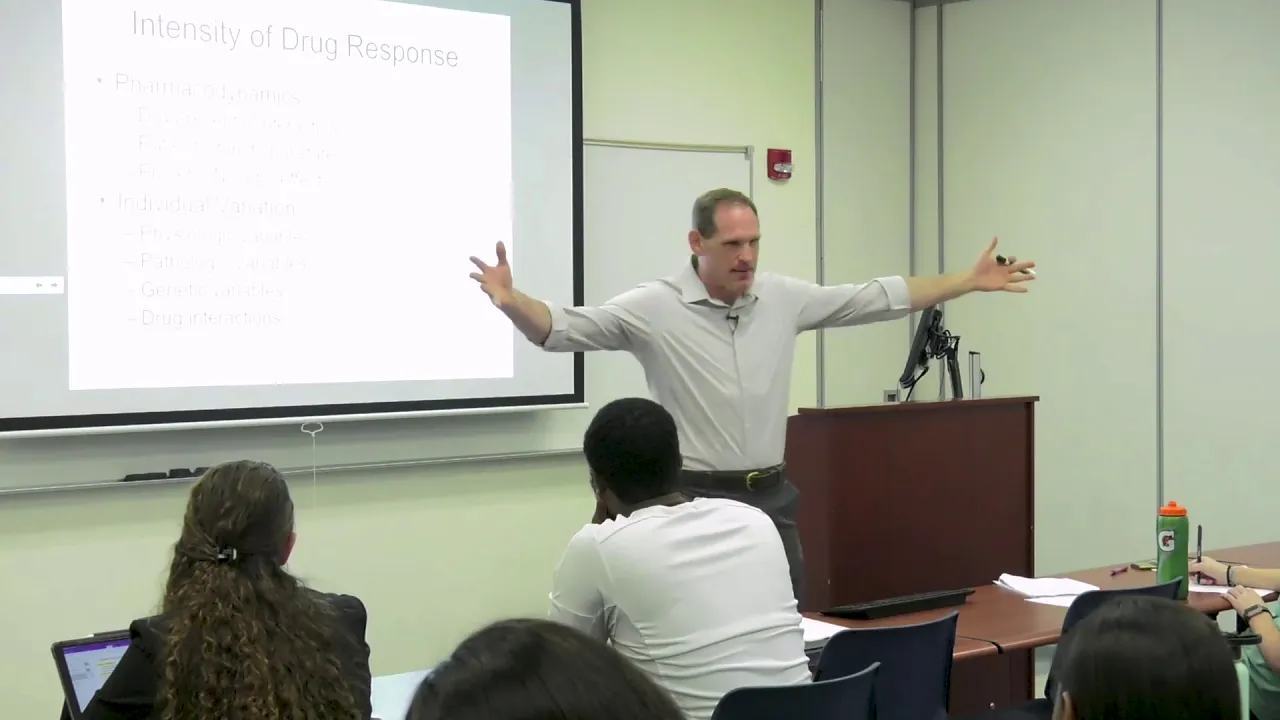
Introduction to Pharmacology: Familiarity with the concepts of pharmacodynamics (how drugs affect the body) and pharmacokinetics (how the body processes drugs via ADME).
Cell Biology and Pathophysiology: Comprehending normal cellular signaling pathways and how disease states disrupt these mechanisms.
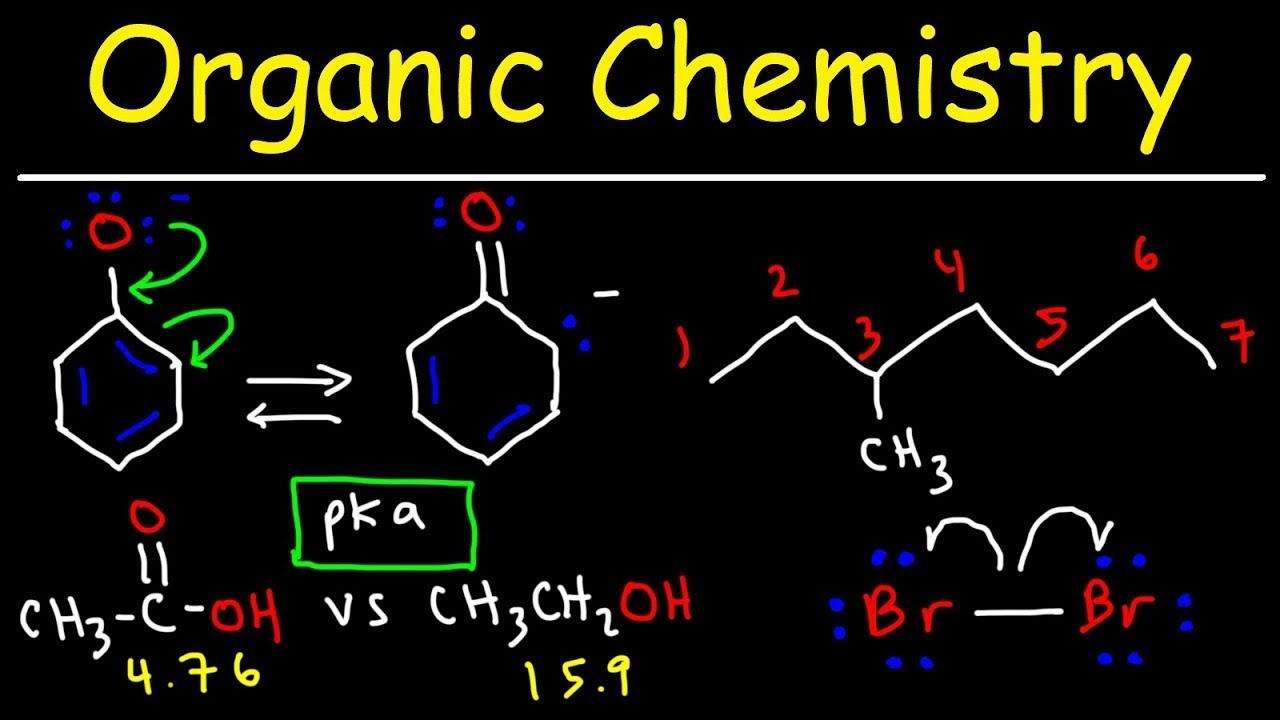
Organic Chemistry: Knowledge of chemical structures, functional groups, and molecular binding forces that dictate drug-receptor interactions.
Computer-Aided Drug Design (CADD): Utilizing bioinformatics, molecular docking, and machine learning for in silico drug discovery and lead optimization.
Clinical Trial Design and Biostatistics: Exploring the statistical methods, protocol design, and ethical considerations required for Phase I-IV human clinical trials.
Advanced Drug Delivery Systems: Studying nanotechnology, formulation science, and targeted therapies like antibody-drug conjugates.
Regulatory Science and Pharmacovigilance: Investigating global regulatory frameworks (FDA, EMA) and post-market safety monitoring of therapeutics.
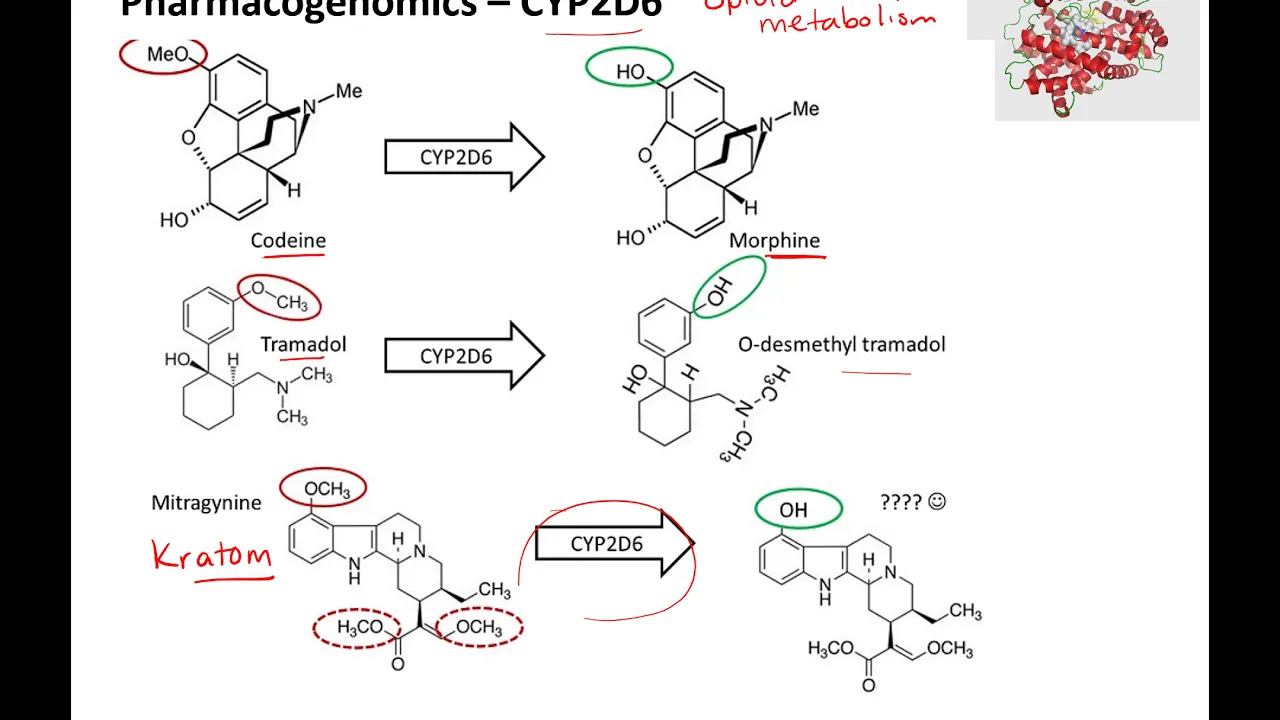
Pharmacogenomics and Personalized Medicine: Exploring how genomic variations influence individual drug efficacy and toxicity.
7.7K views150likes28:03Original Release: 2018-05-29
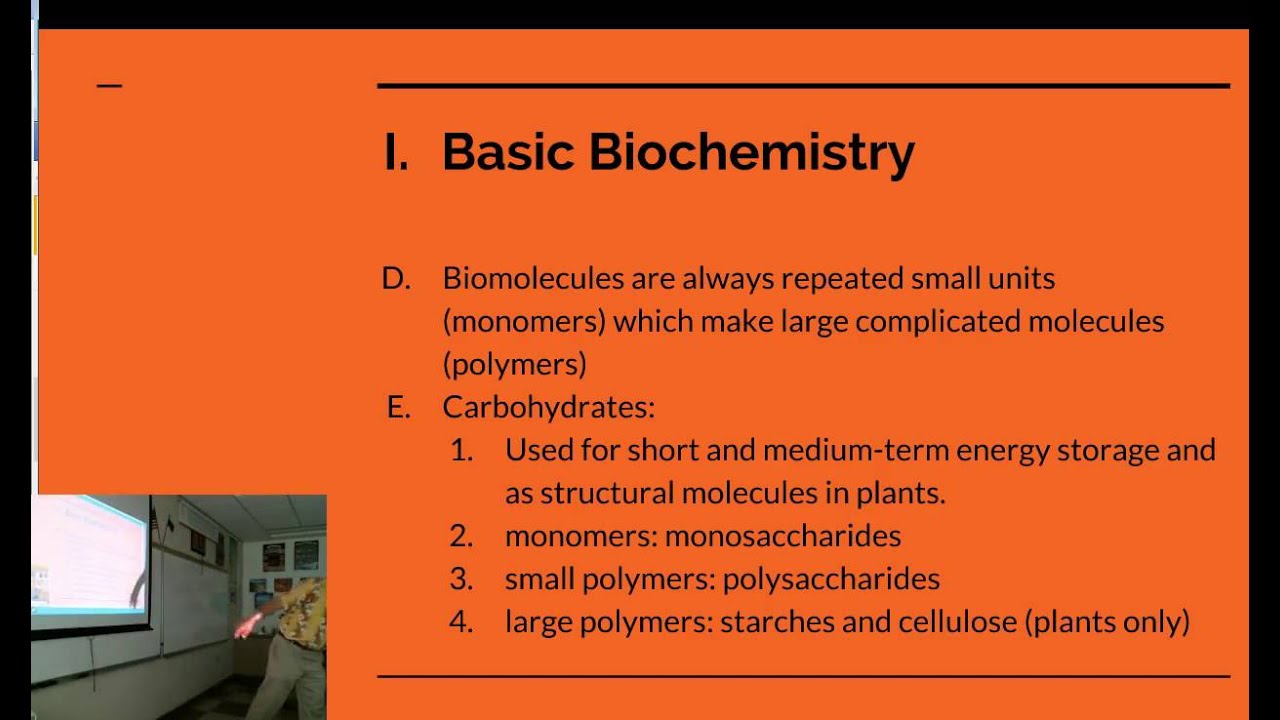
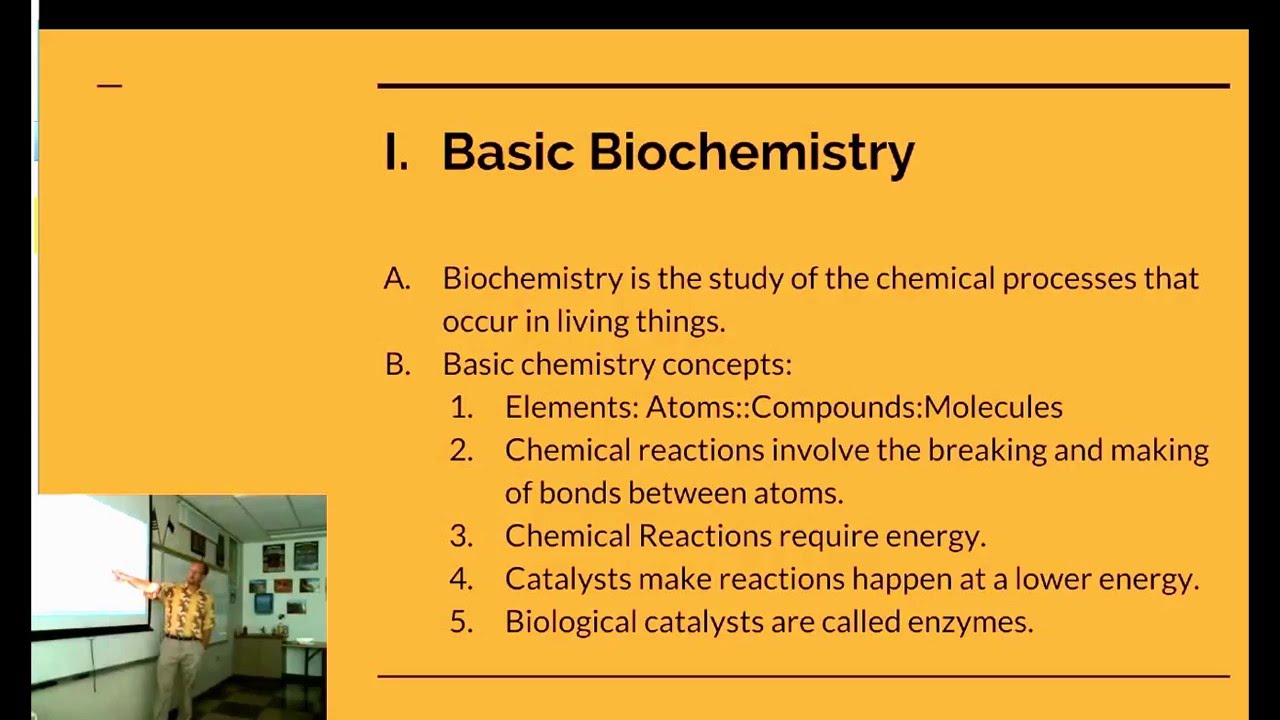
[Music] hello students welcome to EPG pachala I am Gaurav Kumar Jain from jamia Honda New Delhi the title of the module is introduction to drug discovery and development under paper product development part 1 the learning objectives of this module are stepwise process involved in drug discovery from understanding of disease to lead optimization 2nd techniques that play role in drug development third stepwise process involved in drug development from pre formulation to manufacturing and fourth importance of preclinical and clinical studies in drug development drug discovery and development process aims to make available new pharmacological interventions to prevent treat or cure diseases in a safe and effective manner the idea for developing new drug can come from a myriad of sources including the current necessities of the market new emerging diseases academic clinical research and from the commercial sector it may take many years to build up a supporting evidence before selecting a drug for drug discovery program drug development start with a target identification and validation followed by drug candidate discovery and selection and optimization of lead drug that is compound with favourable safety efficacy and pharmacokinetic profile preclinical efficacy pharmacology toxicology and mechanistic studies using in silico methods which are computational methods in vitro animal or human tissues and in vivo animals are carried out for lead compound subsequent to preclinical evaluation and investigational new drug called as IND application is submitted to the regulatory agency summarizing all preclinical data along with a rationale for the proposed clinical study and a clinical study design clinical studies commenced after approval by the regulatory agency and by the local institutional review board drugs emerging from these trials with appropriate evidence of safety and efficacy are submitted for marketing approval via NDA called as new drug application following a review and approval by the regulatory agency the drug can then be marketed and enters faithful or post marketing monitoring the steps involved in drug discovery and development are shown in Figure recent estimates suggest that it eight cups 12 to 15 years and cost in excess of dollar 1.5 billion to bring a new drug to the market this number incorporates the cost of failures of the thousands of compound that may be screen and assessed early in the rnd process only a few of which will ultimately receive approval the likelihood that a drug entering clinical testing will eventually be approved is estimated to be less than 12 percent the science involved in drug discovery and development is difficult and the failure risk are higher while these numbers are intimidating a deeper understanding of the rigorous R&D process can explain why so many compounds do not make it and why it takes such a lengthy effort to get a new drug to patients in view of this there is a growing effort and urgency to find new approaches aiming to decrease attrition and increase success in drug development in this module we will understand the process of drug discovery along with the stages and process involved in product development which are then detailed in subsequent modules of the paper product development part 1 and 2 let's begin with the drug discovery process the first step in drug discovery process is to understand the disease to be treated and to unravel the underlying cause of the condition in these studies scientists try to understand how the genes are modified how that affects the protein they encode and how those protein interact with each other in living cells how those affected cells change the tissue and they are in and finally how the disease affects the patient this knowledge is the basis for treating the disease usually researchers from industry government and academia contribute to this knowledgebase however even with new technologies this research take many years of work and too often lead to annoying dead ends and even if the research is fruitful it will take many more years of work to turn this basic understanding of what caused a disease into a new treatment the next step in drug discovery process is target identification after understanding the underlying cause of a disease scientists select a target for a potential new medicine a target is a broad term which can be applied to a range of biomolecules including proteins genes or RNA involved in a particular disease a good target needs to be efficacious safe and draggable that is one that can interact with the putative drug molecule and upon binding elect a biological response which may be measured both in vitro and in vivo phenotypic screening and data mining using bioinformatics approach are usually used for identification of potential disease target the next step in drug discovery process is target validation after choosing a potential target scientists must show that it actually is involved in the disease and can be acted upon by a drug target validation is vital in help scientists to avoid research paths that look encouraging but ultimately leads to dead ends target validation techniques range from in vitro tools through the use of animal models to modulation of a desired target in patients anti-sense technology transgenic animals monoclonal antibodies and chemical genomics are examples of few excellent target validation tools antigens technology utilizes RNA like chemically modified oligonucleotides designed to be complementary to a region of target mrna molecule transgenic animals allows observation of phenotypic endpoints to elucidate the functional consequence of gene manipulation monoclonal antibodies interact with the larger region of the target molecule surface allowing for better discrimination between even closely-related targets and often providing higher affinity recently chemical genomics which is defined as the study of genomic responses to chemical compounds has emerged it brings together diversity oriented chemical libraries and high information content cellular essays along with the informatics and mining tools necessary for storing and analyzing the data generated the ultimate goal of this approach is to provide chemical tools again every protein encoded by the genome could target identification and validation enables increased confidence in the relationship between target and disease and allow us to explore where the target modulation will lead to mechanism-based side-effects the next step in drug discovery is selection of lead compound armed with the understanding of the disease and the target identification scientists are ready to begin looking for a promising molecule called as hit that could act on their target to alter the disease course if successful over long odd and years of testing the lead compound can ultimately become a new drug there are several ways to find a lead compound the first one is nature until recently scientists usually turned to nature to find interesting compounds for fighting disease for example moldy plants and bacteria found in soil both lead to important new treatments nature still offers many useful substances but now there are other ways to approach drug discovery the next approach is de novo in this approach scientists can create molecules from scratch by using sophisticated computer modeling they can predict what type of molecule may work the next approach is high-throughput screening this process is the most common way that leads are usually from advances in robotics and computational power allow researchers to test thousands of compounds against the target to identify based on the results several lead compounds are usually selected for further study the last way to find a lead compound is by biotechnology scientists can also genetically engineer living systems to produce disease-fighting biological molecules high-throughput and other compounds screens are developed and run to identify molecules that interact with the drug target chemistry programs are run to improve the selectivity potency and physicochemical properties of the molecule and data continue to be developed to support the hypothesis that intervention at the drug target will have efficacy in the disease state once a number of hits have been obtained from virtual screening or high-throughput screening the first role for the drug discovery team is to try to define which compounds are the best to work on the next phase in the initial refinement process is to generate those response curves in the primary assay for each hit preferably with a fresh sample of the compound with reliable dose response curves generated in the primary si for the target the stage is said to examine the surviving hits in a secondary si if one available for the target of choice this need not be an SI in a high-throughput format but will involve looking at the effect of the compound in a functional response for example in a secondary messenger assay or in a tissue or cell based bio si activity in this setting will give reassurance that compounds are able to modulate more intact systems rather than simply interacting with the isolated and often engineered protein used in the primary assay after selection of lead compound the next step is early safety tests lead compounds go through a series of tests to provide an early evaluation of the safety of the lead compound absorption distribution metabolism excretion and toxicological properties of each lead compound is tested successful drugs must absorb into the bloodstream distributed to the proper site of action in the body metabolize efficiently and effectively successfully excreted from the body and demonstrated to be non-toxic these studies help researchers prioritize lead compounds early in the process early safety studies are performed via computational models in living cells and in animals after early safety tests the next step is lead optimization lead compounds that survive the initial screening are then optimized the aim of this stage of the work is to define each hit series to try to produce more potent and safe compounds which possess far more magnetic properties adequate to examine their efficacy in any environment that are available properties of the compound can be changed by changing the structure of a compound for example compounds can be made less likely to interact with other chemical pathways in the body thus reducing the potential for side effects hundreds of different analogs of the initial leads are made and tested the team of biologists and chemists work concurrently the biologists evaluate the analogs of biological system while the chemists take this information to make additional alterations the compound that successfully passes is the candidate drug typically the work consists of intensive SAR investigations around core compound with measurements being made to establish the magnitude of activity and selectivity of each compound this needs to be carried out systematically and where structural information about the target is known structure based drug design techniques using molecular modelling x-ray crystallography and NMR can be applied to develop the SAR faster and in a more focused way new technologies such as x-ray crystallography and magnetic resonance imaging along with powerful computer modeling enable scientists to actually see the target in three dimensions and design potential drugs to more powerfully bind to the parts of the target where they can be most effective this type of activity will also often give rise to the discovery of new binding sites on the target proteins at the end of several years of intensive work the discovery phase concludes and the development process begins after starting with approximately 5,000 to 10,000 compounds scientists now have Vinod the group down to between one and five molecules called as candidate drugs which will now be studied in animals and humans the first step in the drug development process is pre formulation study just after the candidate drug is optimized the researchers begin to think how the candidate drugs will be formulated what will be the route of administration and how will it be manufactured at large scale before processing the new drug into formulation series of studies are conducted on drug to determine more suitable and acceptable dosage form these studies termed as pre formulation studies include determination of physical chemical properties of drugs such as solubility partition coefficient dissociation constant lipophilic city and dissolution determination of solid state properties including polymorphism particle size density flow compression property and hygroscopic city and determination of stability and compatibility of candidate drug with excipient which might be useful in formulation development the critical assessment of physical chemical properties together with stability and compatibility of drug helps in deciding the most suitable formulation and route of administration for delete compound the pre formulation studies usually run in parallel with one or more optimized compound enhance the next step is to test them extensively to determine if they should move on to testing in humans these studies are called as preclinical studies preclinical testing involves in vitro and in vivo test in vitro tests are experiments conducted in the lab usually carried out in test tubes and beakers and in vivo studies are those in living cell cultures and animal models the objective of these studies is to understand how the drug works and what is its safety profile from regulatory perspective extremely thorough testing is needed before the candidate drug can be studied in humans the preclinical studies must provide detailed information on preliminary efficacy toxicity pharmacokinetics and safety after preclinical testing the findings are reviewed and decided whether the drug should be tested in people after preclinical testing the next step is investigational new drug application before any clinical trial can begin the researchers must file investigational new drug or IND application with the FDA the application includes the candidate drugs chemical structure how it is thought to work in the body results of the preclinical work a listing of any side effects and manufacturing information the IND also provides a detailed clinical trial design that outlines how where and by whom the studies will be performed the FDA reviews the application to make sure people participating in the clinical trials will not be exposed to unreasonable risk in addition all clinical trials must be reviewed and approved by the institutional review board at the hospitals or institutions where the trial will take place the process includes the development of appropriate informed consent form which has to be signed by all trial participants it is obligatory for a sponsor company to provide comprehensive regular reports to the FDA and IRB on the progress of clinical trial to begin with it is phase zero clinical trial the FDA has recently endorsed phase zero trial also called as micro dosing of first in human trials in these trials a single sub-therapeutic dose is given to ten to fifteen human volunteers to quickly read out drug candidates that are metabolically or biologically ineffective pharmaceutical companies perform phase zero studies to decide which of their drug candidates has the best form of magnetic parameters in humans after successful phase zero clinical trials Phase one clinical trials are performed phase one trials are usually conducted with about 2,200 healthy volunteers these trials are primarily designed to assess the safety and tolerability of a drug but the pharmacokinetics and if possible the pharmacodynamics are also measured the typical phase 1 trial has a single ascending those design meaning that subjects are dosed in small groups called as cohorts each members of a cohort might receive a single dose of the study drug or a placebo a very low dose is used for the first cohort the dose is then escalated in the next cohort if safety and tolerability allows those escalation is stopped when maximum tolerability is reached single ascending those studies are usually followed by multiple ascending those while safety and tolerability are still important endpoints the multiple dose setting often allows first investigations of the pharmacokinetics in addition to the pharmacodynamic effects finally food effect studies are often conducted to investigate the potential impact of food intake on the absorption of deidre after phase 1 trials phase 2 trials are performed phase 2 trials are performed on about 100 to 500 patients and are designed to assess the efficacy of the drug and to continue the phase 1 safety measurements most importantly phase 2 trials helped to establish therapeutic dose for the large-scale phase 3 trials phase 2 studies are sometimes divided into phase 2a and 2b phase 2a is designed to assess dosing requirements whereas phase 2b focus on drug efficacy the exact design of phase 2 studies depends heavily on the compounds mechanism of action phase 2 studies strive to answer the following questions first is the drug working by the expected mechanism second thus it improves the condition in question the optimal dose strength and schedules for using the drug is also optimized and if the drug continues to show promise they prepare for much larger phase 3 trials phase 3 investigates the efficacy of a new drug over 6 to 12 months in a larger patient population of about thousand to 5,000 patients who generate a statistically significant data about safety efficacy and the overall benefit risk relationship of the drug this phase of research is key in determining whether the drug is safe and effective it also provides the basis for labeling instructions to help ensure proper use of the drug because of their size and comparatively long duration phase 3 trials are the most expensive time-consuming and difficult trials to design and run especially in therapies for chronic medical conditions therefore drugs that do not show promise results in Phase two are often not pursued in Phase three trials in fact only 18% of drugs in phase 2 proceed to phase 3 stage once the phase 3 trials are complete the sponsoring companies analyzes all the data if the findings demonstrate that the experimental medicine is both safe and effective the company files a new drug application to the FDA requesting approval to market the drugs the submission contains preclinical and clinical information obtained during testing including pharmacology and toxicity of the compound human pheromone kinetics and results of the clinical trials as well as information about the chemical makeup manufacturing process and labeling of the new medicine the FDA then scrutinizes all the data to determine if the medicine should be approved in particular it uses the information in the NDA to try to address three major concerns first because no drug has zero risk the FDA must determine whether the benefits of the drug outweigh the risk second based on its assessment of risk and benefit the FDA must decide what information the package insert should contains to guide physicians in the use of new drug finally the FDA must assess whether the methods used to manufacture the drug and ensures its quality are adequate to preserve the drugs identity strength and purity following rigorous reviews the FDA can either approve the medicine or send a company and approvable letter requesting more information or studies before approval can be given or denied the approval after FDA approval the next step is manufacturing going from a smaller scale to large-scale manufacturing is a major undertaking each facility must meet strict FDA guidelines for good manufacturing practices making a high quality drug compound on a largest scale takes great care in the paper product development part one and two we have discussed the design formulation approach manufacturing and evaluation of various dosage forms after successful manufacturing phase for clinical trials begin phase four trials are also known as post marketing surveillance trials involving safety civilians or pharmacovigilance and ongoing technical support after approval phase four studies may be required by a regulatory authority or may be undertaken by the sponsoring company for competitive purposes or other reasons phase four trials can be set up to evaluate long-term safety or how new medicine affects a specific subgroup of patients candidate drug that shows promise early in the development process is patented by the company patenting prevents other companies copying it for 20 years and covers many aspects of the intellectual property of a drug including its formulation manufacture and in some cases its use the purpose of a patent is to enable the company that developed it to wreak out their development cost and to make a profit to cover the developmental cost of the drugs that fail during the testing process as well as to invest in the development of future innovative drugs by the time a drug has undergone require testing and been licensed half the patent period will usually have expired once a patent on a drug has expired generic versions of the drug can be manufactured and marketed the discovery and development of new medicine is a long complicated process each success is built on many many prior failures advances in understanding human biology and diseases are opening up exciting new possibilities for breakthrough medicines at the same time researchers face great challenges in understanding and applying these advances to the treatment of disease these possibilities will grow as of assigned acknowledged expands and becomes increasingly complex research-based pharmaceutical companies are committed to advancing science and bringing new medicines to patients thank you [Music]
Up Next
18:02
Drug-Receptor Binding Forces in Pharmacodynamics | Key Interactions
@Sqadiacom
728 views•2025-05-10

48:47
Graphic Medicine: Comics for Collaborative Healthcare Communication
@nationalpatientadvocate
189 views•2023-12-04

10:28
Neuroanatomy: Central and Peripheral Nervous System Divisions Explained
@AKLECTURES
136.2K views•2014-09-20
3:05
Stages of Labor and Vaginal Birth | Childbirth Animation
@nucleusmedicalmedia
52.1M views•2017-08-18
Related Study Plans & Knowledge Roadmaps
Structured learning paths in Medicine
medicine
Abnormal LFTs: Diagnostic Workup & Pathology
01Liver Anatomy and Basic Physiology
02Introduction to Liver Function Tests (LFTs)
03Hepatocellular vs. Cholestatic Patterns
+ 3 more learning modules
12h6 modules
Explore Roadmap
medicine
Analyzing Blood Smears: RBC, WBC & Platelets
01Introduction to Blood Components & Smear Preparation
02Normal Morphology of Blood Cells
03Erythrocyte Pathologies & Morphological Variants
+ 2 more learning modules
12h5 modules
Explore Roadmap
medicine
Mechanical Ventilation: Waveforms & Alarms
01Anatomy and Physiology of Breathing
02Introduction to Mechanical Ventilation & Core Modes
03Ventilator Settings and Waveform Interpretation
+ 2 more learning modules
12h5 modules
Explore Roadmap
medicine
Neuro Exam: Localization & Stroke Syndromes
01Foundations of Neuroanatomy and Vascular Supply
02The Neurological Examination: Step-by-Step
03Principles of Neurological Localization
+ 3 more learning modules
18h6 modules
Explore Roadmap