










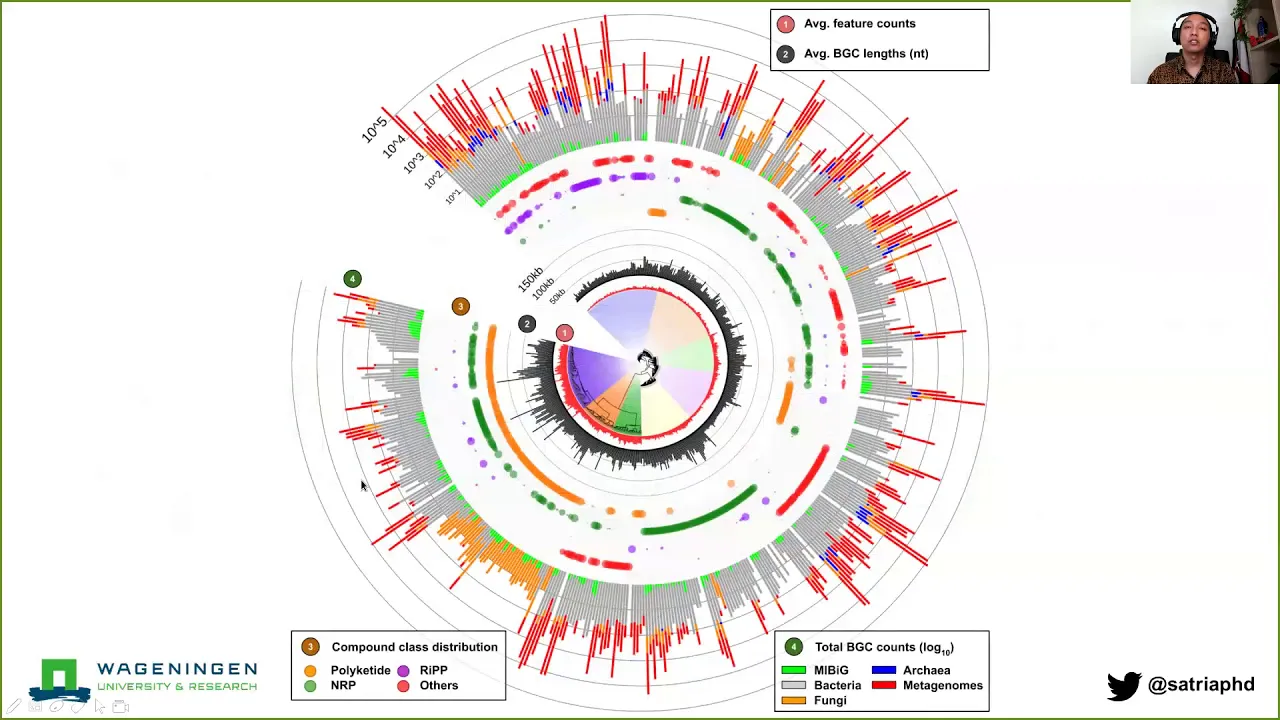





antiSMASH is a bioinformatics tool that analyzes bacterial DNA sequences to predict biosynthetic gene clusters (BGCs), which are genomic regions containing genes that encode enzymes for producing antibiotics and other antimicrobial compounds; the tool identifies potential antibiotic-producing clusters by comparing DNA sequences against known BGC patterns, displaying results with genomic coordinates, similarity percentages, and pathway classifications such as non-ribosomal peptide synthetases (NRPS) and polyketide synthases (PKS), though these predictions require experimental validation.
How to Use antiSMASH for Biosynthetic Gene Cluster Analysis
Added:Basic understanding of bacterial genomics, including common file formats like FASTA and GenBank.
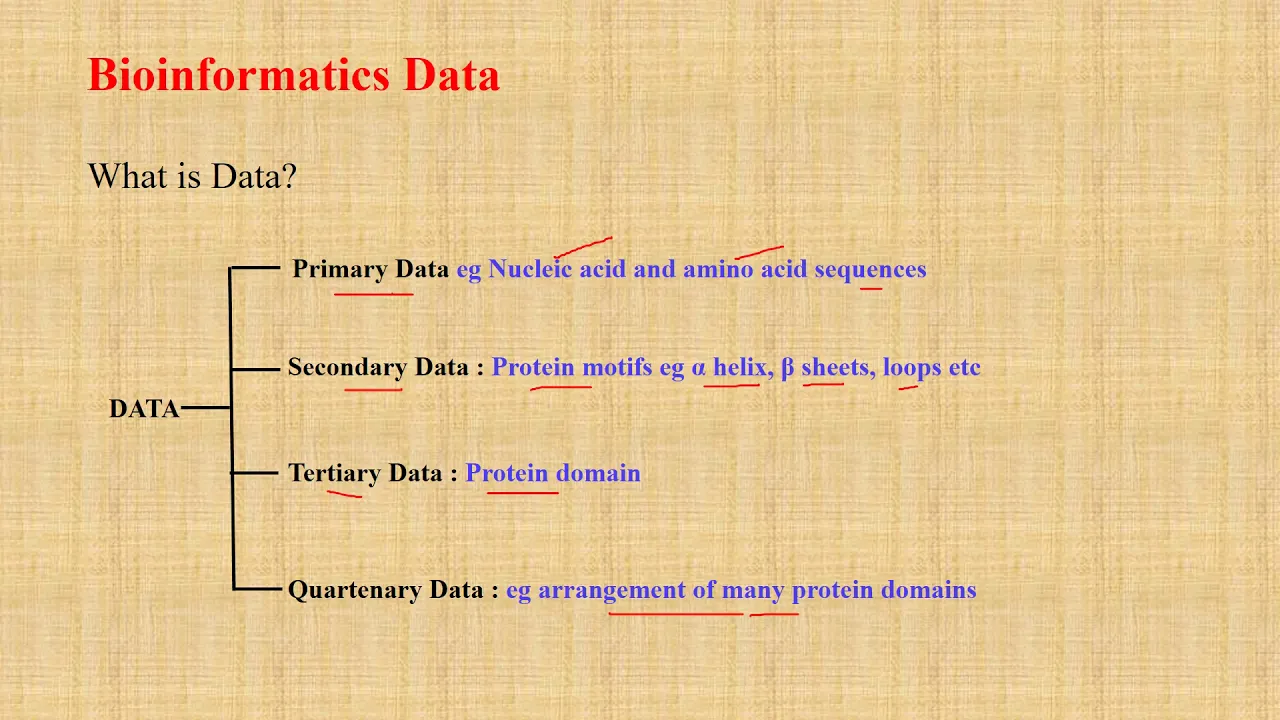
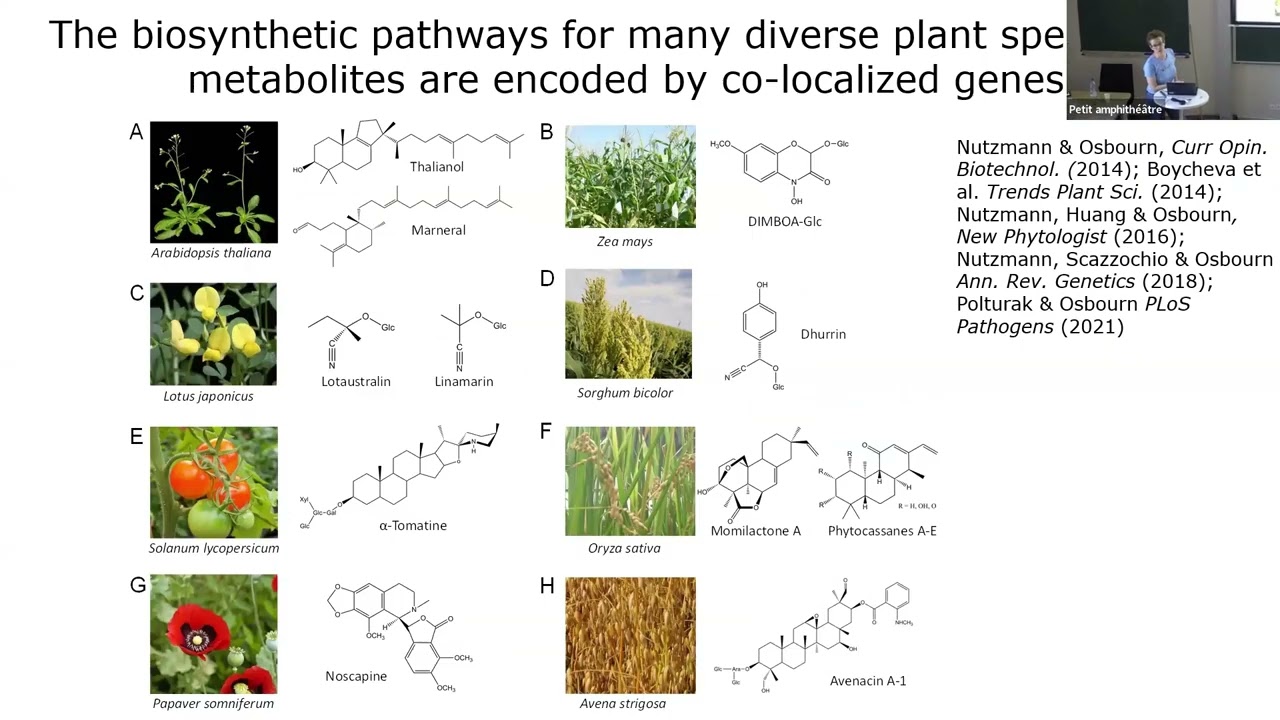
The concept of Biosynthetic Gene Clusters (BGCs) and how they coordinate the synthesis of secondary metabolites.
Fundamentals of microbiology and secondary metabolism, specifically how bacteria produce bioactive compounds like antibiotics.
General familiarity with bioinformatic alignment tools and database searching concepts (e.g., BLAST).
Utilizing comparative genomics tools like BiG-SCAPE or CORASON to cluster and analyze BGC diversity across different bacterial strains.
Integrating antiSMASH genomic predictions with metabolomics platforms (such as GNPS) for natural product dereplication and discovery.
Experimental validation workflows, including heterologous gene expression and genetic knockouts to verify the chemical products of predicted pathways.
Applying BGC mining workflows to complex metagenomic datasets to discover novel chemical entities from uncultivated environmental microbes.
10K views130likes7:29Original Release: 2020-06-12
hi there and welcome back and this time I'm going to show you how to use a website called anti smash another strange name given by the makers of this website and essentially it's a software program a bioinformatics program for allowing you to look for genes in a stretch of DNA so for example a chromosome and to see whether or not that piece of DNA has genes in it which would suggest that antibiotics or similar you know antimicrobial compounds are made and so it looks for what are called biosynthetic gene clusters or BG C's and the lab manual has a good explanation of those so the website is I've got it here and I'll just copy it in and it's a fairly straightforward page there's really not that much to do on this one make sure it's the bacterial version up here on the left and then you'll be submitting a bacterial sequences no need to click on that because this is the page already and there's really not much to fill in type in your email and that way you're getting notification when the results are done in case as usual you want to go away for a cup of coffee or a drink then you will be downloading a file from canvas it'll be the same file as was the case with when you did the annotation analysis so if for example you had your assign the bacterial wm10 well then you would take that same file and do this analysis so upload a file I have a sample one here the same one I used for annotation so once again we're putting the entire chromosome file in so this is the assembled chromosome from our nanopore sequencing so you can see it's in here now and really there's nothing else to change you can leave this at relax do not change anything down here and then submit and you'll see it comes up with a little do not sort of road sign and so it will take a little while to load this is a four megabyte file and then it will do an analysis and it says it can take up to two days but honestly I've been doing some today and with the size and the type of analysis we're doing it only takes at the most 30 minutes so you can go away and just wait for that email to come in but I have already prepared a like all good cooking shows I'll prepared a result beforehand so here's one I ran before with the same settings and this is the page you'll get if you're just watching it and waiting for it to finish the run now see you can get here you can get the results so let's click on these results and see what they look like okay there's a lot of stuff on here so I will go through it so essentially what it does is as I said it looks through the chromosome and it finds areas or what are known as clusters so essentially a cluster is a region that has quite a number of genes in it and it finds those clusters that are most likely containing genes that make antibiotics or other handy microbial compounds so you can see here on this one here there is the line here and the line here this represents the DNA from the chromosome we've put in you can see it's found one two three and so on ten clusters that are possibilities it doesn't mean they are for sure because once again because this is done with a computer and it's not done with actual experiments in the lab this is just a prediction this prediction based on what is already known about these clusters in other bacteria that definitely do make anybody's you know seven different types here we won't go into all of these but the ones that are I've mentioned in the young lab manual at the end are PS and the PKS and these are potential antibiotics that are non-ribosomal e synthesized this one here bacterium is one that is ribosomal it's synthesized and a few others here that we won't really go into so the way you look at this is you go ok let's take this region to in RPS you look along here and you see it's about a forty six percent similarity that's a little bit of a they said it's not a great parameter to look at but it does give you some sort of indication on how likely it is if this is a real so the higher this number the better so let's look at the let's know this one here Region three the way you get to see more detail is you can click along each region here so for example Region three is this part of the chromosome here you click on it here you can click on it up here or you can basically just cycle through so we'll just click on it over here so region 3 is the same as 1.3 here those are the region 3 and there is a whole lot of stuff here we're just going to focus on this look if you look up here this is now assuming you know now chromosome just that region 3 where it found the cluster and essentially is telling you up here this is the region of our chromosome so this chromosome is about a big 4 mega 4 million bases in size and so it's found a cluster in this region here from around about 830,000 nucleotides 309 110,000 nucleotides and let's showing you that here it it here it is as well see this line along here that is just representing the DNA that we are searching and it said that where it says in RPS up here in green that says that it looks like there were some genes here that are involved in making antibiotics using up non-ribosomal synthesis we're not going to worry about all of this stuff down here because it is very complicated but essentially the takeaway from this is yes we have a region that looks like it would be producing some sort of an antibiotic for antibiotic like molecule so that's very positive all right so the next step would be okay let's look at the genes and then we'll see how do they match up with other known antibiotic genes or could it be a new antibiotic that would require more work it's not at the scope of this class it would be like maybe another class okay so the other thing I wanted to show you is how to download results because for the last worksheet in this class we're going to have to download results so you would download them here and basically download all the results okay and so it is I think it's not that big apart it's ten megabytes
Up Next

8:09
Liminal Spaces in Minecraft: An Analysis of Digital Nostalgia and Eeriness
@BasilsVoid
461.8K views•2024-01-13

12:54
Triumph of Orthodoxy Icon: Byzantine Art & History Explained
@BenCallan
2.1K views•2024-08-06

9:49
FastAPI vs Flask vs Django: Choosing the Right Python Web Framework
@TechWithTim
302.5K views•2024-05-26

1:42
Game of Thrones Opening Credits: A Cinematic Analysis
@gameofthrones
46.3M views•2011-04-18
Related Study Plans & Knowledge Roadmaps
Structured learning paths in General & Interdisciplinary Studies
general-studies
Elevator Engineering: History, Physics & Cities
01From Hoists to Safety Brakes: The Dawn of Vertical Lift
02Hydraulic vs. Traction: The Engineering Physics of Elevators
03Modern Speed, Safety, and Algorithms
+ 2 more learning modules
12h5 modules
Explore Roadmap
general-studies
Rubber: Material Science, History & Geopolitics
01Origins of Natural Rubber & Mesoamerican History
02The Chemistry of Natural Rubber & Vulcanization
03The Geopolitics of the Rubber Boom & Colonization
+ 2 more learning modules
12h5 modules
Explore Roadmap
general-studies
Containerization: Evolution, Logistics & Trade
01Ancient Trade & Bulk Cargo: Amphorae to Barrels
02The Industrial Revolution & Cardboard Packaging
03The Containerization Revolution: Malcom McLean
+ 2 more learning modules
12h5 modules
Explore Roadmap
general-studies
Textile Tech: Evolution, Labor & Global Impact
01Pre-Industrial Textiles: Handloom & Cottage Industry
02Mechanization: The Spinning Jenny to the Power Loom
03The Factory System & Global Labor Transformation
+ 2 more learning modules
10h5 modules
Explore Roadmap