





















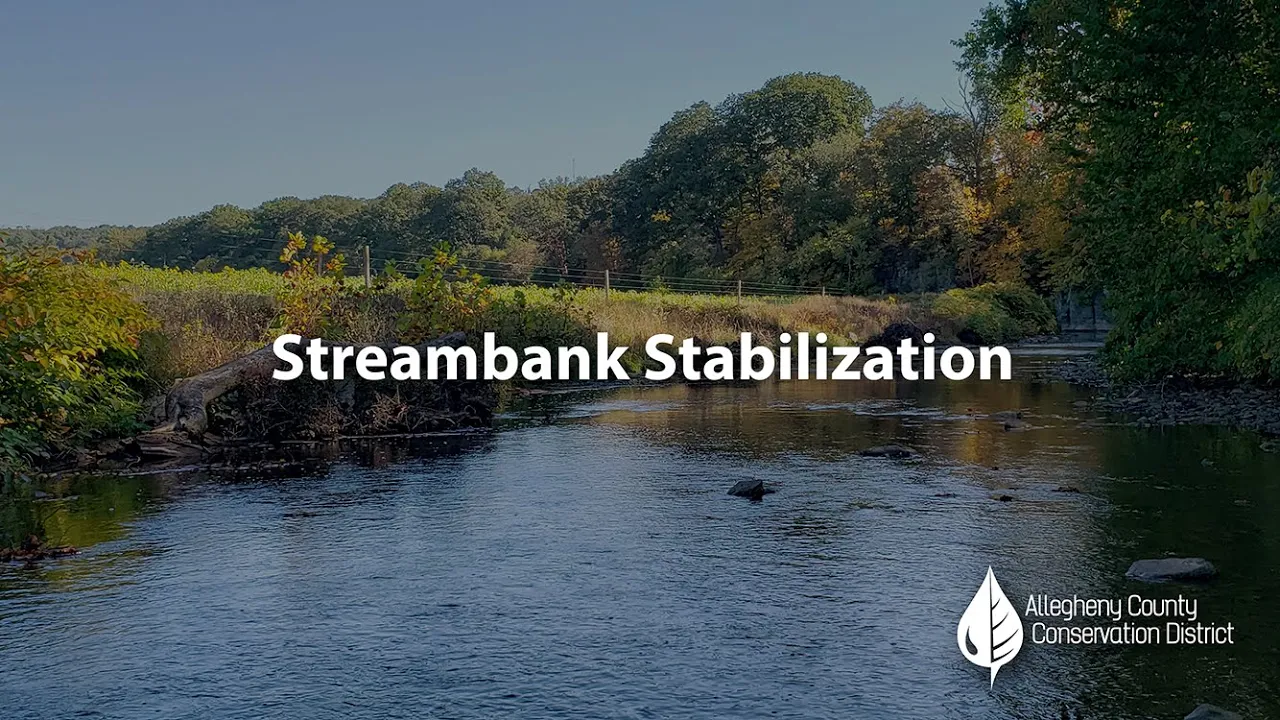


This video demonstrates effective techniques for harvesting and planting dormant cottonwood and willow cuttings for riparian restoration, including selecting young trees with smooth bark, leaving root collar tissue during harvesting, soaking cuttings for 24+ hours before planting, using a Stinger device for sandy soils to create water-filled holes, and employing the Waddle technique for creating vertical trenches along creek banks with uniform depth to promote natural establishment of willow root systems.
Cottonwood & Willow Planting: Stinger Bar and Wattle Restoration
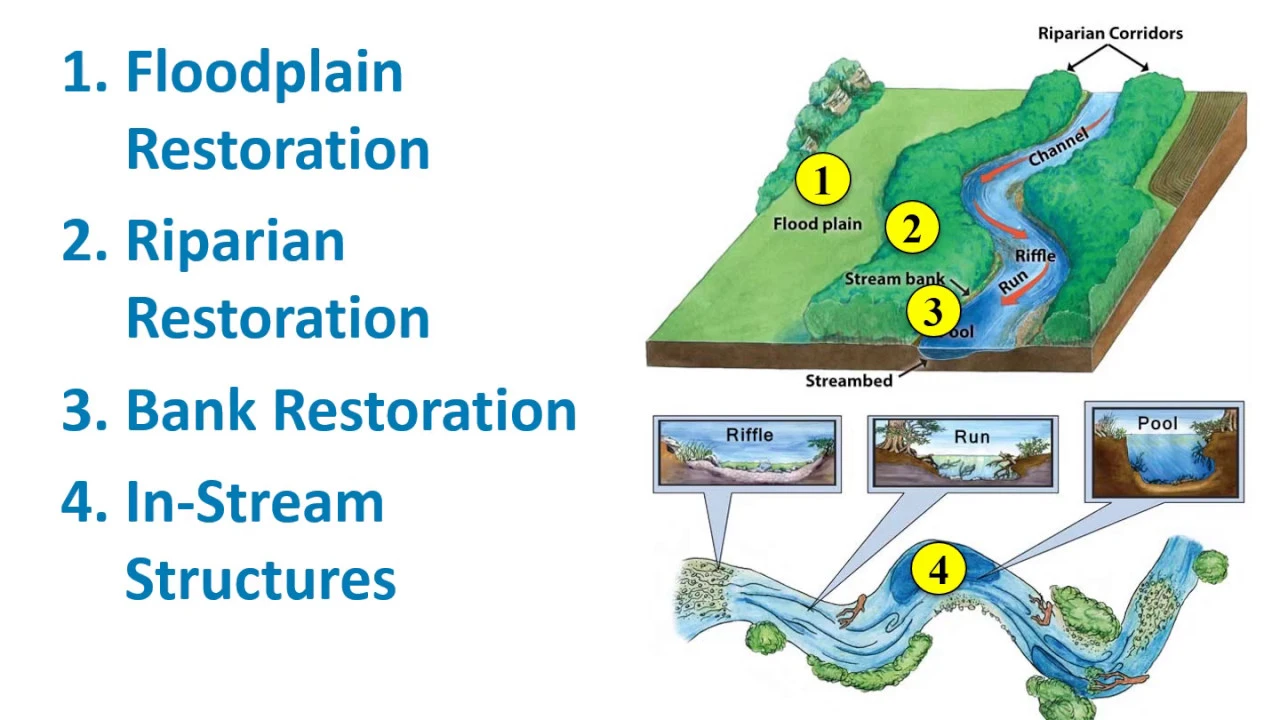
Added:Basic riparian ecology and the mechanics of riverbank erosion.
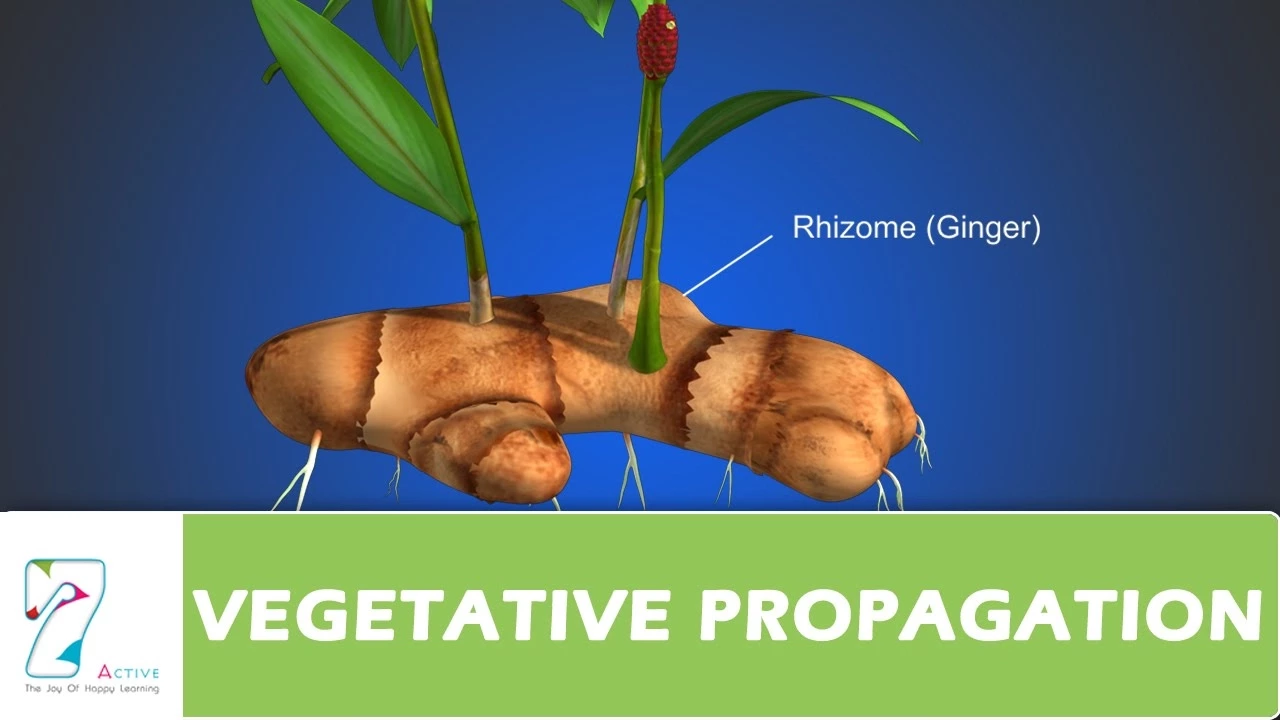
The biological concepts of vegetative propagation, plant dormancy, and adventitious root development in salicaceous species like willows and cottonwoods.
Understanding groundwater table dynamics and how local hydrology influences riparian plant survival.
The fundamentals of soil bioengineering, specifically the concept of using living plant materials for structural stability.
Advanced soil bioengineering techniques such as brush mattresses, live fascines, and vegetated geogrids.
Methods for monitoring, maintaining, and protecting restored riparian sites from herbivory (e.g., beaver damage) and invasive species.
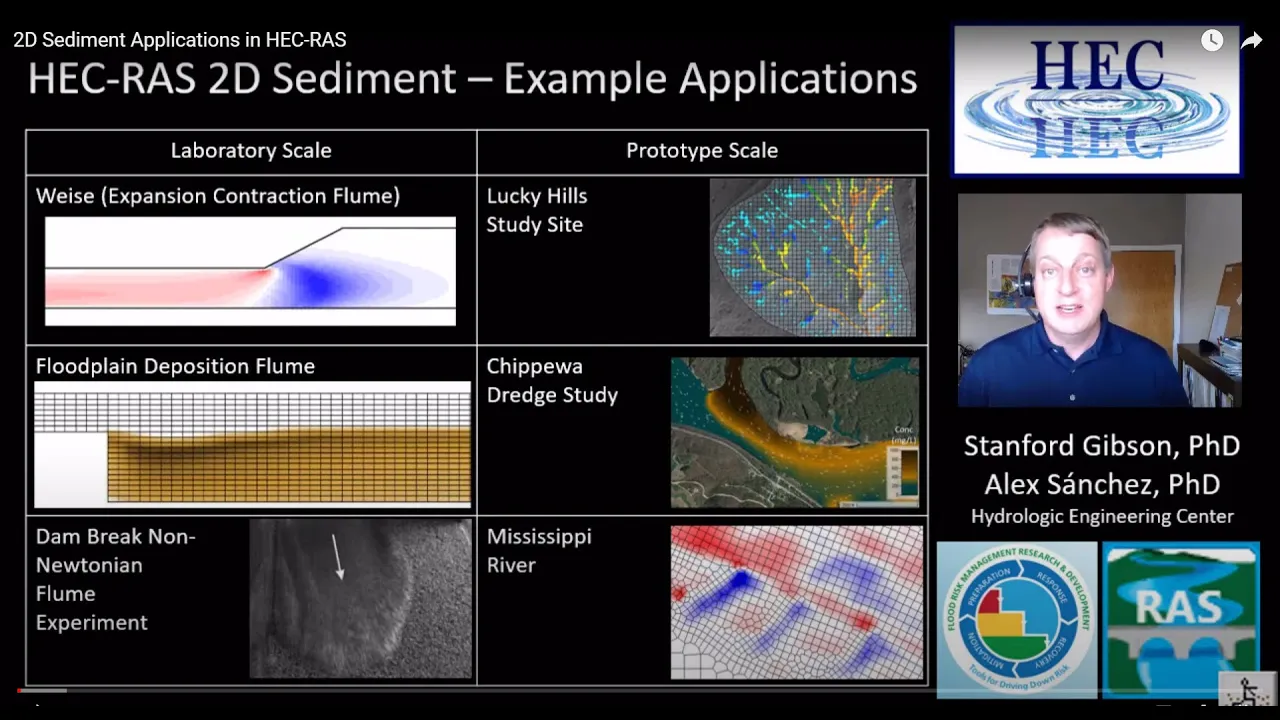
Hydraulic and hydrological modeling to design large-scale river restoration and sediment management projects.
Navigating environmental regulations, permitting processes, and policy requirements for stream bank construction and restoration work.
13K views108likes4:56Original Release: 2014-07-19
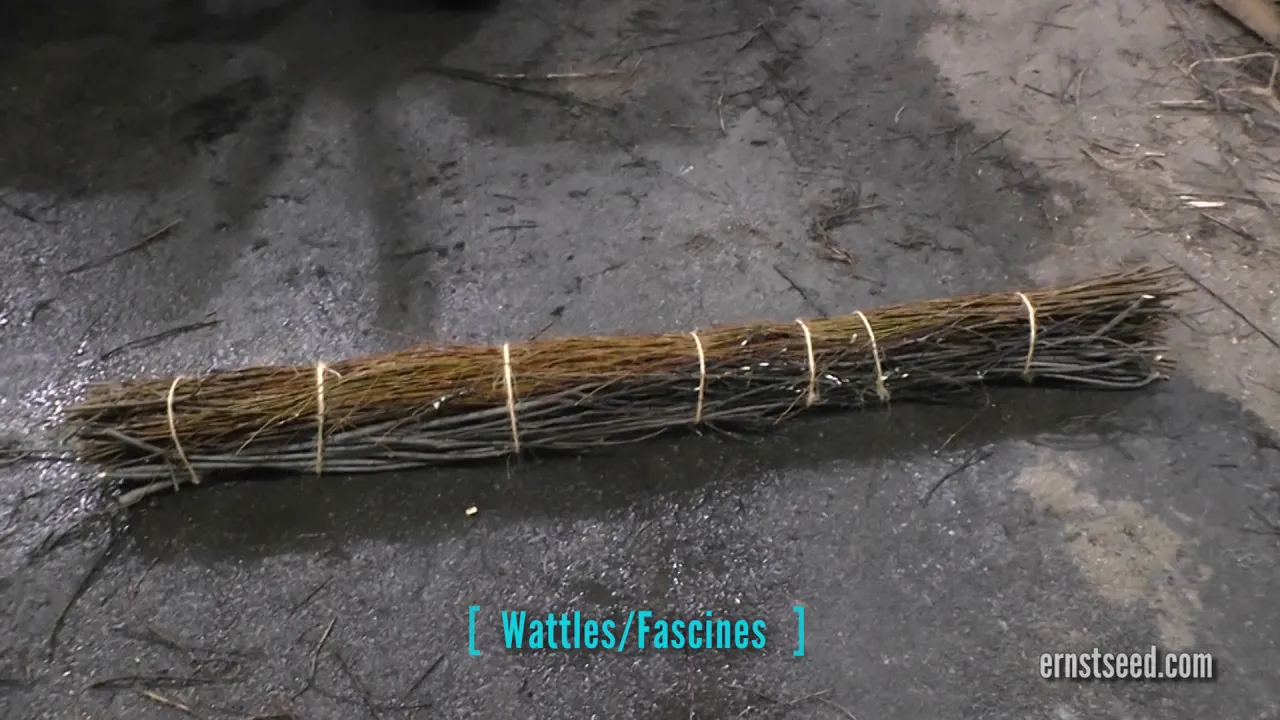
[Music] the following video demonstrates techniques for harvesting and planting dormant Cottonwood and Willow cuting techniques utilized have been shown to improve the efficacy and survival of unrooted materials used in restoration projects all right so here we're at a cottonwood stand and this is actually a long mil Creek which is the same area that we're going to be planting which is good because there can be a lot of diversity between between Cottonwood species so it' be able to get some a cottonwood that was going to go right back into the same Creek is a really good thing when you're cutting these you want to look for a Shute that's pretty smooth um as young looking as possible which you can kind of tell here there's really some kind of coarse thicker bark that's obviously something you w want to use this is pretty smooth um it looks pretty good so we're going to cut it we're going to leave enough of the plant for it to to respond to the cutting it should just grow back from this so we're not damaging it at all we're just going to be moving some plants around so we'll cut it and then we'll clean this up and then we'll be ready to go on the ground um it's important that you don't damage the main pole itself so when you're cutting these off you want to leave a little bit by the root collar if you can it just protects the plantet it'll help it grow better so we'll do this throughout the whole thing being careful not to damage it you when we get up here to the top we'll leave the top a little up here it'll just help promote a more natural growth pattern all right so we collected these Willows uh while they're dormant and they need to soak for minimum 24 hours before you plant them soaking them just help promote the roof rope get them really start simulating before we put them in um so we collected these we soaked them in water at the office and then we bring them out here and we leave them in the water just so they don't dry out before we plant [Applause] them all right yeah now that we know where we're planting we've got our pump set up uh we try to pick a nice spot in the creek where we've got a nice deep pool of water so we can make sure that we have a continuous uh flow going through we don't get any air bubbles get all all out the pump all right so this is the Stinger this is what's hooked up to the pump down in the creek over there uh it's pretty simple it just shoots water right out the end of this this nozzle here you just make a hole goes down pretty easy makes a nice hole it Waters it in as it goes so you don't have to add any water later you just pull it out and then we'll stick a tube in there either cotton wood or a willow pole and that's it all right so the Stinger works great if you've got Sandy soils but if you run into any cobbles it doesn't do anything it'll go down about 6 in hit a rock and then that's as far as you can go so this is another technique for planting Willows it's called a waddle uh we're going to be doing a vertical waddle right here so we'll take a bundle of w of uh Willows we'll stick the bottom end down in the creek we're going to dig a trench run it all the way up the bank here and hopefully it'll just get a nice establishment of Willows here it little pop up so now we've got our waddle trench dug uh what we're kind of looking for here is to make sure we have a uniform depth throughout the entire trench uh we want to make sure that the feet are wet the bottom here as you can see we've got some standing water that's what we're looking for uniform depth all the way up and then the top can be pretty partially exposed it can be a little bit buried or it can be a little exposed all right now that we're ready to back fill this we like to stake it down just in case there's a flood or anything that comes through these Stakes will help keep it in place until it can start to propagate and form its own roots uh these we these are Live steaks so we just took another Willow and we cut some steaks off of that so these may even grow themselves stick in the middle there just to hold it and P it on in that ought to be enough to hold it and then we'll put some more dirt on top of it back down and that'll be it all right so here's an example of a waddle after a couple years you can kind of see after a couple years of growth moving up this way this is kind of the beginning of a fan that we're talking about and as you can see uh it's really responded well to being dug up grasses are starting to come back [Music]
Up Next
6:55
FPV Drone Build Tutorial: First Hover Explained
@JoshuaBardwell
15.8K views•2018-10-11

12:54
Triumph of Orthodoxy Icon: Byzantine Art & History Explained
@BenCallan
2.1K views•2024-08-06

9:49
FastAPI vs Flask vs Django: Choosing the Right Python Web Framework
@TechWithTim
302.5K views•2024-05-26

1:42
Game of Thrones Opening Credits: A Cinematic Analysis
@gameofthrones
46.3M views•2011-04-18
Related Study Plans & Knowledge Roadmaps
Structured learning paths in General & Interdisciplinary Studies
general-studies
Elevator Engineering: History, Physics & Cities
01From Hoists to Safety Brakes: The Dawn of Vertical Lift
02Hydraulic vs. Traction: The Engineering Physics of Elevators
03Modern Speed, Safety, and Algorithms
+ 2 more learning modules
12h5 modules
Explore Roadmap
general-studies
Rubber: Material Science, History & Geopolitics
01Origins of Natural Rubber & Mesoamerican History
02The Chemistry of Natural Rubber & Vulcanization
03The Geopolitics of the Rubber Boom & Colonization
+ 2 more learning modules
12h5 modules
Explore Roadmap
general-studies
Containerization: Evolution, Logistics & Trade
01Ancient Trade & Bulk Cargo: Amphorae to Barrels
02The Industrial Revolution & Cardboard Packaging
03The Containerization Revolution: Malcom McLean
+ 2 more learning modules
12h5 modules
Explore Roadmap
general-studies
Textile Tech: Evolution, Labor & Global Impact
01Pre-Industrial Textiles: Handloom & Cottage Industry
02Mechanization: The Spinning Jenny to the Power Loom
03The Factory System & Global Labor Transformation
+ 2 more learning modules
10h5 modules
Explore Roadmap