





















Political dealignment occurs when mainstream parties become increasingly disconnected from the values and concerns of the majority of voters, leading to electoral losses. In the United States, demographic shifts and changing voter preferences are causing traditional party structures to weaken, as seen in the case of Texas Democrats who have been losing ground due to their perceived alienation from the broader electorate. This phenomenon is not limited to Texas but is occurring across Western democracies, where established parties are struggling to maintain relevance as voters increasingly reject what they perceive as elitist political establishments.
Redistricting Politics: Jasmine Crockett's Texas Setback Explained
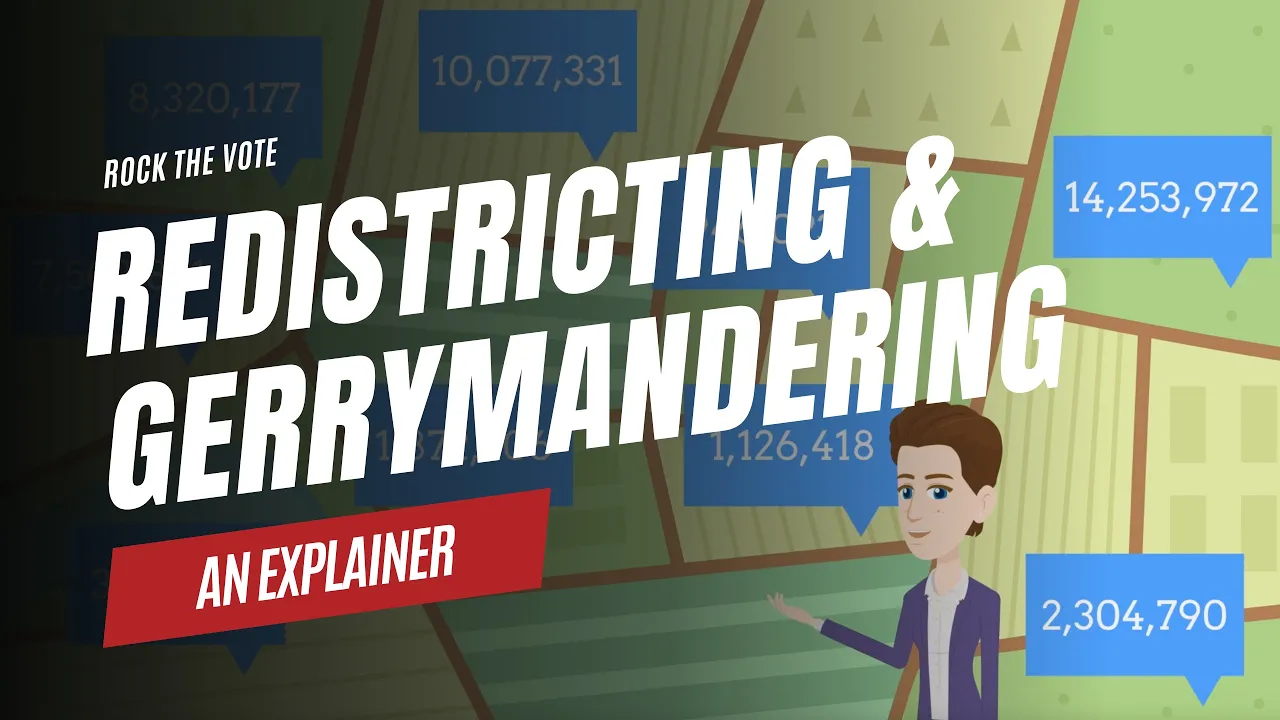
Added:The fundamental process of redistricting and apportionment, including how legislative district boundaries are redrawn every ten years following the U.S. Census.
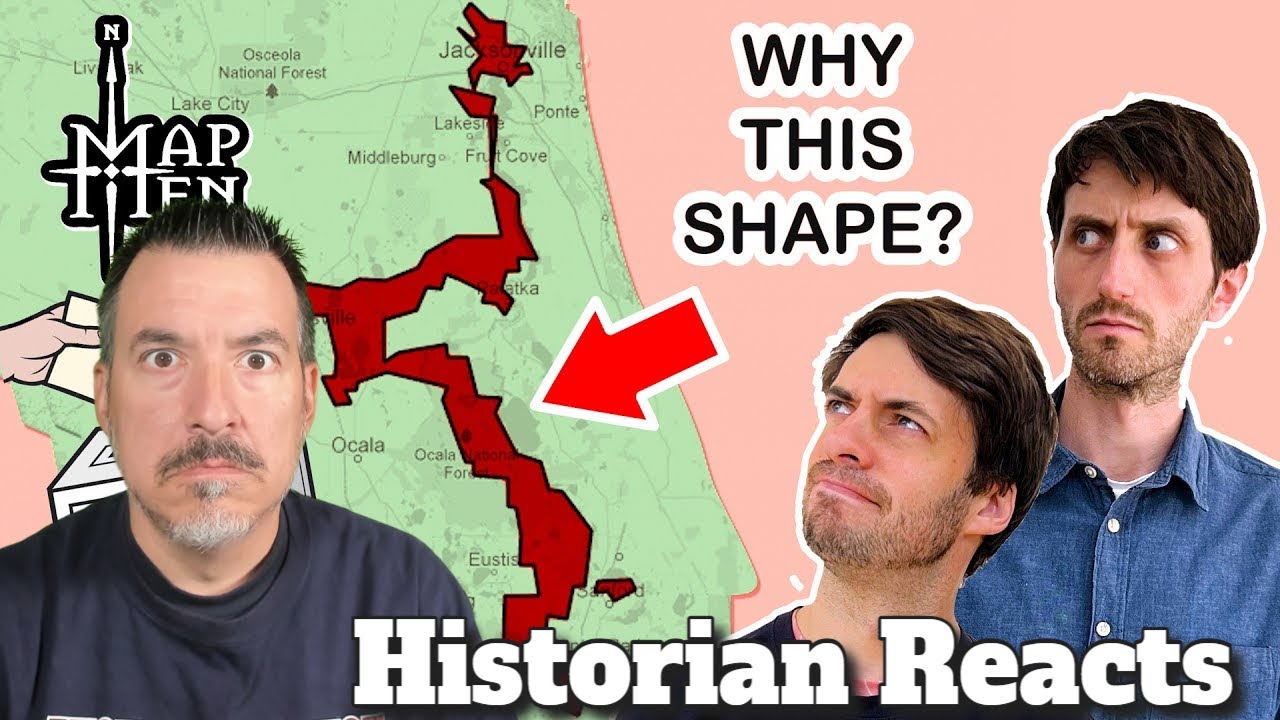
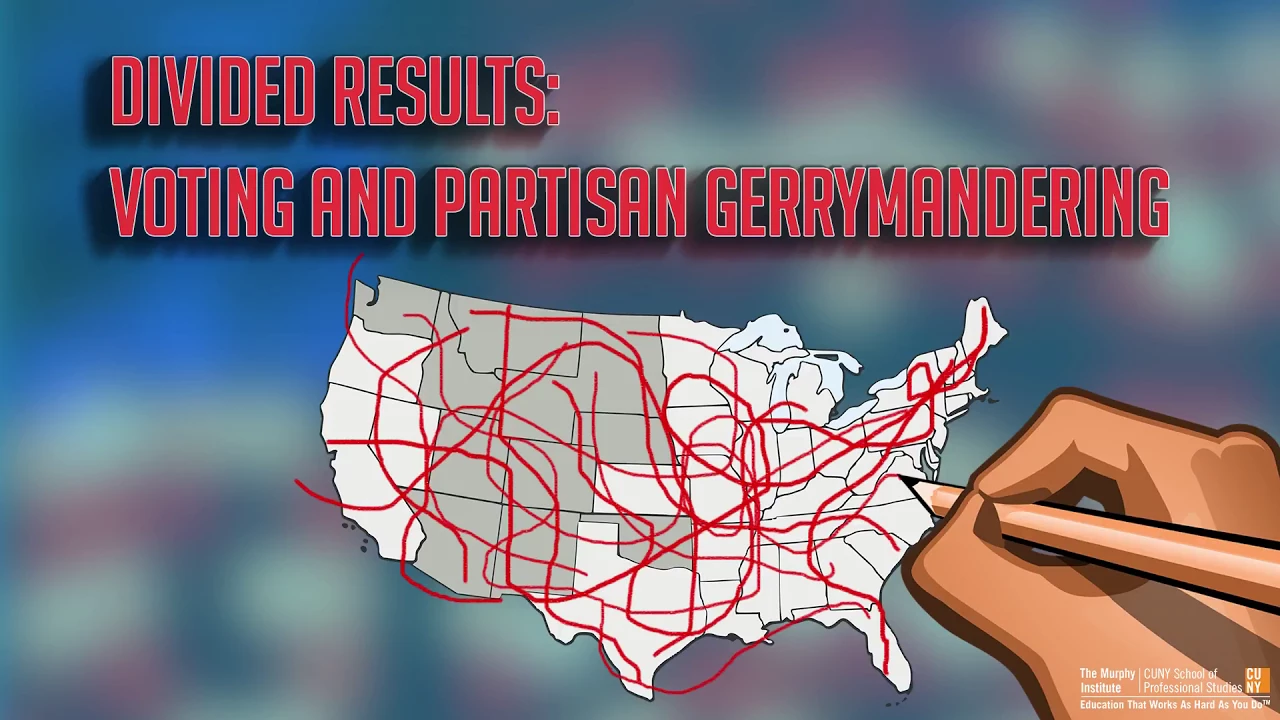
The mechanics of gerrymandering, specifically the techniques of 'packing' and 'cracking' to dilute or concentrate the voting power of specific demographics.
The basic political landscape of Texas, including its historically conservative state governance contrasted with rapidly growing, racially diverse urban and suburban centers.
The Voting Rights Act of 1965, particularly how it legally protects minority-opportunity districts from being dismantled during redistricting cycles.
The legal standards and Supreme Court precedents regarding racial versus partisan gerrymandering, such as Rucho v. Common Cause.
The broader demographic and political realignment trends occurring across the American Sun Belt and their implications for future national elections.
The arguments for and against alternative redistricting methods, such as utilizing independent, non-partisan citizen commissions instead of state legislatures.
The application of advanced geographic information systems (GIS) and big data in modern map-making, which allow political parties to draw highly precise partisan maps.
235.1K views19.7Klikes14:37Original Release: 2025-08-14
Picture this. One of the most repulsive Democrats in Congress, a member of the cultural Marxist squad, suddenly finds herself facing political extinction. Not from scandal, not even from voters, but from the very redistricting process that she and her fellow Texas Democrats have been desperately trying to stop. Welcome to the unfolding political drama of Jasmine Crockett. And we're going to find out why her downfall represents something far bigger than merely the silencing of one of the most obnoxious, odious members of Congress. It signals nothing less than the downfall of the Democrat party itself. Hey gang, it's me, Dr. Steve, your patron professor, here to help you make sense of all the madness as the far-left desperately tries to stop the unstoppable rise of a new conservative age all over the world.
So, if you want a front row seat on how you are changing the world in ways you never even imagine, make sure to smack that bell and subscribe button.
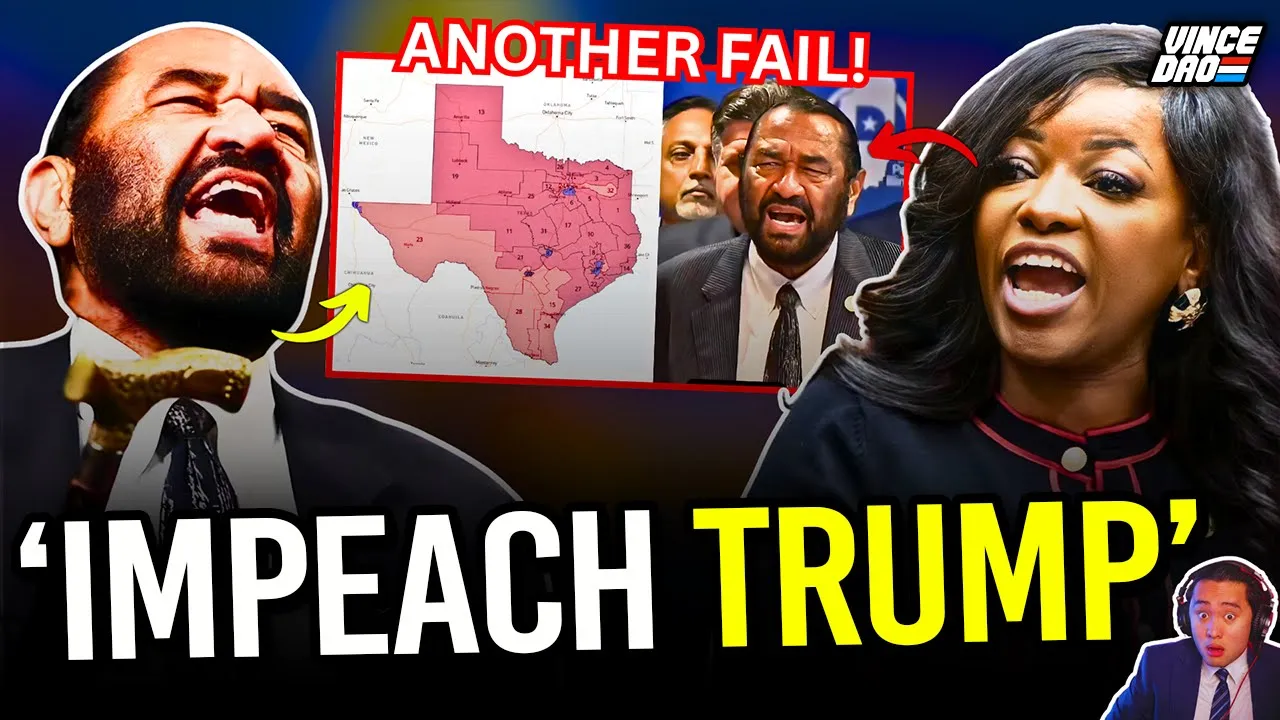
Representative Jasmine Crockett, the 34year-old progressive embarrassment from Texas's 30th Congressional District, has built her entire political brand on confrontation and controversy. From calling former President Trump a POS to her infamous beach blonde bad built butch body attack on Marjorie Taylor Green, Crockett has mastered the art of viral and vile political theater. that now the very political system that she's been railing against is about to hand her the ultimate reality check. The irony is breathtaking. As you know, as we've been following now for weeks, Texas Republicans have unveiled a congressional redistricting map that literally draws Crockett out of her own district. Under the proposed new boundaries, the congresswoman who loves to lecture others about democracy now won't even live in the district she currently represents. That's right.
Jasmine Crockett has been redistricted out of her own district.
It is a masterclass of political karma that even Hollywood could not have scripted better. So, currently Texas holds 25 Republican seats versus 12 Democrat seats in the United States House. So, it's basically a 2:1 Republican advantage. The new redistricting map would increase Republican control to 30 out of those total 38 seats representing 79% of Texas congressional delegation. Now, what makes this particularly intellectually satisfying is the complete role reversal it represents. So for years, deep blue Democrat states like California, New York, Illinois have engaged in very aggressive, highly blatant partisan gerrymandering in their own states without any consequence whatsoever. But now when Texas Republicans play by the same rules, well, suddenly it's a constitutional crisis. So the I mean the hypocrisy in all of this is so thick you can cut it with a knife. But Crockett's response to redistricting, of course, has been nothing short of her typical hysterical, inflated, intellectually illiterate banter. She's calling the new map a hot mess that's ultimately motivated by deep-seated Texas Republican racism.
She's deployed every weapon in the progressive victimhood arsenal imaginable. But the real reason Crockett is freaking out here is because she's built her entire career on a fraudulent image that is now facing real political consequences. If you want to see what an absolute fraud Jasmine Crockett is, take a look at this. This is a video of what Jasmine Crockett sounded like right after she first was elected to Congress.
And then we'll contrast that with the little persona she's been her little repackaging persona's ghetto girl of the last few months. Take a look at this contrast.
>> Absolutely. First of all, it's good to see you in the new year. You know, um, no one could have told me that when I went down to Austin, now looks like a little bit over a year ago, that I would be running for Congress. It's just not what my plan was. But what I've always decided is that I would step up when there was a need. Listen, he up there, he's hearing all kinds of nonsense and let me just be real. And we weren't going to sit for we wouldn't, you know.
Um but when she called me and said, "I think it's time for me to retire and you're the one that I believe should take my seat." I really was kind of caught off guard. I didn't anticipate that. Um if anyone knows anything about the congresswoman, they know. We we showed up and if he had some sense then maybe we would have been about that life. But y'all know he ain't got no sense. So please give some love. Um this took a little bit of coordinating to do for sure. We got some cool shirts.
>> You know the congressional seat is over four times as large as my house seat.
>> Yeah. She's a total fraud. I mean there there's there's no there's no other word for that. That's not a chameleon. That's a fraud. She's a total and complete fraud. And you got the likes of, you know, Charlemagne the God and all these other black social media influencers out there who've all been taken in by this fraud. They're all talking I they're literally talking about how authentic Jasmine Crockett is. I kid you not, how freaking authentic she is.
She's demonstrabably the least authentic person in the whole of Congress. Her entire ghetto persona is completely fabricated. It's all made up. Betty Johnson's been talking a lot of that l of laty's been exposing how she went to private schools. She's a prep school girl. She's an affluence girl.
She's a total fraud. Just like the Democrat party itself, the party that claims to be the defenders of democracy.
All the while, Texas Democrats are running away from and shutting down the very democratic processes they claim to champion and defend. And that is what Democrats like Crockett are really freaking out over. That her demise is actually a symbol of the ultimate demise of the Democrat party itself. That's what the legacy media doesn't want to tell you in all of this.
And that's because so much of what passes for journalism today really is little more than just politically charged activism with a headline slapped on top. Right? You know, truth gets buried under layers of spin, agenda, algorithm-driven narratives. You know, that's why I love turning each and every day to ground news. It cuts straight through the noise and shows you what's actually happening. Ground news brings together headlines from over 50,000 sources all across the globe. But what really makes it powerful is its transparency. You don't just see the stories, you see the political bias behind every source, the ownership ties, and the coverage breakdown across the spectrum. So that's why over a million people have downloaded Ground News. See for yourself at ground.news/steve.
If I may, my favorite feature is their blind spot feed. So it shows you which stories are blowing up on one side of the aisle but barely mentioned on the other. It's the clearest way to see media bias in action. So, for example, here's a story. It's barely getting any traction on the right. Joe Rogan just accused the Trump administration of gaslighting its own supporters over the Epstein scandal. So, that's I mean, let's be honest, that's a rare moment of someone on the right openly calling out Trump's team in such blunt terms. But here's one on the left that's being completely ignored. Reports say Cash Patel discovered burn bags stuffed with classified documents tied to the Trump Russia probe. So in other words, there may have been a deliberate effort to destroy evidence, yet almost no one on the left wants to touch it. With every story, Ground News shows you the entire spectrum of who's reporting from left, right, and center, how reliable each source is, and who owns each outlet.
It's everything the corporate press doesn't want you to see. Right now you can get 40% off. You heard that right?
40% off the Vantage plan. That's the one I use. It gives you unlimited access to all of their features. Just five bucks a month. Well worth it. It's awesome.
Cheap cup of coffee every day, right? So just visit ground.news/steve.
That's ground.newssteve.
Click the link in the description or scan the QR code. That's ground.newssteve.
From an analytical perspective, Texas Democrats current predicament represents a masterclass in strategic political failure. Rather than building broad coalitions and winning over moderate voters, Democrats have doubled down on progressive purity tests and confrontational tactics. And no one exemplifies this more than Jasmine Crockett. So instead of using her platform to build bridges and expand Democrat appeal, she's focused on viral moments and Twitter battles. The result, she's literally being drawn out of political existence by the very voters she was supposed to represent. The key dynamic that's operative here is something called dealignment. And we're actually seeing this political dynamic all over the Western world. mainstream establishment parties like the Democrats, but mainstream Democratic parties all across the West comprised of the center left and the center right are just getting hammered in elections precisely because an increasing number of voters feel that more they just feel more and more alienated from these mainstream elitist parties. So whether we're talking about the Tories or Labor in the UK, both of whom are going to get destroyed in the next election by reform UK Nigel Faraj's party, or whether we're talking about the Social Democrats in Italy or the Republicans in France, these are all parties that are increasingly seen as defending values, interests, and concerns completely alienated from the values, interests, concerns of the people. In other words, what the people are most concerned about, these elitist parties could give a rip about. These elitist parties are defending values in concerns that defend themselves as over and against the values, interests, concerns of the people. The Democrat party has become the party of the elite. The Democrat party represents an increasingly bizarre woke value system of a liberal cosmopolitan elite that's widening its own gap, its own alienation from the common sense consensus that dominates Texas and increasingly our politics as a whole across the nation. And so this is why congressional maps are ultimately being redrawn. It's not because of racism. It's not because of gerrymandering or really anything like that. What's happening with these redistricting maps right now is happening because of a massive demographic shift going on in our country. It's been going on for at least a decade. Analysis from major redistricting experts and recent demographic projections all agree that the new census whenever it happens, it should have already happened by the way in 2020. We got screwed on that. But the new census, whenever it happens, if it's this year or in 2030, will end up reaportioning literally dozens of seats away from blue states to red states.
California alone would lose four House seats overnight because so many people have left the state in the last 10 years. New York would lose two House seats. Illinois would lose two. But red states like Texas, Florida, Tennessee, Idaho, Montana, they'd all gain seats.
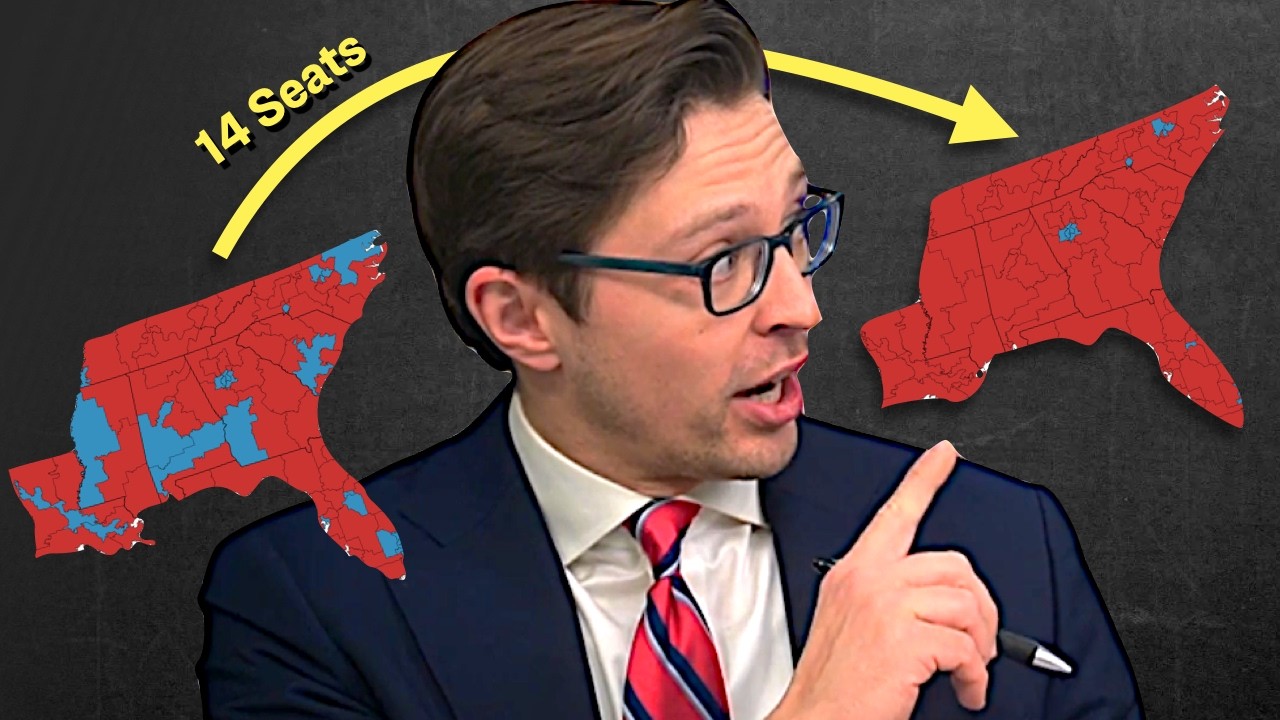
Texas gains four, Florida gains four, Montana gains one, Idaho one. There are a number of red states that'll all gain seats. I mean, we're looking at Republicans gaining upwards of 14 16 seats in reortionment. and the deep red South will have upwards of 164 House seats, which is the most seats they've ever had in our nation's history. All simply because blue states, Democrat states have so thoroughly alienated themselves from the vast majority of the nation's population. The most delicious aspect here of Jasmine Crockett's predicament is how completely it inverts her usual political narrative. So, this is a Congresswoman who's made a career out of demanding accountability for others. Now, she's facing the ultimate political accountability, potential extinction through legitimate democratic processes.
This isn't gerrymandering. In the end, this is democracy, plain and simple.
Texas voters have consistently chosen Republican leadership as the vast majority of the country is turning to and that leadership is redrawing maps that reflect actual voter preferences.
If Crockett can't survive in a district that accurately represents Texas's political reality, perhaps the problem isn't the map. It's the message and a thoroughly fabricated one at that. Have you locked in your seat from my America Awaken Master Class yet? Because seats are filling up fast.
This is your shot to grab our Freedom Week discount before the price goes up.
This isn't scripted. It isn't safe. And it sure as heck isn't censored. It's real. It's raw. And it's unapologetically patriotic, just like the early days of Turley Talks that helped ignite a movement. But listen, this discount won't last. Click the link, claim your spot, and join the rising tide of Americans reclaiming faith, family, and freedom. Let's light the fire of liberty and awaken America together.
[Music]
Up Next

19:36
Nigel Farage vs Keir Starmer: UK Immigration & Populism Analysis
@RussellBrand
428.8K views•2024-06-21

24:30
BRICS Pay and de-dollarization: A New Financial Order Emerges? | 55 chars
@DannyHaiphongYT
164.6K views•2024-10-22

14:09
Chile's Shift to Right-Wing Populism: A Continental Political Realignment
@DrSteveTurleyTV
468.7K views•2025-12-15
10:19
Explaining the Saudi-Iranian Proxy Conflict in the Middle East
@Vox
18.2M views•2017-07-17
Related Study Plans & Knowledge Roadmaps
Structured learning paths in Political Science
political-science
Economic Statecraft: Sanctions & Chokepoints
01Foundations of Geoeconomics and Economic Statecraft
02The Mechanics of Weaponized Interdependence
03International Sanctions: Types, Implementation, and Efficacy
+ 2 more learning modules
12h5 modules
Explore Roadmap
political-science
Central Bank Independence: Politics & Policy
01Foundations of Central Banking and Monetary Policy
02The Time Inconsistency Problem & Inflation Bias
03The Delegation Model and Designing Independence
+ 2 more learning modules
12h5 modules
Explore Roadmap
political-science
Consociationalism: Power-Sharing & Stability
01Democratic Dilemmas in Divided Societies
02Introduction to Consociational Democracy
03The Four Pillars of Consociational Design
+ 2 more learning modules
12h5 modules
Explore Roadmap
political-science
Rebel Governance: Legitimacy, Economy & State
01Foundations of Rebel Governance and Statehood
02Establishing Political Legitimacy and the Rebel Social Contract
03Wartime Economies and Rebel Resource Management
+ 2 more learning modules
14h5 modules
Explore Roadmap