







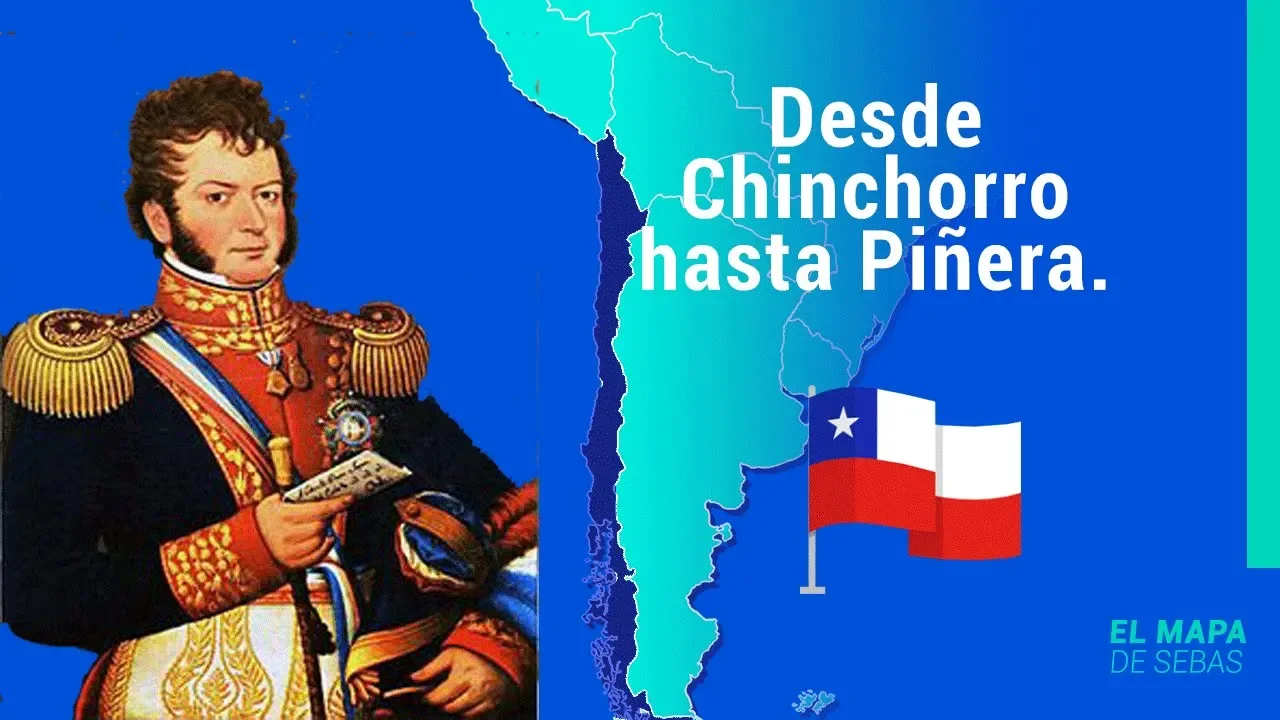
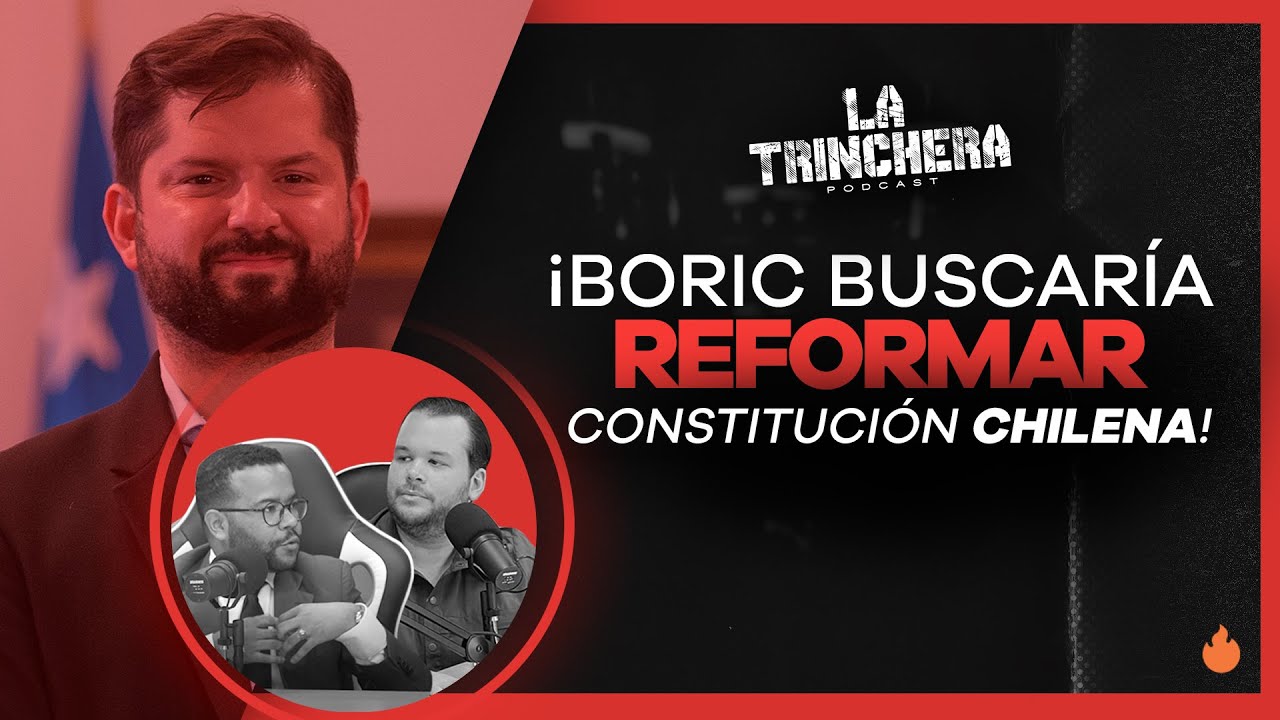





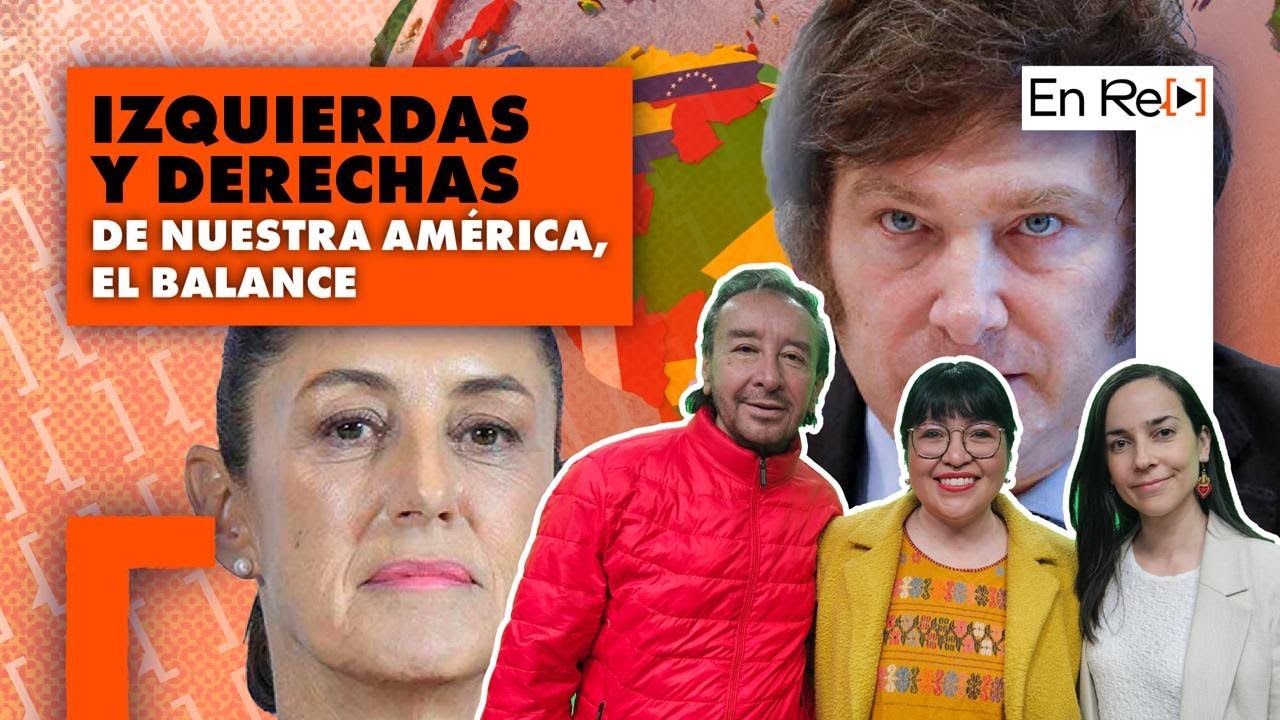









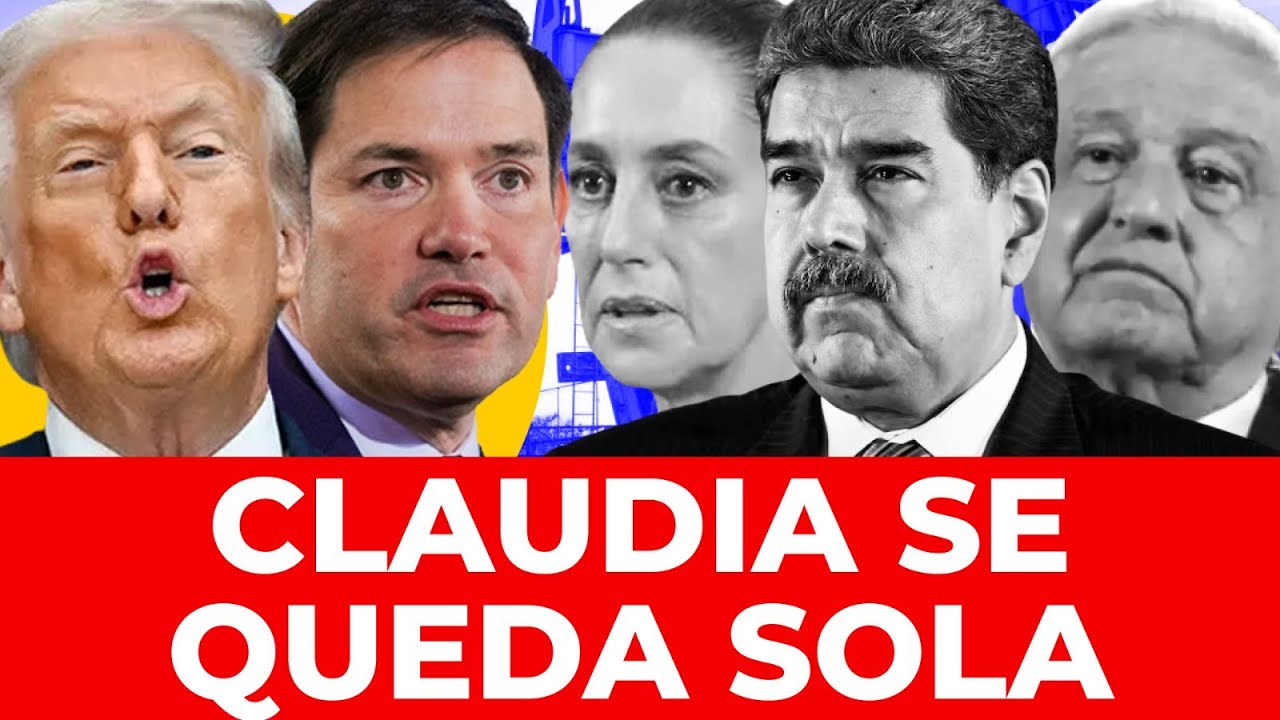

Latin America is experiencing a dramatic political realignment away from leftist governance toward right-wing populist leadership, driven primarily by voter dissatisfaction with rising crime rates and immigration challenges. This continental shift, exemplified by Chile's recent presidential election where José Antonio Kast won a landslide victory, represents a fundamental rejection of the 'pink tide' of leftist governments that dominated the region for two decades. The transformation is characterized by voters prioritizing security, order, and economic prosperity over traditional leftist promises of social justice, leading to the formation of a transnational conservative alliance across the hemisphere.
Chile's Shift to Right-Wing Populism: A Continental Political Realignment
Added:The 'Pink Tide' and Left-Wing Dominance: Understanding the wave of left-wing governments that swept Latin America in the early 2000s, which set the stage for subsequent political reactions.
Definition and Mechanics of Populism: Understanding populism as a political approach, specifically distinguishing how right-wing populism appeals to nationalism, law and order, and traditional values.
Chile's Contemporary Political History: Familiarity with Chile's transition to democracy, its neoliberal economic model established under Pinochet, and the catalytic 2019 social protests (Estallido Social).
The Latin American Political Spectrum: A basic grasp of the ideological divides in South America, particularly regarding state-led economic intervention versus market-friendly policies.
Comparative Right-Wing Populism in Latin America: Comparing Chile's political shift with other regional movements, such as Jair Bolsonaro in Brazil, Javier Milei in Argentina, or Nayib Bukele in El Salvador.
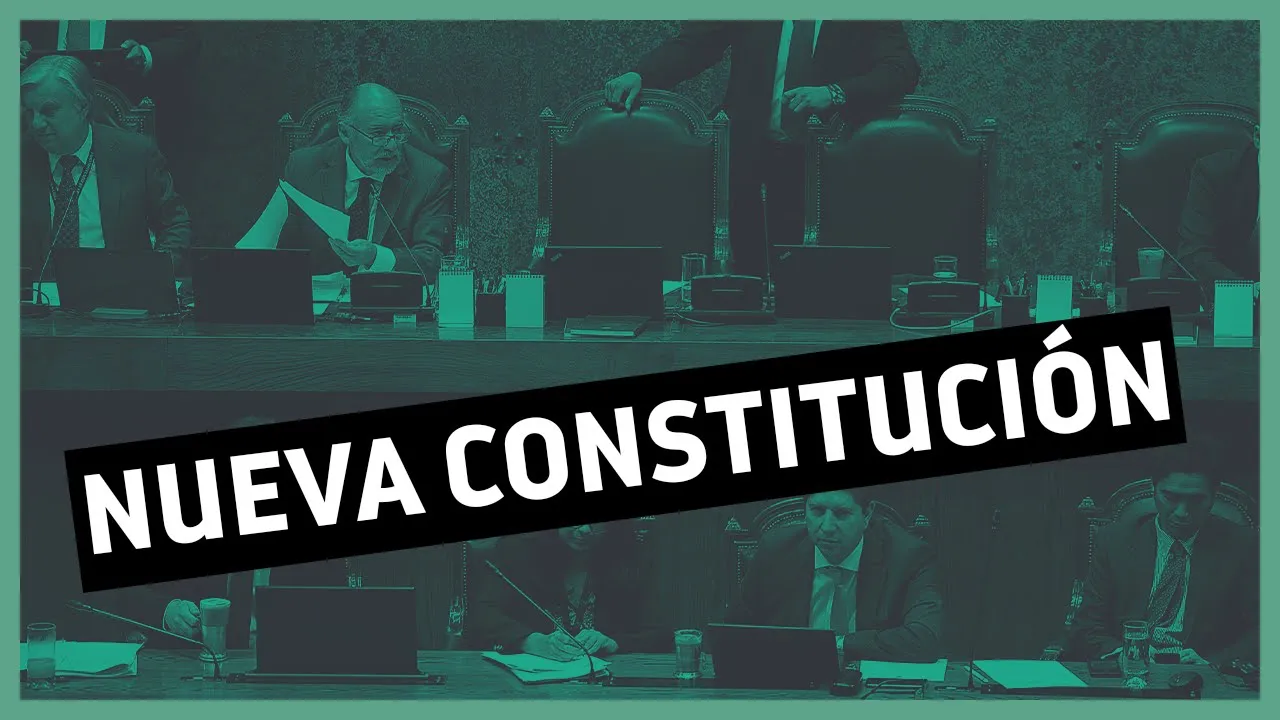
The Constitutional Rewriting Process in Chile: Analyzing the trajectory of Chile's constitutional conventions, specifically how conservative factions influenced the drafts and the final public votes.
Socioeconomic Policy Analysis: Investigating how Chile's right-wing administration addresses key national issues like security, immigration, pension reforms, and resource nationalization.
The 'Pendulum Theory' of Latin American Politics: Exploring academic frameworks regarding whether these ideological shifts represent a permanent continental realignment or cyclical democratic voting patterns.
468.7K views29Klikes14:09Original Release: 2025-12-15
The Western Hemisphere is officially rising and the legacy media is panicking. Something incredible is happening all across Latin America.
While leftists here in the States are doing everything they possibly can to try to claw back to power, an entire continent has been quietly staging one of the most dramatic political reversals in modern history. And what just happened in the nation of Chile this weekend might be the turning point that changes everything. HEY GANG, IT'S ME, DR. STEVE, your patron professor, here to help you make sense of the MADNESS AS THE FAR-LEFT desperately tries to stop the unstoppable rise of a new conservative age that you're making happen all over the world. So, if you want a front row seat on how you continue to change the world in ways you never even imagined, make sure to smack that bell and subscribe button. Add yet another nation to the growing list of countries with right-wing populist governments. Joseé Antonio Cast, often referred to as the Chilean Trump, just won that nation's presidency in a landslide over the weekend. And I mean landslide. It was an absolute stunner.
And the political left is just shell shocked after that. He won the race by nearly 20 points, winning every single region in the country, even the historic leftist strongholds. This is the most decisive victory Chile has seen since returning to democracy back in 1990.
Over 7 million Chileans cast their ballots for cast, the highest vote total in the nation's history. But here's what makes this absolutely explosive. Chile isn't alone. This is part of a massive continental shift that's rewriting the political map of South America. Take a look at this map. Okay, the red signifies leftist regimes, the blue signifies right-wing government. So, it's kind of the opposite of our red state, blue state. It's very much like Europe. So, their red is left and their blue is right. Back in 2023, as you can see, the entire Western Hemisphere was basically just a left-wing oasis. There were a few little blue blotches that you could see of right-wing governments. So that's Naib Boulli, El Salvador, but you also had Guatemala, Ecuador, Paraguay, Uruguay.
Take a look at the Western Hemisphere map as it stands today.
It's absolutely astonishing. Argentina, of course, elected libertarian Cavier Malay. Bolivia just ended nearly 20 years of socialist rule with the election of Rodrigo Paz. Uh Ecuador reelected their right-wing government, Daniel Naboa. And now Chile, once considered a bastion of leftist politics, has chosen the most conservative president since Pinocha uh decades ago. When Cass gave his victory speech on Sunday night, his supporters weren't just celebrating. They were wearing red make Chile great again hats as well as MAGA hats. They held banners reading bye-bye illegals and playtime is over. This wasn't subtle. This was a message. The people are turning to the right. The nationalist populist right like never before. And it is indeed an unstoppable wave that's sweeping the entire world. Now in Latin America and particularly in Chile, there are two macro issues that are driving this seismic shift. First and foremost, it's crime. And the numbers are absolutely staggering. Chile, long considered one of South America's safer countries, they've watched their murder rate explode by 43% under their left-wing government from 2018 to 2024.
Kidnappings hit an all-time high in 2024 with near with nearly 900 cases, the highest in a decade, and 40% of them are linked to organized crime. An October poll revealed that over 60% of Chileans now say crime was their number one issue. That was about double the global average. But it's not just the crime, it's who's behind it. Chile has become the new frontier for Venezuela's notorious trend gang, one of the most brutal criminal organizations in Latin America. As you know, that was number one priority for the Trump administration to have them all deported. This mega gang, which originated in Venezuela's prison system under the protection of the Maduro regime, has expanded aggressively into Chile since 2021. They're behind kidnappings, murders, human trafficking, sexual exploitation, and even at one point even the assassination of a Venezuelan political dissident on Chilean soil. So, Chilean prosecutors have confirmed that Trenagua was responsible for the kidnapping and murder of Ronald Oeda, a former Venezuelan army lieutenant who fled the Maduro regime. He was abducted from his home in Santiago and days later he his dismembered body was discovered inside a concrete encased suitcase. uh the Venezuelan dictatorship allegedly ordered the hit through this transnational criminal network. And that is what has awakened the second major dynamic, the second macro issue that's dominating this election and that's sending uh populations to the right in South America. And that is, you guessed it, immigration. Immigration. Chile now has over 300,000 illegal migrants, many from Venezuela.
The country has seen a dramatic surge in Venezuelan migration since 2017, with arrivals growing five-fold. You know, what started as a relatively welcoming attitude toward Venezuelan refugees has turned into widespread backlash as the numbers overwhelmed the system and the crime began to skyrocket. Chileans watch their peaceful communities transform into crimeridden hell holes. And here's where Jose Cast's campaign got brilliant. He didn't just complain about the problem. He didn't inundate the Chilean population with the same silly sloganering that the left-wing Australian government is doing today with their diversity is our strength mantra. He promised concrete solutions with a countdown clock. So, he's been warning illegal migrants exactly how many days they have left to self-deport before his administration forcibly removes them. And it will not be pretty when they do that. And he's promised to expel the over 300,000 illegal migrants in the first days of his administration.
And they're already seeing the results.
The impact was immediate and dramatic even before winning, let alone taking office. Illegal border crossings into Chile plummeted. Meanwhile, worried illegal migrants have been surging across the border into Peru in such large numbers that Peru's president declared a state of emergency in late November. But all of that is nothing compared to what's really happening in the Western Hemisphere as a whole. This landslide victory is but a microcosm of a larger continental transformation that promises to change the world for generations to come. Wait until you see this. Did you know there's a $4.5 billion fund set aside to compensate people injured by vaccines? Isn't that shocking? Again, talk about a total inversion of what we saw four years ago.
But what's even more concerning is how many people still don't realize that mRNA vaccines may actually cause ongoing damage long after the shot. It all comes down to something called spike proteins.
Now these spike proteins can affect your blood vessels, your immune system, even your brain. And for millions of people, the effects are showing up months or even years later. So what can we do to protect ourselves and rebuild our health naturally? Well, it turns out that the answer starts in your gut. Your gut microbiome. That's the community of bacteria living inside of you. It's the number one factor for overall health and immunity. But years of antibiotics, processed foods, and toxins have destroyed that balance for most Americans. And believe it or not, the number one thing that you can do for your gut microbiome is consume kimchi.
And that's why I am so excited about Kimchi 1 from Brightart. It's a breakthrough way to get the benefits of traditional fermented kimchi without the mess, the smell, or the hassle. Each capsule delivers over 900 probiotic strains, live enzymes, and powerful antioxidants that help restore your gut flora, improve digestion, support your immune system, and even help with energy metabolism and weight management. It's amazing stuff. It's all natural, non-GMO, gluten-free, soyf free, made right here in the USA, gang. I take it every day because I want my gut and my immune system working for me, not against me. Now, you can get 25% off right now by clicking on the link below or going to my brightcore.com/turley.
Or better yet, call them at85970233 for up to 50% off plus free shipping.
The first 100 callers even get a free bottle of vitamin D3. Again, that's 888-5970233.
Don't wait. Your gut health is your first line of defense. Give them a call at 8-5970233.
Zoom out and you'll see that this isn't just about Chile. This is a continental realignment happening in real time.
Argentina's Javier Malay immediately congratulated Cass, posting quote, "Enormous joy at the crushing victory of my friend Jose Antonio Cast one more step for our region in defense of life, freedom, and private property." Malay even posted that map of South America showing how many countries now have turned to the right declaring quote the left retreats freedom advances. The timing is extraordinary. This right-wing wave is happening of course just as Donald Trump returns to the White House and the connections are undeniable.
Trump's approach to crime, immigration, nationalism is being replicated all across Latin America with stunning success. Secretary of State Marco Rubio congratulated Bolivia's new president, pledging US support to fight drug cartels and praising the end of two decades of government mismanagement.
Latin American leaders like Javier Malay and Cass Naib Bukelli and Nabboa.
They're not just adopting Trump's rhetoric. They're building an ideological network, a transnational conservative alliance. Both Malay and Naboa attended Trump's inauguration. It was an absolutely unprecedented move in modern diplomatic protocol. They're coordinating strategies. They're sharing best practices and forming what analysts call a global conservative alliance. The contrast with what came before simply could not be starker. You know, for two decades, Latin America was dominated by what they called the pink tide, a wave of leftist governments that swept into power in Venezuela and Bolivia, Ecuador, Brazil, Argentina, and Chile. These governments promised social justice and economic equality, but they just delivered nothing but corruption, economic mismanagement, and declining living standards. All the while leaving their borders wide open for cheap illegal labor. That pink tide is now in full and complete retreat. The right is surging not just in countries that have already flipped, but in upcoming elections, too. Colombia, Brazil, Peru, they all have major elections coming in 2026, and right-wing candidates are leading in the early polls. This isn't random. This is a direct response to the left's catastrophic failures on the issues voters care most about, security and prosperity. When [snorts] leftist governments offer sociology and root cause explanations for crime while citizens live in fair fear, people turn to leaders who promise action, order, and protection. And that of course is the political right. What we're witness witnessing here is really bigger than any single election. This is a fundamental realignment of an entire continent. A rejection of socialism and leftist governance on a scale we frankly have not seen in generations. From the southern tip of Chile to the northern borders of Mexico, millions of Latin Americans are choosing freedom over socialism, law and order over chaos, borders over migration. And Jose Antonio Cast's overwhelming victory this weekend just accelerated that transformation in ways the establishment never saw coming.
The people have spoken loud and clear.
They want their countries and their hemisphere back.
Up Next

19:36
Nigel Farage vs Keir Starmer: UK Immigration & Populism Analysis
@RussellBrand
428.8K views•2024-06-21
88:38
Patronage and Political Machines in Southeast Asian Elections
@NewYorkSoutheastAsiaNetwork
511 views•2023-04-05

14:37
Redistricting Politics: Jasmine Crockett's Texas Setback Explained
@DrSteveTurleyTV
235.1K views•2025-08-14
10:19
Explaining the Saudi-Iranian Proxy Conflict in the Middle East
@Vox
18.2M views•2017-07-17
Related Study Plans & Knowledge Roadmaps
Structured learning paths in Political Science
political-science
Analyzing Clientelism: Patronage & Vote-Buying
01Foundational Concepts of Clientelism
02Mechanics of Patronage and Resource Allocation
03Vote-Buying, Turnout Buying, and Ballot Secrecy
+ 2 more learning modules
12h5 modules
Explore Roadmap
political-science
Economic Statecraft: Sanctions & Chokepoints
01Foundations of Geoeconomics and Economic Statecraft
02The Mechanics of Weaponized Interdependence
03International Sanctions: Types, Implementation, and Efficacy
+ 2 more learning modules
12h5 modules
Explore Roadmap
political-science
Central Bank Independence: Politics & Policy
01Foundations of Central Banking and Monetary Policy
02The Time Inconsistency Problem & Inflation Bias
03The Delegation Model and Designing Independence
+ 2 more learning modules
12h5 modules
Explore Roadmap
political-science
Consociationalism: Power-Sharing & Stability
01Democratic Dilemmas in Divided Societies
02Introduction to Consociational Democracy
03The Four Pillars of Consociational Design
+ 2 more learning modules
12h5 modules
Explore Roadmap