
![[건강강좌] 스트레스 다스리기! 건강한 뇌를 만드는 방법(정신건강의학과 전상원 교수) I 강북삼성병원](https://i.ytimg.com/vi/deuxLFDCBbI/hqdefault.jpg)



















![Dieta anticâncer: melhores e piores alimentos com Dr. José Cláudio Casali [AO VIVO]](https://i.ytimg.com/vi/p1v8fGb1MI4/maxresdefault.jpg)




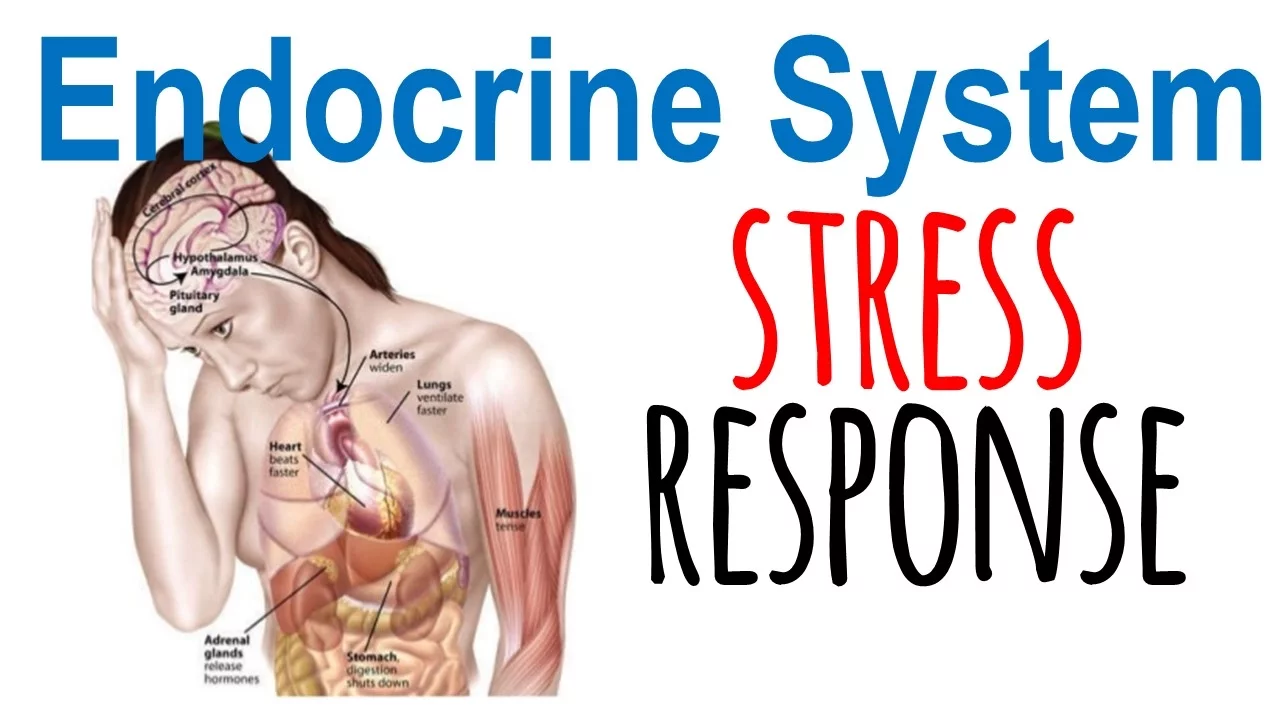
Chronic stress triggers the hypothalamus-pituitary-adrenal (HPA) axis to release cortisol, which over time increases amygdala activity, damages the hippocampus, shrinks the prefrontal cortex, and reduces neurogenesis, potentially leading to learning difficulties, depression, and Alzheimer's disease; however, these effects can be reversed through exercise and meditation, which increase hippocampal size and improve memory.
How Chronic Stress Changes Your Brain Structure and Function
Added:Basic neuroanatomy, specifically the functions of the prefrontal cortex, amygdala, and hippocampus.
The physiology of the body's acute stress response, including the Hypothalamic-Pituitary-Adrenal (HPA) axis and the release of cortisol.
The concept of neuroplasticity, which is the brain's ability to structurally and functionally adapt to experiences and environmental stimuli.
The fundamental difference between acute (short-term, adaptive) stress and chronic (long-term, toxic) stress.
The role of Brain-Derived Neurotrophic Factor (BDNF) and adult neurogenesis in facilitating brain recovery and cognitive resilience.
The clinical relationship between stress-induced neurological changes and psychiatric disorders such as Major Depressive Disorder, Generalized Anxiety Disorder, and PTSD.
The scientific mechanisms of evidence-based interventions like Mindfulness-Based Stress Reduction (MBSR), exercise, and CBT in physically reshaping the brain.
The study of epigenetic changes, specifically how chronic stress can alter gene expression related to brain health and how these changes might be reversed or even inherited.
39.9K views272likes4:16Original Release: 2016-12-13
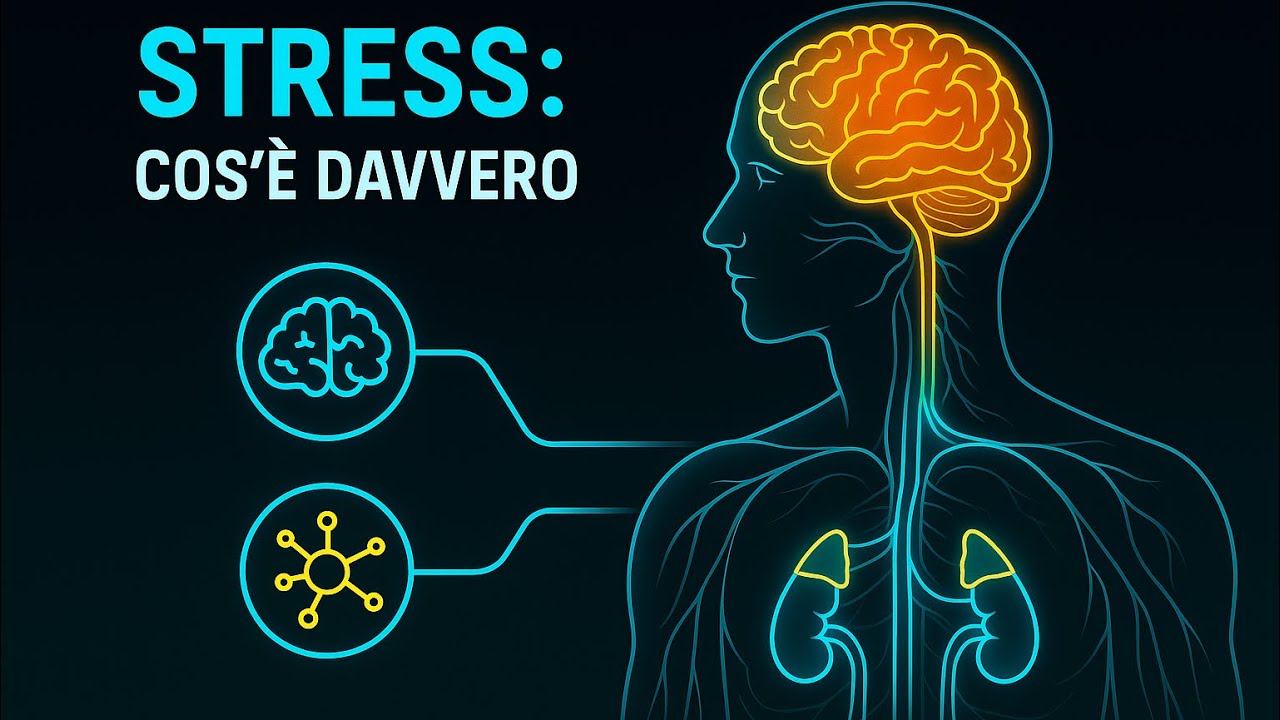
[Music] are you sleeping restlessly feeling irritable or Moody forgetting little things and feeling overwhelmed and isolated don't worry we've all been there you're probably just stressed out stress isn't always a bad thing it can be handy for a burst of extra energy and focus like when you're playing a competitive sport or have to speak in public but when it's continuous the kind most of us face day in and day out it actually begins to change your brain chronic stress like being overworked or having arguments at home can affect brain size its structure and how it functions right down to the level of your genes stress begins with something called the hypothalamus pituitary adrenal axis a series of interactions between endocrine glands in the brain and on the kidney which control controls your body's reaction to stress when your brain detects a stressful situation your HPA axis is instantly activated and releases a hormone called cortisol which primes your body for instant action but high levels of cortisol over long periods of time wreak havoc on your brain for example chronic stress increases the activity level and number of neural Connections in the amydala your brain's fear Center and as levels of cortisol rise electric signals in your hippocampus the part of the brain associated with learning memories and Stress Control deteriorate the hippocampus also inhibits the activity of the HPA axis so when it weakens so does your ability to control your stress that's not all though cortisol can literally cause your brain to shrink in size too much of it results in the loss of synaptic connections between between neurons and the shrinking of your prefrontal cortex the part of your brain that regulates behaviors like concentration decision-making judgment and social interaction it also leads to fewer new brain cells being made in the hippocampus this means chronic stress might make it harder for you to learn and remember things and also set the stage for more serious mental problems like depression and eventually Alzheimer's disease the effects of stress May filter right down to your brain's DNA an experiment showed that the amount of nurturing a mother rat provides its newborn baby plays a part in determining how that baby responds to stress later in life the pups of nurturing moms turned out less sensitive to stress because their brains developed more cortisol receptors which stick to cortisol and dampen the stress response the pups of negligent moms had the opposite outcome and so became more sensitive to stress throughout life These are considered epigenetic changes meaning that they affect which genes are expressed without directly changing the genetic code and these changes can be reversed if the moms are swapped but there's a surprising result the epigenetic changes caused by one single mother rat were passed down to many generations of rats after her in other words the results of these actions were inheritable it's not all bad news though there are many ways to reverse what cortisol does to your stressed brain the most powerful weapons are exercise and meditation which involves breathing deeply and being aware and focused on your surroundings both of these activities decrease your stress and increase the size of the hippocampus thereby improving your memory so don't feel defeated by the pressures of daily life get in control of your stress before it takes control of you [Music]
Up Next
11:24
How Neuroplasticity Rewires Your Brain to Prevent Dementia
@Sciencerely
386.8K views•2022-06-25
21:55
Deciphering Neural Circuits Controlling Anorexia in Mice | Richard Palmiter
@AllenInstitute
2.3K views•2011-10-10

4:10
Vagus Nerve (CN X): Anatomy, Nuclei & Functions Explained
@Alilamedicalmedia
305.2K views•2022-10-31
13:03
How Exercise Benefits Your Brain: Science Explained
@TED
11.4M views•2018-03-21
Related Study Plans & Knowledge Roadmaps
Structured learning paths in Neuroscience
neuroscience
Appetite Regulation: Brain Circuits & Hormones
01Foundations of Endocrinology and Brain Anatomy
02Introduction to Energy Homeostasis
03Peripheral Signals: Leptin, Ghrelin, and Insulin
+ 2 more learning modules
14h5 modules
Explore Roadmap
neuroscience
Neuroeconomics: Value, Risk & Brain Mechanisms
01Foundations of Neuroscience and Brain Anatomy
02Introduction to Neuroeconomics and Subjective Value
03Dopaminergic Prediction Errors & Reinforcement Learning
+ 3 more learning modules
18h6 modules
Explore Roadmap
neuroscience
Spatial Navigation: Cells, Grids & Brain Maps
01Foundations of Brain Anatomy and Memory
02Place Cells and Head-Direction Cells
03Grid Cells: The Brain's Coordinate System
+ 2 more learning modules
12h5 modules
Explore Roadmap
neuroscience
BCIs: Neural Decoding & Prosthetic Control
01Neuroscience Foundations: How the Brain Signals Intent
02Signal Acquisition: Recording the Brain's Activity
03Neural Decoding: Translating Brain Waves into Data
+ 2 more learning modules
25h5 modules
Explore Roadmap