













![3.371 Materials Selection in Service - Spring 2015 [2/9]](https://i.ytimg.com/vi_webp/Z4ztx7n5Lsc/maxresdefault.webp)















This video demonstrates the complete assembly process of a 3D printed gearbox designed for 775 motors with a 1:15 gear ratio, including connecting the engine to the main body, installing input and output gears with bearings, and testing the gearbox's power capacity by progressively adding weight to a bucket system until the gearbox fails, proving its ability to lift heavy loads.
3D Printed 775 Motor Gearbox: Design & Torque Test (1:15 Ratio)
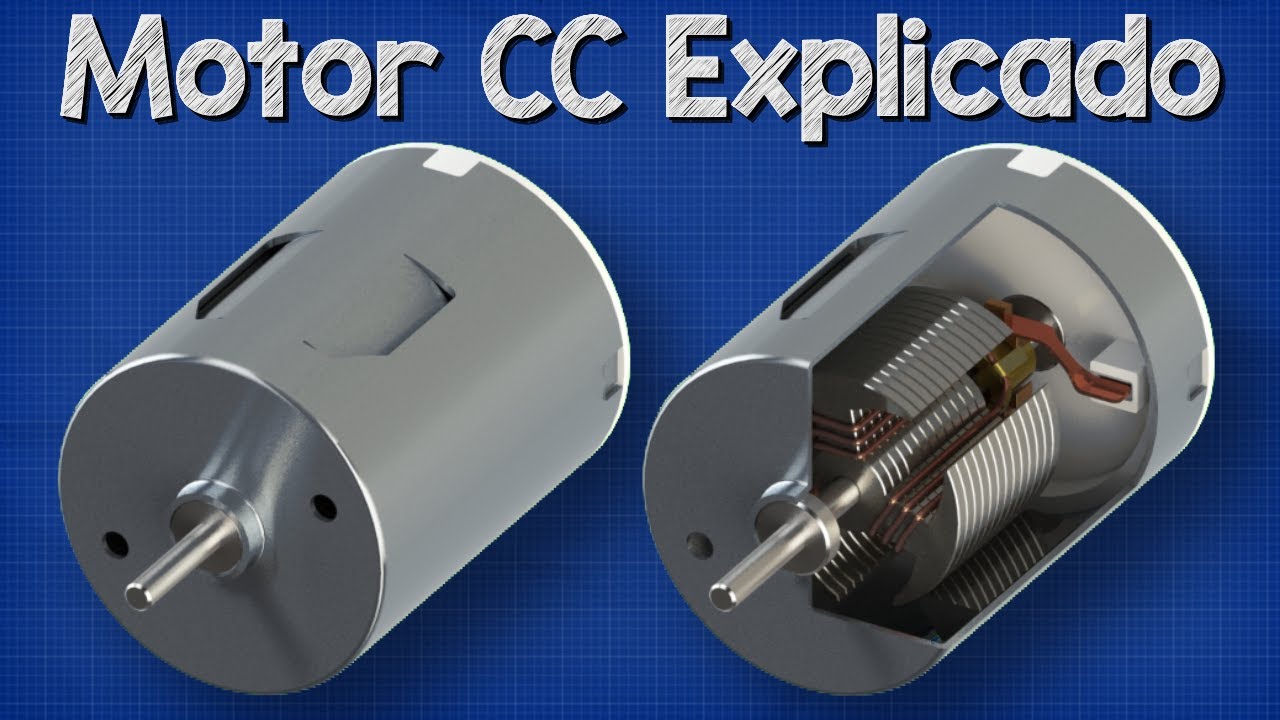
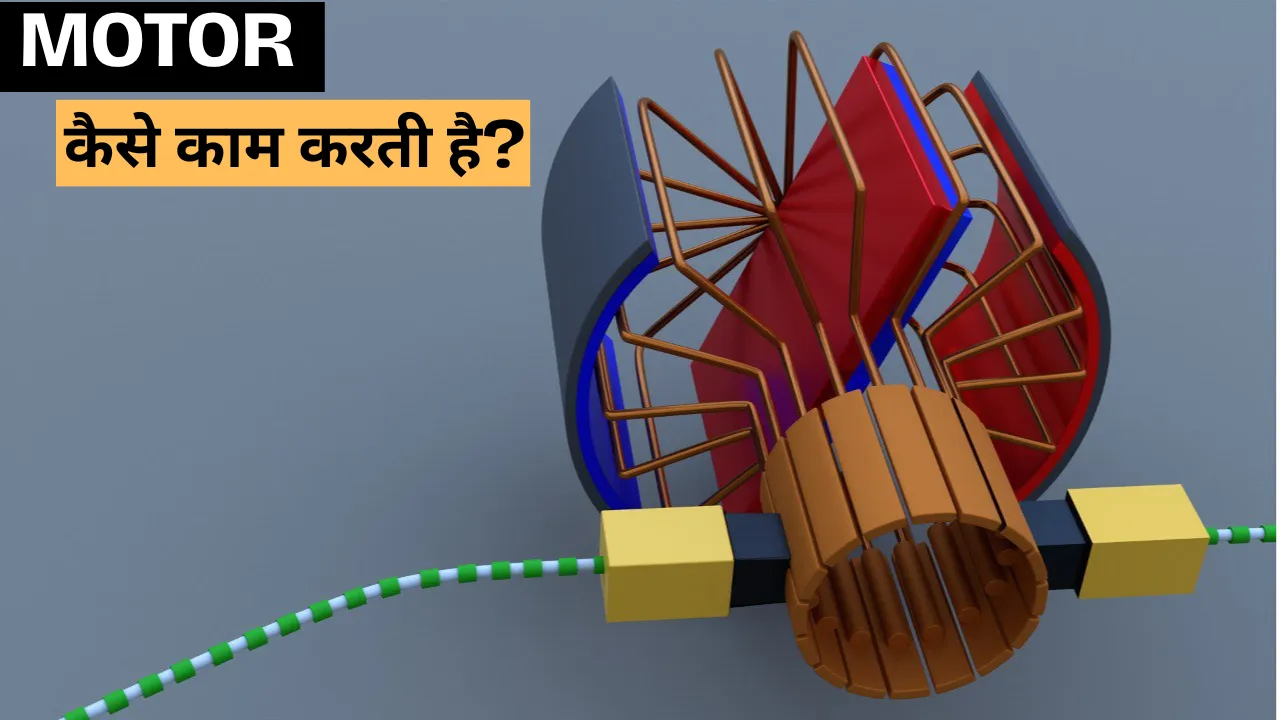
Added:Basic DC Motor Principles: Understanding how brushed DC motors (like the 775 motor) operate, including voltage, current, RPM, and stall torque.
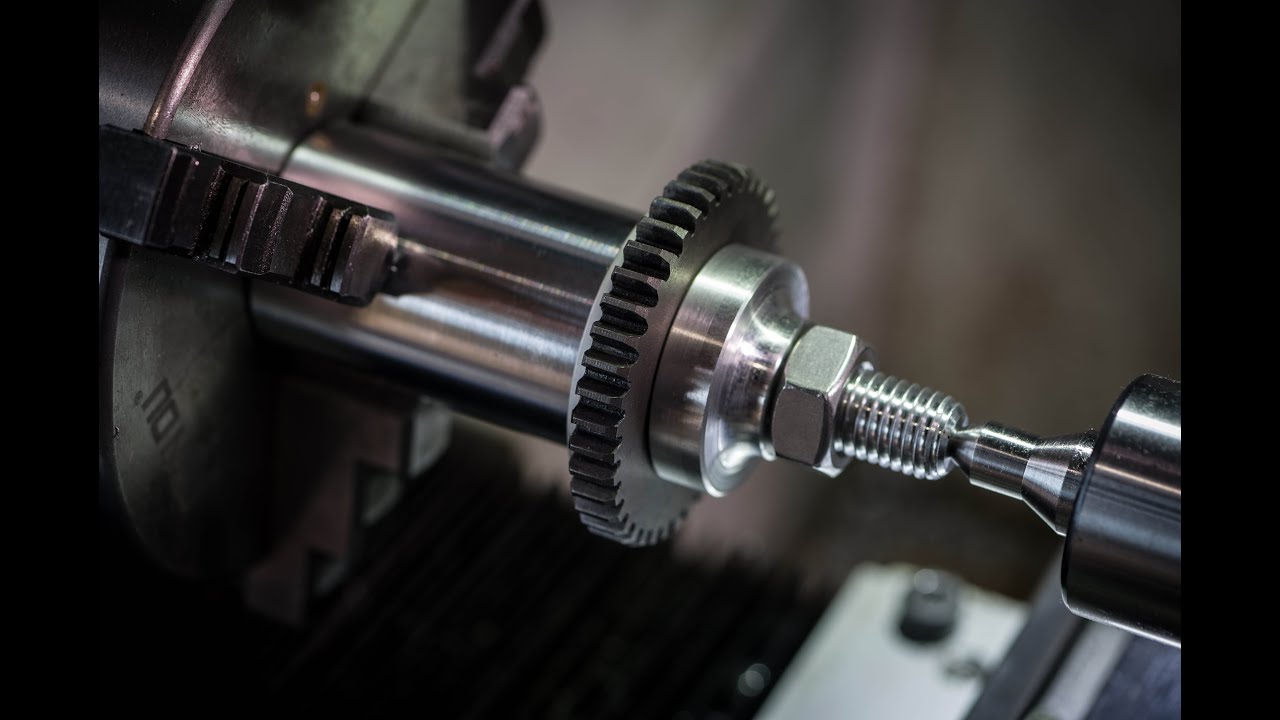
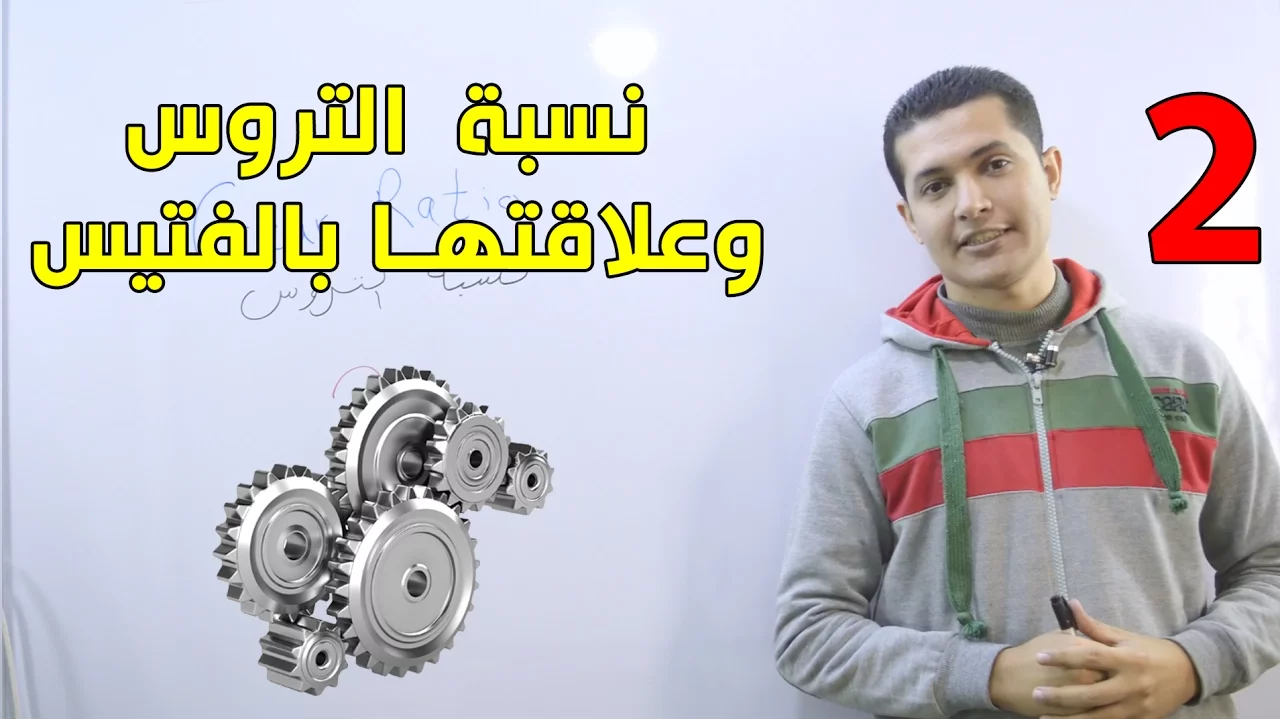
Fundamentals of Gear Theory: Comprehending gear ratios, speed-reduction/torque-multiplication principles, and basic gear terminology (e.g., module, pitch, and meshing).
Introduction to 3D Printing Materials: Awareness of different filament types (PLA, PETG, ABS, Nylon) and how print settings like infill density and shell thickness affect mechanical strength.
Basic Physics of Rotational Mechanics: Understanding torque ($T = F \times r$), work, and mechanical advantage in physical systems.
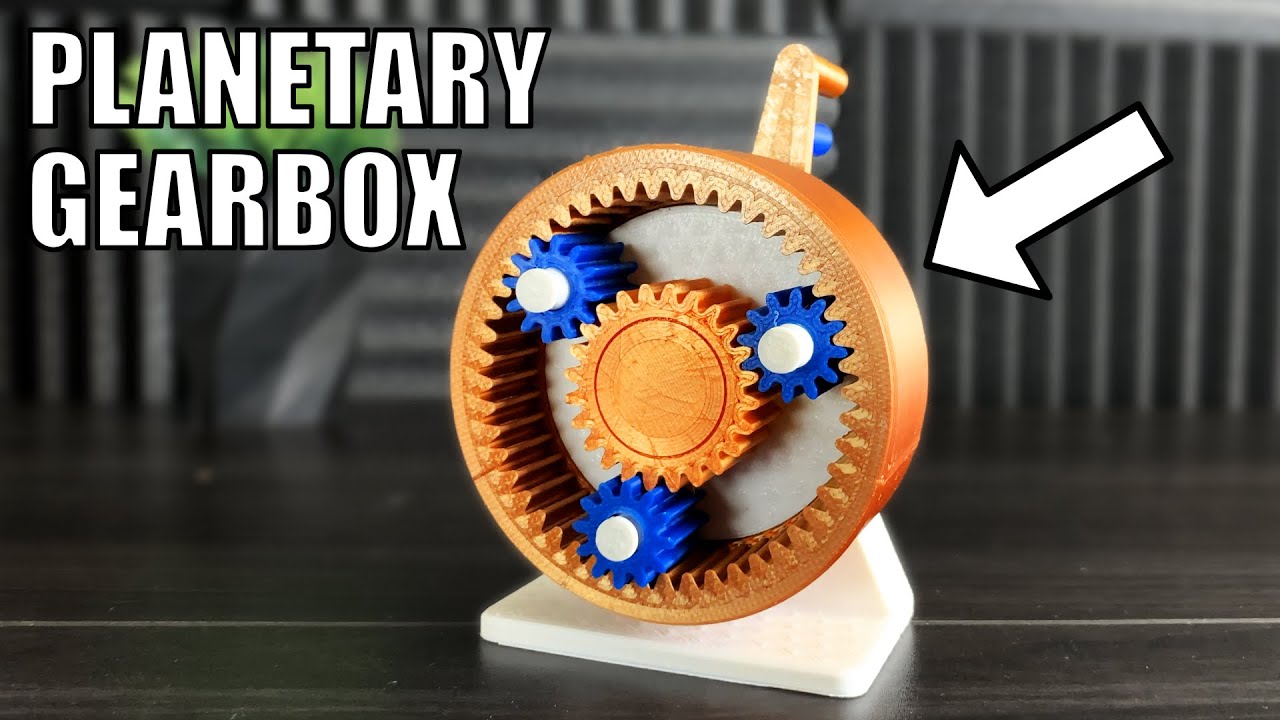
Planetary Gearbox Design: Exploring compact, high-torque-density epicyclic gear train configurations for more advanced robotics applications.
Advanced Material Selection for High-Stress Parts: Investigating carbon fiber-reinforced filaments, CNC milling, or metal 3D printing to improve gear durability under extreme loads.
Backlash and Tolerance Optimization: Learning how to calculate and design precise tolerances to minimize backlash and friction in custom gear assemblies.
Thermal Management and Lubrication: Studying the effects of heat dissipation on plastic gears under continuous load and selecting appropriate non-degrading lubricants.
Closed-Loop Motor Control: Integrating encoders and microcontrollers (e.g., Arduino) with the geared motor to achieve precise position and speed feedback.
82.6K views1.8Klikes9:22Original Release: 2020-04-18
Powerful 3D printer gearbox for heavy loads. Stay tuned.
[Music] Start with connecting engine to the main body. Simply push this to the place. And if you want you can use 4 mm bolts.
Now it's time to install input gear.
Connect this to the motor.
F feet have to be really tight. So use force to get gear in place.
[Music] If the input gear is in place, it's time to next one.
[Music] Push 4 mm rod through the gear and then connect bearings to the both sides and bearing push into the hole and gear is in place. Before we continue, check that gears are moving freely.
[Music] Now install the top side bearing.
Install the cover and first floor is complete.
Secure this with 3 mm bolts. Those bolts what you see right now is way too short.
I changed them later when I noticed that something is really wrong.
It's time to install third gear.
Again, install bearings to the both sides and fit gear to the place.
[Music] Before [Music] we close the second floor, check everything is moving as it should.
[Music] And now I understand that the bolts are too short. I changed them off camera.
[Music] And finally, let's install output gear.
Before we continue, I want to let you know that I also have video where I show four different ways how to connect gears to the rotating shaft. And also right now I am using one way what I show in this video. I show there how to attach gears step by step and also every different way pros and cons. Video link is in the description down below. Check it out and let's continue with the wheel this way. What I use right now is pulled through the hole. Simply this mean that output shaft and gear have one hole through them.
Screw the bolt through the hole and gear is connected with shaft.
[Music] If gear is connected to the shaft, it's time to install this to the gearbox and close the cover.
Again, push bearings to the hole and check is everything working fine.
Put the excess off from the third gear and the gearbox is ready.
Now let's connect wires. I am using speed controller but you don't need to.
You can use just simple switch or take power directly from the battery.
And now it's time for first test.
and the gearbox is working perfectly.
But let's see how powerful this gearbox is.
Here is my simple setup what I made to test this gearbox power. I 3D print the two mounts what I screw to the wood and between the two mounts I drilled the hole and with rope is connected one bucket where I put weight in I use bottles what is filled with water every bottle is 1.5 liter so one bottle weigh 1.5 kg Thanks.
[Music] [Music] Well, 3 kg was way too easy. I add more few bottles.
I add more tube bottles.
Well, this was piece of cake. Now I tried something much more heavier.
Then I hear one click and gearbox was not turning anymore. But the tire is in air. So this did lift this up.
But I didn't give up.
I take a bit more power for battery and I reconnect the drop a bit better.
Well, this time my speed controller starts smoking. But I continue with the test and like we see the diary is in air. So this did lift this up again and I can say that this test was also success.
I am sure that this setup is much more capable of this motor is 12 to 24 volts but I'm using right now only 12 volts so I can increase twice of the power but anyway I am really happy with the gearbox because this was totally success.
So if you did like this video please support this channel and hit the subscribe button. Also comment down below what you want to see next. But right now, bye.
Up Next
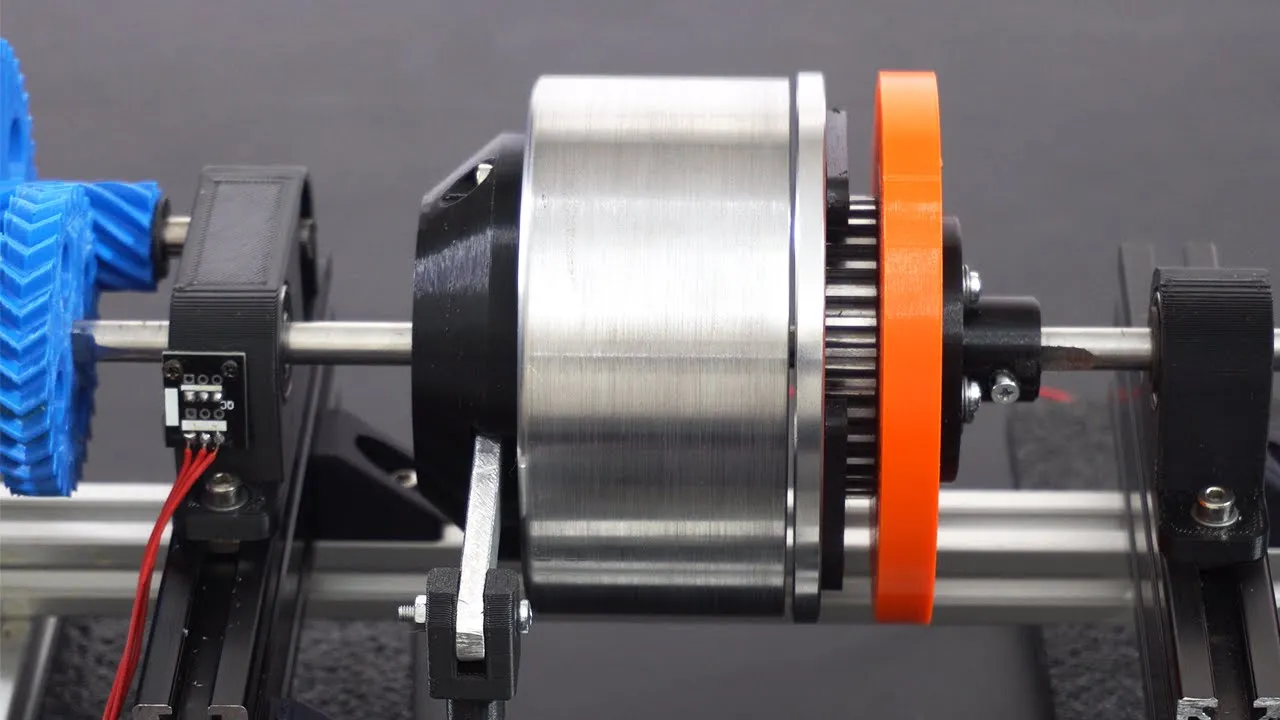
16:39
Measuring Magnetic Gearbox Efficiency: Test Rig & Electromagnetic Brake Build
@retsetman9698
48K views•2023-06-26

30:32
Ultrasonic Transducers: Resonant Frequency Measurement and Horn Design
@imajeenyus42
229.9K views•2017-02-22

54:16
Polymer Environmental Degradation: Mechanisms & Stabilization
@iit
1.8K views•2012-07-10

33:39
How a Student's Question Saved a NYC Skyscraper from Collapse
@veritasium
22.8M views•2025-04-26
Related Study Plans & Knowledge Roadmaps
Structured learning paths in Engineering
engineering
Building Acoustic Levitators: Physics & Arduino
01The Physics of Sound and Standing Waves
02Piezoelectric Transducers and H-Bridge Drivers
03Arduino Programming: Generating 40 kHz Signals
+ 2 more learning modules
14h5 modules
Explore Roadmap
engineering
Building Peltier Cloud Chambers: Particle Tracks
01Cosmic Rays & Cloud Chamber Physics
02Thermoelectric Cooling (TEC) Fundamentals
03Custom Liquid-Cooling Loop Design
+ 2 more learning modules
18h5 modules
Explore Roadmap
engineering
Yagi-Uda Antennas: Modeling, Build & VNA Test
01Introduction to RF and Antenna Fundamentals
02Yagi-Uda Antenna Design Principles
03Antenna Modeling and Simulation in 4NEC2
+ 2 more learning modules
18h5 modules
Explore Roadmap
engineering
ECG Monitor Design: Op-Amps, Filters & Noise
01Electronics & Breadboard Basics
02Op-Amps and Instrumentation Amplifiers
03Bioelectricity and ECG Fundamentals
+ 2 more learning modules
18h5 modules
Explore Roadmap