


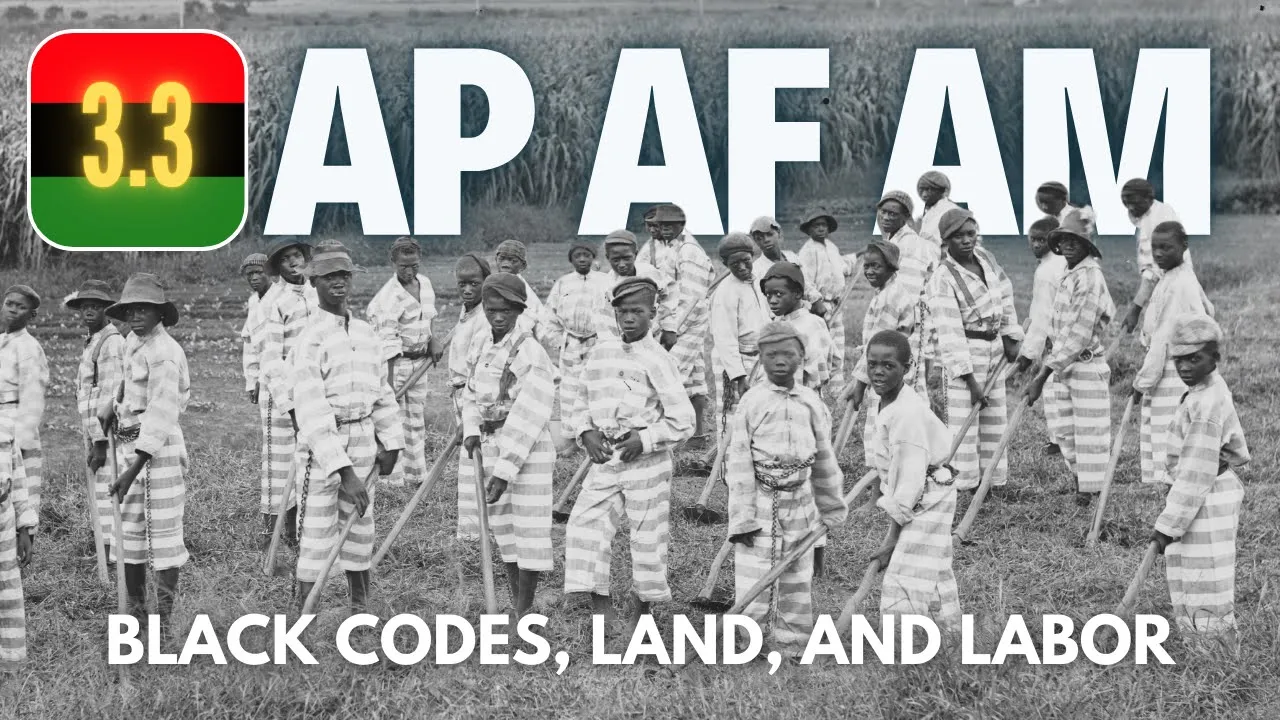
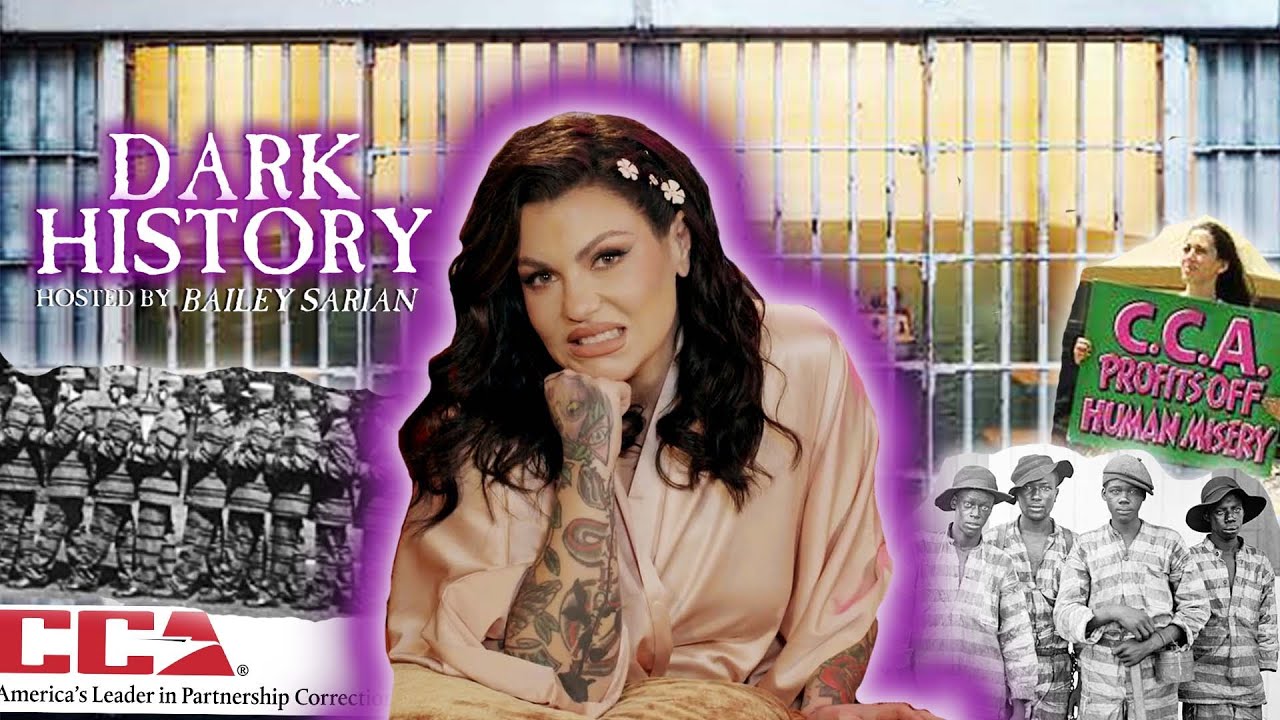
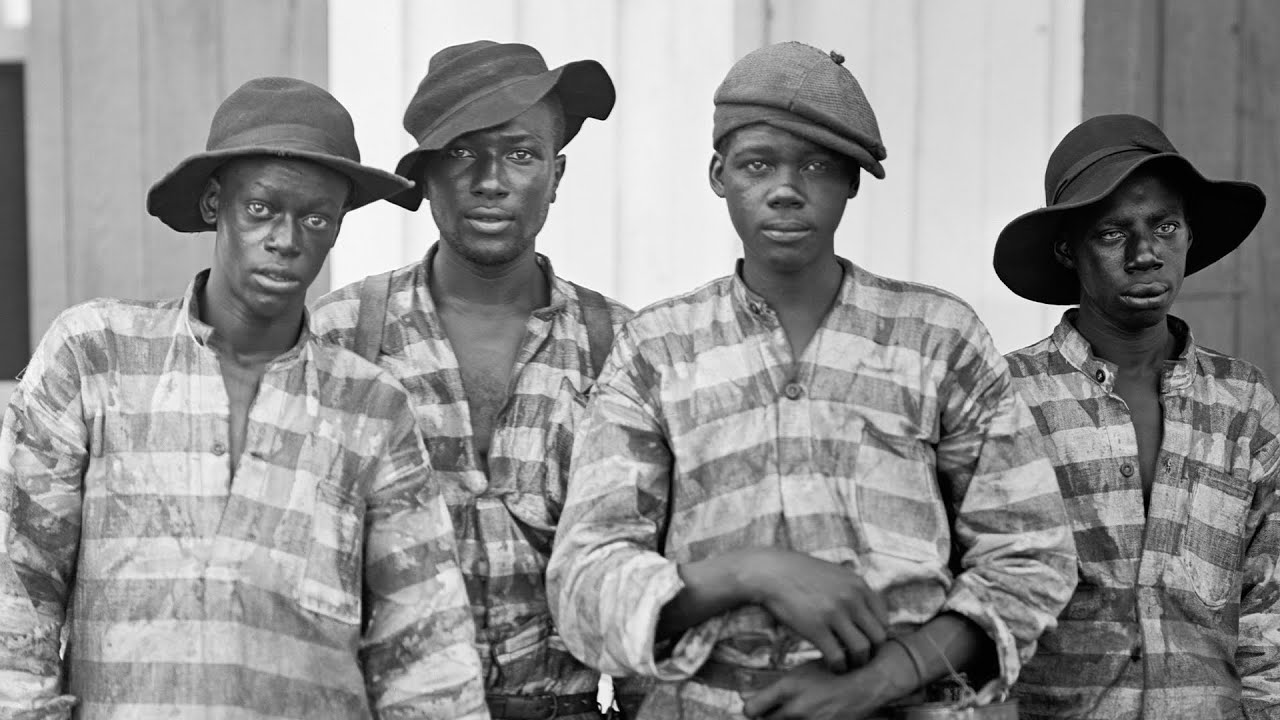





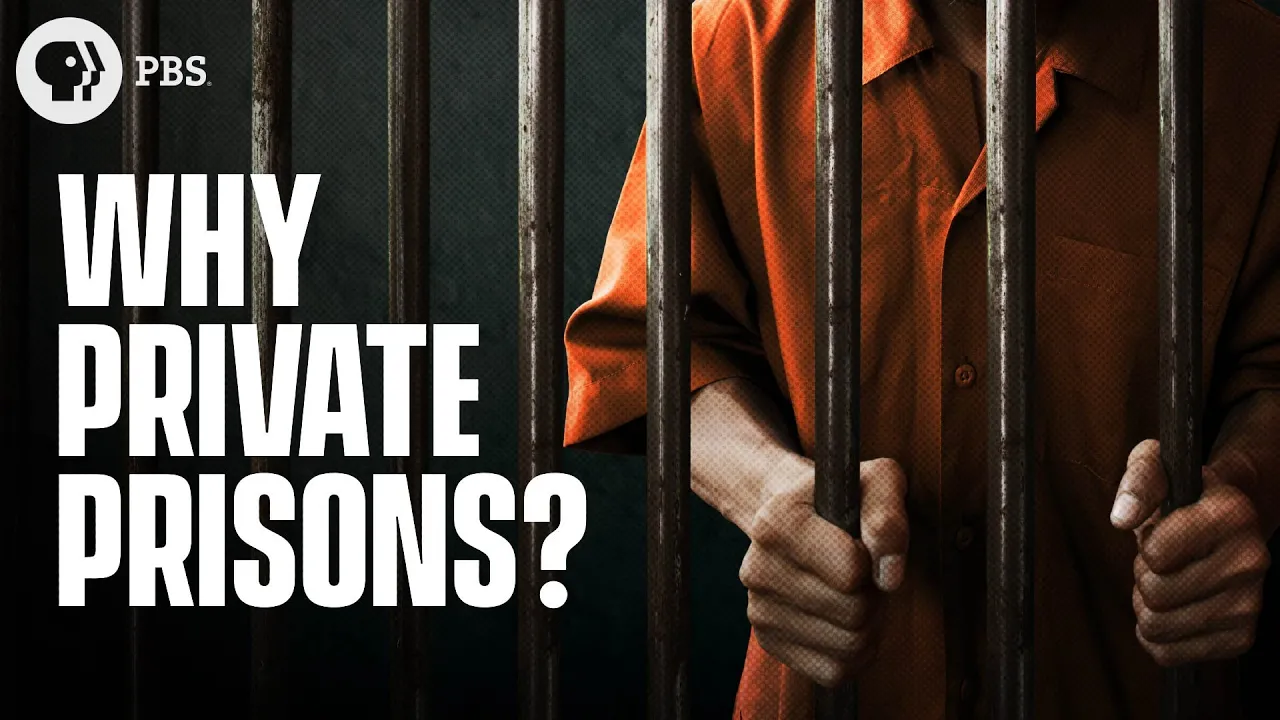





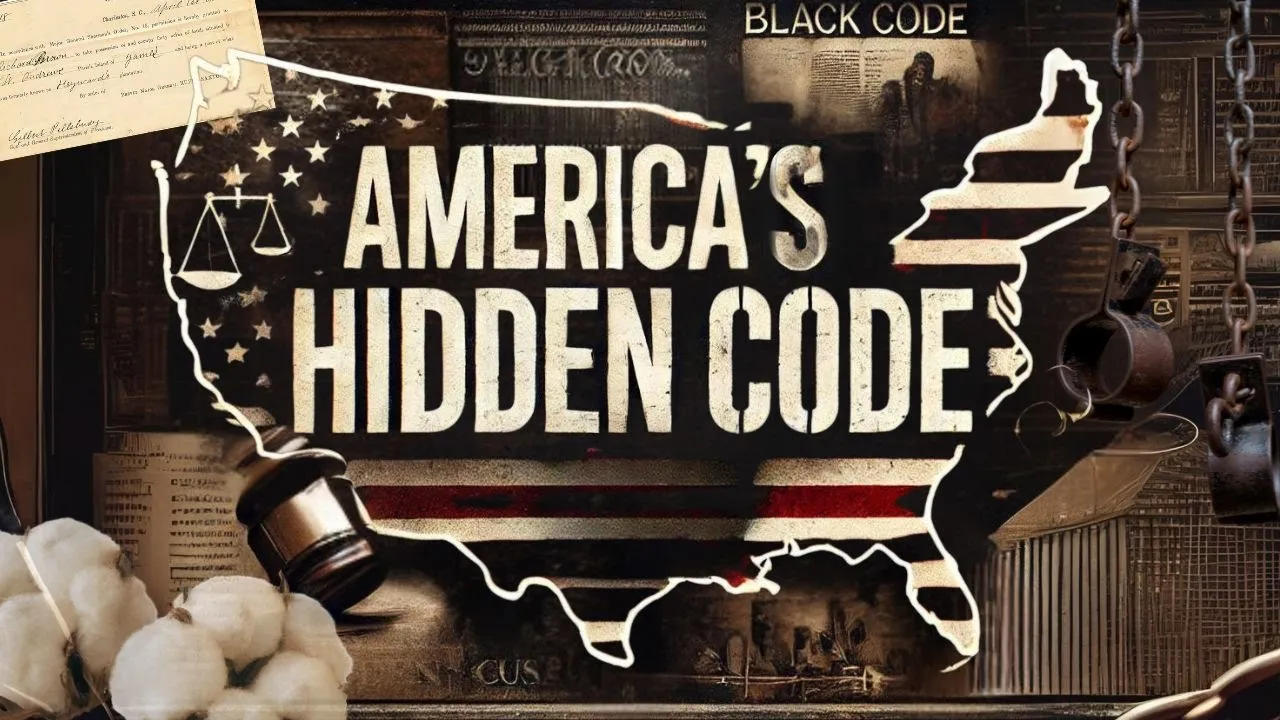
The convict lease system, which operated from 1878 to 1928, was a post-Reconstruction practice where Southern states leased Black prisoners to plantation owners and private companies for labor, exploiting a loophole in the 13th Amendment that allowed slavery for prisoners. This system, which generated significant revenue for states (some deriving up to 78% of annual revenue from it), subjected Black prisoners to conditions harsher than slavery, including forced labor, inadequate food, and physical abuse. The system demonstrates how legal mechanisms can perpetuate racial oppression across generations, with modern parallels in mass incarceration and prison labor practices that continue to disproportionately affect Black communities.
Texas Convict Lease Program: Mass Grave Reveals Over 95 Inmates
Added:Understanding the 13th Amendment to the U.S. Constitution, specifically its loophole allowing involuntary servitude as a punishment for a crime.
Historical context of the post-Civil War Reconstruction Era and the implementation of 'Black Codes' designed to criminalize and control newly freed African Americans.
The basic economic definition of the Convict Leasing System, where states leased prison labor to private contractors, corporations, and plantations to generate state revenue.
The social and economic landscape of the Jim Crow South, characterized by racial segregation, disenfranchisement, and the exploitation of labor.
An analysis of the modern prison-industrial complex and the ongoing legal and ethical debates surrounding modern prison labor in the United States.
An introduction to Forensic Anthropology and Bioarchaeology, exploring how skeletal remains are analyzed to reconstruct the lived experiences, diets, and traumas of historical populations.
The study of public history, ethics, and memorialization, specifically looking at how communities decide to honor, exhume, or build over historical mass graves and sites of trauma.
Comparative analysis of how other Southern states utilized convict leasing and the long-term impact on state-level infrastructure and corporate wealth.
416.5K views13.2Klikes14:52Original Release: 2018-07-19
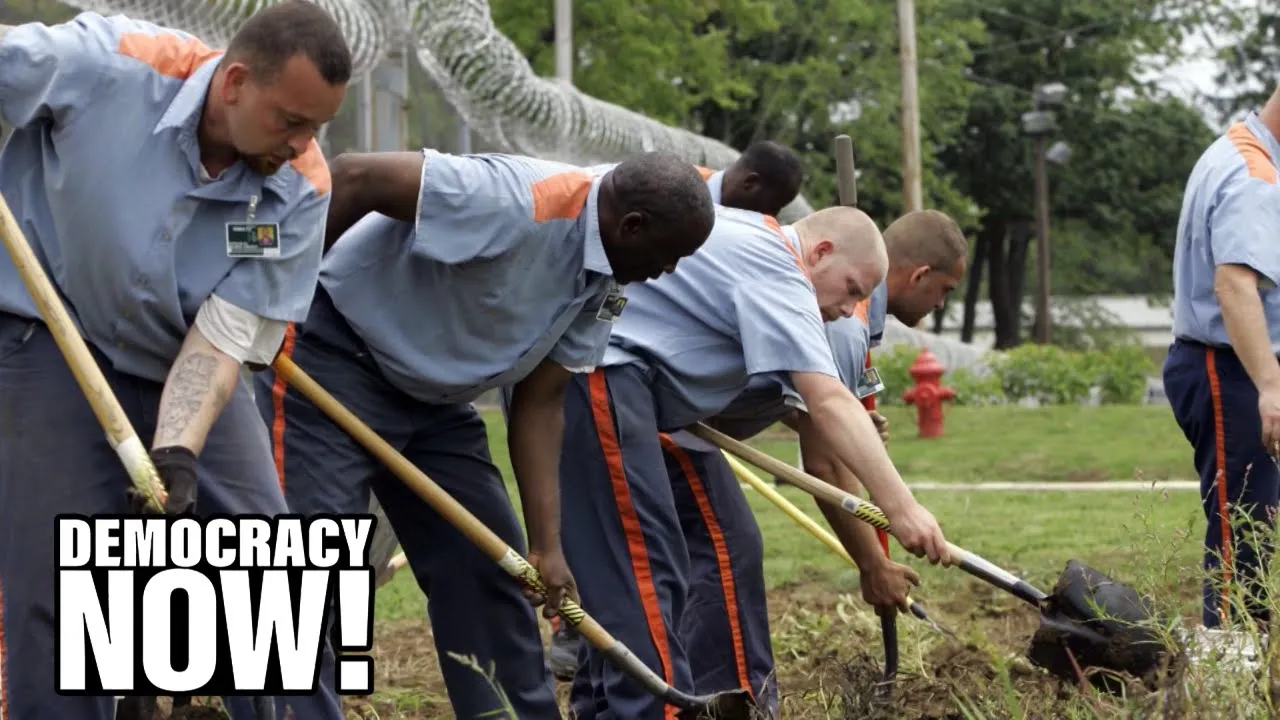
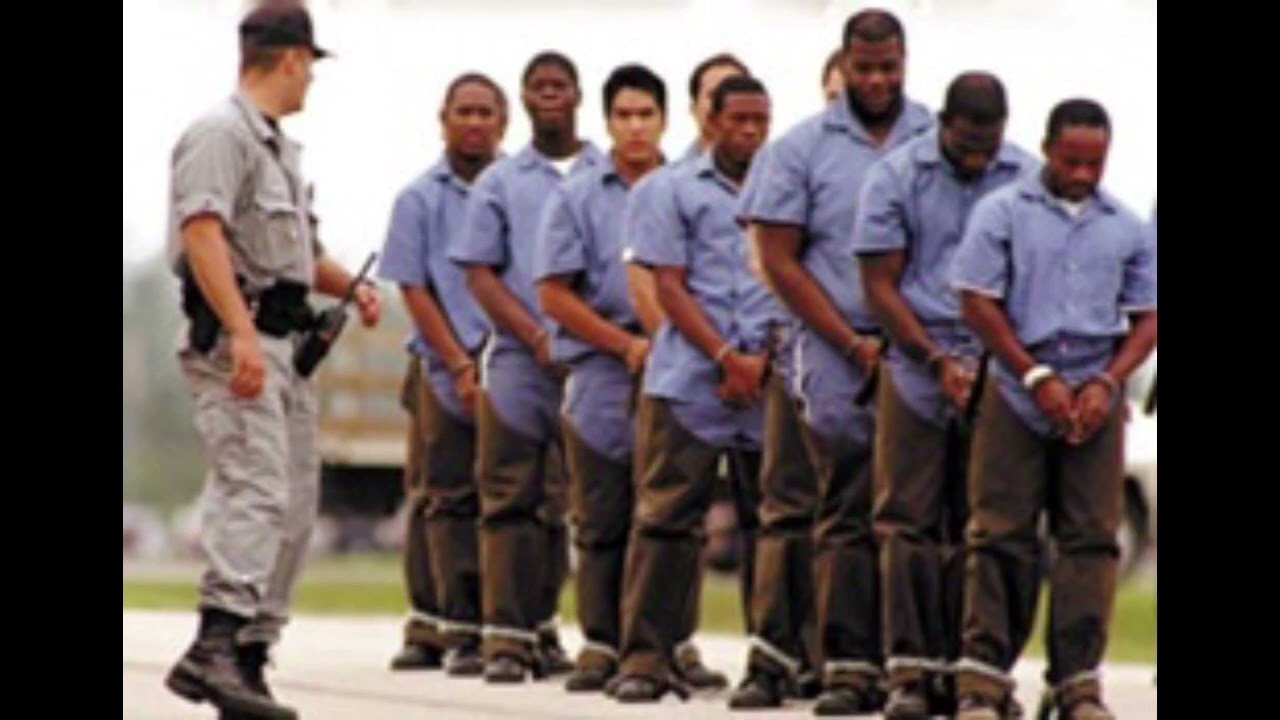
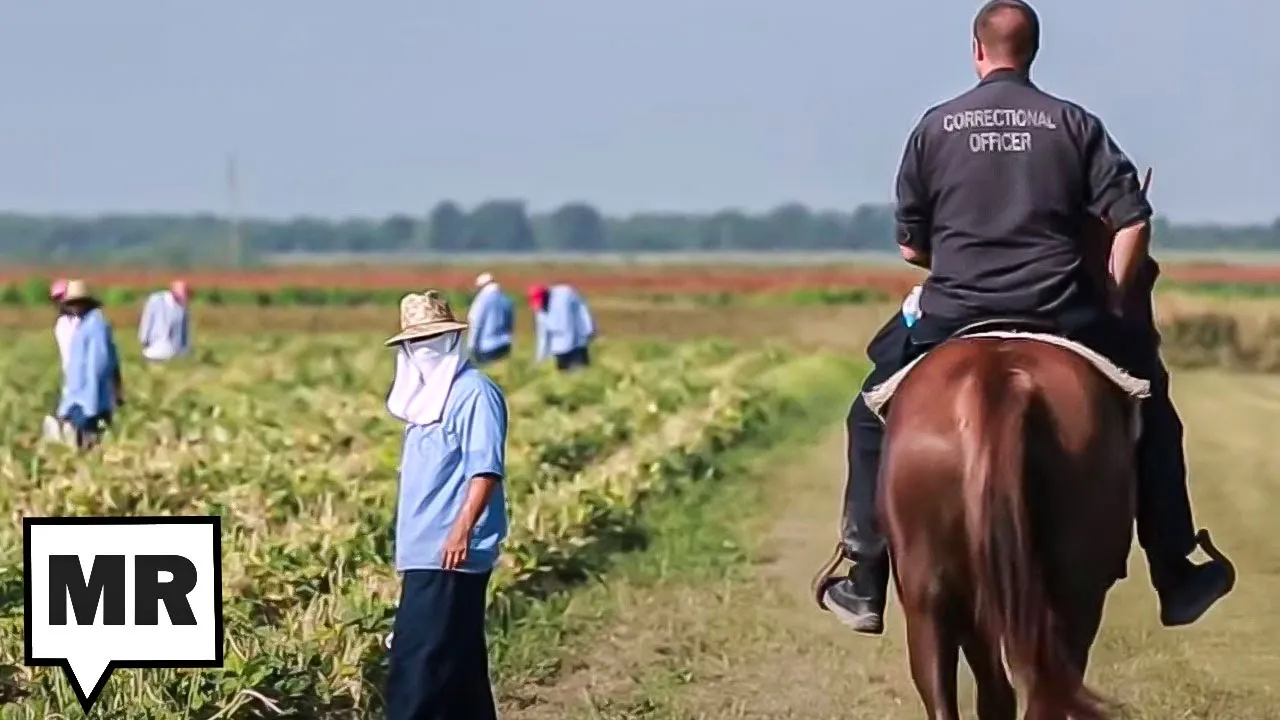
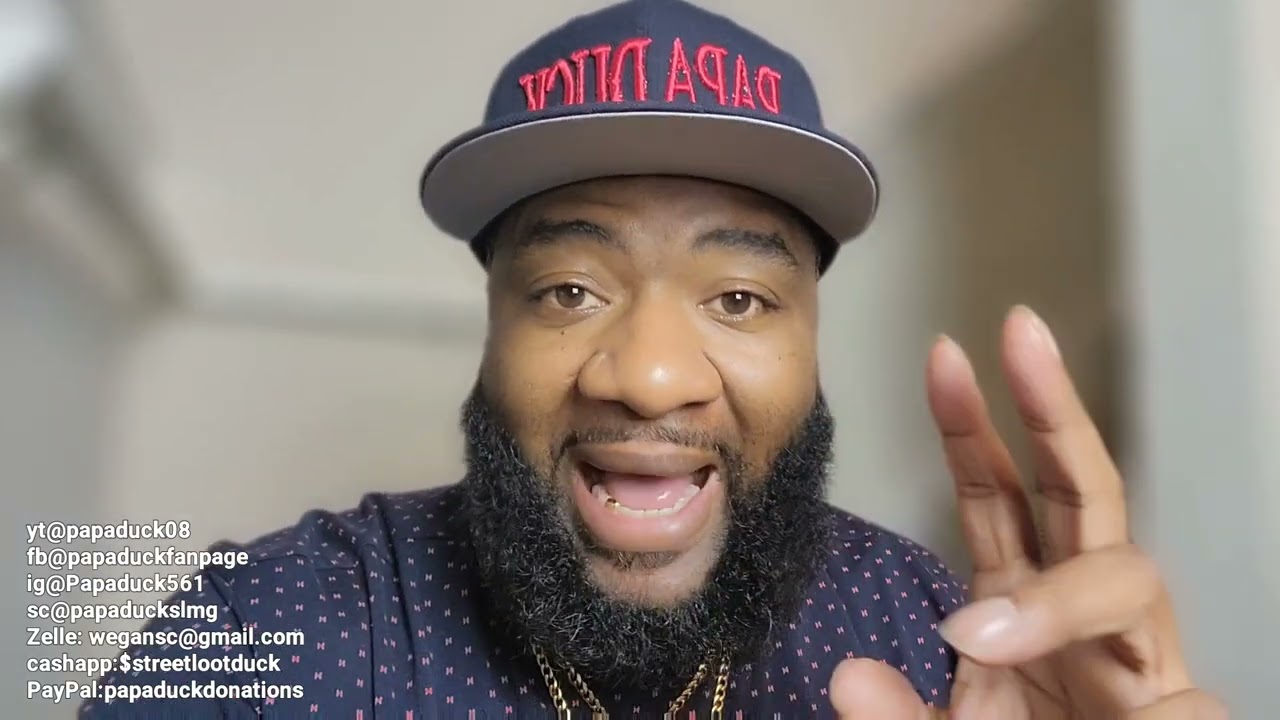
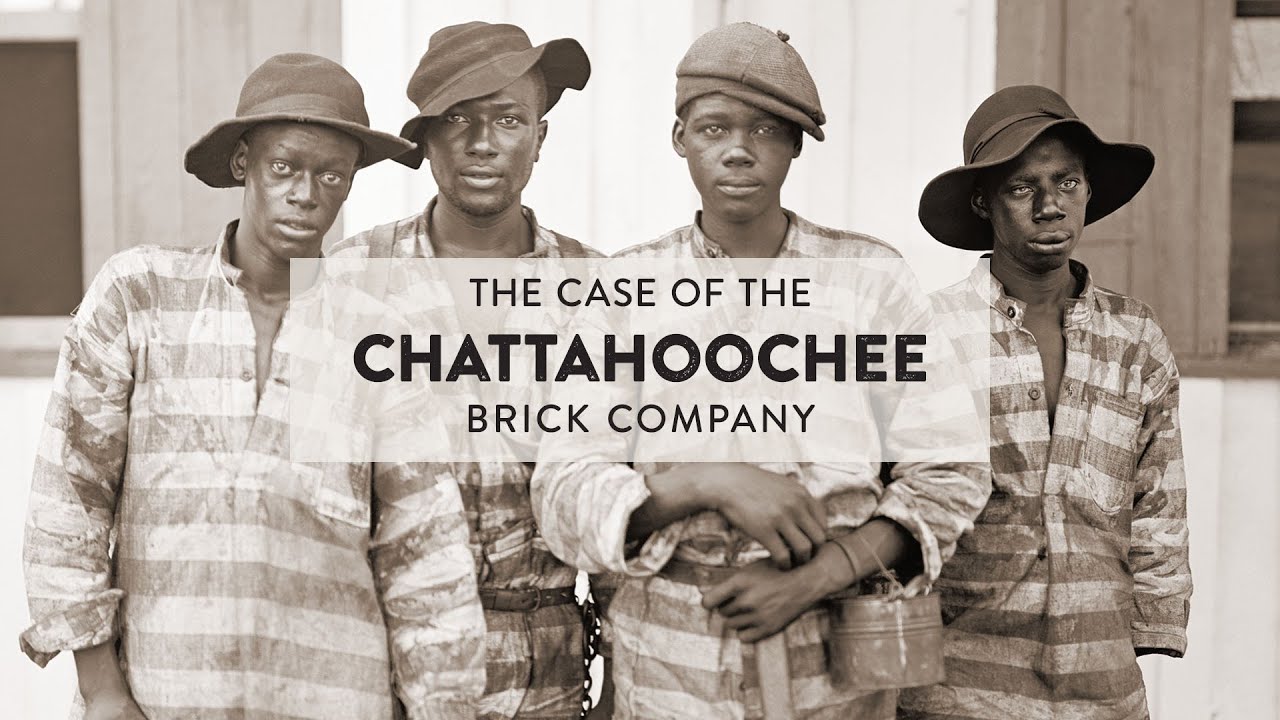
[Music] so the fort bend isd which is a school district not too far outside of the houston area wanted to build a new facility and when they was excavating they started to find bones of black prisoners back in the 1910s and 20s era now i want you to hear the particular news story but we're going to get into why they were there up close look at this unmarked graveyard it's going to change texas history experts aren't even close to analyzing all of the remains young students allowed to study the site are amazed it's mind-blowing 95 sets of remains found at the site where fort bend isd is building its new technical center so far 48 remains have been exhumed 20 of those forensically analyzed it is still unclear how they died we could have had yellow fever running through or any other kinds of diseases dr katrina whiteley says the remains she studied were all male except one female all of them african-american it's believed they were prison inmates leased by the state to plantation owners after the emancipation we're looking at what are called musculoskeletal stress markers and when you do heavy labor and you do heavy labor over and over and over again it actually changes the bone it's believed the burials here were between 1878 and 1910 artifacts have also been found including chains some of them have swivels on them that were more than likely utilized in chain gangs crews digging a trench came across the first set of bones back in april fort bend isd immediately halted construction i feel like this historic cemetery really opens a broader perspective on the prison system points in history that deeply disturbed local historian reginald moore who had warned the district it might find unmarked graves of black prisoners moore wants them buried nearby at the old imperial farm cemetery which he oversees we're trying to make sure that we go forward in a positive way as far as getting them memorialized get a museum put together so we can give recognition it's possible at one time the cemetery was marked with wooden markers that have since decayed now a chance to tell the story of those who lived and died here now one thing that the guy stated in the news clip was that this changes texas history no it doesn't change texas history at all this is the history of the united states not just texas but let's talk about why they were there now after slavery after the civil war you start having the reconstruction era now you have to remember all the labor in the united states of america was done by black men and black women these white folks didn't do a thing anything they had to do with building farming sowing cooking anything that you could think of black people did it period so after slavery was over with you remember the 13th amendment now the 13th amendment says that slavery shouldn't be in the united states is not legal anymore private slavery but there's a clause in the 13th amendment and most of your politicians won't even touch the 13th amendment it says that is slavery is okay if they are prisoners okay so now after slavery they had the 13th amendment the southern states said well hey we can still have our slaves back all we have to do is put them in prison and they can be slaves again and so all of them got all on code together to try to start putting black people in prison so they came up with something called the black codes and these black codes were to restrict free movement of black people now they used a lot of vagrancy laws to start hurling all the black people in jail now vagrancy is basically anywhere you're going you don't have a destination you don't have employment you may not have a home remember a lot of black people just kicked off the plantation that's all they knew so they had to go find places and build places for themselves which they did do over 200 black towns that they built with their own hands with no help of the colonizer so they was using their police once again to herd up black people men women and children but mostly black boys and black men to put them in prison now as they are in prison all these southern states and even some of the northern states wanted to use their prison labor so they had the convict lease program so you have plantation owners and private companies go to the state and say hey i need about um a hundred of them to come work for me and they pay the state money and then they give them the prisoners now most of the rules were that the company or the plantation had to feed them they had to clothe them give them a place to sleep that's what they had to do and then they're supposed to give them one day off a week that was the original rules but on these plantations and these company um convict lease program the conditions was actually more harsh than it was during slavery so you saw the chains they found and all the more horrible things that they did to these people boys and men so on this particular plot that you seen here in the piece the ages that the archaeologist stated the bones range was from 14 years old to set all the bones that they found is also one sister that was out there as well now modern uh science is real good about pointing things out nowadays so just imagine that those brothers and one sister 14 to 70 was forced to work in the texas heat all day and for nothing because the 13th amendment stated they can still be slaves as long as they're prisoners and as time went along more and more black people were hurled into jail like today so they continue to be slaves like today nothing has changed with these people that's why i the things that i say about the white supremacists and when i say they are the devil that the bible describes and they are the children of the devil i say that because it's biblically true but i say that because i see the things in history and even what happens today nothing has changed nothing in relation to us and what they have done to us back then and even now they working them all day long locking them up for nothing they didn't do any crimes just locking them up just because now let me show you a picture here the first picture as you can see these brothers this is actually out of florida out here working for nothing locked up for nothing now with the convict lease program it wasn't like slavery were used working to the end of your life if they let you go to let you go for whatever the reason but that's horrible the same thing like prison right today doing the exact same thing the next picture is black children you see that you see how they target black children think about today they're still targeting black children a black child sell water you call the police hoping you can get that child murdered or arrested a black child is cutting grass you calling the police hopefully you can get that child murdered or arrested nothing has changed from that time period to now nothing they have continued the same systems that they practiced back then to now they just have refined them a lot more they have played an okie doking black people after integration to make you think you'd made it and you got a few token negro positions you even had a token negro president and what happened to that did you benefit from that no everybody you watched everybody else benefit from him well we didn't benefit anything from him this is why he had no respect in africa he sat up there and and killed moammar gaddafi signed off on it and look at what's happening in libya barack obama is the cause of black people being enslaved in libya right now it's him then he got his nerves to go step his foot into kenya and his nerve to go step his foot into uh south africa and giving a speech trying to talk about trump say whatever you want to say about trump yeah trump got his ways that's for sure but trump ain't set up there and it was the cause of black people being a slave in libya he wasn't that is the truth that so-called black president did that it wasn't him but when i'm looking at all this it's good that this coming up and you know they they say that god works in mysterious ways and he do he allowed that to happen so this can be talked about so the convict lease program could be something that we could be discussing now so you can look more into it and i want you to look into it yourselves read all the states that was involved with it read how much revenue that was making some states was making almost 78 percent of their revenue for the year coming off of the black children and black men in this convict lease program and states outlawed it as late as 1928 pure laziness lazy lazy when these people come to the comments section when you say we built america because it's the truth and we can back that up with plenty evidence and i laugh when they try to say you you boxing bill anything show me when you build something you didn't do nothing nothing you had to enslave black people constantly to keep them working for you if it wasn't slavery it was the con big lease program it moved from the convict lease program to sharecropping it's all the same systems black people got nothing out the deal but you got all the labor out of it that's the deal with that when we had all these black farmers in the us by what about over a million in the 20s i know a lot of black folks where i got to say you know i don't want a food with no labor in a farm or whatever because man every time i look up at a farm i'm thinking about slavery that's why we got farmers now but this is the history of this country ladies and gentlemen and also you who watching throughout the world this is america and they still practice it to this day all the black men is locked up in prison now most of the black men locked up are locked up for non-violent offenses they get more time for non-violent offenses and they're doing slavery right now and if they don't work they get a disciplinary case and then when they come for their parole they can't go home because they refuse to work in the state of texas prisoners have to work slavery it's nothing has changed all these corporations still getting a benefit from prison slavery behind those walls jobs that should be in the private sector for for people that needed to take it prisoners are doing it and for nothing so this country has never known a day without the slavery of black people [Music] they need us way more than we need them they ain't on the day of this country without black people in it if they want us gone so bad they could have helped marcus garvey get us out of here they stopped marcus garvey for trying to get us out of here every black person to try to tell you know what man let's just get our stuff and just head on to the motherland we will try it out over there oh oh you know what what are you doing that for you don't want to go over there with those mud huts dude man they got uh diseases they got like everything you talking about is right here too you got mud huts right here in the u.s go some in rural areas you'll see mud huts disease lead in the water drugs crime that's that's mud hood the lifestyle right there that you talking about with them over there so much and the reason why they the way they are is because of the colonizer france taking all their money take taking what 400 uh billion uh euros out of 14 african nations and their whole economy is based on africa they can't stand on their own either you can't do nothing without us nothing the day we figure out to cut you off it's a day all y'all drop to a third world status it won't be africa that's gonna be third world when they get their minds and that coming revolution actually happened because it's coming to africa it's coming the population is too young for not to happen and i see it coming i mean it's about time for it to happen over there but this is the history of this country this is what they won't teach you in school brothers and sisters they refuse to they want to teach white folks it's history they just want to indoctrinate but when we say certain things nothing has changed so don't be surprised at certain things they do i'm not even upset too much of what they do i'm also trying to speak to us and get us right so we could change ourselves leave me a comment let me know what you think about this particular story make sure you go study the convict lease program you'll study the black codes you go study what happened during sharecropping jim crow study at all know the history of us here in this country and you will understand a whole lot better in your journey to open your mind to the truth
Up Next

54:01
Exploring Tiwanaku: Stone at the Centre in Bolivia
@huhbub6109
464.1K views•2013-10-20

33:02
The Great Schism of 1054: Causes and Consequences
@SacredCathedrals
113.5K views•2026-02-19
91:57
The Geopolitics of the Ukraine War and the Rise of Global Autocracy
@JordanHarbingerShow
468K views•2025-04-19

17:05
Understanding the Cold War: Superpower Conflicts and the Road to Détente
@OverSimplified
46.1M views•2019-01-24
Related Study Plans & Knowledge Roadmaps
Structured learning paths in History
history
Byzantine Iconoclasm: Theology, Art & Politics
01Foundations of Byzantium and Early Christian Images
02The First Iconoclasm: Leo III and the Crisis of Images
03Empress Irene, Nicaea II, and the Second Iconoclasm
+ 2 more learning modules
9h5 modules
Explore Roadmap
history
Iranian Revolution (Causes, Events & Legacy)
01The Pahlavi Dynasty and the Roots of Discontent
02The Spark of Rebellion and the Rise of Khomeini
031979: The Fall of the Shah and the Climax of the Revolution
+ 2 more learning modules
8h5 modules
Explore Roadmap
history
Mali Empire: Mansa Musa, Trade & Timbuktu
01Foundations of the Mali Empire
02The Trans-Saharan Gold and Salt Trade
03The Reign and Pilgrimage of Mansa Musa
+ 1 more learning modules
6h4 modules
Explore Roadmap
history
1947 Partition: Politics, Borders & Legacies
01Foundations of British India and the Divide
02The Political Negotiations and the Mountbatten Plan
03Drawing the Boundary: The Radcliffe Line
+ 2 more learning modules
8h5 modules
Explore Roadmap