



![[AO VIVO] BANCA DO CAS MG: COMO SE PREPARAR? DICAS E DETALHES - FELIPE SABARÁ](https://i.ytimg.com/vi/Qow5gBDjIp4/hqdefault.jpg?v=59bf18e0)
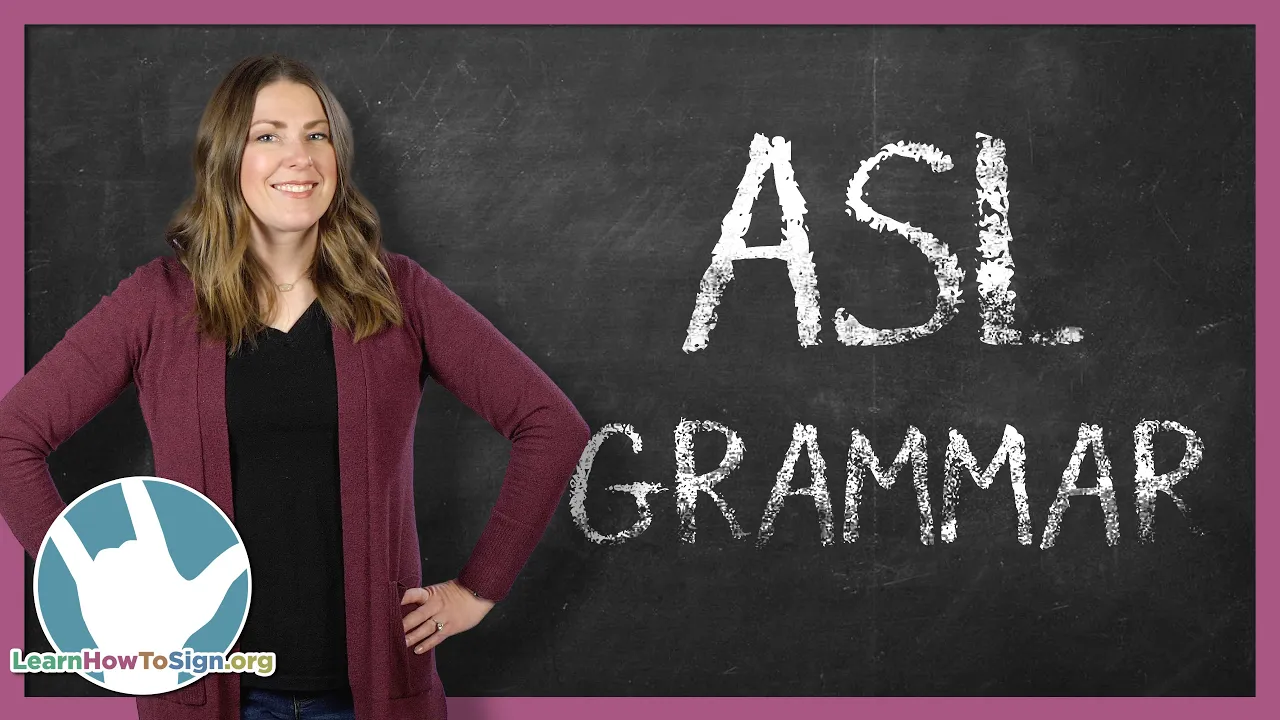

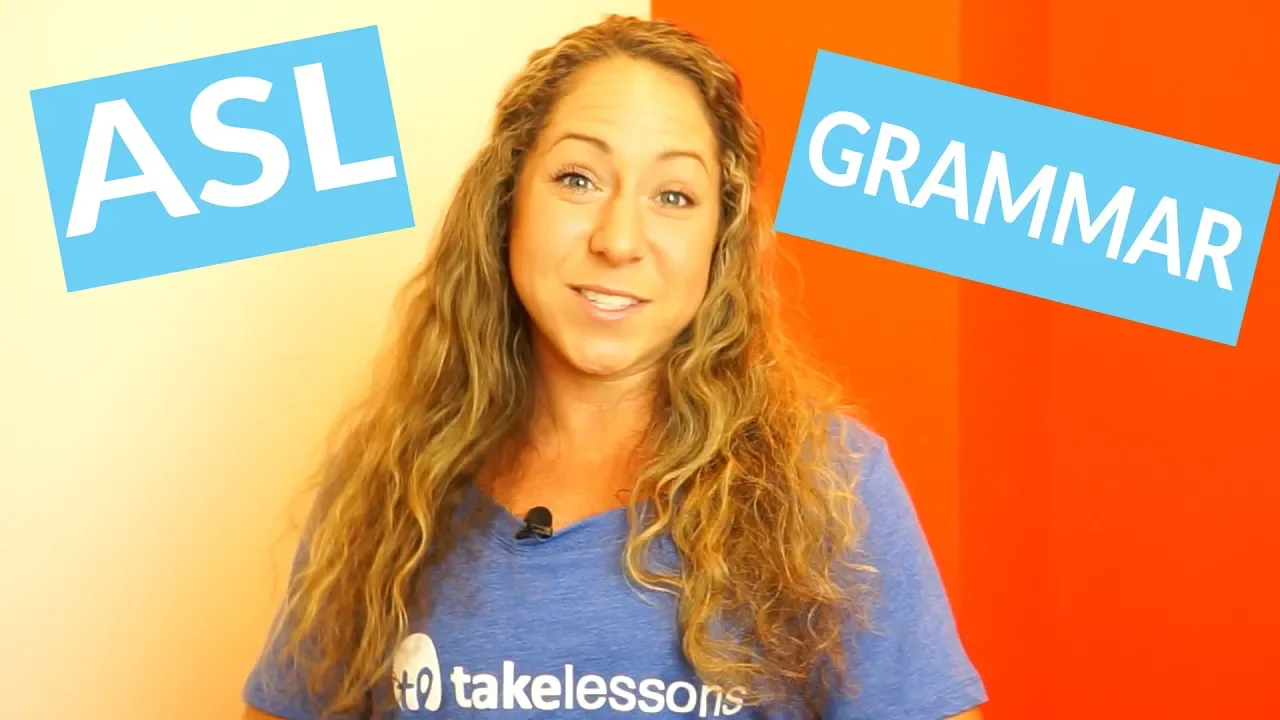



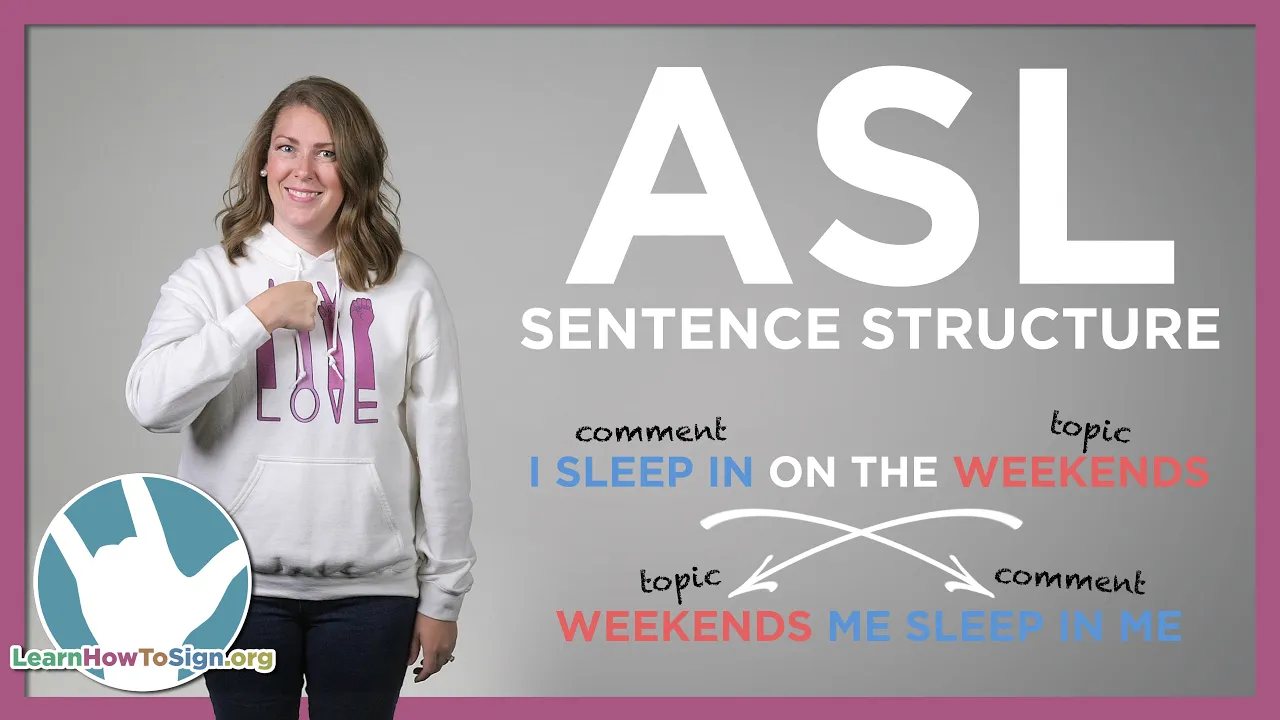
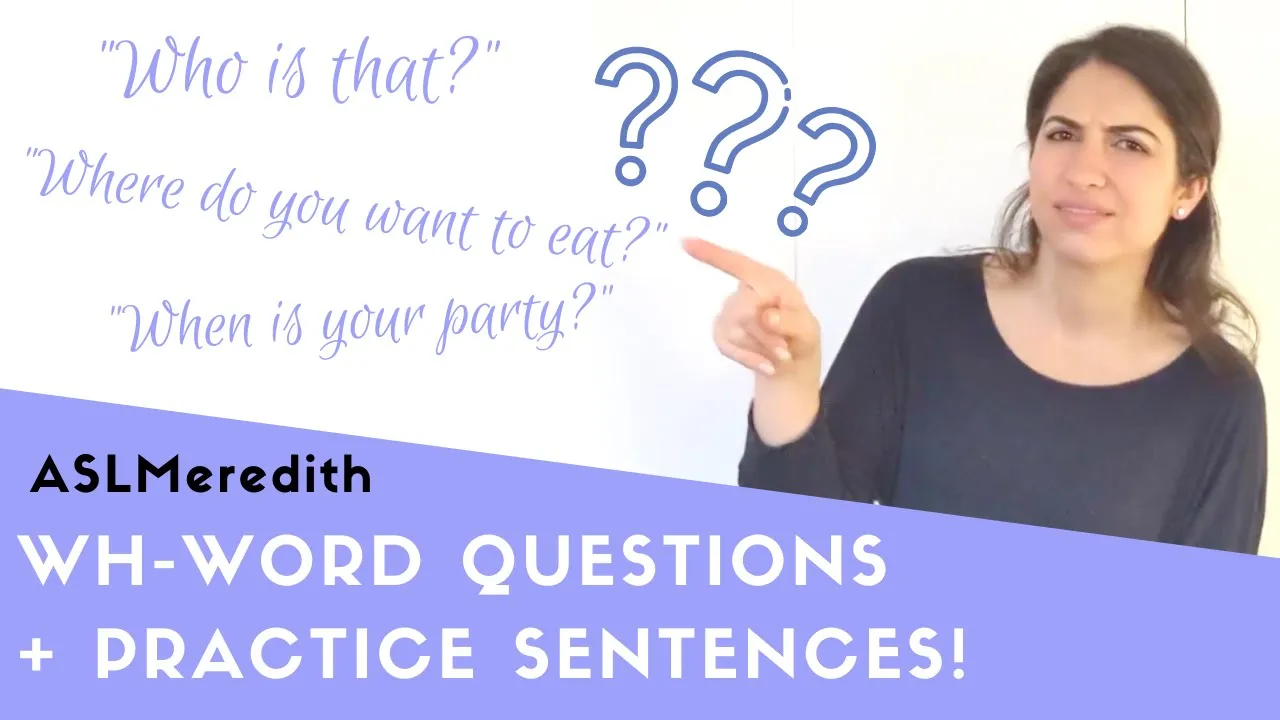

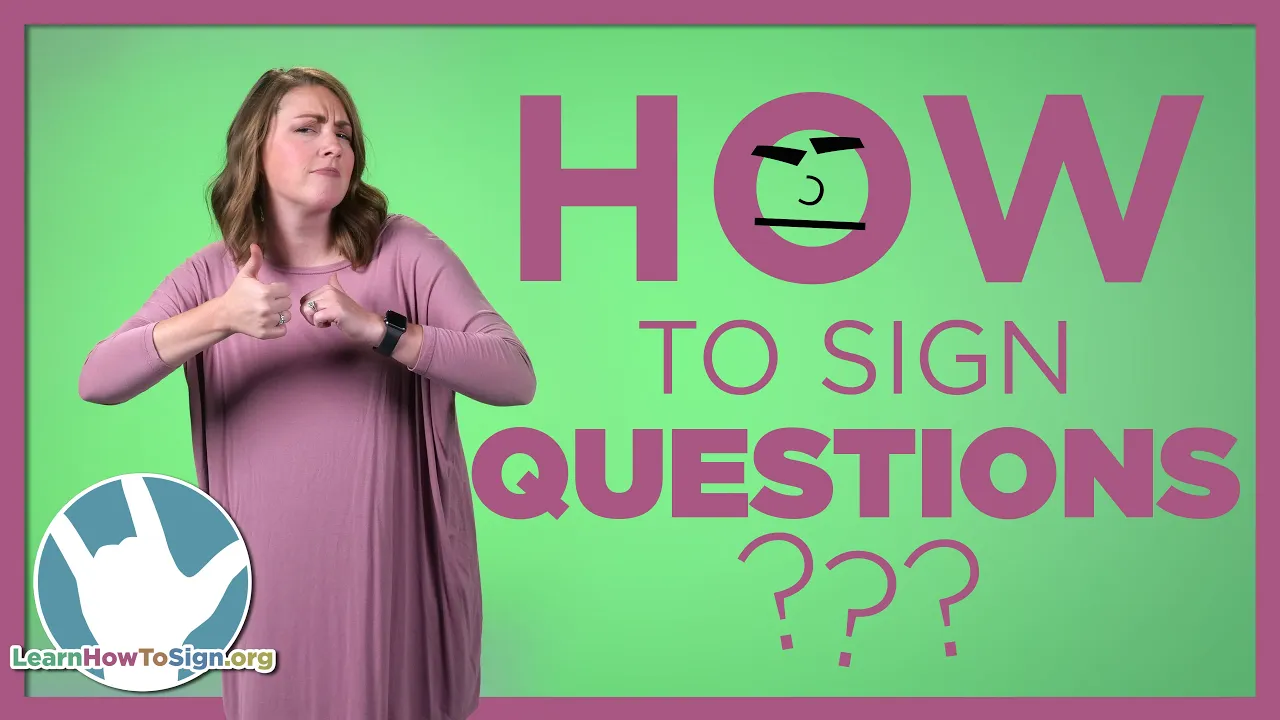


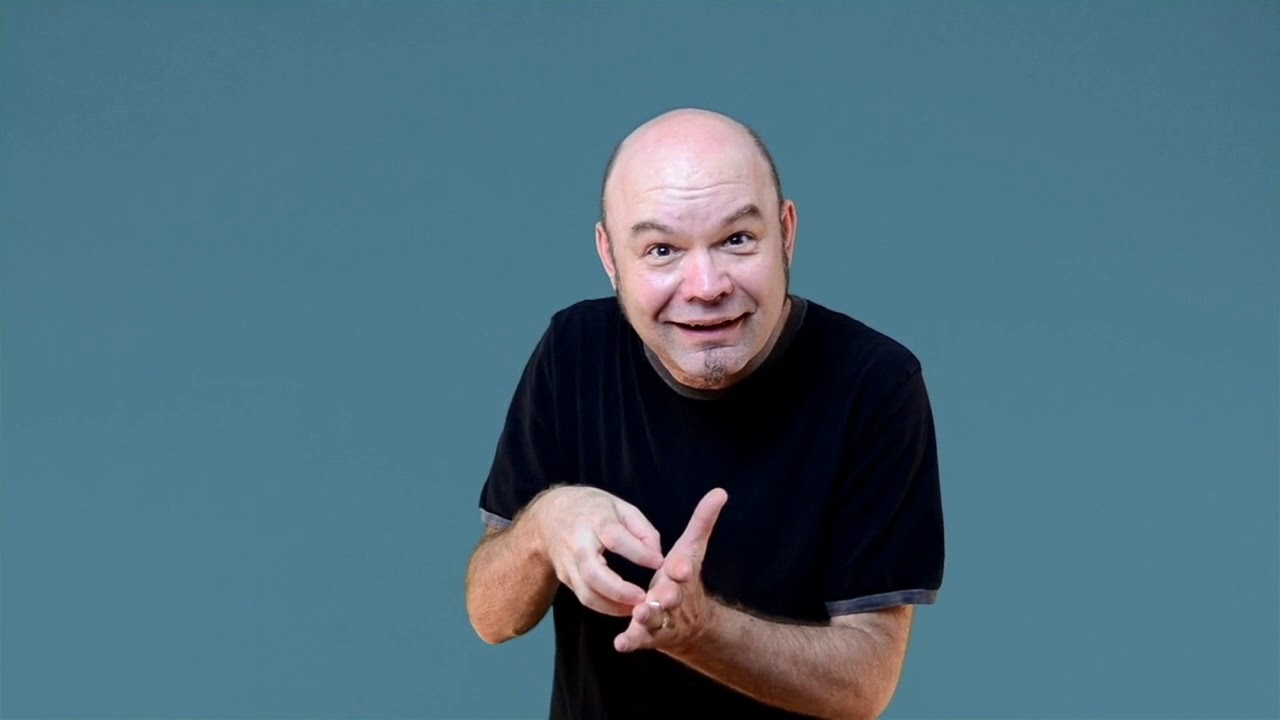

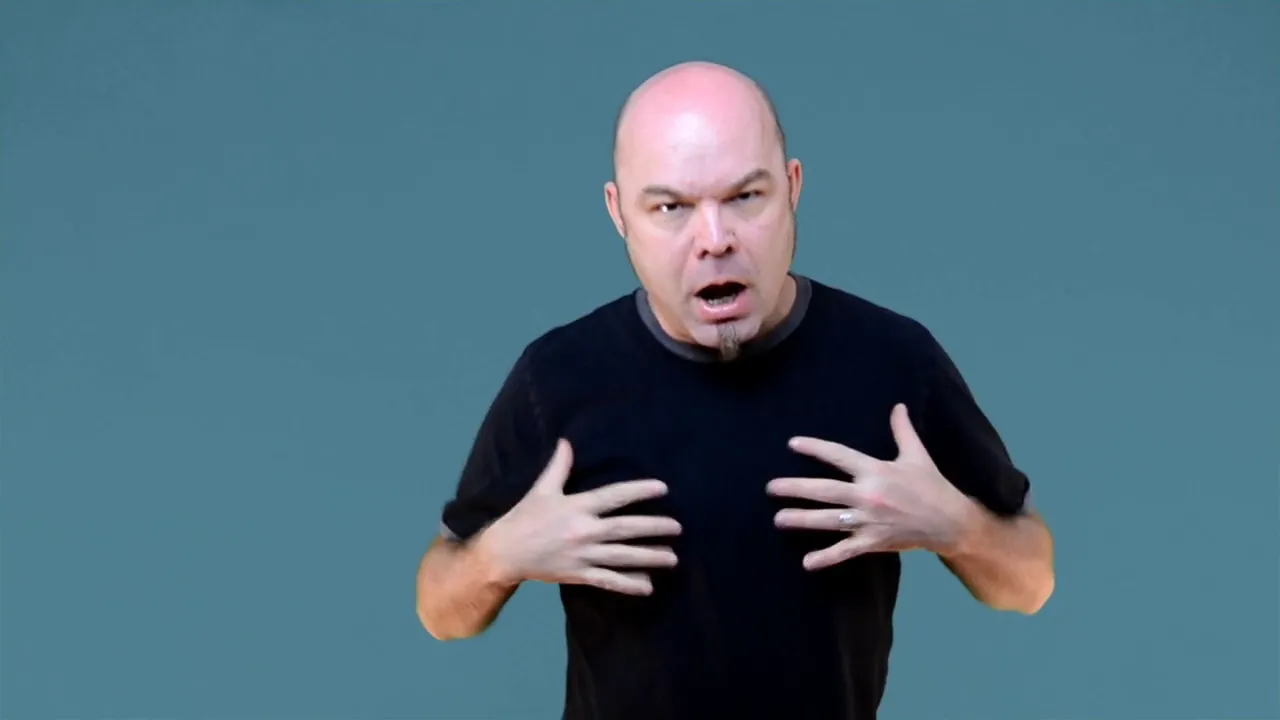




American Sign Language (ASL) is a complete language with its own grammar, distinct from Signed Exact English (SEE), and effective communication requires mastering four key components: facial expressions (which serve as punctuation and emotional indicators), body language, classifiers, and vocabulary. Facial expressions are the most critical element, acting as grammatical markers—such as raising eyebrows for yes/no questions and lowering them for wh-questions—while also conveying emotions and making communication clear and natural.
ASL Grammar Fundamentals: Facial Expressions & Practice Exercises
Added:Basic ASL vocabulary and fingerspelling (the manual alphabet) to allow for smooth execution of signs during practice.
Understanding the five parameters of ASL signs (handshape, location, movement, orientation, and non-manual signals) to contextualize facial expressions.
An introductory awareness of ASL grammar being distinct from English syntax, particularly how meaning is conveyed visually.
The cultural importance of eye contact in the Deaf community, which is essential for receptive and expressive communication.
Applying non-manual markers to specific ASL sentence structures, such as Yes/No questions, Wh-questions, and rhetorical questions.
Mastering conditional sentences in ASL, which heavily rely on eyebrow raising and head tilting to indicate 'if/then' scenarios.
Using role-shifting (body agreement and gaze shifts) to represent multiple characters or perspectives in a narrative.
Developing conversational fluency through real-time practice with native ASL signers to refine the subtlety and timing of facial expressions.
74.1K views1.3Klikes14:53Original Release: 2015-08-31
Hi Guys, many of you are learning sign language for various reasons.
I wanted to tell you a story about a girl who from a very young age, was very driven, very determined to learn sign language. This was, you know, asylum was caught her eye very early and was just something she really wants to do. What she studied and learned all she could. She got dictionaries, read books about people that were deaf, people that were deaf and blind, um, just learned as much as she could and any opportunity that she could.
And she practiced and she practiced and she practiced all the time.
She was practicing sending when she was always looking up new signs to learn, always trying to get better and better and better and I should became a more advanced in her sign language. She was worried, am I doing this right?
I don't have anybody to practice with. I don't know if I'm doing this right.
Am I putting the signs together correctly?
She didn't even know that there was a right way or wrong way to put signs together. It was just like, Whoa, this is how I speak.
Let me just put these words together in this and the science together in this way and hope for the best. Right? Cause that makes sense. English was all she knew.
So it came to a point where she just really wanted to push further, do more and learn more.
Make sure that she ever got the opportunity to communicate with someone who is deaf or hard of hearing, using sign language.
She wanted to make sure she was doing it perfectly, doing it right, doing it the best way she could and not look ridiculous.
And so her mother got, since there were no really class options for this girl's age and there wasn't really this widespread growth of sign language, her mother hired her, a private tutor.
So she would go there and she would learn and she learned that there was a right way and a wrong way to put sentences together.
And then we're so much more to sign language than just knowing the signs and knowing the right word order.
And so this girl is love and knowledge and experience in sign language grew and grew and grew.
Now I want you to realize that knowing signs, like knowing the sign for dog, knowing the sign for name, knowing the sign for have is only half of what you need to know.
You need to know so much more than just the science.
There's so much more that goes into it.
And I want to talk about that isn't that just knowing the science, but you want to have a real conversation, an easy, natural, enjoyable conversation and you want to do it the right way and you want to do it without looking foolish. So I want to talk to you about that right now. Okay?
First let me talk about the assignment.
Which continuum are you have heard of? Asl.
Asl is over here. I don't know if you can see that. And here is, see this is signed exact English.
This is like I am. Go into the store, you're signing each word.
Each sign goes along with what you would say. Okay?
And Asl is not like that at all. It's it's, it's, it's, it's pure language.
C is based on English. Well, ASL is its own language. Okay?
So there's this continuum. So we'll have our little rectangle here and let's see. Okay.
And so in between ASL and C is called pigeon, okay?
The pigeon sign English and a lot.
So if you're not using correct ASL grammar, you're gonna fall into the PSE.
You're using some initialized signs from C and you're, and you're using more ASL signs, but you're using it more with English grammar.
And a lot of us hearing people tend to be here.
We might try and be here closer on the ASL continuum.
And that's okay. If you're over here, you can work your way this way.
If you're in the middle, you can work your way this way. Okay?
So we're going to talk about ASL grammar, okay? And there's many facets.
Most people think, Oh, when they think ASL grammar, thinking just a word order.
But that's not the whole story.
Let me talk to you about the ASL model, okay?
Okay. The ASL model is first, okay?
Your facial expressions, okay? That's the first one.
Second is your body language.
Third Classifiers.
Okay.
And fourth is your vocabulary. Okay?
So when you are going to be signing, the first thing you want to ask yourself when you're trying to communicate is this clear? Is this easy to understand? And when you're practicing on your own, on translating your sentences from English to ASL or practicing on your own or practicing with your friend, when you're evaluating yourself, you ask, is this clear? Is this easy to understand? Because that is ASL.
It's over here. Okay, first up today we're going to talk about, so these three, these four things make up ASL.
This makes up good ASL, strong sign language skills, and good, clear, easy communication. Okay, so today we're gonna talk about, we're going to have three videos and I'm, we're going to be talking a lot about facial expressions.
I know a lot of people will say, well, they know that they need to work on their facial expressions, but they think that comes later. No, it comes now. It's number one.
It's number one. You can't just sign and be dead. Number one.
It does make your communication clear. It does not make it easy to understand.
You use your faith not only to express your emotions, but to actually act as punctuation, to act as your grammar.
You pause or raise your eyebrows would tilt forward when you're as if it was a comma. If you're changing subjects, are you changing directions?
If you're making a comp, a compound sentence, you're gonna pause.
You're going to use your face to do those things. Okay?
So first we're going to do some exercises together, alright?
To get you used to this concept in union, just start working on your facial expressions as soon as you start signing, okay? And hmm.
As you build upon it with each thing, as you build and build and build and build, while learning that sentence structure and all the things that go into sign language, these four things that go into sign language, it's going to be become more natural, faster. It's going to become easier, faster, and it will make sense faster. Okay?
So let's work on the eyes first because these are so important.
Her eyes are so important in signed, like which, you know, when you're talking, you're talking with someone in your both hearing and you're both speaking with your voices. It's so easy to look away, you know, just to kind of, you know, Oh yeah. You know, look down while you're talking to somebody.
And while good communication skills in the hearing world is to make eye contact, it's easy to let that slide. However, in the deaf community and deaf culture, eye contact is so important.
You have got to use your eyes and you use your eyes to convey messages.
So enough blabbering. Let's talk, let's do a couple exercises and I have included down below this video a pdf for you to download that has some practice sheets that have more exercises that I'm going to be doing. They'll have more for you to do on your own.
And I urge you to download it. It's free, download it and use it today.
It's not long. It's very short, quick, easy to do. Okay.
But this is all about learning to use your face. Okay, so we're starting with the eyes. So let's do like, what would you, I think about, what would your eyes do if you're watching something going by?
Like if you're sitting here in your chair and you're on your porch or something and you see a car drive by, so you just follow it with your eyes. Right.
Let's do it. Okay. Now, what would you, what would your eyes look like if you're looking up at something tall? Like, oh my gosh, this is a huge guy. Walks in the room. He's like seven feet tall.
You would look up, right? Or if you're looking up at a big skyscraper?
No. Okay. Or what if it's super short? You would looked at, whoa, look down.
Okay. Um, are you see something? What?
Double take. Okay. Um, how about, let me think.
Oh, what if you're super nervous about something?
Yeah.
Okay. Or if you're watching a Ferris wheel, so they're always, maybe you're watching your little brother on the Ferris wheel and he goes down and he goes up and you guys down and he goes up.
Okay. So practice using your eyes when you're telling stories. If somebody, if you saw something, you're gonna use your eyes to show how you were when you saw something or how that person reacted. Okay. Now let's use the face. Okay.
Oh, okay. So now we're going to use the whole face, not just your eyes. Oh, if you just ate and you're super full.
Oh, oh, oh.
You know, it could be anything. Okay. If you are bored, okay, what if you are falling asleep ratings? So here's my book I'm reading, right?
Okay. I'm not an actress, but we can all do that, right? Uh, what did he tastes tasted something really bad.
Oh, okay. Now I, you know, I'm sure my face is, none of them looked beautiful when I was doing in my weird faces.
But if it's something you need to let go of when you're using sign language and you're doing your thing, you might not look pretty.
It's like one of my friend's shoes, this jazz singer, she says, if you look pretty what you're singing, you're not doing it right. Okay.
So don't worry about what you look like when you're doing sign language.
Just use your face. Okay. That's important.
It's just as if you're writing and you're using your punctuation. Okay. Um, now let's talk about our eyebrows.
That's an important part of your facial expressions.
You need to use your eyebrows. Okay? So if you're angry, how are your eyebrows looking? They're looking name. Great.
Now when you're asking questions, you're going to use your eyebrows.
Your eyebrows are going to be the biggest indicator of your question, okay?
And the general rule is up for a yes or no question down for a wh question.
Uh, Debbie or a question that requires a response outside of yes or no.
Also, along with that is when you have a question, sometimes you need to still express a certain emotion. Okay? So, so it's not, you can't really have a hard and fast rule, yes or no.
It was always eyebrows raised. Okay.
That is true in the general sense, but however, when you are actually trying to be clear and communicate more than just that question, you need to show in your eyebrows too.
And so it doesn't always have to be straight up. Okay. Um, let's see.
So if you're angry, you know, if you want to ask somebody a question, you're angry, are you going, you know, you show with your eyebrows. If you're confused, um, I don't get it. So you're, you're going to show your confused. Okay. So let's see. So when you sign, you don't always have to have like question mark.
I'm going to ask you a question or what or who or where or when or why or how.
You also can just sign it and ask. Okay.
So go.
I have one side and I can ask a question.
One sign I got to go. I'm concerned. Are you going to go to sleep? Sleep.
Did you sleep well, it could be anything. Sleep, one word, one sign.
And I raised my eyebrows and it's a question. Okay, another one.
Okay. What about this one?
Okay.
All right. Now here, let's do two works.
Are you going to the store?
Do you want a drink? How about a three word sentence?
You can share your candy. I hope so. I Love Candy. Okay.
So that is just the first part of what you need to practice when you're trying to sign clearly and effectively and naturally and have an awesome conversation.
You've got to start using that face of yours. Download the, um, download the PDF that I've included for you and I get to it.
It's very short. Use Your eyes, use your face and then practice your questioning eyebrows. Okay?
And then come back, I've got, um, the next video is going to give you even more of what you can do to begin your journey towards having excellent grammar, excellent natural and enjoyable conversations in sign language with anybody.
All right, please comment down below. Ask me your questions.
What is, what is, so what is the hardest part for silent would with you?
What are you most want to know about grammar?
You can't just say [inaudible] everything cause I know you want to learn everything. I get it. I totally get it. I was totally there.
I want you to learn everything. I want you to have grammar down.
What is the hardest part or grammar, especially with these four things.
What are you, what is the hard part? Okay.
Let me know what you've struggled with so I can address them in the coming videos. Okay. And I'll see you later. Download the PDF and get to practicing, and we'll talk the next time. Okay. Bye.
Up Next

11:11
The Five Parameters of ASL | Sign Language Linguistics Explained
@aslforlife
433 views•2022-05-29
36:52
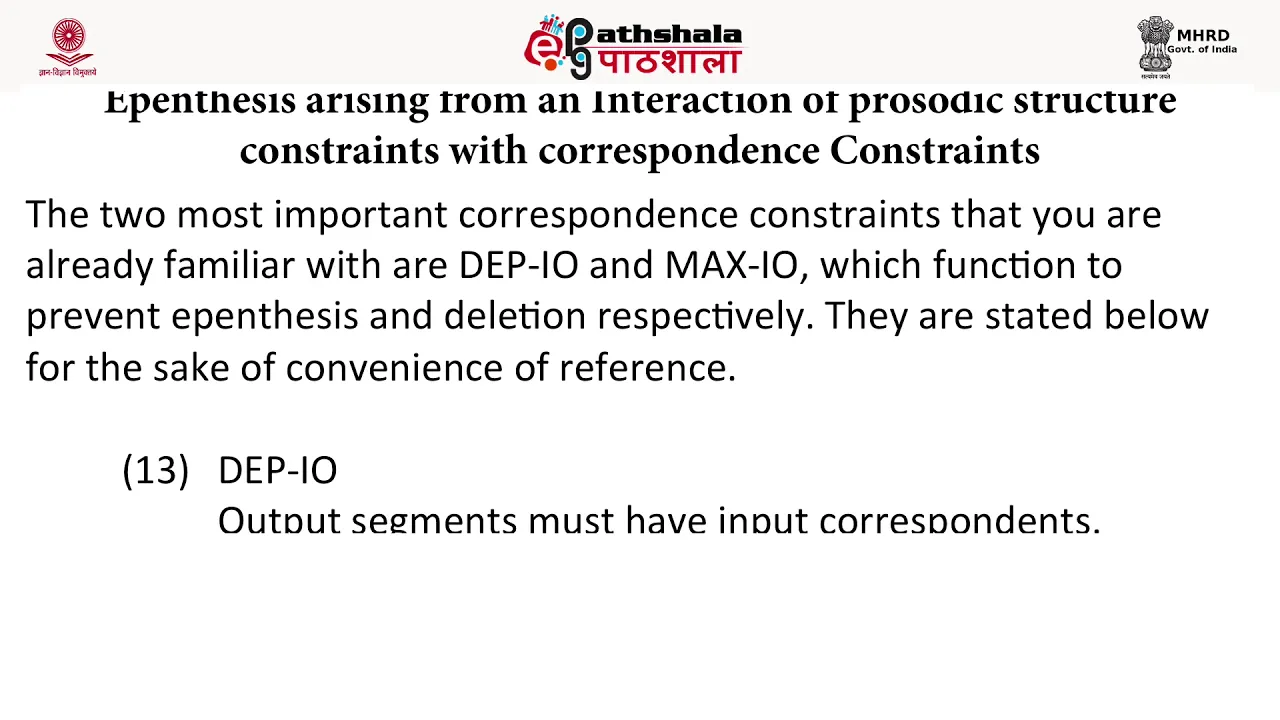
Constraint Interaction in Optimality Theory: Epenthesis & Deletion
@Vidyamitra
180 views•2018-08-20
10:09
ASL Grammar Guide: Understanding Referents for Clear Signing
@aslrochelle
22.8K views•2017-03-21

21:32
Accent Expert Explains U.S. Regional Dialects | Part 1
@WIRED
9.3M views•2021-01-21
Related Study Plans & Knowledge Roadmaps
Structured learning paths in Linguistics
linguistics
Optimality Theory: Tableaux & Constraints
01Phonological Basics: Sounds, Syllables & Rules
02Foundations of Optimality Theory: GEN, CON, and EVAL
03The Constraint Inventory: Markedness vs. Faithfulness
+ 2 more learning modules
15h5 modules
Explore Roadmap
linguistics
Morphosyntactic Alignment: S, A & P Systems
01Foundations of Syntax: Transitivity and Arguments
02The Linguistic Variables: Mapping S, A, and P
03Nominative-Accusative Alignment
+ 3 more learning modules
12h6 modules
Explore Roadmap
linguistics
Analyzing Sign Language: Phonology & Syntax
01Foundations of Sign Language Linguistics
02Phonology: The Five Parameters of a Sign
03Morphology: Word Formation and Classifiers
+ 2 more learning modules
14h5 modules
Explore Roadmap
linguistics
Pragmatics: Speech Acts, Grice & Politeness
01Introduction to Pragmatics: Meaning in Context
02Grice’s Cooperative Principle & Implicature
03Speech Act Theory
+ 2 more learning modules
14h5 modules
Explore Roadmap