
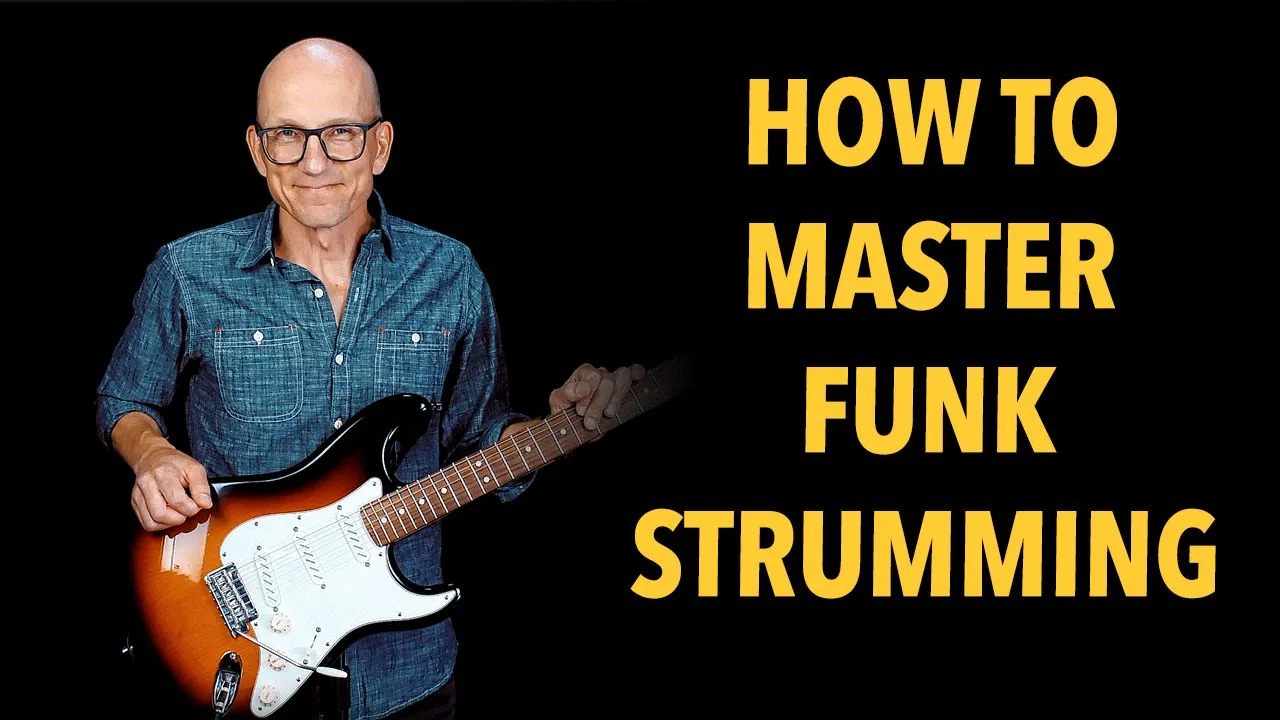
![Essential Funk Guitar Lessons [Lesson 1 of 20]](https://i.ytimg.com/vi_webp/Mc4zuUIQ9Fw/maxresdefault.webp)


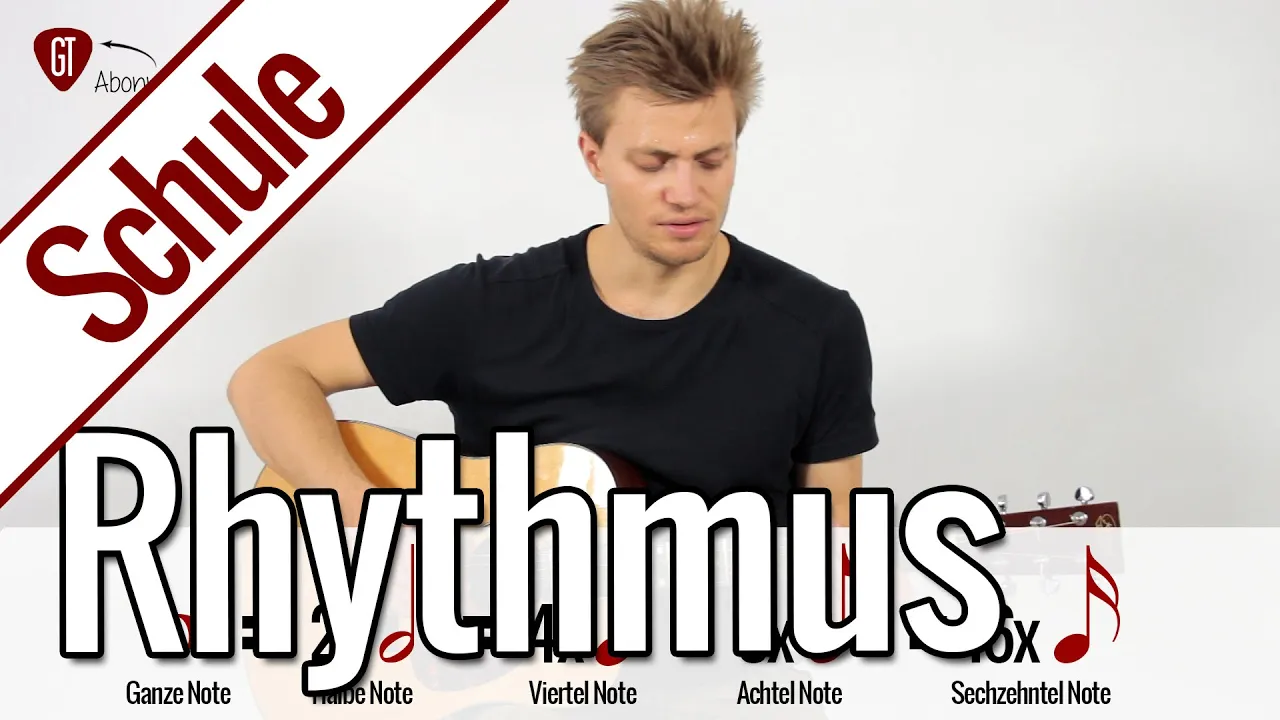
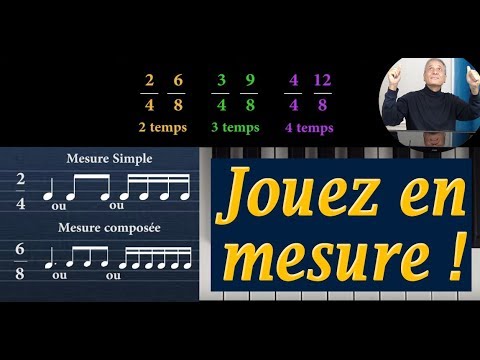
![[Guitar] Muốn chơi đàn hay thì học nhịp đi!](https://i.ytimg.com/vi/BQIiRC-tzXY/maxresdefault.jpg)
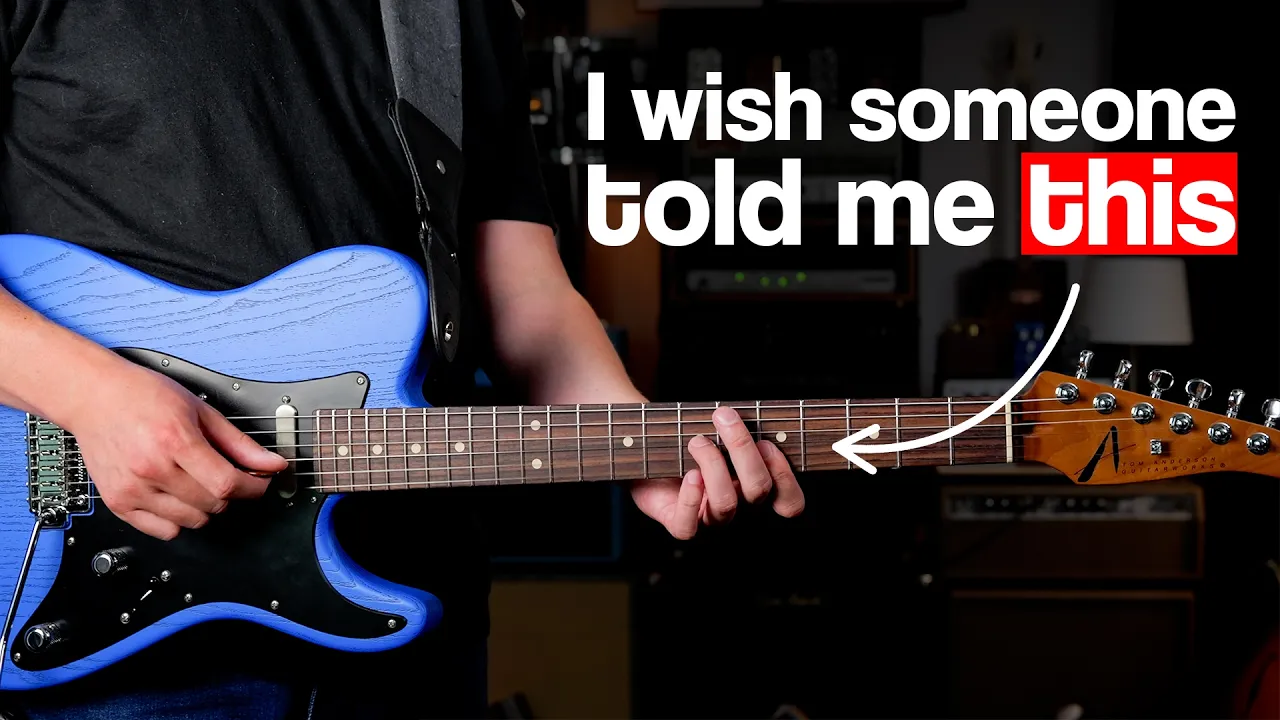


![Cours guitare débutant 1[Tuto facile Terafab]](https://i.ytimg.com/vi_webp/2106vtYMLSY/maxresdefault.webp)


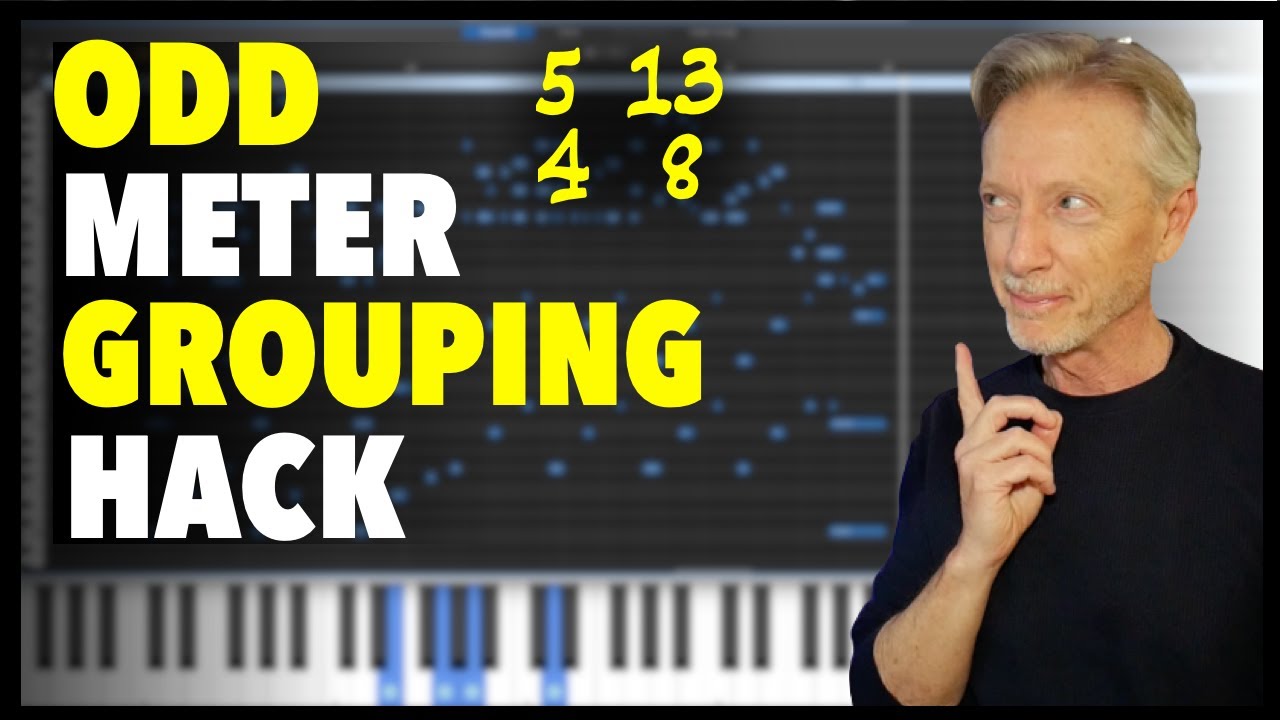


![Simon Phillips - Returns (1992) [HD]](https://i.ytimg.com/vi_webp/1VwTl4-MFNI/maxresdefault.webp)





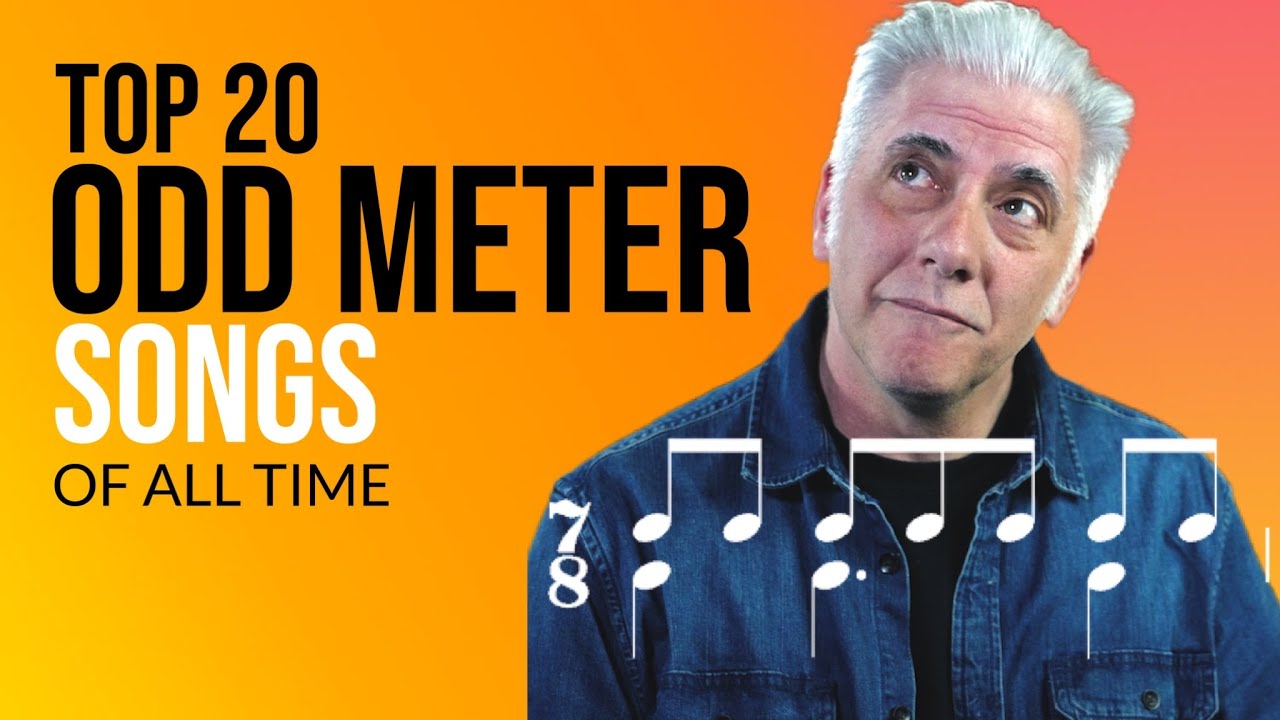
Any odd time signature can be broken down into groups of twos and threes, making complex meters like 7/8 easier to play by counting in groups of two and three (1-2, 1-2, 1-2-3) rather than counting straight through, and subdividing to 16th notes helps maintain a natural groove by splitting the group of three in half.
Funk Guitar in 7/8 Time: Ross Bolton's Groove Breakdown
Added:Proficiency in basic funk guitar techniques, including 16th-note scratching, hand muting, and rhythmic scratch-strumming.
A solid grasp of common time signatures (like 4/4 and 3/4) and the ability to read and count basic eighth and sixteenth-note subdivisions.
Understanding the mathematical concept of asymmetric or odd meters, specifically how the denominator indicates the beat unit (eighth notes).
Familiarity with physical rhythm keeping, such as maintaining a steady, continuous right-hand strumming motion.
Applying additive rhythm concepts to other odd meters such as 5/8, 9/8, or 11/8 by grouping pulses into various combinations of 2s and 3s.
Developing advanced syncopation and accent displacement techniques within a 7/8 grid to create more dynamic funk grooves.
Interlocking rhythmically with a rhythm section (bass and drums) to maintain a cohesive, tight pocket in an odd-time signature.
Improvising and composing linear melodic lines or modal guitar solos over a looping 7/8 funk backing track.
214.8K views2.3Klikes5:58Original Release: 2010-06-07
[Music] hey I'm Ross Bolton I teach the funk guitar curriculum here at Mi I wanted to talk to you a little bit about playing funk in seven you know uh years ago I used to struggle with uh how to play over odd time signatures and uh a drummer sat me down and uh explained a few things that changed the way I looked at it forever basically what he said to me was that uh any odd time signature no matter how complex it is uh can be broken down into groups of twos and threes and fours like little blocks that you can move around so it really doesn't matter what the time signature is it could be 7 uh 13 33 whatever it is if you break it down uh you can kind of digest it and it makes more sense so what we're going to do is we're going to take a common time signature 78 um and break it down into three groups two groups of Two and a group of three so it'll be one two one two one two 3 so instead of counting 1 two 3 4 5 6 7 we're going to count 1 2 1 2 1 2 3 1 2 two one two one two 3 like that on the guitar we're just going to mute U mute the strings and scratch eighth notes and in the first figure you'll see that uh we're going to have alternating eighth notes but at the end of the bar because there's an odd number of attacks we're going to have to double up the downstroke at the end of the bar so look for that and one thing before we get started in the lesson is that uh all the examples we're going to count in in four and then we're going to start playing in seven when the music begins let's try it with a high hat 3 4 1 2 1 2 1 2 3 1 2 1 2 1 2 3 one two one two one two 3 there you go now the next thing he mentioned to me was if the tempo is appropriate uh it's a good idea to subdivide even even further and um if you're scratching 16th notes at that same tempo and seven you won't have to uh interrupt your strumming pattern you can just keep it the same so let's try the same thing muted uh muted strings and scratch 16th notes through the bar one 2 3 4 1 2 one 2 one 2 [Laughter] 3 right so you can just keep your hand pumping away on the 16 and it doesn't feel so awkward now the next thing and this was a big Revelation for me was this group of three which is generally what makes uh any Odd bar feel odd uh if you break that in half once you're doing 16th notes and you you split that in half it tends to even out the flow and make the groove feel a little bit more natural even though you're playing an odd time so for this next example we're going to play an E9 chord right they're in the seventh position and uh we're going to have four attacks in the bar now rather than three and uh this example has a swing feel to it like that here we go two three [Music] 4 right so now the groove starts to feel a little bit more familiar even though you're playing an odd time okay so what we're going to do now is uh take that exact pattern and add a couple little uh guitaristic elements to it to make it feel more like a real guitar part uh in this case we're going to add the 13 to that nine chord the C up on top and it's going to give it kind of um a James Brown Vibe here we go 2 three 4 [Music] yeah so now next uh instead of the 13 chord we're going to slide uh from E flat to e just one fret halfstep slide kind of a you know stock funk groove uh staple and uh it's exactly the same time same feel everything just a little bit of variation on what we did 2 three 4 [Music] great so now we're going to take those two patterns and we're going to combine them actually we're going to alternate them uh four times each for a total of eight bars now the one thing that's going to change is that for each of these uh patterns we're going to drop the Down Beat and when you're playing odd meter sometimes that's kind of a cool device because you don't always want to Mark the Down Beat and give it away so we're going to play those two patterns drop the down beat and the tempo's going to going to go up a little bit like 10 clicks here we [Music] go there you are you're on your way thanks see you next time
Up Next
16:56
Polyrhythm vs. Polymeter: Music Theory Explained (Stranger Things)
@HackMusicTheory
38.4K views•2017-11-10

10:20
Mozart's Musical Dice Game Explained: History, Rules, & Fun
@webpianoacademy
5K views•2023-03-13

47:36
Understanding Diatonic 7th Chords in Major Keys | Music Theory Tutorial
@GracieTerzian
54.7K views•2022-03-02
10:49
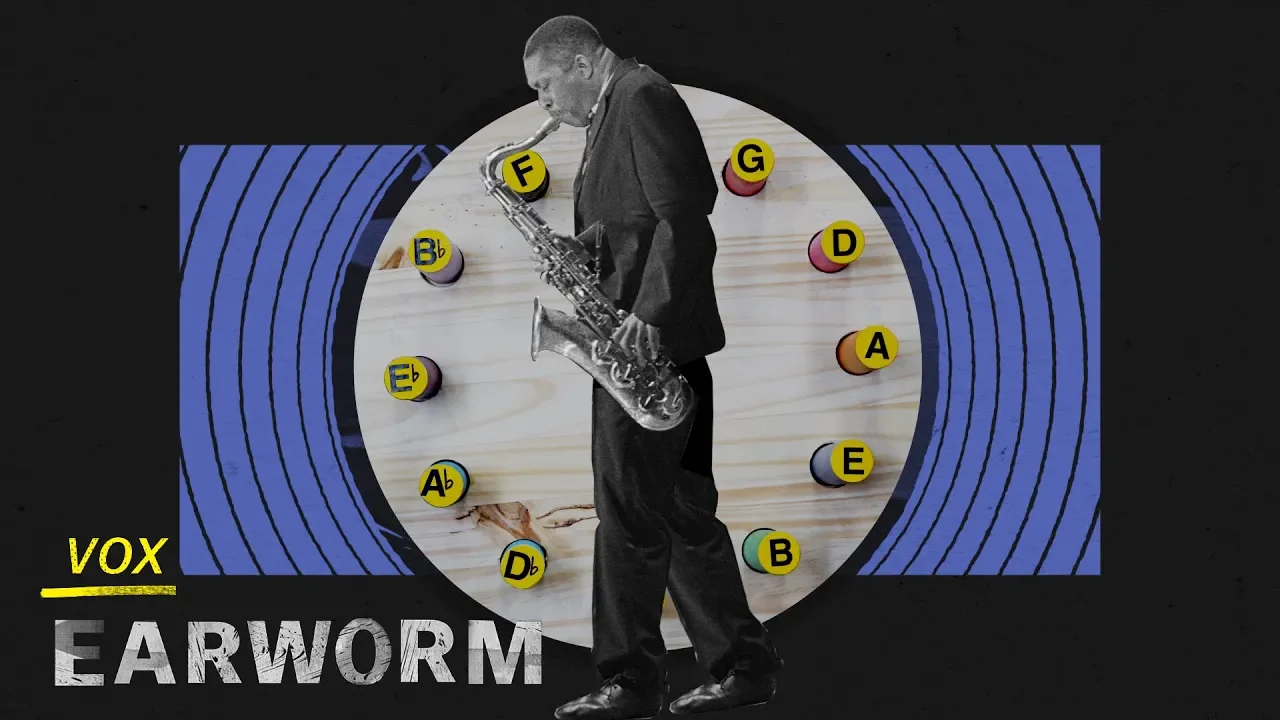
Understanding John Coltrane's Giant Steps: A Music Theory Analysis
@Vox
10.4M views•2018-11-12
Related Study Plans & Knowledge Roadmaps
Structured learning paths in Music Theory
music-theory
Composing Galant Music: Partimento & Schemata
01Foundations of Figured Bass and Keyboard Harmony
02The Rule of the Octave (Regola dell'Ottava)
03Galant Schemata: The Building Blocks of Form
+ 2 more learning modules
30h5 modules
Explore Roadmap
music-theory
Decoding Overtone Series: Tuning & Drone Music
01Acoustic Foundations: The Physics of the Overtone Series
02Tuning Systems: Equal Temperament vs. Just Intonation
03Microtonality and Spectralism: Beyond Standard Pitches
+ 2 more learning modules
24h5 modules
Explore Roadmap
music-theory
Impressionist Harmony: Scales, Planing & RPGs
01Foundational Music Theory: Keys, Intervals, and Seventh Chords
02Impressionist Color: Chord Planing and Parallel Harmony
03Whimsical Textures: Pentatonic Cascades and Whole-Tone Scales
+ 1 more learning modules
14h4 modules
Explore Roadmap
music-theory
Negative Harmony: Axis Reflection in Indie Pop
01Music Theory Foundations: Scales, Intervals, and Triads
02Functional Harmony and the Circle of Fifths
03Demystifying the Negative Harmony Axis Reflection
+ 2 more learning modules
16h5 modules
Explore Roadmap