















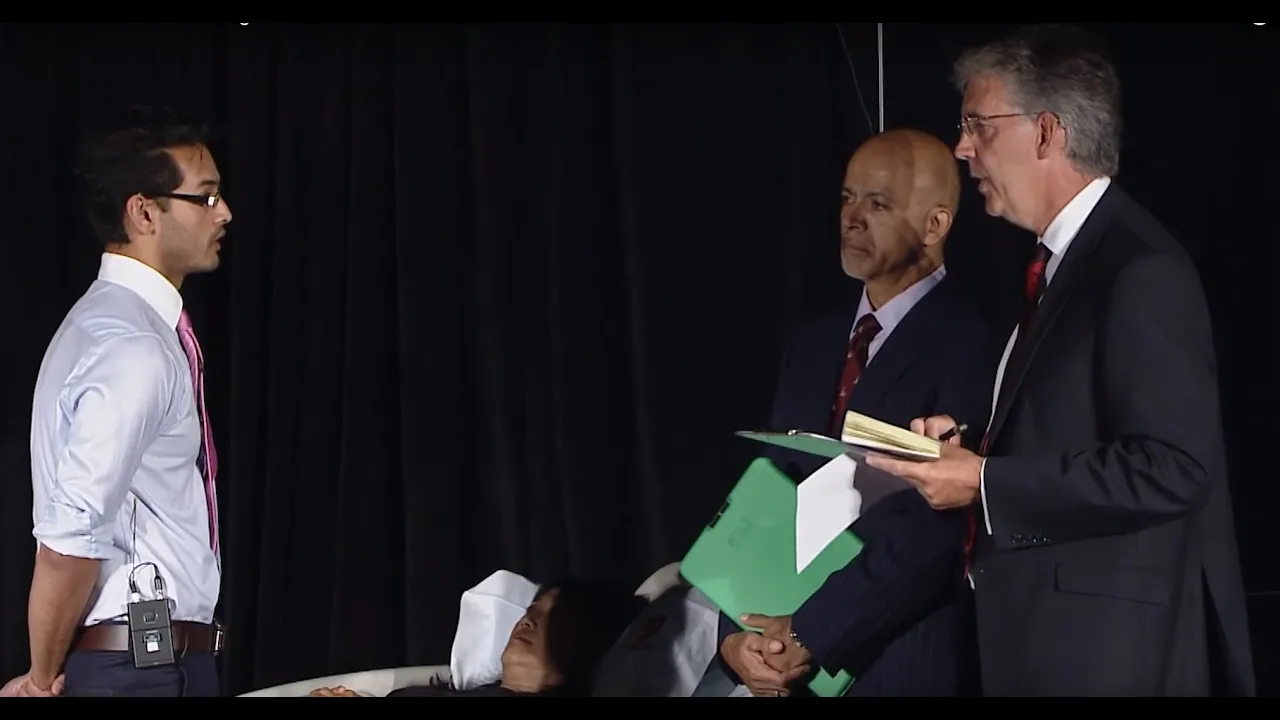
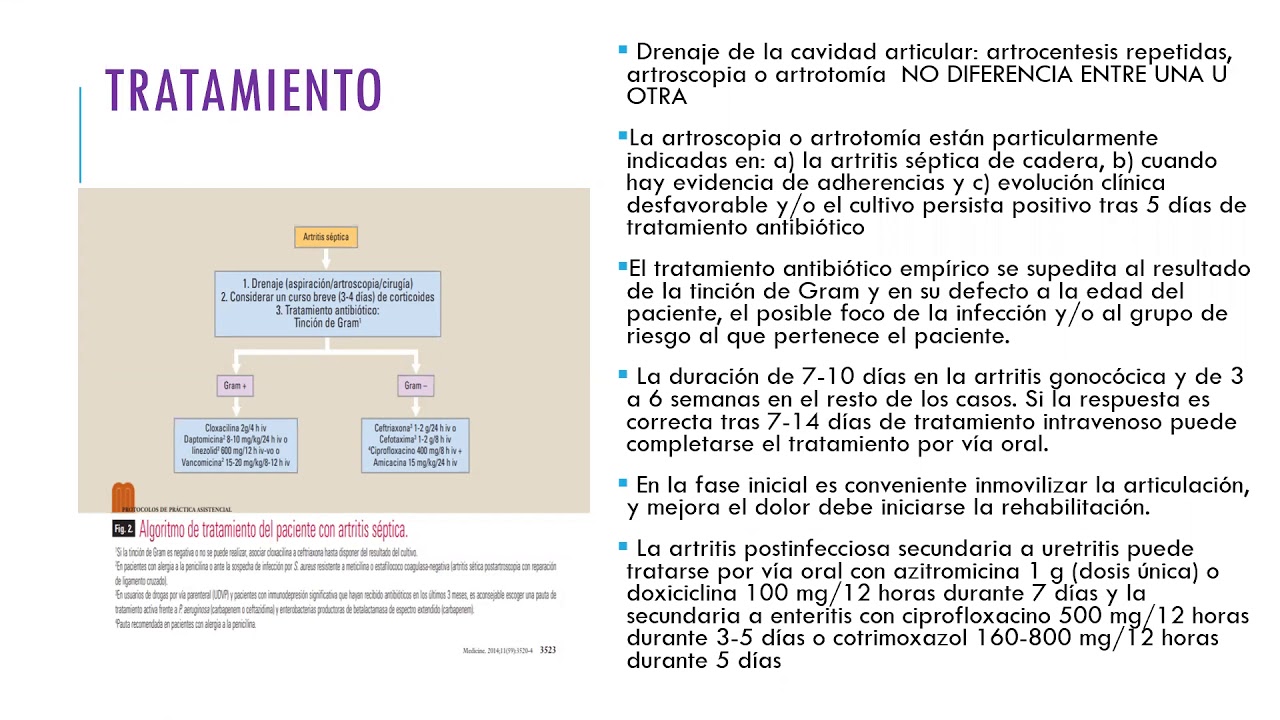

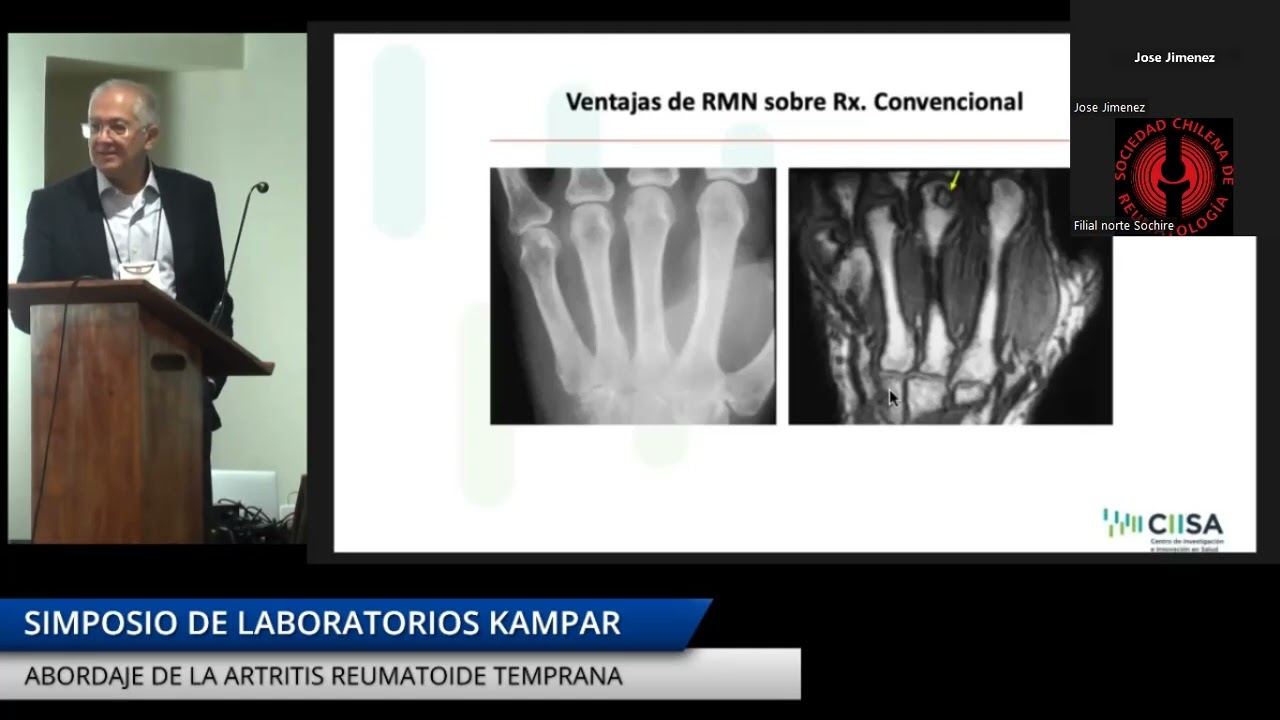


This video presents clinical case-based learning for MRCP Part One Rheumatology, featuring multiple patient scenarios including adhesive capsulitis, lower back pain, gout, giant cell arteritis, reactive arthritis, relapsing polychondritis, osteomalacia, Still's disease, systemic sclerosis, neonatal lupus, polymyositis, antiphospholipid syndrome, Behçet's disease, and glucocorticoid-induced osteoporosis, demonstrating how to diagnose and manage common rheumatological conditions through clinical presentation analysis.
MRCP Part 1 Rheumatology: Key Concepts & Exam Practice
Added:Basic immunology, including the mechanisms of autoimmunity, HLA associations, and the clinical significance of common autoantibodies (e.g., ANA, RF, anti-CCP, ANCA).
Foundational musculoskeletal anatomy and the pathophysiological differences between inflammatory and non-inflammatory (degenerative) joint diseases.
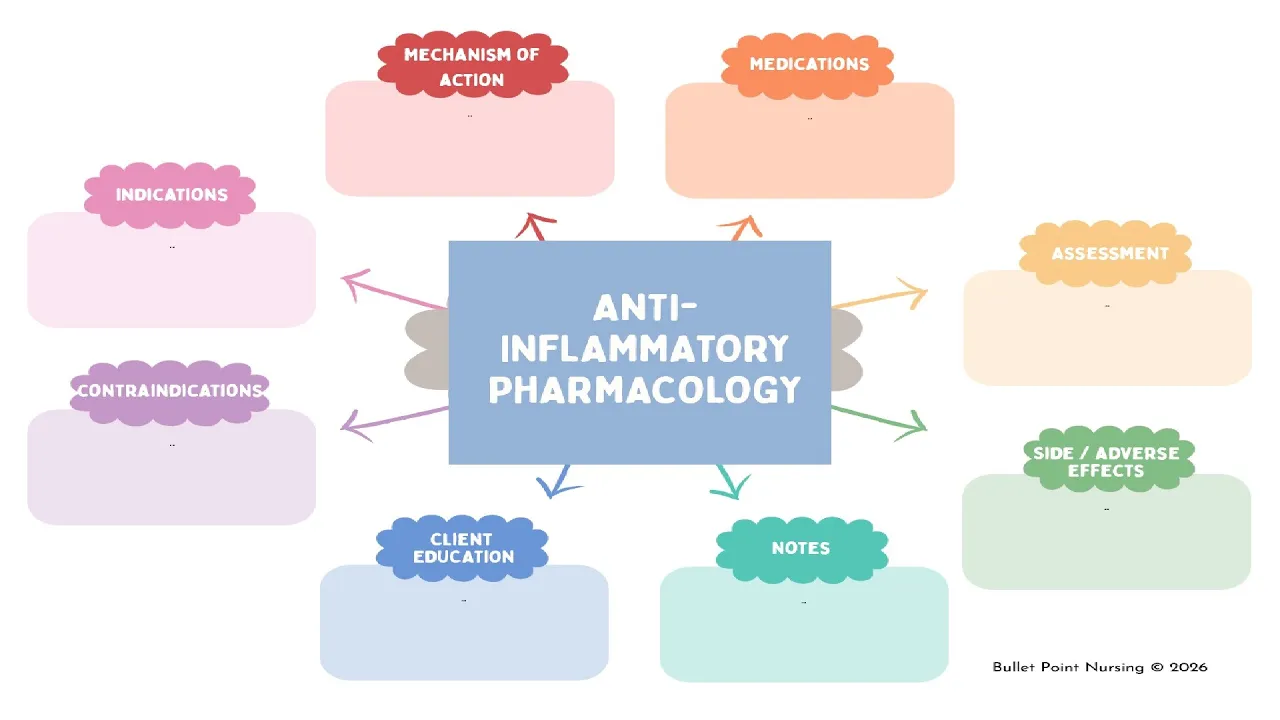
Basic pharmacology of core rheumatological therapeutics, specifically NSAIDs, systemic corticosteroids, and standard conventional synthetic DMARDs like methotrexate and sulfasalazine.
Interpretation of fundamental diagnostic tests, including acute phase reactants (ESR, CRP), basic hand/feet radiographs, and synovial fluid analysis.
Advanced therapeutic regimens in rheumatology, including the indications, screening protocols, and monitoring for biologic DMARDs (e.g., anti-TNF agents) and targeted synthetic DMARDs (e.g., JAK inhibitors).
Preparation for the MRCP Part 2 Written Exam, focusing on complex clinical decision-making, interpreting advanced imaging (such as MRI and musculoskeletal ultrasound), and long-term disease management.
Preparation for the MRCP PACES (Practical Assessment of Clinical Examination Skills) exam, specifically mastering the locomotor physical examination and counseling patients on chronic rheumatological conditions.
Management of acute, life-threatening rheumatological emergencies, including septic arthritis, acute systemic vasculitis, scleroderma renal crisis, and catastrophic antiphospholipid syndrome.
100 views1likes39:49Original Release: 2021-07-07
[Music] specifically [Music] 17 okay so it's 7750 yeah and more and more and more sensitive you will and i will and zero type a okay 51 years old woman present with the pain and progressive stiffness in her right shoulder she report that is affecting her daily activity at the right-handed and the pain is located over the outer shoulder and upper arm she has background of type 1 dm there is no history of trauma or injury you suspect the patient may have adhesive capsulitis which shoulder movement will be empire uh the most giving the suspected diagnosis when you examine the patient okay i've um a 21 years old man present is a present to the gb with the several months of lower back pain and it's definitely there is no history of trauma he find the symptom wars open walking and they graduate uh gradually is off especially with exercise sitting for a long period for time seems to worsen the center uh the symptom occasionally trouble him at night and kailasa which he is getting up and mobilized to sit up and again type uh isil featuring x-ray and foreign [Music] [Music] right [Music] is [Music] hey [Music] foreign [Music] um um [Music] is [Music] foreign foreign [Music] [Music] [Music] okay foreign [Music] of the anti-ccb antibody is suggested for which of the following condition 69 years old man present with an acute episode of the god uh on his left first metatarsal pharyngeal joint what is the most likely underlying mechanism production of uric acid starvation too much protein in diet number 69 yeah foreign explanation okay execution over ninety percent of cases in primary goal secondary risk factor alcohol intake type 72 years old woman present with a severe eye sight headache and some battering of vision that is the common ghost she has significant no significant cosmetic at history and examination there is tenderness on bulbation of her right timbrel region visual acuity is 6.36 over 36 he had right eye on six over nine and left year in head left the foreign the active arthritis is associated with which one of the following hala antigen [Music] foreign [Music] um [Music] [Music] foreign [Music] foreign foreign online [Music] foreign [Music] complication of the budget disease include each of the following except difference maha cerebral calcification skull thickening uh raksharma [Music] foreign [Applause] [Music] calcification 32 years old woman presented a gb with a with a several month history of troublesome symptoms she describes a wise weakness of a weakness of her arm and like azul adharaj over his back and shoulder weakness she uh described brush around her eye dermato and run and a red patch over his finger over her finger on examination macular rash over the back of the shoulder brush why is the likely given likely diagnosis a specific mi 28 years old man investigated for recurrent lower back pain diagnosis of anger and childhood dialectics is suspected which one of the following investigation is most useful sacral x-ray force sacramento's okay so 64 years old man is a chronic kidney disease this is three type og dm type two uh president with the pain and swallowing at the right first meet the tarza franzia joined on examination the joint hot the tremendous and tender to touch although he can still flex the back to which one of the most appropriate initiation management out over here how to go to cleveland [Music] um [Music] [Music] um 34 years old okay 34 years old woman president of the witness around both air on questioning she reported joining pain she was recently diagnosed with upper spiral tract infection and episode of the illusculitis examination she has a subtle nose deformity and marker theme around both pinna sparing of the air loop hearing is reduced bilateral diabetic blood test and hemoglobin okay the mom and daughter let's see our b14 element factor negative you know igm and tlc anchor negative what is the most likely diagnosis negative okay [Music] okay this is a typical presentation for symbolic polychondritis multi-system disorder with recurrent affected cartilage throughout the body most commonly around the pinna in the air but also the nose and the other joint ocular and spare tract involving can occur in this condition it can sometimes be associated with the autoimmune disease the sle we a systemic [Music] [Music] [Music] um okay okay each one of the following is seen in reactive arthritis except type urethritis [Music] uh [Music] um 45 years old man who is known to have hemochromatosis person with a swallow and painful right knee an x ratio fracture no fracture but extensive chondrocalcinosis given the likely diagnosis which one found is most likely to be present in the joint fluid joint fluid [Music] uh process with a child syndrome causing these childs and symptoms okay our eight years boy uh present to the g for the gb to by his father for the report that he is not as a child wrist have become swollen over the past few months no history of trauma and the boy no other person's examination uh child andrew underweight malnourished who alert and otherwise uh systemically well bony swelling are not in the both rest european okay alkaline high way a accessible activity of report activity activator of a nuclear factor cover steroid excessive osteoclast activity inadequate osteo class activity here here excessive action [Music] um [Music] foreign [Music] um context um [Music] [Music] um [Music] foreign is [Music] negative [Music] seen impatient with the adult onset still disease not not typical seen [Music] [Music] foreign [Music] [Music] favorite typing is 65 years old asian female president of the less body pain and muscle weakness uh calcium low and phosphate to low and alkaline surface uh a high okay okay [Music] um okay okay i'll say next time 57 years old female not that his skin on her hand have become very tight skeleterma and i must [Music] [Music] this world [Music] 31 years female with the with the history of sle given uh births following 39 weeks pregnancy the newborn is noted to be bradycardia okay antibody heart block muscle tenderness and weakness no past medical history and does not take in any regular medication she doesn't smoke or drink alcohol she is airline violet and life alone on examination there is evidence of proximal pain and tenderness with power four to five at the hip and the shoulder brush on head shoulder upper arm upper okay there is a violacious eruption noted in the very orbital region okay it's specific okay specifically uh [Music] [Music] [Music] [Music] i foreign 48 uh old woman who is taking mesotroxite from that arthritis cocaine prescription of which of the other medications should be avoided says for a 54 years woman a man history of type 2 diabetes max president of the history of the right shoulder pain or examination there is limited movement of the right shoulder in all direction adhesive which is the capsulitis all directions is small foreign [Music] um sorry [Music] and i give one i give a smooth dissolve uh 36 year old female present to her second unbreakable three months after after after teasing warframes kissing warframe after her first pulmonary emblem she has the serial of the test on to evaluate the presence of the thrombophilia particular antioxidant syndrome what is the greatest dedicated future from causes impatient with anti-first syndrome me logos [Music] hmm [Music] [Music] eye as the bannering of his vision one further questioning the this close that is also has multiple painful ulcer in his mouth and genitalia uh also the patient is a sexually active when admitted to rarely using barrier contraception regular sexual transparent infection screen has been negative what is the most likely diagnosis pressure this is [Music] um i was 66 years old female clbd has a background multiple previous chords of the steroid present to the gb routine blood screen also hypertension and angina and blood results in the huawei and vitamin d 16 uh which is no adjusted calcium just as calcium 2.3 normal uh here her dietary intake of calcium is good which is answer is most appropriate in view of her past medical history and vitamin d levels uh um [Music] okay [Music] foreign
Up Next
76:20
Rheumatoid Arthritis Diagnosis and Management | FFPAI Rheumatology Series
@ffpaiofficialchannel444
683 views•2024-10-15

37:45
Rapid Quantitative Immunostaining of Intact Biological Systems
@simonscenterforthesocialbr1919
247 views•2015-12-02

10:28
Neuroanatomy: Central and Peripheral Nervous System Divisions Explained
@AKLECTURES
136.2K views•2014-09-20
3:05
Stages of Labor and Vaginal Birth | Childbirth Animation
@nucleusmedicalmedia
52.1M views•2017-08-18
Related Study Plans & Knowledge Roadmaps
Structured learning paths in Medicine
medicine
Interpreting PFTs: Spirometry & DLCO
01Respiratory Anatomy and Physiology Foundations
02Spirometry: FVC, FEV1, and Flow-Volume Loops
03Lung Volumes and Plethysmography
+ 2 more learning modules
12h5 modules
Explore Roadmap
medicine
Abnormal LFTs: Diagnostic Workup & Pathology
01Liver Anatomy and Basic Physiology
02Introduction to Liver Function Tests (LFTs)
03Hepatocellular vs. Cholestatic Patterns
+ 3 more learning modules
12h6 modules
Explore Roadmap
medicine
Analyzing Blood Smears: RBC, WBC & Platelets
01Introduction to Blood Components & Smear Preparation
02Normal Morphology of Blood Cells
03Erythrocyte Pathologies & Morphological Variants
+ 2 more learning modules
12h5 modules
Explore Roadmap
medicine
Mechanical Ventilation: Waveforms & Alarms
01Anatomy and Physiology of Breathing
02Introduction to Mechanical Ventilation & Core Modes
03Ventilator Settings and Waveform Interpretation
+ 2 more learning modules
12h5 modules
Explore Roadmap