























EMDR (Eye Movement Desensitization and Reprocessing) therapy is an evidence-based treatment that helps individuals fully process traumatic memories that were inadequately processed during the original event, using bilateral stimulation (such as eye movements, sounds, or tapping) to facilitate adaptive information processing and reduce distressing symptoms associated with trauma.
EMDR Therapy Explained: How to Process Trauma Effectively
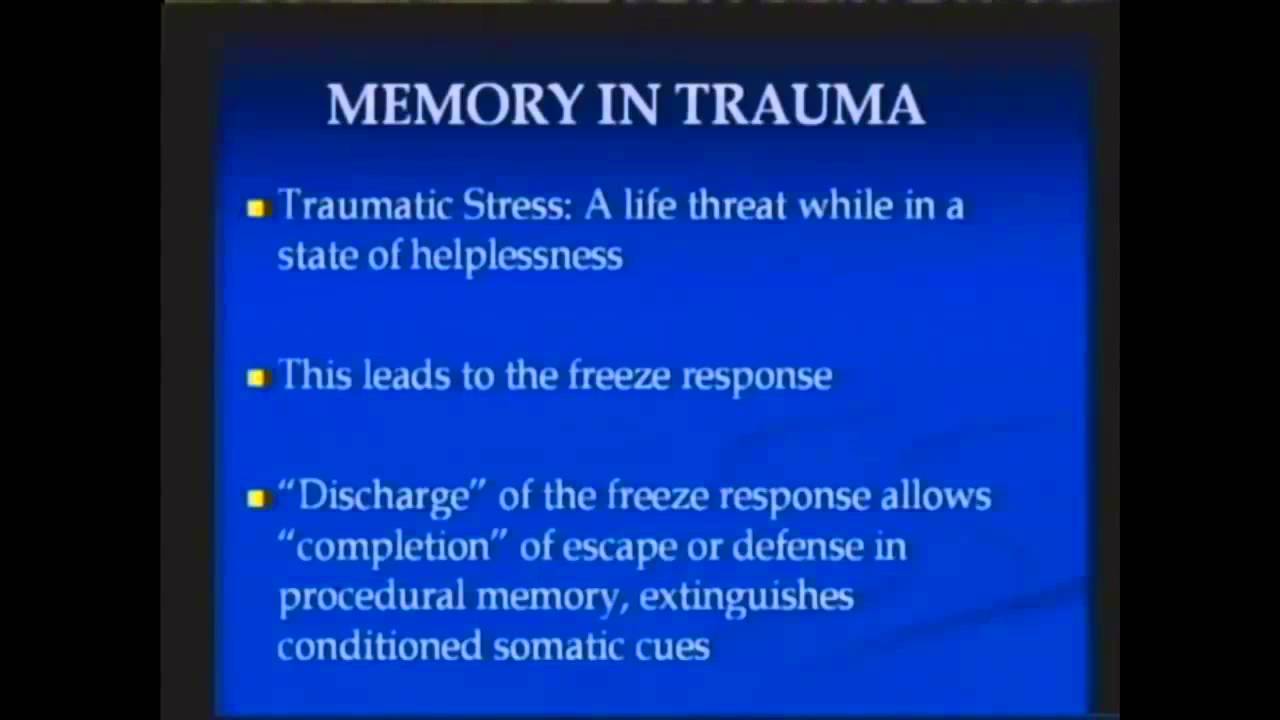
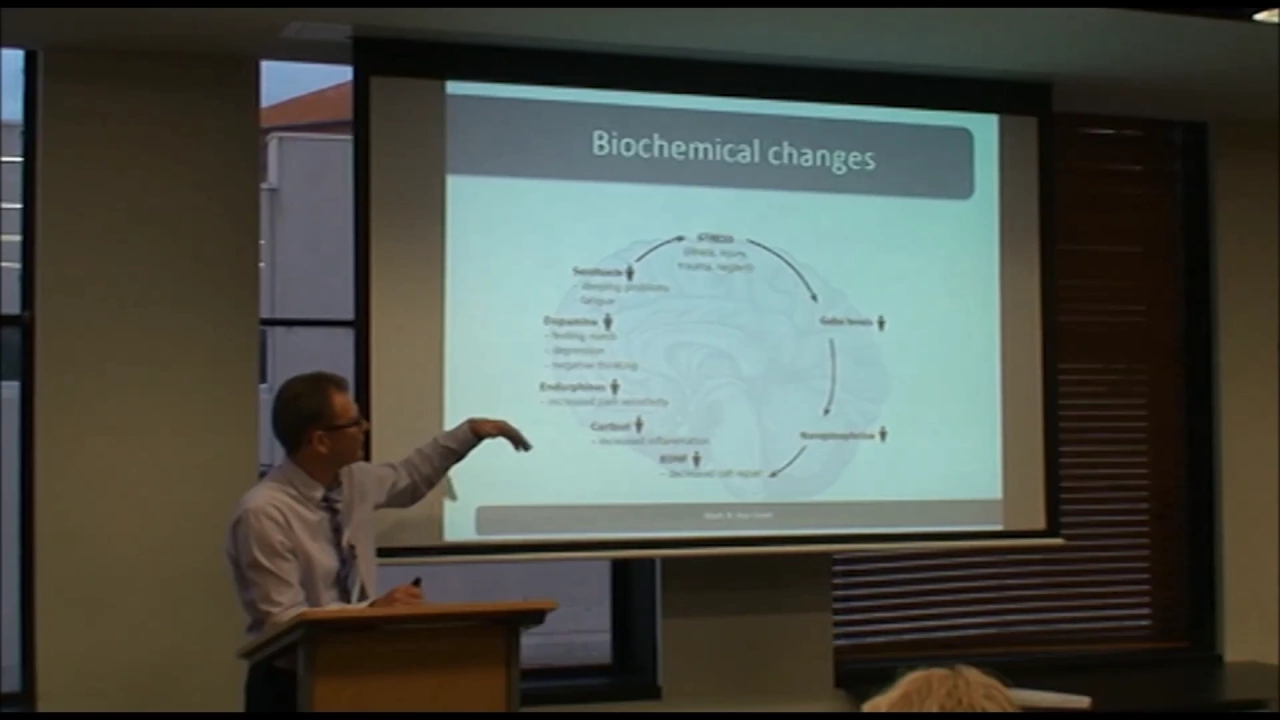
Added:The neurobiology of trauma, specifically how the amygdala, hippocampus, and prefrontal cortex process and store traumatic memories.
The psychological definition and clinical presentation of Post-Traumatic Stress Disorder (PTSD) and trauma-induced stress.
Basic principles of cognitive-behavioral and somatic psychology, illustrating how bodily responses and cognitive processes are linked.
The general concept of bilateral stimulation and how the brain processes alternating sensory inputs.
The structured 8-phase protocol of EMDR therapy, including client preparation, desensitization, and installation.
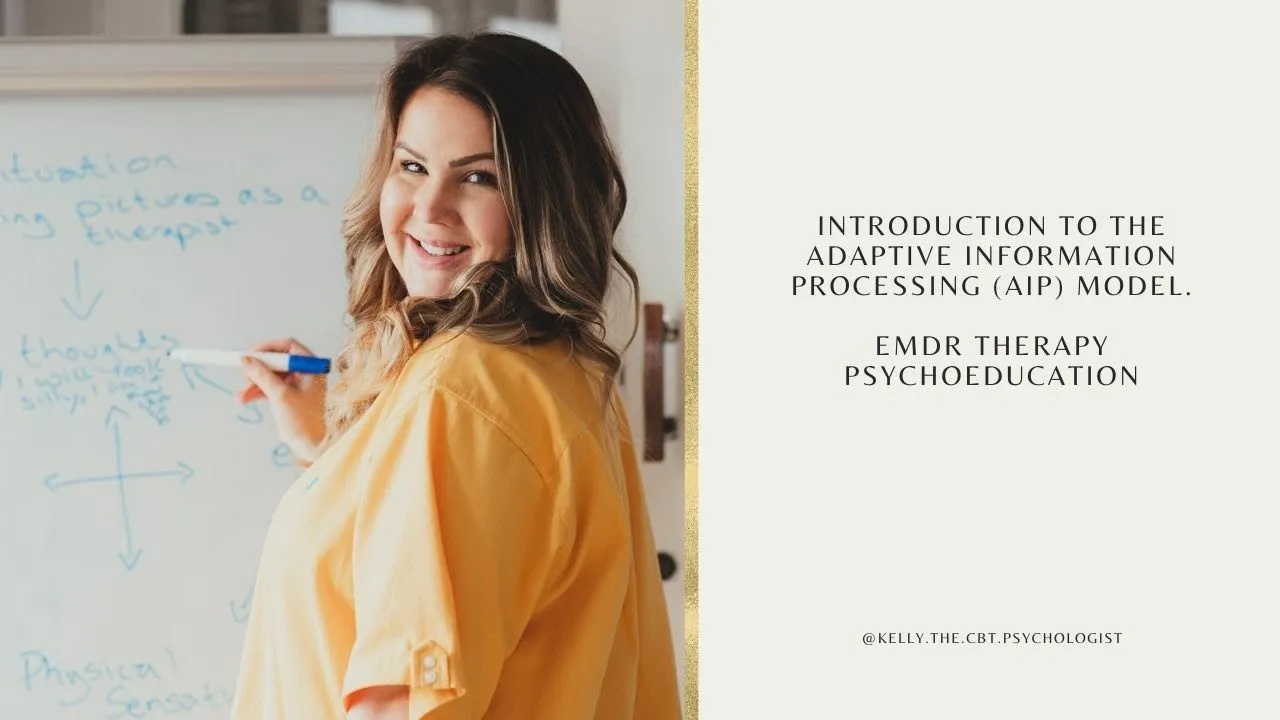
The Adaptive Information Processing (AIP) model, which explains the theoretical mechanism behind how EMDR integrates traumatic memories.
A comparative analysis of EMDR versus other trauma-focused modalities like Cognitive Processing Therapy (CPT) and Prolonged Exposure (PE).
Clinical indications, contraindications, and adaptations of EMDR for complex trauma (C-PTSD) and dissociative disorders.
373.4K views8.3Klikes12:43Original Release: 2020-05-12
[Music] thirty to forty percent of people experience a traumatic event in their lifetime and memories of trauma tend to get compartmentalized in the brain as a neuropsychologist dr. Judy ho specializes in the relationship between the physical brain and behavior in this series she walks through a groundbreaking type of therapy that allows patients to rewire their brains process their emotions repair those memories and ultimately get their lives back on track dr. judy welcome back to med circle so good to see you yes today we're talking about EMDR therapy what is that EMDR is eye movement desensitization reprocessing therapy I know it's a mouthful but it's a really really cool approach it is based in adaptive information processing theory that is posited by Francine Shapiro back in the 1980s and the idea is that trauma and trauma experiences can produce certain memories that are very distressing for the individual and at the time that the trauma occurs the individual did not fully process that particular memory that was so it's associated with the trauma and that causes difficulty in the future that as the individual grows up as the individual goes about life they have certain negative beliefs and thoughts and physical sensations that are associated with the trauma that get triggered sometimes by certain events or even other memories that come up and until those memories are adequately in fully processed a person cannot function at their best and EMDR is all about resolving those problematic memories processing them fully and bring the individual into a future that has a lot more positivity in terms of their skill sets and their belief systems about how they go about life so what does it mean to fully process a memory so the theory behind EMDR is that oftentimes is a protective mechanism when drama happens to us we almost block some parts of it yes because our mind is not equipped to handle the types of traumas that can occur to an individual and so to protect your mind from being completely fractured it blocks out some of it it still happened to you so that part of the memory is still stored somewhere rods are stored in your belief system or it's stored in your body somewhere or it's stored in both and until you actually fully process it it's going to come up and it's gonna provoke you and trigger you in situations that sometimes you don't even expect yes and so it's really about gaining full control again of like how you cope with future distressing situations the first time I heard of EMDR was in a series on PTSD with dr. Cheryl eret is this only used to treat PTSD so generally what we find in research is that it's been efficacious for PTSD it's also not appropriate for everybody who has PTSD but certainly that's the most common way that EMDR is utilized I have found that EMDR has increasingly been utilized for what we call micro trauma so maybe they're not things that produce a PTSD diagnosis but they are things that still trigger a traumatic reaction so this might be somebody who doesn't get that PTSD diagnosis but maybe they get an acute distress disorder diagnosis or they don't qualify for a diagnosis but they just have certain reactions like a hyper-vigilance or a really negative mood state that gets triggered by certain memories that would seem that they might respond to something like EMDR right now this is different than somatic experiencing correct yes so somatic experiencing also is oftentimes utilized in trauma and somatic experiencing focuses on the body sensations a lot but their theories are slightly different so EMDR is really about processing the memory that hasn't been adequately processed whereas somatic experiencing really just focuses on the body sensations that you don't even have to necessarily even talk about the trauma to any detail but just recall the body sensations that come up that make you feel distressed and make it harder for you to function now big question this is what the whole series is basically about but how does EMDR work so EMDR works by trying to focus on three different components that are really related to somebody who is struggling with PTSD and the first component is the past memories where the trauma first occurred and dealing with that the second piece is dealing with the present distress that unprocessed trauma is causing so that individual might say I'm having difficulties in relationships I'm having problems with activities of daily functioning so really identifying that in addressing that and the last piece is developing more positive coping strategies and beliefs for the future what do you need for a healthy future and establishing that through the treatment the treatment is a treatment that is generally short-lived meaning that it's not supposed to go on forever and ever for most people they see benefits from as little from three sessions to maybe 20 but I think the average course of EMDR is somewhere between 12 to 16 and it is thought that this learning process this learning of a more adaptive way to live positive coping strategies and positive beliefs about the self is enhanced by bilateral stimulation but there's something about this dual attention task where you're focusing on either a visual and auditory or a tactile stimuli that is bilateral so it could be sounds coming in to earphones bilaterally it can be tapping of the therapists hands it could be you squeezing a device going back and forth between your left in the right hand but that you're doing this while you're trying to process the pieces of the trauma that were locked up or that were somehow lost somehow in your conscious mind and that is supposed to enhance your processing of this trauma and then move on to that whole positive coping strategies phase now this sounds very woowoo almost like yes there's no way this works yeah but this is evidence-based yes okay it's evidence-based and I think what people maybe would find helpful about this whole idea of bilateral stimulation and why it could help is because it sort of puts you in almost like a hypnosis state for some people it relaxes your conscious mind enough so they can go deeper yes into a more subconscious state of mind maybe even a more relaxed state of mind where they can then safely bring up parts of the trauma memory and so if you think about what you do in mindfulness activities or meditation a lot of times people utilize other types of stimuli other sense stimulate to try to get them into a calmer place into a more relaxed place I think that's one way you can think of the bilateral stimulation because when you're doing this it becomes kind of rhythmic and you sort just fall into it and then you become a little bit more suggestible to dealing with things that are maybe in your subconscious mind because your conscious mind is distracted right it's distracted and less guarded right and that's what you need to get to the deeper level of processing that EMDR requires now I haven't heard anything about with my eyes though oh yes and so yes the bilateral stimuli of like moving a device in front of your eyes is the original way that they encourage that bilateral stimulation so it could be anything could be a pen it could be you know those old timey watches that I think you kind of see in movies maybe or when you think about EMDR even that's what it is but that's why I was mentioning about sort of this hypnotic state that you kind of get into if you do that for a minute you start to get into an interesting state we're in studies they found that physiologically things slow down the heart rate slows and you sort of dropped sometimes even a tiny bit in your basal temperature so you get into again that parasympathetic nervous system and I think that's important right because you're about to bring up traumatic memories yeah so you can't be in your fight-or-flight already because one you'll probably never get to the memory because again your coping strategy is to block it out and to you're too amped up to be able to process that memory in a way that's gonna move you forward in a healthy way and so it's a way to get you to settle down into your parasympathetic nervous system where you relax you digest you slow down and I think that that's really the key of why bilateral stimulation is theorized to help with the learning process okay so can you do this by yourself or do you need to do it with the therapist yeah you need to do it with the therapist the EMDR therapist does teach you coping strategies in between and these are very common to other forms of therapy as well you know things like breathing exercises visualization mindfulness techniques to help bridge the times in which you start to get that distressful feeling especially when you're in between sessions because now you're starting to process pieces of this undiscovered memory or unprocessed memory and what if something comes up in between your sessions you're gonna get very amped up and you're gonna feel scared and anxious and so the therapist does teach you these types of techniques to bridge those times when you're not working with them actively so it's really good because it kind of gives you at least those momentary breaks from that de-stress until you see your therapist again who would you say AMDR is perfect for EMDR is perfect for people who have the awareness that certain parts of their trauma have not been processed and in fact that's one of the diagnostic criteria of PTSD not everybody has this criteria but that certain parts of the memory are sort of just either undiscovered or the person can't even remember them I also think that it's really helpful for people who notice that they get triggered easily in their daily life at the present time for things that they don't even sometimes expect you know they might just be going about their day and somebody says something that's completely harmless and they have this over-the-top reaction that makes it hard for them to get along with people in their life yes um if people are having difficulty establishing trust as a result of their PTSD experiences individuals who find that directly processing the thoughts and the emotions are a little bit more difficult for them because EMDR actually doesn't target that EMDR direct target is the memory so that's a big difference and big distinction from CBT right CBT deals directly with the thoughts in the feelings got it that was going to be my next question yeah EMDR does deal with that but in a more peripheral way yes it's really dealing with the memory and access of that memory first and foremost and so it's a different type of angle of treatment a different type of target and so somebody who finds it more difficult to maybe talk about their feelings or their thoughts EMDR might actually work better for them and I think individuals who ascribe to this idea that there is a subconscious mind you know some people actually don't believe that right people think oh no it's just everything's here on the surface if you're somebody who knows and believes that there is a part of yourself perhaps you're not accessing at all times and it's not volitional it's not something that you draw in by yourself then I think EMDR could work for you because it's really about getting into that sort of underbelly of I always talk about it as an iceberg like when you look at the conscious mind the conscious mind is a small part of your mind it's the tip of the iceberg that you see above the water and then the subconscious mind is below and it's so much bigger right so if you're somebody who understands and believes that model I think the MDR can work for you should EMDR be a first go at somebody who's trying to address their trauma or should they try another therapy first I think it really does depend on preference and even what your therapist is skilled that if you go see somebody who is a trauma specialist it could be a trauma specialist because they do AMDR or because they do somatic experiencing or because they do trauma-focused CBT just as examples and it really does depend on your therapist too because they may feel very skilled in a particular modality and they may suggest that to you I don't think that the EMDR can't be first-line I think that it can be a very good treatment for a lot of people but some people also find it difficult to get into because it's scary it's scary to have to discover in many ways your traumatic memories in the past but if you believe that those traumatic memories are causing you distress right now and also preventing you from a good future then this is worth a shot yes well I've heard a lot of great things both from the doctors I've interviewed on that circle but also from patients who have done it themselves they really are big fans of EMDR and in this series we're gonna go through the entire process the first step in our next session [Music] you
Up Next
53:54
Dr. Janina Fisher: TIST Model, Polyvagal Theory & Trauma Parts Work
@PolyvagalInstitute
825 views•2025-11-19

68:32
Cognitive Skills for Differentiated Instruction | Teacher PD
@BrainWareLearning
631 views•2017-12-17

54:46
CBT Core Beliefs: Identify & Transform Negative Thinking Patterns
@MedCircle
470K views•2020-09-05

6:40
The Nocebo Effect: How Beliefs Can Cause Real Harm
@CGPGrey
10.4M views•2013-12-23
Related Study Plans & Knowledge Roadmaps
Structured learning paths in Psychology
psychology
Neuroscience of Creativity: Networks & Training
01Foundations of Creative Cognition
02The Cognitive Neuroscience of Insight & Fixation
03The Triple Network Model of Creativity
+ 1 more learning modules
15h4 modules
Explore Roadmap
psychology
Imposter Syndrome: Etiology & CBT Framework
01Defining the Imposter Phenomenon
02Socio-Developmental Etiologies
03CBT Fundamentals & Thought Distortions
+ 2 more learning modules
15h5 modules
Explore Roadmap
psychology
Adult ADHD: Executive Dysfunction & Scaffolding
01Neurobiology of the ADHD Brain
02The Core Triad of Executive Deficits
03Executive Dysfunction and Emotional Regulation
+ 2 more learning modules
12h5 modules
Explore Roadmap
psychology
Loneliness: Evolution, Neurobiology & CBT
01Evolutionary Origins of Human Connection and Loneliness
02The Neurobiology and Physiology of Chronic Loneliness
03Maladaptive Social Cognition: The Psychological Loop
+ 2 more learning modules
12h5 modules
Explore Roadmap