















![[TutoBar #37] Le point de vue narratif (Partie 1)](https://i.ytimg.com/vi/TlfQggTYTds/maxresdefault.jpg)










![Tools and practices of Narrative Designer [Yaraslau Kot, Magnus Ducatus]](https://i.ytimg.com/vi_webp/UJxf21WTRqI/maxresdefault.webp)
Narrative voice encompasses how stories are told, involving three interconnected dimensions: the temporal relationship of narration (subsequent, prior, simultaneous, or interpolated), the narrating levels (extra-diegetic, intra-diegetic, or meta-diegetic), and the narrator types (homodiegetic where the narrator is a character within the story, heterodiegetic where the narrator is external, intradietic where the narrator participates in events, or extradietic where the narrator is merely an observer); these concepts are further enriched by metafictional techniques like metalepsis (when the boundary between author and fiction dissolves) and mise en abyme (stories within stories that force readers to engage with multiple narrative states).
Narrative Voice & Genette Explained | Literary Theory (THL3701)
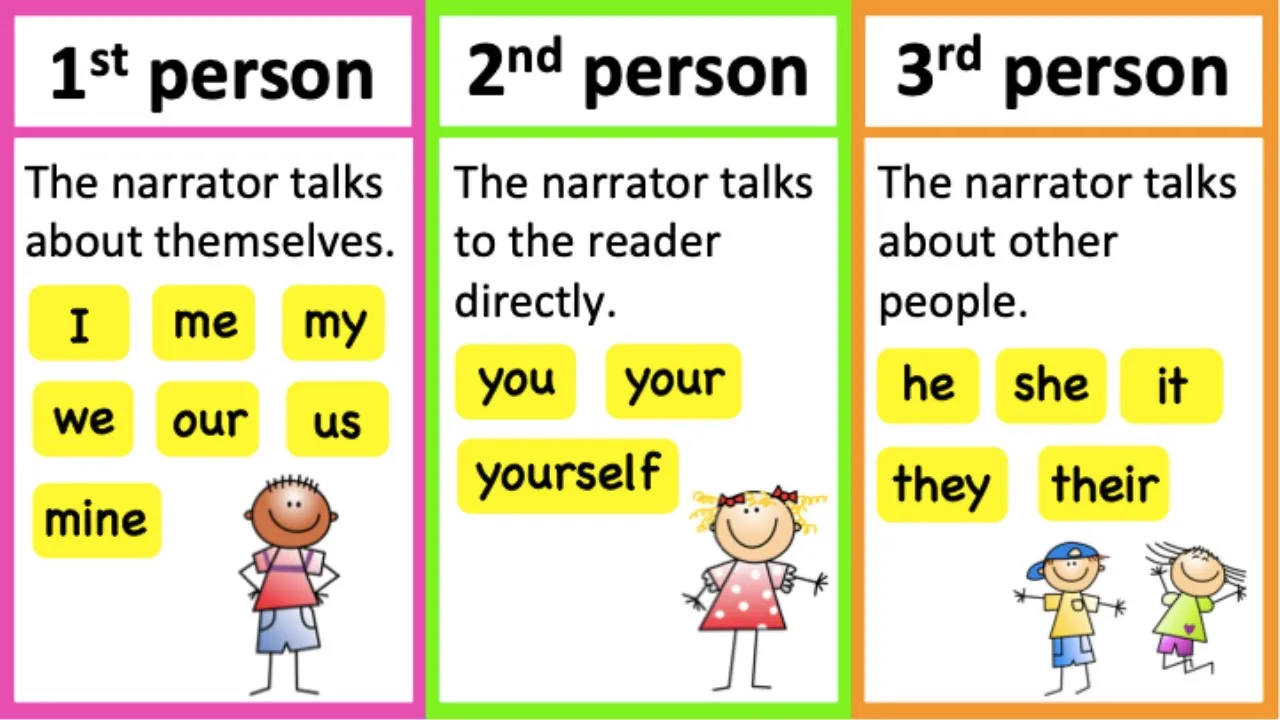
Added:Basic understanding of narrative point of view, specifically the traditional categories of first-person, second-person, and third-person perspectives.
The fundamental distinction between the real-world author of a text and the fictional narrator who tells the story.
An introduction to Structuralism as a literary and philosophical movement, which forms the theoretical foundation for Gérard Genette's work.
Familiarity with basic literary analysis concepts such as plot, story (fabula), and discourse (syuzhet).
In-depth analysis of Genette's concept of 'Focalization' to distinguish between 'who speaks' (narrator) and 'who sees' (perspective).
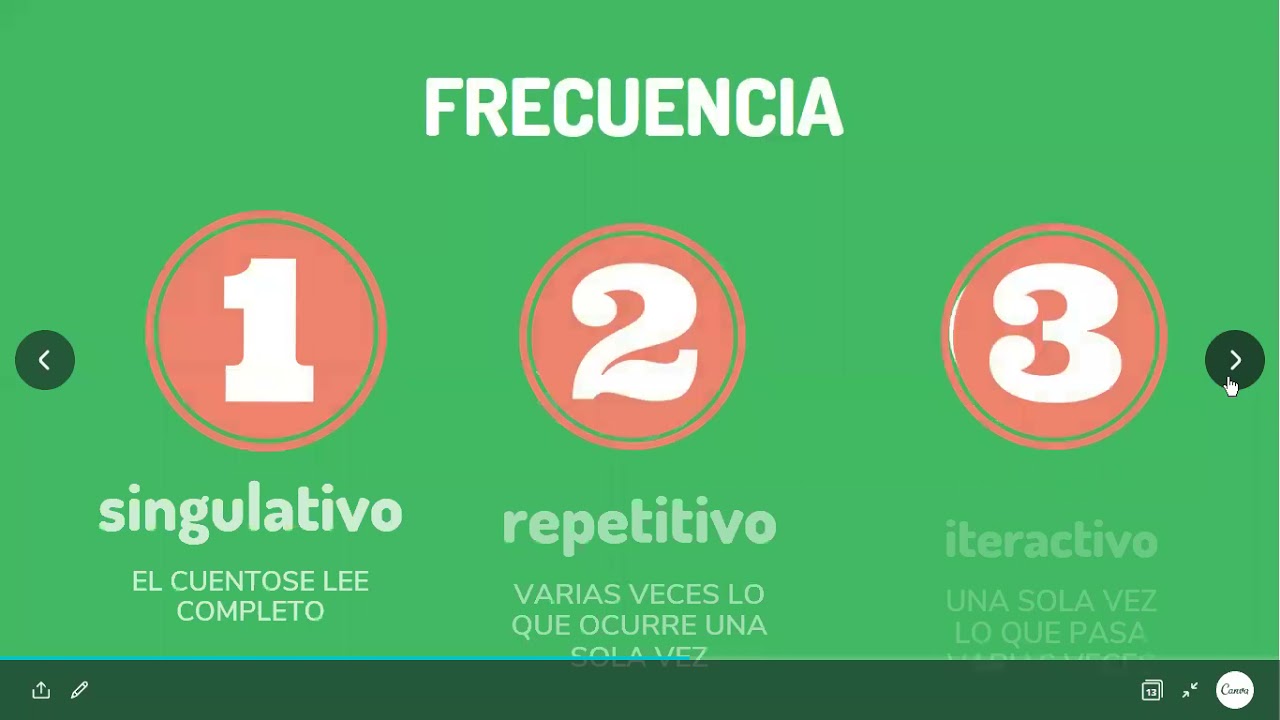
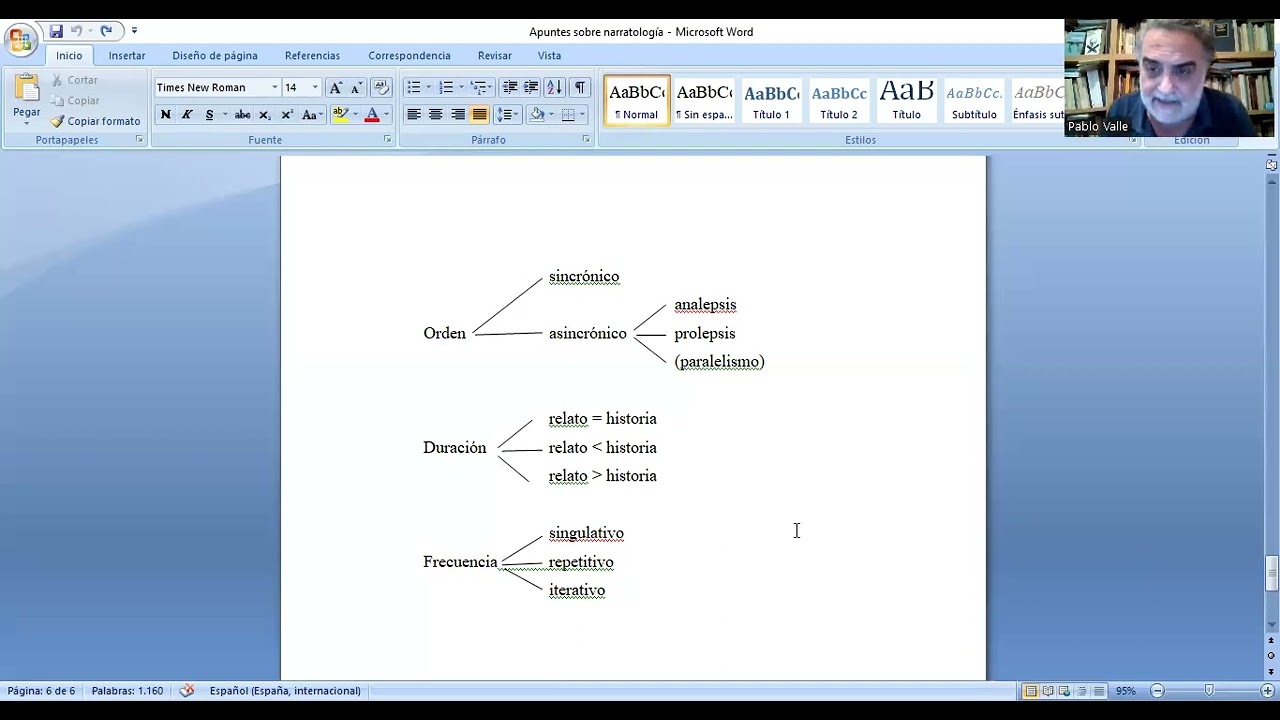
Exploration of Genette's theory of narrative time, including order (analepsis and prolepsis), duration (scene, summary, ellipsis), and frequency.
Applying Genette's framework of diegetic levels (extradiegetic, intradiegetic, metadiegetic) to complex modern and postmodern frame narratives.
Comparing structuralist narratology with post-structuralist and feminist narratologies to understand how narrative voice intersects with ideology and power.
Developing practical skills in applying narratological theory to non-print media, such as cinema, digital interactive media, and video game design.
418 views19likes18:18Original Release: 2025-02-05
and hello once again and welcome to this latest lecture series video thing about narrative Voice through the work of K J uh this is the last of the narratology um sort of videos that I'll be doing here first was about time second one's about mood this one's about voice and voice is basically the uh the sort of narration and the characters that take place in a story so before I get into this uh if you have appreciated these videos I've done I've done a whole bunch of them you can always check out the channel there's loads of these sort of unscripted educational lecture video things and um if you do appreciate them you can always support me by checking out some of my books or by supporting me on patreon but we're going to move on from there for now and we're going to get into the actual video so narrative voice cool firstly narrative voice is usually talking about things like the characters and the narration cool now let's us first say here that the narration is separate from the perspective in the previous video I did which is about narrative mood um mood has to do with things like focalization focalization is the perspective from which a story is told and how far um you are from the the story that is being told that is essentially what it is the narrator is the one that tells the story The focalizer is the one that sees or perceives The Story So narration is separate from the focalizer and it's also separate from the writer okay a lot of people seem to think that the um the the narrator in a story is basically the writer but that is not necessarily the case especially when it is a character within the story now it the The Only Exception really here is that very much specifically except for real world autobiographies and historical text which like if if it's written by the person about their own lives then then yes the the narrator is also the writer um but there is this idea of sort of the implied writer right it's sort of the narrator who is uh you sort of expect to see through the text which is different to an actual uh writer okay but so voice voice is about narration generally how is the story in a in a narrative right how is a how is the story told to us that is narration that is voice okay we're going to go through a couple of things here about how it's told to us right because you might just expect oh are you going to talk about like a omniscient narrator third person narrator first person no not going to talk about those talk about other stuff fun so when is a story narrated okay you get subsequent narrating prior narrating uh simultaneous narrating and interpolated narrating okay basically when is the narrator telling the story are they telling the story after it happened so past tense are they telling it while it's happening which would be present tense are they telling it before it happens which would be future tense or are they telling it like basically between scenes like all jumbled up right those are the four that Jan sort of looked at so subsequent narrating right is past tense um John went to the shop because he wanted to eat food subsequent it happens after prior narrating John wants to go to the shop and he plans to get himself some food future tents right um you're basically telling it it before it happens simultaneous John was walking well John is walking toward the shop because at this moment he is particularly hungry interpolated would basically be much broader so it's difficult to just give a single sentence definition like here or example because you're you're sort of jumping between things um but essentially that is the time of the narrating does it happen before after uh during or somewhere in between those things when is the person narrating when is the narrator telling us the story are they in the story are they outside the story why are they telling the story The way when when are they telling it to us cool that's why you then get into the idea of narrating levels right you get extra digic intr deetic and meta hyp dietic depending on who you ask uh meta and hyp are the same thing but basically that comes from a disagreement about the use of the word meta so basically extra inra meta dtic so let me first say I've said this in one of the previous videos digus is an important term to understand it's related to mimesis so digus is basically telling something it is textual mimesis is imitation so this would be how is the story told at what level is it told is it extra dietic so I think dietic the text extra is it basically like kind of outside of that story so this will be the narrator of the first narrative it's the person that is telling the story introd dtic is the actual event that take place in that first narrative whereas metad dtic is basically a a narrator uh with in the diagetic so like a narrator in a narrator um so or a narrative in a narrative rather so think of like a story in a story um it's not just it's it's not inside or outside of it somewhere in between and within it's it's a which makes it a little bit annoying uh to look at these kinds of of things this especially becomes true when it comes to a lot of um sort of post uh postmodernist novels um Jan was very concerned with postmodern novels like his book narrative discourse is is about um Marcel PR's work which is very it's sort of foundational text for postmodernism so um that's what he was looking at a lot of the time but most of the time you're going to be getting those extra intr dietic Nar narrators right who is telling the story and then the actual events that are taking place within that story uh and then also a character who could be within the story telling the story as like a a metatextual narrator okay now you also get types of narrator all of these things are related to each other the time of the narrating the narrating levels and the types of narrator types of narrator homodetic heterodetic intad dietic or extratic okay these are all important terms and I've also said this before but you I'm going to say it again now now because some people are not as familiar with the terms homo and hetero outside of a sexual context because obviously homo as in homosexual heteros and heterosexual but that's not what this means homo means same and hetro means different other so homodetic is same as text hetr deetic different to text intad dtic means basically within the text and extra digic outside the text okay so types of narrator according to these four things homo hetro intra extra which one is it okay if it's a homodetic narrator it is a narrator who is a character in the story right they are the same as the story think about Sherlock Holmes Sherlock Holmes are generally narrated from the perspective of Watson so he is a character in the story who is narrating the events of the story right he's in it then you get heterodetic uh a narrator who is absent from the story they're not actually in the story uh you could take something like I don't know The Book Thief right uh well you could say that the narrator is there but it it in a metaphysical sense in that the narrator is death the the the concept of death the personification of death is the narrator they're not actually a character they do essentially kill people in the story but they're not actually a character like within the story necessarily right so they're kind of absent from the primary narrative inic means that they are intrinsic to the narrative so basically is this character important to the story or not if they extra etic they're not important to the story that could be like an external viewer who is seeing things but isn't actually part of the story so like think okay the narrator is a character who is in the story right they are an actual character that is taking place in the story that's taking part in the story introd dtic if they are a character who is not actually part of the primary events like that say they're watching from afar they're extratic okay so now that is narrating in sort of a nutshell right when are you narrating on what level are you narrating and what type of narrator are you okay so then as two little additional Concepts that have to do with voice uh I sort of put them in a little box here at the bottom whereas metalepsis and Mison I don't know how to pronounce that word I've only ever read it I'm one of those people that I read the terms I don't hear the terms um so metalepsis basically meta generally means uh something that is beyond the the thing whatever it happens to be right so that's when you talk about say something being metatextual it's sort of beyond the fiction uh think about like Deadpool right Deadpool breaking the third the fourth wall breaking the third wall breaking the fourth wall and talking directly to us that is metatextual he is a character but he is very much aware that oh my alarm just went so thank you alarm you know I mute everything but of course an alarm doesn't listen to muted things anyway Let's ignore my little alarm there so metalepsis right is when the character enters the real or when the the the author enters the reality of the fiction so think about it could be it could be either the actual um narrator is entering or the story is entering the world of the of the narrator it could be one or the other they're two sides of the same coin so basically when the distinction between author and fiction become jumbled with each other right so they could be for instance the author making known in a story that oh no I'm actually in charge of these events I determine what happens in the story if if a if a a narrator says that it's essentially the author coming forward to sort of say I'm controlling things I'm like a god in this world that is what you can do if you wanted to if you were a certain type of of writer right so it's basically or or it could be the other way around where like say something like um six characters in search of of an author which is a a play by name who I now cannot remember uh whatever uh basically characters become sentient and they leave the page and they are in pursuit of their author they're trying to find the person who made them uh that is very meta right so that is metalepsis it's it's essentially the reality of the authors entering the fiction okay then M on abim whatever however you say that um is basically a story within a story that forces a reader to to have sort of different states of the narrative to look at different states right so it's essentially reflection on the text within the text so think about a story within a story you are learning different things as the story progresses which then forces you to consider the story as a story and not as something that has a suspension of disbelief right so you know it's a story because the story is trying to tell you about itself it sounds quite complicated but like it it sort of think about uh a a murder mystery right you a murder mystery you you get information constantly that forces you to reassess what you are engaging with right it is constantly changing constantly adapting constantly more information is coming out that is changing the way that you are are thinking about this this thing that is basically Mison I whatever uh it is trying to get the reader to engage on a deeper level with the concepts that are being explored okay all of that is basically narration all right now I'm going to quickly talk about person which is not actually related to narration necessarily it can be it's not necessarily but that's because when this was done in in like specifically the study guide that I'm using to explain some of these Concepts they lumped person in Jan didn't really talk about person but other people like ran Keenan and um and Bal they did talk about person here so we're going to talk about person as well person is character right characters so I'm going to very very briefly talk about a few different character theories I love character theories um I sort of developed my own little character Theory one day I might return to that and actually do a like an actual in-depth thing about characters which could be quite interesting but I'm not going to do it now okay so some different theories about characters forers theory forer he has probably is the most famous One flat and round characters right a flat character is a character that's not really important they not really fleshed out much in a round character is a character who is very 3D and they're very they're developed they we know about them we we understand their motives their ideas blah blah blah blah blah think about like a protagonist would be a around around character and some random character they meet at a shop that's a flat character uh fora went into the idea of types versus individuals is essentially the same thing but changing the the language a type is flat uh an individual is round then you get essentialist versus existential which is pickerel's uh theory of character this is also a similar kind of thing uh an essentialist character is a character that is just their Essence right so that they're basically flatted uh their purpose in the narrative is to be the shopkeeper who the main character talks to once that is their entire purpose existential characters or existentialist characters have an existence they they matter they actually have character and personality and thoughts and ideas they are they have their own existence then you get Hawkman he has a very sophisticated one which is basically uh a character Theory based on various binaries uh but you combine the binaries together so it's things like complex versus simple but there's eight of these different binary so together you basically get like a complex uh introspective whatever character it's like eight different categories so there's 64 different possible character types based on that which is interesting but um you know going into it would would take a long time so we're not going to do that then you get Harvey and basically he has a protagonist background a Fel and a card um protagonist is essentially a round character and a background is basically uh a flat character and then a fael and a card are ones that are in between those um essentially then you get uh fish love fishov looks at this is where get quite interesting the idea of there's a difference between the construction level and the textural level okay the construction level of a story is like the actual story The textual level of a story is the actual text what is written all right so what is written versus what is presented to us like what is the story versus how is it shown and you can basically look at this on like a graph right a character can be flat or they can be round but are they flat if they're a pure type if they're purely flat basically they'd be on the construction level they would be flat and they'd be flat on the textual level but you could have a character who's like a typ like individual we know more about them but they basically are still flat so you see they're on on a on a Construction level they're flat but on a textual level they're more round you see so you think of it as an X and Y AIS how much information is given versus how much is like presented to us it's a more sophisticated way of looking at character um one day I I think I will one day do like a a video about um about character but not like one of these ones it'll be like a proper scripted long thing all right so anyway the last thing I'm just going to talk about here in terms of character is characterization characterization is basically how you explore a character and how you show that a character is their own person their own unique individual right uh and you could either do characterization indirectly or directly right directly would be saying John was a bad person there we go you are directly telling the audience John was a bad person indirect would be saying uh you know John kicked a puppy we don't have to be told John is a bad person he just kicked the puppy right so direct versus indirect and then character building is all of the the culmination of characterization that leads to a character being bolt up all right so that that's pretty much that I went very very quickly through the person stuff I went much more into the actual uh narration stuff but uh yeah that's just a very very quick overview of person so that is this video about narrative Voice through the work of J so I hope it has been beneficial um and yeah that's pretty much it so if you did appreciate this if you enjoyed this what have you what have you you can uh support me if you would so desire because this is going to actually be my final year of these videos um these unscripted videos about these um literary topics but I'm doing a lot of them I'm doing like a lot of them so uh it it should be quite an interesting an interesting time so if you appreciate it you can um check out some of my books or you could support me on patreon uh both those would be very very helpful or of course if you want to be very very fun uh and not uh spend money then you can do the other thing which is like comment subscribe whatever all that kind of stuff so yeah that's about it hopefully you uh enjoyed this and I hope that you have a great day week and month ahead and goodbye
Up Next

75:50
Maus by Art Spiegelman: Holocaust Graphic Novel Analysis
@CartoonistKayfabe
22.5K views•2021-08-29

13:43
Formalism in Literary Criticism: An Academic Lecture Overview
@mattalberhasky9952
39.1K views•2015-08-05

6:08
Point of View in Fiction: First Person vs. Third Person
@magicalthriftyteacher
153.8K views•2014-03-31

15:25
1984: Orwell's Dystopian World and the Mechanisms of Totalitarianism
@AlternateHistoryHub
7M views•2017-03-04
Related Study Plans & Knowledge Roadmaps
Structured learning paths in Literature
literature
Graphic Memoirs: Visual Art, Trauma & History
01Foundations of Sequential Art and Visual Language
02Autographics and Processing Historical Trauma
03Visualizing Personal Trauma, Grief, and Graphic Medicine
+ 2 more learning modules
14h5 modules
Explore Roadmap
literature
Campus Novels: Evolution, Themes & Critique
01Introduction to the Campus Novel Genre
02Mid-Century Satire and the Post-War Academy
03Dark Academia and the Critique of Privilege
+ 2 more learning modules
14h5 modules
Explore Roadmap
literature
Theater of the Absurd: Philosophy & Plays
01Postwar Existentialism & Historical Roots
02Dismantling Narrative: Esslin & Absurdist Conventions
03Samuel Beckett and Tragicomic Existentialism
+ 2 more learning modules
12h5 modules
Explore Roadmap
literature
Revenge Tragedy: Justice, Madness & State
01Foundations of Early Modern English Theatre
02Anatomy of Revenge: Structural Conventions
03Psychological Complexity: Madness and Melancholy
+ 2 more learning modules
15h5 modules
Explore Roadmap