

























Social media platforms like Facebook use algorithms that prioritize content generating the most engagement, which often means content that triggers anger and outrage, thereby amplifying negative political discourse and potentially contributing to mental health issues among users.
Social Media Algorithms and the Amplification of Outrage
Added:The fundamentals of the 'Attention Economy', specifically how digital platforms monetize user engagement and screen time.
Basic machine learning recommendation concepts, such as collaborative filtering and optimization metrics (e.g., click-through and dwell time).
Key cognitive biases, particularly negativity bias and confirmation bias, which make sensationalized content naturally more appealing to human psychology.
The concept of echo chambers and filter bubbles, and how they historically developed on early web platforms.
Regulatory and policy frameworks (such as the EU's Digital Services Act or Section 230 reform debates) aimed at holding tech platforms accountable.
Algorithmic auditing and reverse-engineering methodologies used by researchers to detect bias and radicalization pathways in closed proprietary systems.
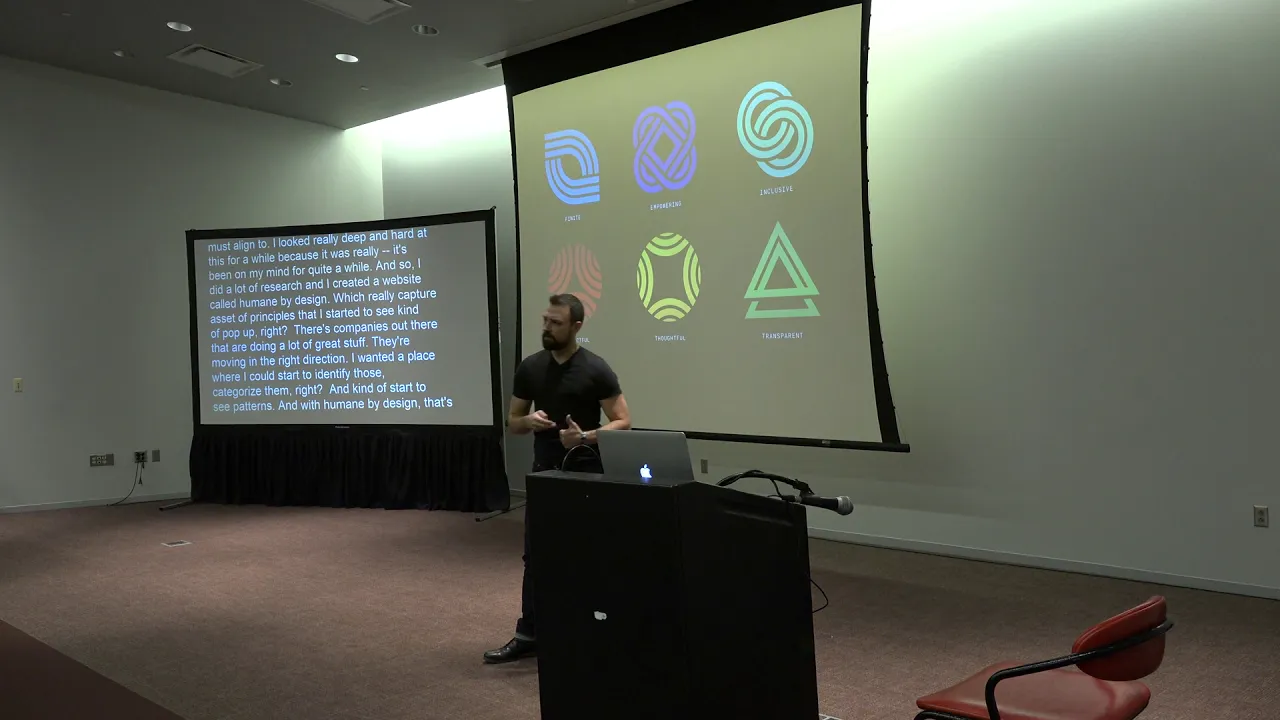
The principles of 'Humane Technology' and value-sensitive design, which prioritize user well-being over raw engagement metrics.
The systemic impact of algorithmic polarization on democratic processes, including election integrity, public trust, and social cohesion.
406.3K views8.7Klikes4:40Original Release: 2021-09-25
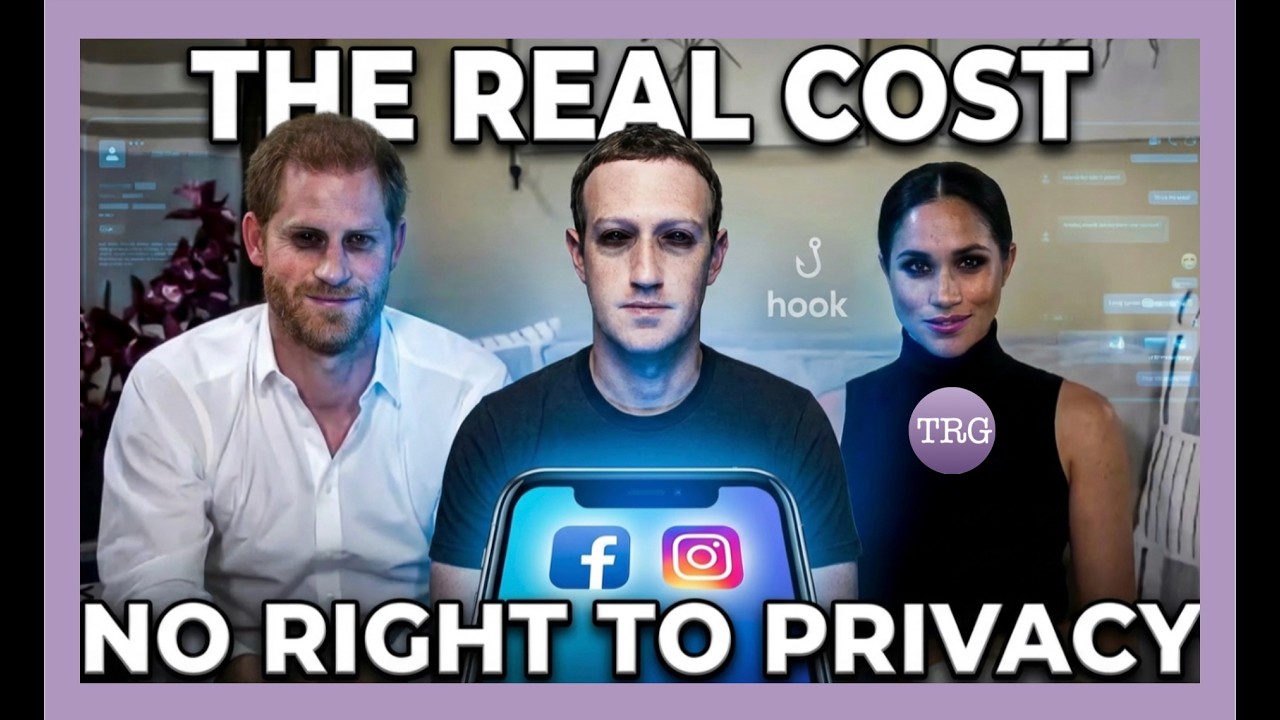
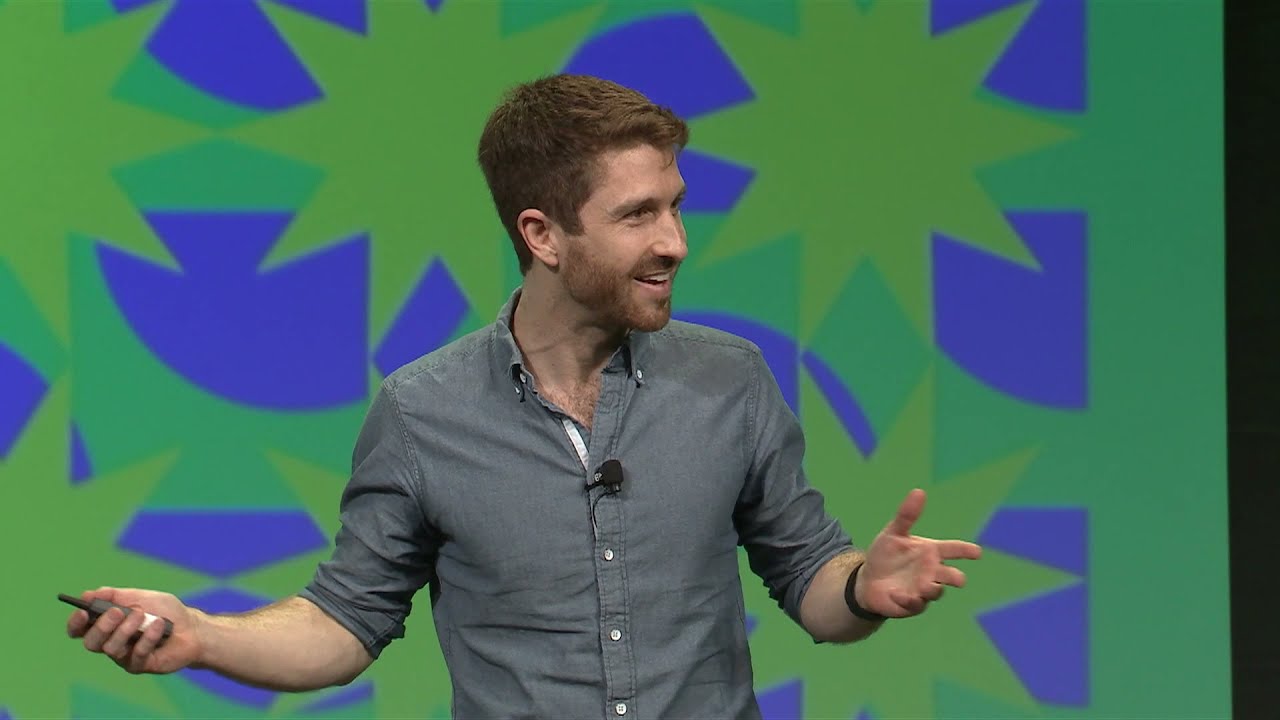
first up he is the co-founder of the center for humane technology and co-host of the podcast your undivided attention tristan harris back with us chris john how are you sir all right thank you for being here you know we always have you here because you are the guy who keeps it real for us on big tech so big story in the wall street journal this week about uh facebook and you know whenever i read these stories this one was about how they changed their algorithm i'm always thinking how much do our robot overlords really control us because i honestly i feel like a hamster yeah like they changed an algorithm and people acted completely differently yep what was the algorithm and what was the change so the wall street journal published this is the largest my understanding is the largest set of internal research about facebook's effects on society that were known inside the company and that they deceived from the top and it has effects across the gamut from suicidal increased suicidal ideation in girls teen girls uh mental health issues in teenagers body image issues and specifically the thing that i think you are both most interested in which is the way that it makes political parties more negative so they made a change that basically said the things that generate the most what they call meaningful social interaction which was actually just code for what generated the largest argument so you know people focus on the posts on facebook but it's the comments whatever generated the most big long comment threads that stuff got shot to the top and what that resulted in was a basically rewarding political parties for being more negative and they found evidence in poland spain taiwan india where were political parties who used to post you know you know regular facts about policies they wanted to do they couldn't get attention they had to go 80 90 negative to get the same attention so it's the anger it's the anger it's the anger and outrage that gets the eyeballs but who could have predicted this it's not like anyone was saying that you know but i mean the the facebook defendant would say it's just a town square and the people in the you're blaming them for what the people in the town square are doing and they can't help it that people are kind of shitty now i mean that's sort of the bottom line i i don't think facebook that's facebook's fault what's different is that it is a town square that's a little more like you ever been one of those movie theaters where the seats actually move because you're watching this movie where the runaway train yeah it's like that it's as if the town square actually was not passive right the town square is actually affecting how people perceive what they do it's it's part of the problem it's part of the equation yeah well i think the companies try to defend they're just holding up a mirror to society so if you have those crazy people who are going to post crazy things we're just showing the mirror of european society but the the problem is that these things are not a mirror it's more like a fun house mirror it selects for whoever says the most divisive thing and that's what shoots up to the top so we have a trillion dollar market cap company with the most powerful super computer in the world pointing an ai at your brain being like what's the next fault line in society that will maximally outrage your limbic system and whatever that answer to that question is and it's using trillions of dollars of compute power to figure that out it puts that at the center of attention for the entire world you let society run through that for 10 years and you wonder why does it look so insane and so we've all it's almost like we've been through this massive civilizational bad trip i mean we we have an entire mind warp that's taken place and you know it doesn't have to be this way but the business model of engagement that getting whatever it takes to get people engaged is the key to the equation so you seem to be saying that the biggest problem is not censorship because we do expect facebook to do some of that and we'll get into that because some of the things they've censored i don't think are right yep like the wuhan lab but before we get to that uh you're you're seen to be saying that the problem is is the bigger problem is this engagement issue yeah it's it's the anger it's not censoring stuff it's that you want these people to be chicken fighting each other all the time and that's why and that's i've said it many times people have to stop talking politics all the time we never used to do this we didn't care what kid we went to third grade with thought about brett kavanaugh yeah exactly and we shouldn't you
Up Next

82:55
Audrey Tang: Digital Democracy, AI Ethics & Polarization Solutions
@RightLivelihoodFoundation
194 views•2025-12-10

24:30
BRICS Pay and de-dollarization: A New Financial Order Emerges? | 55 chars
@DannyHaiphongYT
164.6K views•2024-10-22

7:33
Government Surveillance Methods: 10 Ways You May Be Watched
@BeAmazed
1.6M views•2017-04-09

10:19
Explaining the Saudi-Iranian Proxy Conflict in the Middle East
@Vox
18.2M views•2017-07-17
Related Study Plans & Knowledge Roadmaps
Structured learning paths in Political Science
political-science
Economic Statecraft: Sanctions & Chokepoints
01Foundations of Geoeconomics and Economic Statecraft
02The Mechanics of Weaponized Interdependence
03International Sanctions: Types, Implementation, and Efficacy
+ 2 more learning modules
12h5 modules
Explore Roadmap
political-science
Central Bank Independence: Politics & Policy
01Foundations of Central Banking and Monetary Policy
02The Time Inconsistency Problem & Inflation Bias
03The Delegation Model and Designing Independence
+ 2 more learning modules
12h5 modules
Explore Roadmap
political-science
Consociationalism: Power-Sharing & Stability
01Democratic Dilemmas in Divided Societies
02Introduction to Consociational Democracy
03The Four Pillars of Consociational Design
+ 2 more learning modules
12h5 modules
Explore Roadmap
political-science
Rebel Governance: Legitimacy, Economy & State
01Foundations of Rebel Governance and Statehood
02Establishing Political Legitimacy and the Rebel Social Contract
03Wartime Economies and Rebel Resource Management
+ 2 more learning modules
14h5 modules
Explore Roadmap