







![REET-2018 (Ch-16) अभिप्रेरणा के सिद्धांत (Motivation)- [Part-3] Exam में प्रश्न 100%✓](https://i.ytimg.com/vi/Y_cPcFt_Aj0/hqdefault.jpg)








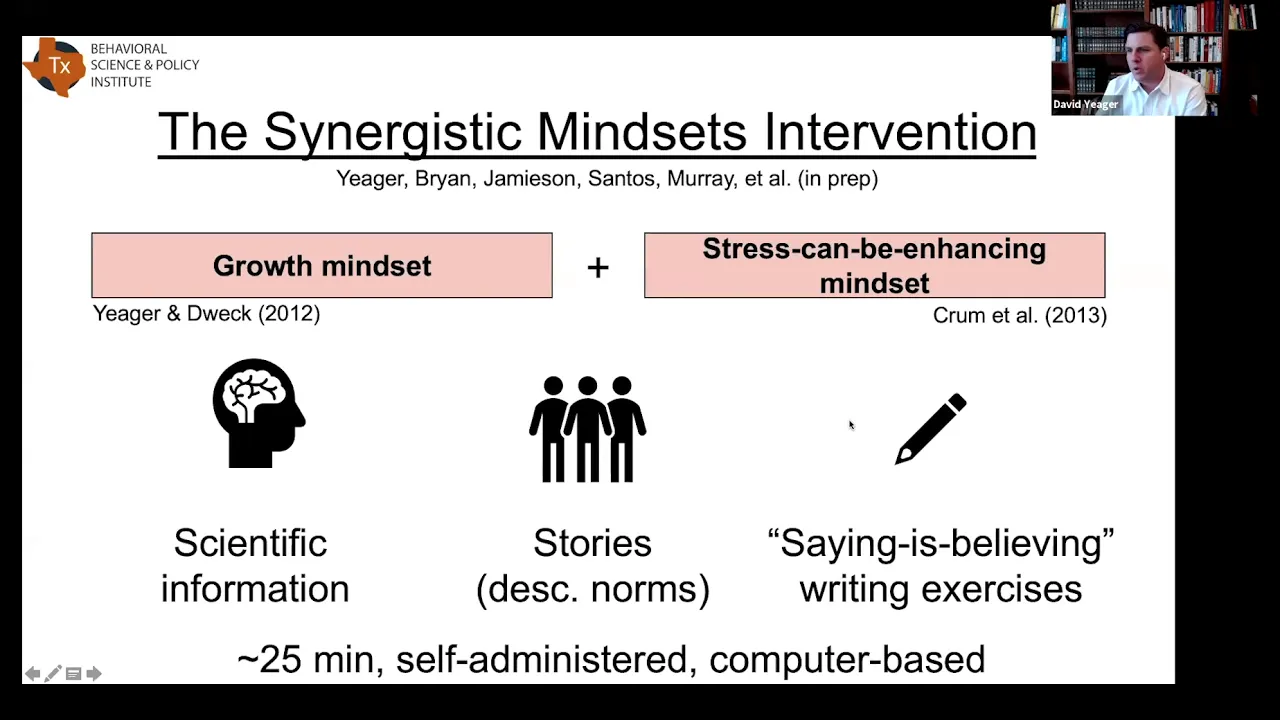



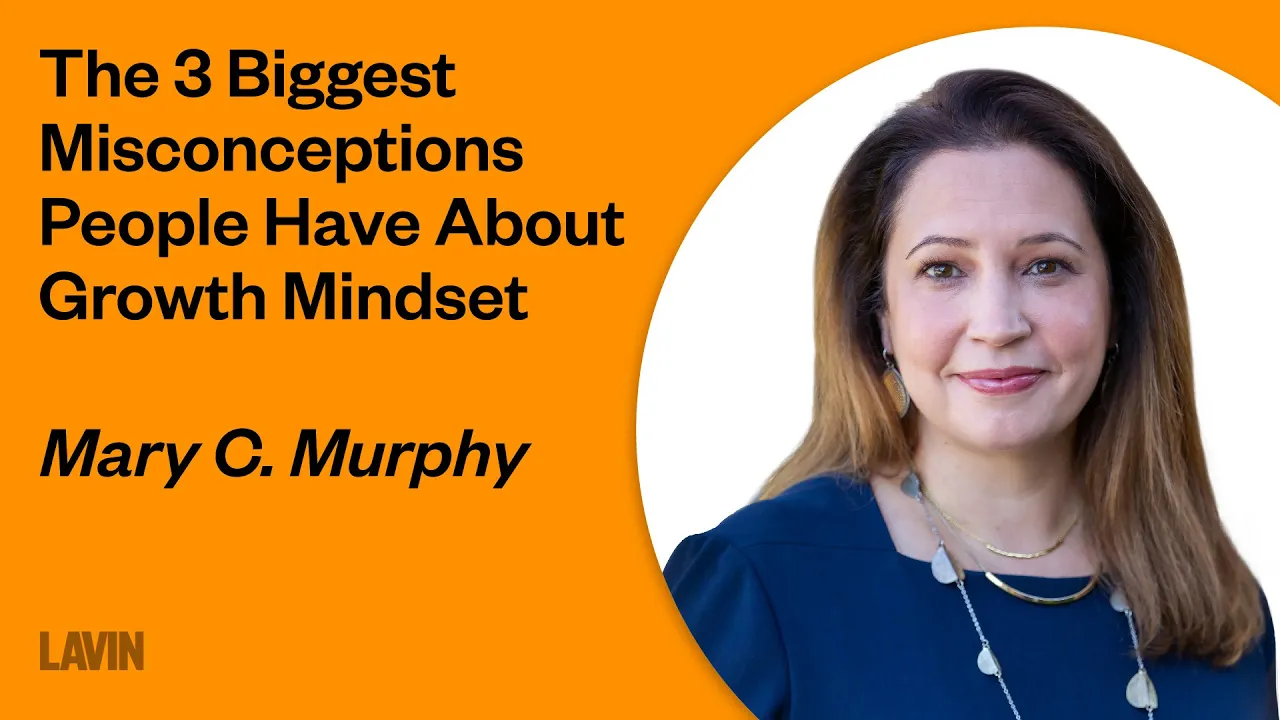










Research by Dr. Carol Dweck reveals that individuals with a growth mindset—believing that abilities can be developed through effort and learning—tend to embrace challenges, persist through obstacles, and achieve greater academic success compared to those with a fixed mindset who believe abilities are static. Her landmark National Study of Learning Mindsets demonstrated that a brief 50-minute online growth mindset intervention significantly improved grades for lower-achieving ninth graders, though effectiveness depended on supportive peer and teacher environments. This research emphasizes that praising effort rather than innate intelligence helps cultivate resilient learners who view setbacks as opportunities for growth rather than indicators of low ability.
Growth Mindset Research: Carol Dweck on Motivation & Learning
Added:hello and welcome to the psychology podcast today's episode is part of the best of Series where we highlight some of the most exciting and enthralling and enlightening episodes from The Archives of the psychology podcast [Music] enjoy welcome to the psychology podcast where we give you insights into the mind brain behavior and creativity I'm Dr Scott Barry Kaufman and in each episode I have a conversation with a guest who will stimulate your mind and give you a greater understanding of yourself others and the world we live in hopefully we'll also provide a glimpse into human possibility thanks for listening and enjoy the [Music] podcast today it's a real honor to have Carol D on the podcast Dr DW is a leading researcher in the field of motivation and is the lwis and Virginia Eden professor of psychology at Stanford her research examines the role of mindsets in personal achievement and organizational Effectiveness Dr D has also held professorships at Columbia and Harvard Universities has lectured to education business and sports groups around the world has addressed the United Nations has been elected to the American Academy of Arts and Sciences and the National Academy of Sciences and has won 12 lifetime achievement awards for her research her best-selling book mindset has been widely influential and has been translated into over 25 languages Dr dck so great to chat with you today Scott it's great to chat with you oh boy there's so much to talk about I know I was thinking about starting with your earliest sort of dissertation research because I remember 2003 I remember I was studying intelligence I was reading a book I really enjoyed reading of yours it was one of these it was an academic book it was it was it was short it was short and it and it went through it didn't use the language mindsets this is like back in the day it was incremental versus uh entity right can you tell us a little bit about this this earliest research well yeah I I'd love to tell you about it uh when I was in graduate school I was kind of gripped by a question oh why did some kids shy away from challenges and crumble at the first sign of failure while other kids no smarter or more able at the task see to relish taking on challenges and thrive in the face of obstacles and pretty soon I found the question was a little bit wrong it wasn't just that some kids thrived wanted challenge or coped with obstacles I found out that some of the kids loved setbacks they said things like uh I love a challenge I was hoping this would be informative and I thought I'm giving them failure problems and they're thinking this makes it worth their while I couldn't relate to them at all I thought they were from another planet but I thought I'm going to figure out their secret I'm going to bottle it and I'm going to take a few healthy swigs of it myself because I thought I have a lot to learn from these 10-year-old kids that's how I got started on this research wow so it sounds like the original observation was more a behavioral finding than a cognitive mindset finding um the way you described it that's so interesting I wanted to figure out the cognitive underpinnings of it and one reason was it was personally relevant my sixth grade teacher I I kind of figured this out later that it was me as we say me search not just research oh my gosh that's what we all do right yeah and I recommend it because you never get enough of it my sixth grade teacher had seated us around the room in IQ order we were all already the top IQ class in the sixth grade of five classes and yet she thought every IQ point was monumentally important um in not only telling you how smart you were but whether you had good character could be trusted and essentially what you were worth in her eyes spending a whole year in that classroom I was really influenced now you might might think oh um I felt downtrodden and unappreciated no I was in the first row first seat you would think oh I won that IQ prize but as I looked back I realized I never wanted challenges again and I arranged my life to be purely successful not to topple from my height so I wanted to figure out what goes on in people's minds that can allow them to risk taking on challenges and that can give them the fortitude to keep going when things seemed rough yeah it's such a great question an important question I was the opposite I was I was in special education as a kid I don't know if I ever told you that uh for an auditory an auditory uh processing disability so people thought I was really slow slow learner because I was having trouble hearing things in real time and sort of the the impact of expectations can can certainly have an effect on on uh mindsets I'm sure and the way we think about things I'm wondering when did the shift from entity and incremental become fixed versus growth that was when I wrote the book mindset I realized nobody can remember entity in incremental yeah I always had TR remembering that myself which is if they couldn't remember entity and they couldn't remember in incremental so when I came to write the book mindset I said well I have to WR find some more userfriendly terms but kind of a prior question is how if we just call it mindsets now how how did we get to the point of thinking that mindsets could play a role absolutely and I asked this because correct me if I'm wrong but it was an entity an incremental they were called beliefs in your langu your original language they were beliefs not mindsets is that right yeah but I kind of mean the same thing okay I'd love to hear more about that yeah in my earliest work I looked at attributions kids made for their successes and failures did they think think the failure measured their ability or did they think the failure meant try a new strategy seek advice just keep going but eventually we said why does failure have such a Negative meaning for some kids and kind of an informative me meaning for other kids and in the N early 1980s Working With Mary bandora Al bandora's daughter I was GNA ask we suddenly realized you know when you think you're being measured and that judgment is really important doesn't it kind of imply that you have this fixed thing that's being judged and if you think it's just a failure is is it's just a clue for changing your strategy or trying harder or getting input and then learning more doesn't that kind of imply that you think your ability can be developed and suddenly we looked at each other it just bold us over what if people have fundamentally different ideas about intelligence and they're carting them around with them and it's affecting how they view challenges how they view setbacks well um you know there was no stopping us at that point hi everyone just wanted to take a quick break and talk about my new book that's coming out April 7th it's called transcend the new science of self-actualization really excited to present this book to you all it it uh represents the culmination of many many years of hard work and um and uh synthesis what I've been what I've done in this book is I've taken maso's classic hierarchy of needs and I've revised it for the 21st century trying to bring back humanistic psychology I think that the field of humanistic psychology in the 50s and 60s really got a lot right about humanity and the creative possibilities of humans as well as the humanitarian and spiritual possibilities really hoping this book can uh present a vision of humanity that transcends us all and helps us connect deeper with each other but also help us reach our greatest potential individually and collectively so if you want to check out this book you can actually pre-order it right now on Amazon as well as other there's independent book stores I think you can pre-order it from and and then on April 7th starting April 7th it should be in bookstores a lot of people been wondering throughout the years how they can support me and the psychology podcast and here here's the time you know you're always welcome to uh contribute money to the podcast help support it if you're a longtime listener or even shorttime listener you want to not only support the podcast but dive deeper into a lot of the concepts and ideas we talk about constantly on this show this is a a great way to do that by buying this book so please check the book out and uh let me know what you think there was a good Confluence of research around then as well because I remember my colleague Joshua arenson was also doing some research that I think contributed to that just this overall idea of the malleability of our beliefs fact Joshua Aaron son and his colleagues Katherine good Mickey inl um right Carrie freed they um they did some of the first mindset interventions yes before we published any interventions we had published mindset experiments where we measured or changed people's mindsets within an experimental situation to look at the impact but Joshua arenson kathern good and their colleagues did the first actual interventions where they changed students mindsets and compared to a control group they they taught a growth mindset the idea that abilities can be developed and looked at what happened to grades or achievement test scores over time those were the first I would say landmark studies that took some of the ideas we had developed and really put to the test really for the first time fulfilled my dream of bottling it what was what were these kids secrets and delivering it so that was very exciting research and we followed it with um some these were in-person interventions we followed it a few years later with a study Blackwell treski and wack 2007 we were very excited that we could that others and we could do these in-person interventions that could have an impact on grades or achievement test scores this was very very exciting but it was limited it was limited because it cost a fortune we for the Blackwell studies we had a big Grant from the uh William T Grant Foundation we had something like a dozen research assistants that went out to the school um several times a week and um you you can't scale that up so that posed a big problem I could see that I could see that you could validate the ideas but you couldn't really scale it up then two kind of big things happened one was that uh Dave panescu uh Stanford PhD created a platform for delivering educational interventions online to schools of course then we had to create interventions that were amable to that we had to kind of distill the mindset interventions can you describe one of the interventions like what if I was one of the kids what would I see well I'll tell you what we do now um we built upon we built upon these interventions and the early ones had a lot of this but I'll tell you what we do now the mindset interventions are aimed at adolesence because they're self- administered like ninth ninth graders you've done a lot with ninth graders right yes yeah okay ninth graders and older um so first the down fall of a lot of adolescent interventions is that people say to them hey we're grownups and we know how you should think well you've already lost them right that's not what teenagers I wouldn't start there I wouldn't start there so we start with hey we're developing these programs we study learning we're experts in that but you the expert say in the in high school or the transition to high school uh whichever is appropriate and we need to learn from you what it's like and how we can change our program in the future to take advantage of your knowledge we respect them in so many other ways first we explain the growth mindset in terms of neuros the Neuroscience of learning with graphs and so on um in a way that really really treats them like the intelligent people they are we have quotes from older students who have been through a version of the program before uh we have quotes from esteemed figures in the world um we just found them on social media or the internet and we also have exercises originally created by Joshua arenson to internalize a growth mindset we said hey um suppose there's a ninth grade student next year and this student is struggling could you write a letter to this student and giving them encouragement in terms of the growth mindset principles you've learned we kind of list those principles and they then they write a personal letter to the student these letters are really kind of heartwarming um we also tell them why they'd want to have a growth mindset now to us nerds why why why they didn't want to have a growth mindset and andow grow a stronger brain to us nerds that's obvious give me more of those IQ points I want a stronger brain that's kind of the coin of our realm the brain a strong brain a smart brain but that may not be true for everyone and so now we say um we we ask them to think about how a strong stronger brain can help them with their goals in life so what are your goals in life what would you like to contribute and how can a stronger brain help you these are uh so this is the kind of intervention that we've developed and in our big biggest study today we worked about two years to hone it uh two years of honing the program and piloting reh honing and reiling is that the national study of learning mindsets yes that's the big mama yes we had a um pre-registered large scale study before that but this was the be big mama of pre-registered uh the the um hypotheses were pre-registered the analysis who were pre-registered um but let me back up and say sure this was a wacky idea which one what was the national study oh okay not growth mindset there that's pretty wacky too but um in around 2015 David jger professor at the University of Texas now had this wacky idea he convened a White House conference to kind of air the idea I would say the idea was fool hearty but he's kind of visionary and so we all went along with it and we all worked super hard on it um but it is kind of wacky that you can think about Del faing a growth mindset intervention to a large National sample of um 9th graders making that transition was was it nationally representative yes wow okay was nationally representative one of the first psychological interventions or maybe the to be done with a nationally representative sample um David and engaged a series of uh several research firms one to constitute the sample and conduct um the intervention supervise the interventions one to harvest the data so it was really hands off he also engaged um a group of basy and statisticians to analyze the data blind to make sure that our analyses were entirely seaworthy uh yeah so Across the Nation went out our um two session total of 50 minutes growth mindset intervention versus a control intervention that looked very much the same but just taught about the brain and its functions but didn't teach a growth mindset I see and I think one of the most wonderful parts of this study was this we oversampled sites where we thought it wouldn't work I think it's unusual for researchers to seek their own nonreplication well you were curious what context it might not work right yes so where doesn't it replicate no psychological anything works everywhere and what could we learn from that in order to improve our results and the results for kids in the future we always always want to know where are we wrong and what can we learn from and we have a whole history of being somewhat wrong and learning from it and I can enumerate that if you'd be interested but first I probably should finish the national yeah I'd love to hear that uh and we we'll have time to talk about that but yeah tell me about the results that you found to just finish up the thread on this big study yeah absolutely the first thing we found was that there was a meaningful increase in grade point average for the lower achieving kids who were in the growth mindset intervention group they were the pre-registered group of targeted kids for the increase in um grades do you know what the effect size was the effect size was something that sounds small 0.11 that's like you're talking about like 7,000 7 was it 14530 was it something like the end yeah depending on which analyses something like like that okay and which grades could be matched up and wait so that that effect size you just uh said was that for the uh the low achievement group in particular or okay so so was even smaller for the average of everyone yes there was no effect as we had predicted for the higher te now we went into the literature because that's about what we were getting in our pilot um and you could say whoa that's negligible look at Cohen's effect sizes or Hattie's effect sizes for Education you would need like a microscope say that yeah I was going to say we went into the I love that you have a microscope on your desk right there I just want to call that out that's pretty wait can you do that again so I can take a screen capture of that I love that okay God I love that so we went uh we went into the literature on educational interventions and we found something pretty startling the most successful interventions with with adolescence L even large scale expensive ones seem to top out at about point2 it's and when we're talking about longterm outcomes like grades not on a test a few days later for what you just taught but grades over time point two when you look at adolesence what's the effect of a year of school in on achievement test scores point two what's the effect of an excellent teacher versus an average teacher for adolescence point two and um uh a big study that was done funded through IES on um the most promising educational interventions they too topped out at point to when they were subjected to a rigorous test um they topped out at about.
22.23 so the fact that we got half of that with a 50 minute intervention that cost like 25 cents 50 cents really just the um minimal minimal um we are excited and then when we looked into the nudge literature their most a aside from opt in opt out which has huge effects most of the famous effects are between 0.1 and 02 my gosh there's just there's nothing that really like dramatic yeah and many medical effects that we can cite are kind of like that so that was really eye openening it's eye opening in a number of ways one way I'm more shocked that how come no one's been able to develop an educational intervention that is striking you know above 0 five6 yeah yeah a lot of things work better with younger kids it's hard to reach adolescence one-on-one tutoring with a great tutors can get you more but these kind of wholesale large scale interventions it's just so multiply determined there are so many reasons kids aren't achieving there are so many reasons they may reject or not profit from an intervention so yeah and I would even say that you're that I've actually seen larger effects than even that with the 2018 metanalysis they they found an effect size I think of. 34 for low sces from students from Low sces homes benefited from the mindset programs I I I seen effect size of. 34 so that's even bigger yeah that's even bigger but but they found very weak effects for you know other just like you found for other you know higher achiev or high higher SCS students yes yes and so those that larger effect size includes some of the face tace ones that did get larger the blackw the Aronson those did get larger effect sizes but when you scale up and condense the program and you're not tailoring it or you're not really interacting with particular kids and also so the large scale are intent to treat you've got kids in there who can't read who can't pay attention on their own um so that deflates the effect sizes but it was just so eye openening to see how hard it is to do anything so we were pretty happy with what we could do and also the fact if you multiply it by all the kids who are ninth graders that could you know reorient some of them the second finding was I'm like on the edge of my seat here like okay go go on gosh we were on the edges of our seats too so the second finding was because you might say oh growth mindset interventions are not for higher higher achieving kids they're just for lower achieving fit kids but that wouldn't be true across the achievement levels we saw an increase in advanced math course taking that electing of ADV an advanced math course A year later in 10th Grade and this was even slightly greater among the higher achieving kids probably because there were more advanced math courses in their schools or because um uh they had more of the foundation but yes more advanced math taking a year later we were very excited about this and again although this was a few percentage points that's what they get and actually Danny conoman reviewing the nudge study says hey in the real world a few percentage points you know again multiplied by a lot of people at a low cost that's pretty good I think that is a fair point absolutely you know Matthew effects um are important you know the rich get richer poor get poor kind of idea these these things can snowball especially if you start really really young yes they can snowall and another way you can think of them over time is you do a little better little choices along the way it's not just one time so you do a little better overall you take an advanced math course you graduate from high school you choose to seek higher educ so just little if you can shift enough of those little choices you're having an impact yeah I I'd love to hear more about the conditions which it didn't work because I think that would be really useful to Educators to hear one thing you told me um or that is in the paper as well is that it didn't work when peer Norms weren't favorable is that right can you elaborate what that means for teachers who are listening so at the end of the second session of the mindset intervention and the control group we asked kids whether they wanted to work if there was enough time whether they wanted to choose some problems that were easy and they'd be sure to get right and we showed them that on a math worksheet um that was keyed into their math curriculum or challenging problems that they might that were hard but they could learn something useful so for each school just zeroing in on the control group yeah we could see was this a school full of challenge loving peers or challenged denying peers what we found was that when a child in the growth mindset condition dwell within a challenge rejecting School we saw that the kids in the growth mind condition were themselves choosing more challenging problems than their peers but the question was could they take their growth mindset out into the real world now and have it take root and flourish and turn into higher grades and the answer was when you have peers if you take your kind of new or enhanced growth mindset learning and you look interested in schoolwork and you work harder and you ask the teacher for input or you start answering questions in class and your peers don't like that you're not going to do it so that's a really in really interesting finding and then another thing you said you're you're writing up right now is potentially the role of teacher mindset like whether if a teacher has a fixed mindset does that have an effect on on the teaching yes so we in the study we studied Math teachers in particular that's a subject that kids find really hard and yet we know that the future world is really wanting kids to be Savvy and math tech Etc so we found that if your math teacher and now we're focusing on math grades if your math teacher had more of a growth mindset reported having more of a growth mindset you showed enhanced as you know as a group on average you showed enhanced grades in math um at the end of the year but if your math teacher reported having a fixed mindset the growth mindset intervention did not work it did not take root again at the end of the second session these kids want to challenges but again um you kind of take it out into the world your new or enhanced growth mindset and you say does it work here so maybe you try a little harder does the teacher notice and respond maybe your grade goes up a little does the teacher notice and respond um maybe you look for opportunities to revise your work and get credit are there those opportunities so we look at it now as the teach teachers creating either opportunities in the classroom or reactions in the classro that support the nent or newly increased growth mindset or that kind of nip it in the bud yeah are they good are they good coaches or not in a sense yeah yeah so here's this child coming off a growth mindset intervention maybe willing to work harder willing to get more instruction um wanting to be recognized and appreciated by the teacher um and it is or isn't there hi all just a quick break to let you all know that this episode is sponsored by learning and the Brain learning and the brain's mission is to connect Educators to the latest research in the science of learning through education conferences summer Institutes one-day seminars and on-site professional development I've had the great pleasure of speaking at Several of their conferences already and they always have an amazing array of presenters many of them are leading National experts on psychology neuroscience and education if you are an educator interested in the brain and using the learning Sciences to improve your school classroom or practice this is the conference for you learning in the brain runs three conferences a year in Boston San Francisco and New York City and summer events in Boston and Santa Barbara to find out more about learning in the brain's upcoming events please go to learningand theeb brain.com that's learning andthe brain.com okay now back to the show I have a question I was thinking it as you were talking there's such a focus in this research on academic achievement as the dependent variable have you looked at like the relationship between uh growth mindset interventions and you know there there are other things in life right so like what like um meaning in life or well-being or personal growth or hope or um you know so so many other things that you know social relationships uh other things that are important in school as well has anyone ever looked at other outcomes yes yay okay I'm dying to hear what they found but interesting why do we focus on grades test scores Etc um well first of all they are important and they become more and more important in the modern world to but um we and let me just stay in that domain for a minute we think that a growth mindset gets you to the grades because of a greater desire for Learning and a greater interest in errors and and neuros Neuroscience work by moer Schroeder and colleagu shows different brain responses to error so we're really in the business of creating more um engaged learners but is the world going to listen if it doesn't lead to higher grades we weren't so sure well that's so sad I know it's sad what if it leads to higher self-actualization no one cares about that not yeah you got to measure that self-actualization in some way right well we can get to that yeah higher income no that's not how I would measure but what do people personal fulfillment doesn't personal fulfillment matter anymore these days did it ever matter to me to me personal fulfillment and contribution that's the be all and end all and or personal fulfillment through contribution that is the be all or end all personal growth contri that's everything to me but we also want to show the world that it does both so you have there are studies then that that go beyond academic achievement I'd love to see those studies yeah oh yeah yeah yeah so um right so um David jger has a whole line of research on changing um mindsets about personality he started it when he was a PhD student at Stanford he's been very prolific in his career I know he's fantastic and yeah he he's Visionary and the amount energy he has is extraordinary so anyway he teaches he did the ground work and then did interventions teaching kids that personality is not fixed personal skills social skills need not be fixed that everybody is capable everybody has the potential for change by the way we don't say change is likely or inevitable or infinite or infinite not everyone can be you know intellectually gifted right open question question interesting yeah but we don't we don't know who can or who can't let's just but everyone has the potential for growth the reason I say we don't know is we don't know what anyone's ASM toote is we don't know what anyone's like High Point on their trajectory is uh I don't want to be in the business of deciding in advance who can be brilliant and who can't because I take as my expert Albert Einstein he says I really was a slow learner he says everyone thought they understood light and mass and speed and energy and I just kept saying I don't get it well he ended up reconceptualizing the whole thing I've read that his early I read that some of that was over overplayed his early difficulties where when you actually look into it he actually was a good student no I'm not talking about whether he was a good student he was he says I was slow to understand others understood it faster than I did but it turns out they didn't understand it as deeply as he did didn't he like you know he was sitting in the classroom and he was able to just imagine what it would be like being on a a beam of light flying through space I mean that seems like that came easier to him than others that that visualization but the point I'm trying to make um is that there were there have been many students who didn't seem promising to their teachers who went on to do great things one of my most brilliant colleagues ever an the late Anne Brown um was labeled when she was go that teenager in England because she hadn't yet learned to read in my book I talk about a scientist who um I think a Nobel Prize winner but some a great scientist he later in life found his school records and found out he had a pretty low or IQ or a lower IQ than he thought he says he might not have tried to be a scientist so I just I don't like deciding in advance I think that is a really good point I've heard some uh some thoughts from the giftedness uh gifted education Community some of them have drawn on your work as suggesting that like you're denying the existence of intellectual gifness at any point in time and I was wanting to wanted to hear some of your thoughts on that oh no I do not deny and it's it should be clear from some of my writing and even in the book mindset I don't deny that some kids are precocious and um should be supported every child should be challenged I love that every child should be taught to love Challenge and not allowed to be bored in school if they want to take a college course and they're nine years old I'm so totally in favor of that I'm not in favor of parents pushing the kids constantly but when that Ellen witer calls it the rage to learn is there the rage to master yeah yeah the rage to master yeah go with it a lot of Educators have wrongly interpreted so again in myet I talk about these incredibly precocious kids people have said oh cut out gifted and tal in my name have said cut out gifted and talented programs um have said you know homogenized kids and um in ways that don't challenge the kids who are more advanced I don't agree with that you're not saying that on for the record you're not saying that okay cool I think that'll really uh make a lot of people in the gift education can be really happy to hear that I I don't say there aren't things to change and learn I think um kids kids who are way Advanced must be kept engaged in learning not just being gifted and talented must love challenges again rather than thinking oh if I make mistakes maybe they won't think I'm a genius don't make them into who I was in Mrs Wilson's class learn from what almost happened to me that's interesting you know when you think of the work you've done on the importance of praising effort you could see how a child who is very very precocious who things do come very easy for them and um they can just quickly memorize things and Ace tests without studying if if you apply that that theory of teaching them praising them for their effort that that will feel quite inauthentic to those students don't you think yes so we we say more than praising the effort it happened in that series of studies we chose one form of process praise um but growth mindset has sometimes been oversimplified to say it's about effort and praising effort and as you say it would be inauthentic to praise their effort and um and also I I am wondering is it really bad to praise intelligence is that bad that in a minute okay we'll get we'll get to that to this precocious child if they're challenged they should sometimes be struggling and working hard you can encourage them uh to try different strategies if they're stuck you can show their progress over time and you can show how the effort yielded some results over time if they're only doing stuff that is quick and easy then you don't get a chance to keep them loving and respecting and appreciating the process so kids at every level of current ability should be shown that challenges are interesting easy is boring that when they're stuck try new strategies enlist Aid ramp up the effort and see the progress all kids should be doing that good I'm really glad that we talked about that I I saw an interesting study by lean Bates from 2017 that I don't think was published I emailed Timothy Bates about this and he hasn't responded yet to my email so I I want to say on the record it was just a pre-print I found but they found an interesting thing they found that children's mindsets showed no relationship to IQ so it's uncorrelated to IQ school grades or change in grades across the school year with the only significant result being in the reverse Direction better performance and children holding a fixed mindset I wonder from a causal perspective if you do genuinely have a extraordinarily high IQ and and some kids do at certain points in time and I'm right there you by the way Carol we shouldn't write off kids you know with the lower IQs or kids with lower achievements so I'm right there with you but there are kids who do have externally High iq's you could see from a cult perspective that they could actually rightfully develop a fixed mindset if things are coming that easily to them that actually matches their reality more than ler IQ students and I wanted to see what you thought about that I'm I'm really interested in that cool um a fixed if you have a if you have a fixed mindset and you say to yourself it's fixed and I've got it and you never doubt it oh that'll be Tri tricky when they actually do face challenges someday right maybe but in the moment until that happens they could be fine they could be fine yeah they could be fine fixed mindset is not always a uh NE necessarily A detrimental thing yeah until you start thinking oh I don't want to do this maybe I'll look dumb oh I made a mistake maybe I'll look dumb but if you're super secure in your fixed mindset you can look good and um not until later when other people start catching up with you or uh the other thing is the lean Bates studies were done in China and just found out something really important um there's this uh Pisa test that is a worldwide achievement test that's given to hundreds of thousands of 15y olds in 70 across 79 countries guess how many many countries in how many countries a growth mindset was at some level positively related to uh Pisa achievement test scores how many country how many countries I don't know 76 out of the 79 oh and China was one of the that didn't yes a well that's well that is very interesting I'm so intrigued by that and this is going to address a couple of things you ask oh that is truly interesting okay now um am in touch with a really fantastic young researcher in China and he said a few things thatum were Illuminating one of them goes back to something you said before he gave a growth mindset intervention to you know typically High achieving Chinese kids it got them more intrinsically motivated engaged with learning it lowered their anxiety but because it didn't raise their achievement because they were they already apparently work more than 50 hours a week on school work out of school nobody cared so he's upset about that as you are and I am that no one cares about the well-being just just the grades but why was I'm glad I'm not the only one not the only one but also why wasn't the Chinese score positively related to achievement uh the grow mind is it what is it that is it something about the culture of work ethic yeah even negatively related to achievement correct correct because they found in their study that those with a fixed mindset actually had higher performance yes and that that's what we're seeing in China in the Pisa results and I I'm working with the Pisa people to figure that out it could be that when you're in such a high pressure cauldron you know they're heading toward the a big high stakes uh test for getting into college they're it's really high pressured if you have a gross mindset maybe you have a more sane attitude about some of this things maybe you think errors you can learn from whoa instead of errors are not permissible so it's possible that under certain circumstances um having learning goals and uh thinking errors are informative and um valuing progress rather than immediate achievement maybe you're a Sayer happier kid but maybe you're not at the top of the achievement distribution anymore well that's really would be really interesting for further research those more cross-cultural patterns of fix ver growth mindset intervention Effectiveness and what do they mean yeah that would be really truly interesting so I want to talk about you know this uh this this quote unquote replication crisis that uh have been happening in other fields there's this paper I know you love and I'm being sarcastic by Alexander bone at all in 20 that just came out recently and they really you know they take you to task on saying that you've overclaimed and overhyped with some of your prior quotes would you still say things like the view you adopt for yourself profoundly affects you lead your life and they also take your task for saying mindset creates different psychological worlds for students and forms the core of their meaning systems so would you would you say that th those things are uh in light of of the most recent FX sizes to dramatic what would you say because they really Tak it a task to this as you know I know and I appreciate that they're um interested in mindsets and they challenge us and we get better uh I think given what I said before um how hard it is to change grades achievement test scores anything in the real world I think our effects are striking the fact that it's a 50 minute program that changes achievement for lower Achievers and um changes the course taking a year later the fact that it can be distributed widely at incredibly low cost I think that's striking I stand by striking wow well maybe we can distinguish between striking it sounds like you're saying striking given the uh noisiness of the real world and all the other things that could have depressed the effect I mean how how do we know objectively what is striking isn't without looking relative to other kinds of interventions and the goals and the outcomes and yeah I mean I I've seen some higher effects well I've seen some like self-efficacy interventions don't they they're they're quite higher in in terms of effect size um well you have to have the benchmarks um I don't know the self-efficacy literature or self-efficacy interventions it's possible that they're higher um we view growth mindset As One path to efficacy the the maintaining of efficacy over time in the face of challenge I'm looking at um okay so um and thank you for being uh so open this is a credit to you to be so have such open honest intellectual honesty to discuss these things with me so first of all I want to say thank you I'm looking at this uh hadti bigs and py 1996 found meta metalic average effect excis for the typical educational intervention on AC academic performance to be 0.57 it looks like the average uh intervention is actually 0.57 all meta anat analytic effects of mindset interventions and AC performance um like in the cismen analysis are less than. 35 um and most were null as in that that's what the CIS get all 2018 paper and you found that as well so would I mean you could see how someone could you could see how someone could say striking is is is over absolutely yeah it turns out that many of the studies in the hatti interventions were the teaching of particular particular information in class and then the testing of that information in class which is very different we don't teach anything um of content we change a mindset and then we look at grades in the real world over time very different from teaching particular content and testing it and I know John hadie he's looking into this now and he's a big fan of our work um I think he now agrees that you have different benchmarks for different kinds of interventions but you know Scott the one thing I want to emphasize we're not perfect and no intervention works everywhere I think what I want to emphasize too is we're not done we consider our intervention work to be in its infancy I want to look back one day when we learn how to create growth mindset sustaining environments and I want to look back and say wow we have much bigger effect sizes now which we think we will have when we learn how to teach teachers to create growth mindset producing and sustaining environments we don't know how to do that yet we call this our next big Mount Everest it's hard to change teachers it's hard to change contexts but we feel strongly that we will not understand the power of mindsets to change children's trajectories until we can help create those contexts thank you for uh for elaborating that you know some Educators might get this idea that they should be focusing on growth mindset interventions at the cost of actually teaching skills and abilities and and you're not talking about the secret here right you know the book The Secret where whatever you believe is going to be true I mean I can't I mean if you if you are have really really like no Talent like I've when I was a kid I could have all the growth mindset in the world about being in the NBA and trust me I wanted to be in a great basketball player but I don't think all the growth Minds in the world would would have really gotten me there I so can can you kind of put this in context I guess is what I'm trying to say absolutely mindset is not a miracle maker mindset is a growth mindset is something that supports your being a learner and what we want to do is help teachers understand how to integrated into their teaching and teaching practices of effectively to support students self-efficacy about learning as well as their learning um we I think we underestimated how easy it would be to identify the practices that really worked and to teach the practices that really work in fact in the beginning I thought it was going to be just intuitive for teachers um I got after I published the book mindset I got all these emails where teachers said I did these four things and here's what happened in my class and I thought wow that's amazing and I still believe they did that but now I think they already had kind of a growth mind said in an understanding of how to apply it and the book kind of crystallized it and allowed them to kind of run with it but after that um AED by my Australian colleague Susan Macky who said you know I'm seeing a lot of false growth mindset in classrooms I I re she really opened my eyes to the fact that it's really hard to deeply teach what a growth mindset is and how to apply it and again that's our next big Mount Everest we don't know how to do that yet that's exciting to me to hear about your uh your most excited what you're most excited for in terms of future directions so that's that's the big mountain um do you want to leave today um I'm so I'm so respectful of your time and and and and excited that you spent so much time with me but what we leave here is there anything else you want to say directly talking to to all the Educators that are listening to this who really are excited about growth mindset they want to apply in their classroom but they want to they want to do it the right way you know anything you can say to them uh yes um ps.net P ts.net um founded by David pound DAV p escu whom I mentioned earlier um give some tips but stay tuned because over the next few years we hope to collaborate intensely with teachers um who create classrooms full of students with growth mindset we hope to collaborate with many other researchers to climb that Mount Everest and at the end of that when we're at the summit we would like to give you all the gift of a growth mindset curriculum that teachers can truly effectively Implement well the stakes are high here and uh we have ch children's lives you know at stare so I wish this research very well and I wish you very well and I and I want to thank you I want to end by saying when I put a a call on my Twitter are you on Twitter you probably didn't even see this I said I said I'm so excited I'm talk with c car dck any anything you want me to ask to ask and I got so many questions to ask you today and but one thing and I wanted to leave you with someone just wrote OMG just tell her thank you so I just want to end on that note so thanks for um all the work and energy you've put into this research over the years and your willingness and openness to seeing how the research evolves in the future thank you Scott this it was just great talking to you so exciting thank [Music] you thanks for listening to this episode of the psychology podcast if you'd like to react in some way to something you heard I encourage you to join in the discussion at the psychology podcast.com or on our YouTube page the psychology podcast we also put up some videos of some episodes on our YouTube page as well so you'll want to check that out thanks for being such a great supporter of the show and tune in next time for more on the mind brain behavior and creativity
Up Next

Grit and Self-Control: The Psychology of Achievement
@familyactionnetwork
58K views•2012-12-11

Cognitive Skills for Differentiated Instruction | Teacher PD
@BrainWareLearning
631 views•2017-12-17

Thinking, Fast and Slow: Daniel Kahneman Animated Book Summary
@FightMediocrity
2.3M views•2015-06-05

The Nocebo Effect: How Beliefs Can Cause Real Harm
@CGPGrey
10.4M views•2013-12-23
Related Study Plans & Knowledge Roadmaps
Structured learning paths in Psychology