






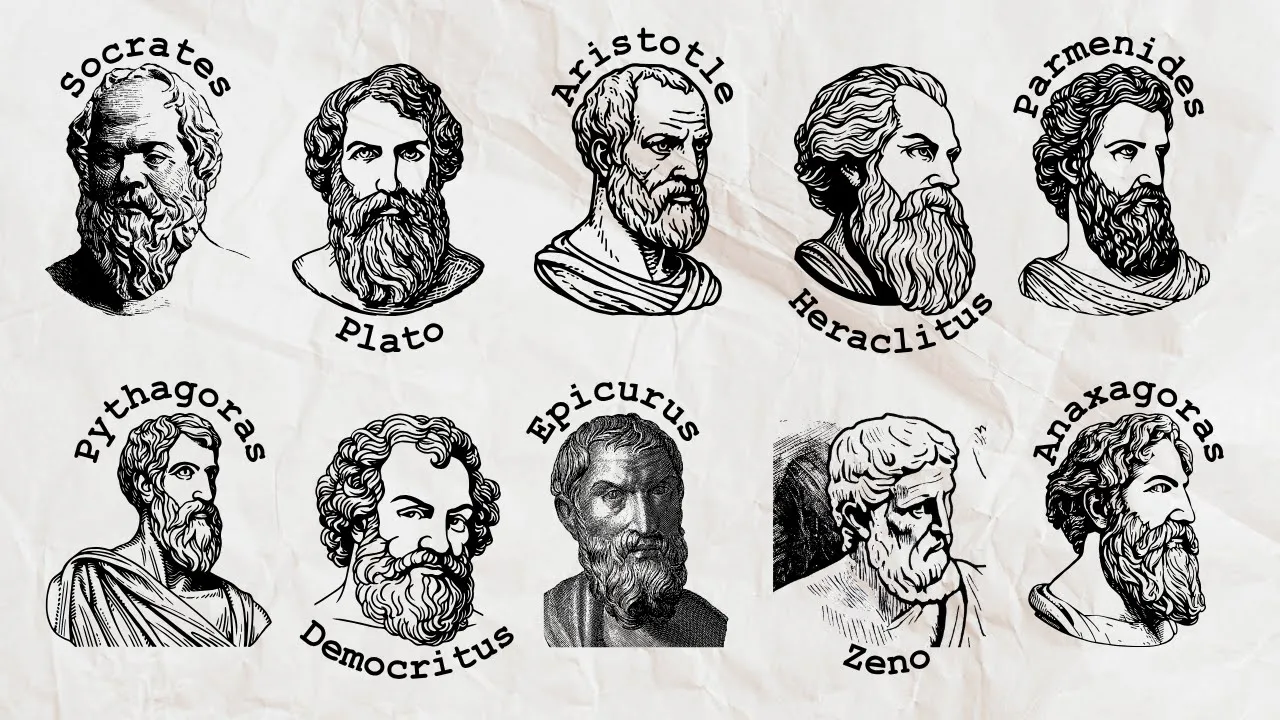


![[PHILO] Distinction entre Épicurisme et Hédonisme - Michel Onfray](https://i.ytimg.com/vi_webp/nknhn2ZGuaM/maxresdefault.webp)











![ROMALILARIN DÜŞÜNCE DÜNYASI [@jimithekewl ile Sohbet]](https://i.ytimg.com/vi/ki-RPsXpxAA/maxresdefault.jpg)


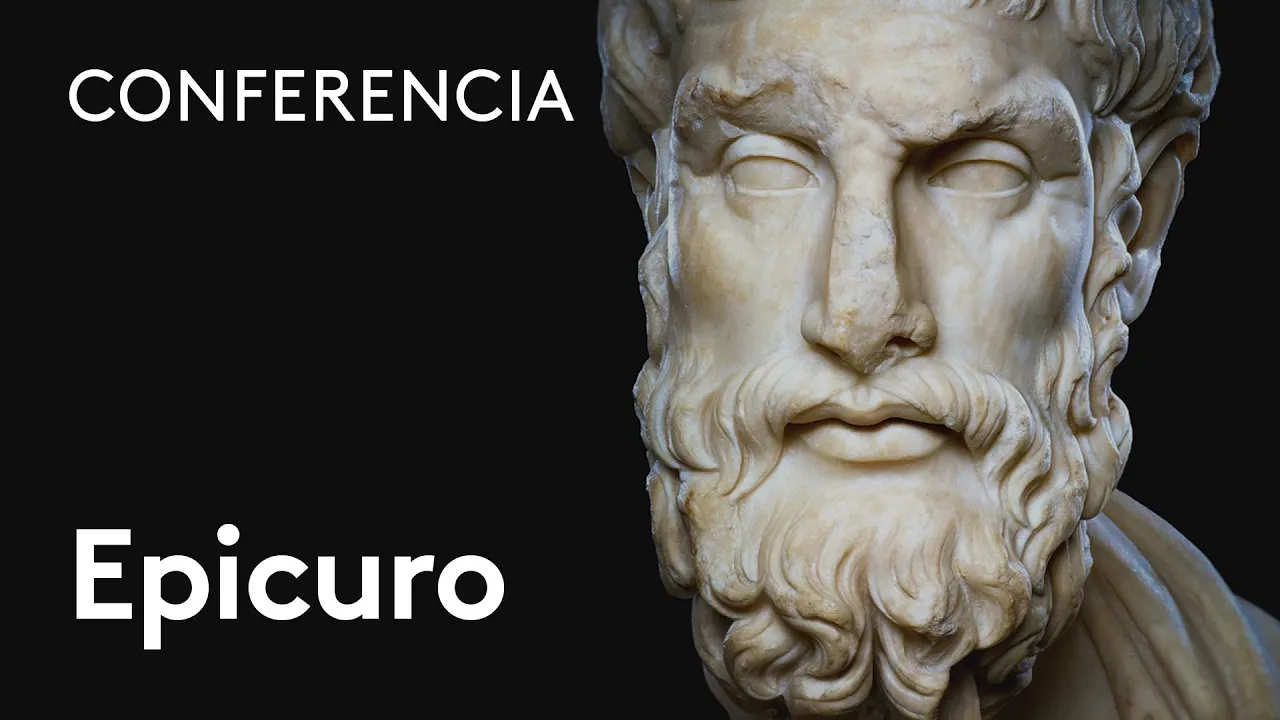




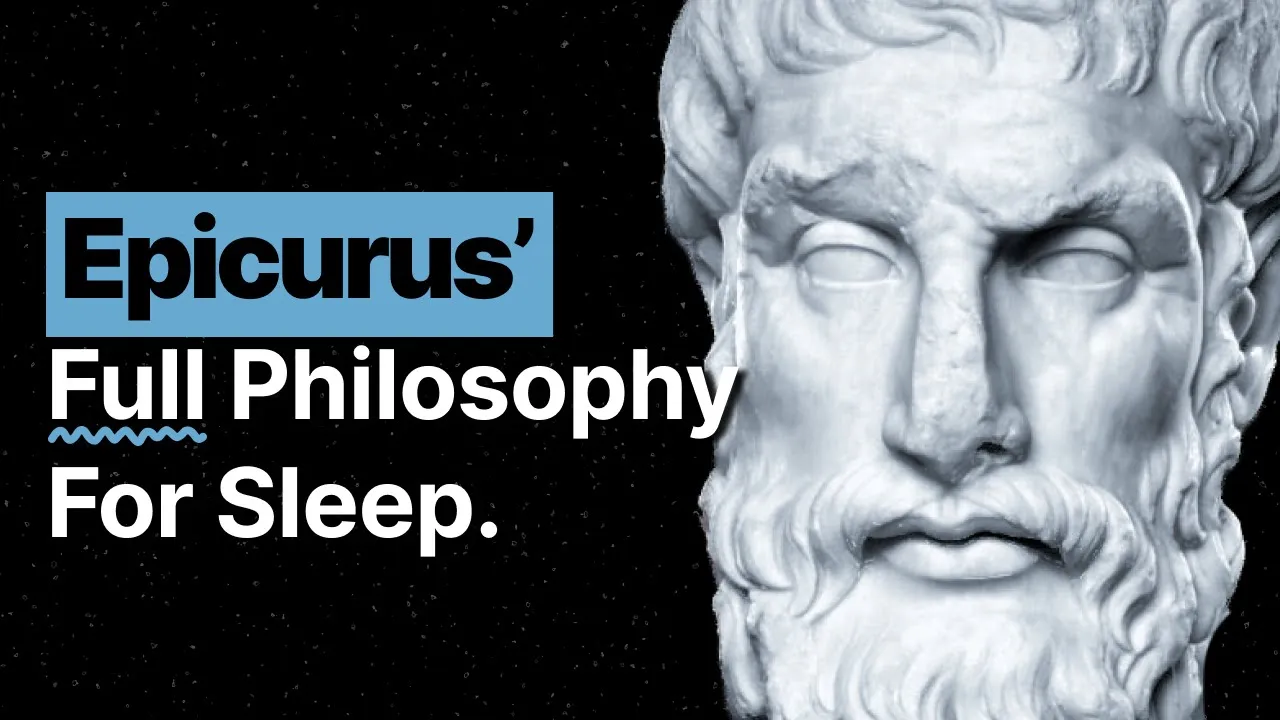



Epicurus proposed that true happiness comes from overcoming four fears: not fearing God (since divine beings are indestructible and unconcerned with humans), not fearing death (since death is irrelevant to those who exist and non-existent to those who don't), recognizing that what is good is easy to obtain (pleasure as the goal, specifically the absence of pain), and understanding that what is terrible is easy to endure (pain is temporary and manageable).
Epicurean Ethics: The Four-Part Cure for Anxiety
Added:The historical context of Hellenistic philosophy, which shifted the focus of Greek inquiry from political metaphysics to practical, personal ethics.
The philosophical definition of 'ataraxia' (tranquility/freedom from mental disturbance) and 'aponia' (the absence of physical pain).
The distinction between Epicurean philosophical hedonism (which advocates for modest, simple pleasures) and the modern colloquial definition of hedonism (which implies luxurious indulgence).
Epicurus's atomistic materialist metaphysics, which posits that the universe is made entirely of atoms and void, forming the logical basis for his views on death.
A comparative study of Epicureanism and Stoicism, analyzing their differing approaches to civic duty, fate, and the management of emotions.
The Epicurean view of friendship ('philia') and 'The Garden' as a model for alternative, self-sustaining communities free from political ambition.
Classical and modern critiques of Epicureanism, including Cicero's philosophical objections and the 'paradox of hedonism'.
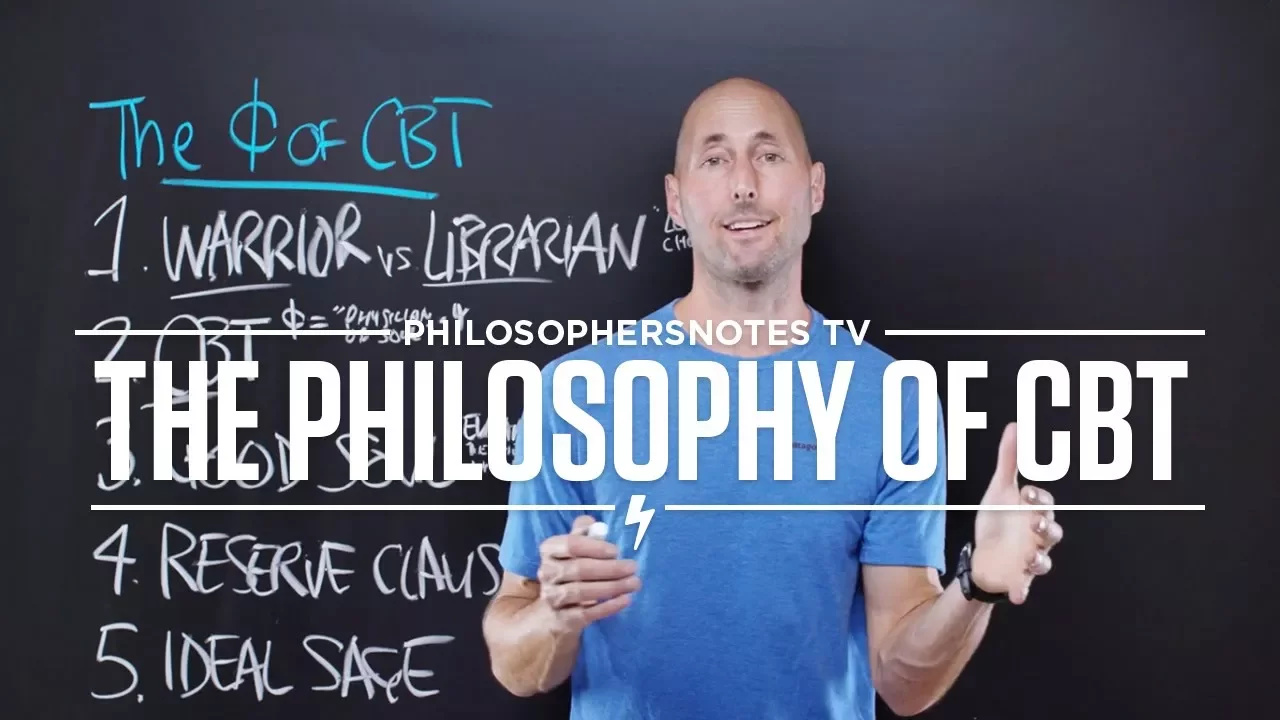
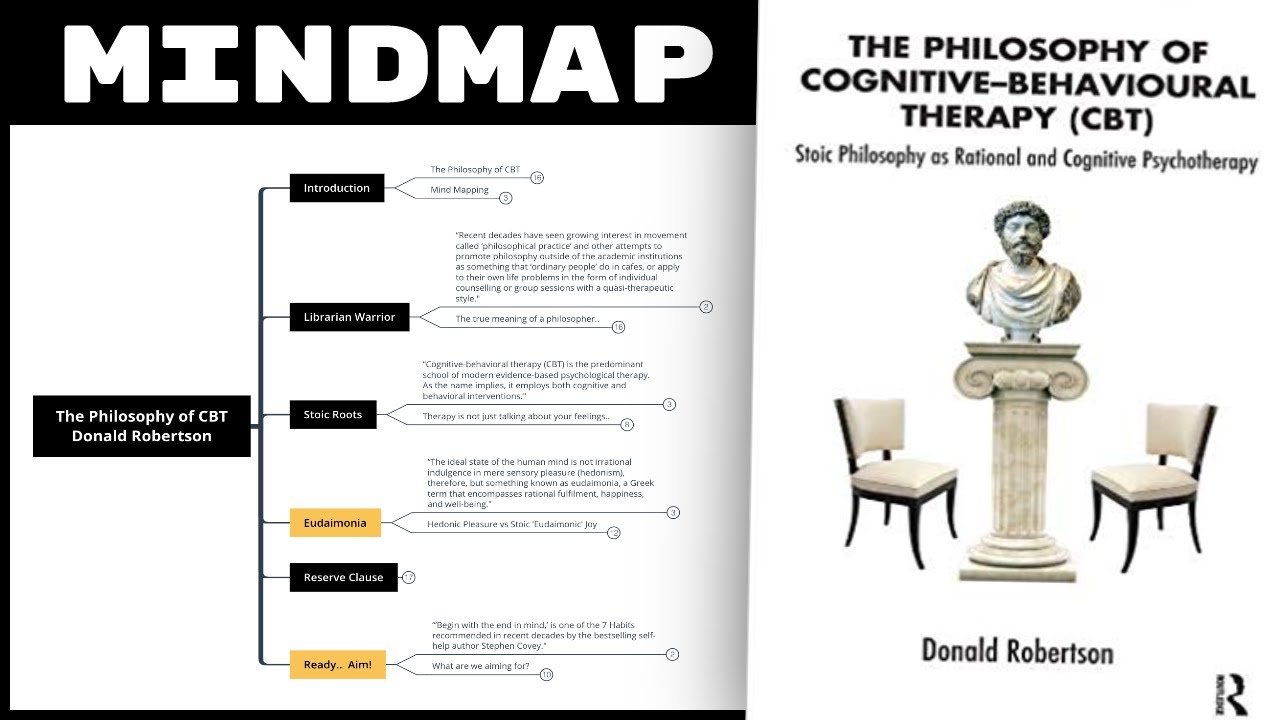
The integration of Hellenistic philosophical techniques into modern psychotherapy, specifically the roots of Cognitive Behavioral Therapy (CBT) in reframing anxiety.
3.9K views184likes10:00Original Release: 2020-12-14
[Music] i'd like to start this video with a moment of silence for epicurus specifically because of the way he's portrayed in the school of athens work by rafael he just looks derpy here actually you know who he looks like don't hate me for this but so you walk into the giant market of philosophy in search of a life philosophy for you now you tried stoicism which is all the rage but you're not a hundred percent sold you know so you decide to try their competition the pepsi the stoicism's coca-cola so to speak you decide to see what epicureanism is all about well howdy folks i'm amy from amygdalavids and in this video i hope to give you a little taste of epicureanism just a little taste i'm not a scholar or an academic i'm just some idiot with a drawing pad and a mic so i'm going to be focusing on the ethical side of epicureanism because and i could be wrong on this i'm assuming you're less interested in metaphysics and yeah i know the two complement each other but i'm guessing y'all just want the good stuff the real meat and potatoes so in this video i'll be looking at four big ideas in epicureanism that fit under this idea of the four-part cure let me quote the four-part cure first then we'll go into greater depth i'm reading off this the epicurus reader's book which states the four-part cure as don't fear god don't worry about death what is good is easy to get what is terrible is easy to endure now epicurus expands upon this in his letter to menoeceus which is primarily what i'll be quoting so let's jump into don't fear god here's epicurus on not fearing god side note it might be easier to just substitute happy for blessed first believe that god is an indestructible and blessed animal in accordance with the general conception of god commonly held and do not ascribe to god anything foreign to his indestructibility or repugnant to his blessedness believe of him everything which is able to preserve his blessedness and indestructibility unfortunately epicurus doesn't say much else about god in his letter but this quote is sufficient to give us an interpretation of what he's saying so we have a god or in some cases gods and these gods are indestructible and happy i mean your god you pretty much got everything you want right you want that bloomin onion from outback steakhouse got it you want the new xbox series x with cyberpunk included done you want a star wars sequel that doesn't suck well actually even god can make that happen point is this god is infinite and happy so why would he care about us again come on is god gonna really piss his pants when he finds out they didn't go to church on sunday because he'd rather sleep in you think god would care if i sacrificed to chicken him or something he probably doesn't give a damn he's out there in an infinite state of bliss now although that means under this interpretation of god we can't rely on him for any benefit bestowed upon us this also means that we don't gotta worry about the big fella coming down and knocking us out for getting laid before marriage he's out there chilling unconcerned about us so we shouldn't fear god next epicurus says not to fear death again quoting from his letter to for that which while present causes no distress causes unnecessary pain when merely anticipated so death the most frightening of bad things is nothing to us since when we exist death is not yet present and when death is present then we do not exist therefore it is relevant neither to the living nor to the dead since it does not affect the former and the latter do not exist so you're here watching this video probably nibbling on some snacks like some goldfish and you're alive so i ask you in what way does death affect you well obviously i'm gonna die and i'm gonna lose all this and it's gonna be scary and it's gonna probably be an infinite void of nothingness and whoa whoa whoa slow down there partner all your concerns about death affecting you aren't present yet death will come when it will and you won't be conscious to whine about it when it happens now will ya so how does death affect you presently well it's just given you unnecessary emotional problems and who needs that reminds me a little bit of the wittgenstein quote death is not an event in life we do not live to experience death just chill and don't fear death don't let it paralyze your life this is in contrast with the heidegger video i did on death which you should also check out so next epicurus talks about how what is good is easy to get so this relates to epicurus being a heatedness but not the sex drugs and rock and roll heatedness where you just consume as much pleasure as possible before you die no epicurus is a hedonist in the sense that pleasure is the goal of life but we gotta first find out what epicurus means by pleasure to quote from the same letter when we say that pleasure is the goal we do not mean the pleasures of the profligate or the pleasures of consumption as some believe either from ignorance and disagreement or from deliberate misinterpretation but rather the lack of pain in the body and disturbances in the soul so epicurus wants us to draw a distinction between pleasures because look when we say pleasure we could be talking about a lot of things here one person could be thinking about spending some time with friends and another to be thinking about so there's two ideas of pleasure that we should be considering first pleasures that help us address and deal with some pain be it a bodily pain or mental pain and second pleasures that do not specifically address a pain quoting epicurus again for we are in need of pleasure only when we are in pain because of the absence of pleasure and when we are not in pain then we no longer need pleasure so here's an example i'm hungry which is a pain so i eat which is a pleasure that alleviates the pain this would be a good pleasure for lack of a better word to epicurus because it addresses a pain another example i'm not hungry but i see some cotton candy for sale and eat it up this would not be a good pleasure to epicurus because there is no pain being addressed taking this to the max we don't get a life of conventional hedonism full of sex and good food but rather a pretty prudent life epicurus himself claimed he could compete with zeus for happiness if all he had were barley cakes and water i've never had barley cakes so i can't 100 speak to their taste but they sound pretty boring furthermore he goes on to say prudence is the principle of all these things and is the greatest good so when we consider how little you need to be happy in the epicurean view then yeah the good is easy to get but what about pain see both the stoics and epicurean we're after this idea of ataraxia which can roughly be translated into mental tranquility in order to do that you gotta get rid of mental turmoil the stokes got their own way of dealing with this and hopefully the previous discussion shows an epicurean strategy but what is the epicurean idea when it comes to pain unfortunately i couldn't find much on pain in a letter to menoeceus however i did find a good quote from his principal doctrines number four continuous pain does not last long in the body on the contrary pain if extreme is present a short time and even that degree of pain which barely outweighs pleasure in the body does not last for many days together illnesses of long duration even permit of an excess of pleasure over pain in the body so this is a weird quote some examples might help to interpret what epicurus is saying so back when i was a kid i was running around the house slipped and hit my head against the edge of the stairs i got rushed to the hospital got some stitches in my head received an ugly ass scar that hopefully hasn't messed with my love life yet and then got a happy meal on the way home it was painful i cried like any other four-year-old would but hey it's over i'm here now and those mcnuggets were pretty dope now obviously this is just one example and i don't know how others would hold up like getting a limb cut off or some other graphic stuff an example of long-term illness permitting the excess of pleasure over pain can probably be seen from the excuse to lay in bed i mean remember back in elementary school when you got a stomach ache or a fever and couldn't go to school as a result sure it sucked but i mean you got to sleep in watch tv eat at home not deal with classes i don't know in mild cases i would have been down to get sick and stay home rather than go to school at 6 00 am well that was a super dumbed down explanation of the four-part cure for life from epicureanism obviously there's a lot more here in epicureanism not even touching metaphysics and epistemology but only staying in ethics i'd recommend checking it out epicurus has no big book like the meditations of the enchiridion so i'd suggest getting some collection of minor writings which includes the letter to menoeceus thanks for watching friends do your pal amy is solid and hit the subscribe button and the like button as well hit the bell to stay updated for more casual philosophy content and i'll see you all next time [Music] you
Up Next

10:53
Sextus Empiricus: Pyrrhonian Skepticism in the Digital Age
@kevincurrie-knight3267
2.8K views•2022-02-07

164:01
John of Damascus on Holy Images: A Theological Defense
@BannedBooks
139 views•2026-04-25

8:22
How to Make Our Ideas Clear: Peirce's Pragmatic Maxim
@PhilosophyToons
16.1K views•2021-12-18
4:57
The Myth of Sisyphus: A Greek Legend of Eternal Punishment
@TEDEd
8.6M views•2018-11-13
Related Study Plans & Knowledge Roadmaps
Structured learning paths in Philosophy
philosophy
Frankfurt School: Critical Theory & Culture
01Foundations of the Frankfurt School and Critical Theory
02Horkheimer & Adorno: The Critique of Instrumental Reason
03The Culture Industry and Mass Deception
+ 2 more learning modules
12h5 modules
Explore Roadmap
philosophy
Philosophy of Language: From Frege to Austin
01The Linguistic Turn: An Introduction to Language in Philosophy
02Gottlob Frege: Sense and Reference
03Early Wittgenstein: The Picture Theory of Meaning
+ 3 more learning modules
15h6 modules
Explore Roadmap
philosophy
Feminist Epistemology: Standpoint & Injustice
01Introduction to Epistemology and Feminist Critiques
02Sandra Harding and Standpoint Theory
03Donna Haraway and Situated Knowledges
+ 2 more learning modules
12h5 modules
Explore Roadmap
philosophy
Environmental Philosophy: Ethics & Deep Ecology
01Foundations of Environmental Ethics & Anthropocentrism
02Biocentric Individualism and Animal Liberation
03Ecocentric Holism and Deep Ecology
+ 1 more learning modules
10h4 modules
Explore Roadmap