

















![Rick Roderick on Socrates and the Life of Inquiry [full length]](https://i.ytimg.com/vi/XQ_hUxuumk0/hqdefault.jpg?sqp=-oaymwEmCOADEOgC8quKqQMa8AEB-AH-BIAC3gOKAgwIABABGBkgRyh_MA8=&rs=AOn4CLAX522bqK_m4d1lpFpd8PchDrmf4w)

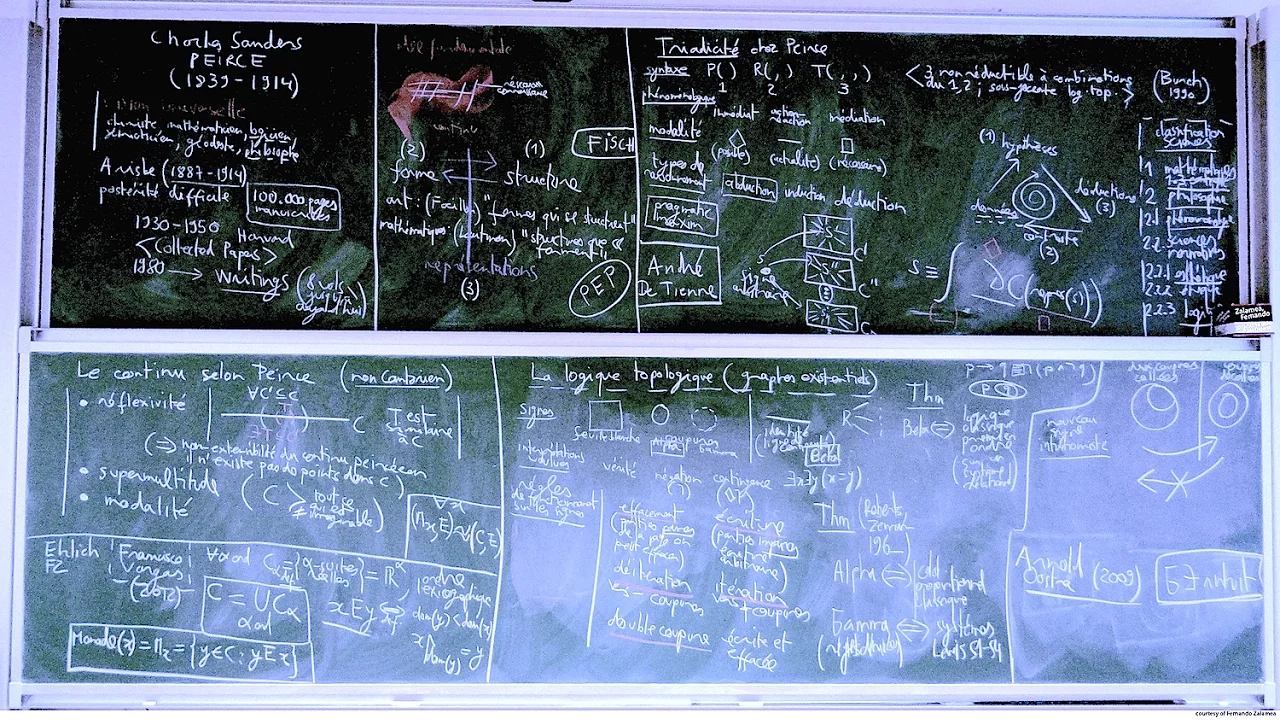
Charles Sanders Peirce's pragmatic maxim proposes that the meaning and clarity of an idea lies in its practical effects and consequences—understanding what an idea does in the world, rather than treating it as an abstract entity, provides genuine clarity; this approach allows for experimental testing, evolution, and refinement of ideas over time, contrasting with traditional logical distinctions that focused solely on subjective recognition or static definitions.
How to Make Our Ideas Clear: Peirce's Pragmatic Maxim
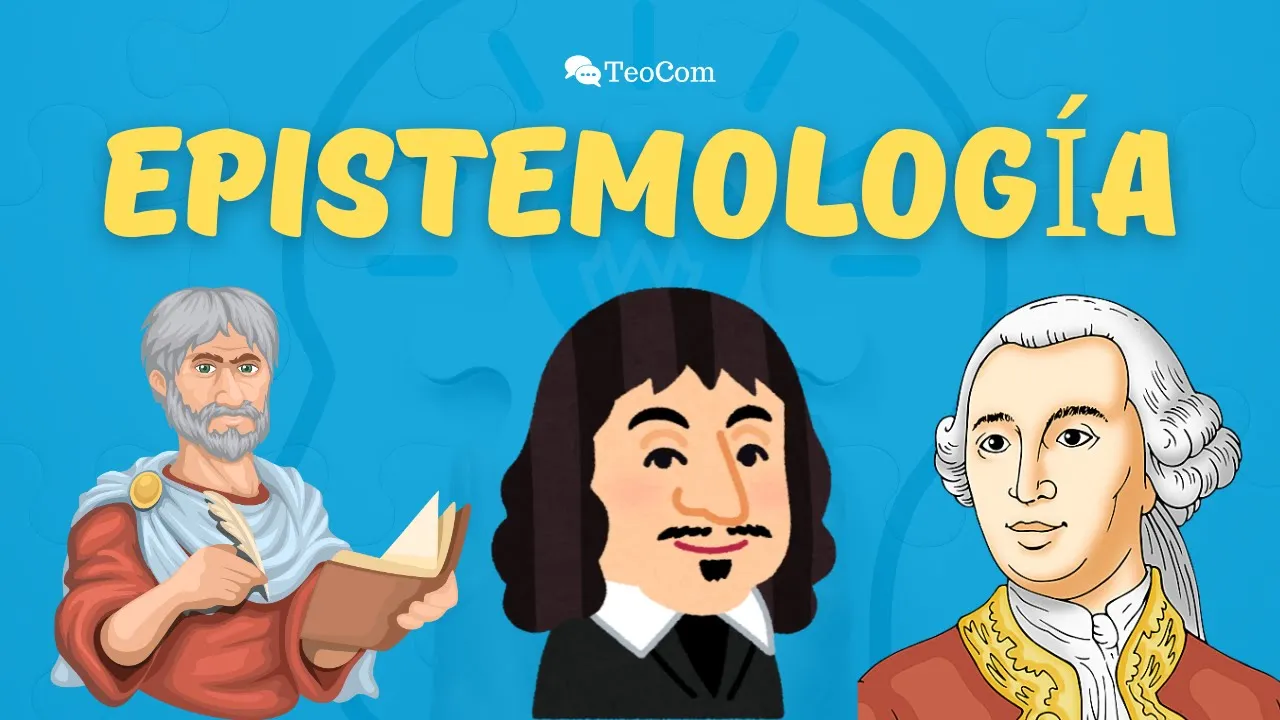
Added:Introduction to Epistemology: Understanding the fundamental philosophical concepts of belief, truth, justification, and how we acquire knowledge.
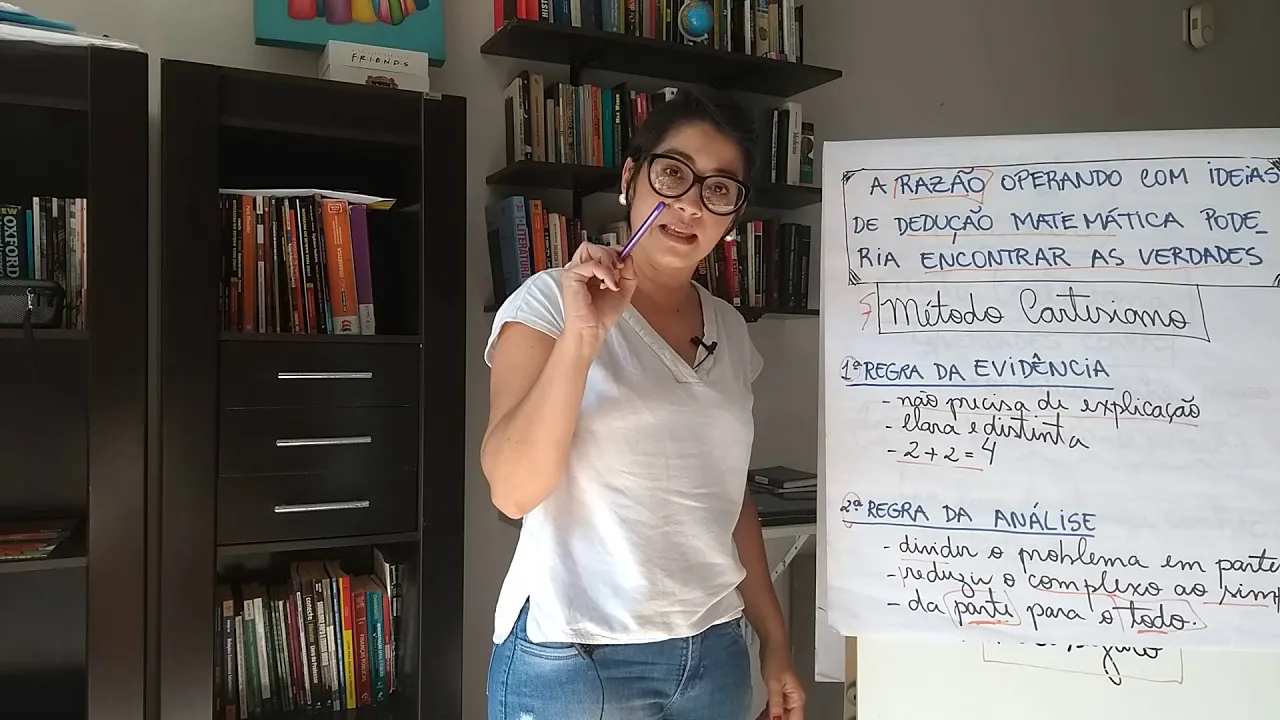
Cartesian Doubt and Rationalism: René Descartes' method of doubt and his standard of 'clear and distinct ideas,' which Peirce's pragmatic maxim seeks to redefine and improve.
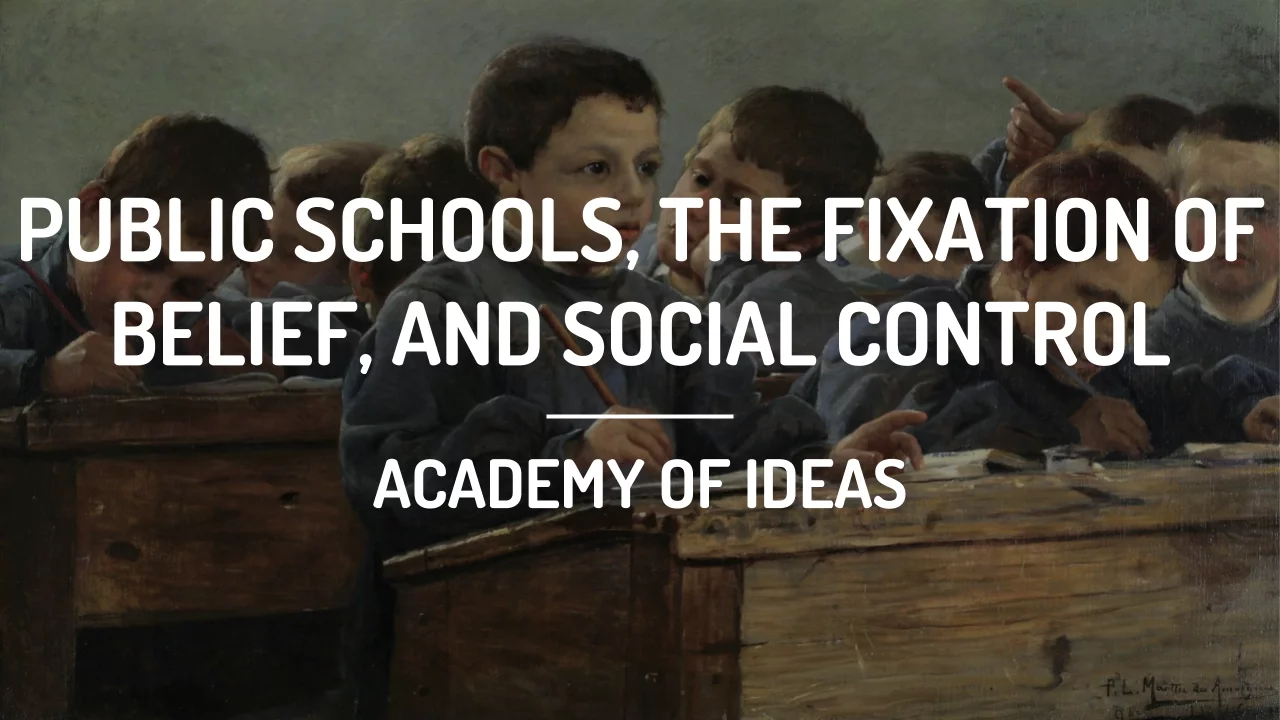
Peirce's 'The Fixation of Belief': Familiarity with Peirce's concept of how the human mind moves from the unsettling 'irritation of doubt' to the calm state of 'belief.'
Basic Empiricism: The philosophical view that knowledge is primarily derived from sensory experience and practical interaction with the world.
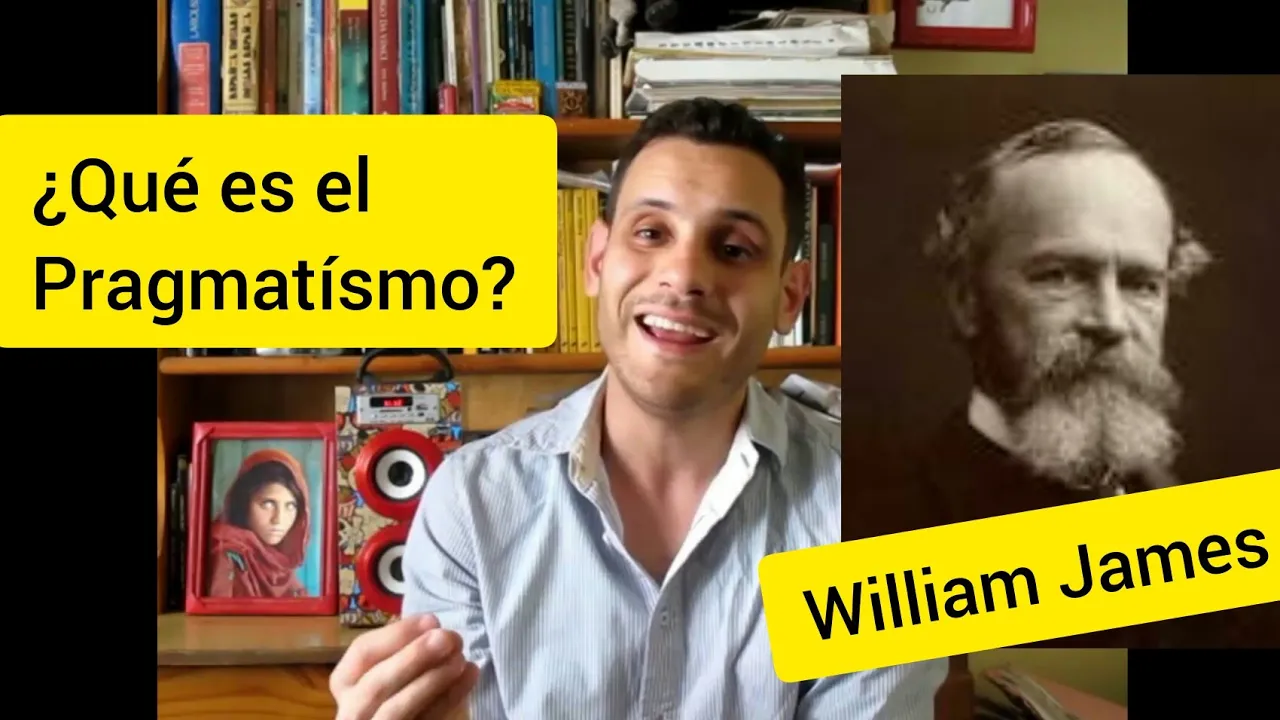
William James's Pragmatism: How James popularized and adapted Peirce's pragmatic maxim, shifting its focus toward personal, moral, and religious truths.
John Dewey's Instrumentalism: Exploring how Dewey applied pragmatic ideas of inquiry to education, democracy, and social progress.
Peircean Semiotics: Investigating Peirce's complex triadic theory of signs (sign, object, interpretant) and how meaning is constructed and communicated.
Fallibilism and the Community of Inquiry: Understanding Peirce's view that scientific knowledge is never absolutely certain but is constantly refined toward truth by a community of investigators.
16.1K views509likes8:22Original Release: 2021-12-18
learning is good right i think we're all on the same page here but have you ever come across some idea that was just unclear to you then you try and grapple with it and comprehend it but you just end up frustrated unclear ideas can not only make learning difficult but it could also ruin the enjoyment clear ideas then are pretty helpful when you're out there trying to learn furthermore clear ideas help us act i mean we all know the struggle of dealing with unclear instruction manuals or unclear rules i mean try living your life on the basis of unclear ideas and it's gonna get messy thankfully the american philosopher charles sanders purse also understood the importance of clear ideas it is a terrible thing to see how a single unclear idea a single formula without meaning lurking in a young man's head will sometimes act like an obstruction of inert matter in an artery hindering the nutrition of the brain and condemning its victim to pine away in the fullness of his intellectual vigor and in the midst of intellectual plenty but then the natural next question is what is a clear idea and furthermore how do we make our ideas clear in this video we're going to be continuing to build up our foundation of pragmatism videos by looking at the essay how to make our ideas clear by charles sanders purse [Music] hello and welcome to philosophy tunes the channel that's just having a good time playing new halo and reading pragmatic philosophy speaking of which i'd highly recommend checking out our last video on purse as there is some overlap between the ideas expressed in both essays so this video is broken up into two parts first we're going to look at some previous attempts by logicians to grasp what the clearness of an idea is and then we're going to look at purse's idea and the infamous pragmatic maxim without further ado then let's get into it [Music] purse starts off the essay by cracking open his 19th century logic book and seeing how logicians back then talked about the clearness of an idea he notes that they created two distinctions between ideas an idea can either be clear or obscure and furthermore an idea can either be distinct or confused let's look at how each are defined starting with the clear idea a clear idea is defined as one which is so apprehended that it will be recognized whenever it is met with and so that no other will be mistaken for it if it fails of this clearness it is said to be obscure so basically a clear idea is one where you encounter it you recognize it and won't mistake it for something else so for example take the idea of a tree you know when you go to the park and you encounter a tree and you're like yep that's a tree and no i'm not mistaking it for a copy of wallace and gromit project zoo for the playstation 2. but purse isn't a big fan of this definition because it's heavily reliant upon the subject and their interpretation they could easily be mistaken merely to have such an acquaintance with the idea as to have become familiar with it and to have lost all hesitancy in recognizing it in ordinary cases hardly seems to deserve the same name of clearness of apprehension since after all it only amounts to a subjective feeling of mastery which may be entirely mistaken so remember our tree example what if one of those trees were fake like i know fake plants are a thing but i don't know someone can make a fake plastic tree and if the person is mistaken and still believes it to be a tree then their idea of a tree would still be a clear idea according to these older logicians and that seems a bit wonky next perc looks at the old logician's distinction between distinct and obscure ideas by the contents of an idea logicians understand whatever is contained in its definition so that an idea is distinctly apprehended according to them when we could give a precise definition of it in abstract terms so it helped me to understand by just focusing on that last part it seems to me at least that a distinct idea is one where we could provide a precise definition this seems like common sense so what's the problem here well it's a bit unclear ironically but purse believes this distinction is disregarding the engineering of modern thought and never dreaming of applying its lessons to the improvement of logic now i'm not 100 on this but as we'll see later on once we get into purse's own ideas i think the problem with distinct ideas is that it's a bit rigid and doesn't leave room for evolution definitions are subject to change and i've seen this firsthand in the area of law a statute for instance will give out a rule and then the courts will define the specific language of that statute however the definition is subject to change and the courts who define him change over time but yeah the takeaway here is that the previous distinctions are not bad per se but they're only steps towards a much better process of getting a clear idea it may be acknowledged therefore that the books are right in making familiarity with a notion the first step toward clearness of apprehension and the defining of it the second but in omitting all mentions of any higher perspicuity of thought they simply mirror a philosophy which was exploded a hundred years ago so what is this third step or grade as purse calls it of clearness for this we finally get to look at the infamous pragmatic maxim a cornerstone of pragmatism [Music] so you know what no more screwing around let's just do it let's just get into the pragmatic maxim here consider what effects that might conceivably have practical bearings we conceive the object of our conception to have then our conception of these effects is the whole of our conception of the object so we're going to focus on the first part of the statement because the second part is a bit metaphysical and that's not really my jam but the channel logic and philosophy covers it and their video is also a much more in-depth video analysis of this essay than what i'm doing here so go check them out but anyways the first part is asking us not to look at an idea from some abstract floating in space perspective but to rather look at how the idea actually plays out in the world or how the idea acts for a lack of a better word i know an example would really help out here so let's look at the one that purse himself provides he's going to use this pragmatic maxim to look at the idea of hard let us ask what we mean by calling a thing hard evidently that it will not be scratched by many other substances the whole conception of this quality as of every other lies in its conceived effects there is absolutely no difference between a hard thing and a soft thing so long as they are not brought to the test so here we see almost a scientific method way of gaining clarity over an idea and this calls back to the second grade of clarity purse notes about an idea being distinct if we could precisely define it with this new approach that looks more at the effects it's almost like we're testing ideas and with these new tests come new information and with new information we might end up changing our definitions so for example we could test out whether or not different substances are hard and through these tests they refine our clarity of the idea of something being hard the pragmatic maxim therefore allows for experimentation change evolution and testing now purse is a renaissance man not only was he a philosopher but he was a scientist and a logician and you could clearly see as you read the essay that is using the pragmatic method in the realm of science contrast this with william james who has appeared on this channel many times before and he uses the pragmatic method in more personal human affairs we're pretty much done with the actual essay analysis if you want to dip but i just want to say that this pragmatic method specifically used by james has been foundational for this channel and its content so even though these pragmatism origin videos may not do super well it's important for me to build that foundation for why i do what i do here does that make sense it's like having a channel that talks about different themes and different books but also having videos explaining what literary analysis even is in the first place i don't know maybe i'm just rambling and with that we are at the end of the video i think our next pragmatism video will actually get into james and his pragmatism lectures but it might be a while before that if you enjoyed the video then give me a like and a sub and a bell ring and a comment if you'd like to share your thoughts and also of course i wish you all a beautiful rest of your day [Music] you
Up Next

42:22
Fixation of Belief by Charles Peirce: Pragmatism Explained
@LogicPhilosophy
15.1K views•2020-03-19

164:01
John of Damascus on Holy Images: A Theological Defense
@BannedBooks
139 views•2026-04-25
10:00
Epicurean Ethics: The Four-Part Cure for Anxiety
@PhilosophyToons
3.9K views•2020-12-14
4:57
The Myth of Sisyphus: A Greek Legend of Eternal Punishment
@TEDEd
8.6M views•2018-11-13
Related Study Plans & Knowledge Roadmaps
Structured learning paths in Philosophy
philosophy
Frankfurt School: Critical Theory & Culture
01Foundations of the Frankfurt School and Critical Theory
02Horkheimer & Adorno: The Critique of Instrumental Reason
03The Culture Industry and Mass Deception
+ 2 more learning modules
12h5 modules
Explore Roadmap
philosophy
Philosophy of Language: From Frege to Austin
01The Linguistic Turn: An Introduction to Language in Philosophy
02Gottlob Frege: Sense and Reference
03Early Wittgenstein: The Picture Theory of Meaning
+ 3 more learning modules
15h6 modules
Explore Roadmap
philosophy
Feminist Epistemology: Standpoint & Injustice
01Introduction to Epistemology and Feminist Critiques
02Sandra Harding and Standpoint Theory
03Donna Haraway and Situated Knowledges
+ 2 more learning modules
12h5 modules
Explore Roadmap
philosophy
Environmental Philosophy: Ethics & Deep Ecology
01Foundations of Environmental Ethics & Anthropocentrism
02Biocentric Individualism and Animal Liberation
03Ecocentric Holism and Deep Ecology
+ 1 more learning modules
10h4 modules
Explore Roadmap