








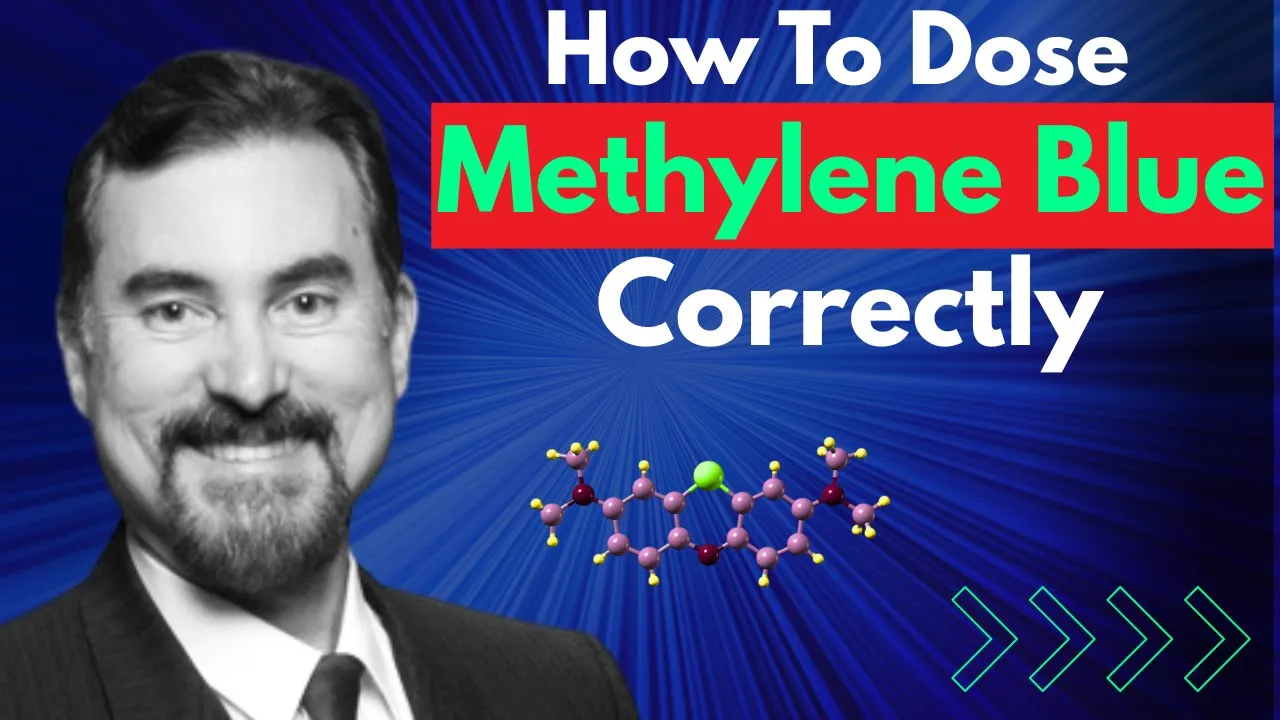








Methylene blue, discovered in 1876 as the first fully synthetic drug in medicine, serves as an artificial electron recycler that corrects mitochondrial dysfunction by facilitating electron transfer and oxygen utilization, potentially benefiting conditions like septic shock, anaphylaxis, viral infections, brain fog, memory loss, depression, candida, neurodegeneration, gout, and inflammation; however, it should not be taken with SSRIs due to serotonin interaction risks.
Methylene Blue Health Benefits: Mitochondria, Dosage, and Safety
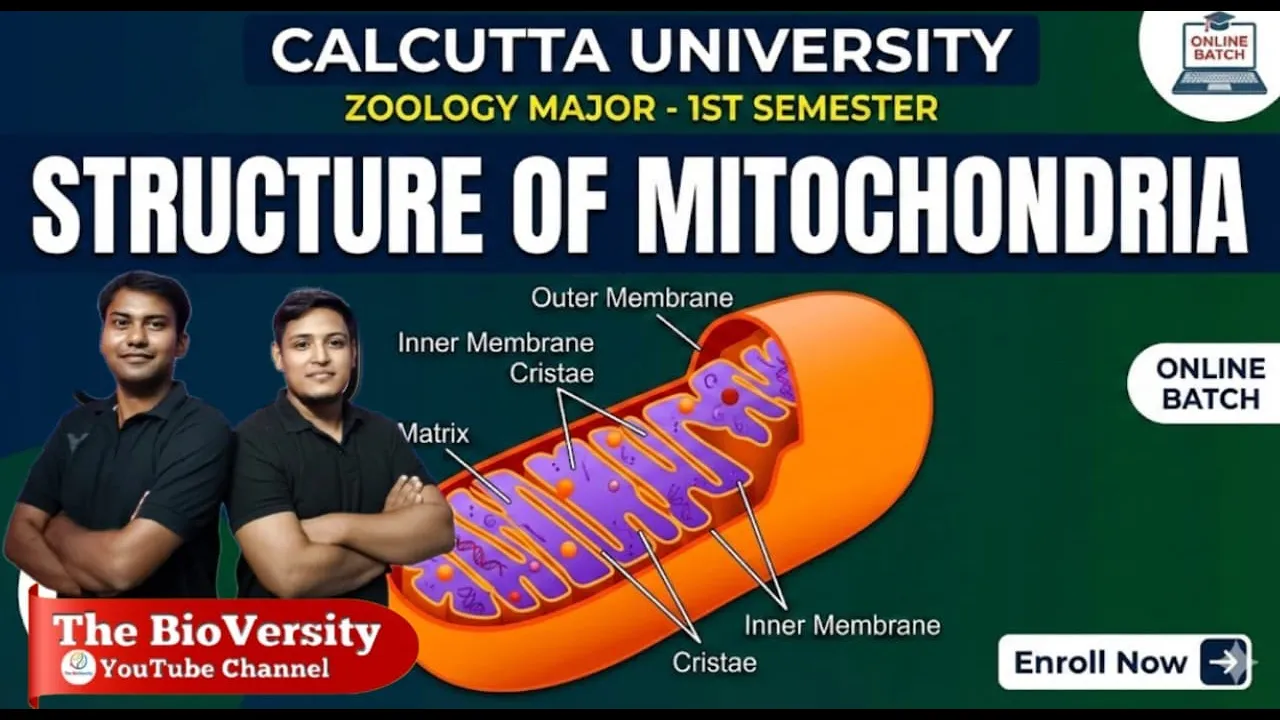
Added:Structure and function of the mitochondria, specifically the Electron Transport Chain (ETC) and ATP synthesis.
The concept of oxidative stress, free radicals (Reactive Oxygen Species), and cellular antioxidant defenses.
Basic pharmacology principles, including the function of the blood-brain barrier (BBB) and the concept of bioavailability.
The fundamental role of cellular respiration and bioenergetics in brain health and systemic inflammation.
The biphasic dose-response curve (hormesis) of methylene blue and how high versus low doses produce opposite physiological effects.
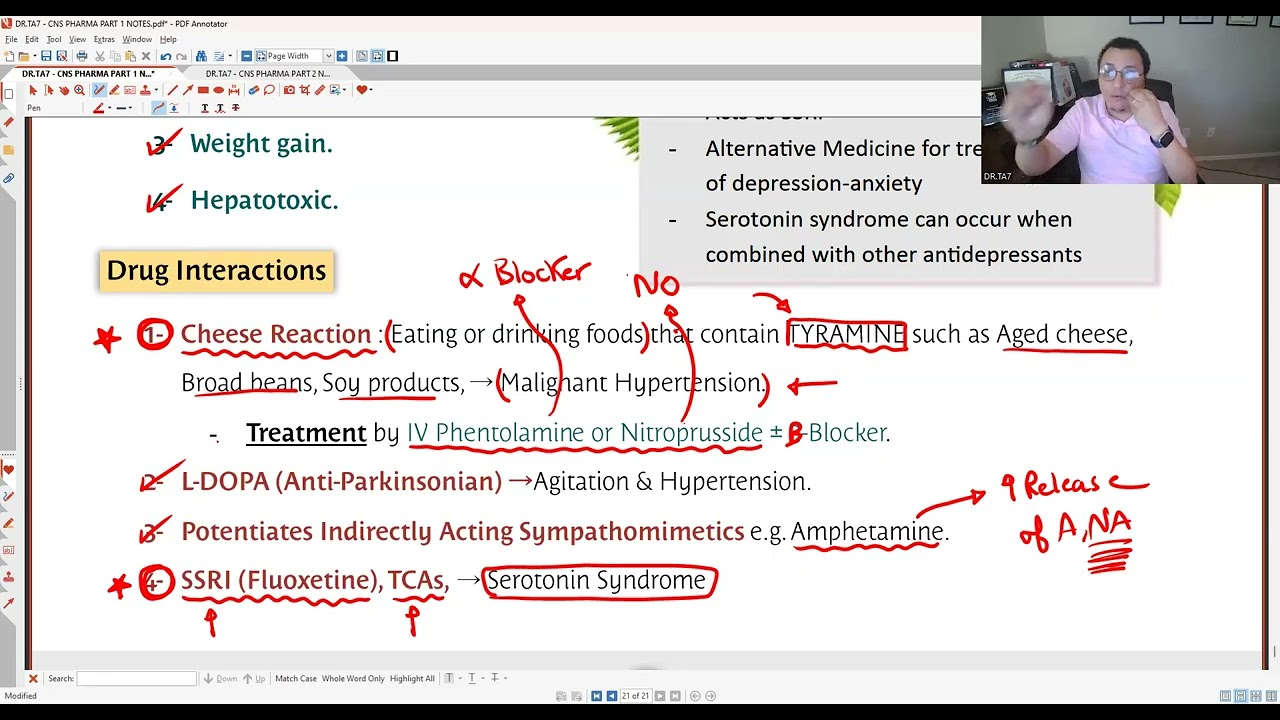
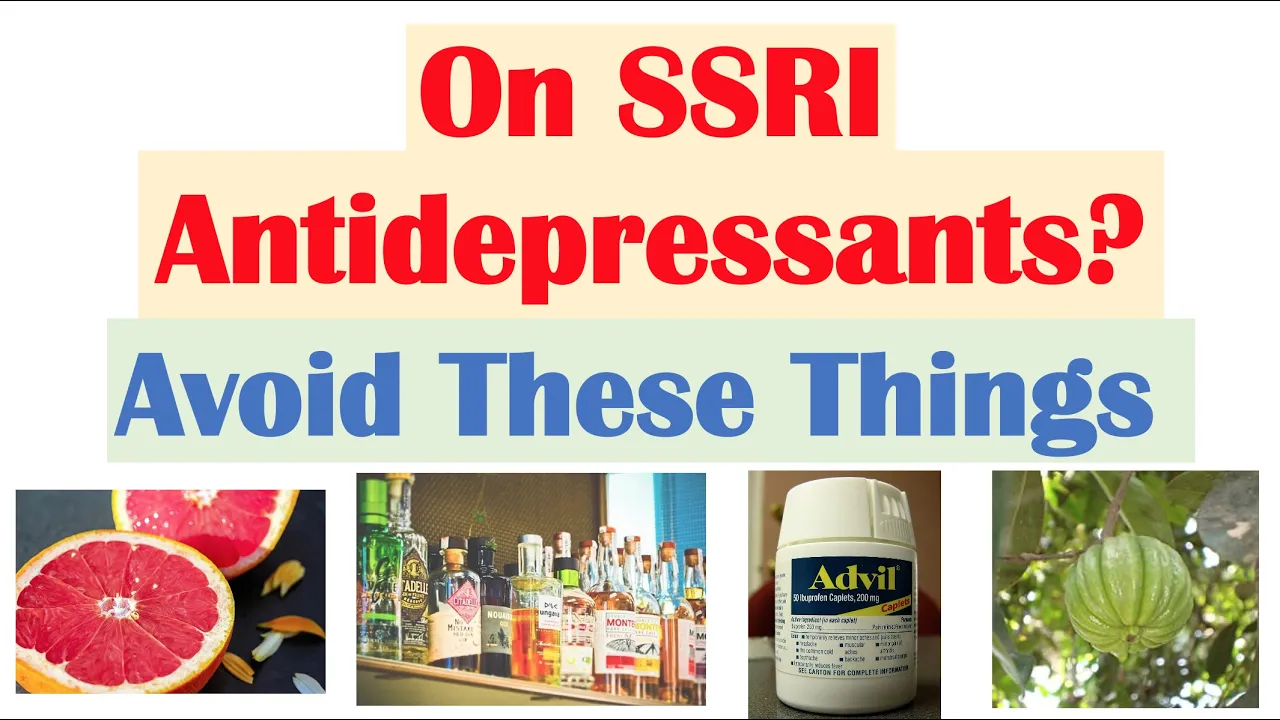
Contraindications and drug interactions, particularly its action as a Monoamine Oxidase Inhibitor (MAOI) and the risk of Serotonin Syndrome when mixed with SSRIs.
The synergistic relationship between methylene blue and Photobiomodulation (red and near-infrared light therapy) on mitochondrial function.
Clinical and historical applications of methylene blue, ranging from methemoglobinemia treatment to modern research on neurodegenerative diseases like Alzheimer's.
993.4K views40.1Klikes5:02Original Release: 2023-04-04
today we're going to discuss something called methylene blue now I haven't done a video on this ever simply because not a natural remedy it's actually a synthetic drug but it is sold over the counter and it's been around for a very long time and it has some fascinating properties that I think you need to know about now it was discovered in 1876 I'm not mistaken and it was the first fully synthetic drug in medicine it was used as one of the first antibiotics it was used as one of the first antipsychotic drugs in 1891 it was used for malaria in fact nowadays even the emergency room doctors have it ready if someone has either cyanide poisoning or carbon monoxide poisoning and so it is a compound that creates some very interesting effects at lower doses it can act as an antioxidant I'm talking about the dose of 0.5 milligrams to four milligrams per kilogram weight so for example I weigh 185 pounds okay that's roughly around 84 kilograms so if you do the math I would need per day roughly On The Low End about 42 drops because it comes in liquid and uh in one drop you have 0.5 milligrams so if I were going to take it I would take like 10 drops in some water four times a day and if you're going to try this remedy I would definitely make sure you get the USP pharmaceutical grade at one percent solution which will give you about 0.5 milligrams per drop so what type of conditions would methylene blue potentially help someone with well septic shock especially if the blood pressure has dropped significantly anaphylaxis which is anaphylactic shock a very severe allergy reaction if someone had a virus because it has very potent antiviral properties it's good for brain fog memory loss it's been studied to help people with depression or anti-candida properties as well it also apparently is really effective in tissues that demand high amounts of oxygen which I'm going to explain in a little bit why like neurodegenerative conditions like Alzheimer's Parkinson's it's even good for things like gout because it can help break down uric acid and low doses it acts as an antioxidant as well as an anti-inflammatory so typically anything that involves mitochondrial dysfunction and benefit from methylene blue so what I want to explain is um how it actually works what is it doing in the body which is actually a this is very interesting so what it does in the body it acts as an artificial electron recycler now let me kind of explain this let's Envision you have a battery right and batteries are filled with these electrons that are stored right and so you need these electrons to generate energy and you also have electrons going on in your body as well in the mitochondria in fact your body converts food into electrons stored in the ATP molecule for energy and so in our mitochondras we have a lot of electron transfer exchange going on methylene blue apparently has the ability to remove or add electrons depending on what part of the body needs them or it doesn't need them so it seems to help correct this shuffling round of electrons which medically has this term called redox cycling so this is one of the reasons why this could give someone with fatigue more energy now since we're talking about the mitochondria and this is the heart of your metabolism in the conversion from food into energy oxygen is also involved so methylene blue helps the mitochondria absorb and transport oxygen it actually improves the way the body uses oxygen and so you can imagine all the different problems that this could potentially help someone with now there is some contraindications if someone is taking an SSRI which for depression for example you wouldn't want to take this as the potential side effect of increasing too much serotonin and of course before taking something like this check with your doctor just to make sure there's no contraindications but I wanted to put this at least on your radar so you can understand a little bit more and you can maybe buy a book and and read up on it but I think it could potentially help a lot of people with certain problems related to this oxygen and electron transfer issue inside the mitochondria now since we're on the topic of this mitochondrial dysfunction if you haven't seen this video you might want to check it out
Up Next

16:30
Normal Aging vs. Dementia: Signs & Prevention
@MidAtlanticPermanenteMedicine
50.8K views•2024-07-30

48:47
Graphic Medicine: Comics for Collaborative Healthcare Communication
@nationalpatientadvocate
189 views•2023-12-04

10:28
Neuroanatomy: Central and Peripheral Nervous System Divisions Explained
@AKLECTURES
136.2K views•2014-09-20
3:05
Stages of Labor and Vaginal Birth | Childbirth Animation
@nucleusmedicalmedia
52.1M views•2017-08-18
Related Study Plans & Knowledge Roadmaps
Structured learning paths in Medicine
medicine
Abnormal LFTs: Diagnostic Workup & Pathology
01Liver Anatomy and Basic Physiology
02Introduction to Liver Function Tests (LFTs)
03Hepatocellular vs. Cholestatic Patterns
+ 3 more learning modules
12h6 modules
Explore Roadmap
medicine
Analyzing Blood Smears: RBC, WBC & Platelets
01Introduction to Blood Components & Smear Preparation
02Normal Morphology of Blood Cells
03Erythrocyte Pathologies & Morphological Variants
+ 2 more learning modules
12h5 modules
Explore Roadmap
medicine
Mechanical Ventilation: Waveforms & Alarms
01Anatomy and Physiology of Breathing
02Introduction to Mechanical Ventilation & Core Modes
03Ventilator Settings and Waveform Interpretation
+ 2 more learning modules
12h5 modules
Explore Roadmap
medicine
Neuro Exam: Localization & Stroke Syndromes
01Foundations of Neuroanatomy and Vascular Supply
02The Neurological Examination: Step-by-Step
03Principles of Neurological Localization
+ 3 more learning modules
18h6 modules
Explore Roadmap