


![O que é Barroco? (Literatura) [PROF. FELIPE VILELA] - PORTUGUÊS EM MINUTOS](https://i.ytimg.com/vi/wd3b9HT_3gs/maxresdefault.jpg)





![Velazquez - The Painter's Painter [Documentary]](https://i.ytimg.com/vi/HgRWMsYBgbE/hqdefault.jpg?sqp=-oaymwEmCOADEOgC8quKqQMa8AEB-AHOBYAClAOKAgwIABABGH8gSCgZMA8=&rs=AOn4CLATEdzT_Fd-Uw7vz1BGGRUv-mJf_g)




![서양미술사에서 가장 중요한 작품?! 벨라스케스 〈시녀들〉의 해석 속 섬뜩한 비밀 [미술 읽어드립니다 EP.02] | 양정무 교수](https://i.ytimg.com/vi/Zv_TKOxcOp4/maxresdefault.jpg)


In Velázquez's 'Los Borrachos or the Triumph of Bacchus' (1628-1629), the artist applies Caravaggio-inspired realism to a mythological subject by depicting Bacchus and his followers with striking physical authenticity, using vivid contrasts between light and shadow, direct eye contact with viewers, and unfinished backgrounds to draw observers into the scene and create guilt by association with the revelers' hedonistic celebration.
Velázquez, The Triumph of Bacchus: Art Analysis
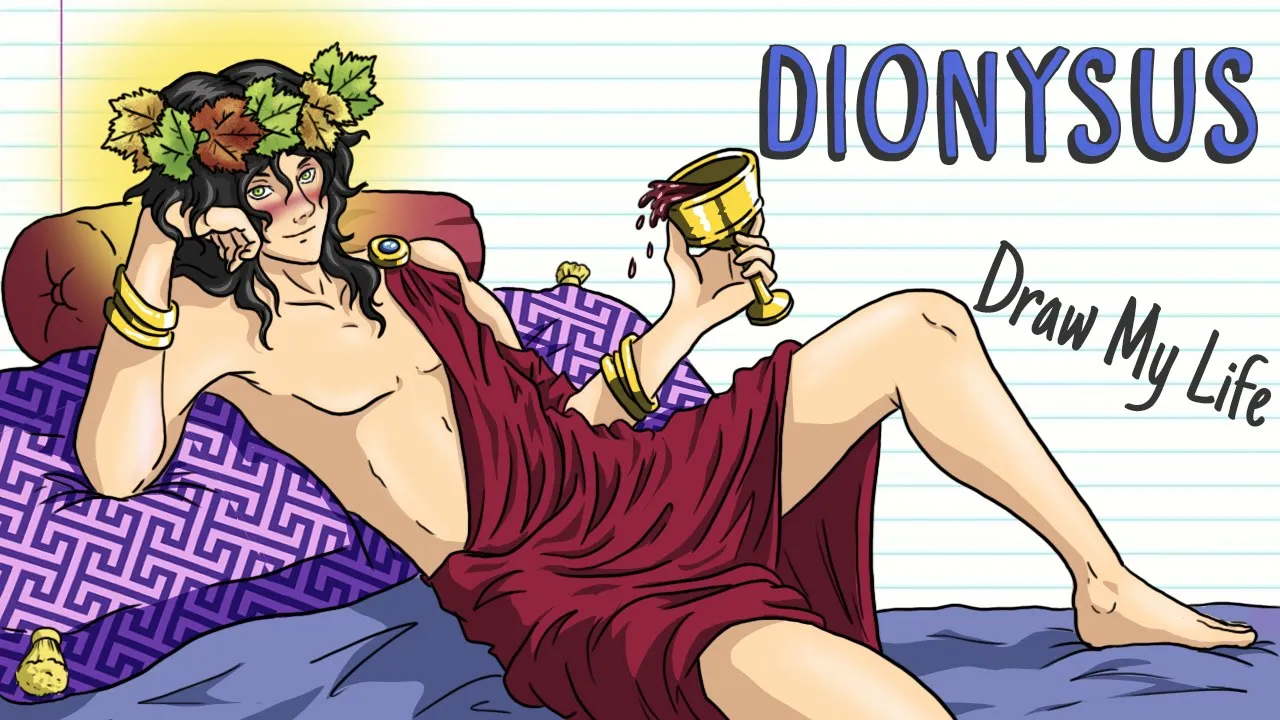
Added:Fundamentals of Greek and Roman Mythology, specifically the myth of Bacchus (Dionysus), the god of wine, fertility, and ritual madness.
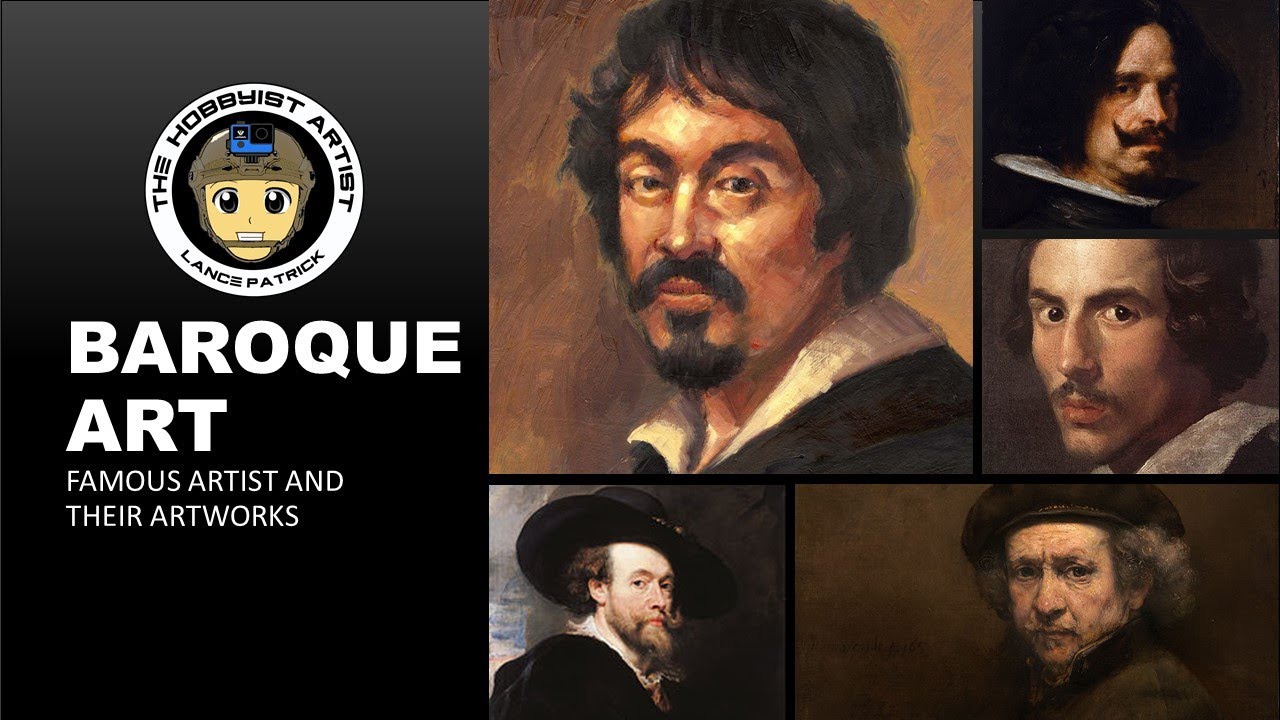
The core characteristics of the Baroque art movement, including its emphasis on emotion, dramatic composition, and the contrast of light and dark.
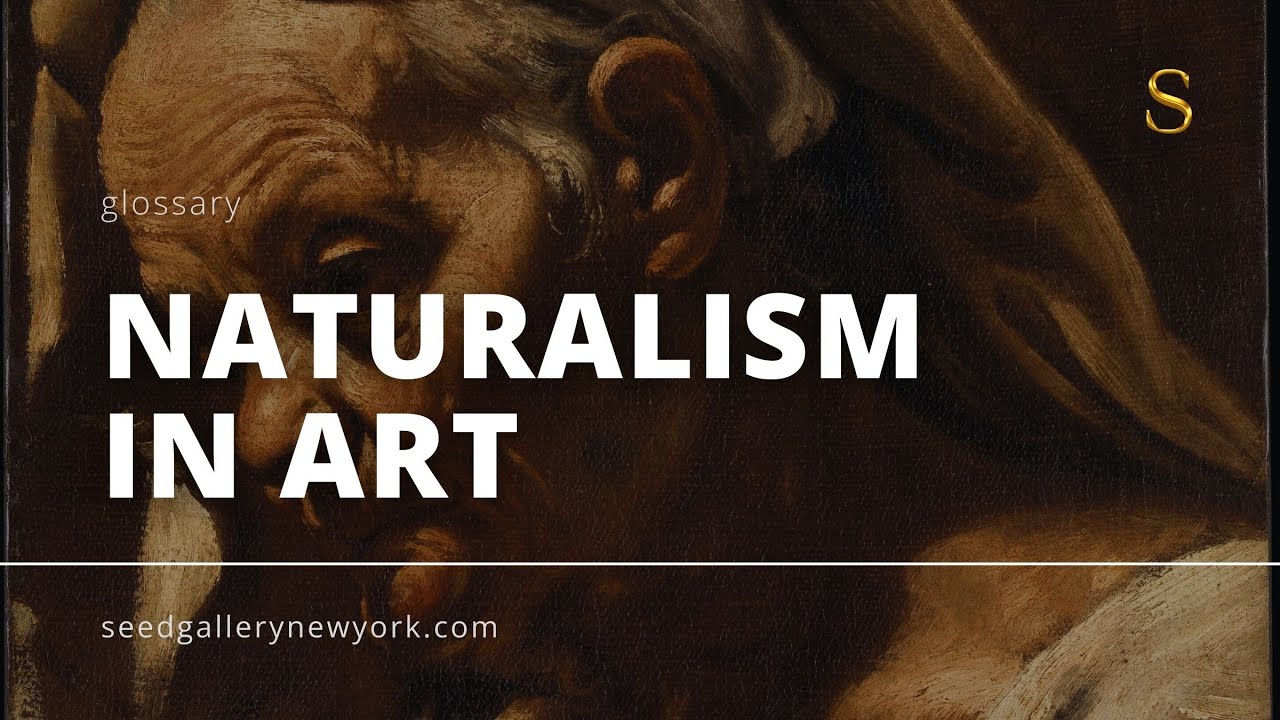
The concept of artistic naturalism, which focuses on depicting subjects as they appear in real life rather than idealizing them.
An introduction to Diego Velázquez's role as a leading artist of the Spanish Golden Age and court painter to King Philip IV.
The concept of 'bodegones' (Spanish genre scenes depicting everyday life) and how Velázquez successfully elevated these low-status subjects in his major works.
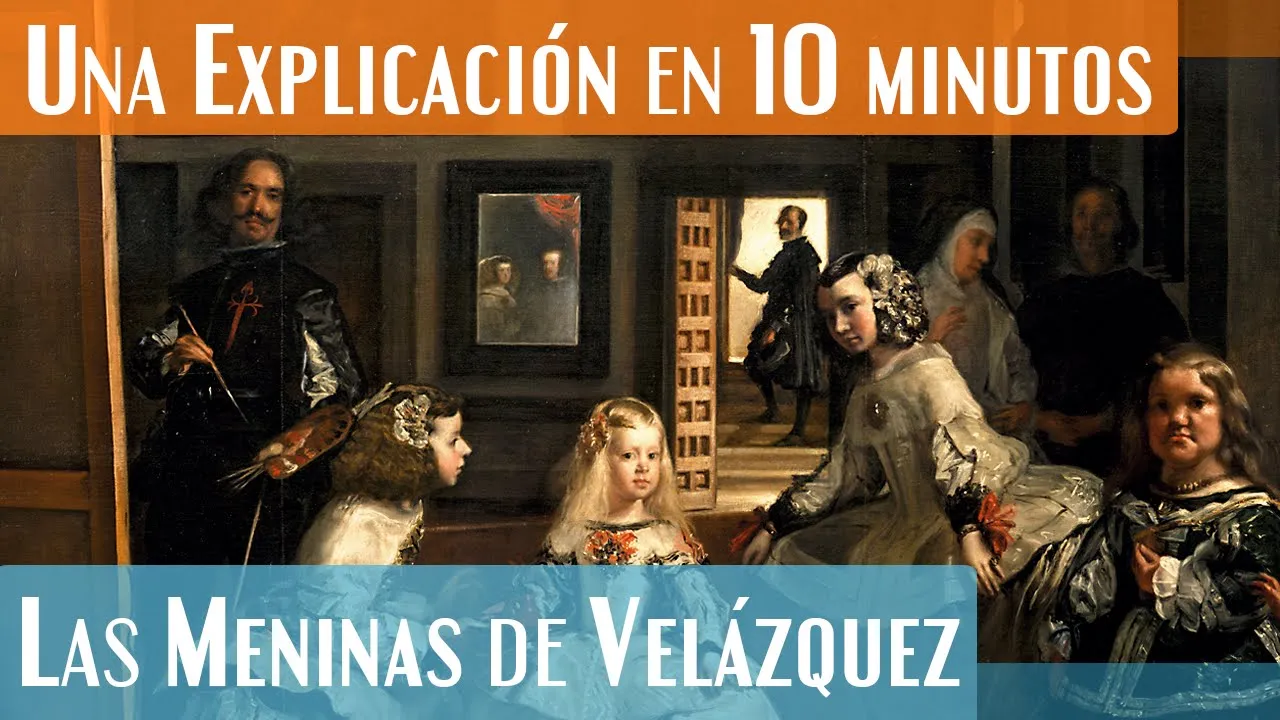
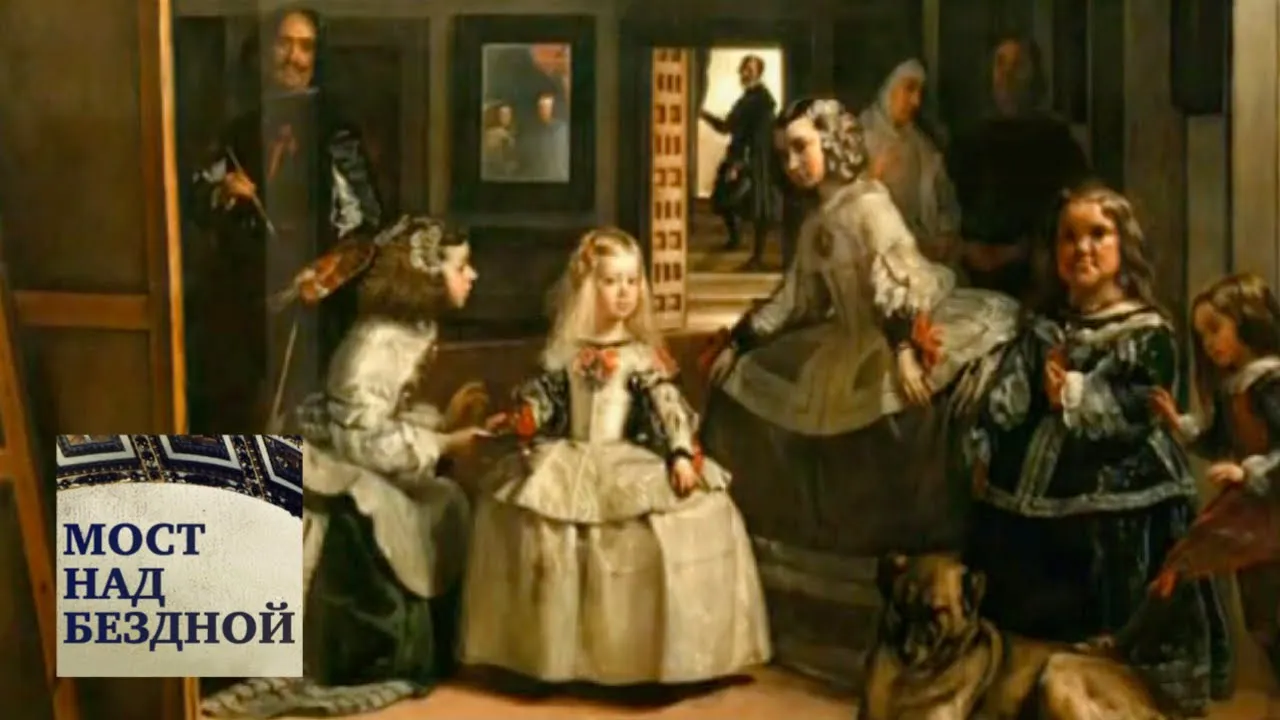
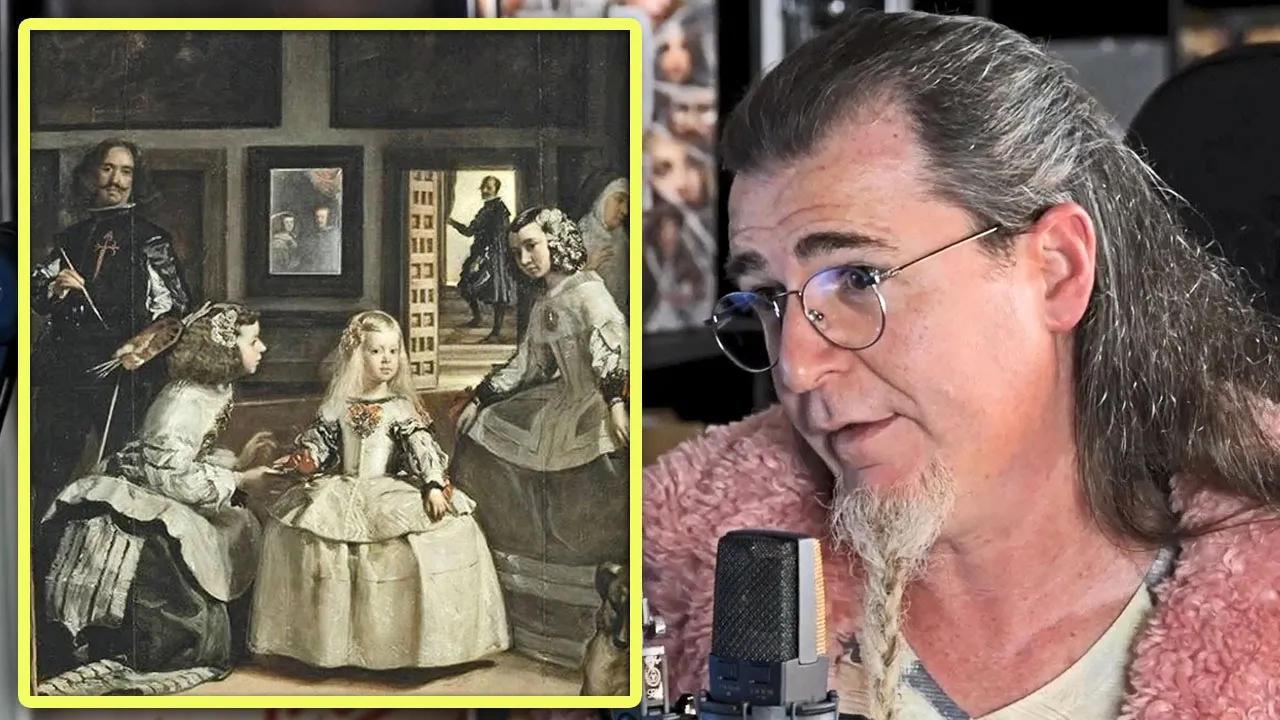
An advanced analysis of Velázquez’s ultimate masterpiece, 'Las Meninas', to understand his mature style and complex spatial illusionism.
A comparative study analyzing how other Baroque masters, such as Caravaggio and Peter Paul Rubens, depicted mythological themes.
The influence of Velázquez's first trip to Italy (1629–1631) on his subsequent color palette, brushwork, and handling of perspective.
34.7K views201likes4:48Original Release: 2010-12-18
(jazzy music) Male: We're in the Prado in Madrid and we're looking at a great early Velazquez, The Triumph of Bacchus.
The painting is unnervingly vivid, almost more than photographic.
Female: Bacchus, the god of wine, looks beautiful and he's sort of bathed in light.
Male: That young central figure.
Female: He's sitting on a jug of wine.
Male: (chuckles) Yes, appropriately.
Female: He's the god of wine.
Male: He's got grape leaves in his hair.
Female: He's come down to earth to bring men wine, which relieves life's sufferings.
And relieving it, it is!
Everyone's having a really good time.
There's a figure kneeling down, one of Bacchus' followers.
He's having a crown placed on his head.
There's a feeling of revelry and partying and fun.
Bacchus looks away, but that other figure just to the right Male: With the hat.
Female: He feels like someone we've all seen in a bar somewhere.
Male: Exactly right.
He's got this bowl of wine that he's about to bring to his lips, which, I dont' know about for you, but to me, I feel as if I can just feel the coolness of that liquid.
It is so transparent, I can feel it sort of waft Female: The glistening surface.
Male: The glistening surface, I can feel it sort of edge side to side.
I can see his anticipation, but he's looked up at us.
So it's not just the vividness of the contrast of light and shadow across his face, but it's the way in which he smiles directly at us so that we are there.
We are right there ready to partake.
Female: Yeah, I think that's what sort of uncomfortable about it.
He's a kind of seedy character.
Male: Yes, he is.
Female: I mean, he looks sort of like he's lived a hard life, and the figures around him, too; a kind of leathery skin and clothing that looks very poor.
Male: Especially in contrast to the god.
Female: When he looks out at us, it sort of implies that we're like him.
I've sort of become a rowdy reveler in a half-drunken state, sort of partying it up and not feeling life's pain anymore.
Male: There is a kind of guilt by association.
I think that that's exactly right.
We are drawn in.
It's interesting that we're drawn in not only because of the scale of the figures and the sense of proximity, but we're drawn in by a kind of almost moral equivalency.
Female: There is kind of lovely frieze of the figures.
They're all very much close to the foreground in a kind of very Baroque way, and occupy all kind of the same plane across that foreground, taking up much of the space of the painting.
There's a real directness about the figures.
They're very much in our space.
Male: There's also a really interesting set of contrasts.
You have the, as you described, the very beautiful body, and young and sort of perfect body, of Bacchus.
You've then got this hater just over his shoulder.
Those two mythological figures, and perhaps the third crouching down in the foreground in the shadow, are so contrasted against the figures of our reality who are on the right.
One of the things that I think makes this painting feel so vivid and so engaging is the variation in sort of degrees of focus that Velasquez brings to the canvas.
In other words, look at the background.
It couldn't be sort of more unfinished.
The figure in the foreground in the lower left that we mentioned in shadow feels almost incomplete.
So that really draws our eye right to those center figures.
There is something very interesting about the contrast, again.
You mentioned it before, between the directness of the man with a hat and the way in which Bacchus himself looks off to the side, so that our eye has to go to the man that we don't want to go to, in a sense.
Female: There's a kind of realism that Velasquez is bringing to a mythological subject and intentionally not representing it in a kind of Classical manner.
Male: He gives us a few handles, actually quite literally.
If you look at the jugs down at the bottom, in the center, there is a kind of vividness there.
We feel as if we can literally reach in and grab one of those an it will be poured full of wine for us.
There are these sort of points of entrance and these points of physical reality that give us access to the mythological in a way that I don't think we're used to.
Female: It's very much like the way that Caravaggio would paint religious subjects in Italy, with that kind of immediacy and realism and physicality and the down-to-earthness of the figures and the way that everything is happening very close to us.
I think what we're seeing is a kind of Caravaggio-inspired approach applied to a mythological subject.
(jazzy music)
Up Next
10:52
The Utrecht Caravaggisti: Dutch Baroque Legacy
@angelawescottbyuuvusnowcol6509
1.1K views•2020-07-15

114:18
Christian Iconography: History, Theology, and Meaning | Fr. Panayiotis Papageorgiou
@Trisagionfilms
58.8K views•2020-02-21

10:26
Redgrave's The Sempstress: Victorian Social Realism, 1846
@smarthistory-art-history
3.2K views•2011-10-22

16:34
Earliest Depictions of Jesus in Art: 10 Ancient Images Explained
@UsefulCharts
5.9M views•2022-06-03
Related Study Plans & Knowledge Roadmaps
Structured learning paths in Art History
art-history
Gothic Cathedrals: Engineering, Light & Society
01The Birth of the Gothic: Romanesque to Suger's Vision
02The Structural Triad: Pointed Arches, Ribbed Vaults, and Flying Buttresses
03Theology of Light: Lux Nova and Sacred Geometry
+ 2 more learning modules
14h5 modules
Explore Roadmap
art-history
Pre-Raphaelites: Realism, Symbolism & Critique
01The Victorian Art Establishment and Academic Formula
02The Founding of the PRB and Radical Realism
03Medieval Revivalism and Literary Symbolism
+ 1 more learning modules
8h4 modules
Explore Roadmap
art-history
Street Art: From Subways to Art Market
01Subcultural Origins in Philadelphia and New York (1970s)
02The Subway Era and Style Wars (Late 1970s - 1980s)
03The East Village Scene and Early Gallery Crossover
+ 2 more learning modules
10h5 modules
Explore Roadmap
art-history
Classic Maya Art: Iconography, Glyphs & Ritual
01Foundations of Classic Maya Visual Culture
02Deciphering Maya Hieroglyphs & Text-Image Integration
03Sacred Geography and Cosmological Architecture
+ 2 more learning modules
14h5 modules
Explore Roadmap