







![Les clés du regard [8 ]- Georges de La Tour (nouvelle version)](https://i.ytimg.com/vi/Kf93vq4y5cU/maxresdefault.jpg)
![Les clés du regard [8 ]- Georges de La Tour](https://i.ytimg.com/vi/NfB3gKpJTZQ/hqdefault.jpg?sqp=-oaymwEmCOADEOgC8quKqQMa8AEB-AHeA4ACwAKKAgwIABABGHIgTigyMA8=&rs=AOn4CLBxqpYdLrYjERqdAfBW1aWOgG6t5Q)
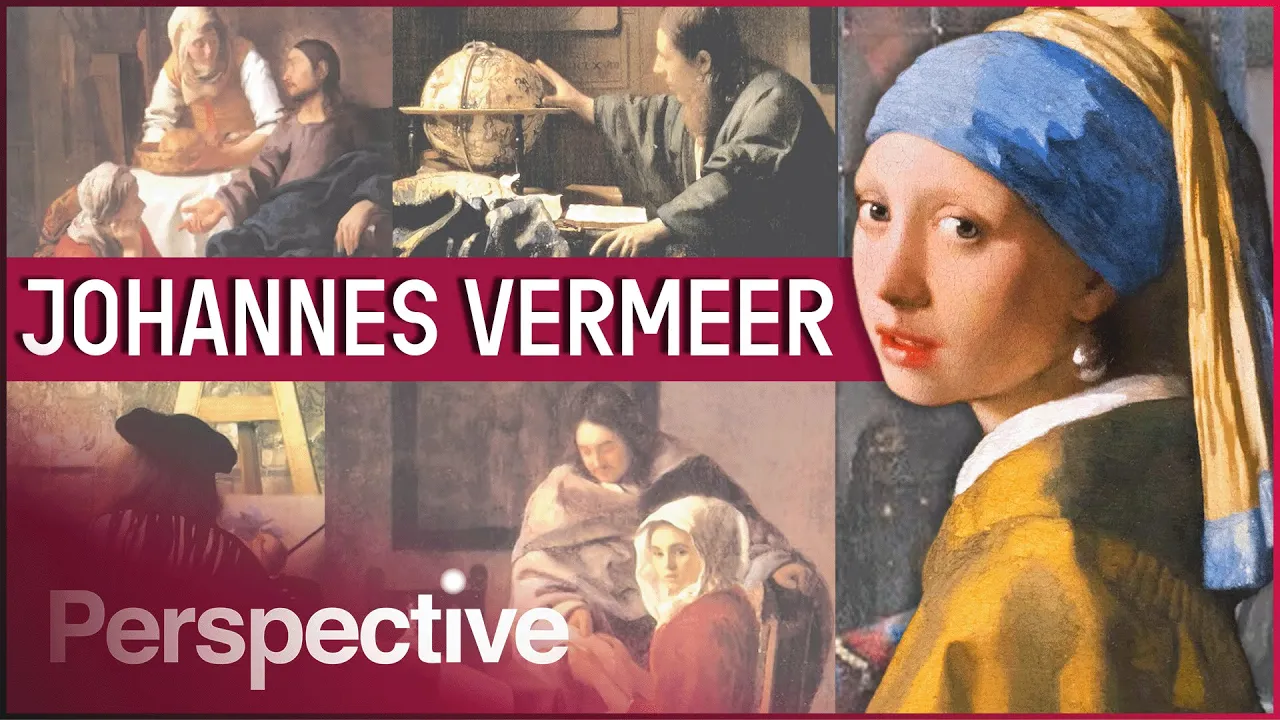

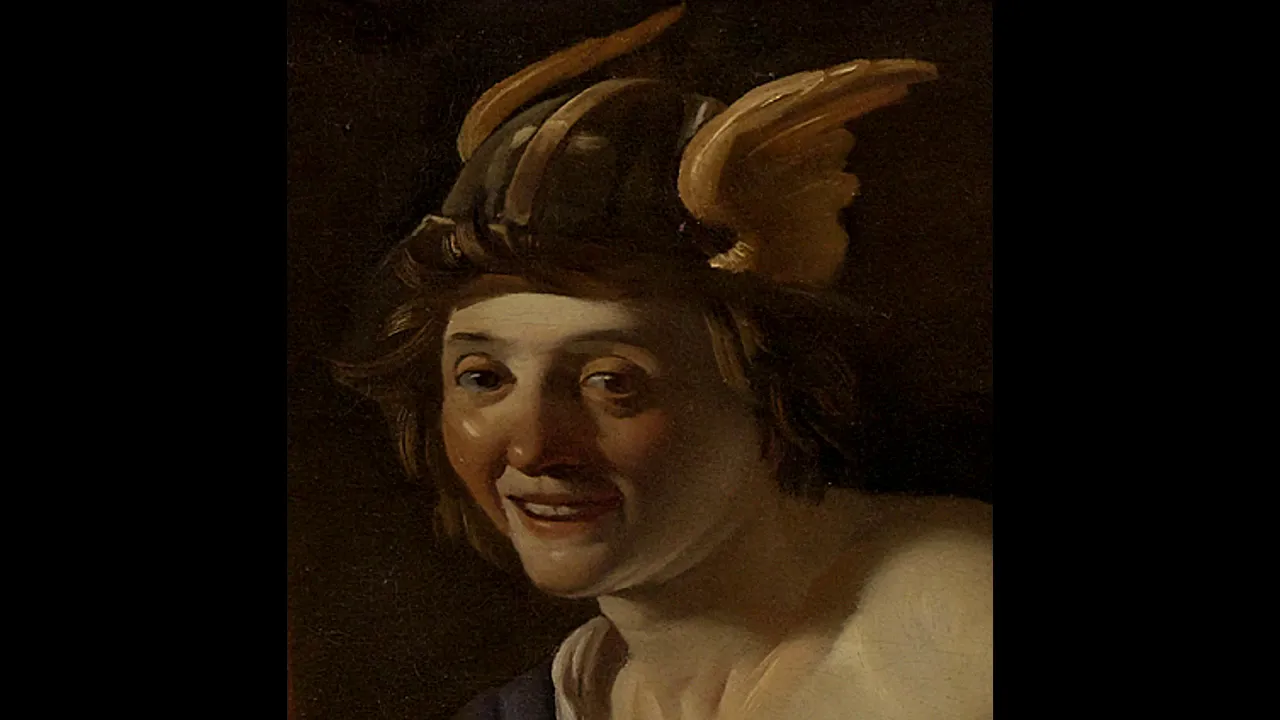
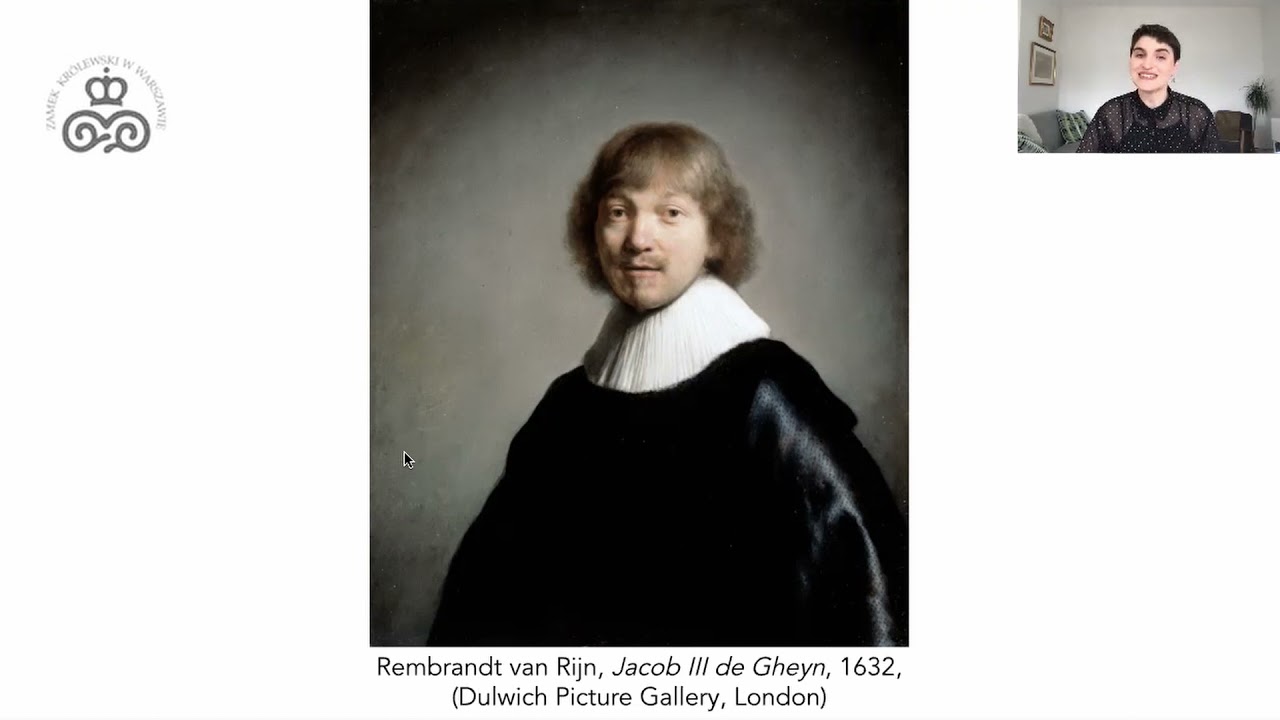



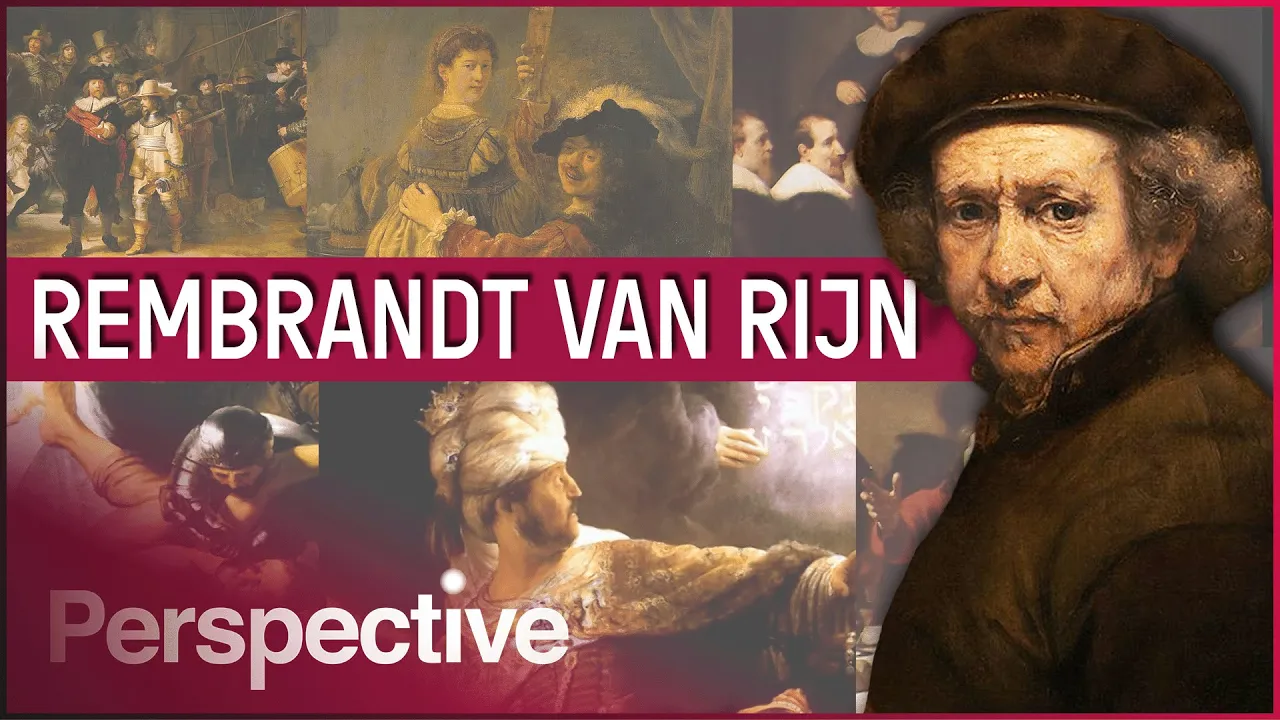
The Utrecht Caravaggisti were Dutch artists from Utrecht who traveled to Italy in the early 17th century, witnessed Caravaggio's work firsthand, and returned to spread his naturalistic style to Northern Europe; while they adopted key Caravaggist elements such as dramatic lighting, unidealized figures, and viewer involvement techniques, they distinguished themselves through reverse tenebrism (light backgrounds with dark figures), interior light sources, moralizing messages, and silvery tonalities rather than Caravaggio's warm earthy palette, ultimately transmitting these innovations to influential Dutch artists like Rembrandt and Vermeer.
The Utrecht Caravaggisti: Dutch Baroque Legacy
Added:Caravaggio's artistic innovations, specifically his development of 'tenebrism' (dramatic contrast between light and dark) and radical naturalism.
The historical and religious context of the Counter-Reformation in Southern Europe versus the Protestant Reformation in Northern Europe.
An introductory understanding of the Baroque art movement, emphasizing its focus on emotional intensity, drama, and dynamic compositions.
The political and economic structure of the 17th-century Dutch Republic, including the decline of ecclesiastical patronage and the rise of a middle-class art market.
The direct influence of the Utrecht Caravaggisti on subsequent Dutch masters, most notably Rembrandt van Rijn's mastery of light and shadow.
The evolution of genre painting in the Dutch Golden Age, specifically how tavern and musical scenes depicted by the Utrecht school became mainstream subjects.
Comparative studies of regional Caravaggism across Europe, comparing the Dutch adaptation to French (Georges de La Tour) and Spanish (Diego Velázquez, Jusepe de Ribera) styles.
The transition from religious and mythological themes to secular, domestic, and everyday subject matters in Northern European art.
1.1K views28likes10:52Original Release: 2020-07-15
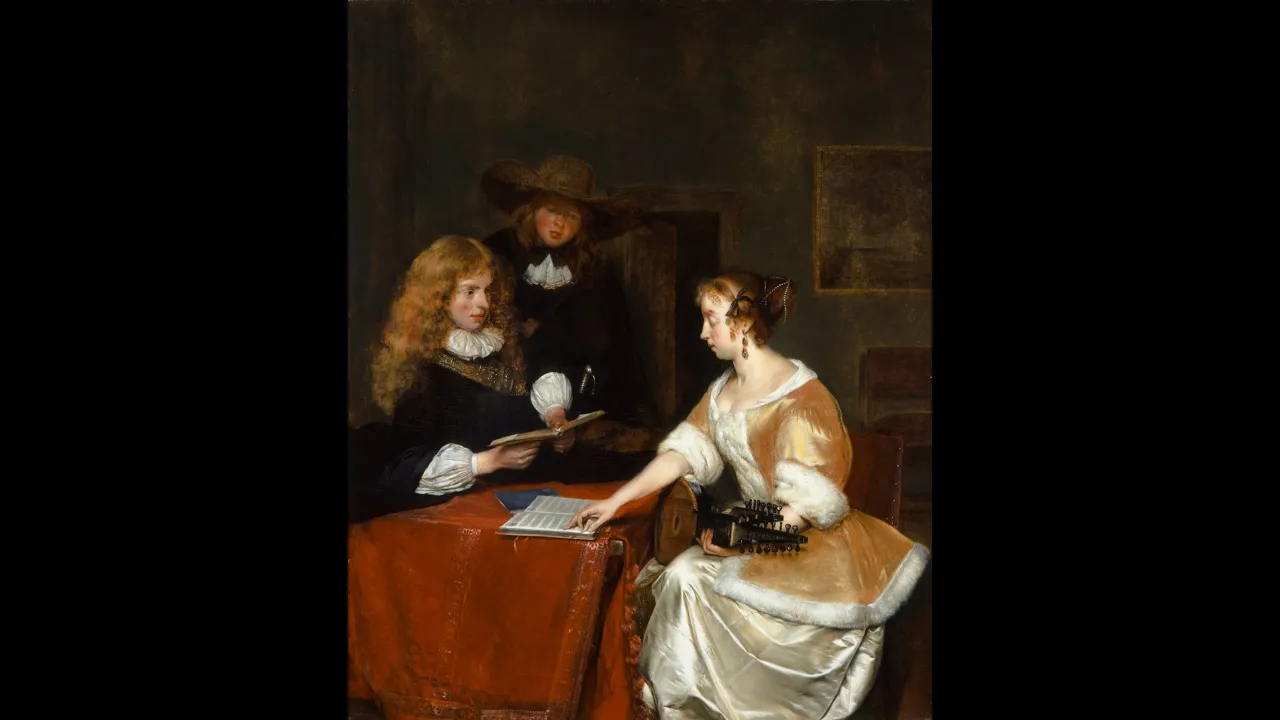
style of art in the 17th century dutch golden age reflects many parallels with caravaggio's naturalistic approach to the broke in italy but as we know most dutch artists didn't study in italy so how was it that the caravaggesk approach made its way north for that we can take a group of dutch artists known as the utrecht caravaggisti these are some artists who were from utrecht which was a catholic stronghold in the dutch republic and so it was safe for them to travel to italy and they did so in the first two decades of the century while there they were able to see caravaggio's work some of them were even there when carabaggio was still practicing and they're able then to return to the north in 1620s from which point they spread caravaggio's style to artists who would never go to italy artists like france halls rembrandt van rein and vermeer are all artists who pick up on trends utrecht caravaggisti employ the utrecht caravaggisty were at the height of their popularity in the 1620s and when we look at their works we can see how they did bring back caravaggio's stylistic elements but how they also put their own interpretation on those elements instead of strictly copying them straight over when we look at this work by hendrick tobruga and you can see to rugen was one of those in italy early enough that he's there and working at the same time as caravaggio when we look here at the calling of saint matthew immediately we can see that he is drawn to caravaggio's use of subject matter and composition this is caravaggio's version of the calling of saint matthew done for the conterrelli chapel it was one of his most well-known works and was seen as a success by most of his contemporaries but it's not just the obvious elements of composition and subject matter where derbruggen is picking up on caribodesk elements we can see that he's using naturalistic unidealized figures and sometimes even using those bohemian types that we associate with carabaggio he puts those figures close to the picture plane just like carabaggio does they feel like they are in one continuous space with us as viewers and that really draws us in and involves us he not only puts them close to us but he cuts them off so we only see half length and that two suggests to our minds that we're very close to the action into what's happening he also uses for shortening just like caravaggio does as another kind of technique to involve the viewer and though caravaggio often uses eye contact to kind of heighten that connection even further he doesn't always and we can see here that terugan has chosen not to include that as well but there are some ways that he has kind of set himself apart from caravaggio's approach first of all there is some tenderism here and that's definitely something that they saw in carabaggio's works but the utrecht caravaggisti on the whole usually kind of reversed that tenebrism so they'd use like a light background instead of a dark background and they'd use darker figures against that light background so here the figure of christ on the left is very dark and the background is light so we still get those tenderistic contrasts of light and dark but done in a very different way than caravaggio employed going along with that the utrecht caravaggisty often use something that we call reputable figures again the figure of christ on the left is dark in his shadows he's turned away from us it feels like we have walked up behind him that is a repu suave figure very often the utrecht carried a just a pair that republic figure with kind of an opening in the composition and we feel like there's a spot for us to just walk up and join the group and join into the action another way that the utrecht caravaggisti often differ from carabaggio is their use of color and tone instead of those really strong earthy colors and kind of warm tonalities they're very often a part of caravaggio's work many of the utrecht caravaggisti use a lighter brighter silver tonality and sometimes use lighter and brighter types of colors and we're definitely seeing that here in the work by to brugan another thing that the utrecht caravaggisti do that's a very kind of different than caravaggio is they're very often including moralizing kinds of messages in their work and that's definitely part of the northern tradition and so they use a lot of genre-like kinds of scenes or they use even some catholic types of scenes to send a message to the viewer about being a better person and making good choices here we can see that the figure with the glasses is kind of providing a foil to the figures who are paying attention to christ and paying attention to the calling instead this figure and his glasses which are symbols for spiritual blindness continues to ignore the holy figures before him and continue to concentrate on the money on the table before him at times utrecht caravaggisti are a little less dramatic and have a little less viewer involvement than caravaggio but i would say here that it seems pretty equal another member of the utrecht caravaggisti dirk von barberin is also in italy after caravaggio's time but still he was able to see some of caravaggio's works first hand and that's really clear here in his entombment done in 1617-1619 when we compare that to carabaggio's entombment from 1603 you can see that his subject matter and his composition were heavily influenced by what caravaggio did when we start to look in more detail however you can see that there are a lot of things that he's doing here that liken to caravaggio's style even though he's not quite as accurate in portraying the faces and the bodies convincingly in space like caravaggio here he's giving us naturalistic unidealized figures they're cut off on the sides they're close to the picture plane we have some foreshortening as well coming out into our space those are all things that really draw us in as viewers we've got tenebrism here we've got drama here again drawing us in as viewers and we're also going to see in this work i think a good example of the naturalistic attention to detail and to texture caramaggio does definitely do that but it's not on the same level as those northern artists usually do and most utrecht characters to give this more attention just like we're seeing here we got this raking light coming across very much like caravaggio it maybe is a little less viewer involving and a little less dramatic than caravaggio's interpretation of the subject so you can see that we get kind of a spectrum some of these works from the utrecht caravaggio see showing a lot of caravages types of elements some of them showing a mix that favors more of their own interpretation so we get definitely different combinations of the use of caravaggio's style in with these works the other most influential artists of the utrecht care of history was garrett venhanthorst and we're looking at his work here he is also in italy after caravaggio is already dead so he's definitely seen caravaggio's works but he's also picking up on an influence by some of the followers of carabaggio the italian caravaggisti especially like manfredi so he's never quite as impactful he's never quite as dramatic as caravaggio but nonetheless haunt horse is likely the most famous of the utrecht caravaggisty he does some things that are definitely what we expect in terms of the way utrecht caravaggisty set themselves apart from carabaggio's style he usually uses an interior light source like we're seeing here also different from carabajo he's using a prepuck figure he's using reverse tenderism that lighter background with the dark figures we definitely can see these silvery kinds of tones and silvery lights that are being used here rather than those warm and earthy kind of palettes of caravaggio and like many objects caravaggisti we're seeing a moralizing message here that of memento moire and vanitas right reminders of you know choosing good behavior because you're going to have to face your final judgment because your death is impending at any moment it's less dramatic it's less viewer involving although we do have some eye contact here we definitely have a space first at the table we have figures that are close to the picture plane and cut off so we are involved as viewers but i think it's less so than some of the works by caravaggio even so there are other things that haunt horse is doing here that is similar to caravaggio the subject of musicians was one that caravaggio also approached though this one here is more moralizing in fact the utrecht caravaggisty on the whole do more secular subjects more often than caravaggio we do have somewhat unidealized figures but this one is done for the court in the hague so the figures are less earthy they're dressed better than most um figures within the utrecht caravaggisti representations would be and that's really just a reflection of the source of the commission there's foreshortening there's attention to the naturalistic details and the textures and making those look incredibly convincing and of course that's something that is common in the north as well as something that caravaggio did and then our last example again from haunt horst of the supper party you can see how he's picking up on caravagesque elements unidealized naturalistic kinds of figures we even have some that look reminiscent of those bohemian types they're half length they're cut off figures we get a lot of viewer involvement with the dramatic lighting with the kind of vastly of the scene but also in how we feel so close to the action so the figures are brought up close to the picture plane and as we said they're kind of cut off in half length and that makes us feel like we're really close to the action we do have some things even foreshortened out into our space which heightens that sense even further we got the attention to naturalistic detail and texture we do have tenderism here more of a traditional type of tender prism and that's very dramatic as well one thing that he does though that's different than carabaggio we've got again the repu sua figure and this is a good example of how many of the utrecht caravaggisty especially haunt horse would use an interior light source rather than using that exterior raking light of caravaggio's we have messages of vanitas and memento mori it's moralizing it's didactic it's meant to encourage people to make good choices and to be good christians and on the whole i would say even though we have some dramatic elements and we do have some viewer involvement it's taken down a notch from what caravaggio's uh works usually are on the whole then when we look at these works from the utrecht caravaggisti we can see how they have definitely transported a number of caravaggio's key elements of style into the north and it's through contact with these utrecht caravaggisti that many of the dutch artists that are so well beloved today pick up on the more naturalistic approach to the broke you
Up Next

25:27
Rembrandt Painting Techniques: A Masterclass by Tom Keating
@TheArtyBartfast
157.9K views•2012-09-29

114:18
Christian Iconography: History, Theology, and Meaning | Fr. Panayiotis Papageorgiou
@Trisagionfilms
58.8K views•2020-02-21
7:48
Ukiyo-e Art: History, Woodblock Printing & Influence
@japanathand
6.3K views•2023-06-08

16:34
Earliest Depictions of Jesus in Art: 10 Ancient Images Explained
@UsefulCharts
5.9M views•2022-06-03
Related Study Plans & Knowledge Roadmaps
Structured learning paths in Art History
art-history
Gothic Cathedrals: Engineering, Light & Society
01The Birth of the Gothic: Romanesque to Suger's Vision
02The Structural Triad: Pointed Arches, Ribbed Vaults, and Flying Buttresses
03Theology of Light: Lux Nova and Sacred Geometry
+ 2 more learning modules
14h5 modules
Explore Roadmap
art-history
Pre-Raphaelites: Realism, Symbolism & Critique
01The Victorian Art Establishment and Academic Formula
02The Founding of the PRB and Radical Realism
03Medieval Revivalism and Literary Symbolism
+ 1 more learning modules
8h4 modules
Explore Roadmap
art-history
Street Art: From Subways to Art Market
01Subcultural Origins in Philadelphia and New York (1970s)
02The Subway Era and Style Wars (Late 1970s - 1980s)
03The East Village Scene and Early Gallery Crossover
+ 2 more learning modules
10h5 modules
Explore Roadmap
art-history
Classic Maya Art: Iconography, Glyphs & Ritual
01Foundations of Classic Maya Visual Culture
02Deciphering Maya Hieroglyphs & Text-Image Integration
03Sacred Geography and Cosmological Architecture
+ 2 more learning modules
14h5 modules
Explore Roadmap