
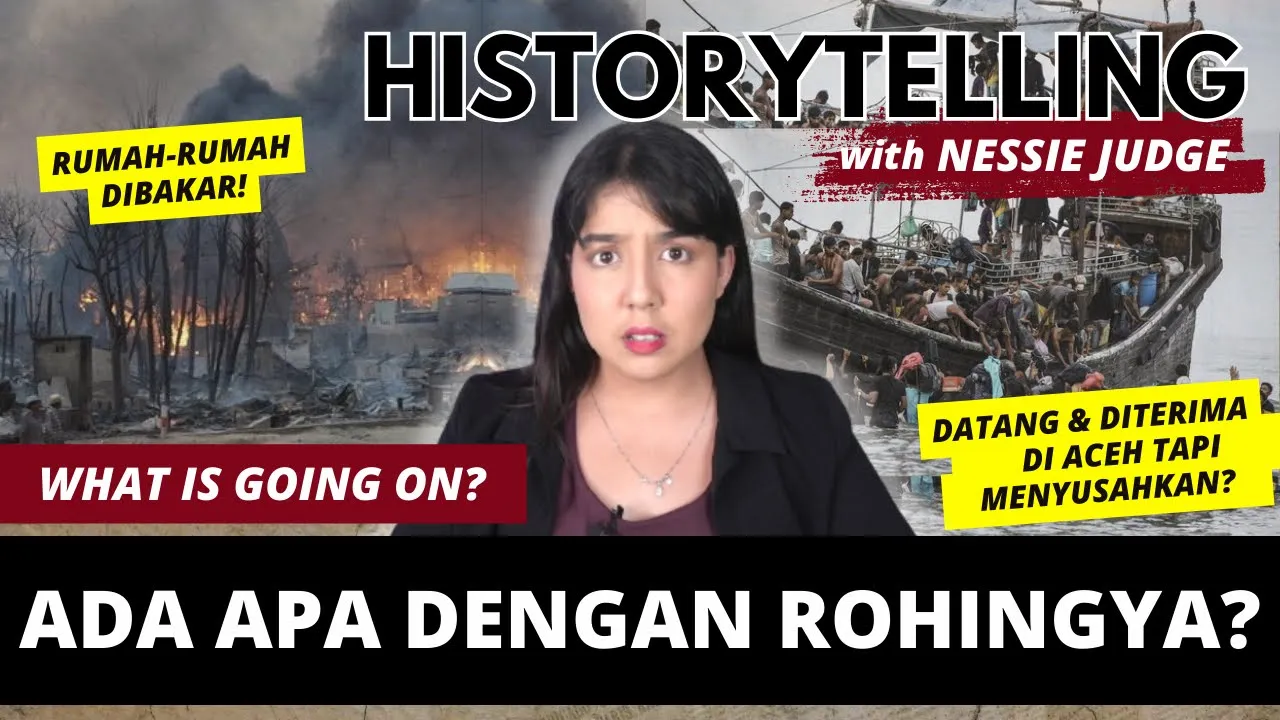
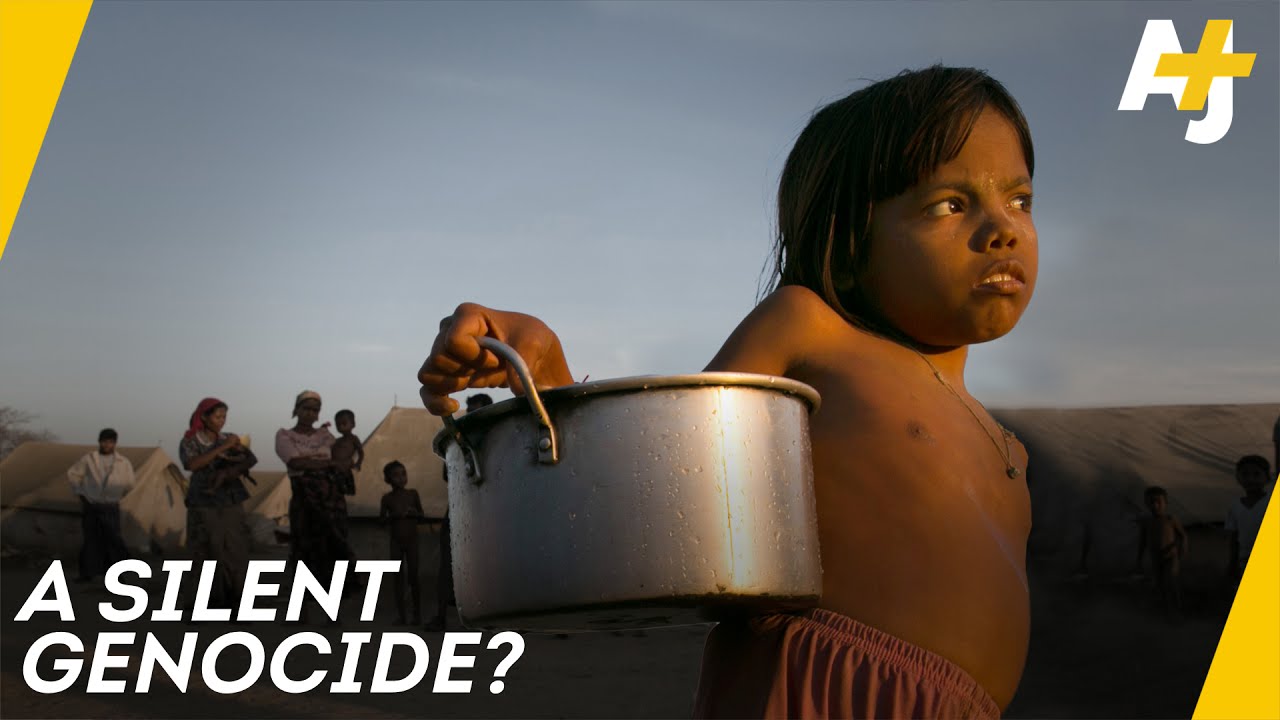
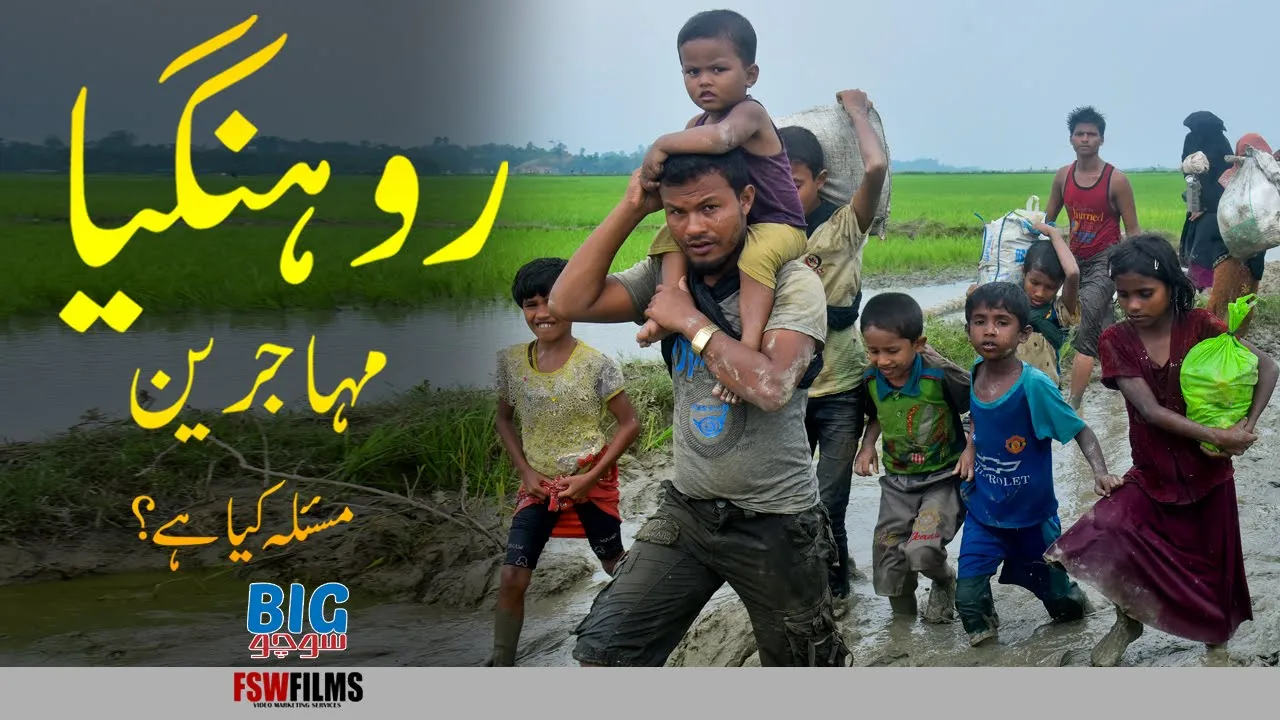








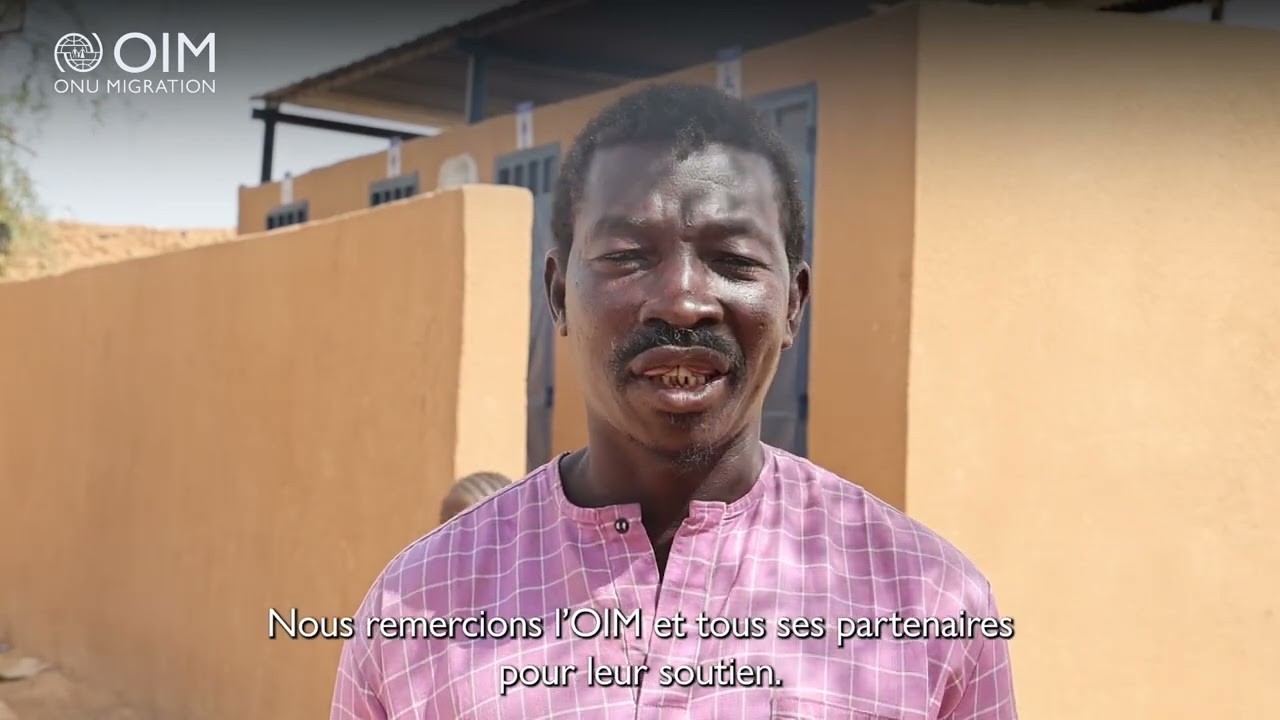




The Rohingya refugee camps in Cox's Bazar, Bangladesh, host over one million displaced people living in precarious conditions with deteriorating temporary shelters, inadequate water and sanitation infrastructure, and limited access to healthcare services for chronic diseases, while the stateless population faces uncertain funding and no political solution for return to Myanmar.
Cox's Bazar: Rohingya Refugee Camp Health Crisis
Added:The historical and geopolitical context of the Rohingya humanitarian crisis, including their statelessness and displacement from Myanmar to Bangladesh.
Basic principles of public health in emergencies, particularly how overcrowding, lack of clean water, and poor sanitation facilitate rapid disease transmission.
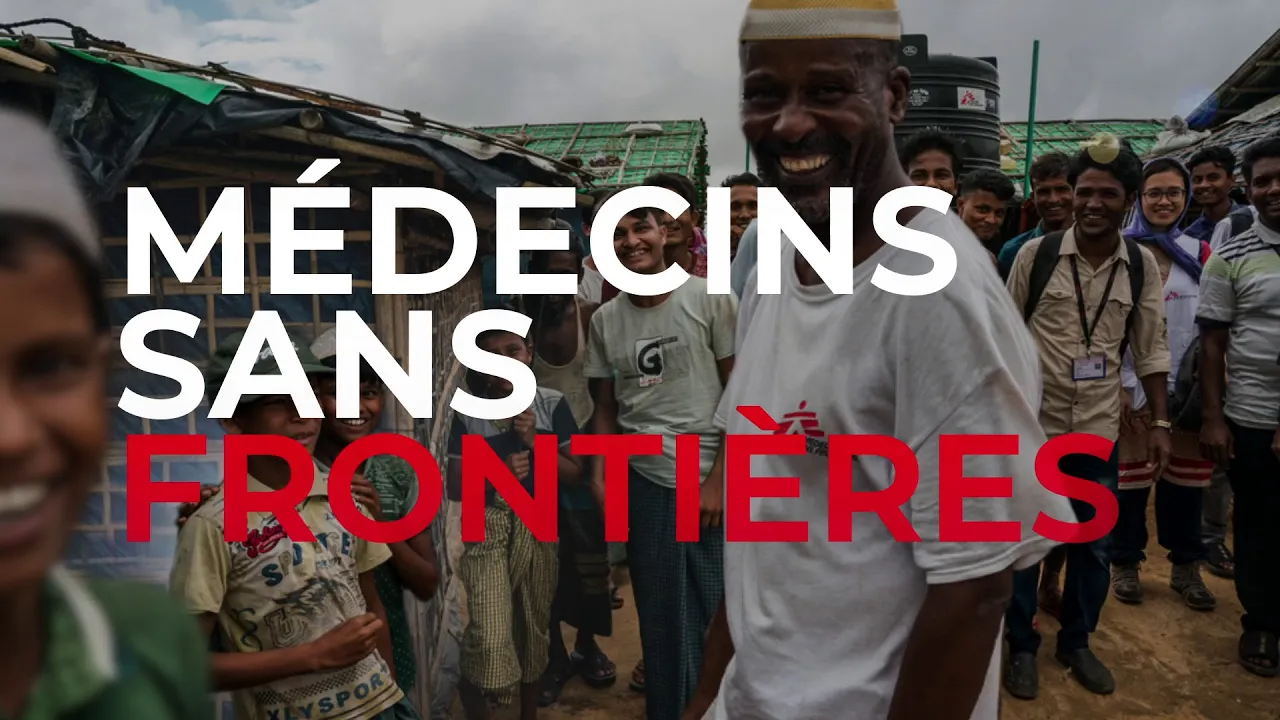
The roles and mandates of major international humanitarian organizations, specifically Médecins Sans Frontières (MSF) and the UN Refugee Agency (UNHCR).
The legal definition and distinction between refugees, asylum seekers, and internally displaced persons (IDPs) under international law.
Advanced epidemiological strategies for infectious disease outbreak prevention, monitoring, and vaccine deployment in resource-limited settings.
The planning and implementation of 'WASH' (Water, Sanitation, and Hygiene) infrastructure in protracted displacement camps.
The economic, social, and political impacts of hosting large refugee populations on the local host communities in developing countries.
Mental Health and Psychosocial Support (MHPSS) methodologies designed to address trauma and chronic stress in displaced populations.
7.7K views170likes6:13Original Release: 2022-08-29
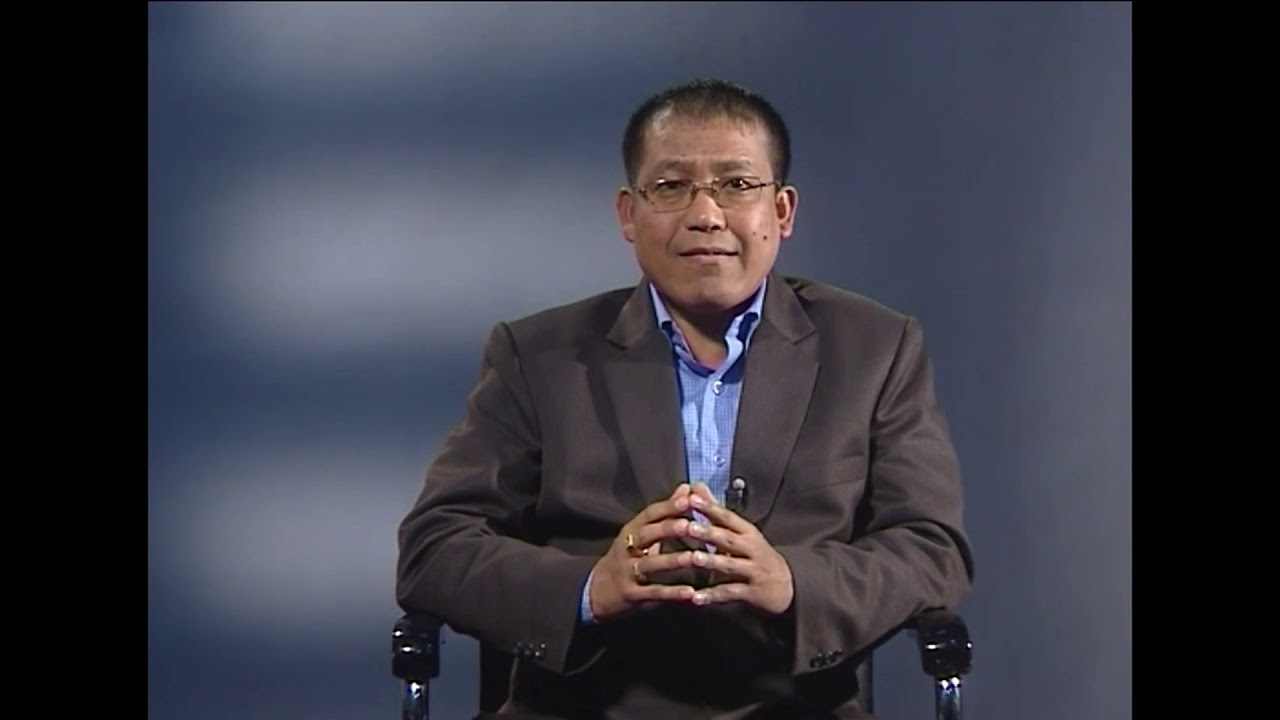
if you've never seen the camps the first thing that strikes you is just the scale of displacement that these camps are hosting it's unbelievable there are over a million people living in this camp i've been all over the world many refugee camp settings but i've never seen anything on the size and scale of this campsite [Music] the way people live is incredibly precarious despite the five years only temporary shelters are allowed inside the camps what we've seen over five years with the continual floods monsoons landslides is that these shelters they have deteriorated and because of that we see you know a real increase in the spread of certain infectious diseases during heavy rains it will be flooded there will be landslides there will be shelter that is lost populations will displace and they will have to move and find alternative solutions it is an incredibly poor setting to manage an additional emergency on top of the existing chronic emergency that people face every day it's been a huge effort to introduce quality water provision and meet a minimum standard for the management of waste across the camps given the scale and size and the geography of the camp which is a really hilly tract of land a huge amount has been achieved to try and put these systems and services in place but what we see is that those systems and services they're not the same everywhere there are some camp settings that actually have quite poor water and sanitation there are other areas that have much better access we also see that the provision of water and the management of waste is still at an absolute minimum according to emergency standards and that's quite inadequate to improve the daily living conditions inside the camps as a medical organization we see a real increase in the incidence of skin infections one example specifically the widespread infection of scabies between families and between communities and even between camps we see an increasing number of people coming to our facilities with chronic diseases like diabetes hypertension asthma and there simply is no provision for those conditions in many of the other medical settings outside of msf's own medical services so we're overwhelmed by demand coming from way beyond the catchment area of our clinics for people coming seeking care for chronic diseases we see is a growing number of people complaining of respiratory tract infections so coughs chest problems etc and alongside this watery diarrhea intestinal diseases again indicating lack of adequate sanitation hygiene practices access to clean water and this is a clear marker it's a red flag that the provision of water and the management of sanitation is inadequate across the camp there's quite a wide range of medical services but they vary considerably in terms of the consistency the availability and the quality of those services provided very often we'll have patients arriving at msf facilities that have traveled a long way where supposedly they have services available closer to them but they tell us that those services are not functioning or those services have referred them to us containment is a very complex reality in these camps and so the camp is now entirely surrounded by a fence the camp is divided into a number of individual camps you have to pass through checkpoints to go from one camp to another and therefore it further contains a community that is 100 dependent on assistance and when you speak to them they tell you many different examples about how this affects their daily life how it's insecure how it's difficult if you want to get out how you can be detained and even locked up if you've found not to be in the camp that's been designated to you it's very clear that funding commitments are uncertain towards bangladesh towards maintaining this level of support and care for the rohingya population here in cox's bazar funding is going to be a real issue and yet the situation and circumstances of these refugees has not changed it has not improved and it probably will not change fundamentally in the coming years it seems unlikely there'll be a political solution that would allow them to return to myanmar across the medical service sector we expect to see a reduction in the availability of funding and therefore a reduction in the services that are currently being provided we're already facing a burden on our own clinics forcing us as medicine san francis doctors without borders to expand the services we're providing so we'll be under a lot more pressure in the coming years to ensure adequate healthcare underpinning everything is this issue that having fled from myanmar with no legal protection being afforded by any state around the world they find themselves effectively stateless that means that even if you can provide for their daily needs even to bare minimum they have very few freedoms they have no rights essentially and they have no state that is assuming responsibility to ensure their protection so they fall victim to many different influences inside the camp setting and they have very very few options to seek protection and support given that they have no formal recognition as a population at all this situation is not going to be resolved it's going to take some time to find the change that these people need so we msf will do everything we can to not only continue to provide medical services but really to advocate internationally and regionally to find longer term durable solutions because this community is living in a state of collective despair this population cannot be forgotten [Music]
Up Next
13:32
Missy Elliott's Afrofuturist Music Video Aesthetics Explained
@SayItLoudPBS
153.8K views•2019-08-08

12:54
Triumph of Orthodoxy Icon: Byzantine Art & History Explained
@BenCallan
2.1K views•2024-08-06

9:49
FastAPI vs Flask vs Django: Choosing the Right Python Web Framework
@TechWithTim
302.5K views•2024-05-26

1:42
Game of Thrones Opening Credits: A Cinematic Analysis
@gameofthrones
46.3M views•2011-04-18
Related Study Plans & Knowledge Roadmaps
Structured learning paths in General & Interdisciplinary Studies
general-studies
Elevator Engineering: History, Physics & Cities
01From Hoists to Safety Brakes: The Dawn of Vertical Lift
02Hydraulic vs. Traction: The Engineering Physics of Elevators
03Modern Speed, Safety, and Algorithms
+ 2 more learning modules
12h5 modules
Explore Roadmap
general-studies
Rubber: Material Science, History & Geopolitics
01Origins of Natural Rubber & Mesoamerican History
02The Chemistry of Natural Rubber & Vulcanization
03The Geopolitics of the Rubber Boom & Colonization
+ 2 more learning modules
12h5 modules
Explore Roadmap
general-studies
Containerization: Evolution, Logistics & Trade
01Ancient Trade & Bulk Cargo: Amphorae to Barrels
02The Industrial Revolution & Cardboard Packaging
03The Containerization Revolution: Malcom McLean
+ 2 more learning modules
12h5 modules
Explore Roadmap
general-studies
Textile Tech: Evolution, Labor & Global Impact
01Pre-Industrial Textiles: Handloom & Cottage Industry
02Mechanization: The Spinning Jenny to the Power Loom
03The Factory System & Global Labor Transformation
+ 2 more learning modules
10h5 modules
Explore Roadmap