























Social media enables easy online activism (slacktivism) through hashtags and shares, but true political change requires offline actions such as voting, contacting legislators, attending town halls, and volunteering with organizations, as demonstrated by historical figures like Niels Bohlin (seat belt inventor), Lilly Ledbetter (Fair Pay Act), and Nicholas Winton (saving 669 Holocaust children), who achieved real-world impact through sustained commitment rather than digital engagement alone.
Slacktivism vs. Real Activism: Social Media's Role in Change
Added:Understanding the historical models of traditional grassroots activism, including the key strategies of physical mobilization and civil disobedience.
Familiarity with the mechanics of social media platforms, specifically how algorithms drive engagement, virality, and the creation of echo chambers.
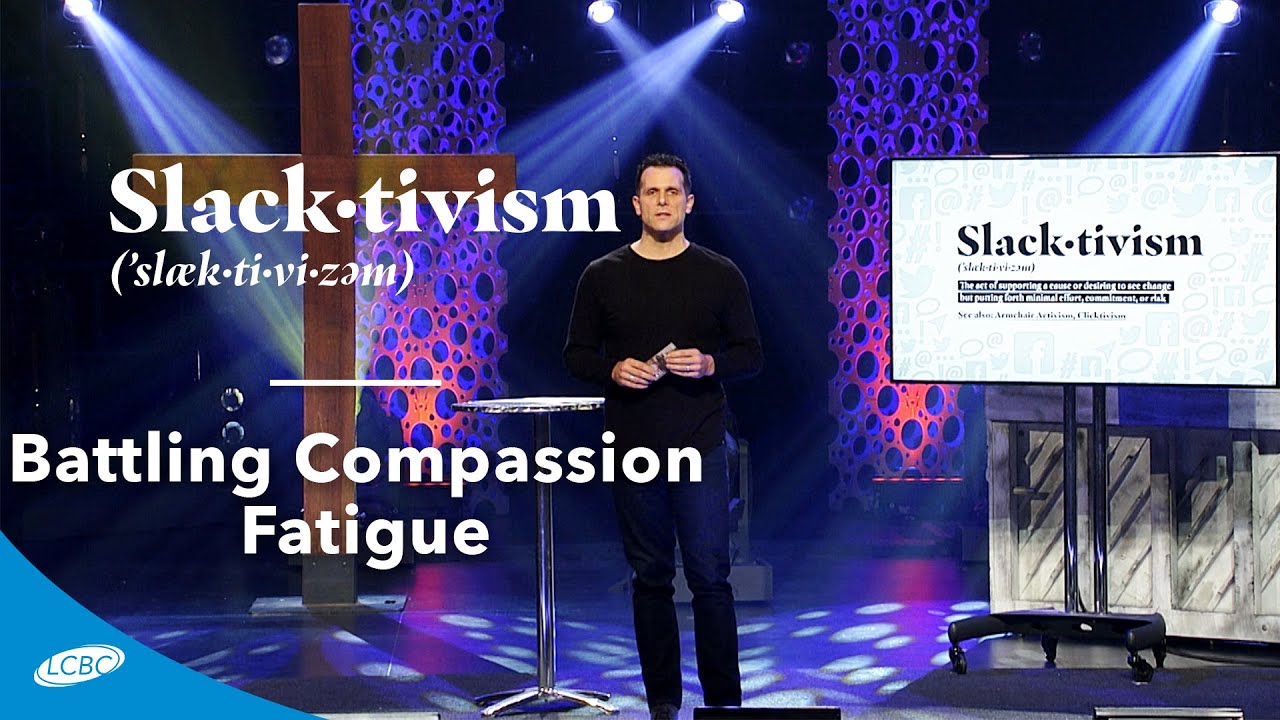
A baseline definition of 'slacktivism' (or clicktivism) as low-cost, low-risk digital actions such as signing online petitions or sharing hashtags.
An introduction to Media Framing Theory, which explains how the presentation of information influences public perception and political salience.
Analysis of modern hybrid mobilization frameworks that successfully bridge the gap between online awareness and offline direct action.
The study of Resource Mobilization Theory in the digital age, examining how digital networks capture and deploy human and financial resources.
Evaluation metrics for social campaigns, learning to distinguish between 'vanity metrics' (likes, shares) and 'impact metrics' (policy changes, legislative reform).
Exploration of the risks associated with digital activism, such as state surveillance, algorithmic censorship, and digital authoritarianism.
20.1K views229likes7:17Original Release: 2018-11-12
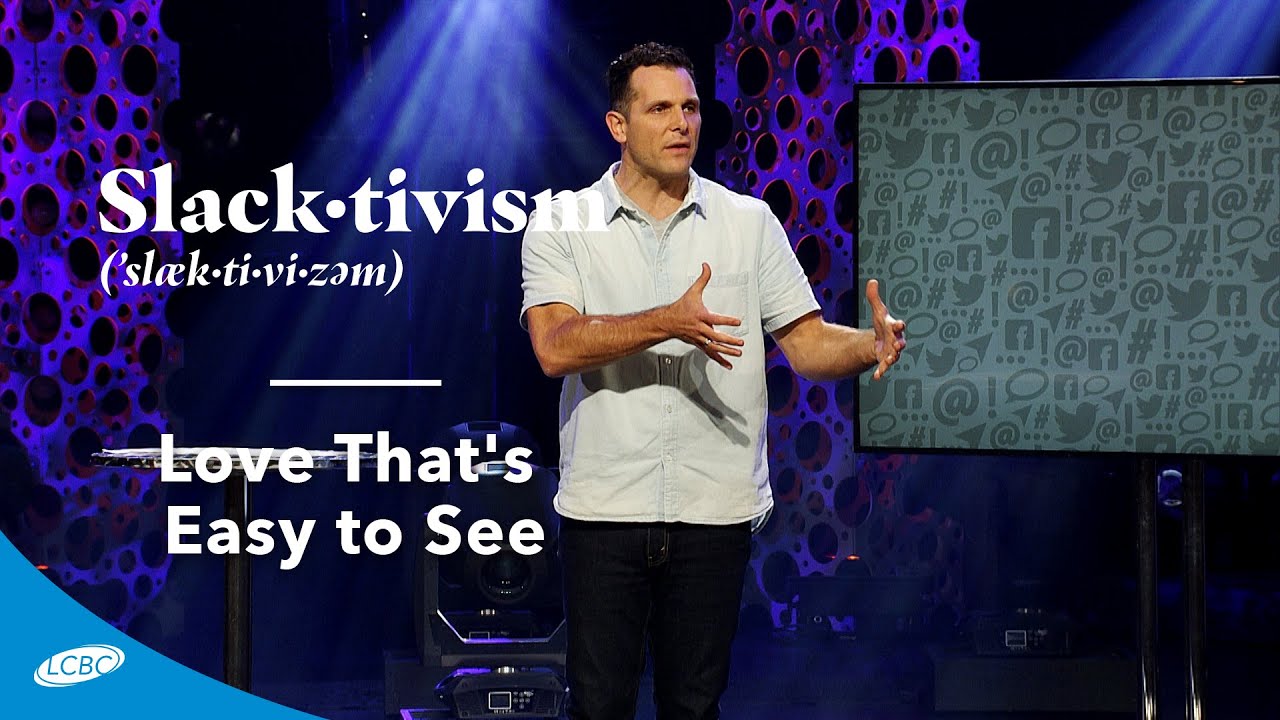
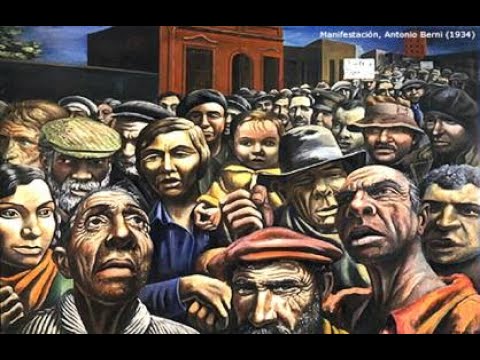
ordinary people can make extraordinary change in the world take Niels Bowen for example he was an engineer in 1950s and invented these three points seat belt which now saves over 15,000 people every year from dying in car crashes or lilly ledbetter she worked at a tire company for about 20 years thank sued the company when she found out that she was being paid less than her male co-workers after losing the suit in the Supreme Court Congress passed the lilly Ledbetter Fair Pay Act changing federal law to better protect women in the workplace or Nicholas Winston he worked a regular job in the stock exchange but devoted every second of his spare time to saving Jewish children during the Holocaust he saved 669 children Niels Boeing Lilly Ledbetter and Nicholas wastin work ordinary people yet they still created extraordinary change in the world and with social media at our fingertips it's never been easier for everyday people to get together grassroots style and say hey if you care about this then let's do something my name is Sophia dart and today I'm going to be talking about how social media has affected act ISM raise your hand if you have snapchat Twitter Instagram or Facebook most of us do right according to estimates the number of worldwide social media users reached two point three four billion and is expected to grow some two point nine five billion by 2020 the average person has five social media accounts and spends almost two hours browsing these networks every single day now it's important to note that these photos hashtags whatever you post it matters whether it's a photo of your lunch from that trendy new vegan place or a viral video just a photo of you with your friends every post says something about who you are and what you stand for so it's no surprise that politics play a part in that to me to black lives matter the women's march to gun violence walkouts social media has been at the forefront of so many movements in modern-day America and in other countries around the world to some of which that don't have freedom of speech social media creates unedited communities for people to fight against tyranny intolerance and injustice to bring about empathy integrity and truth social media unites like-minded people to demand public scrutiny inform the masses and coordinate the logistics of their solution all over a screen simply put social media has revolutionized activism what's interesting about online activism though is that it's become a part of mainstream culture now it's cool to go to March and post a picture of your sign on Instagram unfortunately what happens too often is that people don't go to that March they don't go to town halls they don't boycott crafts companies they don't call their legislators most importantly they don't show up to vote only 56% of eligible voters went to the polls during the 2016 election almost half of America did not vote instead they tweeted the hashtag or shared a video forgot about it and went along their merry way in June of 2014 Shonda Rhimes said it best she's the creator writer and executive producer of Grey's Anatomy and gave a commencement speech to Dartmouth in what she told students to pick it cause they love go out into the world we devote real-time to it during her speech Brian said a hashtag is not helping hashtag yes I'll woman hashtag take that tonight hashtag not all men hashtag stop pretending hashtags are the same as doing something hashtags are very pretty on Twitter but a hashtag is not a movement a hashtag does not make you dr. King a hashtag does not change anything it's a habit it's you sitting on your butt typing in your computer and then going back to binge watching your favorite show see social media activism which I like to call slacktivism is useless if it doesn't create awareness that leads to action off the internet so then the question becomes how to turn a hashtag conversation into a real one how do we turn slacktivism into real activism well the first step is identifying an issue that you care about find out what disturbs you what URI aids you and then step to get informed about it read articles take classes on issues related to your cause listen to the people most effective talk to other activists keep in mind it's equally as important to talk to people on the other side of your issue and realize that you can disagree with their opinion while still respecting them as a human being then step 3 vote find out which politicians support the same policies as you do and then vote if you're able to vote and don't then you really can't complain step 4 is setting ambitious but realistic goals about what you want to see happen and how to realistically get there for instance halting human caused climate change is a noble goal but it's too to be directionally actionable you can't however advocate for tougher emission standards for vehicles and industries in your area and one way to set ambitious but realistic goals is by joining or starting an organization that supports your cause then volunteered your money and most importantly volunteer your time justice isn't some weekly trend so if we want to see long-lasting improvement in the issues we care about we have to lead by example if there's one thing I want you to all leave here remembering it's that history isn't made with a hashtag rather it's been formed by masses of faceless and nameless people that had nothing more than a cause they believed in and a willingness to fight for it no matter how difficult it was or how long it took thank you [Applause] [Music]
Up Next

3:14
How the EU Emissions Trading System (EU ETS) Works
@EuropeanCommission
172.4K views•2014-03-19

26:22
Walking in the City: Urban Rituals and the Flâneur in Contemporary India
@PSBTIndia
1.9K views•2016-08-02

11:43
Indigenous Astronomy: Rethinking Space Ethics | Karlie Noon TEDx
@TEDx
15.1K views•2025-11-30

1:42
Game of Thrones Opening Credits: A Cinematic Analysis
@gameofthrones
46.3M views•2011-04-18
Related Study Plans & Knowledge Roadmaps
Structured learning paths in General & Interdisciplinary Studies
general-studies
Artificial Light: History, Tech & Human Impact
01The Pre-Electric Era: Fire, Oil, and Gas Lighting
02The Incandescent Revolution and Grid Electrification
03Gas Discharge and Fluorescent Illumination
+ 3 more learning modules
14h6 modules
Explore Roadmap
general-studies
Elevator Engineering: History, Physics & Cities
01From Hoists to Safety Brakes: The Dawn of Vertical Lift
02Hydraulic vs. Traction: The Engineering Physics of Elevators
03Modern Speed, Safety, and Algorithms
+ 2 more learning modules
12h5 modules
Explore Roadmap
general-studies
Rubber: Material Science, History & Geopolitics
01Origins of Natural Rubber & Mesoamerican History
02The Chemistry of Natural Rubber & Vulcanization
03The Geopolitics of the Rubber Boom & Colonization
+ 2 more learning modules
12h5 modules
Explore Roadmap
general-studies
Containerization: Evolution, Logistics & Trade
01Ancient Trade & Bulk Cargo: Amphorae to Barrels
02The Industrial Revolution & Cardboard Packaging
03The Containerization Revolution: Malcom McLean
+ 2 more learning modules
12h5 modules
Explore Roadmap