

























This lecture covers essential bioprocess engineering formulas including growth yield coefficient (Yx/s = -ΔX/ΔS), observed biomass yield (Y'x/s = -ΔX/ΔSt), and true biomass yield (Yx/s = -ΔX/ΔSg), along with critical dilution rate (Dc = μmax × Sr/(Ks + Sr)), thermal sterilization (N = N₀ × e^(-Kd × t)), decimal reduction time (D = 2.303/Kd), Del value (Δtotal = ln(N₀/Nf) = Δheating + Δholding + Δcooling), z-value (temperature rise to reduce D to 1/10th), f-value (equivalent sterilization time at reference temperature), diffusion mass transfer (J = -Da × dCa/dx), convective mass transfer (N = k × a × (Ca₀ - Ca)), and Reynolds number (Re = Di² × Ni × ρ/μ) for determining flow regime in bioreactors.
GATE BT Bioprocess Engineering Revision: Key Formulas Part 2
Added:Basic microbiology and cell growth kinetics, including the phases of microbial growth (lag, exponential, stationary, and death).
Stoichiometry of cell growth and product formation, particularly material balances and yield concepts.
Fundamental chemical reaction kinetics, including rate laws and temperature dependence (Arrhenius equation) which are essential for sterilization calculations.
Basic transport phenomena, specifically the principles of mass transfer and diffusion in aqueous systems.
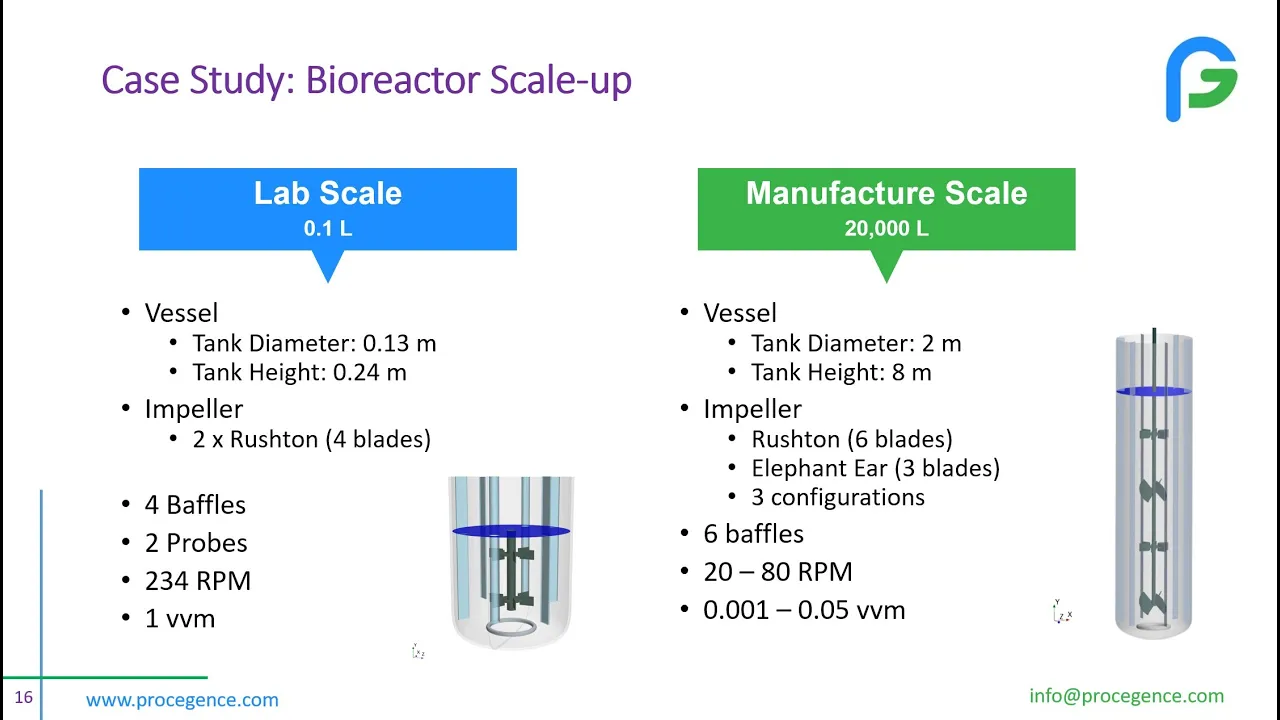
Bioreactor scale-up strategies, incorporating mass transfer limitations (specifically volumetric oxygen transfer coefficient, kLa) and shear stress.
Advanced continuous cultivation systems, including chemostats with cell recycle, feedback control, and multi-stage fermentations.
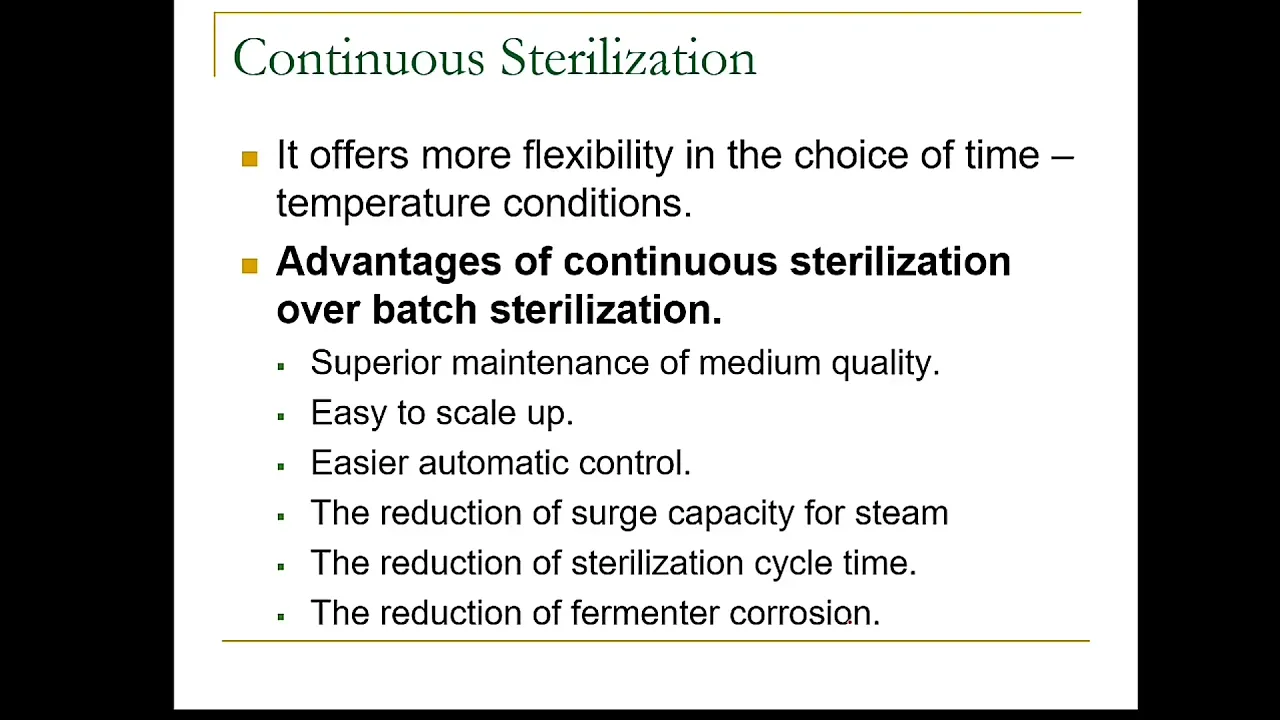
Design and optimization of industrial-scale sterilization processes (both batch and continuous thermal sterilization of media and equipment).
Downstream processing integration, studying how upstream yield coefficients and fermentation parameters affect purification and recovery costs.
1.4K views40likes35:30Original Release: 2022-02-08
[Music] hello everyone and welcome to instant biology by dr nilab so the topic for today is bioprocess engineering and i was actually making a series on revision of bioprocess engineering and in this series we have already completed one lecture so for those of you who have not seen that lecture i would request you to go through that lecture lecture they click and that was lecture 1 of revision of bioprocess engineering this lecture may i was telling you the important formulas and i was discussing some background behind that formulas and where that formulas would be used in bio process engineering that was what i was doing in that particular uh portion so in continuation to this i would be uh today talking about the other formulas so let us start with this bio process engineering revision of bioprocess engineering okay so now uh in the previous uh video i'm not gonna ten formulas and in today's lecture i would be uh talking about the eleventh formula eleventh formula says shiro curry and that is about growth yield coefficient growth yield coefficient so what is growth yield coefficient we have a simple formula just we talked about that how much is the biomass produced or was biomass produced chronically what is the amount of the substrate that is consumed okay so amount of biomass produced divided by amount of substrate consumed but the amount that can be in the mass or moles that can be given so let me just write it down so why x over s this x is just the biomass it is a representative of biomass and s is the representative of substrate so y x s is equals to minus delta x upon delta s this is the formula and over here what is x x is mass or you can also call it moles of biomass of cell biomass produced and what is the delta s you can call it mass or moles of substrate that is consumed substrate consumed so this is what is called as the growth yield coefficient and there is another similar type of what you say a parameter this observed biomass yield so this is growth yield coefficient simple terms y x over s is equals to negative delta x by delta s delta x is the moles or mass of cell biomass produced and delta s is the mass for moles of substrate consumed and what about observed biomass growth yield coefficient so this is another similar type of a parameter is observed biomass yield observed biomass yield so what is this so is y prime x over s y prime x over s and this is given by negative delta x upon delta s t now what is it is just the total substrate utilized so i can just split this delta st into two parts minus delta x upon what i can do is i can convert this delta st i can write it down in a simpler term so that can be delta s g plus delta s r yeah delta s g and delta s r what is that so delta s g is nothing but the uh the substrate utilized for substrate utilized for building cellular material to substrate utilized for producing or developing cellular material producing cellular cellular material and what is this cellular material it is just the biomass actually biomass banana kelly substrate and what about delta sr what is delta sr so it is utilized for the the substrate that is utilized simply for the maintenance maintenance philadelphia use or i that is written as delta sr and so this delta st is a sum of delta sg and delta sr so this is what is observed biomass yield yeah observed biomass field now let us go on to another parameter that is again similar equal similar parameter and that is that would be c and this is true or theoretical biomass yield true or you can also call it as theoretical theoretical biomass yield or true or theoretical biomass this can be represented by y x over s and this would be equal to negative x upon delta s g told you what is delta sg it was actually the substrate that was utilized for biomass production substrate biomass production only that would be written and this is called as true or theoretical biomass field ticket so in just a moment i'll just uh uh this was it and uh yes so let me just keep these formulas in a box so that of course so like this and this can be written like this okay so we have done this or last year hamara true or theoretical biomass yield what was that this was y x over s is equals to negative delta x upon delta s g or delta sg is the substrate that is utilized for uh only biomass production so this was formula number 11 and it had three parts now let us talk about formula number 12.
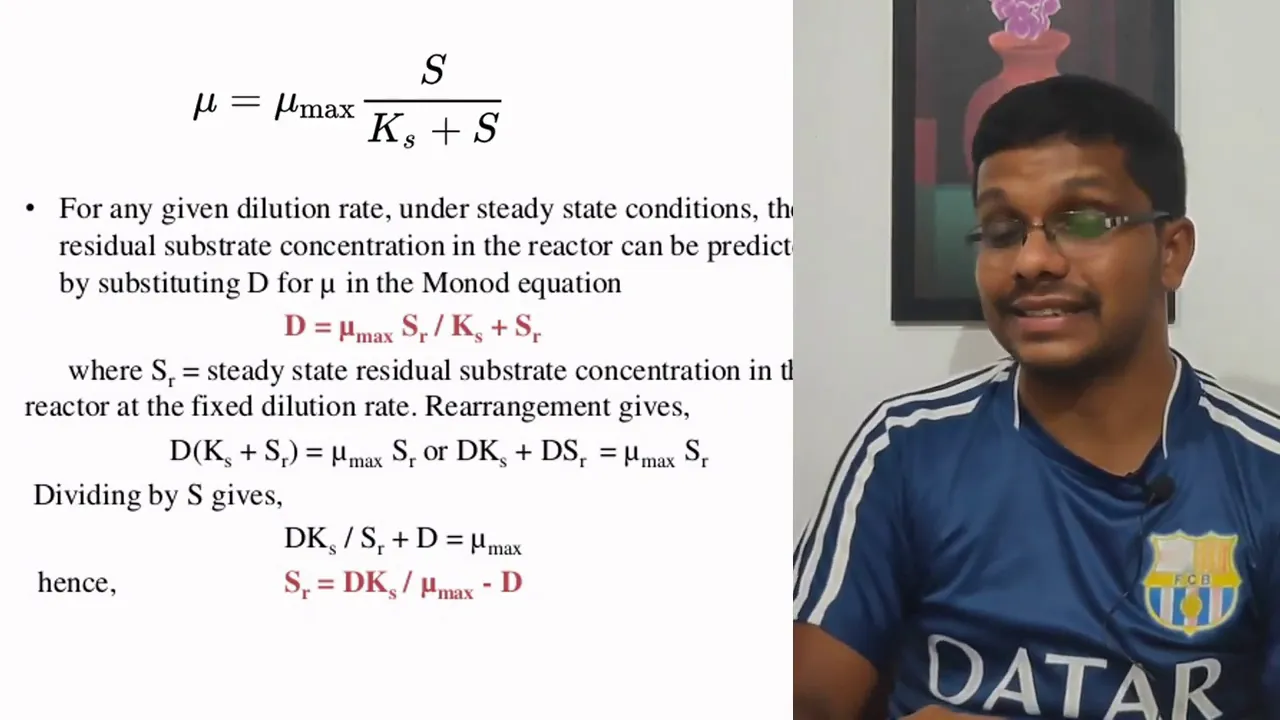
what is formula number 12 so this is critical dilution rate critical dilution rate so what is critical dilution rate actually is the formula dc is equals to mu max into s r upon k s plus s r now uh i can write it down or do say how can i write it to mu max into [Music] s r upon k s plus s r so this is the another way to write down this particular formula what is k s uh of monod's equation i was telling monod equation of subject i've already told you what is ks so ks is nothing but substrate specific constant substrate specific constant and sr sr is steady state residual substrate concentration steady state residual [Music] and some amount of the material would also be removed continuously c cobalt and continuous culture so now understand that suppose yeah fluid and over here the cells are also present so we want to know what should be the dilution rate up your dilution rate that should be actually somewhere equal to the mu max so what is the specific growth rate of a cell excellent that is the specific growth rate of the cell rate of incoming of the substrate so what will happen there would be chances of cells getting washed away so washing away we do not want to we do not want the cells to get washed away those cells would not be able to attain a very high uh would not be able to attain their proper potential of growth of a potential connectivity [Music] so you can directly refer to my video now coming to the thermal sterilization i'm coming to the 13th formula that is thermal sterilization so yeah coming to thermal sterilization now all of us know that uh jabhibi whenever we want to run a fermenter first of all we have to create proper sterilization before running the fermenter abhi uh proper sterilization he created so what would what would happen so this would lead to this can lead to some different problems now that is why what we want to do is proper sterilization now what is the formula for sterilization is sterilization formula okay yes so it would be equal to n it's equals to n naught into e to the power minus k d t so what is n n is the final number of cells final number of cells n naught is the initial number of cells initial number of cells and [Music] so we can write kd you see if you see formulae i can just include one more thing so according to arrhenius equation agaram they came to kd is equals to a into e to the power now what is this doing this is actually relating the kd uh death constant juha it is relating the kd to uh the absolute temperatures that relate or gas constants so what i can do is i can write down the things so yeah e is equals activation energy e is activation energy t is the absolute temperature and r is the gas constant r it is the gas constant so if i can keep this k d value in so this is what uh we can do over here so yeah uh we can use this particular kd value and we can also use this equation depending upon how many or who i have question may and what is asked to use up say we can use this so basically basically what what is the time that we are utilizing so that the final concentration of the cell becomes n and the initial concentration was n naught so basically so this is formula number 13. now in sterilization only there is another very important concept of decimal reduction time so what is the decimal reduction time decimal direction time simply means that the consent that the ratio of the final number of cells to the initial number of cells is equals to 0.1 that means that means it is the time that is required for actually killing 90 percent of the cell and only 10 percent of the cells are surviving that is called as decimal reduction time and this value is equals to n by n naught is equals to 0.1 and you can also write this value equal to that means e to the power minus kd into d so here d k this is actually this is only the decimal reduction time this is only it is represented by capital d this is the decimal reduction time say what i can do is i can calculate from both of this i can do i can write down d is equals to two point three zero three divided by k d so yeah i've got decimal reduction so you can remember this also you can remember this also both of them are important this and this is here now let us come to 15 uh let us come to formula number 15.
so formula number 15 is actually giving us the del value we are talking about del value so del value is equal to is actually what we are talking about over here is the required degree of sterilization del value is actually telling us about the required degree of sterilization required degree of sterilization del value is actually telling us about the required degree of sterilization now if i if i try and write down about the del value if i try and write down about this gamma sk value technique del total del total del total is equals to ln no by nf is equals to del heating plus del holding plus del cooling now what is this what what i want to tell you over here is what is the required degree of sterilization occurring we would be increasing the temperature usually temperature hold carrying a 30 there and then what we would be doing is we would be decreasing the temperature okay so this is this is what we are talking about del heating when we are heating actually dell holding when we are holding actually so a heating processor this is the process of heating this is the process of holding and this is the process of cooling so heating holding and cooling what we are calling as dell total heating holding or cooling on that it is actually the ratio of natural log of the original number of cells no or nf cajo ratio here this is actually your del total and it is a cumulative sum so this is what was del value given by uh natural log of n o by n now let us talk about the concept number 16.
what is this concept it is actually your z value what is this z value so it is actually a rise in rise in temperature required rise in temperature required to reduce d to 1 10th of its d2 one tenth of its previous value what does this mean is d d we have already talked about it is the decimal uh reduction time so d k by m hm it is the time required to kill ninety percent of cell and cable ten percent of the cells will survive now abhi mccarran what is the increase in temperature required suppose carrier at at let us say 100 degree centigrade we were achieving d okay at 100 degree centigrade we were achieving d or what would be the increase in the temperature or rise in the temperature that would be required value from one by tenth cuts again so this is the concept of z value i have written down uh this so they can also is you z value apart from the the del value and the decimal reduction time sk let us talk about f value 17th point so what is f value f value come with laptop in minutes time in minutes at specific temperature temperature foreign at this particular temperature a given thing in order to kill a population of cells or spore kill transfer through [Music] diffusion let us talk about mass transfer through diffusion diffusion always happens from a higher concentration to a lower concentration suppose this is a molecule that is called let me write it down as a oh yeah is molecule concentration is very less so what will happen the diffusion would always take from uh take place from higher concentration to lower concentration so this formula or mass transfer diffusion it [Music] whenever something is happening there is a gradient responsible for that thing to happen our gradient voltage gradient that can be potential gradient that can be volume gradient that can be temperature gradient or concentration gradient so over here the transfer the mass transfer that is happening is because of the concentration gradient that is uh that is applicable over it concentration gradient this is the reason let me just write down everything to j aka what is j let me just write it down so j a is the mass flux of component a j a is the mass flux of component a and what is c a c a it is just the concentration of component a concentration of component a and x is the distance distance objective so this concentration a dca by dx come with laptop basically it is telling you the concentration difference here this is another point so what is the concentration difference between these two points this suppose uh this is this is molecule a that we are talking about or yahape let us say this place this is place x and this is place y so what is the concentration difference of molecule a between these two points and what is the distance between these two these two points that is x distance between these two points for x mana so this is and what is this d a b so what is dca by dx dca by dx that is the concentration gradient concentration gradient suppose let me just uh write it down over here yes uh so this is this is this is a concentration of substance to point x or point y k b what is the concentration gradient that i have already told you so this is given as dca by dx dx q this is x is the difference between x is the sorry the distance between these two points what about d a b d a b catches what is a d a b it is actually telling you the binary diffusion coefficient okay it is the binary diffusion it is the binary diffusion coefficient binary diffusion coefficient so this is uh the thing is now what is this was through diffusion now the mass transfer does not only happen because of diffusion convection so that is referred to as convective mass transfer reference this would be given by convective mass transfer how can we write it down so convective mass transfer can be given by n a is equals to k into a into c a naught minus c a i t so now n a is the rate of mass transfer n aka rate of this is mass transfer coefficient mass transfer coefficient aka this is the area c a naught this this c a naught catches this is the bulk phase phase concentration and c a i is nothing but uh the into the concentration at the interface or boundary concentration at the interface or boundary so this was about convective mass transfer convection again so formula number 21 so formula number 21 is about reynolds number and it can it is a parameter to help us judge that whether the flow of the liquid is turbulent or it is linear flow reynolds number so reynolds number can also be given as re is equals to di square into ni into rho divided by mu impeller car diameter and i what is ni it is the impeller frequency frequency matlab rotations per minute per second this is actually in frequency both are students multiple students are confused that it is actually a speed but your frequency that can be second inverse or minute inverse depending upon the scenario uh what about rho rho is the density of the fluid density of fluid per meter and what about mu mu ju here that is viscosity of the fluid viscosity here and that is pascal so this was about reynolds number important you need to tell whether the fluid is uh in turbulent flow or it is in the um linear flow a streamline flow yeah next uh let me just move on to formula number 21s as it is equal to p upon rho n i cube d i to the power 5.
okay so p upon rho n i cube d i to the power 5 d i again diameter of the impeller impeller diameter so this was uh these are all the formulas that i think they might be useful for you in the upcoming uh gate exam or in key zero practice karli chegga i believe they would be very very useful for those of you who are interested in joining us for the regular classes apam say [Music] for those of you february month kelly we have started the two courses that is introduction to bioinformatics introduction to bioinformatics a course one month and computer rated drug designing computer aided drug designing a 16 year 15 days course so you can do these courses the price of this course is rupees 1000 or japanese kosca price rupees 2000 here okay so you can contact me for further details i would be happy to help you up i'm say telegram channel baby jurassic and you can also connect through the youtube app thank you so much have a good day
Up Next

43:31
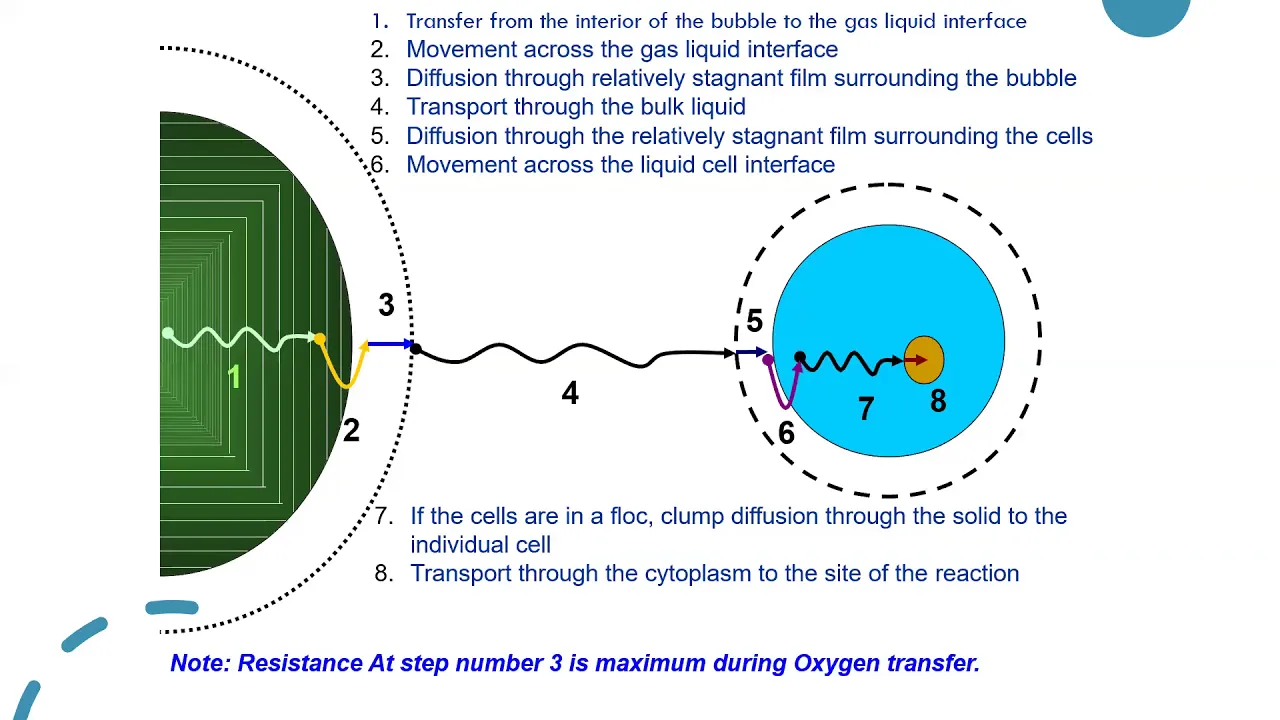
Oxygen Transfer from Bubble to Cell in Bioprocess Engineering
@npteliitguwahati8283
379 views•2025-09-04

30:32
Ultrasonic Transducers: Resonant Frequency Measurement and Horn Design
@imajeenyus42
229.9K views•2017-02-22
54:16
Polymer Environmental Degradation: Mechanisms & Stabilization
@iit
1.8K views•2012-07-10

33:39
How a Student's Question Saved a NYC Skyscraper from Collapse
@veritasium
22.8M views•2025-04-26
Related Study Plans & Knowledge Roadmaps
Structured learning paths in Engineering
engineering
Building Acoustic Levitators: Physics & Arduino
01The Physics of Sound and Standing Waves
02Piezoelectric Transducers and H-Bridge Drivers
03Arduino Programming: Generating 40 kHz Signals
+ 2 more learning modules
14h5 modules
Explore Roadmap
engineering
Building Peltier Cloud Chambers: Particle Tracks
01Cosmic Rays & Cloud Chamber Physics
02Thermoelectric Cooling (TEC) Fundamentals
03Custom Liquid-Cooling Loop Design
+ 2 more learning modules
18h5 modules
Explore Roadmap
engineering
Yagi-Uda Antennas: Modeling, Build & VNA Test
01Introduction to RF and Antenna Fundamentals
02Yagi-Uda Antenna Design Principles
03Antenna Modeling and Simulation in 4NEC2
+ 2 more learning modules
18h5 modules
Explore Roadmap
engineering
ECG Monitor Design: Op-Amps, Filters & Noise
01Electronics & Breadboard Basics
02Op-Amps and Instrumentation Amplifiers
03Bioelectricity and ECG Fundamentals
+ 2 more learning modules
18h5 modules
Explore Roadmap