










![Best of Fusion Funky Jazz, Jazz Relaxing Vibes [Jazz Fusion, Jazz Funk Grooves]](https://i.ytimg.com/vi/ahkR4a184Gs/sddefault.jpg?sqp=-oaymwEmCIAFEOAD8quKqQMa8AEB-AHUBoAC4AOKAgwIABABGA8gZShlMA8=&rs=AOn4CLAUzM3TPsKiyyPOUBJDo4uZKtKSew)



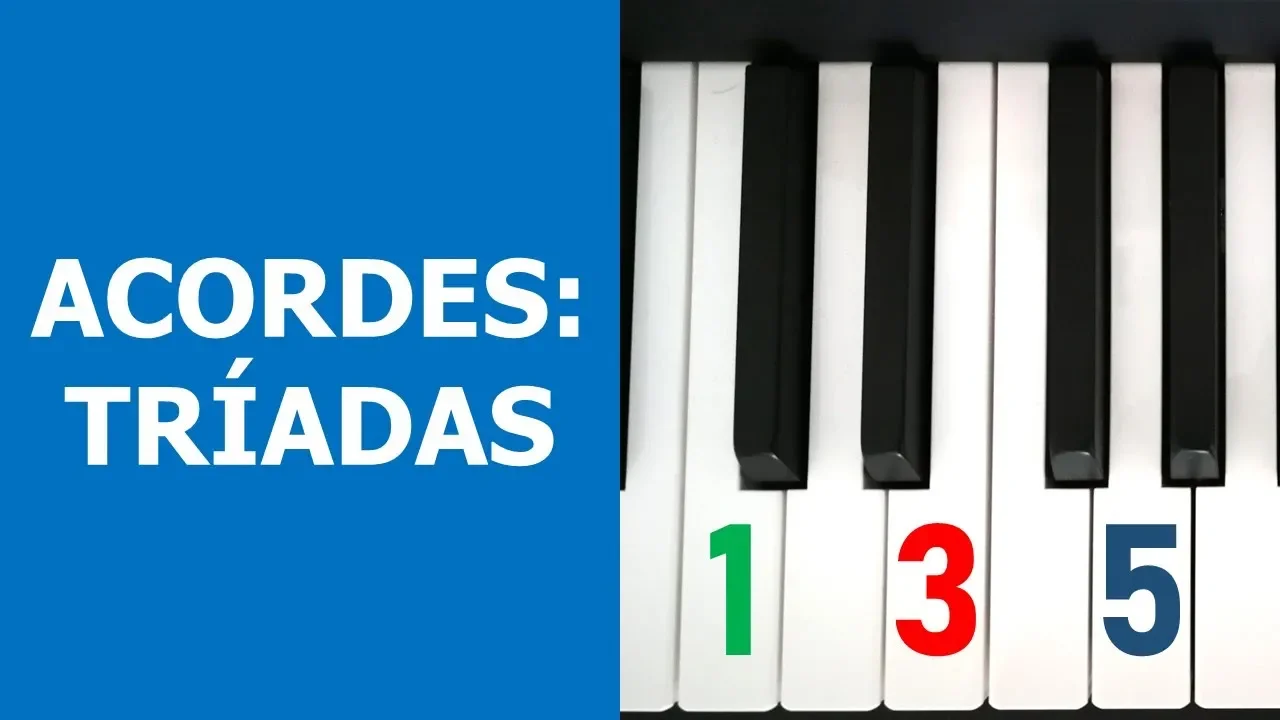
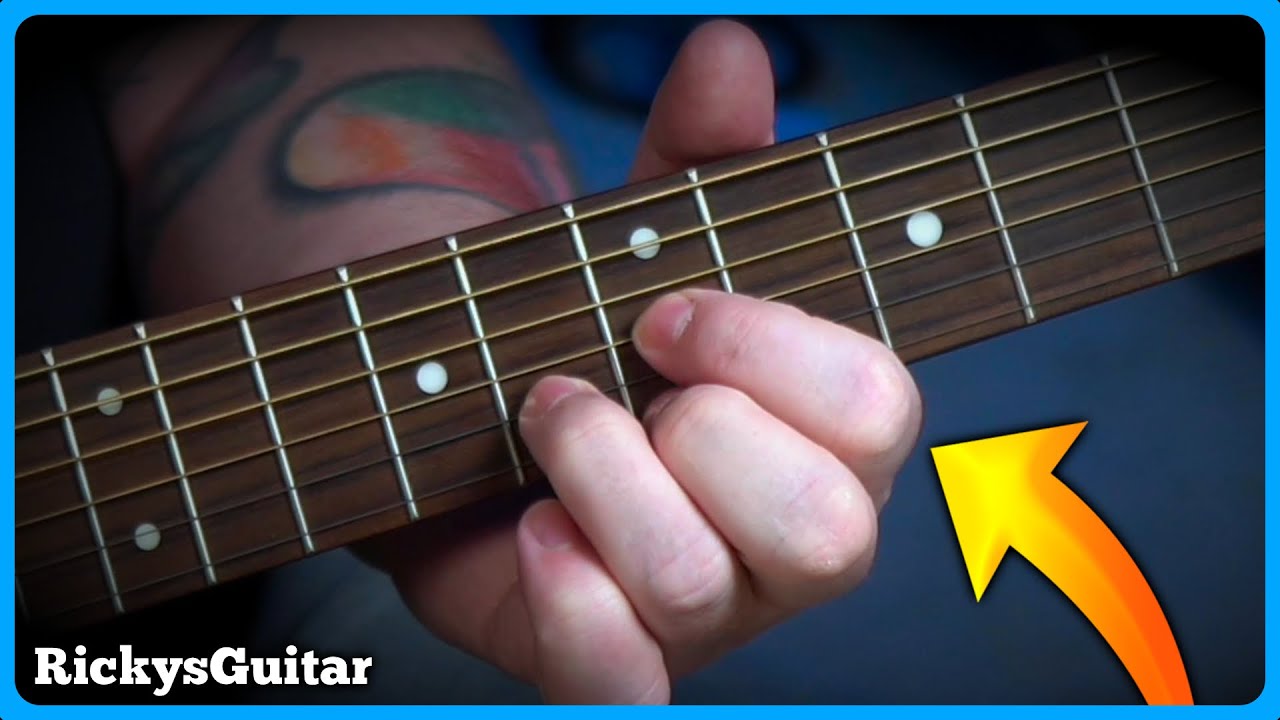
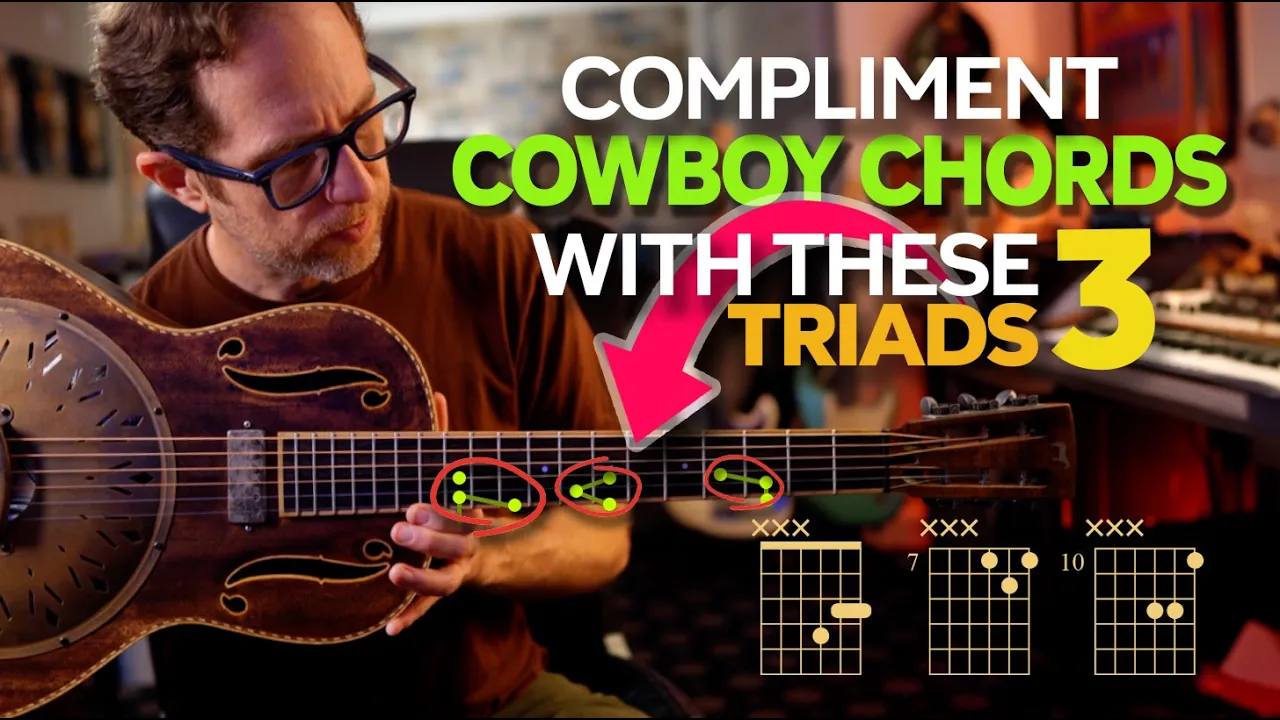
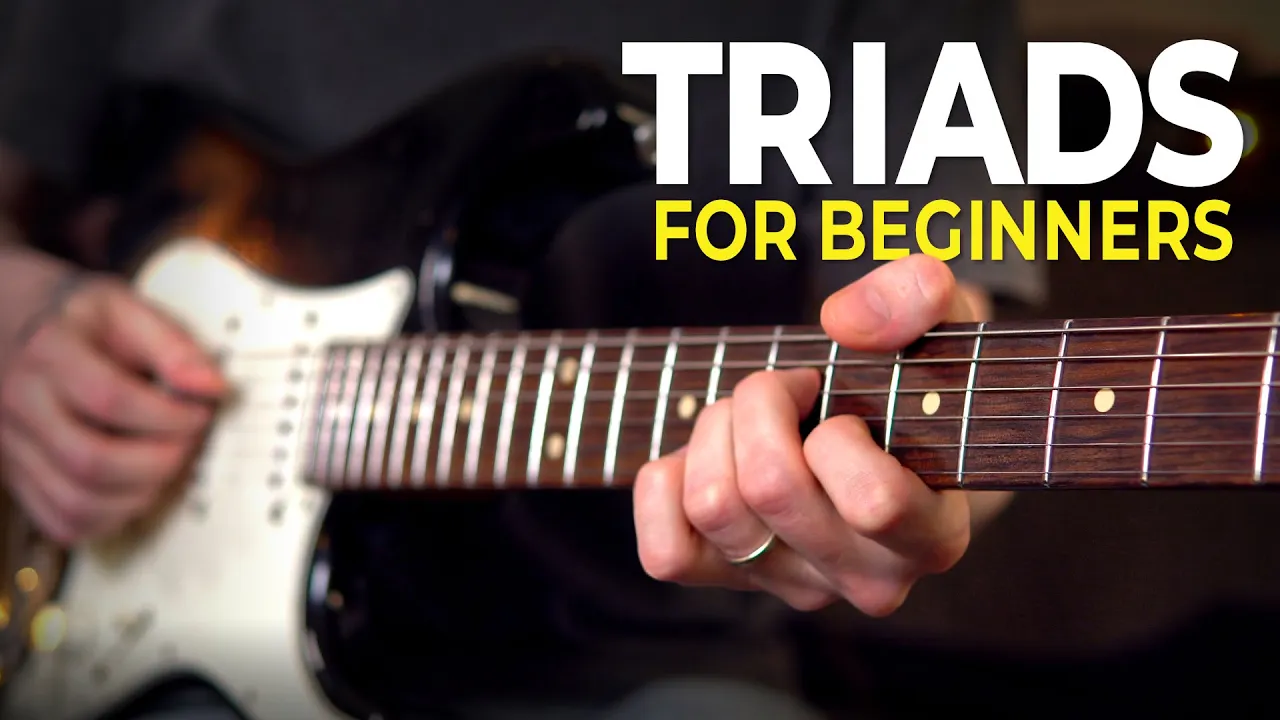
Triads are three-note chords that can be applied as secondary parts to existing chord progressions to create depth and interest in rhythm guitar playing. Three main applications include: (1) applying triads by matching them to each chord in a progression (e.g., C-G-Am-F), using either root position or by-position approaches; (2) side slipping, where you play a triad then move up or down a semitone before resolving back to the chord, creating movement over static chords; and (3) adding extensions or ornamentations to triads by incorporating brief decorative notes like hammer-ons and pull-offs, which creates a sophisticated sound reminiscent of players like John Frusciante.
Triad Guitar Chords: 3 Rhythm Applications for Improvisation
Added:Basic music theory regarding chord construction, specifically how major and minor triads are formed using the root, third, and fifth intervals.
Familiarity with standard triad shapes on the guitar, particularly on the top three (E, B, G) and middle three (B, G, D) string sets.
Basic fretboard navigation, including the ability to quickly locate root notes on the neck.
Fundamental rhythm guitar skills, including maintaining a steady tempo and executing basic strumming patterns.
Voice leading principles to smoothly transition between triad shapes with minimal movement across the fretboard.
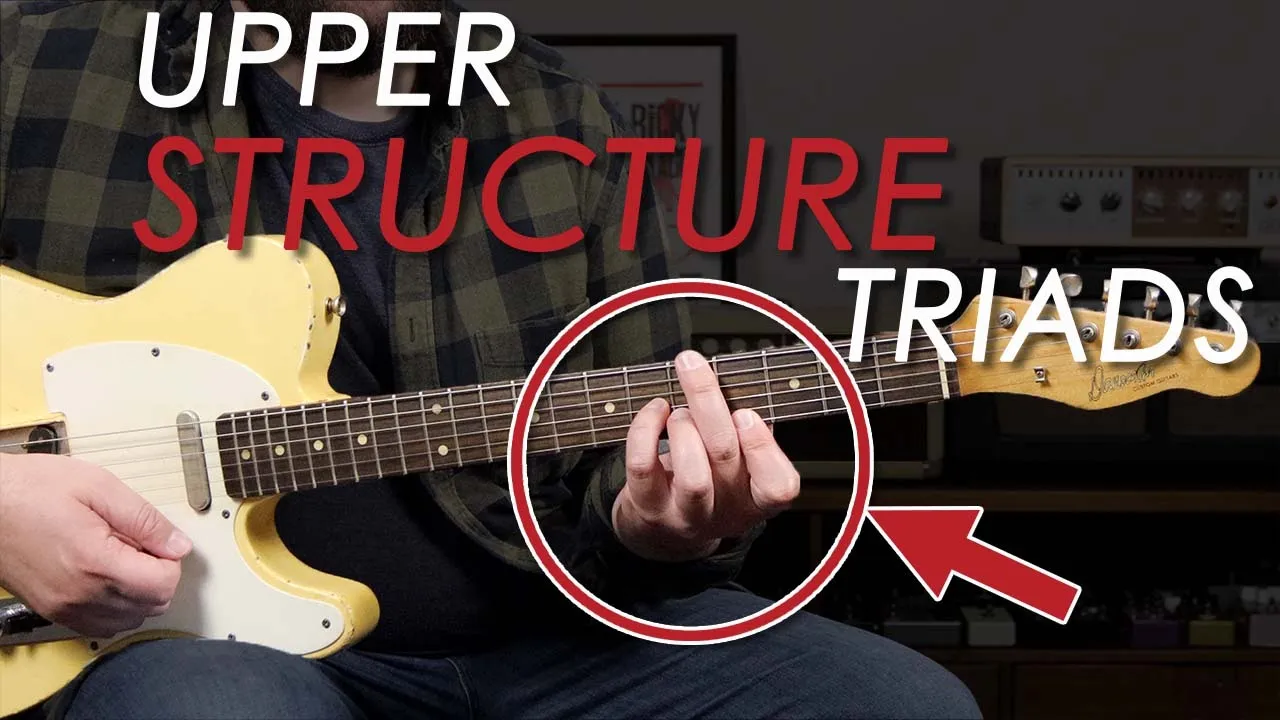
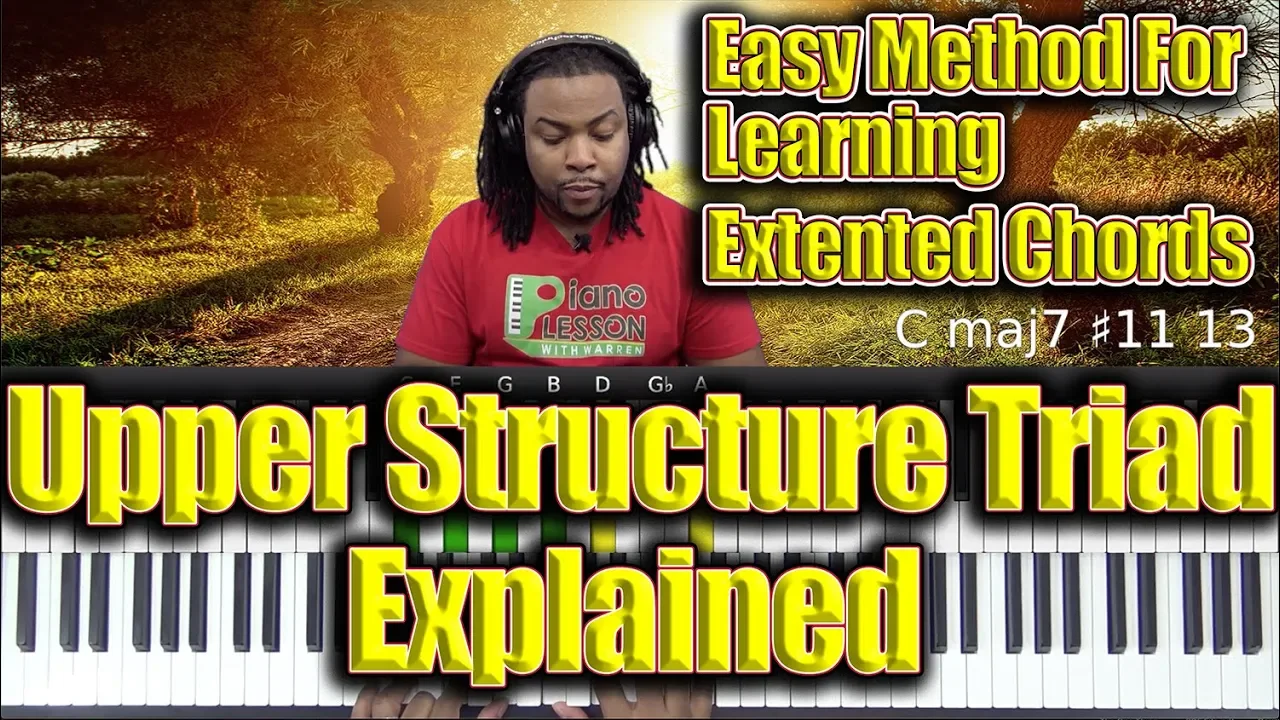
The study of 'upper structure' triads to superimpose basic shapes over different bass notes, creating complex extended chords (like 9ths and 11ths).
Advanced rhythmic concepts such as syncopation, polyrhythms, and selective muting to enhance funk and jazz comping.
Applying chromatic 'side-slipping' techniques intentionally in modal jazz and fusion improvisation.
61.4K views1.9Klikes17:40Original Release: 2022-05-30
[Music] do [Music] do [Music] in this video you learn how to use triads to create music on guitar triads are great for opening up the whole fretboard to you as far as chords are concerned but once you have the triad chord shapes down what do you do with them hi this is simon candy from acoustic guitar lessons online.net and in this lesson you're going to learn several ways to use triads in the context of rhythm guitar playing i'll show you three ways to use triads by three different chord progressions if you're new to triads and you'd like to first focus on getting some shapes down then click the link in the top right hand corner of this video however it's not necessary for you to view that lesson to benefit from what we're going to do today with triads so let's get into it okay so the first application for our triads in a rhythm guitar context here so first off triads can sound okay on their own but you're not often really going to just hear them as an isolated guitar part they typically work better as an additional part a secondary part to an existing chord progression for example that's where you hear triads most of the time they sit sort of on top of the of a chord progression doing something we'll have a look at a few examples here sure they can they can send all right on their own for a short period of time maybe an introduction to a song before you know the other guitar and instruments come in perhaps or a little musical interlude of some sort they can certainly work in and of themselves but most times triads are played in addition to an existing chord progression so that's what we're going to do here our chord gration is going to be c g a minor and f and so while that chord progression is playing one bar on each chord i'm going to play um combinations of triads so all i've got to do is just match the chord so if the chord is c i've got to play a c triad of course if the chord then goes to g i need to move to a g triad of sorts whichever one i want to as we know there are options with triads you've got multiple shapes that you can choose from you then have an a minor chord in our progression so find an a minor triad to play on top of that chord and then the f is the fourth chord in the progression so find an f chord to play so i'm just following the chord progression okay and what i'm going to do here you're going to hear this in a moment okay so you'll hear it all together but what i'm going to do is i'm going to we could strum the triad but let's say the chords are strumming in the background they're doing something like this [Music] maybe a full bar did nicer um two and three full bar on the corner so maybe something like this is the progression okay that's going to be ticking along in the background now we can take the triad shapes and create a secondary part to sit on top of that chord progression to create interest and depth and scope for the tune okay so i'm going to take that triad combination i used then which was root position three two one triads on the third second and first strings remember you can click the link in the top right hand corner of the video to check out a lesson just on those triad shapes however that's not the point of this lesson where we're applying them so here i'm going to pick a pattern i'm going to pick that pattern and so when i go to g and then the next chord was a minor and f in fact i'll go to this a minor and then the f okay to stick with root position i played um first inversion triads there i could play that on top of the chord progression and then i could continue to move you know as the chord progression repeats and cycles through i can use different triad shapes so maybe the second time i play that or that chord progression plays i might play on this triad second inversions first inversions [Music] i might do that the second time so what i do can change in terms of the voicing while behind the same voice chords the opens uh open chords are playing and then as we did in the lesson on triads the one i refer to in the top right corner of this video we could play also by position meaning staying around the same area of the guitar at a given point so i might continue playing over that chord progression that sort of stick around the same area of the guitar right which produces a really nice voice leading the notes are moving very smoothly from one chord to the next and some of the notes are actually common to several chords and then i could move further up but stay around this area okay so what i'm doing here is applying the by shape approach which is using one shape root position to voice the chords out of the progression then i was playing by position which means i'm going to use different shapes for each triad each chord so i can stay in the same area of the guitar okay but this approach is using the triad shape to follow the chord change and then just moving through different triad shapes each time the chords come around okay so have a listen to how that sounds all put together [Music] do [Music] so [Music] okay so this second application is similar in that we are going to be playing triads over an existing chord progression but this is going to be a blues in c so the backing is going to be something like this okay typical blues in c okay and so on you'll hear it all together in a moment so we don't have to go through the whole 12 bar blues there but that's basically going to be the the groove and we are going to take the same sorts of triads the three two ones but there's going to be two things that are happening here that weren't or wasn't happening in the first application first off um we're going to do it what we might call a little side slipping approach if you like and that is where you play the triad and then you go down you can either go up or down a semitone of fret to then resolve back into the chord so we get this sort of thing that sort of thing and if you're going to the f [Music] etcetera back to the to the c and so forth so it creates movement in the chord progression which is really nice i think in this example that you'll hear in a moment where it puts this together over the blues chords i do this so do that little side slip and then [Music] now what's interesting what's happening here is i'm doing the little side slip i change to f and every second bar it's like a two bar pattern but i'm changing chord there because the second bar there's an f chord in the blues it's a two bar pattern i'm on the c on the two it's like one two three and four one two and three and four and so have a little arpeggiated approach towards the end of the second bar there on whatever the chord is at the time in the progression and i slide into the triad play the third string the first and then the second so it's like one [Music] now there's two bars to see that follow so what happens is i play c first bar of c then i change to a new triad shape it's got to be c though because there's another bar of c and i do the second bar of the pattern [Music] okay so that's one two three and four one two and three and four and so that's the other thing that's happening that wasn't happening in the first application and that is while the chord is static meaning while the chord just sits on c in the in the rhythm for two bars we move from this triad to this triad so you can change triad you've got to stay on c because the chord hasn't changed it's a static chord but you can change between c triads to create variation and movement in the triad part which is very cool i do that all the time when i use triads now you need to be you know you need the chord to sit there for you could do it over a single bar depending on the tempo of the song but if you've got a couple of bars to play with if the chord's going to sit there for a bar or two then you've got time to move from you know different c major triads doing whatever it is that you're doing on those triads so that's very cool the triads can be moving while the backing is staying constant okay so you get that nice contrast there so that's the other thing that's happening in addition to this side slipping approach have a listen to how that sounds you can in a moment in just a sec you're going to hear that together okay you're going to hear the blues chords and you're going to hear and see me play that approach using triads over a blues and that's another really cool way that you can use triads in your guitar playing so have a listen [Music] so [Music] all right so with this third application with our triads in rhythm guitar context again a chord progression and triads on top but we're going to be doing something different again with the triads so first the chord aggression we're going to play on top off is an a minor so the key is a minor a minor f c and g and we're going to be half a bar on each chord so it's going to be something like one two three and four and one two and three and four that type of thing okay and so what we're going to do what we can do with tries is we can add notes to the triads we can extend on the triad and create little ornamentations that sound very cool first off let's just find some triad shapes to play this progression so i could play my a minor here i could play my f down here both first inversion triads up to first inversion c and first inversion g so you can hear the chord progression there a minor m c g okay and what we'll do is a little trill on top a little decoration ornamentation here so i'm playing the i'm picking up the triad and then i've got a hammer on pull off on the top string 5 8 back to 5 and then back to the second string of the triad and then i repeat the same pattern over the f triad and this time i'm working up the triad and hammering on pulling off third first and then playing the second string of the try again again and then the same shape for the c so same thing and same for g okay so you got a minor you got f you got c and you got g okay that type of thing okay very cool sound you might kind of it's kind of reminiscent of like john furciani and the chili peppers that type of thing right that's what's going on there so we get that nice decorative element that we can add to triads just because we're planning to try it doesn't mean we can't add notes to it and so we're doing that almost not really adding notes it's because the note's so brief it's really just decorating the notes of the triad more than really adding a note but you can certainly add notes as well so have a listen to the application of that over the chord progression in a minor here [Music] okay and just before we finish up here with this third application um here's another variation of the same idea here so this time i'm going to do it more more or less by position there i was moving by shape right i was keeping the one shape for each of the chords it was the first inversion triad here i'm going to stick it around the same area so i'm going to play my a minor as a second inversion up here then my f root position is right there only one note difference between those two triads a minor and f [Music] and then i'm going to play the c which is right there as well so look how neatly they fall and how they sound as a result and then i'm going to go out to this one for my g okay so they're going to be the chords um the triads that i'll use and same little idea the ornamentation on top right the decorative element where we go so it's my pinky that hammers on to 10 of the first string and pulls back down to the eighth fret which is under the first finger and then i play the second string so the same sort of pattern different triad shape then i can sit there and go to f now i need to fret the f a little bit differently to keep the pinky free so i'm going to use my second and third fingers there on the second and third strings and my first finger as it is always on the first string and then i got the pinky free to do the little hammer on pull off and then it was c so notice up until that point because we're staying in the same position the ornamentation is the same but the chord changes it's always this which is very or just about i think [Music] almost the note on the second string might change but the ornamentation on top doesn't so you got a minor f c the only time it changes is when you go up to g okay where you need to just again use your second and third fingers so the pinky is free to get the hammer on pull off right so that works really well too it's just around the same area of the guitar so you can start to see how the one id you can multiply the different ways that you can apply it because there's so many tried shapes and we're only dealing with the three two one string set here there's other many more triads on the guitar okay so have a listen now to how that one sounds over the top of our chord progression [Music] if you like this lesson then you'll love this free ebook audio i've created for you about using fragments of course solar with on your acoustic guitar of course chords are thought of in the context of rhythm guitar playing however have you ever considered them for soloing in this ebook you learn five unique ways to use chord fragments to solo with on your guitar chord fragments allow you to create a great dynamic with the contrast of single notes to chords in the lines you play all examples in the ebook have been broken down into the finest of details so you can not only play them but understand what is going on so you can use chord fragments in your own guitar solos so click the link below the description of this video and download your free ebook audio how to improve your acoustic guitar solos by using these five cool and easy tricks let me know in the comments section what acoustic guitar topics you would like to see covered in future videos i read every comment and i always love to hear your suggestions if you like this video then hit that like button and if you haven't already subscribe to the channel and of course hit the notification bell button so youtube tells you when i've released a new video this is simon candy from acoustic guitar lessons online.net as always thank you for watching this video i really appreciate your time and i look forward to seeing you in the next video [Music] you
Up Next

11:26
Lo-Fi Hip Hop Production in FL Studio Without Samples: An LFO Tutorial
@BASEDGUTTA
548.1K views•2017-04-17

12:54
Triumph of Orthodoxy Icon: Byzantine Art & History Explained
@BenCallan
2.1K views•2024-08-06

9:49
FastAPI vs Flask vs Django: Choosing the Right Python Web Framework
@TechWithTim
302.5K views•2024-05-26

1:42
Game of Thrones Opening Credits: A Cinematic Analysis
@gameofthrones
46.3M views•2011-04-18
Related Study Plans & Knowledge Roadmaps
Structured learning paths in General & Interdisciplinary Studies
general-studies
Elevator Engineering: History, Physics & Cities
01From Hoists to Safety Brakes: The Dawn of Vertical Lift
02Hydraulic vs. Traction: The Engineering Physics of Elevators
03Modern Speed, Safety, and Algorithms
+ 2 more learning modules
12h5 modules
Explore Roadmap
general-studies
Rubber: Material Science, History & Geopolitics
01Origins of Natural Rubber & Mesoamerican History
02The Chemistry of Natural Rubber & Vulcanization
03The Geopolitics of the Rubber Boom & Colonization
+ 2 more learning modules
12h5 modules
Explore Roadmap
general-studies
Containerization: Evolution, Logistics & Trade
01Ancient Trade & Bulk Cargo: Amphorae to Barrels
02The Industrial Revolution & Cardboard Packaging
03The Containerization Revolution: Malcom McLean
+ 2 more learning modules
12h5 modules
Explore Roadmap
general-studies
Textile Tech: Evolution, Labor & Global Impact
01Pre-Industrial Textiles: Handloom & Cottage Industry
02Mechanization: The Spinning Jenny to the Power Loom
03The Factory System & Global Labor Transformation
+ 2 more learning modules
10h5 modules
Explore Roadmap