












![[더배움] 9급공무원 식품화학개론 이론+문제 제31강 식품의물성 p294](https://i.ytimg.com/vi/PGoP_xr3T8M/maxresdefault.jpg)






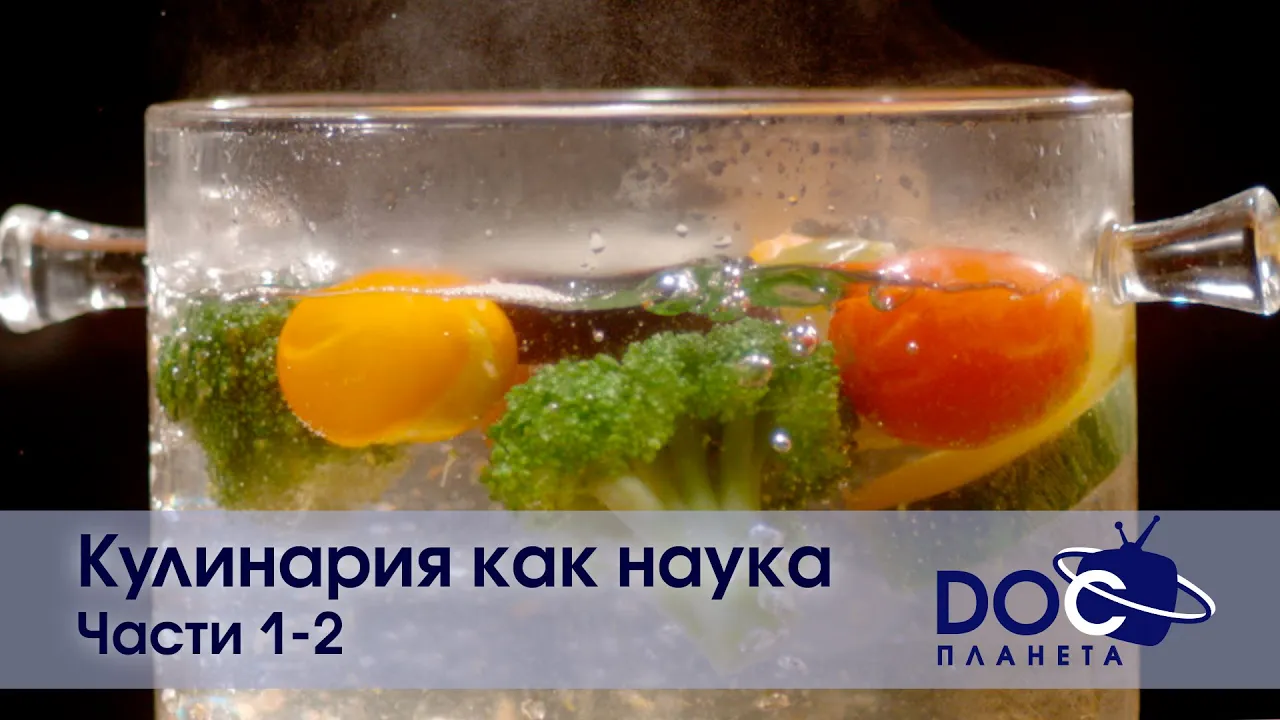
Phase transitions in cooking occur when substances change between solid, liquid, and gas states due to changes in thermal energy and molecular interactions; for example, water boils at 100°C when thermal energy overcomes interaction energy, and pressure cookers raise the boiling point by increasing pressure, allowing faster cooking at higher temperatures. Common phase transitions in cooking include melting butter (solid to liquid), boiling water (liquid to gas), cooking eggs (liquid to solid), and gelatinization (collagen breaking down and reforming as a gel).
Phase Transitions in Cooking: Dumplings & Science Explained
Added:Basic thermodynamics of phase transitions (solid, liquid, gas) and the role of latent heat.
Fundamentals of heat transfer mechanisms, specifically conduction and convection in cooking mediums like boiling water and steam.
An introduction to soft matter physics, including the classification and behavior of polymers, gels, and colloids.
The molecular structure of primary food components, particularly starch gelatinization and protein denaturation (gluten formation).
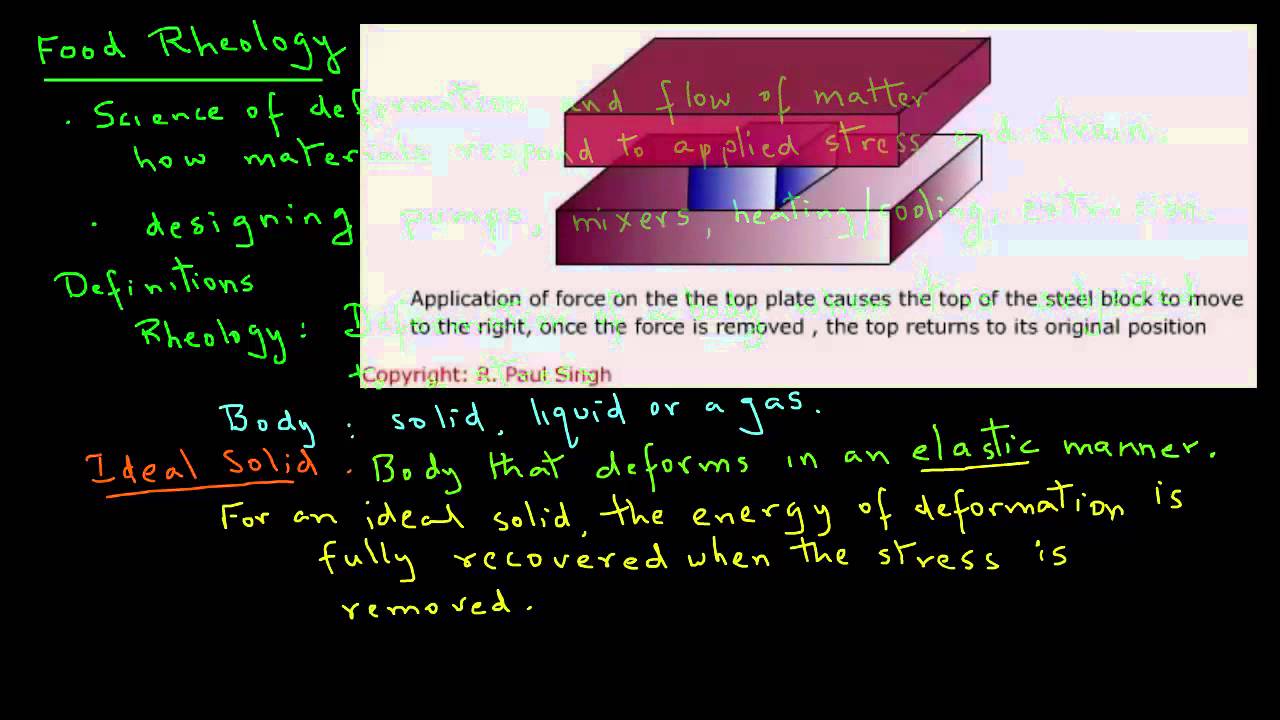
Culinary rheology: Studying the viscoelastic properties of doughs and how gluten networks deform and recover under stress.
The thermodynamics of moisture migration and mass transfer within multi-component food systems during cooking.
Advanced gelation and emulsification techniques in modernist gastronomy, such as spherification and hydrocolloid suspension.
The chemistry of the Maillard reaction and how localized phase changes produce distinct texture and flavor profiles on the dumpling's exterior.
326 views13likes1:02:25Original Release: 2024-03-06
okay everyone is here I think we should go ahead and get started so this is the science and cooking public lecture series my name is PS senson good to see so many familiar faces good to see some new faces as well who is who is here for the first time oh good okay and who's been here once before awesome welcome back good good and I know some of you have been here many many times so then we we um we figure it out together right you those of you who have been here before we're we're teaching our traditions we have traditions in this lecture Series so um very soon I'm going to introduce our speaker for tonight Jason du um but before I do that and and as we usually do in this class this this entire lecture series is modeled after a college class at at Harvard College where each week we basically cover one science concept and we then invite a chef locally internationally doing different things and they talk about what they do and how they think about what they do and then we use that as a way to teach science and so because of that we're doing similar things in this lecture series as we do in the class and the theme for this week the science theme for this week is Phase transitions so if it's been a while what what how I'd like to think about phase transitions I think of them in terms of when something changes from a solid to a liquid or to a gas and in cooking there are basically phase transitions all over the place so you know uh boiling water liquid goes to a gas um melting butter solid goes to a liquid uh cooking an egg liquid goes to a solid melting cheese um solid to liquid chocolate right you really want that perfect transition to happen right as you put this chocolate in your mouth um gels you have something that's liquid and you make it solid egg white foam you have something that's liquid and then you whip it and it kind of stops becoming liquid and moving around and so you can take the bowl and turn it upside down and it's kind of like a solid um and then last week we talked about actually we didn't two a few weeks from now we're going to talk about food fermentations we're basically microbes do the same thing okay so so those are kinds of phe Transitions and foods but if we go and just first as we like to do in this class go and focus on just a very simple material our favorite material as human beings water and we think about phas transitions from that perspective so then we know right oh you have you have um you have a solid you have ice and at some temperature 0 degrees Celsius it turns into a liquid and then at 100° Celsius it turns into a gas and then the question is well what determines this what determines where where this happens where the melting happens and what determines where the liquid goes to a gas and that's going to depend on which kind of material you're you're looking at but in the case of water if we want to understand it let's sort of look at a molecular level let's really zoom in onto the water molecules and look at what they look like so to do that we're going to do a quiz you ready it's a class we need to do a quiz yeah okay so the quiz is this I'm going to show you an animation and you should guess to yourself is is it a solid or a liquid or a gas okay ready okay this could be an apron question actually should we do okay I have to tell you we have aprons we have um beautiful signs and cooking aprons if you've been here before you know them they have all of the equations of the week on them so that when you're cooking you can be like H I wonder what the equation for an Emulsion is and and so basically um we will have a little quizes throughout we're try we're going to try something new today usually we have a different kind of quiz but today let's do the quizzing during the lecture so maybe the first quiz is this so when you know the answer uh raise your hand don't say it and then you can win an apron okay um well what is this is this a solid or a liquid or gas you think you know you can raise your hand you only have three choices so I mean really come on you should all be raising your hand at this point how hard can it be yeah do you want to point Jason just pick [Music] someone you said liquid liquid who agrees oh good you have some s you have some support okay great you get an apron okay so what about this next one so this so this is a liquid and and the reason you could tell is right that there are these molecules and they're moving over each other they're not just sitting there which they would in a solid and they're not all over the place which they would be in a gas instead they're kind of moving over each other but you can also tell how they're sort of stuck down and this they're sort of sitting down there okay so now that I told this how about this one what is this gas solid liquid want to pick someone it's a gas yes who agrees awesome oh apron apron congratulations okay okay so now let's think about these molecules and if you were to think about um actually let's think about the ones that are sitting here in the liquid so there is something that's making them move around right and we might call that thermal energy they have some kind of energy that's making them move around thermal energy but then they also have something that's making them stick together so if we we just play it again mostly they're kind of sticking together so that they stay down here and then every now and then there's a little guy that just shoots up and he manages to break free and so that energy holding them together is we might call it interaction energy it's basically the bonds between the molecules that's holding holding the water together okay so if I were to summarize what I just said I would say that in a liquid in water all of the sticking energy the interaction energy is kind of winning out it's holding the molecules together but in the gas in the steam AC over over your boiling water the the thermal energy is kind of one out they've all just like broken free from the water and they're just moving around so if I were to basically Express this we like equations so if I were to express this I would basically say something like this that the liquid has a lot of interaction energy the gas has a lot of thermal energy and it turns out that there is an equation okay so for those of you who are new we clap for equations when you see an equation you clap that's how it goes okay so there's an equation which goes that the thermal energy is um equal to the to to these the the this sort of mess here so T is the temperature right uh KB is the boltzman constant it's just a constant it's just a number and C is just another constant for water it's like 3 3 over2 for other other other materials it'll be something else okay so this is how big our thermal energy is in the gas and it depends on the temperature and now what I told you and what I'm really interested in is what happens right at this intersection where the liquid turns to a gas what do you know about the U interaction and the uthermal right at that boundary anyone want to try yes equ they're equal to each other right right because over here liquid this one's out over here this one's out but right at the boundary they're equal and this is the equation of this week let's clap again okay so for water this happens at 100° and so now what you could do is once you have this model you can play with it you can try had to understand other things with it and so what you could do for examples is you could think about okay so you have this liquid what happens if you change the pressure so let's say now you have this liquid but instead you have just this really intense pressure sort of pushing down on the molecules would it be harder or easier for them to break free you think it' be easier what if if there's just really this Force kind of pushing down on molecules is it easy to break free or harder well the the the the pressure is kind of coming from above though it's like coming from above any other guesses yes Ray you're already thinking about pressure cookers yeah who thinks it would be harder to break free okay who thinks it would be easier okay some some of you okay so I I would think and maybe this model needs some work but I would think that if there's this kind of intense pressure kind of pushing down on all these molecules kind of pushing them closer to each other so that they interact more strongly then it would be harder for them to have enough energy enough motion for them to leave does that make sense and so if you if you if you do this in terms of the temp the equation of the week you can basically see that if in order to have enough enough thermal energy to break the interaction energy you would then need a higher temperature so this is basically exactly what happens when we cook with a pressure of cooker so in a pressure cooker the pressure is higher and because of that right at the point where water boils it's actually hotter it's no longer 100° it's actually warm warmer and because of that we can get all kinds of amazing things happening if you're on top on top of Mount Everest then you actually have less pressure so these molecules sort of have an easier time moving about because they're not stuck together as as tightly and because of that the temperature right at where they boil is a little bit lower than than boiling normally like 92 okay I'm going to stop talking what I want you to do so your task basically is I want you as Jason is talking um try to find examples of phase Transitions and I would think of them very broadly right and anytime you have something going from a solid or a liquid or a gas switching between those keep an eye out for those there may be aprons there are more there's a stash of secret aprons over here somewhere um and so let's basically let let me introduce our speaker so Jason do is right here 10-minute walk we should all go there after this amazing drinks beautiful amazing drinks and also some amazing bows um this is Jason I don't know two months ago when we had this amazing teacher Workshop in our lab and Jason came over and basically wowed Everyone by making these beautiful little pig bows and chicken boughs and I know today he's going to have you make something else this today is the first time that we are making every we're having everyone make something cook something at their seat so congratulations okay so let's with this let's end this and let's welcome Jason just G turn this up real quick hi I'm Jason uh thank you for joining us it's kind of funny that uh for most of your classes you get these world-renowned chefs from around the world but I'm just coming from your local te bar down the street uh today we're going to be talking uh phase transition through basically making dumplings something that's very important I think to the canab bridan history here uh here we I at our restaurant we like to call them peaking ravioli because here in Cambridge we're the home of Joyce Chen who famously by the Cambridge Highlands which is kind of like alwi station she had a Chinese restaurant there and because over there there was a very large like Irish and Italian population where she just could not sell Cantonese cu to she renamed them to peing ravioli and actually started making money which I think is kind of funny but also works so uh building off of what Pia was saying with our first thing we are going to start with a pressure cooker we've all seen this we've all made that weird purchase on Black Friday and bought this or got this as a gift I think everyone has it and we're going to use that same analogy we're going to basically just make a stock first cuz when we make dumplings we all like soup dumplings we all like that that little bit of gelatin that liquid in it to for ify it to make things very consistent in a restaurant we always want to make sure that everything's very balanced so we are going to be in the process of adding the gelatinized soup to it okay so in a pressure cooker which I'm going be honest with you we're we're actually not going to fire up this is old just flux because I don't want to pop a circuit down here because this is more for like computers and things than I think pressure cookers but inside your pressure cooker uh today we are actually we are having pork dumplings uh what we do is when we butcher the pork we save the ibone which is the shoulder blade leave a little bit of meat on WE sear it and then we we actually cook it in a pressure cooker and funny enough we just have three of these in the restaurant which is hilarious because they don't take up that much room uh and then we're going to cook it with aromatics carrots uh Ginger some bruleed onion and a little bit of bokeh Garney which is just scallion lemongrass and Bay and we're going to be taking our uh our ingredient of the day which is water all right so we're going to be covering it with water and we're going to be asking a question about the phase transitions with this now as as P was saying with with the pressure so here the way I like to look at it because we're going to keep going with the bad Amazon purchases so uh when you're here at Cambridge you're covered with a blanket that is your atmosphere okay when you're in a pressure cooker and you're trying to get things to boil think of it as you bought that weighted blanket on Amazon that we all also regret that's a little too small same thing so when we increasing the pressure here we're actually making it harder for the water to actually boil so here in your home pressure cooker these guys at medium range which I highly suggest if you are using this you don't go on the high setting you go on the medium setting is cooking at about 7 PSI which is about 1.5 atmosphere about okay so with that so it's going to take take it just a little higher for it to boil all right so that is one thing that we're here we're extracting the flavors the reason why we also like using the pressure cooker as well is because when you're cooking this on a regular stove top you have a lot of those Aroma molecules evaporating off and things of that nature so here we find this very important and a Cooks super super fast because you're also boiling it at a much higher temperature and you're extracting those flavors significantly quicker so when you're in a restaurant and I want to cook this in you know 30 minutes we do our stocks mostly every day we make over 2,000 dumplings by hand every day um because I don't have a machine yet which I should probably buy one so we have to make this pretty much uh every day and what we do well actually we're always one day ahead because we let it sit overnight and through the magic of Television well or or YouTube or whatever we're on right now uh we have the gelatin a very clear stock again if I did this at the higher pressure it will be a lot cloudier okay and also when you are using this at your house not that this is an infomercial or anything like that but when you are using at this at your house please let it when it when it uh when it comes back to pressure just let it go naturally Don't Force It otherwise you'll get very cloudy stock so all this is already be mixed into your dumplings okay I'm going to go through all the ingredients and as I'm talking I'm giving you hints on what sections are phase changes and then we're going to ask you about it the one question I have you about here is the act is the act of gelatinization a phase change because it it what's Happening Here is essentially the collagen inside of the meat inside of the bones is melting and unraveling and as it cools overnight it's gelatinous gelatinizing and holding the water molecules together so if there is a chemical change in the property of water is that a phase change so think about that okay so we'll come back to that that's a pretty tough one I think right kind of all right so now we have another one that's a very interesting phase change so with dumplings dumplings were created about 2,000 years ago during the Han Dynasty at the same time that's when Chinese medicine really really came came into the for uh the fold dumplings originally were a way well as lore goes dumpling was originally the way to to give uh people medicine so the shape of a dumpling is actually the shape of an ear and the way it was made it was essentially was filled with lamb herbs and spices and that was a way to help combat frostbite during the winter so that was a way to get people to eat their medicine so a lot of times when you see recipes you're going to see especially in more traditional Chinese dumplings you're going to see uh Chinese chive which is not really a chive it's more of like think of it more like a grass okay uh so it's going to have a very uh pungent Aroma of ginger and garlic almost sorry more more onion and garlic we'll say oh am I am I clicking here let me take this off maybe all right okay so but with that we are also going to add Chinese five spice which is also again was created of more medicinal properties it was it was made to represent the Five Element well in Chinese tradition the five elements metal being The Fifth Element okay uh for us the only difference that we do is we don't use Sichuan pepper corn in our five spice uh we we often season that at the end because one of the very interesting things that you may not know with uh spices and herbs is that at certain uh temperatures the aroma molecules will volatize how do you say that bze okay so we make sure that we try to get this the herbs that release the aroma molecules at the same temperature because what often happens you'll see people they throw a bunch of spice together they cook it all at the same temperature and they call it a day but that's not necessarily the proper way because some will release their compounds and others will not or some will release all their compounds into the air and others will not so what we always make sure is that when we are making our fight we we often cook our our four main ingredients which are very similar they come off at like 255 degrees 254 degrees that they'll release their Aromas into the air okay so then here comes another question with phase change so I have a solid thing here okay it's a spice all right so when I put this Spice in a pan we're not going to burn it although that probably the best way to show you but it is going from a solid state to a gas state does the same thing work for spices in that case that's another question that we're going to ask about phase change l so think about that there's another difficult one there that you have to decide so with that you notice I kept the the fennel to the side or or the NEC to the side cuz we know that these will release the aroma at 255 and this guy will release it at like it's actually pretty low it's like 150 160 so if I combine the two together as a cook uh they won't really they won't release their their Aromas at the same time Cooks For Better or Worse we do things in a lot of repetition over and over and over again we really use a lot of intuition so the way I like to describe it as like it's like a phrenologist versus a neuroscientist we're using what we see over a long period of time of us doing and then we make assumptions why things work all right the reason why I love classes like this because they actually tell you why things work and sometimes some are very similar in that sense where like uh they look like they were it's like when you see your meat it actually doesn't lock in juices it actually you're still bursting cell walls and releasing juices but as a cook it's my skill when I'm cooking a steak after a hard sear that's keeping the juices in it's not because I gave it a hard sear so what we try to do here in at least in our kitchen uh we we try to give our Cooks a very good understanding on why they're doing individual things so they understand why like at this stage you don't throw the fennel at the beginning why don't you throw at the fenel at the beginning Because by the time the fennel by the time the the the the large sticks of Salon cinnamon release all their Aromas the fenel will be completely busted there'll be nothing left to it so that's that's very important so we would let this usually we let it till it kind of has a a white smoke not a dark smoke CU then it's burnt a little white a whisp of white smoke then we grind it out and then we that would be the spice that's inside your dumpling that you have and then with the dumpling which we're going to go to another fun question with phase change so The Dumpling we we do have a pork dumpling apologize for those that don't know need pork so we have pork shoulder again we use the the bones inside the soup over here we have the pork shoulder we do add a a a little bit of heap of the gelatin to it again to kind of give it that like soup again you can see that as it's come even as it's coming to room temperature it's changing from a gel to a liquid again we'll see if that is a phase change we'll find that out to again to keep with the tradition of the dumplings being kind of that medicinal we are going to add the Chinese chives which again is not like American chives they're more uh they're they're more like a grass uh here these are the stem bottoms um that we add in we're going to add our our five spice garlic a little bit of salt most of our seasoning is going to also come from soy sauce and this is soy sauce and shaing wine which is a just a Chinese wine it's very similar to a a Sherry think of that that like that and then we're going to add a little bit of brown sugar and then scallions now this is what you essentially have inside that little bowl in front of you now we gently mix it together uh usually we' be doing this in a colder environment so the gelatin wouldn't wouldn't actually melt as fast but this is fine and then what we're going to do is we're all going to make our dumplings and then I'm going to ask you a question while you're making your dumplings all right so if you take a dumpling all right which we're going to do you're going to take you should all have a little bit of water you're going to take the water put it on the rim of your dumpling very simple we're going to do a quick and dirty fold as I like to call it all right again we're the main goal here is keeping that ear shape all right and with that everyone should have it's it's it's about an ounce or 2 oz filling that you're going to put in the very center of the dumpling with that you're just going to fold it over and we'll do this before you again and now with these you're just going to kind of crease it once again keeping that ear shape and crease it again and we're only going to do [Music] two two creases to it because that's more of a peing ravioli style okay a joua which you'll see more traditionally are going to be more flat and to have far more folds but these are going to be more representative of the ear shape again that we're trying to keep with the medicinal all right so again it's just going to be two folds to seal it uh I I I they might be a little dry but that's okay just add a little more water because they've been sitting out I think getting in the air but that's quite all right so again you're going to take your dumpling you put your filling this is going to be a little too much but that's all right you're going to take your water you just go on one Rim you're going to fold it in half pinch it pinch it and it should almost form a triangle is there a difference to the sides oh no one side might be dust with cornstarch which will only help it bind even better and that'll go into another class I think P will have at some point with with cornstarch and things like that right uh and so it should kind of meet in the middle very very very simple fold and actually it's you know most the time when you see dumplings they have like you know eight folds and things of that nature uh those are very beautiful very pretty but when you need to make 2,000 every day you just try to plow through it as fast as you can just to be honest with you and these hold actually extremely well especially for steaming so you're going to make your two and with the you with that the the Tas will eventually go around and collect them but don't worry about it I know if some of you are not wearing uh gloves and things of that nature we we have some we made at the restaurant we're not going to feed you other people's uh dumplings uh we are going to have the dumpings for you we do serve them very traditional with with little black vinegar which is which is a think of it as a young balsamic vinegar so so not super sweet but just a little bit uh astringent and a little bit funky and a little bit of chili oil as well um but with that another question that I'm going to have for you about phase change is so if I took this dumpling right now which to you in your hand feels relatively solid we know that pork or or Meats in general are upwards of what 20 25% water we also know that vegetables can be up to 90% water if I freeze this is that considered a phase change with water because the water content inside of it nothing here is technically moving as is in your hand but at the most microscopic level is there movement in here in water think of it kind of like uh if I took you know do I have a salt I have salt here I oh okay so if I if I think of it like the pork right here with all the molecules together as a solid Mass just because they're so small no matter what they still move a little bit so if I take this pork piece which does have a high content of water in it and I put it in the freezer is that also considered a phase change so that's another question that we're going to ask is that another difficult one yeah it's kind of difficult all right don't worry these they're smart I can see I'm kind of smooth brain being a chef you guys got this you're at Harvard so with that then we have the easiest of all the phase changes as you guys will know here we have a beautiful Japanese Kaku steamer uh and of course here this is the best example of going from is that G to set off alarm nope all right we're gonna cloch that as fast as we can uh and this is the best example of what who wants a free apron what is this the best example of there you go CH a phase change exactly but what but what is the what is the change though it's going from liquid to gas exactly so that is the major one right here the one thing that is very hard that I could not figure out and maybe someone in the audience who's much much smarter than me can help figure out is in cooking except for maybe dry ice except for maybe freeze drying which is not both of those are which are not often used in traditional they are used for ice cream and other very uh you know interesting specialty items in what case the one case of phase change that I am always stumped on how to use it is going to be sublimation sublimation is the exact is the transfer of what does anyone know yes give that man an apron so sublamation is the transfer from solid to gas so when we look at most things they're going to go from from you know uh they're going to go through the three stages it's you know it's kind of like when you're breaking up with someone there's always stages it's usually you know solid liquid gas you go ice to liquid to gas can anyone think of a traditional cooking technique that goes to sublimation I'm actually kind of curious I've never could find that does anyone have an idea that's excluding again you know unless someone here has a medical freeze dryer at their house or or or I guess now marijuana or if they have or or it could be I don't know I can't even think of one does anyone have an idea I'd be very curious SMY oh a smoky one solid to is it an oil is that a liquid going to gas I mean I I I think if you think of that whatever it is your smoking is primarily water then you could think of it as it's it's sort of like a liquid and maybe it's then going to gas close so that sounds close good idea AR so again I think smoking again I think I think smok is close right that that seems very very very similar but for us I think like you know I the easiest for the cocktail world is going to be dry ice and creating that because that you know that is always sublation does anyone else have an idea do we yes you well see I think that one was a trap this is volatilization so what's happening in this case which is a form of phase change so what we're doing is at this stage which was uh was the closest thing I could get so we were on the very we got that bra you know brain length the right there this was the closest thing that I could even come up with to get to that level uh because you are going from a solid piece of something into a gas an aroma but that's not a fa that is not considered a sublimation face change as well no uh which is very interesting I don't think I can think of a non-sp specialized form for face change in any way shape or form all right well anyone else have an idea I'd be very curious oh by the way you cook this for about 8 minutes we're just going to leave that there you're not going to eat that one that one's probably the shot by now but that's all right um so what we're going to do now is we're going to be serving you some of these dumplings uh Alex here is going to be pling this up for you uh The Dumpling the dumplings again are going to have chili oil but the chili oil we make are is not going to be too spicy so it's be perfectly fine for everyone to enjoy it is going to be pork we are going to take all your dumplings away with you though you you may love them and you know you created them with your own hands sorry I do not want to serve them to you uh just in case um so we'll be we'll be taking those back but at least we we want to test out to see if this would work with you how did you guys enjoy the the interaction of it did you make good dumplings cool it's cool right I wish I could serve it to but I don't know how we would do that I don't want mine what is the dough the pocket the dough so that is just oh okay actually so we should talk about this so when it comes to Chinese cuisine with with uh with with Doe's you have a few types so when you come to regular guoa that is just a what we call a hot water dough so you basically it's flour hot water and salt and that's about it you can have multiple other types you can have wheat starch dough and things of that nature but when it comes to very basic uh dumplings or peaking ravioli of that sense peaking RAV actually uh this these are not true peaking raviolis peaking ravioli tend to be almost double the thickness because they when they were made they were made to mock a Italian ravioli uh so they tend to be a lot thicker these are actually made in the style of a guoa which uh again was a from my understanding was actually a mistake pan fried dumplings were a complete mistake cook in the palace left the dumplings on the stove for too long so the water had evaporated and they stuck to the bottom that's where the term pot stickers come from um which is kind of funny but they enjoyed it and loved them very much and peeking raviolis are actually always pan fried so uh they're they are not to technically well these these ones for you are boiled because uh I don't think I can have a 100 pans up here cooking but uh but most peaking Ravis that you have will generally always come handan fried because that's how they were traditionally made they were made to mimic pop stickers so any questions on the phase changes anyone have any any idea if the gelatinization is a phase change does anyone have a guess sir Pia would you consider gelatinization of phase change I think in the very general sense that we use it in cooking context I would say yes right like that that picture I showed with all these different like eggs changing phases like I I I would say yes yeah all right so the man gets an apron yeah where do we have the Xtra all right then I guess the next question would be when we're now that we're thinking about it and and P is giving the the the background on what is a phase chain when it comes to culinary would the act of freezing a dumpling that does have a water content be considered a phase change or not you think so all right Pia um I think so too you think so okay good all right good excellent I have no idea you have to point out who the gentl right up there okay there and this gentleman right here oh yeah all right so so it's what we find very amazing is in the act of cooking there's a lot of that happens that we don't quite understand which is really awesome um but at the same time uh when we do have a better understanding with it as a cook or a chef it allows you to perform your task much better um which which we do appreciate classes like this um with with the with phase change it's very interesting that you know when we see examples online and we see examples you know in general it's always as P said it's always often used with water um but uh we don't realize that how much that we use phase change in multiple stages when creating a dish in a kitchen um and it's very very fun to see it and very interesting to see it does anyone else have any questions about it w this was probably the fastest lecture for the sence of cooking you probably did I'm not going to blather on three years about my restaurant in the middle of nowhere but so oh it's very good you like the dumplings good not too spicy no good Excell so I was to do this at home should I buy the circular oh yeah so so whenever you're doing it like it's you can make it okay they do become more finicky because they're more elastic all right here you know the you know here we'll go into glutens eventually but these have much plenty of time to rest and they're perfectly fine um and these will actually have significantly less water content than what you're going to have not through the not only through the process because as when you are creating a dish especially for packaging you want your water content to be low to prevent it from you know oxidizing or rotting so any dumpling you buy in the store and these ones are going to be store dumplings that I did for you all sorry about that uh well not the dumplings themselves but the wrappers are store poot um when you do that they are going to be significantly drier and also as they sit in a fridge the fridge will also sublimate in some respect well not but they will you know slowly dehydrate all refrigerators are dehydrators they're just larger versions of it so when that when you keep something there they will eventually dehydrate um so they will always be uh a lot harder to fold actually so so when you when you have fresh dumpling dough they are they they fold like a breeze like they they take no time whatsoever these ones will crack they're finicky you have to keep them moist so yes you can use them just when you do it just make sure you have them under a wet towel and then do them all at once and then freeze them which now we know is a face change and making home is like making uh so what we generally do uh even if you are making that home uh we generally pre- steam all all of ours right we don't cook them to order um it's a lot easier to manage and hold um and that way they also don't dry out that much as well um but when you when you're doing it at your house if you are not using a thermometer you're just going to boil them if you're boiling them and not steaming them you're just just like a ravioli with a meat filling once it floats it's generally done yeah generally done any other questions oh yes sorry there's a Spotlight in the way yes sir correct so so so usually with spices especially the harder I'm going to say bark like spices cinnamon Starnes cardamum any of those that has a harder shell they tend to almost you know be around 255 almost like Cinnamon's 264 in that range so generally cinnamon should unless you grind it up then there's more surface area so it's going to heat a lot faster um so generally with cinnamon is always in first followed by your barier substance followed by your smaller berries so if you're using citro on peppercorn white peppercorn or things of that nature will be at the very end fennel as well kind of falls into that category they're much lower temperature they're going to be in that 160 you know 150 range so when you are toasting your spices you have to be very cognizant even especially when you're making large batches that you want to do them in the in the order that you're supposed to be cooking them otherwise you're basically just adding something you're not really toasting it at all because you added it to you know all at the same time or you you you're cooking it to the point where all of the aroma molecules just evaporate out of it essentially so that that is that I guess uh is there any other questions uh Fahrenheit yeah might be late for the microphone phone now but yes uh were the temperatures in Fahrenheit or Celsius we do all our temperatures in Fahrenheits um I know I know p is a lot more scientific so you'll see everything in Celsius but uh we you'll be happy we do all our measurements in grams but uh we do do all our temperatures in Fahrenheit it's just a little easier for us even though it's kind of odd that you know water blows at 212 instead of 100 but it is what it is uh anything else yes Ah that's actually very very interesting so uh usually uh boiling in stock generally uh will work for some like if you ah this is this goes back to the phrenologist versus neurologists all right so when you see a lot of classical French stocks and they have their bokei Garney which is the aromatics you'll notice most of those bokei Garney are going to be fennel peppercorn bay leaf thyme Rosemary all those aromatics are a much lower temperature release those are 150 so if you're boiling at 212 or whatever you're cooking at they will release into it but if I add cinnamon which is very traditional for a Chinese stock a superior broth that needs five spice you always toast that ahead because we know intuitively that it doesn't taste like cinnamon if I just add it to water and boil it we don't know why but the reason is because it does not activate till 2 4 so that's why so again it's that whole like through that repetition and intuition we understand this we don't know why we understand it but there is always something behind it to describe it [Laughter] yes so how do you know what those temperatures are Chad gbt no but you you can generally if you if you you can buy like if you I don't know actually I don't think it's in the flavor Bible but you can get like it's mostly for like perfumes and things like that they'll give you like when those Aroma molecules are released at what different temperature you could buy a chart so Lavender is much lower than Rosemary etc etc etc I'm sure if you actually probably wouldn't be as accurate but yes you can buy a list of that type of thing but in general harder spices are above boiling and then berries which are you know remember pepper corns and things are are essentially like berries are much lower temperature so those if you long you're within the range you should generally get it pretty well and the the way I look at is the the the the barier the substances the more heat you're going to have to apply to it if that makes any sense Co anything else a lot of spice questions yes I want to know how you got into cooking oh uh got into cooking is uh just like any like you know I guess immigrant family uh we had a Chinese restaurant growing up um and that was fun uh and uh I enjoyed it after after school every day you go to to the restaurant um you eat a lot of food gained a lot of weight I was like 315 lbs uh but uh you know with that it's one of those things where uh in this situation you know like me talking to you like this is very easy uh in a one-on-one I'm not very good talking with people it's like an introversion type of thing so the way I love cooking is that I can throw you and show you through food and service and atmosphere uh like a level of care that may be that I can't verbalize to you one-on-one in person um uh so that's how my entire life I've I've shown that by creating you know a spread and having fun and maybe I can hide in the kitchen while you enjoy it but my expression to enjoying you being here in my house is going to be that pot of food on the table for you so the way we look at uh the restaurant here or the bar we're more of a bar than a restaurant um is uh we're not so much a restaurant we're more of like an entertainment a night out so we try to make sure the entire uh the entire I guess now well nowadays everyone calls it the vibe but the entire Vibe is something that you want to enjoy your evening it's your second living room you can come in breathe a side of relief and relax um I'm never going to be able to do some of those like those like crazy tacos that were up there when we first started like you know what I'm talking about like you know chocolate that has like 20 different textures and things like that that's just not my what I'm good at uh what I like to think that we're good at uh is bringing you you know good simple food in in a in a nice atmosphere and in a timely manner at a good price um and that's the way of us showing a level of care uh sometimes it doesn't Vibe with people they want like you know you know some authentic Chinese food made by like you know albino monks on a mountain somewhere but you know where you want a solid crabon we got you you know so I guess that that would that' be it it's pretty pretty simple all right any other yes we like to describe the magicalness of the pressure cooker and in in my my again the the phenology versus the neuroscientist Type of Way um is when you're in a pressure cooker and Pia will correct me if I'm 100% wrong uh by creating that level of pressure and it is boiling and the heat is staying in there basically as PE was saying and we said with the weighted blanket there there's a lot more Force pushing down on the water that's easiest way I can describe it so when you're putting enough you know just just sheer thermal energy in there to make it boil and come up to pressure you're boiling at I mean it has to be significantly higher like 265 or something like that right and it's going to be yeah I would thinking Celsius is like over 110 110 115 so so so with that I mean for for me uh in my again limited understanding uh essentially you're you're boiling something at such an incredibly high high high temperature where just the way the thermal conductivity is just breaking apart the meat super fast because you're just applying that much more energy into the meat um because that's all you're doing in order for it to hit that that pressure there's just so much thermal conductivity going through the pieces and breaking down the the fibers in there um that that you cook so much faster versus boiling it on the stove top and there's no evaporation because what's happening when when she had that thing and again kep wrong and that little little molecule pops up it pops up and has nowhere to go so it adds to the force essentially on top right is that is that how it works I I really loved everything so far okay all right so so so so as you boil so so as I bring this to a boil at 212 and has and all the energy needs to escape but now it suddenly has nowhere to escape because it is in pressure so right now again we're under a blanket a basic blanket of atmospheric pressure and as those molecules burst up you know then they go into the air but here there's nowhere to go so they add to the atmospheric pressure making more energy having to go to push the next one adding more going constantly so then there's just so much thermal thermal like energy going through the meat and and your your collagen and stuff breaks down you know 180 200 you know so normally when you're boiling at 212 by the time it takes that thermal du conductivity to kind of think of it like molecule like you know on your desk when you pull that that metal thing that bounces back and forth so you're trying to get that that heat Mass through all the different molecules to the other side to heat but instead of using just a blanket term of 212 because that's that's where water boils that's all it's going to boil at but suddenly you have this pressure blank on top that allows it to go higher those balls move a lot faster so it's passing that energy through those balls significantly faster does that does that make sense okay great cool that just Wing that go what does it do to the tast is it simar to so uh so a few things uh with a pressure cookie that you do have to be careful of uh one you will achieve the same you can receive the same texture the same taste and a short amount of time but if you cook it for too long you're mess it up even more okay so so when you're looking at that that's why when you're cooking and pressure cooker it's like you know 20 minutes 30 minutes maximum you're not doing that much that much well I guess you could do some if you're doing very low at the restaurant we do always ours on very low pressure these your home cookers can still get to 11 PSI which would be I don't even know like no idea no idea how how how many atmospheres that is 1.5 for seven so closer to two so almost two atmospheres so double the weight of the atmosphere on top of you right now right essentially which would be very very heavy um we don't usually cook that that hard you just have a higher chance of basically just breaking down all the fibers and then you'll get like a I call it like a wet towel texture like a have you ever had like a bounty towel and you got it really so super wet and you you try to pull it where it's like it's like it's juicy but it's really dry and really weird so that's what the texture you get with this those same fibers because you're you're just you're you're just breaking them to hell at that point can I say that that doesn't Okay so yeah I hope that answered your question a little bit but oh oh yes and to continue with your question because there's no nothing to can escape here until you release the pressure all of those Aroma those volatile Aromas the voccs are going up and they have nowhere to go so then they resettle in the stock so that's why we always cook our stocks in a pressure cooker so you're not losing them into the air so they're going to go up and then they're going to resettle and reinus all right uh that's why we also say never use the force depressurization because they're just going to shoot out the side and there was no point on you cooking a pressure cooker other than speed it no longer adds to the flavor you just did it for it's a microwave at that point um which is not bad I mean it's a wet microwave um but but you lose the addition the the what I would say is the probably one of the most important qualities of the pressure cooker is retaining again this is not like an ad for this I should just block out the name uh it's one the most important qualities of a pressure cooker in my opinion well what about myard reactions oh okay uh so myard reactions okay so so uh what for us for myard reactions with this we do sear all our Meats ahead of time again it's it's myard reaction it's not caramelization it's not like sugars cooking correct um so it's den you're you're quizzing me this has been 10 years oh I'm sorry I'm sorry 10 years P I just remember it's denaturing proteins right or something like that well so so what I so one of the things I love about pressure cookers is that by so boiling water it's just going to be at 100 degre Celsius no other way you do once it goes above 100 then it's it's steam it's something else right boiling water is going to be stuck at 100 in a pressure cooker you can get it hotter and so you can get reactions happening that wouldn't happen at 100° right if you boil a piece of meat okay fine but it's not going to have that brown nice surface but if you um cook a piece of meat or or maybe maybe a vegetable is you're G going to start getting some Browning reactions because they only happen at a higher temperature some of you may know that so that's another reason that I I love pressure cookers sorry I'm sure you were gonna say something else you thought I thought you quizzing me on what the myard reaction all right um but again this is also the good thing that we actually have someone that knows all this yes yeah of course um I oh thank you I'm not sure the best way to ask this I I'm I'm kind of wondering about the difference between like dry toasting spices and toasting them in oil uh like whether you want them to like turn into a gas or a liquid or to like a more like less viscous liquid because you know once there a gas they're gone um so yeah is there I guess is that why people toast things in oil because it's doesn't um you know boil off at 250 or is it like are there what are the different ways that you try to best get the flavor from spices so I guess the best way I will explain it and I am unsure of the science behind it again this is the whole intuition and doing you know very similar again not v y but VRI very similar where you're you're looking at something and you think it's going the way it is because you create a myth in your head um so my understanding I'm actually not going to use spice I'm going to use carrots as the example okay this could be very weird okay so carrots if you cook them in the water taste like nothing you cook carrots in a fat they taste more like carrot so to me and then P can correct me is certain items uh and I'm guessing something to do with bonds when the when their VC's come out they attach to something more readily than other things is that correct could be could be so so like as as a chef as you're cooking like if you you you blanch gar to remove the astringent flavor but if you want garlic oil you slow Infuse it in oil does that make sense so a as you become a chef uh well so has become Chef I guess you eventually you're annointed one day um but when you're cooking you will through intuition repetition you will find that oil will take on flavors of some items versus water just like broccoli cooked in oil doesn't taste more broccoli but if you cook broccoli in water you can have a very good broccoli soup so you'll find certain items attach to fats better than they do to water or liquids um spices in general attach better to fats than liquids does that make sense at all in anyway I guess what's the benefit of like dry toasting over oil oil toasting oh okay okay that was my bad okay so so uh it's just like uh it's just like we said with this if if we're if we're if we're cooking in oil the oil is going to take on the aroma all right if I don't want a fatty stock because it's cloudy I don't want oil in my stock so I'm going to want to toast it so you are going to lose some to the atmosphere around you but it's bring most of them to the surface because you're not burning the crap out of it and then you're going to add that that that bomb of flavor with all your your your what is it uh it's called like cinnamon cinnamon thigh or whatever some weird what weird name whatever the Roma molecule is to my stock so that's going to be you know you're going to break heat it it's going to come to the surface and then you're going to add to your stock versus if I do it in an oil it's going to go all into the oil which you have a beautiful cinnamon oil but uh I hope though I bet you Cinnamon's probably better with water I would assume so it would be better with water because because it's cinnamon syrups taste much better than cinnamon oil though I don't think I've ever had no no cinnamon oil probably is pretty nasty stuff I bet but anyways so and some other things will also be better with alcohol as well that's why you'll get some uh Liquors where they have to use artificial flavorings because you can't have the Roma molecules of the item attached to to to liquor so they'll just add fake flavorings uh to to bring it up to something that tastes like it that makes any sense so yes um so the pressure cooker allows you to cook faster because it's hotter I'm curious about going the other way if it if you are at less than 212° presumably it just means it will cook slower but it will still cook and then I think you also mentioned that collagen has to be a certain temperature so is there a minimum temperature to cook yes so depending what you want to achieve if you don't really care about the collagen then yes I can put this in a V bag you know I can put the stock in a V bag and I can cook it at 180 degrees vegetable fibers will break down at 180 degrees all right so you can achieve some of the same things exactly um it's just more of time and temperature time as as we will all find out eventually we'll eventually solve things um so with that you can if you have the time at our restaurant as well we have a it's funny we have a wall of these guys and we also have a wall of emergent circulators so we do use both cooking um as well depending it's more of a textural change here you are really breaking down the fibers a lot in a short period of time if you're doing you know slow cooking generally if if you don't want to break down the fibers of the vegetable you'll cook it at$ 179 and they magically won't break down because you never hit 160 I mean 180 so so it just depends what you want to achieve on that flavoring and then I get I bet you in another class you'll talk about the reverse with you know vacuum ceiling which is completely opposite removing of atmosphere correct or yeah okay which is that's why if you put something in a vac bag like liquid it'll boil because you're removing the atmosphere so now there's no blanket covering it at all so now the molecules are like whoop and they just jump out everywhere so that complete opposite but was that also a face change I guess yeah yeah it would be yeah okay cool yeah so yes right class anything else yeso oh yeah so these are a lot they're not going to be like if you were making a soup dumpling yeah so soup dumplings are not I should turn this off we are oh those dumplings are done by the way we're not gonna open that uh so when you're doing a soup dumpling You're Gonna Want A much stronger uh gelatin so this would be more of a natural gelatin you can see that's not at room temperature that that's melting right now uh because there's not a lot of bones in that stock because we're only using like a little bit of bones for a lot of about of water um but when it comes to if you're making a soup dumpling you're going to want a very very solid at room temperature so if you usually you're at that point you're either adding you know if it's pork you're going to you're add natural collagen form of like pigs Hooves or you're going to add gelatin sheets to that um to get it to that that that texture that you want those should almost like like bounce like a eraser okay um because you want to keep it solid through the entire steaming process almost oh to to cook the the soup dumpling um so so when you're when you're cooking well sh BS are a little different um because th th those probably take about probably up to 15 minutes to steam so they're they're much significantly longer time because essentially when you're making it uh you can do two processes you can do one where you're taking little cubes of gelatin mixed in which will cook faster but will give you a weird in my opinion just a little mealy texture or you take a larger cube of gelatin and fold the the the pork around it or and but that's again it's going to require a lot more energy to get to the center to uh to to heat it so just as a tangent if you are doing the ultra one because you're using a lot of energy in the form of and time to get it there your dough will be much different than this dough you're going to need a much stronger dough so not only are you going to use a much stronger like flour in that base um you're probably going to want to use like we do half yeasted dough half hot water dough we mix the two to make the dumpling dough so it's a much firmer dough so when you're steaming it the dough doesn't just disintegrate under the under the time of cooking so that that'll be a little different do that make any sense okay okay perfect yes hi Jason um I'm curious to know your dumpling recipe if it came from like a family recipe that you had growing up and if so did you adapt it or edit it in any way at all to be served at your tige bar because I've heard food at restaurants are usually saltier to enhance the flavors or to better pair with drinks and so I wanted to know if you've changed it at all or would it be different if you were to make dumplings at home for so I guess I would say growing up like you know I've said most people most people don't really have a recipe it's just kind of eyed if that makes sense you know you see them make it uh and then you you duplicate the the text the taste as much as possible and then you develop a recipe for consistency as much as possible um so I [Music] mean not to be like removing the Romanticism that is my career of being a chef uh 99% of that is like oh my nana used to make this thing and then I you know I made this no that most of that is not that that that true they may have seen it uh but when when I'm cooking a dumpling in like we don't use this I like I love this little thing right here this is gorgeous little thing but I would I would kill myself I had to cook with this every night we use Steamers that you can roll whole humans into essentially when we cook our dumplings uh uh the the the cute little recipe that my grandma made for dumplings I was growing as a as a little like portly fat kid uh would not survive that type of style of cooking and pressure um so we you do have to make alterations it it's more of uh to add the Romanticism back in is capturing those stories and then rewriting them so you can bring it to them to the people um that's how it is so it's more those dishes are representative of of I guess my story as growing up but they're not necessarily exactly the pages out of my book if that makes sense okay cool anything else I think I've babbled a lot so uh all right cool I think we're all talked out nice okay good so I would say we'll we'll stay up here for a bit if you have more questions um there are some books in the back we will be back next week same time same place with Joan Chang and let's thank Jason one more time thank you you all appreciate it
Up Next

0:55
Deflecting an Asteroid: Planetary Defense Science Explained
@QuantumFever
174.9K views•2025-08-12
6:05
Radiation Units Explained: Gray, Sievert, and More
@SciShow
342.1K views•2019-09-12

32:32
NMR Spin Physics I: Zeeman Effect, Resonance Condition & Larmor Frequency
@nptel-indianinstituteofsci8064
2.3K views•2024-01-17

27:14
Entropy and the Second Law of Thermodynamics Explained
@veritasium
27.5M views•2023-07-01
Related Study Plans & Knowledge Roadmaps
Structured learning paths in Physics
physics
Medical Physics: Imaging, MRI & Radiotherapy
01Foundations of Radiation and Matter Interaction
02X-Ray Imaging and Computed Tomography (CT)
03Magnetic Resonance Imaging (MRI) Physics
+ 3 more learning modules
15h6 modules
Explore Roadmap
physics
Nuclear Physics (Decay, Fission & Reactors)
01Atomic Structure and the Binding Force
02Radioactive Decay and Half-Life
03Nuclear Fission Mechanics and Chain Reactions
+ 2 more learning modules
12h5 modules
Explore Roadmap
physics
Soft Matter (Polymers, Colloids & Rheology)
01Foundations of Soft Matter & Thermal Forces
02Polymer Physics and Macromolecules
03Colloids, Surfactants, and Self-Assembly
+ 2 more learning modules
38h5 modules
Explore Roadmap
physics
Analytical Mechanics: Lagrangian & Hamiltonian
01Mathematical Foundations: Calculus of Variations
02From Newtonian Mechanics to Constraint Dynamics
03The Principle of Least Action & Lagrangian Mechanics
+ 3 more learning modules
28h6 modules
Explore Roadmap