















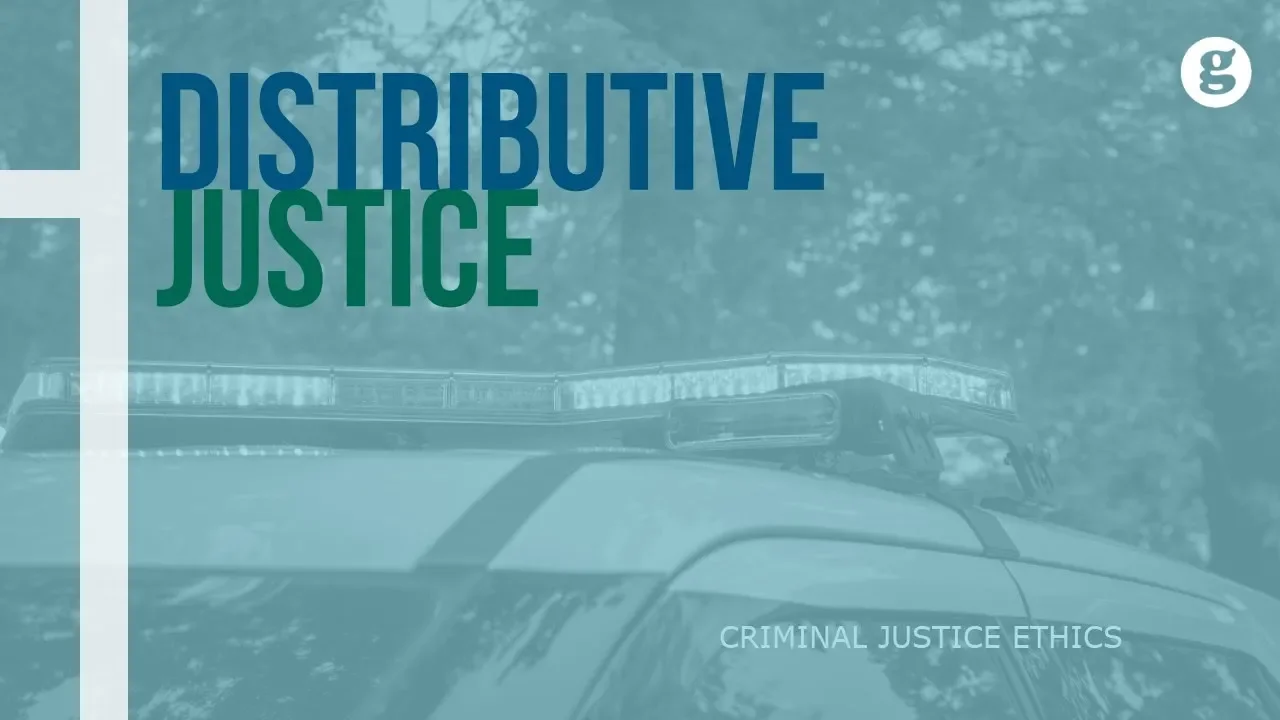
















In Book 5 of Aristotle's Nicomachean Ethics, Aristotle identifies six distinct conceptions of justice: (1) Legal Justice (abiding by laws and rules), (2) Complete Virtue (cultivating moral character for the sake of others), (3) Distributive Justice (fair allocation of shareable goods like wealth and honors), (4) Corrective Justice (restoring fairness when distributions have gone wrong), (5) Reciprocity (mutual exchange of goods and services), and (6) Equity (flexible application of rules based on circumstances). These different senses of justice often conflict with each other, which explains why people frequently disagree about what constitutes fairness and right action.
Aristotle's Six Types of Justice: Nicomachean Ethics Explained
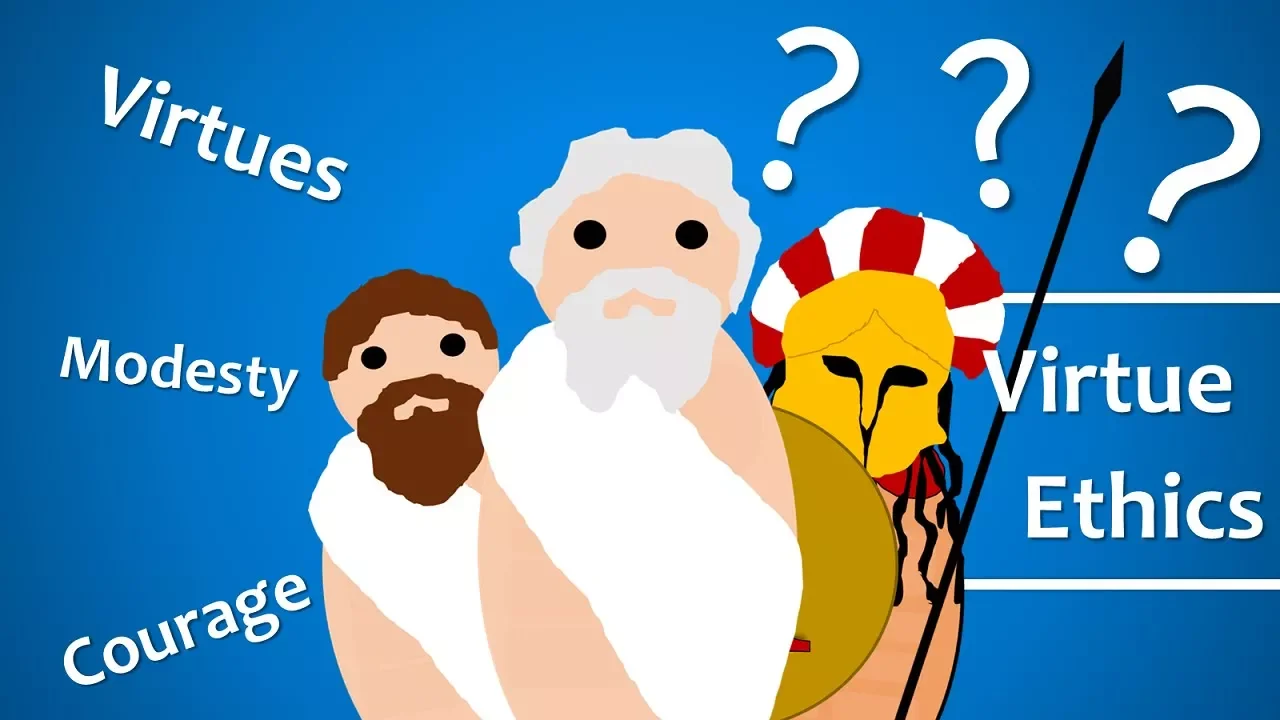
Added:Aristotle's Virtue Ethics: Understanding the concept of virtue (arete) as a state of character and the doctrine of the Golden Mean.
The concept of 'Eudaimonia': Knowing that Aristotle views human flourishing or happiness as the ultimate goal of human action and ethics.
Ethics versus Politics: Understanding that for Aristotle, individual ethics are deeply intertwined with the politics and laws of the state (polis).
Plato's Conception of Justice: Having a foundational grasp of Plato's 'Republic' to contrast his idealist view of justice with Aristotle's empirical and practical approach.
Modern Theories of Distributive Justice: Exploring John Rawls' 'A Theory of Justice' and Robert Nozick's libertarian critiques to see how Aristotelian ideas evolved.
Legal Philosophy (Jurisprudence): Analyzing how Aristotle's concepts of corrective and natural justice form the basis of modern tort law, criminal sentencing, and judicial systems.
Aristotle's Theory of Friendship (Philia): Examining Books VIII and IX of the Nicomachean Ethics to understand how civic friendship acts as a bridge between justice and the common good.
The Ethics of Restorative Justice: Comparing Aristotle's corrective justice with contemporary alternative dispute resolutions and restorative justice models.
26.8K views348likes25:33Original Release: 2013-12-01
hi this is Dr Gregory Sadler I'm a professor of philosophy and the president and founder of an educational consulting company called reason iio where we put philosophy into practice I've studied and taught Philosophy for over 20 years and I find that many people run into difficulties reading classic philosophical texts sometimes it's the way things are said or how the text is structured but the concepts themselves are not always that complicated as and that's where I come in to help students and lifelong Learners I've been producing longer lecture videos and posting them to YouTube many viewers say they find them useful what you're currently watching is part of a new series of shorter videos each of them focused on One Core concept from an important philosophical text I hope you find it useful as well so in Nic McCain ethics book five Aristotle's overarching topic is is what is Justice and um he doesn't start out by giving a definition and he doesn't start out by saying here is how I'm going to lay it out instead what he says is it's an equivocal term people disagree about this and that's something I think you've experienced Thanksgiving is coming up pretty soon so you know just for an example what are some of the things you shouldn't talk about at the dinner table if you don't want to get people riled up and start yeah politics are the religion yeah they say politics religion and then then it varies um some people say you shouldn't talk about finances other people I'll talk about sex and why the religion okay people have different viewpoints sometimes it has to do with Justice and fairness sometimes it doesn't but politics is by its very nature about about Justice about fairness and people have different conceptions of what exactly this consists in and not only may they have different conceptions based on their experiences or their their personal interests their class um history who's been screwed before who's been on top before all that sort of stuff the very nature of Justice itself is complicated and there's a tendency among people to make it simpler than it is and every time that you oversimplify something that's complex it's going to blow up in your face sooner or later um you know you can you'll you'll realize this when you get a little bit older if you try to simplify your taxes um you know you don't feel like actually doing what the IRS wants you to do you're just going to like write in some numbers that seem right to you you'll get a of it right because things are more complicated same thing happens in relationships you know tell your spouse you know well we just have these problems here's what my part is here's what your part is all very simple and then watch the situation blow up so the same thing happens with claims of you did the right thing you did the wrong thing this is right this is wrong um um we have different conceptions of this because it's an inherently it's okay it's an inherently complex thing so um one of the things that's running through all of a solle stuff is Justice if we want to talk about it in the full sense is some sort of disposition or habit this is what would make it a Aver or if you want to say Injustice is a vice then it has to be something that you're saying about people not just situations not just actions but about people if you want to say somebody is themselves unjust we don't usually say that term you say they're unfair they're you know a bad person in this respect you have to be able to give some sort of explanation in terms of how they typically act something that's part of their their character um so what does Justice make a person you know likely to do it makes them uh apt to be just well that's nice but that doesn't tell you a a lot because we still don't know what it is to be just right uh Aristotle also says it makes you act justly and it also like a virtue to makes you want or desire um Justice to occur whe you know whether it's yourself whether it's others so in this respect it's like all the other virtues if you're a courageous person you like when other people are courageous it bothers you when other people are cowards or rash um if you're a temperate person you don't like seeing other people overindulge it kind of turns you off and you like seeing people restrain their appetites um if you have good humor you know you you don't go too far um you don't like when people do go too far and engage in humor that's just vicious or hurting other people or in very bad taste um but when when people have something to say that's funny and within the you know boundaries of good taste you love it it's the same way with Justice if you actually are a just person you not only do the right thing you want to do the right thing and and you recognize the the good and sin now you could you could like justice without already being a just person you're you can struggle to be a just person the person who's fully just doesn't have to struggle a lot the rest of us um probably do have to struggle quite a bit against our our you know our instincts and appetites and when we want to like make exceptions for ourselves and that sort of thing the person who's unjust generally doesn't realize that they're unjust they their Viewpoint has become skewed they have a kind of moral blindness but again has this told us what Justice really consistent not yet so what I want to do at the start is lay out six different ways in which Aristotle talks about Justice or Injustice and you might not have caught these when you're reading this through for the first or second or even third time or um I didn't catch these for for years took me a while to to f these out because the way AOS presents it is is confusing in Parts um he actually like does some if he was if he was teaching If he if he was lecturing and a lot of people think these are lecture notes um he he kind of screwed his audience over by saying I'm going to talk about two kinds of justice and then talking about three kinds you know and saying oh yeah by the way there's this other kind I'm throwing it in and it's not it's not either one of these others we'll get to that for the moment but first he starts out by saying all right if we want to understand what all this means maybe it would be helpful to look at the opposite of justice injustice so when we say that somebody is unjust how do we how do we understand that what do we mean and he says there's two main ways in which we we get this so one of these is that the person breaks the law they violate the the Norms they break the rules think about um cheating for example right and in say a test what are the rules that a person who's cheating is is breaking it might be something like you're not allowed to bring in notes to you know like crib notes um what are other ways people cheat I suppose if you're really you know sophisticated you can have like an earpiece and somebody tell the answers or something like that even like Sealing feel yeah okay that's an interesting one because the other thing that you talks about is people being unfair and looking at somebody else's answers is kind of being unfair it's like taking your more than your fair share but there's usually rules like don't look at other people's work right or um you can't bring in notes you can't have extra devices um you can't steal the test ahead of time to look at it so one way to understand Injustice is breaking the law so the opposite of that would be let's call it law abidance those who follow the law are just in that sense so you pay your taxes you register your car um what are other things you engage in um um when you're engaged in you know transactions you pay for the pizza that you bought you pay for the clothes you're being a just person um at least in a trivial sense you're not breaking any rules you sign yourself up for something you follow through on what you you undertook to do that's that's being just um another way of thinking about it is in terms of fair and we'll get to that he takes a little digression and you may have found this stuff really confusing when you read through because what are the laws supposed to do the laws are not just supposed to be like a bunch of guard rails that keep us from being complete jerks to each other in in ancient philosophy and in medieval philosophy as well and even in a lot of modern philosophy laws are understood as having a role in making us good people so he has an example he says you know the law says when you get angry you're not allowed to just go hit people um the law can't actually make you like forgive people but by restraining you from hitting it's supposed to be teaching you certain boundaries that you should you should respect so it can promote a minimal level of virtue um like Martin Luther King said you know the law can't make a man love me but it can keep him from from killing me that's that's a game um but beyond that when laws are actually done well when institutions are functioning well and cultures bless you and societies are working well they actually make people virtuous they inculcate values like Temperance courage Good Humor friendliness you know all these things that we've looked at before um so in a certain sense Justice if we want to look at it in like the really big picture would be what Aristotle calls complete virtal yeah he qualifies this by saying that it's virtue towards others or social to be a just person in this sense means going Beyond just obeying the law it means sort of cultivating the the various virtues for the sake not only of making yourself better but of making your relations with other people better and correlatively to be unjust towards other people or to be to be vicious towards other people is in a certain way to be unjust towards them so think about anger for example um let's let's not take the anger response itself think about holding grudges um we can recognize that holding grudges is not a good form of behavior right and it's bad for you to hold grudges is because it affects you negatively and you know it makes you an angry sour person over time but it's also unjust in relation to the people who we should forgive by the way gisle doesn't think you should forgive everybody well we'll talk about that a little bit later he thinks there's some things you definitely shouldn't forgive um he's not a turn the other to cheek kind of guy but he does think that in a lot of cases having a disposition of Good Humor uh no good temper sorry good humor good temper means that you actually do forgive people and you try not to hold grudges that would be part of what he's calling complete virtue um being temperate um could be about you making sure that you don't eat too much don't drink too much don't pursue the wrong kind of pleasure so it doesn't mess up your own body and make it tough for you to to live a good life but it could also be uh towards others like for instance I have children so I ought to try to live a long time for my kids um because that's part of being a good parent for them so if I don't take care of my body it's not just a choice I'm making about my own relationship with myself or even just my spouse we're both out of shape you know that's why we're going to the gym together um but it's in relation to other people who who count um you know there's other ways you could think about this too if I um if I allow myself to become morbidly obese and diabetic I become a uh uh um we call I become a burden on the rest of society because you know in our society there's this expectation that somebody else should pay for my insulin and pay for my treatments and all that sort sort of stuff so that could be a form of Injustice you know um now arisol then talks about fairness and here's where he again he gets confusing he says um I'm going to talk about two kinds of unfairness and then he smuggles in a third uh and this is what he calls partial justice so the two kinds that he talks about and we'll go into these in a bit more detail in a couple minutes are what he calls Justice in distribution so I'm going to call this distributive justice sometimes it's called commutative Justice and the basic idea behind this is when you have Goods that can be shared among people like like money for example or uh specifically in terms of money not just wealth but income you know for for getting uh jobs done uh or political positions honors um we could think of a lot of other things we'll do some brainstorming about that in a couple minutes these can be distributed fairly or people can try to take more than their fair share at the expense of others doesn't that often happen when it comes to say taking the credit for things why don't you guys like doing group assignments when you don't like doing group assignments you're already shaking your head because one person ends up doing all the work and then everyone else just like gets to goong for the ride yeah that's the worst case scenario right sometimes even like you have like five people in the group and four people do the work and then that one other person is the the mucher the free writer yeah you have to depend on them to do uh quality work some people might just Ian they'll do the work or whatever the show face but it'll be AB got all yeah and then you get a bad grade and you're like this is unfair right because things are the grades are the good there the grades are not being distributed in accordance with what your effort your your output uh who somebody have their hand yeah basically the same thing sometimes you if they do their work you end up spending even more time editing it in which case you are making a greater contribution than they are so you should have a greater reward that that's a very basic notion about things um when we're dividing up say food at the dinner table should we give everybody exactly the same portion or should some people get get more well it really depends right if they're all exactly having the same bodily needs then it makes sense to give everybody the same portion I hate going to events like that because you know even if you take like the extra pounds off of me my ideal weight something about like 220 lbs cuz I got a big frame and I'm a big guy and so if you're going to give me the same little you know healthy portion as you give some 110b woman next to me I'm going to be hungry I I probably need you know two or three of those you you know what that's like you know uh if you're physically active you actually need more food right if you're actually engaged in in uh manual labor you probably need more food than somebody who's sitting at a desk all day yeah uh is distributive justice a part of partial Justice or are they separate good question so partial Justice is um a category that Aristotle is going to use distributive justice is one type of partial Justice let me put the other one up there uh this he calls corrective and sometimes it's called rectificatory which is hard to say and hard to remember Justice um when things have got out of whack when the distribution is wrong when people have taken more than their fair share corrective Justice sets things right that is also a form of of partial Justice and um aristot says this can happen a lot of different ways think about criminal law the way that that works if we put somebody in in prison we're not just incapacitating them we're not just keeping them out of the the pool of um general population where they could hurt other people we imposing a penalty we're taking something away from them Freedom right a lot of other things too like eating good food you know um there a lot of economic hardships that come with it um we're taking that away because they already had too much of something else is the basic idea that Aristotle has here's where he then says oh and by the way there's also reciprocity and that's not the same as this it's not the same as this but sometimes it looks like this um so if you got confused at that point uh you should have gotten confused at that point you were actually following along and and uh you know he threw something in that wasn't supposed to be there it it does fit in there reciprocity is this very basic conception of when you do good for somebody else they should do good for you when you do harm or bad to somebody else they should be able to do harm to you so what we call Poetic Justice you know or when the punishment fits the crime it gets familiar with some of these uh these judicial decisions where somebody will have a um a judge will impose a a punishment that's not a standard kind of punishment because they want the offender to actually you know see how they're affecting other people um some some parents do this with have you seen these Facebook memes where like there will be a kid who um I know got drunk or something and then they'll be like them with a sign saying I am I'm being forced to post this on PO post this on Facebook because I uh thought it was fun to go out and get drunk and my mom's making me do this that's one of those you know punishment fits the crime kind of things have you guys seen these yeah no some of you have so reciprocity is a different kind of fairness and and you know when we get upset with friends and we say hey how come uh I do these nice things for you and you don't do them for me we're complaining about a lack of reciprocity we're not complaining about the fact that we have like you know a kitty that we're all pulling out of and and you're taking more than you deserve or about you know corrective things not being completely right we're saying hey on a basic level if I listen to your BS when you vent about things you can take the time to listen to mine attention is a good that we we give to each other um or you know if I remember your birthday why can't you remember my birthday people people get very upset about that that sort of thing Facebook is also that helpful too because I don't know you guys probably have a lot of friends um you feel Under Pressure like you know put something on everybody's wall about happy birthday I just you know what I did I quit putting happy birthday on anybody's wall about a year ago and uh my wife put something I'll like piggyback on hers and say yeah for me too that's genuine that's Facebook you know Facebook is not real life yeah um and we have you know we have different sorts of friendships some are closer than than others but I generally don't don't do it to anybody in part because if I'm going to like do it for some people then I feel like I should do it for everybody right and I don't feel like I got like you know 400 Facebook I know some of you have probably way more than that I don't feel like keeping up with 400 people's birthdays I'm actually taking my own birthday off so that nobody can wish me a happy birthday anymore and make me feel guilty about not wishing them a happy birthday um but that's all reciprocity you see the difference between that and and these other forms there's one other type that he talks about and doesn't talk about it an awful lot and the best way to translate it um is equity it's called fa case uh maybe appropriateness would be another way to translate it um and that generally has to do with legal justice and it tempers legal justice so I know I know another word that would actually um especially for CJ Majors um this would this would fit in exactly with uh one of the terms that comes up which is discretion when you have the capacity to to operate with discretion that's what Aristotle is calling Equity um what discretion is is being able to loosen up or not apply the full rigor of the law or the rule or the procedure so to take an example that we used for the the um application assignments if the professor doesn't um you know apply the the policy to the student who's been found cheating and instead allows her to retake the the test that could be what we call Equity or or uh discretion U and there's a lot of cases where we need to do this in part because laws and rules and procedures are often kind of blunt instruments so in some cases it's more just to operate with what Aristotle calls a flexible measure so you notice Justice Means all these different things so if you are getting into an argument with somebody it might be because you have this in mind and they have this in mind or you have this in mind and they have this in mind you you want to be able to clarify what sense of justice are you actually talking about what sense of right and wrong of fairness of legality are you actually putting on the table or else you're going to run into all these sorts of arguments and even within this people can get into arguments yeah yeah I was just going to say but then he making like this like claim on identifying what Justice is but he names all of these things and they can contradict each other if they can't coexist at the same time sometimes um bless you there are yeah there are going to be conflicts where they will contradict each other not all of them all all at the same time yeah but I'm saying two say can contradict each other like what you just said yeah equity in law abidingness you have Equity precisely because the law on this part is going to it's it's an instrument of justice but it can become unjust um distributions could be made at one point in time and then later on you realize oh that that looked fair at the time but it was really unfair so we need to correct it you know um we need to make reparations we need to to um change the Matrix of opportunities or things like that um reciprocity can quite often get into conflict with these two you know um in part because distributive justice is often based on a like a proportionality we're going to get into that in a minute whereas reciprocity is more oneon-one yeah you know um so but that's that's uh the sort of grand scheme of what's going on in that that that book um so you can see there there is a lot of room for getting into con about this
Up Next
8:23
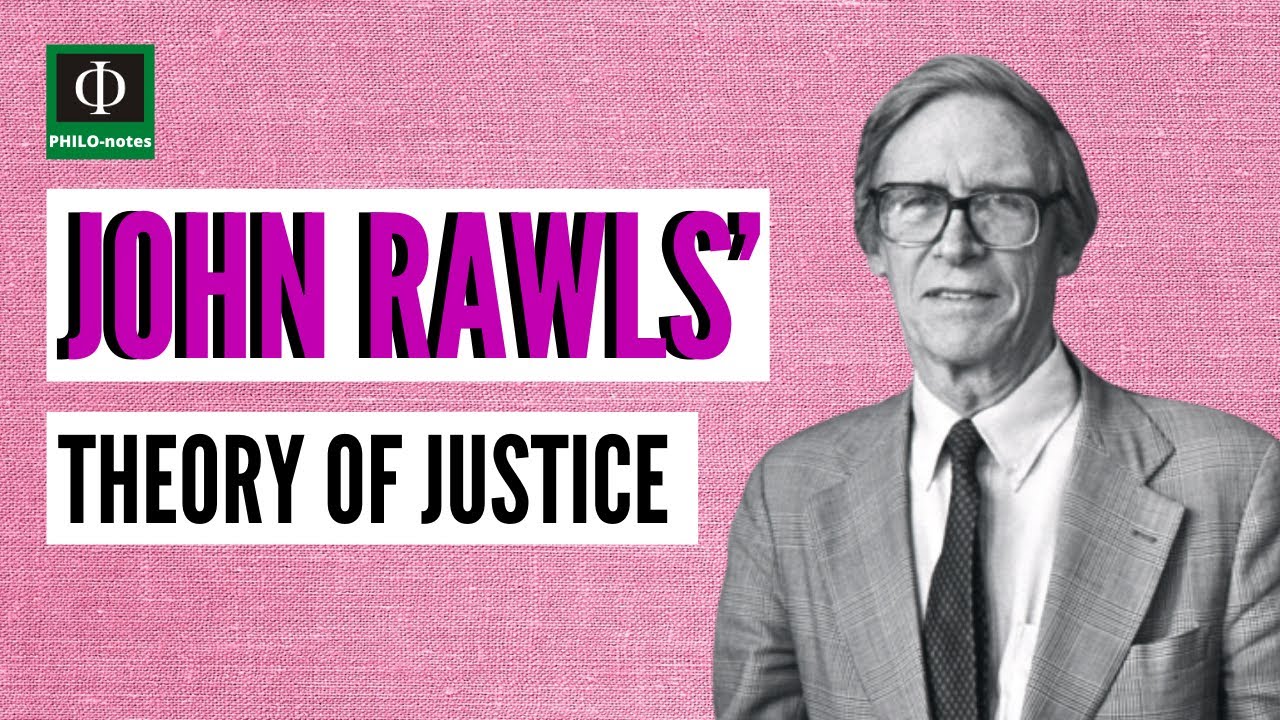
Rawls' Theory of Justice Explained: Justice as Fairness
@PHILOnotes
132.1K views•2020-07-03

164:01
John of Damascus on Holy Images: A Theological Defense
@BannedBooks
139 views•2026-04-25

16:31
George Dickie's Institutional Theory of Art Explained
@GregoryBSadler
3.9K views•2020-01-21
4:57
The Myth of Sisyphus: A Greek Legend of Eternal Punishment
@TEDEd
8.6M views•2018-11-13
Related Study Plans & Knowledge Roadmaps
Structured learning paths in Philosophy
philosophy
Frankfurt School: Critical Theory & Culture
01Foundations of the Frankfurt School and Critical Theory
02Horkheimer & Adorno: The Critique of Instrumental Reason
03The Culture Industry and Mass Deception
+ 2 more learning modules
12h5 modules
Explore Roadmap
philosophy
Philosophy of Language: From Frege to Austin
01The Linguistic Turn: An Introduction to Language in Philosophy
02Gottlob Frege: Sense and Reference
03Early Wittgenstein: The Picture Theory of Meaning
+ 3 more learning modules
15h6 modules
Explore Roadmap
philosophy
Feminist Epistemology: Standpoint & Injustice
01Introduction to Epistemology and Feminist Critiques
02Sandra Harding and Standpoint Theory
03Donna Haraway and Situated Knowledges
+ 2 more learning modules
12h5 modules
Explore Roadmap
philosophy
Environmental Philosophy: Ethics & Deep Ecology
01Foundations of Environmental Ethics & Anthropocentrism
02Biocentric Individualism and Animal Liberation
03Ecocentric Holism and Deep Ecology
+ 1 more learning modules
10h4 modules
Explore Roadmap