













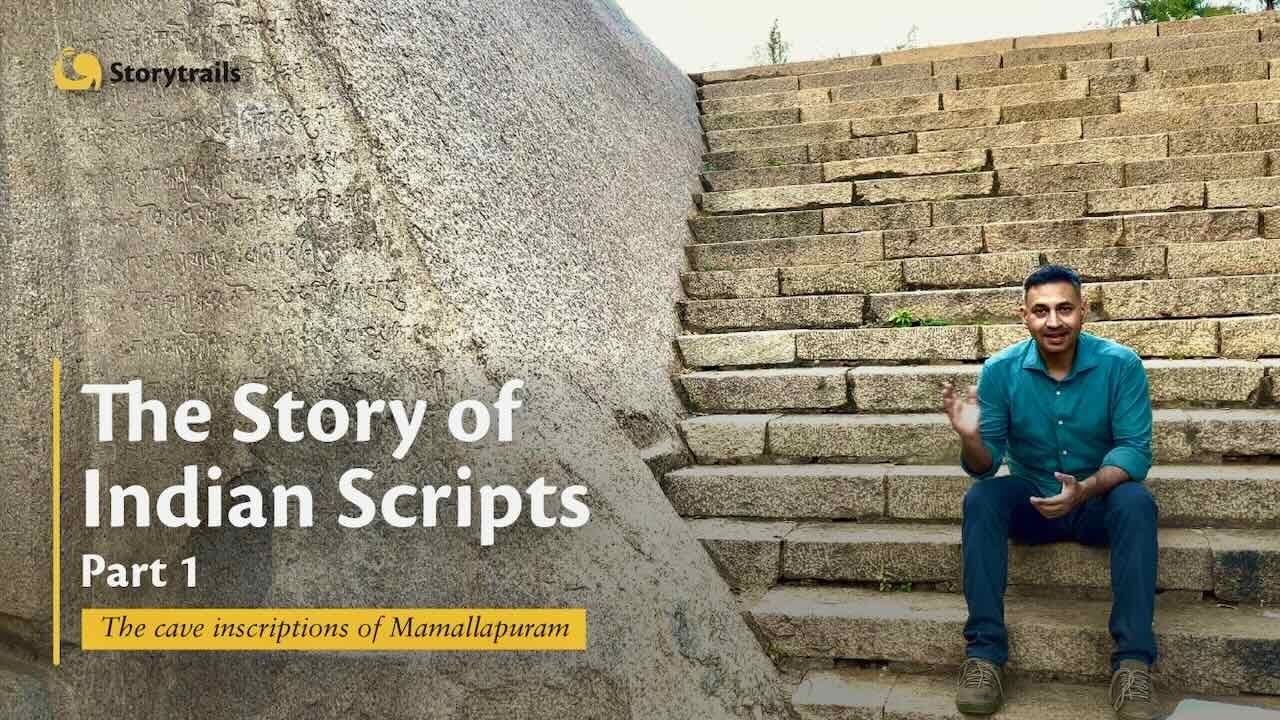


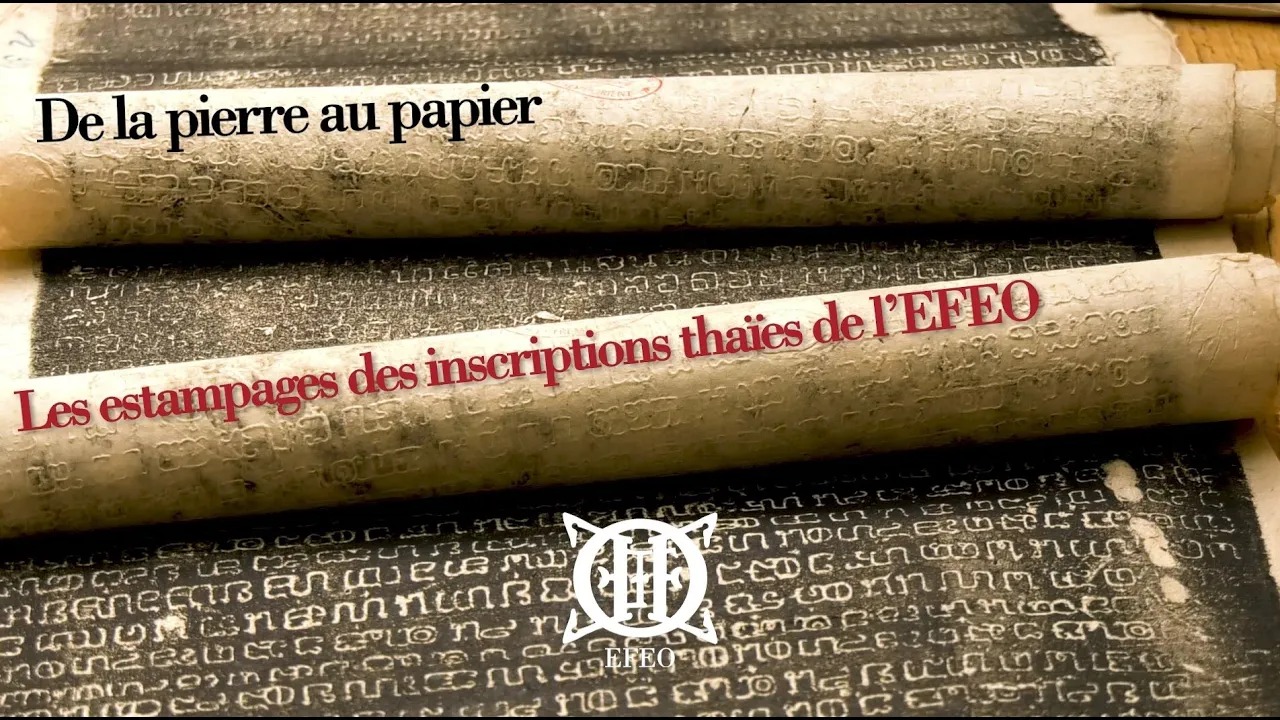


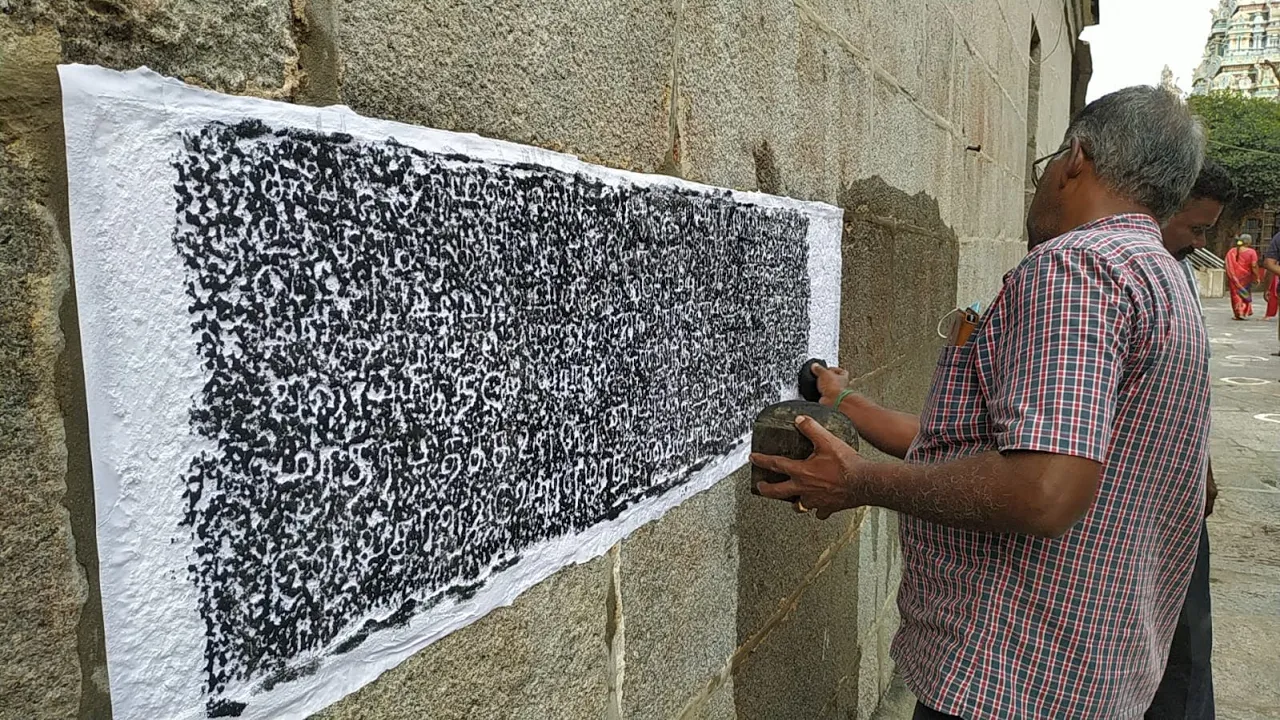

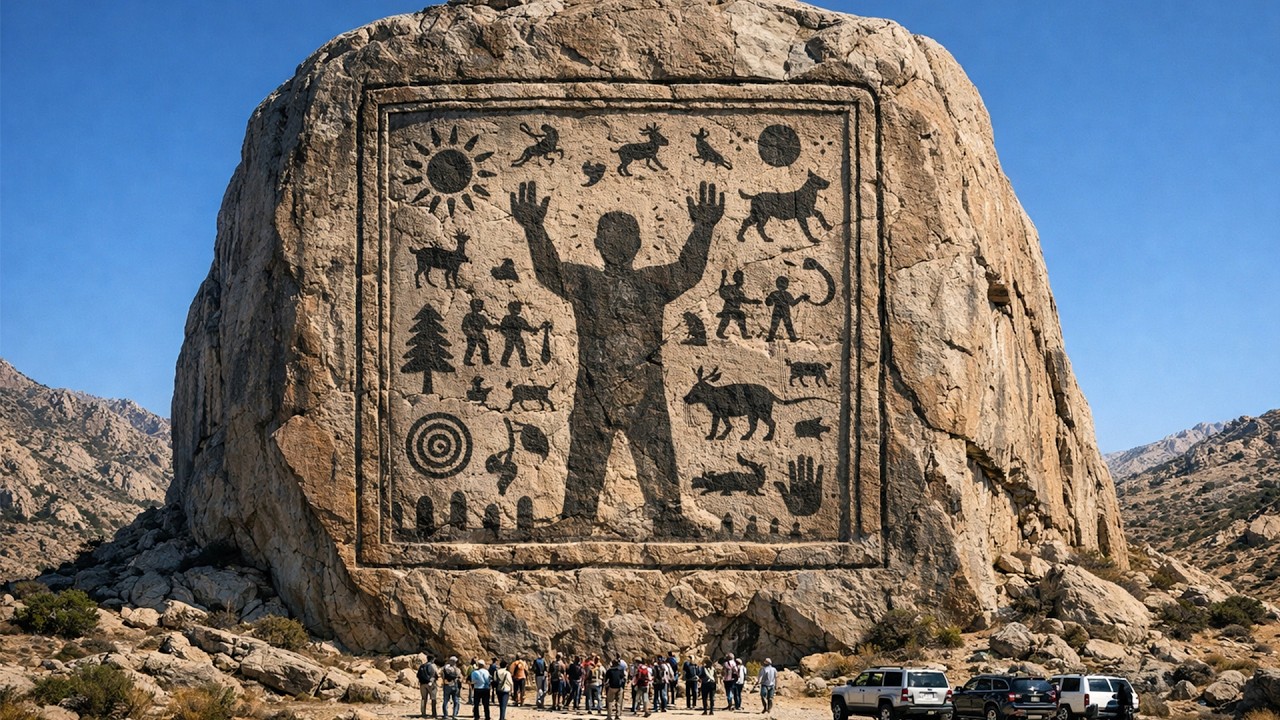


Epigraphy is the scientific study of inscriptions on stone, copper plates, and other materials, serving as the most reliable source for reconstructing ancient and medieval Indian history and culture; it encompasses paleography (study of scripts) and linguistics, with the Archaeological Survey of India's Epigraphical Branch established in 1886 at Bengaluru having preserved approximately 87,000 inscriptions across various languages including Sanskrit (13,000), Tamil (48,000), Telugu (13,000), Kannada (13,000), and Arabic/Persian (30,000), with systematic copying techniques varying between stone and copper plate inscriptions.
Introduction to Indian Epigraphy: History and Scope
Added:Basic understanding of ancient Indian historical periods (e.g., the Mauryan, Gupta, and Sangam eras) to provide necessary chronological context.
Distinction between primary historical sources (such as physical artifacts, coins, and inscriptions) and secondary literature.
Familiarity with the concept of languages versus scripts, particularly the foundational roles of Sanskrit, Prakrit, Brahmi, and Kharosthi in South Asia.
A general awareness of how archaeology and material culture contribute to the reconstruction of the past.
Detailed analysis of seminal Indian inscriptions, such as the Ashokan Edicts, the Allahabad Pillar Inscription of Samudragupta, and the Aihole Inscription of Pulakeshin II.
The study of Indian Paleography, focusing on the step-by-step evolutionary development of ancient scripts into modern regional Indian scripts.
Hands-on methodologies in epigraphical fieldwork, including the preservation of inscriptions and the creation of paper estampages (ink impressions).
Exploration of Digital Epigraphy, utilizing 3D imaging, laser scanning, and digital databases to preserve and decipher damaged historical texts.
13.1K views296likes41:08Original Release: 2018-02-20
[Music] dear students welcome to EPG parts allah i am professor Phoebus karate department of ancient indian history culture and archaeology sri venkateswara university through Pithom this is the subject which you are studying is Indian culture the paper is on Indian epigraphy and the module is introduction to Indian epigraphy this is the first module of the paper Indian epigraphic as a first model this is designed to know about what is epigraphy and this multifaceted studies it is a known fact that history is the subject of study dealing with the past the past events we are understanding with the help of various social entities among the various source materials which helps to recollect the history and culture of the past in scriptures are the most reliable and atactic sources the studies on inscriptions is called epigraphy and epigraphy is one of the core branch in archaeology as an introductory model in this study you are going to learn about various facets of epigraphy and its related activities this module is particularly variable to understand what is the meaning of epigraphy the history of epic graphical studies in India the nature and scope of epigraphy and how it is useful for the reconstruction of ancient and medieval history and culture is relevance through Galia graphical studies and language studies the establishment of epigraphic a branch and its activities besides yes temples taking of stone and copper plate inscriptions and also the necessity of reservation of inscriptions with this objectives let us start our discussion on what is a pink refer the word epigraphy is derived from two Greek words AP meaning on or upon and a graphic meaning to write hence epigraphy is the study of writings younger around different materials known as inscriptions or epigraphs in India inscriptions are we should on stone copper plates and various materials and also there are kata and others when that such type of inscriptions are you increasing for the purpose of the study of history and culture the discipline of such study was established individual scholars are referred as epic refers or epigraph is and the subject was titled as epigraphic in this regard epic rubs are he should very ancient and they were available on various hard materials when this epic graphical studies began and then the this type of studies utilized for the purpose of the knowing of the past events who are the pianist that is also essential to know about the history of epigraphy the first to practice epigraphy were the ancient Greek scholars to see dates and polybius who took an interest in ancient Egypt Ian and other inscriptions from older civilizations it is known that the Egyptians were the first who you should clay tablets having the script of their one which is come under this category of inscriptions so they were the first who initiated the start studies of inscriptions later European scholars during the Renaissance took an interest in Latin and Greek inscriptions under started to develop methodologies towards studying epic in India is concerned the systematic research in the epigraphic 'el studies began in the second quarter of 18th century during the British rule the Britishers who have a knowledge about the utilization of the epigraphs in their European countries they were the first who initiated these studies in the discovery of inscriptions and in placing these inscriptions for the reconstruction of Indian history and culture among the pioneers who initiated this epic graphical studies in India is concerned Charla's begins we have to mention first he was a pioneer and a la vista who initiated the first publication of an old inscription in sanskrit language in the year 1781 later the efforts of Sir William Jones who was also a renowned indologist and we have to make up a special reference to him who made a significant contribution to the study of Indian epigraphy he was the founder of the Asiatic Society of Bengal in the year 1784 with an intention to collector various manuscripts and also various materials which were available in the form of inscriptions and coins later with the effort of Asiatic Society of jungle of society of Bengal they collected number of inscriptions and also coins in the year 18 that is geography is witness a glorious advancement in disappointment of many unknown scripts implied in the is among that gems Princip and his contribution is memorable and everlasting he successfully deciphered the early Bromley script in the year 1837 since then a pig Rafi and its relative studies became an important discipline in archaeology and also these studies are helpful for the reconstructing the history of India from modern period and worse regarding the nature of epochs of our concerned the inscriptions are basically two categories one is a stone inscription and average or copper plate glass majority of the stone inscriptions are donated in nature recording donations to various scholars and institutions mainly these stone inscriptions are engraved on different architectural members of the temple boulders pedestals of images heroes turns sati stones etc among that the inscriptions of ahsoka who are the first who are issued the inscriptions on boulders they were called as edicts which form a separate class which they give the message of morality and piety of hosaka which which were called as dermis asanas later the copperplate inscription mostly recorded land grants made to similarly to the lunar individuals like brahmanas religious health preceptors and institutions thus the inscriptions which are basically divided into two categories but there are various categories of inscriptions which if weak we may consider the content or the issue of the lands that may be a different topic to discuss in the coming chapters coming to the scope of epigraphy is concerned a pig Rafi is the most reliable and authentic source for the reconstruction of Indian history and culture and these inscriptions in some way it was directly connected to the contemporary society and events thus the epic Rafi is a primary tool of archaeology dealing with literate cultures the science of repeat repeat is to classify the writings and contents of they are the major source to understand the life of the people thus Hippogriff affirms one of the most important sources for understanding the history and culture of India from the time of mauryan emperor asoka who ruled in the 3rd century BC and they are continuing as a source for understanding different phases of political social economic religious artistry up to late medieval period thus the scope of photography is very vast and it is very important source material for writing the history of various masses of culture of India the epigraphy not only the useful and the inscriptions are useful for the reconstruction of history and culture but it is also relevant to the studies of various disciplines one among such discipline which was related to inscriptions is Dalia Griffey what is paleography and what is its importance how the inscriptions out are useful for the study of calligraphy we may discuss now paleography means study of ancient writing systems and deciphering the epigraphy has two fold approaches one is ability to decipher the script and the second to interpret the language and contents of the epigraphs thus this epigraph chol studies brings us to the field of both paleography and linguistics are concerned in among these two in the epic graphical studies paleography occupies supreme place since it is directly connected with evolution and formation of letters the epic debris epigraphy is the main source to understand the origin and evolution of scripts in India is concerned and the inscriptions provided a continuous data from Lorien period up to the present today how the script was a developer and originated and how the 'unless script were transformed to modern script in this regard the earliest-known system of writing in India and Indian subcontinent is found on the sills used by the people of Indus Valley flourished about 2500 BC to 1500 BC but this writing has not been deciphered successfully though many scholars are tempted for its DISA ferment and they interpreted they in the script in two different ways by following different methods however still it is a way and we have to wait for further atoms tool for the successful decipherment of the in the script but one thing is real that the Indian people have the knowledge of writing even in the Indus period itself after in the script till the period of Ashoka nothing is known about the system of writing but there are references to the writing in the lady religious literature's like vedas puranas brahmanas and who finishes which they help us to connect the practice of writing in india and the scripts was known to the people of indian india from indice to also compete yet it is known that Ashoka was the first who used them the decipherable script in India is concerned the brahmin script is the ugliest script appeared in the edicts of ashoka the brahma script is a popular script found a throat the length and breadth of the country have a look at the nature of the Bramha alphabets and also the content of the ahsoka inscriptions with the use by using the alphabets and silence this is Bromley do still during that same period ahsoka used many scripts they are Kuro ste Aramaic and Greek scripts which they were specially used indeed not western parts of India but the continuation is very limited they have they are found only a certain period of Indian history however the Bromley script is the most important script which was found in the edicts of Ashoka it was the source for the development of various scripts of Indian subcontinent except Budo how when this changes and developments what took place and what are the factors that contributed for the development of regional scripts it is also necessary to know about the historical evolution of Skip's the Brahma script underwent changes but really due to the use of new writing tools and techniques and in different points of history there were different scripts were developer besides the modifications of the Brahma script and also later several regional scripts were also integers thus the Brahma script is the mother script for found in the substitute grant period for the development of almost all the scripts of India but even it is a mother source for the scripts used in some parts of Southeast Asia mrs. paleography the inscriptions are also useful and authentic source to know about the evolution of languages and the languages used in the contemporary records thus the inscriptions is a very important in the study of languages also and the apical tree is dealt with the origin structure under development of languages of Indian subcontinent since the Mauryan age because the contemporary records mentioned are they were written in the particular languages used by the paper for example the ISO kinetics or in rocket renewals it was the common and uniform language known to all people of inner because his subscriptions in various parts of Indian subcontinent were issued in the same rocket language besides prog-rock language ahsoka also written some inscriptions in Greek and Arabic languages but later the prakruti disappear from the usage of descriptions the Sanskrit occupied his place now this instance took place in Narnia around third century AD while this change took place about a century later in South India regarding the transition of the language from Prato Sanskrit coming to the Athenians concerned from the 1st century AD onwards under the patronage of Gupta's under their contributors Sanskrit became the language of the inscriptions majority of the inscriptions from that period onwards were issued in the Sanskrit language besides the good us they can't approval us like vaca Takas and also later Charlie Cass and others they also implied Sanskrit in their inscriptions Sanskrit continued to be used in the inscriptions all parts of India along with the regional languages in the subsequent centuries in that regarding the development of languages are concerned the copper plates of pallavas SOLAS and pontius are written in both the Sanskrit and also coming in South India is concerned because it is the transition where Sanskrit was replaced by the Tamil regarding the Regionalliga language sarcasm the Canada is usually in the use of south india from about 50 century AD the inscriptions in telugu language began appear from 6th century AD onwards the malayalam also made this beginning in the inscriptions a later date from which century AD arose this is the South Indian languages the new indo-aryan languages of the MARTA under central India like Marathi Maria Hindi Gujarati Bengali etc also appeared in the inscriptions at a comparatively later date thus the epigraphy is the main and authentic source to know about the history of various languages of India is concerned because the inscriptions were issued in the languages of their own so that it tells about the story of that transition of different languages and scripts thus epigraphy is very important not only it is a source material for the study of history and culture it is an important source for the study of valley ography and also languages studies with this brief introduction on the various facets of or epigraphy we may shift our discussion on the epigraphic l branch of india and these activities when it was established and its related activities the epical branch of our classical Survey of India came into existence in the year 1886 at Bengaluru the primary function of this ring was to copy inscriptions on boulders stone pillars stones imple walls copper plates etc since the establishment this branch has not only collected thousands of inscriptions but also edited and published them in various journals and various volumes after some years this branch was shifted to wata commonly known as booty in the year nineteen not three and a function there till 1966 and then it was shifted to mysuru where it continues to function the epic graphical branch of our classical Seraphina now functioning atomizer ooh which is doing a lot of work for Angra prescriptions and also for the discovery of inscriptions and the copying of inscriptions and its activities besides the miser to accelerate the copying and publishing of inscriptions to journal offices were established one at Chennai and another at agency in the year 1990 the mottos onethis was later shifted from Jhansi to Lucknow in the year 1999 since 1990 many inscriptions have been copied by this newly established regions which have further argumented the epigraph CalSTRS decides this a branch located in Naga Peru for copying and publishing Arabic and Persian descriptions have been in existence since 1950 thus hippie graphical branches of Archaeological Survey of India and it's a Jones or doing much for the discovery of inscriptions and also for the activities and studies related to inscriptions so far with the efforts made by several PI units approximately 87,000 inscriptions written in different languages or copied and the restaurant places are preserved in the apical fig branch atomizer Oh among that the various inscriptions feature related to several language sir Sanskrit and allied dialects are nearly 13,000 Tamil it is a high number 48,000 Telugu around 13,000 Kannada around 13,000 this is thus the arabic and persian branch mago Peru also copied our thirty thousand inscriptions thus with the establishment of the epigraph culture of India under the with their activities with their discovery with their service nearly more than hundred inscriptions were copied and they were preserved indeed the empirical branches which they are the authentic source for the studies of Indian history and culture which they are the basic source for its understanding he says that it is necessary to know about what are the publications taken up by the epigraph called Society of India and their importance the epic graphical branch has been bringing out several publications one among such publications is annual report on epigraphy it is known that every year the staff of epic graphical branches undertake extensive survey work throughout the length and breadth of India and a copy a large number of inscriptions the summary of these inscriptions along with the other details of the dynasty which it belongs the king who issued the language he employed in that inscription the script used for that inscription and also the date of if available of that inscriptions are published in detail in this annual reports this is that importance inscriptions are also reviewed in the same journal as an introduction so far there are nearly 100 reports has been brought out by the epigraph called branch another important publication of empirical branches epigraphic a-- india in this some of the important inscriptions are critically edited and their importance is brought about in this publication so far 43 volumes of a period of ANILCA have been published and they are very much useful to know about the various as per South Indian history and culture through this publication of inscriptions carpus in scriptures in the Karim it is another publication of the epigraph cassette of India and these volumes contain detail in the description and the critical notes of inscriptions belong to a particular dynasty or a period so far seven volumes dealing with ahsoka inscriptions bloodhoof inscriptions inscriptions of the vaka augas imperial Gupta's kala Therese JD's Salah Harrah's genderless and the param eras have been brought out South Indian inscriptions it is one of the important contribution of the epigraphy branch because South India is a land of inscriptions and majority of the inscriptions discovered so far or the South Indian languages the inscriptions Crawford from the states of South India covering the all The Drowsy languages are published in these South Indian inscriptions volumes in this here the text of the inscriptions is published in the regional languages in which the records were engraved so far 95 such volumes have been brought out and most of them contain thermal inscriptions which already we have discussed nearly 48,000 inscriptions besides the above there are various publications taken up by the epigraphic al banks the other publications are currently prayers of Rajendra Chola de fust a copper plate code of the Gupta period from bulk mother Pradesh and epigraphs of Madhya Pradesh the topographical list of not Indian inscriptions topographical list of South Indian inscriptions dynastic list of copper plate inscriptions index of the articles of epigraph Kalinda qey and also subject index of inscriptions thus the epic graphical branch of our classical Survey of India carrying it its activities with multi various functions in copying the inscriptions in publishing the inscriptions and with their publications these inscriptions from an important source for the study of Indian history and culture since its beginning up to late medieval period it is not that one of the important activity of epigraphy is technique of copying inscriptions how the inscriptions were copied which they were either stone inscriptions or copper plate the technique of copying stone scripts are different and copperplate inscription are different now we may proceed to discuss the temples taking of stone inscriptions at first for taking establish of tone inscriptions several tools and materials are require the tools used for copying stone inscriptions are many they are a map little paper of ETGs and thickness for taking stamp eights he especially preparing made by mixing together lamp black powder and Arabic gum water for drying and water abandon breathing brush made up of horse head for pressing the paper into the writings engraved on the stone a dabber made of leather in different sizes for applying ink onto the paper my brush and also color brush for cleaning the a stone if dust is that he has punch with a smooth rubber for cleaning the dust of the a stone one bucket of water for its purpose these are the essential and required tools and materials for copying the inscription of concern now we may proceed the process of established taking of stone inscriptions before copying the stone on which the inscription is Angra is photograph and examined properly to identify the written and unwritten areas author ID identifying it the stone is cleaned properly with the water using Kairos so that all the dust and soil particles are three more after cleaning the stone has to be watched carefully with the clean water then the map little pepper is deeper completely into a bucket of water and a place Rhonda whetstone carefully and uniformly without any four links and bubbles while placing the paper care should be taken that no air goes underneath it after that with the help of vent beating brush the paper is written uniformly after finishing the building then with the help of the dabber the ink is applied uniformly on the paper in a systematic way so that it receives the exact copy of the inscription engraved on the stone have a look at the copying of deep full stone inscription after taking established it has to be carefully removed by folding slowly from top to bottom and a pleasure to dry in a shake after the Aslam pages is dries the finds part of the inscription has to be written on its backside this is the process of establishing of stone inscriptions for better understanding have a look at the video of the entire process of the astonishing taking-off stone inscriptions many of the stone inscriptions that are found across different regions of the world reveal the details of extravagance lifestyle economic condition culture and also of the administrative regulations followed by various rulers and dynasties particular to those regions [Music] the information gained from these inscriptions can be corroborated with the information from other sources in order to provide an insight into world stylistic history today let's learn how the information is extracted from these stone inscriptions the inscribed stone has to be cleaned properly by using wire brush or wire brush with lip of water by using this brush of water all the dust and soil particles if any stuck unto the stone is cleaned after this the map little paper which is used to copy the inscription has to be dipped into a bucket of water and then placed uniformly on the stone then by using the brush the paper has to be written in such a way that the letters engraved on the stone will be compressed on the paper after this ink is applied onto the paper by using the table while applying the e care should be taken that it is uniformly applied so that the engraved letters are visible after the uniform application of ink the Aston paper has to be removed carefully from top to bottom and place it to dry once it is dried the files for details are written at the backside of the paper [Music] with this discussion on the prosody s temples taking up four stone inscriptions and the video which has seen the entire process I hope that you may understood the yes time play is taking of stone inscriptions now who may proceed to discuss the established taking of other category of inscriptions that is the copper plate inscriptions the technique of taking copper plate his scriptures and that tools user for insert surface are different from that of stone inscriptions have a look at different categories of copper plate inscriptions and their nature the tools required for the establish taking of copper plating scripts are a map little paper of 80 GSM thickness black color printing brass wire brush for cleaning it's a surfaces citric acid for the cleaning if some dust particles are dead a rubber roller for applying ink on the copper plate for establish taking so with this tools now may go to the technique of stamp is taking of a copper plate inscriptions regarding the technique of the copying of or copper plate inscriptions before taking a stampers of copper plate its condition is to be noted and one should feel satisfied that it is not little and withstands the process then the copper plate is photograph and if it is in brittle yes temperance is not taken and another photograph is obtained after a plink Chuck on the copper plate there by highlighting the younger old portion of the copper plate if on examination the copper plate is found to be rusted it can be removed by soaking it in a bucket of water with a little solution of acetic acid add a treat for it cleaning and better vegetable condition for taking a stamp as the unit is directly applied on it using first place some amount of ink on a flat hard surface like a metal sheet or glass and spread the ink uniformly onto the rubber place the copper plate on a flat surface with some papers underneath for support and rub the ink uniformly on it using rubber roller while using the ink and using the rubber roller care should be taken that the ink is applied not heavily and it does not enter into the young gray would let us to avoid the overlapping and bulky of ink on the borders of the copper plate should be applied we think to get the borders of the copper plate also next place the map little paper on the copper plate and apply a little pressure to take the imprints of the letters then remove the cup paper carefully and allow the ink to dry after write the copper plate is ready and it says compression is complete in this way the engraving of the letter copper plate is copied on the paper but one important thing which we have to mention is in this method the impression will be in negative and hence while reading Gita has to be done from the back side of the paper by holding it against the light coming to the establishes of seals as the seals and ceilings are made of terracotta and are brittle in nature the usual method of taking a stamp a sand paper is avoided they are documented by taking photographs and our number systematically has in situ study also helps in proper deciphering of the lesson written on them thus so far we discussed about an interview introduction on epigraphy it studies its history the establishment of epic graphical branch of our classical self India his activities its publications yes Tampa is taking off both the stone and copper plate inscriptions one more important facet of it is the preservation of inscriptions this is a most important and essential one for the preservation of these inscriptions into future generations it is not that even after more than 100 years since the establishment of the epigraphic AL branch inscriptions do not have that command from the public that respect and reverence which they deserve it is therefore the bounded duty of every citizen to protect these engraved stone slabs pillars temple walls etc which they are containing valuable inscriptions the general public must realize that it is our common heritage which needs to be preserved at all costs even the educated people local governing bodies and educational issues should be encouraged to take steps to prevent the destruction or misuse of these epigraphs and protect them as antiquities the temple authorities which the temples contained several inscriptions in their various artists adjuncts should also be equally vigilant in prevent in preventing the public from damaging temple walls sculptures paintings and inscriptions so that this rather rich cultural heritage could be preserved for the prosperity with this discussion as an introductory of the course in the NEPA gloppy I hope that you may have an idea about what is epigraphic its history its scope and also the activity is carried by empirical branch of Archaeological Survey of India and the necessity of preserving inscriptions this is a beginning model in the coming modules of the course you are going to all these facets of photography in elaborate manner and this may be a road map to know about the what is epigraphic and this studies in the coming models you are going to study in elaborate how the inscriptions are helpful in the reconstruction of history is concerned the history of writings in several modules then the writing materials Noma numerals and also some select inscriptions for a special sorry thus this paper may serve as an important paper in the archaeology is concerned and Indian culture in general thank you
Up Next
51:28
Decoding Hieroglyphs: Champollion's Egypt & Ramses II
@SLICE_Full_Doc
18K views•2025-08-13

33:02
The Great Schism of 1054: Causes and Consequences
@SacredCathedrals
113.5K views•2026-02-19

91:57
The Geopolitics of the Ukraine War and the Rise of Global Autocracy
@JordanHarbingerShow
468K views•2025-04-19
17:05
Understanding the Cold War: Superpower Conflicts and the Road to Détente
@OverSimplified
46.1M views•2019-01-24
Related Study Plans & Knowledge Roadmaps
Structured learning paths in History
history
Byzantine Iconoclasm: Theology, Art & Politics
01Foundations of Byzantium and Early Christian Images
02The First Iconoclasm: Leo III and the Crisis of Images
03Empress Irene, Nicaea II, and the Second Iconoclasm
+ 2 more learning modules
9h5 modules
Explore Roadmap
history
Iranian Revolution (Causes, Events & Legacy)
01The Pahlavi Dynasty and the Roots of Discontent
02The Spark of Rebellion and the Rise of Khomeini
031979: The Fall of the Shah and the Climax of the Revolution
+ 2 more learning modules
8h5 modules
Explore Roadmap
history
Mali Empire: Mansa Musa, Trade & Timbuktu
01Foundations of the Mali Empire
02The Trans-Saharan Gold and Salt Trade
03The Reign and Pilgrimage of Mansa Musa
+ 1 more learning modules
6h4 modules
Explore Roadmap
history
1947 Partition: Politics, Borders & Legacies
01Foundations of British India and the Divide
02The Political Negotiations and the Mountbatten Plan
03Drawing the Boundary: The Radcliffe Line
+ 2 more learning modules
8h5 modules
Explore Roadmap