






![IS THIS THE END FOR THE BITCOIN & ETHEREUM RUN!!!!!!? [my EXACT gameplan..]](https://i.ytimg.com/vi/8skwmlJFr3k/sddefault.jpg)






![🔴[19시 생방송] 다음주 코스피 더 간다? vs 단기 급등에 조정 장세? (박세익, 이영훈, 김민수, 이진우) | 인포맥스라이브 260508](https://i.ytimg.com/vi/VUol-TcYMMw/maxresdefault.jpg)



![목표가는 의미 없다. 지금 안 사면 후회할 '화려한 피날레'ㅣ홍선애, 이경민 대신증권 FICC 리서치 부장 [여의도 인사이트]](https://i.ytimg.com/vi/eJ4SH5WGbrQ/maxresdefault.jpg)

Financial markets follow predictable psychological cycles that investors must understand to make rational decisions; the current market is approaching a euphoric peak characterized by rapid corrections that quickly rebound to new highs, and investors should maintain caution, use hedging strategies, and avoid getting caught up in emotional FOMO (fear of missing out) that typically leads to poor timing decisions.
Market Valuations and Euphoric Tops: Preparing for a Potential Blow-Off Peak
Added:Understanding of core market valuation metrics, such as Price-to-Earnings (P/E) ratios, the Shiller PE (CAPE) ratio, and historical valuation averages.
Familiarity with the phases of a standard market cycle, particularly the difference between accumulation, public participation (bull market), and distribution phases.
Basic concepts of behavioral finance, including how market sentiment, herd behavior, and FOMO (fear of missing out) influence asset prices.
The definition of a 'blow-off top' or 'blow-off peak' in financial markets, characterizing rapid price acceleration followed by a steep drop.
Implementation of advanced capital preservation and hedging strategies, such as using protective puts, trailing stop-losses, and inverse ETFs.
Practical year-end portfolio rebalancing and tax-loss harvesting techniques to secure gains and manage tax liabilities.
Analyzing historical case studies of market bubbles and crashes, such as the 1999 Dot-com bubble and the 1929 market crash, to recognize warning signs.
How macroeconomic liquidity indicators and central bank policies (such as quantitative easing or tightening) influence the timing of market peaks.
31.3K views1.3Klikes58:53Original Release: 2024-12-03
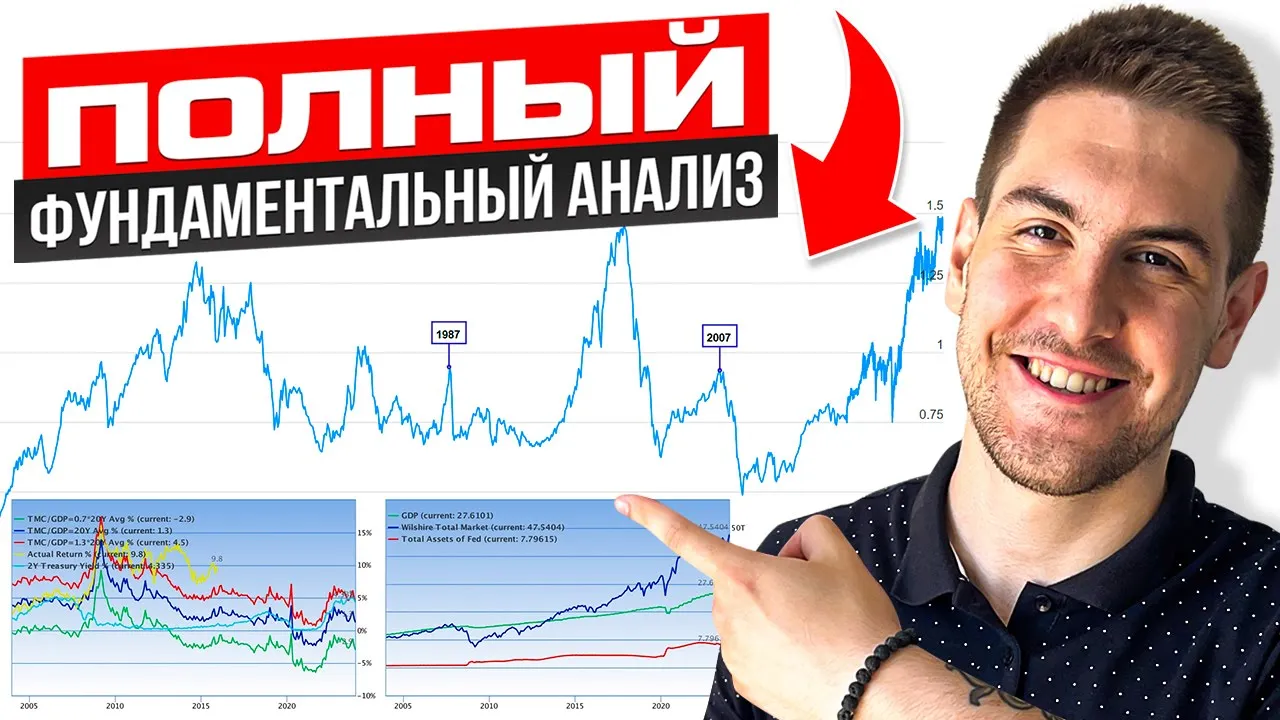
I don't think we're at the Euphoria stage yet it's been kind of like a slow you know really fomo fear of missing out stage fomo is not quite Euphoria and the longer that we sit in this this this Market that just won't correct and every little micro drop has been Rescue by money printing you know and the longer that we sit in this I'm more and more convinced as I see these Corrections that um you know come right back to New highs faster and faster that we're going to have to really see the mother of all euphor Pinnacles [Music] here welcome to thoughtful money I'm thoughtful money founder and your host Adam tagert uh I'm welcoming you here joining me in my good friends John lra and Mike Preston the lead Partners from new Harbor Financial one of the endorsed Financial advisory firms by thoughtful money you've seen them here on this channel with me week after week after week in the past um we are going to try something a little bit different today and if it sticks uh we'll we'll keep with it going forward um John and Mike and their team there at new Harbor um they're you know great people salt of the earth obviously those you've been watching already know them quite well um but they're really based in sort of you know the Practical so what of all the issues that we talk about here on thoughtful money okay if you think the future is going to look like the way Lacy hunt sees it or Danielle D Martino Booth sees it or Darius Dale sees it or you know any one of the people that come on this channel channel uh and also if this is happening in in the macroeconomic environment if these are what Trump's policies are going to be okay so what is all that going to mean for me as the individual investor how do I put together an actionable plan from here so um uh at that John and Mike's uh behest we're going to try this new format here that's going to try to dig into a little bit more of the practical howtos than what we normally get into on this channel um we'll talk a little bit about macro first we'll set the stage but then we'll get into some actual you know Hands-On uh sort of you know steps you can use to improve your situation type content John and Mike gentlemen thanks so much for joining me hey great to be with with you Adam and thanks so much for uh giving us this this platform it's really what we love to do and it's uh inspired by the work we do every day with our clients that uh applies what we see and view in markets to their lives and their specific situations look forward to the talk Adam thanks for having us here today all right gentlemen look um maybe just to sort of set the stage a little bit um you know A lot's been going on in the world um we have a new president elect um with a very ambitious and very seemingly disruptive uh set of economic policies that he's already chomping at the bit it seems uh to uh to implement um why don't we just sort of you know get a sense for how you guys see the macroeconomic environment right now and then talk about some of the things that that you know maybe most of the uh individual investors watching now should key steps they should consider taking I either given the macro situation or the calendar because I know we're coming up on on year end as well and there's a lot of year end planning steps that that we've been talking a lot about in this channel um John why don't we kick it off with you first because I know you guys uh you put out your own uh videos at new Harbor and you just put one out on you know basically repercussions of the election so uh you know how much of a of a um change agent do you see this this new um presidential Administration being in into the mix yeah Adam I think uh I probably speak for most people regardless of their political Stripes that uh it's it's good to have the election behind us because the the circus that we all sat through um you know I was getting texts on my phone almost every day from both sides you know with all kinds of propaganda and just happy to have that behind me maybe I'm alone but I don't think so um there there's a lot of uh slogans or cliches in investing one is for example buy the room or sell the news right and it's funny because uh election Cycles if nothing are all about headlines and promises and sound bites and whatnot and we certainly have seen a bunch of that but if you zoom out over the course of Economic and invest investment history it's not those headlines or the promises it's it's bigger picture stuff that ultimately come to guide and and and drive what happens in markets and um you know we did some looking at this and you know certainly in the short term there's going to be all kinds of gyration that are headline driven but uh when you zoom out and we might say Okay Trump is in office and we have a sweep in Congress so we have a rep Republican sweep you know what might that mean for for the years ahead we know all about the headline policies tax cuts deregulations cut government spending all these things that sound great in the surface and and certainly in a vacuum our our markets anyways would would more or less cheer but it's not that that that that simple in fact we can go back to the last time that um we had a republican sweep and that goes back to the turn of the century um you know basically George W Bush's Administration so here's a headline what a republican sweep means for Congress and again the last time we saw this was during George W Bush's Reign and many folks may not remember this but the his his two terms both both terms saw the stock market for example if you want to talk about the stock market um lose value there were negative returns if you looked at the S&P 500 for example and um that's despite um The Sweep of Congress and and the the Executive Suite um that's despite a focus on tax cuts and things like deregulation things that are very similar to what Trump is talking about and we can point to one main reason I think and we think that really is synonymous with where we are right now uh in the fact that the stock market broadly speaking was tremendously overvalued uh when Bush uh entered office it was right after the very tippity top of the tech bubble valuations this is a long-term chart of What's called the cyclically adjusted PE ratio it's basically how how expensive the market is relative to the earnings over a 10year period and you can see right now we're at a level that is very much uh almost identical to where it was when George W bush entered office and uh of course the natural consequence of that eventually was that markets struggled very healthily and it says nothing about the short term we're actually kind of bullish in the short term to be frank we look at a lot of different indicators and all our indicators are they've been whips saw of lately but they're speaking very bullishly about the near-term direction of the market um but even though the broad market May struggle and we do think it will struggle over the next you know five to 10 years and probably the bulk of this current administration's term because of the valuations there are areas that likely will do well and this is for example what what the the the bush presidency looked like even though the broad markets uh the S&P lost money um there were several sectors and and asset classes that did very well gold energy materials uh they did very well over that time frame and even on a broad asset class level even though the s&p500 and the NASDAQ lost you know soundly over that that period these are the the first term second term and the duration of George W Bush's uh uh Administration there were broad areas that did quite well Emerging Markets foreign Emerging Markets Commodities small midcaps because they didn't share the same kind of egregious valuations that the large cap S&P 500 type companies had so nothing ever repeats in history but there are there are enough things that rhyme that we think these are the kinds of things that will likely govern where we go in the years ahead more so than the headlines of policies this or policies that all right um you know it's interesting um you know you talk to two different economists you get 10 different answers um uh I've had a lot of people on the channel recently where I've asked the question um uh you forgetting kind of how we got to this point for a moment just just starting here um looking at president-elect Trump's economic agenda um highly disruptive right you've got uh uh uh the the threat of tariff and trade Wars um you've got uh the deportation plan deportation of of millions of of undocumented residents many of them who are working under the table uh you in this country um uh you've got uh uh the gutting of of the government bureaucracy meaning you know lots and lots of job Cuts in the government sector um so you know the the the natural question is is is you know if Trump wants to be successful in the long term with those goals can he get there without a lot of you know kind of serious disruption and maybe some serious pain in the short term for the economy most people I've talked to have said no no it's it's it's going to be you know just like an alcoholic you know you you the pathway to getting better is to take the bitter medicine go through the withdrawal pains right um but then you talk to a guy like art laer who has advised many different past presidential Administration both Republican and Democrat and he could not be more optimistic about how the Trump presidency is positioned right now and you know I pressed him uh in my recent interview with him on this about okay but but can we really get there without you know this pain and disruption he said look you know some things have to happen you know there's no guarantee that it won't but he said if this is you know done intelligently yeah we might not really have to have to take that many lumps between now and then so but it's a big unknown right it's a it's a big uncertainty John you're you're nodding as as I'm saying this and kind of where I'm going with this is um you know if there is potent that potential for disruption and if Market valuations are as high as they are right now and you you showed that list of the cyclically adjusted PE ratios John showing that they're right back up really where they've they've they've only been exceeded once before in history but they're literally right where they were where George W bush took office where we had the exact same setup we have now meaning a Republican White House and uh Republican Congress um you know sure looks like history could be repeating so um you you said that you're you're you're you're kind of bullish in the immediate term right meaning that this party could still go on for a little bit more but how do you think about managing capital in this type of environment right you know is it like is the type of environment where you you you just don't want to touch the risk and you just want to be in cash and you're going to let the party run without you is it the type of party we'll take the Chuck Prince quote where the music's still playing so I'm going to stay on the dance floor but I'm going to try to be close to the door um or is it just be bullish until indicators tell you otherwise yeah Adam it's uh it's it's certainly a big part of our job and and here's where um nothing about this is all in or all out and this is where we want to emphasize every chance we can that it's about our clients and each each client's individual situation there are some clients frankly that um don't want to take the risk they're worried about the risk and they won't sleep well at night if they take the risk so for for all intents and purposes that client regardless of what our near ter term view about markets are you know we can talk to them about you know playing it safe right because there's certainly an argument to play it safe but we can kind of have it both ways we we what we try to do is bring sophisticated tools to our clients without getting them bogged down into the mechanics of them so for example we uh are skilled at the use of options to hedge risk and we can be invested in the stock market while at the same time hedging against major downturns and we have in fact have positioning like that in our portfolio for our clients right now I won't get into the details but suffice it to say you can kind of straddle both sides of that fence without taking undo risk and that's really what we try to bring home to our clients uh using our skills but in a way that they understand and uh empowers them to be less stressed out about these things frankly frankly in their lives Mike I'm sure you can add much more color to that give you my take on that question in my view you can have your cake and eat it too you can you can try and and have a little bit of The Best of Both Worlds but you can't you can't stay fully in this market that by all measures is completely overvalued and even though it feels like a permanently High Plateau it is not and if history has anything to say about it and I think it does we're going to see a drop of 50% or more maybe two-thirds or more from the ultimate peak in the market so you it it would be nice to be 100% in ride it to the top and get out at the tippity top that's what everyone wants to do that's what human psychology wants to do at new Harbor I think that what we're willing to do is what a lot of other many money managers aren willing to do and that is to set a risk exposure at a lower level based on the prevailing conditions and presently right now we're only about 38 to 40% equities if you if you ignore the the gold stocks that we have in our portfolio that we think are a little bit different so at 38 to 40% we're certainly not all in and we'll certainly give something back if the market would turn and crash tomorrow we have protection in place down about 5 to 10% below here we've got some puts in place that would kick in and protect us now we're hoping that we've got enough skill along with our Hedges to not give anything back on the turn and certainly don't want to get very hurt on a crash if that were to happen because make no mistake we are playing in a dangerous environment and that's why we have set our allocation down to where it is now for the average individual investor that can now get 45% on treasury bills I got to tell you based on where we are here I don't think it really makes that much sense to try to try to play this game anymore and and we are on record and we'll we'll say it even today that we think the market is likely to go higher in the near near term maybe in the next couple months we see a little bit more of a vertical move or a blowoff top even I know that term is overused but it looks like that's what's gearing up to happen don't bother the average person shouldn't bother and we're not here to say that we can make that we can have our cake and eat it too but we're trying we don't want to give anything back on the turn and we'd like to even make money on the way down if possible it's very very difficult but I think that what we do here at new Harbor is in plain language we try to help people we meet people where they are psychologically and financially and help them figure out if that's even worth it for them okay and you know we we've talked about this many times in the past um but that for investors of all Stripes but particularly the individual regular person investor who perhaps um you know they're not a professional investor they've got a real life that occupies the vast majority of their time and their Focus right um where um they're human beings and their emotions oftentimes get in the driver's seat and um that's what drives a lot of their investing decisions and you know we we talked many many times about how uh that then you know almost always leads to subpar decision-making and subpar performance so Mike I want to get your thoughts on um this chart here so this is a chart of the classic um psychology you know of of a market cycle and um you know you can see here that people become increasingly optimistic and then euphoric uh then the market hits its blowoff apex um there's a correction um people basically deny that anything could be wrong they're still complacent uh and then the market starts Det iting and um they they kind of their eyes don't believe what they see and their emotions um you know keep keep it keeps getting worse than they can imagine up until the point where they just completely panic and capitulate so this is a this is a very classic uh you know composite chart uh of past market bubbles and the um emotional Milestones along them where do you think we are here um it sounds like you you think we haven't hit the top yet so are we at the thrill stage here um or are we purely at the Euphoria stage here where you know I'm just an absolute genius and I'm going to keep throwing all my money in here because of course it's going to the Moon well full disclosure here Adam I'm not a genius and I don't have 100% track record for predicting the future either and I've got to be honest there's there's more than one time in the last 20 years that I thought we saw Euphoria and yet it was only a minor mount Mountain Top not the Mountaintop so you can go through some micro Cycles here um but I've been in this business long enough to have experienced most of these I've been in this business since 1999 going on 20 what 25 26 years now and I can tell you that there was a time looking at the bottom of that chart I think I think it says to them something about uh who shorted the market and people are angry and they want the government to ban short selling that kind of thing is what you see at a major Market bottom and we had some of that back in the tech bubble I remember remember and even some of that in the housing bubble both both of those crashes the 2000 to 2002 crash and the 2008 2009 crashes were many crashes in my opinion and both were rescued through interventionist monetary policies we think the next big drop even though the the the federal uh the reserve and other central banks will try to rescue it we very well may see the market Fall anyway and that'll be really scary and we'll see a true bottom but to answer your question I don't think we're at the Euphoria stage yet it's been kind of like a slow you know really fomo fear of missing out stage fomo is not quite Euphoria and the longer that we sit in this this this Market that just won't correct and every little micro drop has been rescued by money printing you know the longer that we sit in this I'm more and more convinced as I see these Corrections that um you know come right back to New highs faster and faster that we're going to have to really see the mother of all euphor Pinnacles here and now maybe me saying that is a good marker that the top is in because certainly haven't heard me say anything or us say anything like that in a lot of other videos in years past but can almost feel it in my bones that we're gonna have to get some kind of finality here that's going to end this 40y year bull market and so if I had to guess I'd say we're entering thrill you know we're entering the the thrill area and Euphoria it probably is in the next one to two quarters if I had to guess you know we've got a setup here that could lead right into the okay and and correct me if I don't put words in your mouth here but it seems like the Euphoria stage is a very brief one right you you look here in this composite chart and you go from thrill up and then it comes back down in other words um you're not expecting the euphoric stage to last for quarters or a year right it's it's more something that's much more of an event correct you'll know it happens if it if you see for instance the S&P which just breached the uh it's a 6,5 right now so we're above 6,000 if you see the S&P go to 6,500 or 7,000 in the span of two to three weeks maybe one month that's what we're looking for and um I I think the NASDAQ nearly doubled in a few months back in 1999 when I was a pretty new broker at a company called Payne Weber back then that was something to see I don't think the S&P will double but I think you might see a thousand points in a month and that could even happen in the next month and a lot of people watching are I'm sure thinking that surely can't happen but but that's what these psychological Cycles are all about at the top things that you just don't think can happen start happening and they start happening quite quickly which is why people say oh my God I I was wrong and I got to get in this thing because it's a different world right and it's the same thing on the way down right they just don't believe what their eyes are seeing them surely it can't go down anymore of course it's going to come back up and that's when I'll sell right and then it keeps falling so the key thing here is to really be aware of your emotions because they often times will tell you to do the wrong thing at at precisely the wrong time and John I'll let you comment on this you know sometimes people will will hear you guys talk about overvaluations and caution and and hedging and stuff like that and they'll say a come on guys I mean you just sound really bearish can't can't can't you be excited about all this and you know um hey Bulls make money and you know Bears uh watch the party pass them by I I want to point to this invert inserted chart here right um that that say simplified Market cycle and you see at the peak it says that's the point of Maximum Financial Risk right and you see the trough that's the point of Maxim maximum Financial opportunity and I think what you guys are trying to do is is is not be wet blankets but you're just trying to be aware that it's all about risk return and when you're up at the thrill and Euphoria side of the chart that's where it it's the risk is asymmetric to the downside right yeah maybe you'll maybe you'll pick up some pennies in front of the steamroller but if you're not Nimble the steamroller could very well squash you right and I know that you guys are excited not about the pain that it's going to be taken as as markets repriced but but you're excited to be really bullish you know if indeed we do uh have a blowoff top and then things correct to be one of the people who's well positioned to be deploying assets when valuations are much better and much more advantageous to long-term uh you know wealth building did I have that correct yeah that's exactly right Adam and and you know I often times will talk to clients about the the reality and this is the brute reality of investing and and emotions is there will be infinite opportunities for regret when you were investing and and the best thing one can do as an investor is to be okay with regret but there's many different degrees of regret there's a regret of perhaps getting out of the market too soon like just before that Pinnacle top so maybe we are in the I forget the actual phases in that chart but maybe we're not quite at that final euphoric blowoff but right thrill thrill was before euph Foria one need not be in it right to that point even if they could call it precisely which no one can we'll be the first to uh emphasize that with conviction that U no one can um maybe lucky uh to do that but there's there's the idea of regret of being out a little too soon perhaps and missing out on that that last stage move higher um but there's also the regret of you know not selling soon enough and and suffering that first 5% decline that feels like just an ordinary decline but is really the early Innings of that 30 40 50% decline that's why people get trapped in bubbles because they they bargain with themselves and typically the regret of drisking too late is much more costly and much more um damaging to the the real purpose of why we're doing this why clients are entrusting a firm like ours to help them it's not so they can win some contest at the local club or whatever it's so they can live comfortable lives and and provide a paycheck for their retirement years and and live comfortably and hopefully stress free so our our big part of our job is of course getting into the nuts and bolts of the markets Mike and I are Engineers by training we we get a high off of analytics and math and and logic but the real important thing we do for clients is is help them come to terms with their psych ology uh you know Empower them to to to put fear in check fear can come in many forms including fear of not having enough fear of missing out there's all kinds of things and that's a huge part of what we do in the day-to-day application of of our work for clients uh I will say that you know we can look at those Euphoria charts and you know what what we can talk about the market as a whole but there are certain certainly some areas where that maybe is more pronounced than others and I'm going to I'm going to pick on uh Bitcoin a little bit here even though we have largely been out of Bitcoin we had a very short uh short-term purchase for for clients in Bitcoin right leading up to the election and we sold it just last week on a very sharp bounds um and up going a little bit higher the in the in the near term but um it's since pulled back and we'll see where where it plays out here but uh there's some there's all kinds of stuff out there that are emblematic of major major tops um some people might be familiar with a a stock by the name of micro strategy and Michael sailor the CEO or or actually the chairman of that company is a very outspoken Bitcoin proponent um there's some really wacky stuff that that's going on there basically the company has a software business that is you know not really making a lot of money if any in fact it's losing money but what it's doing is it's using its um balance sheet and its ability to issue stock and issue convertible bonds to what they call use you create a Bitcoin coin treasury they're basically literally raising funds from the public to go buy Bitcoin and right now the value of the stock well actually I'll share a chart of the stock just show you how how how much it's moved of of recent times and this is uh you know to you know going to be a story that's still written but this is the Ascension of of micro strategy stock and it's just in you know span span of a week it's gone from 540 down to 350 that's a huge move now um this is you know basically the value of the Bitcoin that the company owns the market cap of the company got to like three times that so there's a lot of and you know I could I could share a video that has Michael sailor talking about he was on CNB CNBC trying to explain what the strategy was there and I got to tell you for the unsuspecting public I feel sorry for them because we're pretty versed in these techn technical terms and it sounded like a really bizarre um you know sales pitch basically and you know it it's just these are the kinds of things you see at tops maybe it's not the top of Bitcoin but it speaks to a broader speculative environment that um ultimately will find its its top and and probably on some non-descript day where there's no particular head headline uh there'll be a a a pullback and um that's just what happens that's what happened in in the October of 2007 when the housing bubble finally started the burst there was nothing particularly on that day that caused the market to top it just did and it wasn't until several months later the real headlines of of dire consequence started coming out so these are the tricky things that that market psychology um create for for all of us frankly all right well great great background and um uh I I I do want to get to some of the Practical uh stuff that you were just referencing there that you guys you know really love to do for your clients real quick though on this topic of psychology um two two stories um one uh when I graduated from business school um a classmate in mine clate of mine and I applied for the same two jobs and we both wanted the job at the startup which which I actually ended up getting um so I was feeling pretty good about that she ended up going to work for Yahoo um and folks may know I ended up eventually working for Yahoo but but this was not until a few years later so we were like a month or two out of business school a few months out of business school and Yahoo stock just started going bananas um with the uh you know the the the height of we were getting in the thrill phase close to the euphoric phase of of the.com bubble and I remember you know we reached out and said oh you know let's have lunch together we went and we had lunch um so I sat down had a nice one hour lunch with her uh got back to my desk after the lunch and um Yahoo stock had gone up so much that I remember you know what the option Grant was because I was competing for that same job and I did my little back of the envelope math and I and you know this is when I was a poor student I had nothing but my my business schol debt on me and I was like oh my God she just made like a half million dollars while we were at lunch you know and I paid for and here I was at my startup that that ended up uh you know eventually getting caught in the whole you know dot Buzz bust buz saww not that later um but anyways it's it's crazy things like that may start like that's a sign that you know when you're you're probably entering the euphoric crazy stage um all right the other other thing I wanted to put up here too was the um uh oh shoot uh give me just a second guys um ad while while you're doing that you know a fun little experiment you know many of us are going to be around uh Thanksgiving uh tables uh in the coming days and um you know it's always a good uh lipus test experiment uh you know the kind of conversations maybe maybe the people around you won't be talking about markets and financial things but if they do put your radar up because that's usually a pretty good litus test of the social mood and level of exuberance you know the more willing people are uh and and eager to talk about these things is is usually closer to a a top than a than a bottom but uh remains to be seen uh it's pretty right it's probably going to be a rough Thanksgiving because you're going to have you know some members of the uh the dinner table who who probably refer a different team uh than you on the election so that's you're probably going to have that awkwardness you're probably going to have a few there who have made a killing in Dogecoin or something like that it's just it's probably steal yourself uh emotionally before you you head to the Thanksgiving table this year um all right the chart I just wanted to show was was this one and again this is another you know this is a specific bubble chart this is the south sea bubble and this is the one that famously Isaac Newton uh one of the smartest you know men in history um lost a lot of money at and you can see here he got caught up in the emotion right he he first gets in uh down before the the bubble really takes off uh he then exits and he's happy he had a great return right wrote it from what the 175 to 375 right but then the bubble really starts hitting the euphoric phase in a very short period of time uh measured in weeks here his friends who stayed in are just getting rich uh Newton finally decides he can't take it he must have miscalculated things I got to get in on this fomo is Raging in his ears the thing Peaks just a week or two later and then you have the whole bubble capitulation part um and he exits broke right and the key thing to note here is hey again this is just the normal trajectory that bubbles take and and the emotional Milestones along the way but if Newton had just exited happy and not jumped back in not gotten caught up in the fomo he'd have been sitting pretty right you know these shares would have gone back down to close to worthless and he would have been sitting on a massive gain and would have been perfectly happy but he just got sucked up in the crazy raging emotion that uh bubbles have and I think you know that's that's one of the things you have to do going into periods like this is just understand history so that you can kind of hopefully steal yourself from the siren song of uh of those very powerful emotions as you know the people around you who maybe aren't you know exhibiting a lot of proactive thought are still making money hand over fist in that very crazy you know blowoff top phase and again that's why um professional advisers like you guys are such a helpful um circuit breaker for people as you can you know as they're calling you up and saying hey should I really jump back into micro strategy right now you know you can walk them through the logic and say look is is that what's needed to hit your goals or if not can we find another way to do it with much better risk return ratios um all right gentlemen well look let's get to this next section here um about you know just practical steps that folks should be considered taking uh I've mentioned a fair amount of times on this channel uh for folks to to really be cognizant of the fact that year end is coming up fast um and there's an awful lot of steps that people can take in year end planning to really end the year strongly like uh you know a lot of people might be sitting on great gains where taking some of those gains off the table just might make sense from a diversification and safety standpoint but then you can also use tax lost harvesting to offset those gains there's a lot of stuff you can do but you got to get it done by the end of the year um so gentlemen I know you put put together your own your firm's own um end of your planning checklist you think folks should should uh look at but what are some of the the most important things you think the greatest majority of folks watching this video should make sure they at least consider doing before the new year arrives Adam I'm just glancing at our checklist and by the way I know that you've distributed one or you have one on your site we have one too at new Harbor uh feel free to reach out to us through the the thoughtful money website we'd be happy to share that uh that to you if you contact us we'll we'll share our checklist with you but year end the big things are going to be Roth conversions that's a Hot Topic charitable giving this is a Hot Topic uh contributions in general to retirement plans is something that we would review many of them do have deadlines that extend into next year April 15 for many of the uh retirement plans like Roth traditional IRA and SEP IRA but that doesn't mean we shouldn't be talking about them deciding whether conversions make sense and even planning to make the contribution now uh required minimum distributions is a really hot topic um you've you've got a if you're 73 year older you've got to make a required Min of distribution for the end of the year uh if you've got an inherited IRA you're going to have to start taking distributions next year for deant that passed after January 1st of 2020 the IRS basically didn't give good guidance and people have had a pass in that they've got to get the money out within 10 years but they really didn't have to do it every year we recommend that they do including 2024 otherwise you just have more to do later but starting next year you definitely have to start taking money from those inherited IAS these are just a handful of topics there's others gifting um you know gifting we have to talk about gifting there's you know there's an annual gift tax exclusion many people that have very high net worth as part of their estate plan we talked about we talk about gifting for people that are over 73 they can gift directly out of an IRS the limit is $105,000 for 2024 um and there's more I don't want to throw too much out there but these are just a handful of things we're talking all day long with people about again we're happy to send the list to you if you reach out to us through Adams website thoughtful money.com thank you okay well look if we can let's roll up our sleeves and just grab a few of these in detail um John when don't we come to you um so you know I mentioned capital gains and losses um these are things that you to the extent you want to use them strategically um you got to lock them in before December 31st rolls around um how do you help people think through what to do here whether to to to remain in a position you know whether to sell it lock in losses um obviously there's danger of a wash sale too you know these there's a lot of things to consider here so how how would you help somebody walk through this yeah you always want to have the investment objective and realities Drive the situation taxes should always we think take a second seat but oftentimes a very important and close second seat but especially this time of year and especially in in the context of a market that's been on a tear uh and especially in against the backdrop that we've already talked about with high valuations and likely a a more difficult path ahead as we get further ahead um it's very important to think about well first of all if you have any Investments that are that are down that are are losers if you want to use that terminology um one of the Silver Linings there is that the tax code allows you to make use of those losses and book those losses to offset other capital gains that you have let's so let's say you have a stock like Nvidia maybe you're one of the folks who got in early on Nvidia and you rode that stock higher right and you've got it's become an outsized portion of your your portfolio but to sell it you would have some significant capital gains tax realization that you'd have to pay taxes on now I will say that capital gains taxes especially if you hold things over a year are pretty faal 15% maybe 20% if you're in a higher tax bracket but still very very um low and and reasonable considering the best thing to to do is is book gains while you have them before they evaporate right but you can use losses in your portfolio to offset those gains so if you have $10,000 in losses somewhere you can use that to offset $10,000 in gains and you can do that and those losses can be carried over to Future years they don't get lost they can be carried over to Future years and even if you don't have capital gains you can use use up to $3,000 of those Capital losses to to offset income that's the only time that you can use Capital losses you can use it up up to $3,000 per year to to offset income I did want to show show just a couple practical things though like on Roth conversions and I also want to talk about tools that we have so while we're on the topic of capital gains let's let's talk about Nvidia as an example of a stock that maybe people have that it's gone much higher I'm going to share a chart here because we have tools where we can help folks um manage the risk of something that's appreciated and you know hedge their risk but still allow them to thoughtfully spread those gains out over say a number of tax years so for example I'm going to pull up this chart this is a chart of nividia and you can see the stock has recently reached and this is a you know split earlier this year so this is after the split so reached the crescendo here of at least as of this time of just under $153 a share it's down at 136 and change right now so let's pulled back recently you'll notice I have a couple dotted lines here these are meant to represent um a hedge that we could help a client put in a so-called collar hedge where we can use option instruments to basically put a Line in the Sand this Line in the Sand happens to be drawn at $130 a share now from a techno Babel standpoint and happy to talk with anybody about this but suffice to say there's technical reasons why that that you might call this an area of support that if breached we may see the stock uh you know find the path of least resistance to the downside but we can struck a you know strike a line in the sand there so-called insurance policy that protects that shareholder below that that price now we can pay for that insurance by selling a call option at 148 and and this is right off the option blot a lot of numbers here but basically the same uh cost that um that the uh put option cost to to provide this hedge we can take in in the form of call option premium so that gives upside to 148 this is through February in this example um but you have downside protection absolutely below 130 now we can we can move those you know we can put the put option down here uh where you bear more downside and also get yourself more upside and and not have to cap the upside point being there can be a strategy that could be orchestrated so that you don't have to make the choice between having a a position that's gone what you might feel as Way Beyond itself but have to to necessarily take the tax hit all at once that's just one example of a a hedging strategy that we can use and it can be applied to a whole whole bunch of positions whether it's market indices or individual stocks and certainly we Happ to talk details as relates to anyone individual um so on the topic of Roth conversions I thought we'd just quickly look at the tax brackets uh because this is often times what goes into the Practical decisions of how much to convert if to convert at all so for example this is the 2024 tax brackets for married filing jointly you can see the 10% tax bracket for people with income joint income up to 22,000 jumps to 12% and that's all the way up to 89,000 and then a big jump to 22% okay up to 190 bottom line so for example we might say let's let's say there's a household that for whatever reason has has low income maybe the the the spouses are unemployed for a year or something like that or have taken a sabatical and they don't have income well they could for example maybe uh convert a portion of their traditional IRA into a Roth and still stay in the 12% tax bracket or for folks that have higher incomes you know you can still take perhaps uh up to 364 and and not jump up to the 32% tax bracket these are some of the customized things that we do with each client that talks to us about this as as to whether a Roth conversion makes sense for them and it really again it's got to be brought back to each individual clients situation okay and let me just make clear for folks um so you know Roth conversion we're talking about retirement accounts most people are probably familiar with a regular Ira uh versus a Roth IRA um and and the Roth uses post tax money in it grows taxfree you can withdraw it taxfree where a standard Ira you're putting pre-tax money in it grows taxfree but then you're getting taxed on it later on when you're pulling it out um and and uh you know doing the math um and you've got to do the math um because there's assumptions you put in place for how long you know it's going to be before you start taking your distributions and all that type of stuff but there may be opportunities where pulling money out of an existing regular Ira taking the taxes in that year and then putting the proceeds into your Roth IRA if you've got enough time to let that grow that actually might be the smart move for you right so first off uh an adviser like the team at new haror uh can be very helpful in just running the math with you and and giving you the options um but just want to make it really clear for people it's not a one and it doesn't have to be a oneandone type thing where you don't have to liquidate your regular IRA and put it all on the Roth you can just do it in dribs and drabs over the years and as John is saying you know you you you might look at the tax brackets and say okay I can take out up to this much and put it in my Roth without triggering the next higher tax bracket right John you're nodding as I'm saying this I just want to make sure everybody really follows along here that there's lots of flexibility lots of options here and it's really all about determining which is best for you given your own personal situation exactly right Adam and it's uh partial conversions are absolutely allowed and it's what we oftentimes will advise folks where it makes sense okay so um I'll just reiterate my so thank you for walking through those uh specific examples I think you're really helping people understand exactly what needs to happen What thought goes into this and the benefits that they can get from each of these things um but again folks just a reminder you've got to get this tax planning done in most cases by December 31st or else the opportunity the window of opportunity closes for you and you know I liken this to people especially if you had a good year is it can almost be like you know fumbling the ball on the goal line right you know if you if you've done if your Port portfolio is done great um to ignore some of these options right at the end uh can really be you know a self-inflicted you know own goal that you you really could easily avoid just with a little bit of attention um so don't be one of those people and and don't wait to try to take uh advantage of this because for two reasons one is you may very likely not get the opportunity you know Thanksgiving is next week sorry Thanksgiving uh is is this week in fact it's probably passed by the time this video is getting released um the winter holidays are not that much further away most people their work gets you know there's a lot of stuff that has to get wrapped up before the end of the year Family starts visiting you have holiday parties to go to there's just so many demands in your time that most people just let this slip by and don't do it the second thing is is if you procrastinate and then you call a financial advisor you know with only a couple days left in the year it's very hard for them to be able to give you sufficient Focus because you know there's a thousand other people doing the same thing so you don't want to get lost in that shuffle try to get out ahead of this as fast as you can um all right well look in terms of uh again keeping with sort of the themes of practicality Mike and John you guys uh talk to people all day long um both your existing clients obviously but also the many people that are reaching out to you through these videos um with their goals with their concerns about the markets Etc um so I see you guys as a really good um avatar for kind of the heartbeat of the average investor um what are some of the things you're hearing right now from people you know are there concerns that are really uh standing out above and beyond most uh are there things that you're you're finding you recommend to people that you think are worth sharing with people here either John or Mike either you guys have have any you know reports from the trenches to give here yeah there there's some very common themes um obviously people are wondering what the election uh how the election will impact things we don't think that overall the election will impact much really maybe maybe it'll actually fuel be the fuel that causes us to have this final uh move higher that we think could be possible but other than that I don't really think that the uh the endgame is going to change much based on who's President that's kind of baked in the cake so that is a common conversation right now uh what's common more so over the the last months and even years but certainly over the last months conversations that I can remember talking about are the ones that are on everyone's Minds you know what do I do with my money do I have enough can I stop working uh a lot of people are worried what happens to their spouse if something would happened to them had a conversation today where that was the theme you know I'm a self-directed investor but I want to make sure my wife is all all set in this case that happened to be uh the husband that was the self-directed investor uh it's pretty common that we have these kind of conversations and as long as that person is able to they feel confident that they can manage that family's finances but if they can't or become incapacitated or if the worst happens and they pass away who's going to who's going to take care of that other SP house and it's really hard to find somebody different the the community that's watching your channel Adam kind of doubts the status quo they don't think that it's you know it's it's going to be roses and peaches and cream forever they think that we're approaching some kind of Reckoning by and large and they and they don't think that money printing is going to bail us out forever and so these types of people that have that kind of thinking they're really afraid of what happens to their their wife in this example if for instance they're not able to do it and their wife goes to a financial advisor and they put him into some kind of pie chart allocation so that's an extremely common conversation we're having lots of those I had a conversation just today about long-term care and Medicaid issues uh there's some very simple things you can do without buying Insurance Because by the way insurance is extremely expensive and we don't generally Advocate that I'll come right out and say that there's other things you can do that don't cost any money that are pretty simple to do um that we'd be happy to share with people that's common and um we're always doing Financial plans for retirement basically projecting income and to wrap all of this up people know that what we're living through right now is not real or not at least not completely real and they don't know what to do about it and um and they're just trying their best to just make sure they're okay and their familes okay and I think that's what we're here to help them do to get them through all that all right um great you know great boot boots on the ground reports there I think probably most viewers saw themselves in at least one or two of those um uh those incidents that you mentioned there Mike I I really appreciate you talking about the um the succession planning one in terms of who's going to manage the family's money after I'm gone because you know I know from talking to people over the years and and even just the recent uh survey that I asked this audience to fill out that there's a lot of people watching who are self-directed kind of DIY investors you know they're watching this Channel and others like it to to become better informed and hopefully make smarter decisions with their money um they they aren't set it and forget it people like you said Mike right they're not they they don't have an implicit trust that oh if I just do the standard allocation and forget about it I'm going to be fine right they're they're worried about volatility and rockiness and potential um repricing events ahead um and so they're shouldering the responsibility for their family okay I'm going to be the one to navigate us through this um a lot lot of them don't think about honestly what if something happens to me um you know the the the the minority that does I think are really doing themselves and their families a big favor because I I know you guys see this and feel free to chime in on this I know you guys see it when the the the person who is um you know the financial quarterback for the family does die or get incapacitated um before any sort of succession planning has been done and and you see the the immense amount of stress uh and the dilar effects that it has on the family because you know people who don't have these muscles don't have the the knowledge the background the experience to manage the investing feel totally overwhelmed by it and then they're kind of like Lambs right that can get taken advantage of the Sharks on Wall Street the wolves on Wall Street um who come in and you know oh you we'll take great care of you and then they put them in all sorts of things that generate lots of fees for the the adviser but aren't in the best interests of the client right I mean it doesn't happen all the time but it certainly happens a lot more than we like to see you guys are nodding vigorously as I'm saying all this so John I'll give you a quick second just to chime in on this before I I wrap the point up yeah you're you're this is a reminding me of a recent meeting I had with a with a prospective client actually and uh they had long realized that they needed to put an estate plan in place husband and wife and and um uh for whatever reason they hadn't gotten around to it and I was able to in a hourlong kind of introductory meeting um convinced them to let me introduce uced them to an estate planning attorney just for a consultation and right there on the spot we got a we got a phone call out to the estate planning attorney got them on the calendar and they walked out I think I think I I read a sense of relief that they they were taking they were putting things into motion right and all it was just getting something on the calendar and I don't know if they'll become clients it's not necessary that we're the right time or fit for them but it was fulfilling nonetheless because I think something very positive and meaningful came out of that and they they seemed a bit relieved so that's that's a big part of what we do you know making sure we can kind of good tending to yeah well that super reflects well on on you know you guys and the Integrity of your firm that you'll you'll do whatever's right for whomever you can um but the uh the key underlying thing I I I I want to speak to the people that are you know very admirably the the the financial quarterbacks for their family is you know you're doing it because you love your family and you want to provide for them it's an act of love and service to come up with okay if I'm around who who's it going to be and if it's somebody in your family great but you know start grooming them start getting them ready for that if it's not going to be somebody in your family and I think in a lot of cases it's not going to be that's fine too you can continue being the quarterback for as long as you're able to and hopefully that's a super long time but find the professional or whoever it's going to be that that you want it to transition to once you can no longer do it and make sure that your spouse your family knows who they are they've got a pre-existing relationship you know hopefully they won't need need to put it into practice for decades right but just in case the worst happens um you've got they've got the peace of mind and you've got the Peace of Mind of knowing how that that torch is going to be passed in a in a non-disruptive you know constructive way that that that gives you the sense that okay the manage is going to be the money is going to be managed in the same way that I am working really hard to manage it right now okay I think folks probably get that but anyways gentlemen we're here at the end of the time um hope folks have have liked uh this more sort of you know practical insights that you can use and immediately put into practice in your own portfolio type of discussion here if you do we'll continue doing this on a monthly basis going forward um uh I also I will publicly commit as well that we're going to get the um ask anything monthly uh q&as with our advisers uh JN and Mike Jonathan wellam from uh Canada Lance whenever he can join um we'll start doing that too on another um you know monthly cas going forward so again all in attempts to just give you more and more uh practical actionable content going forward so anyways John and Mike thanks so much uh Mike John any last parting bits of advice you have for today's audience you know I guess I would just say I'm taking a look at our allocation here Adam and I know that some of your your viewers want to have some ideas or at least have some concrete answers as to what we're seeing uh we've been pretty open about the fact that we're ridiculously overvalued and yet we're still in the market to the tune of 38 to 40% right now and within that I'd like to just share a couple insights and and then I'll close with that we're seeing a broadening in midcaps small and midcaps versus the the market we look very closely at the inter relationship between different sectors and different groups and we just raised our our allocation to midcaps and this allocation is actually presently unhedged right now to 10% so out of the 38% 10% of that is midcaps and so um there's a number of uh different ETFs one could look at if you're interested in that space But I just know that people are interested in specific ideas and the midcaps are breaking out and they're outperforming and there's no real sign that that's reversing and so we're watching very closely to see if that uh that can so other than midcaps which are have become obvious to us that they're starting to take the lead at least short term we also look very closely at sector relative strength and some sectors that we're seeing Incredible strength in are financials Industrials utilities real estate REITs and Telecom and these are just some of the sectors that are in our model each of those have representation and they do change from time to time even week to week and so it's our job within our allocation of stocks to pick the very strongest ideas and the Very strongest sectors so those handful of sectors that I just mentioned plus the midcaps broadening out um are where we're focusing right now and our short-term indicators are are now strengthening again and we may add a few more percentage points here in the next few days but again what makes us different is we're not all in and we we'll take the heat for that you know because you can't keep up with the S&P in a vertical up Market um our clients have come to expect that that's that's what our Outlook is so that's how we're managing Adam I'd like to just by anecdote comment on Mike's reference to our our system of of using you know tools to measure relative strength of different sectors and I I'll bring it back kind of full circle to the kind of maybe the Outlook ahead in post elction and I think there's a l held uh belief that for example traditional energy companies oil and gas companies tend to do well in a republican Administration and a certainly uh Trump and and several of his his cabinet folks have think have talked about hey we need to increase oil production right if you look and just by way of anecdote uh under Trump's first term renewable energy did far better from an investment standpoint than traditional Oil and Gas Energy and the opposite was the case under Joe Biden's uh term renewable energy has been a horrible investment um irrespective of the deployments the the the Returns on investment have been horri horrible so this just speaks to what sometimes seems to be uh obvious to The Logical mind the markets tell us something different it's really important to have a A system that can kind of guide you based upon the realities of the market markets not one's opinions or one's feelings or or H Str strong held beliefs and that's that's what we work really hard to do all right well look wise worlds gentlemen we'll have to leave it there um folks if you've enjoyed this uh new format uh would like to see us continue to evolve it please let us know by hitting the like button and then clicking on the red subscribe button below so always that little bell icon right next to it uh and if you would like uh to get some help with anything that's been discussed in this discussion um you know perhaps some of these year-end planning steps uh maybe you want to get their new Harbor uh free year-end planning checklist uh whether it's just you know transitioning who's going to take over the torch from you if you're the family's Financial quarterback really help with anything um if you don't already have a good financial adviser who can help with that then consider scheduling a free consultation with one of the ones endorsed by thoughtful money uh perhaps even John and Mike and their team there at new Harbor to schedule one of those free consultations just go to thoughtful money.com fill out the short form there only takes you a couple seconds uh these discussions are totally free uh there's no commitment uh to work with these firms there's no strings attached it's just a public service they offer to try to help as many people as possible position as prudently as possible for what may lie ahead and help them hit their uh money goals and their wealth goals in life uh John and Mike as always such a pleasure um thanks so much for doing this and look forward to again continuing to work on this format with you going forward everybody else thanks so much for watching it's a lot of fun to be here Adam we appreciate the opportunity and we will see you soon thanks again Adam we appreciate what you do for thoughtful money keep it going and uh looking forward to a new year in in our sites here coming up soon thanks guys
Up Next
11:24
The 2008 Financial Crisis: Causes, Government Response, and Lessons
@crashcourse
4.8M views•2015-10-21

5:07
Impact of Yuan in Indo-Russian Trade Amid Sanctions
@WION
261.9K views•2022-07-01
10:33
Behavioral Economics Explained: Rationality, Nudges, and Risk
@crashcourse
1.1M views•2016-03-12

113:18
The Age of Easy Money: Fed & Inflation | Full Documentary
@frontline
21.2M views•2023-03-15
Related Study Plans & Knowledge Roadmaps
Structured learning paths in Economics
economics
Sovereign Debt: Defaults, IMF & Restructuring
01Introduction to Sovereign Debt & Government Bonds
02Debt Sustainability & Credit Ratings
03Anatomy and History of Debt Crises
+ 2 more learning modules
12h5 modules
Explore Roadmap
economics
Market Design: Matching Theory & Gale-Shapley
01Introduction to Market Design and Price-Free Markets
02Two-Sided Matching & The Gale-Shapley Algorithm
03School Choice Systems and Mechanism Design
+ 2 more learning modules
10h5 modules
Explore Roadmap
economics
Impossible Trinity: Forex, Capital & Policy
01Introduction to Monetary Policy and Central Banking
02Exchange Rates and International Capital Flows
03The Mundell-Fleming Model
+ 2 more learning modules
8h5 modules
Explore Roadmap
economics
Healthcare Economics: Market Failures & Systems
01Introduction to Healthcare Markets and Market Failure
02Asymmetric Information and Adverse Selection
03Moral Hazard and Insurance Design
+ 2 more learning modules
12h5 modules
Explore Roadmap