
















This video presents a critical perspective on the European Union, arguing that the EU has become overly centralized and dominated by leftist ideologies that impose unwanted policies on member states through economic pressure rather than democratic consensus. The speaker contends that the EU bureaucracy has taken precedence over elected representatives, with unelected officials making decisions on issues like abortion, LGBT rights, and environmental policies that member states did not vote for. The critique emphasizes that the EU's green policies have increased costs for citizens (e.g., flight prices rising from €700 to $1,500), while simultaneously using financial incentives and penalties to push member states toward specific ideological positions. The speaker advocates for returning to common sense, strengthening national sovereignty, and building cross-European coalitions to reform EU institutions.
Dominik Tarczyński on Reforming the EU: Sovereignty vs. Leftist Ideology
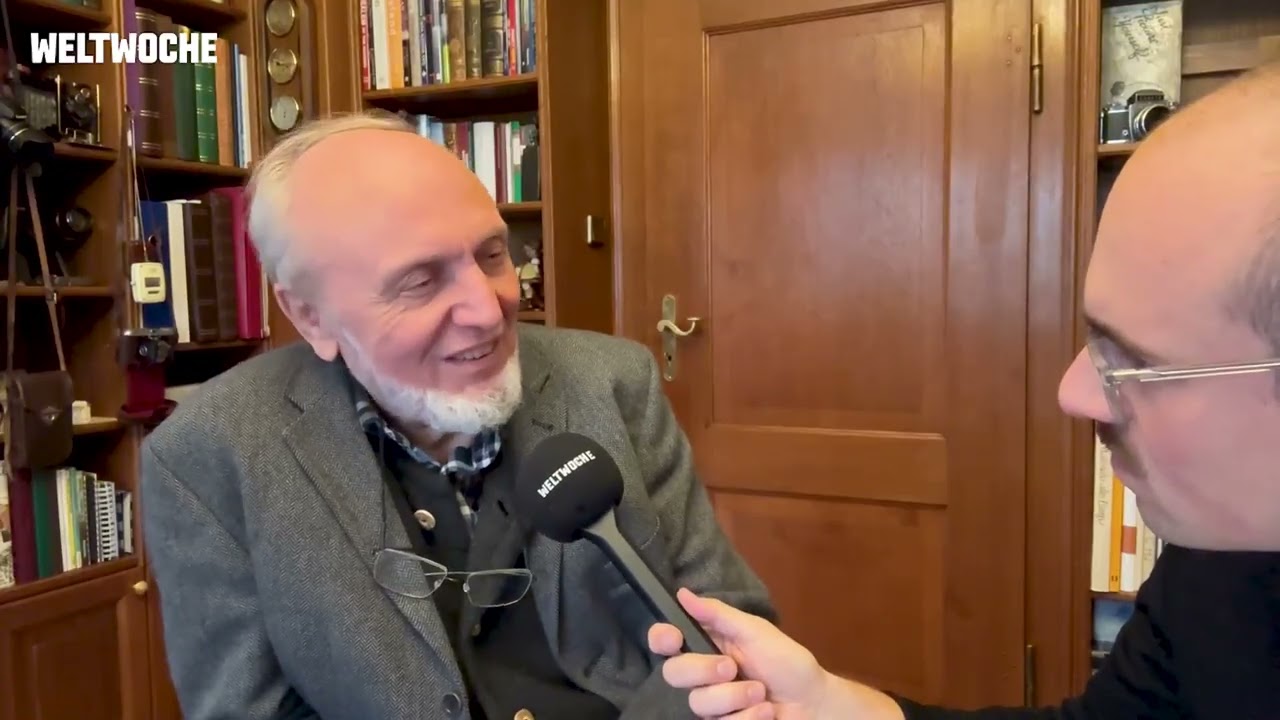
Added:I think European Union is a net positive as it is you think so as well it's a disaster disaster from many ways LGBT rights abortion rights Women rights and all this so-called rights it's [ __ ] I don't want to raise my future children as product of leftism in a way that you're speaking about left right is a bit divisive is like they are the enemy I'm not against the left I'm not against I am against the I'm not against they right but this polarization kills us people were voted for both of the so we need to respect each other and start working something I love your naivity you love my naivity so naive they think that they will harm us you know calling us far right I don't give a [ __ ] they can call me a pink elephant I'm going to fight for this continent I'm going to fight for Europe because this is Christian Europe this is Christian continent always has been I was campaigning for Mr Trump in us really you were campaigning for yeah I went to was and I was campaigning for him yeah but you spoke so romantically so far about Mr Trump yeah I love him as a politician only as a politician come on I'm I'm I'm very very straight is it on yes let's make Europe great again you think Europe is not great it's not it's falling everyone can tell by the attitude of the politicians mainly because it's not about people it's about what is happening now what is is happening here when you see like this famous example of the plastic bottle right yeah everyone yeah El musk is is making rackets sending them to to Mars soon and Europe is so great with this plastic bottle what is this everyone is making fun of us in Twitter and that would be funny if that would not be scary even that this is scary man because first of all this plastic bottles are example number one then universal charger for our mobiles they worked on it nearly 15 years to make USBC Universal in European Union 15 years now they want us to uh to leave uh meat and all this food because it's not healthy for you we're going to save Planet the Europe is responsible for 7% of pollution and now wonderlan and the rest of the left is they trying to save the world the globe with our pockets even though European Union is responsible for 7% this is madness so if you're asking me if Europe is great no it's mad that is the problem so we have to make Europe great again I mean come back to the common sense it was ever great it was by the way it we going to get into all these things but it's important to answer one question who are you I'm a Polish member M of the parliament Mr zero that's going to be easy to to remember my name is Dominic Dominic tar chinski I'm from Poland polish representative here in European Parliament second term I served two terms in Polish Parliament before politician for a lot of years so it's been 20 years 20 years and about 15 years in the parliament so long enough to say as it is so it's been 35 years you are 20 I mean I was 16 when when I started to be active I was 16 in youth now I'm 46 so it's 30 years of you know being in a politics and active politics for 15 years so I'm long enough to see what's going on and to see the greatness and the madness when I speak to you you smell a lot of experience well it is because um well it is because I've seen a lot I I I travel a lot and I I see I like me politicians I just came back from us and thank God you can you can see the difference the way The American Nation uh things now and what they decided about their future and and then I'm coming back to this building we are in European Parliament by the way now we recording this one wow so you're amazing you know how to make videos man I'm trying to better YouTuber than me I I I'm trying to explain it to the people where we are because this we're going to show you around how the studio looks no there's no one here we came here and there's no technicians why I I I I had this interview couple months ago and I and I and I said that there's no hot water in a top in in in the restrooms in in in the European Parliament can you confirm yeah there's no hot water for about five or six years since I'm here there's no hot water because they had because they had a problem with the pipe they cannot fix it Elon Musk is sending Rockets to the to the Mars and pipe actually yeah yeah they said they had a problem they don't know how to fix it okay it's a joke so if you're asking me when Europe was great when we had Greek philosophers when we had a Roman law when we have polish hos fighting Muslims defending Europe defending our identity that was the greatness of Europe and we have to go back I'm not saying that we should be aars now on the horses we are not Knights anymore but we are Europeans with our own identity our own future future and what we and we should develop the the not only European Union but the whole continent and we are not developing it's a backwards it's a it's it's a way to you know to go back to 15 14th century this is madness and uh this madness will be stopped that's it but how is difficult because I I'm I came here and I understood this is so complicated how the system works it's impossible to elect the right people in the right positions likea F and all this stuff so I I didn't vote for her me me as well I didn't vote for here but like um it's very difficult to change things here it is because of how big confusing bureaucratic the system is because everyone is happy leftist took over European Union years ago and they are so happy because of this of because of the system because they are the ones who are making most out of the system they are in charge of all this Bure bureaucracy they have people all over the you know institutions and like Simple Man bureaucrat is more important than MEP elected by the people like over 200,000 people voted for me and it doesn't matter if he will decide that this or that is not right it's not right so it doesn't have much to me with major democracy this is bureaucracy and I think Europe will be changed I mean European Union needs to be changed no one really believed that Donald Trump will be elected like this you know a lot of no no what I meant is by the mainstream media and those who are out with their voices with their platforms there is this very famous compition the um yeah compilation with the with Donald Trump will never be a president oh he's not going to be the president Tom Hanks Nancy Pelosi everyone all this and he that lands like Victory so when I speak to my friends Republican friends conservative friends and I say okay Europe will be changed they say oh no no it's SP it can be done it will be done it can be done it will be done yeah yeah it will be done yeah one I like your confidence but you didn't tell me how I tell you how but also it's important I will just put another thing for the conversation I think European Union is a net positive as it is you think so as well what it needs a in what way is positive well economically we we can travel across uh we can trade with each other we can go in different country and work we can travel for what about Switzerland with yeah what about Norway they are in the shenen zone I think also what what about trade traveling so you disagree that the European Union is good as it is for my country Cyprus I think it's a huge no it's not good at all it's a disaster so you think overall is a net negative of course of course it's a disaster disaster from many ways I tell you why number one every single contract every single deal between European union and I don't know Indonesia or any other place in the world there have to be LGBT rights abortion rights Women rights and all this so-called rights it's [ __ ] ideology of the leftism is in trade deals or there is no deal so they are using economical Force to think as they think as leftist thing in European union or there is no deal so they are not using tanks they are using money the using economical Force it's the same with very conservative Poland when we said we don't want abortion we do not want illegal migration we do not know all this crap we don't want green deal we want to have our miners Cal miners to to have a work provide for their families they said you're going to pay uh you're going to we're going to find you like a million euros a day they are forcing you to do things you don't want to do and that is the problem that Europe supposed to be the union of sovereign countries where is sovereignity when someone is pushing you your democratically elected government to do as they want this is not democracy I don't like that I don't want to leave I don't want to raise my future children as product of leftism I do not agree as a Catholic as a as a as a as a Christian with with abortion promotion of abortion I don't I do not agree with transgender IDE ideology which is present everywhere as a part of LGBT I do not agree with that and if if you do not agree you pay you might be fine you might be you you might pay for what you believe in so moving around as I said Switzerland is doing good Norway is doing good and many other countries are doing good without being oppressed because this is to me it's is some kind of Oppression and then economically come on are you trying to say that we are better than others in what way look at the public debts of the European Union look at the you know what they do with the green deal how much we used OD I'll give you an example like two hours flight in Europe from waro to Brussels like 3 four years ago was about I would say €700 now it's $1,500 because of the green deal because of uh taxes because of of the of because of their fight because they they want to fight for a cleaner clean planet and China is laughing Russia is laughing India is laughing and drilling so thank God for Mr Trump thank God for the man who will put the World on the right track again we do have to care about our planet I do agree but they behave like a sect they behave like they would be possessed you have to be you know you have to understand the need of the people and you have to understand that we human beings are the most important and development is important not getting backwards so all this pluses your examples are very often used oh we can travel oh we can what else what what else did you say we are not we are not North Korea even if country is not in European Union you can leave you can come and if you're giving me an example about shenen shenen was closed by Germany couple months ago like if you want to leave Poland on the Polish German border you have to go through all through normal procedure because just they Clos it because of illegals they think that legals coming from Poland no it's not they because this madness was started by Germany and to be frank Germany is in charge of European Union by the by their politicians by their influence and everything also they pay 25% of the GDP of the European Union they can pay they can pay 50 they can pay 75 it's their own decision it doesn't mean they can own us okay You Don't Own Me I'm not a prostitute you cannot buy me okay if you want Union if you want Corporation it's fine everyone has the same duties everyone has the same rights that's their system they are in charge of the system and they should um treat everyone equal using money is to me is a way of force of the force instead like like what's happened in Greece like I I I had a conversation with my friend from Greece and I said why do you don't like Germans so much and he said my apartment I rent from the German guy this apartment was built by German company when I'm getting down there is a bank next to my the entrance of my apartment building there's a German Bank the road is about to be built by German company the grocery shop is German NE and he's going on and on and on who owns Greece now in many ways that is very sad story but it's true they use the very weak moment of of this of this country and and they are using their opportunity to have more and more influence so I'm not that radical that I'm not the one who doesn't want cooperate I do as a partner not as a slave I don't like leftists to own me they will never own me they will never own Poland never ever it's over Thousand Years history country and when you're sining left this you mean because most of the members of the parliament and the administration have kind of a bit more left ideology this is what you mean okay I give you an example on Poland that's I think the best the best example Poland after the war was under Russian occupation right for 70 years Soviet Union controlled Poland Poland was a satellite country controlled and actually occupied by Soviet Union as a post communist country we still have people who were building communism in Poland they are old but they are still alive they do have a sons who are in charge of the media in Poland in many cases they have a grandsons who are in Polish Parliament or here in European Parliament and they they continue communism in a very modern way M suit I'm a Democrat now Social Democrat or socialist I'm going to fight socially for people they are coming from the Communist families that's not their fault but their fault is that they continue communist way of thinking I can give you names and that's example on Poland when you see the way they want to own you as a Marxism is the same way it's not only leftism with abortion and LGBT they want to take away your freedom what did they say about a what did they say about uh musk let's ban it it's danger for democracy how was it how was it how was it during the communism they just ban it you you couldn't do anything you couldn't say anything what is the difference the difference is just a [ __ ] they have a nice suit they are Democrats we are far right radicals and they are Democrats that's the manipulation they are not farle they are marxists they continue the work of the fathers and grandfathers in many cases I can give you names so when you see a beautiful lady a socialist like Eva Kili who was caught with the bribes with the cash with the money flowing from Qatar that's one of the example from socialist how they run this business in here I'm not stupid I'm a lawyer I'm doing my PhD on International and I know how things should work you think there is a lot of corruption people they are corrupted big time not only EV there was much so you think this is happening with a lot of MPS here oh yeah many of them were arrested like tarabella kolino they are all Communists like kolino from Italy he he he used to be a member of Italian Communist Party Communist party that's the actual name of the party so we are fighting with the communism and a new modern form but it's still communism it's a Marxism the way they behave they behave same way many of them so they are corrupted and this is not my opinion the Belgium arrested uh many of in un famous cutter Gate scandal you will see you hear only for six months after 5 years you will not be the same man I'm telling you believe me in what way you will be disappointed you will say I don't want to have nothing to do with it you will feel really bad sometimes it's like in the matrix it's better not to know because once you know don't take the pill I'm serious please guys take the pill sometimes it's better not to know but once you in it and once you realize you will fight them till the last day of your life I will do okay so we are going to talk a bit about how do we change Europe according to you but also I want to make a distinction so I see you in a way that speaking about left right it's a bit divisive yeah it's like they are the enemy yeah just like Mr mle said about them I no no no I like M I love him that's why that's why I'm trying to quote him communism is a [ __ ] as he said that's what it is that's what communism is in Polish law criminal law you are not allowed to promote fascism Nazis and Communists you are not allowed to promote Stalin or Hitler that that's how it should be when you see people well you said the same thing they shouldn't do it to uh very often very often the same argument appears but now you want to do it to them the same thing appears the same argument appears when it comes to Communism and fascism Let's uh imagine you living in a house right The Neighbor Next to You coming to your home tied you up rape your child before you rape your wife behead your wife and your child leave and then group of others Neighbors starting to wear his image on a t-shirt says we love him we love him we love him would you agree for that do you think it's a freedom of speech this is what they do with Hitler or Stalin Stalin communis is over 200 million victims Hitler killed 6 million polls I don't want him on a t-shirt I don't want him as a hero because it's not right and that is a major freedom of speech right let's say they have been Laden on their t-shirt as a we love him we love is that right no it's not so so you want censorship no it's not censorship it's it's a major responsibility for the Dignity of the nation this exactly what they're saying other okay so no no no no but where do you draw the line and who decides if is a good image to put on a t-shirt gen that is a very good question genocide my PhD as I mentioned is on international law especially on genocide and very very specifically on cultural genocide when you see people like when you see people like Hitler Stalin Bin Laden and others there is no no no there is there is listen there is no discussion there is no discussion that you have the right to say no no that's that's too much but when you're attacking X and mask for memes on internet because they don't like it because it's not in your agenda political agenda you cannot compare these things and you don't have to be a scientist or or you don't have to be a lawyer to to know the difference so I will never be open for kind of manipulation oh let's say whatever we want there there's no boundaries let's say musk is the same as T-shirt with with with Stalin or or Hitler it's not we have to understand as as God gave us brain God gave us conscious God gave us intelligence which should be used so it's not me it's them who are trying to use censorship on us to stop us from developing from reaching out people with ours mess with the TRU of history and what is happening in leftist States this is what they tried with Mr Trump this is what they are trying now with Mr musk this is what they trying with us as well so uh yes Freedom with responsibility okay let's talk about how do we change it because I don't agree with everything that you're saying but I agree that we we can improve Europe a lot there is a lot of room for improvement we're that's number one and we are currently like as we see like behind on what the biggest race in the human history which is artificial intelligence people are making fun of us yeah China just released it yesterday that's Christ us in many ways uh also United States yeah CR a lot of like the market all this stuff but Nvidia is going down for now but they don't know that Mr Trump is in the office now their respond will be great and that's why I love it because Mr Trump which I think is one of the greatest men in history and musk will respond and that will be that that's going to be Beauty for the goodness of humanity for development for um I I I think it will brings us a lot of good a lot of good to do to the humanity I love it I can't wait okay so uh we need to talk but by by the way you me we're going to talk about how to fix the EU but uh and what steps and what it needs to change but you spoke so romantically so far about Mr Trump yeah I love him and as a politician only as a politician come on I'm I'm very very straight platonic love exists no no no I'm I'm talking about you know but tell me about like uh I admire his work I think he's as I said one of the greatest history of humanity talk tell me a bit about the relationship with Europe and the Trump Administration Europe you Europe is Europe is Fright now that that if you would call if you would call someone a [ __ ] or if you would compare someone to Stalin or Hitler which they did to in Europe to Trump to M to to Mr Trump they compare it to Stalin or Hitler it's not a very wise idea for our biggest Ally to it's not very smart and the wife of Polish foreign minister did this Mr Apple bom mad Apple bom she compared Mr Trump who who did this Madame Apple Bal a wife of the Polish foreign minister compare Mr Trump to Hitler and Stalin I don't think he's happy I don't think I don't think he will forget about it the way they behaved like Germans there is a very famous speech I put it on my Tik Tok when they are laughing like Germans Mr Trump was he went like if you will compare if you will cooperate with Russia if you will buy gas from Russia you will become dependent don't do it this is what he said to Germans about their cooperation about norst stream 2 they were like this laughing at Mr Trump because he wasn't because they didn't treat him you know serious they are not laughing now you're not laughing now Germans why because he become a president again he will not forget their laughter it's not a joke they think it's a joke it's not a movie it's not a fairy tale it's a real politics and you pay your consequences for your wor for your behavior even for your body language they will pay for it so they are not happy not because they disagree they are not happy because they understand that drill baby drill means that American economy will boom in a minute and they ideology sick green ideology of saving the whole globe even though we we are responsible for 7% of the pollution is suicide it's Madness so I don't like this way of thinking it's a suicide it's a way to self-destruction so you are saying now we are [ __ ] big time because of we screw also the relationship with the United States yes we we have to rebuild it and uh I I I I I spent a lot of weeks during the campaign I was campaigning for Mr Trump in us I yeah I left this place and I said I'm not going to spend a minute really you were campaigning for this yeah I went to us and I was campaigning for him yeah just because your think is the right thing to do because I think he will he will save the world it's not only about about America this man and his victory is for the American first as he said that's obvious but if America is changed if America is safe Europe is safe is stronger Poland is safe we are next to Russia remember that and what he said two days ago he says to Putin if you will not stop this War I will put so much sanctions on you that you will cry like a baby let's say that's my words but the sense of of his uh statement was very very tough so I believe that his policies will influence the whole world that's why I decided to go to us I met many Polish people I had rallies and and and meetings with the crowds of polls and not only polls I was campaigning I even joined him in uh during the campaign in in v in salm Virginia uh during the the rally and I was doing like the biggest podcast in the world promoting him like Patrick B David and others I was really I I worked really hard to help this man because I think that my work was the work for the common sense that's why he said I'm not Republican I'm not Democrat this is the party of Common Sense we need common sense it doesn't matter if you're socialist it doesn't matter if you are called leftist it doesn't matter if you have a common sense you will come back home because there there's so many leftists converting now saying oh I was manipulated that's wrong this and it's good we want people back from the sect I do believe that it's possible so when you're asking me how we're going to change it we're going to win elections by taking people back hold them hug them and say welcome home let's fight for our values for our families for our safety for our development for our growth in many ways for our education how because of Mr Trump the first steps on let's say Facebook there's no pregnant men anymore there's no Emoji of pregnant man anymore this madness will be stopped by his influence by freeing the bird X is free now and will not be stopped you can communicate you can share your ideas and then we it's a beautiful thing actually with X now that is free speech and you can see a lot of arum I go to x now I was never a user of X but now you go and you see very and you see how you how you feel you you went oh it's a great you know how many millions and millions people can breathe and say oh it's a beautiful feeling you see we have to free the the bird was freed and act as a platform where you can exchange your views with those who do not agree with you you're not banned you have to remember that Mr Trump was just banned he had no rights that's it's even crazy like it was the city president yeah and it was banned from Twitter so this yeah this is this is madness this is actual War so how we going to win it thanks to Mr Trump we're going to win elections in every country in Europe okay now you are talking about how to fix Europe now right yes okay let's go how to fix Europe go out to the people be active because the question is what how I went to America I spent many weeks campaigning thousands or millions of people like I do spend their time and they changed the nation Landslide Victory never happened in my opinion why there's why European politicians are not so active why he was doing like three or four rallies a day a day I I I Witnesses I was there and I was like God this man is really he took a bullet and he didn't stop compare it compare him to European parliamentarians they are just eating lunches having a good time here there is no comparation so we have to be active we Republicans conservatives like myself to travel around Europe convince people talk to them spend time with them it's not like we have you know campaign for three or four or six months our life political life is a campaign now it's a war if you don't want your child to be exposed to transgender ideology if you do not want your child to be in the danger of leftis leftism ideology of 52 or 68 genders [ __ ] crap you have to work your ass off now for the future of your children and I mean it because I don't see my post as a job I see my post as a man responsible for his family but for his I want you to be more practical how do we change campaign campaign use media use social media you see that's why I agreed to have this conversation with you because I think you are the great example we agree or not you're the great example of people where where we can spend some time have a conversation and a viewer will decide he's right or not I like it or not I like some part of it or not and then apply it to his life cooperate you don't you don't have a problem to talk to me no I having so much fun I was excited me too thank you very much so I I think we have to use social media because we are the media now we are the media now musk was right musque is very right we are the media now the very basic reason they hold us for years is Media mainstream [ __ ] media now we have a now we have podcasts be active even if you have 20 sub subscribers if you have 10 talk to them so you if you're asking me practically yes I want people to understand that it's not up to us only not only about politicians obviously that's our Duty and responsib ility mainly because we are elected to represent them but we have to fight as people fighted for for fight for for for Mr Trump during the campaign like everyone was active on Tik Tok on YouTube X everyone was very active they like I would say the nation was a headquarter of his campaign like everyone was a member of this great movement so I think we have to start the movement in Europe because when I said make Europe great again as a movement and they said oh some some left oh why do why you are copying America this is Europe because it is not America making great Europe as a movement of Common Sense political parties around the world that's why I said Mr Trump is one of the greatest in history of the world because he started the movement of common sense instead of 56 me through genders and pronounces and all this [ __ ] wel me through okay we campaign yes we win over and then we going to then they vote in the next election European elections in a better way that you think that you're going to convince them and then we have the Parliament that is a majority different opinion and different commission and different Commission because the parliament has to confirm the the president of the commission as you know so wonderlan let's uh send her home green deal rubbish trash but by the way a lot of people here in the parliament understood that the green deal is problematic even the what do you mean problematic problematic is is raining weather outside green deal is a disaster so we have to get rid of it problematic stop come on problematic this is [ __ ] which destroys Our lives our prices cost of energy our production this is disaster so we have to get rid of this [ __ ] we have to get rid of the of the commission which is in favor of this ideology because you have to remember there is no logical explanation of all this green deal [ __ ] there is no explanation but uh okay as I understand everything happens behind closed doors here in the that is the problem European Parliament so let's say the next time we vote for the similar person like Wonder or wonder herself she will come she will promise a lot of stuff to the parties before I will do this for your agenda I will do this I will do this and then she will get behind closed door agree and become elected as well it's like that's why I'm not as hopeful that we can change uh Europe I don't know I know because we can because there is look at Mr Trump first day 200 executive orders he was sitting there in front of the cameras next one next one it can be done when the right people are elected you see the problem of yours is going to be even bigger in 5 years you will lose all your hope you will say oh I I can't believe this I do not believe it can happen it can happen when I said zero illegal migration in Poland they called me islamophobe they called PA islamophobe we didn't let anyone in zero no one can be done Mr Trump build the wall what we said our government let's build the wall we build the wall they even managed to kill one of our soldiers as you know with the spear through the wall we passed the law in Polish Parliament that we can use live bullets now so if you want to cross the border if you want to cross the border illegally if you want to cross our wall to harm one of the Border Services or soldiers you will be killed can be done can be done you have to have a right people we pass the law that we can use Len weapon you can you can use live bullets and if you want to harm or kill one of our soldiers Border Services you will be killed so why if in Poland it can be done why it can be done in European Union it can be done we have to elect right people so I'm very optimistic after what I've seen in us I'm going to work work very hard to make it happen in in uh in Europe but we need to have a movement people not politicians we need make Europe great again movement now and I'm starting to build it step by step it's going to take time but Victory final Victory will come will come so this is the way that you are describing of change we get more a lot of votes on other stuff do free media first of all free media be active in the media social media be active when you talk to the people vote change your government's leftism get rid of post Communists because they are a Cancer a cancer to the major democracies I'm not saying that the different opinions should not be present that's democracy right we do not agree with everything in 100% but that's democracy major democracy what they do they sign in us like like they get rid of us from in the Committees like we have nothing to say nothing they they just rule as they want that's true that's the Practical fact it's much more not trying to do work inside the European un Parliament to change things you are trying to change the public we have to change treaties because as you said I think there there is a need what they trying to do they want they want to change as you know when you are joining European Union as a country you sign the treaty right when you have all the rules how you're going to be treated how you treat European Union this and that they don't give a [ __ ] about it they don't care they they there is many examples when they do not care about what they signed so you don't change the rules during the game they do they don't give a [ __ ] that is the problem right so treaties must be changed European Parliament structure to change in what way in in a way to provide the real sovereignity to the member states European Union is not a country it's not a state right it's a union of Independence and sovereignty countries right so why do they decide about our Judiciary why do they decide about abortion why do they decide in in me about many cases which are excluded in the treaties why so you think that European Union should have a lot less influence of course to the member states as you said in the beginning they should provide us free trade between the countries easy access to the countries traveling not telling us to kill our own babies not telling us about abortion not giving us this [ __ ] about LGBT ideology there is nothing in the treaties you think it should be like uh what um Trump did every member State Should every state in United States should decide their own rules and regulations about the even more even more because even more because with all the respect I don't want Belgium to tell me polish with thousand years of History what the tolerance is or what the rule of law is I don't want them to tell me that they have no we had a who had the first constitution in Europe second in the world is it Poland it is Poland and they are trying to tell me about the rule of law so after 70 years of Communism I do not want any system to be over my Judiciary over my Constitution over my dignity over my rights over my freedom if you want to cooperate it's fine let's have a union let's not pay taxes this and that right let's cooperate but you do not owe me you Berlin you Brussels do not only okay so I understand freedom freedom of the Nations so any countri as it should be as it is in a so the big picture is we are going to get a lot of members in the European Parliament that they have the ideology that you suggest and they're going to have the majority in a lot of this stuff and if they have the majority it will be easier to cancel stuff to pass stuff no if you okay if you buy a car canel I mean to about the green deal if you buy if you buy a house you pay for your house or car let's say a car house you buy a house and after a year past owner is calling you okay you bought the house but the windows are mine so close the window now or open the window now doors inside your house are mine so pay for for you but you said but the contract doesn't say that well it doesn't say directly but it's mine that's how it is with the treaties we signed a treaty and they say you cannot change your Judiciary System you have to provide Health Care education about abortion you have to use pronounces because you are not mod enough if you have the majority in the parliament we can change the treaties yeah so no no the Pro the problem is that the treaties must be accepted by the European Union that's number one we have to change the structure of the parli but like in Sweden in Sweden over 100 so we cannot change the treat we can we have to change the Parliament and the commission because Parliament accepts and confirms the president of the commission so we have to win elections to the European Parliament and the best the best way would be if the countries member states would have common sense parties Freedom parties in charge of their own governments that's the most important so what I would suggest get involved in make Europe great again in your own countries fight for freedom and I mean it be active social media is the best way the best tool I think if people will not take responsibility and action nothing will change just like in Sweden over 100 Years of socialist ruling Sweden look what is happening in Sweden no go zones illegal migrants rapes terrorist attacks stabbings beheadings all this in Sweden over 100 Years of ruling of socialist leftism look what they've done to this country I don't want it in Poland I don't want it in Europe I want this beautiful beautiful continent to be romantic like Paris what is happening in Paris now it's burning it's a fact who wants to go and engage in Paris now next to the trash bins and and next to the illegals who are fighting you know raping all it's official data from here from eurosat look what is happening in Germany look it's what is happening in beautiful Italy thank God say milone is fighting but look what LEF is did to to Italy I went to lampedusa I've seen it with my own eyes I don't want it I don't want it I don't want Europe to be destroyed so I understand so you're saying Parliament we win elections and then we change treaties as we go so that's kind of your way of changing uh Europe and number one then then then then then we have to cooperate with United States you like it or not United States is the leader of the Free World after four years of Mr Trump they will get so strong that we have to cooperate with them we do not want to cooperate with Russia belus Iran we don't want that China will eat us like this they're going to swallow us we don't want that because we are who are the owners of this continent okay Greek philosophy did not come from bhan Roman law did not come from Shen Z they did not come from Beijing They Came From Italy they came from Rome they came from Greece polish husars did not come from beijin we have dignity honor and history we have our own identity and this is what I want to fight for for who we are do you understand my love to this continent my understanding of who I am meaning of my life meaning of being here on the planet I love being European I love being polish I have no complexes at all about it I love it I love history I know who I am I want to leave something after me right I don't want to sit here and watch this [ __ ] crap I want to fight in the real War I don't want to waste time that's why I'm trying to encourage everyone to be active okay can we talk a bit about the Polish presidency do you think we have roted in presidency every country gets for 6 months do you think this is important do you think this affects anything no or do you think this is just a show it's just a show what what what do you mean presidency what what comes out from all previous presidencies it's just a beautiful name fancy name presidency like someone would be a president doesn't mean nothing it's a kind of honorable title what does it what does it do to you practically I mean I don't know I'm I just had hungar presidency and it was he's having presidency now I'm having presidency now what does it do nothing you sit somewhere you call differently but practically it doesn't do anything it's [ __ ] because bureaucrats and European commissions commission they are making all these decisions and all this presidency crap doesn't do anything because presidency says oh we would like to work on the planet because planet is burning and then urula is coming saying more not enough so you can propose something you have you can have your own agenda it doesn't mean it's going to happen so to me it's a theater and bureaucrats are making all this decisions and uh I mean you can you can I mean you can try to you know propose something but there is no real power in presidency it's a wrong name presidency they are playing with the words to make it big you're leading the meeting that's it it has nothing to do majority of these bureaucrats will make up all these decisions that's it you're going to spend here 5 years and you're going to be really disgusted so about the I'm sorry to say really yes very hopeful me unless unless my dear unless you're going to join the movement and you're going to to fight for real Freedom as you see this Freedom not the oppression with all this pronounces [ __ ] and transgender kids I don't want this [ __ ] no so uh you we had the your your president or prime minister was talking in the previous plary session in the and he was saying we need to uh stop the far right and they have not nothing to do in this Parliament and then I don't have a problem with uh what he says he can say we have democracy I respect your opinion but and half of the no most of the parliament stand in club so I'm not against the left I'm not against I am against the I'm not against the right but this polarization kills us we cannot cooperate we cannot work together if we are attack they do not want they do you see the difference between us and them is that I said so you don't like your your prime minister it was prime minister no I don't like him at all he's the one who says that Donald Trump is a Russian agent how can you say this kind of crap Russian agent yeah that's what he says publicly during the one of the rallies that Donald Trump is a Russian agent no I don't like this and uh you see the difference between us and them is that I said let's bring leftist the victims of the leftism home hug them and take them with us this is what I said right but they do not want cooperate with us because we are far right like that would be something they're not even far left they are sect extremist Marxist sect they think that they will harm us you know calling us far right I don't give a [ __ ] they can call call me a pink elephant I'm going to fight for my country I'm going to fight for this continent I'm going to fight for Europe because this is Christian Europe this is Christian continent always has been but you know one of these the things that need to happen instead of just calling uh mist or left or far right or far right and extremist they need to people need to say okay what is the policy that you disagree and like they cannot do this like they just okay far right [ __ ] them we don't talk to them and it's like we need to talk okay where do we disagree and like people were voted for both of the so we need to say respect each other and start working something I love your naivity you love my naivity so naive it's like Mr Trump would try to cooperate with Nancy Pelosi AOC Jack Schumer or the rest of the left do you understand that they hate us they do not understand the word Corporation they want us to disappear they do not want us to exist just like marxists oh that's that's 100% true that is the problem they do not want us to be on this planet it's a fact just like Communists that's why they killed 200 million people Communists hate Humanity they wanted to own people like a subject that is the problem so the far left like far left they do not want want us to exist they want us to get out of the politics they want to be the one they they they they don't like democracy they using these beautiful words democracy freedom of speech um liberal democracy of this crap but behind these beautiful words their actions are really totalitarian that's a fact and uh just to go back you said in the beginning one point about oh it's been 12 a lot of time that we're doing we have another word to fight in a minute what word to fight I have another meeting but that's okay we have to we have time don't worry okay uh oh you have Comm I have as well so um you said that the European Union is trying to impose their View and ideology economically to other countries that's right and I want also the people to tell us their opinion what they think but I think I came to understand that this is true we say if you don't act according to what we want we don't give you money we don't trade with you or you will have to pay like we did not um agree for illegal migrants and do you think and they said they said okay so we're going to find you 25,000 for each illegal migrant which you should take by the quas they they started with this qu system so they they find you a lot a lot millions and we said we're not going to pay the life is more important that your money you paid or you didn't pay well they did not pay us what they should basically so they deducted it from the money they it should come to P so we paid for it yes we paid for our freedom we paid for our safety zero terrorist attacks so you think in Poland the only country you think because we are giving them money if you are giving me money you can have some string ATT tach for example you think this is right or is wrong to give money and expect these three things for you to change according no one no one is giving you money when we join European Union we open our market for you you make money on our market then you share the money you make around the countries some of the countries joined yesterday so they are growing some of them joined 20 years ago they are big so if you want to make money on my land if I let you use my market you're not giving me any anything you are sharing the money I own because of my land so European Union is not giving us anything it's not a Grace because European union doesn't have its own money you get it we gave them 40 million people Market in Central Europe most of the Germans let's say markets are present in Poland many many companies are present in Poland they're making billions on our Market because we allowed them so there's no Grace there's no money from European Union because European union doesn't have its own money like every other government but it's giving some money to some countries to that they are in the transition period but then you're becoming a net payer and then you're then you are becoming a net payer and you pay more into the European Union that you are given it's a process do you get it no okay when you are in European Union let's say for 10 years you are given more than others you're growing then you are coming to the net payer and you pay more you pay thousand but they pay you back 800 Euros that's what is happening okay so you think this shouldn't happen to give money to well it should happen but not in a way they did it in their system for example agriculture when every country joins European Union you have to um you have to have your own standards obviously from European Union to produce whatever you produce to get money for agriculture every farmer has to submit documents very complicated every country has a problem with it because people do not know how to do it it's complicated bureaucracy is terrible so they know like European knows from Decades of practice that if budget for agriculture for this country is 100 let's say 100 million euros only let's say 40 will be used by the for Farmers because they will be able to fill out all the forms and they know that they were not going to spend it they're making money on it do you understand interes so I will tell you more when we meet next time yes and it will be interesting maybe in the future to see if I'm more if you like it if the viewers like it I'm happy to come again yes and I'm to discuss if I'm more hopeful or less hopeful you will in the future thank you so much I love you thank you guys for watching we love you thank you very much come next time
Up Next
Why 'Cleansing' Is the Most Dangerous Word in Politics
@umassboston
103 views•2021-09-14

BRICS Pay and de-dollarization: A New Financial Order Emerges? | 55 chars
@DannyHaiphongYT
164.6K views•2024-10-22
Government Surveillance Methods: 10 Ways You May Be Watched
@BeAmazed
1.6M views•2017-04-09
Explaining the Saudi-Iranian Proxy Conflict in the Middle East
@Vox
18.2M views•2017-07-17
Related Study Plans & Knowledge Roadmaps
Structured learning paths in Political Science