
![PSICOLOGÍA - Bases biológicas de la conducta [CICLO FREE]](https://i.ytimg.com/vi/l5Bxh7DHiRo/maxresdefault.jpg)




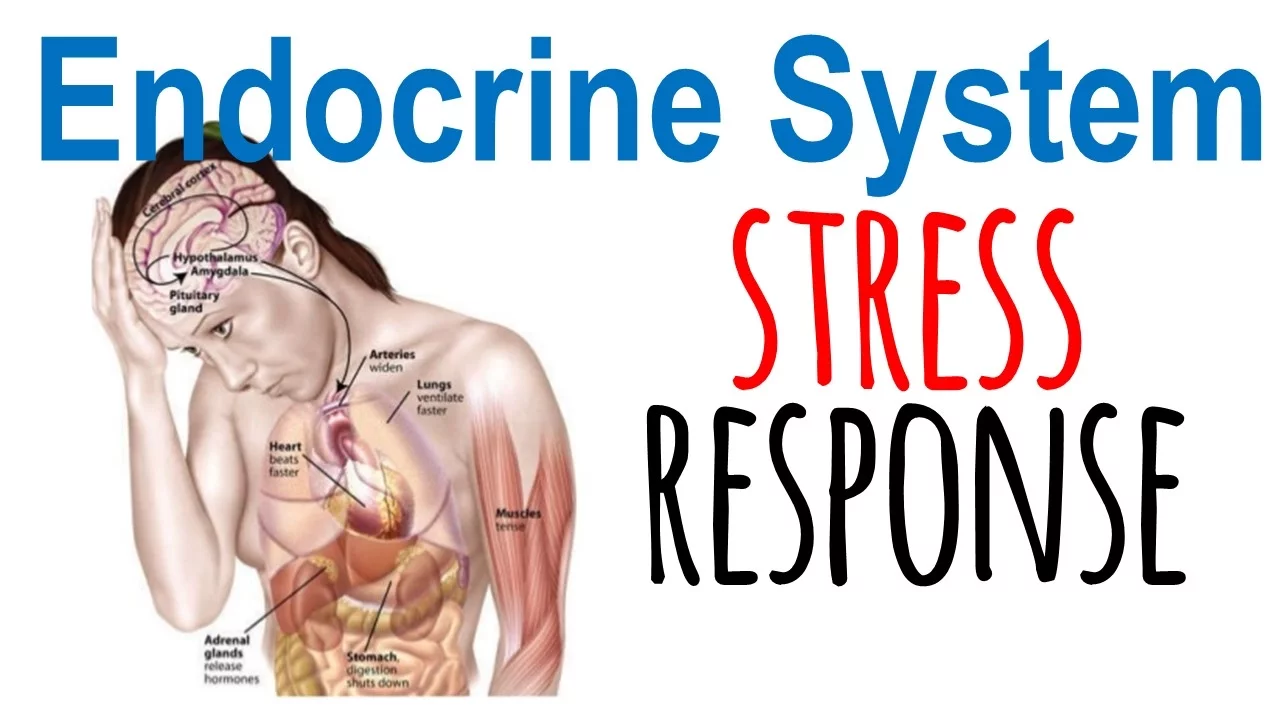

















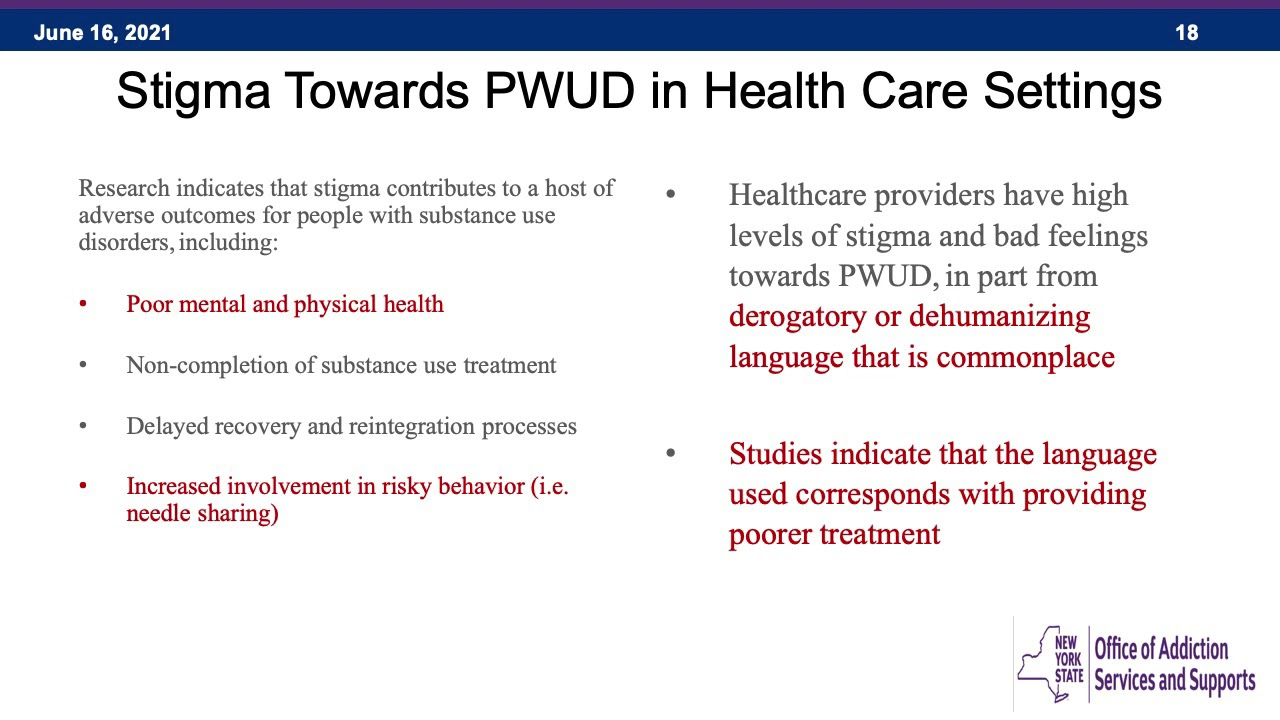








Psychological trauma triggers the hypothalamic-pituitary-adrenal (HPA) axis, releasing cortisol and other stress hormones that initially help with survival but can cause lasting neurobiological changes when chronically activated. These changes include reduced hippocampal volume, hyperactivation of the amygdala, and dysregulation of neurotransmitters like norepinephrine, serotonin, and GABA, leading to symptoms such as emotional dysregulation, hypervigilance, and difficulty concentrating. The body's response varies significantly based on individual factors including prior trauma history, available social support, current mental health status, and cumulative stress levels, which explains why not everyone who experiences trauma develops post-traumatic stress disorder.
Trauma and Brain Function: Neurobiological Impact of Trauma
Added:CEUs are available at AllCEUs.com/Trauma-CEU i'd like to welcome everybody today's presentation on the neurobiological impact of psychological trauma and the hpa axis or our threat response system now what we're talking about is not necessarily ptsd we're talking about the impact of trauma on our hpa axis and if we have excessive stimulation of that hpa axis it can contribute to traumatic injury but not every trauma causes traumatic injury and we do want to remember that there are things that we go through that or you may have gone through which may have not been caused traumatic injury it was traumatic but you had enough resources and resilience and all that kind of stuff that it didn't cause injury or long-lasting effects and there are other things or or somebody else may have gone through a similar situation and not had those resources and experienced traumatic injury from it so we do want to recognize that every trauma impacts every person differently at every point in time what was stressful for you five years ago may not be stressful now or vice versa maybe five years ago you were just kind of walking on sunshine and right now you've got a lot of stress and you're already worn down so we're going to start by defining and explaining the hpa axis identifying the impact of trauma on the hpa axis and the impact of chronic stress and cumulative stress on the hpa axis finally we'll identify symptoms of hpa axis dysfunction and interventions that are useful for people who are experiencing hpa axis dysfunction i'm going to say that a lot hpa axis stands for hypothalamic pituitary adrenal axis i call it our threat response system for short just because i get tired of saying hpa axis this presentation is based in part on the article post traumatic stress disorder the neurobiological impact of psychological trauma that was published in 2011.
attention therapists all ceus is grateful to our new sponsor the diversion center they offer workbooks that are 100 editable and delivered to you in a word document on topics including anger management substance use disorders domestic violence parenting and shoplifting addiction each workbook can be used for individual or group sessions and is over 120 pages you have the option to add or remove content insert your name as the author and reprint and resell the workbooks to your clients go to privatelabelworkbooks.com and take advantage of their buy one get one free bundle offers remember that's privatelabelworkbooks.com neurobiological abnormalities in ptsd or trauma overlap with the features found in traumatic brain injury imagine that we actually see physiological changes shrinkage of the hippocampus and other physiological changes as the result of environmental situational emotional trauma not just actual traumatic brain injury like from a concussion the response of an individual to trauma depends not only on the stressor characteristics you know let's look at what's what actually happened but also on factors specific to the person such as the perception of their stressor how close did this occur to the person's safe zone we have places where we feel safe you feel safe in your home hopefully you feel safe at work hopefully if this whatever this trauma is occurs somewhere where you thought you were safe suddenly you don't feel safe anymore it's going to have a stronger impact than for example if you experienced a traumatic incident when you were on vacation a thousand miles away from your house your similarity to the victim if you are the victim then obviously you're very similar to the victim if you are interacting with people and maybe you are the parent of the victim or the great aunt of the victim um or even you are a therapist working with the victim or the survivor and you feel a great deal of similarities with that person then it may impact you more one of the things i see in emergency service personnel is we have some uh first responders that go out to say a child drowning and it impacts them don't get me wrong it impacts everybody but the ones that tend to have a stronger reaction also tend to have or have had similarly aged children at home at some point so it's very similar they can almost see their child in that position and the degree of helplessness how powerless that person felt which kind of goes along with what joseph pointed out trump trauma definitely is affected by or our ability to handle trauma is affected by our age children need to have those social supports they need to have their parents their primary attachment figures there to help them feel safe children need to have a lot of other resources because they don't have as many experiences so something that may not seem like a big deal to us may seem like a really big deal to a 10 or a 12 or heaven forbid a five-year-old and they don't understand things the same way that we do they are also very egocentric a lot of times they feel they think that something they did caused the problem or something they didn't do may have caused the problem or in the in the case of say a hurricane they may over generalize and start having fears whenever any thunderstorm comes along because they were in that hurricane so they think that every storm is going to be a hurricane we do need to make sure that we work with children after stressful incidents to make sure that they understand what happened to the best of their ability they may not get death they may not get addiction and we need to help them depersonalize it so they understand it wasn't something they did or didn't do we need to present them the information in a way that they will understand and keep reiterating to them that they're safe and help them feel safe recognize that a lot of children's behaviors when they are experiencing trauma are often reactions that are designed to elicit control or structure or comfort from those primary caregivers regression acting out those sorts of behaviors we want to look and say what is this behavior communicating to us people who've had prior traumas tend to have a stronger reaction to successive traumas they've found that people who are in a state of hypocortisol ism um and we're going to talk about that in a little while but people who've experienced prior traumas and it's impacted their physiology actually are at a greater risk for developing ptsd from future traumatic events it is they're already primed so to speak or whatever you wanna however you wanna call it the amount of stress in the preceding months also contributes to our reaction if you've had a great six eight twelve months leading up to whatever this trauma was then you're probably stocked up on emotional cognitive social resources your energies built up however if you have had a hell of a year and a lot of times they say that bad things come in threes usually by the time you get to that third thing you're done you're exhausted um but if you've had stressors and challenges even small ones they add up and they can wear down your recovery resources your recovery capital so you may not be in the place to have the resilience that you you might have had should you have not had such a hard time in the past few months current mental health or addiction issues obviously if you've got something currently going on then you're starting 20 yards back and we need to take that into consideration people who are currently symptomatic for some sort of mental health issue are probably going to have more difficulty dealing with the traumatic stress because their neurotransmitters are already out of whack and the availability of social support and i'm going to talk about this multiple times but there are critical windows here social support in the first 24 hours is the most critical if somebody gets social support in the first 24 hours it helps them process what's going on before they start compartmentalizing it we can only experience crisis oriented stress for so long before we start having to kind of try to pack it up and do something with it after about 24 hours 24 to 48 hours it's still there it's still raw but people have caught their breath a little bit and they've started to push it back and social support is still helpful here because it's still easily accessible to process after about 72 hours people have had to pack it up and put it on that back burner for a little while because it is too overwhelming to continue to feel that level of distress and it makes it harder sometimes to access it after about 72 hours some people may start saying you know what i've got it it's not that big of a deal and in reality it probably is they have just put it away in a box somewhere that is going to require energy at some point in time the vast majority of the population has experienced trauma but their reaction is limited to an acute transient disturbance it may be a few days a couple of weeks something like that the signs and symptoms of ptsd reflect persistent adaptations of the body systems the neurobiological systems to the experience trauma and you notice i crossed out the word abnormal adaptations it is a very normal adaptation the stuff that happens because when we're under stress that hpa axis kicks off and i'm fond of it when it's working well because it helps us survive it tells us fight or flee let me give you the energy so you can fight or flee but when it stays active for too long it starts causing lots of problems such as you know destruction of neurons and all that kind of stuff one of the things that the body does is try to dampen that a little bit um so we're not running so hot so often and but that reaction you know our body's reaction to try to balance out that persistent high level of cortisol glutamate norepinephrine results in changes in our neurochemical system the hypothalamic pituitary adrenal access the hpa axis or our threat response system controls reactions to stress and regulates many body processes i want you to think about why why does the hpa axis control these things digestion well when we've got a fight or flea it is not time to be resting and digesting it's time to get that food out of the system to speed things up and focus the energy on you know protecting ourselves the immune system when people are fighting or fleeing you know cortisol actually suppresses the immune system suppresses initially suppresses and inflammation in order to divert all that energy to the current crisis so people's immune system goes down mood and emotions are altered when that hpa axis is activated norepinephrine glutamate adrenaline those are coursing through your system some dopamine those are your go get them those are your excitatory neurochemicals which means it is turning down your body's turning down if you will the dial on serotonin which is more of a calming and gaba which is sort of our natural value and our endogenous opioids those are going you know now is not the time to worry about pleasure now is not the time to worry about reproduction so estrogen progesterone and testosterone all get altered in their levels and the receptors that are being activated so our sexuality and our libido goes down so you can see somebody who has a persistently activated hpa axis may have digestive problems reduced immunity mood issues because that serotonin and gaba is not helping to help the person feel calm and happy and relaxed and all those things additionally that low serotonin also reduces pain threshold so people tend to feel more pain energy storage and expenditure is also all over the place so people with for example diabetes have a hard harder time controlling their blood sugar cortisol one of the things it does is tell your body dump glucose dump glucose we need that fast energy so if cortisol is constantly surging through your body then you've constantly got glucose surging through your body so that glucose insulin balance it ain't there and it's important for people to remember that that they may feel hypoglycemic faster they may get a little bit edgier faster these are all things that we need to recognize when people are experiencing stress help them understand why they're having these different systems or symptoms and why it makes sense from a survival point of view and to a certain extent that's awesome i am glad your body is focusing to try to help protect you the ultimate result of hpa axis activation is to increase levels of cortisol in the blood during times of stress we call cortisol our our stress hormone and it's there to help us get motivated but when the hpa axis kicks off cortisol goes really high and it can eventually cause some problems cortisol's main role is in releasing glucose into the bloodstream to facilitate the fight-or-flight response it also suppresses and modulates the immune system digestive system and reproductive system cortisol plays a big role now when we think about people who experience chronic stress what hormone do they have that is generally very high i'll give you a hint it's cortisol we're not necessarily just talking about some trauma we can be talking about chronic ongoing stress they found that there are a lot of lifestyle factors that contribute to hpa axis hyperactivation the body reduces its hpa axis activation when it appears that further fight or flight may not be beneficial remember think about a a bath you know you're running a bath you turn that hot water you know wide open that is your hpa axis that's your fight or flight that is the heat the get up and go but it starts getting a little too hot and you want to turn on the cold so you don't burn yourself well your body does the same sort of thing it wants to protect those neurons wants to protect your body from running too hot so to speak but eventually what happens that hot water you only have so much well unless you have limitless hot water but most of us still have a hot water tank and eventually that hot water runs out and then it starts running cold if you want to think about it that way the body's trying to balance against the excessive heat of the hpa axis but the hot water runs out the body doesn't cue into the fact that that's happened yet so it continues to try to protect you from that excessive stimulation which can lead to feelings of depression it also can create a situation called hypocortisolism where the body is actually blocking cortisol from going through because it's saying okay we can't have this much cortisol going into the system because it's overdoing it kind of like flooding a garden with water you know that would be if the if the farmer put on a nozzle so he wasn't putting so much water out into the garden hypocortisolism is seen in stress related disorders such as chronic chronic fatigue syndrome burnout and ptsd and it's actually a protective mechanism designed to conserve energy during threats that are beyond the organism's ability to cope so this other reason for feelings of flatness and apathy after persistent or ongoing hpa axis dysfunction is the body going i've only got so much energy left and i'm going to conserve that right now so when there is a problem i can spring into action oh but there's a problem with that when they spring into action then the hpa axis goes from apathetic and kind of flat and the person is you know blah feels blah to emotional dysregulation there is no middle ground when the hpa axis has gone into this um hypocortisol or glutathio glucocorticoid resistant state so we see a lot more emotional dysregulation until we can get that hpa axis re-regulated and we need to look at all the causes for dysregulation including sleep disturbances excess caffeine pain mood issues cognitions lack of social support you know there's a whole list of biopsychosocial triggers for stress and stress activates that hpa axis dysfunctional hpa axis activation will result in abnormal immune system responses which generally suppressed immune system for a while but the interesting thing is initially the hpa axis suppresses inflammation but after a stress response the way the system's supposed to work the cortisol subsides and inflam inflammatory cytokines are released into the body why because they circulate around and find any places of injury cause inflammation cause blood to go to the area for repair and rejuvenation so it makes sense but if that hpa axis stays activated and never kind of calms down then you have this weird situation where you've got cortisol in the system but you've also got circulating systemic inflammation what do we know about suppressed immune system and increased inflammation a lot of times that's related to the development or exacerbation of autoimmune issues there can be increased inflammation and allergic reactions irritable bowel syndrome such as constipation and diarrhea reduced tolerance to physical and mental stresses including pain you know it could be the person is just edgy and irritable i say just and they also may have difficulty tolerating pain tolerating hunger tolerating blood sugar alterations and there are altered levels of sex hormones because the body is still getting this message that it's not safe to procreate our our little you know ankle biters aren't going to be safe yet fatigue interestingly enough when we experience extended hpa axis activation one of the symptoms is fatigue and fatigue is actually an emotion generated in the brain which prevents damage to the body when the brain perceives that further exertion could be harmful so i was at the gym today and i was doing a lactic acid threshold workout which you know those suck i'll just tell you and after about 30 minutes of working at 98 to 102 of my max heart rate i was starting to feel really fatigued i was like i don't know if i can finish this segment here that was my brain going okay you done pushed the envelope it's time to back off because you're getting to the point where you could start hurting yourself fatigue in sports is largely independent of the state of the muscles themselves and is more related to core temperature glycogen levels i was fasting before i worked out so my blood sugar i had run through it by that point my blood sugar was really low my core temperature was high oxygen levels in the brain thirst sleep deprivation and level of muscle soreness and fatigue so thankfully i only had two of those things working against me so i was able to complete my workout but fatigue can be cumulative and we want people to recognize that and this is true during daily living too not just in sports if people's blood sugar levels are not adequate if they're there's not getting enough oxygen to the brain they're breathing shallowly if they're dehydrated sleep deprived and have muscle fatigue for whatever reason and sometimes people who are depressed report feeling a lot of heaviness and muscle fatigue then you know you can see that they may be experiencing ongoing fatigue that may be unrelated to sports it's more related to that hpa axis activation because the body is still acting as if it is being stimulated by something like running from a lion or sports psychological factors that can be involved in reducing fatigue including your emotional state if you are enthusiastic about it which most of us are not enthusiastic about trauma but if you're enthusiastic about it it can reduce fatigue which is why athletes tend to see that finish line and they start to get enthusiastic and they can push past that fatigue we want to help people see the finish line we want to help people feel efficacious we want to help people see the progress that they've made and see that their destination is not unreachable knowledge of an endpoint you know if you're just you keep going and it's like eventually maybe you'll feel better you know it's hard to keep going but if you know that okay this is 10 weeks of therapy or you know this is a mile run or whatever it is or you know that this pain you know you had surgery and the doctor says you know in three to six weeks you should be feeling significantly less pain that i know shoulder surgery is a huge hugely painful surgery and but people who go through it they know okay this is really hideous right now but i know hopefully after this recovery period i will feel better other competitors or motivators can reduce fatigue so if we have good social support for people who are around us when people are going through trauma that can be seen as motivators not competitors necessarily when we're talking about trauma but they are people that are there to motivate us to cheer us on from the stands so to speak if we want to keep with this analogy and visual feedback can help reduce fatigue use baseline charts use journals use logs to help people see that they are gradually improving fatigue is one sign that the body is getting ready to down regulate the hpa access to start holding on to those energy reserves in counseling practice we need to figure out how we can reduce fatigue and help clients restore hpa axis functioning and a lot of it comes back to incur having them have a survivor mentality and a positive emotional state helping them devise an end point so that they can see getting social support and motivation and making sure that they are rested nourished and all those other things low cortisol has been found to relate to more severe ptsd or hyperarousal symptoms sensitized negative feedback loop in veterans diagnosed with ptsd showed that they had greater glucocorticoid responsiveness so what does that mean that means that people who've experienced extended hpa axis activation they go into that period of hypocortisolism and then when there is a threat there is a greater cortisol response so when there is a stressor instead of having you know a little bit of cortisol dumped into the system it is wide open generally low cortisol is seen in people who have experienced extended stress as a result of trauma or or chronic stress but when a threat is perceived there's an exaggerated stress response and i call this flat or furious so they either feel kind of flat or they are super agitated evidence points toward a role of trauma experience in sensitizing the hpa axis independent of ptsd development so hpa access can dysregulate we can have problems with it even if the person doesn't develop diagnosable ptsd which is why i always say we want to look for traumatic injury we don't necessarily want to just hold it out there for only people who meet the criteria of ptsd as i mentioned earlier those with prior trauma histories are often more at risk of ptsd from later traumas so we can help them hopefully prevent the development of ptsd if we notice that they have had a history of trauma or chronic stress they do have an hpa axis that is dysregulated or dysregulating we can help them start to take positive holistic steps to re-regulate that hpa axis so if there is another trauma which in life there's going to be occasional um if there is another trauma they are at less risk of developing ptsd because they're not hypocortisol-ish core endocrine features of trauma include abnormal regulation of cortisol and thyroid hormones okay hypocortisolism in ptsd occurs due to increased negative feedback sensitivity of the hpa axis we've already talked about that studies suggest that low cortisol levels at the time of exposure to trauma often predict the development of ptsd glucocorticoids your cortisol interferes with the retrieval of traumatic memories and an effect that may independently independently prevent or reduce ptsd symptoms cortisol that fight or flight stress hormone interestingly says you know what you really don't want to remember that so it prevents some of our traumatic memories from being solidified if you will which is another reason that when people are experiencing stress when they're experiencing hpa axis dysregulation they have a harder time with concentration and learning because that cortisol circulating through their system is inhibiting the formation of memories and learning core neurochemical fact features of trauma or ptsd include abnormal regulation of catecholamine serotonin amino acids peptides and opioid neurotransmitters each of which is found in brain circuits that regulate and integrate stress and fear responses the take-home message from that is there are core actual changes in dozens not just not just these but dozens of hormones and chemicals in our body as a result of hpa axis activation and extended hpa axis activation or hypocortisolism glucocorticoid resistance results in a whole different set of hormone and chemical changes it's important for us to recognize this it doesn't mean it can't be rebalanced i don't want to say fixed i want to say rebalanced we can help people give their hpa access a break but eating better getting good sleep practicing good cognitions those things aren't going to fix it overnight it's kind of like gaining weight think about if you gain a hundred pounds you're not gonna lose a hundred pounds in two three weeks what they're carrying is a hundred pounds of stress if you want to look at it that way and it's going to take time of living right reducing their stress practicing some of the tools that they learn in counseling and dealing with any remaining traumatic memories that they've got in those boxes in order to help them re-regulate that hpa axis the catecholamine family of neurotransmitters includes dopamine are let's keep doing that again and again neurochemical norepinephrine which is our focus and let's go get it neurochemical and both of those are derived from the amino acid tyrosine so we got to eat foods that have tyrosine it's not hard anything with protein in it in order to let our body make those neurotransmitters when a stressor is perceived the hpa axis releases cortico crh which interacts with norepinephrine to increase fear conditioning and encoding of emotional memories enhancing arousal and vigilance and increa in integrating endocrine and autonomic responses to stress so when that fear response takes over that fight-or-flight reaction takes over the body actually secretes chemicals that make us hyper vigilant that make us more aware of what's going on and alert to threats which is great from a survival perspective in the short term in the long term it really sucks there's an abundance of evidence that norepinephrine accounts for certain classic aspects of trauma symptomatology including hyperarousal heightened startle responses and increased encoding of fear memories so remember that cortisol initially blocks the encoding of those memories but in an extended exposure the norepinephrine is going to counterbalance that because remember in an extended exposure the body starts turning down or blocking the cortisol from going through for a lack of a more clinical explanation right now which means norepinephrine surges and takes over it becomes can become more powerful and is able to start encoding those fear memories poor serotonin transmission in trauma may cause impulsivity hostility aggression depression and suicidality too little serotonin is associated with depression too much serotonin is associated with anxiety too little serotonin is also associated with impulsivity and low pain tolerance now you don't need to memorize these but i think it's important and i try to teach this as much as possible there are multiple types of serotonin receptors and serotonin is responsible for or integrated in just about every body system and reaction there is out there from appetite and blood pressure to heart rate impulsivity memory mood respiration sexuality sleep sociability and it goes on interestingly certain ssri selective serotonin reuptake inhibitors most of them focus on this 5-ht-1a receptor but look at all the other receptors that are out there and they're throughout our body and some of those can get a little bit wonky and if you're taking something that acts on 5ht1a to help with your mood and your cognition and your appetite and your sleep because you're having those symptoms of depression but it's actually your 5-ht 2a receptor that's wonky guess what you're not going to feel much response from that particular ssri so we do want to educate patients that there are multiple serotonin receptors there are multiple different medications that target different serotonin receptors but it's not always about the serotonin norepinephrine dopamine and some of our other thyroid and gonadal hormones are also involved in the functioning of the receptors for all of our neurotransmitters and mood depression can be caused by imbalance of any of our neurotransmitters not just serotonin gaba has a profound anxiolytic effect in part by inhibiting the norepinephrine circuits when gaba is released gaba is created from glutamate so it reduces glutamate levels but it also inhibits inhibits the norepinephrine so gaba turns down it's the cold water if you want to think of it that way to the hpa axis hot water patients with ptsd have decreased peripheral benzodiazepine binding sites gaba is our one of our natural benzodiazepines so patients with b ptsd don't have as many receptors for gaba as patients who haven't experienced trauma which is kind of interesting so it's harder for that gaba system to work if there are fewer receptors in the body it may indicate the usefulness of emotion regulation and distress tolerance skills due to potential emotional dysregulation one of the things we need to do is help reduce excitotoxicity which is the fancy word for too much glutamate and norepinephrine in order to reduce distress improve stress tolerance in and enable acquisition of new skills harder to learn new skills when that cortisol level is high we need to help people develop those distress tolerance skills so they can get into their wise mind which is partly turning down the adrenaline turning down the norepinephrine turning down the cortisol so they can focus and think and learn and remember our glutamate receptors or nmda receptors are implicated in synaptic plasticity or our brain synapses ability to function and adapt as well as learning and memory glutamate binds to our nmda receptors and high levels of glutamate are secreted during high levels of stress so when glutamate is going through our body there's fighter flea let's get that energy let's you know get to it those nmda receptors are um super activated you know they are on fire if you will which can lead people to feel anxious hyper vigilant all those other things one of the things that they found with the ketamine is that it actually blocks the nmda receptors one of the interesting side effects and too much to go into right now except for to hit the highlights you can read the article by clicking on the hyperlink but ketamine actually blocks those receptors so it blocks the glutamate but it doesn't lead people to feel depressed it actually leads to more focus and more controlled energy so it redirects that system instead of turning it off completely what it's doing is helping the body redirect that energy to more task oriented goals overexposure of neurons to glutamate so too much glutamate in our brain is excito toxic which means it actually starts causing brain cells to die and results in loss of volume of the hippocampus in people who've experienced trauma elevated glucocorticoids or cortisol increases sensitivity of the nmda receptors so the more cortisol we have the more sensitive those glutamate receptors are so when the glutamate comes comes in they are super excited rendering the brain more vulnerable to excitotoxic insults so instead of being you know turning on the heat a little bit when that glutamate hits those nmda receptors that have been sensitized all of a sudden you know it's like charcoal that's been primed with lighter fluid things we need to remember it may take clients who've experienced trauma who have high levels of cortisol more time to master new skills because it's harder for them to focus that norepinephrine is focused on fight or flea not learning memory and concentration if the brain becomes excitotoxic during stress it inhibits learning and memory so exposure therapies for these particular clients may or may not be super helpful if it's increasing the excitotoxic environment in their brain too much can be dangerous which is why exposure therapies need to be taken uh very seriously and not just done by somebody who hasn't been well trained endogenous opioids or our natural opioids that we have act on the same nervous system receptors as morphine and heroin opioids even the endogenous ones are system depressants they slow things down and ex in exert inhibitory influences on the hpa axis so the opioids along with gaba and serotonin help turn things down a little bit alterations in our endogenous opioids may be involved in certain ptsd symptoms such as numbing stress-induced analgesia and dissociation recognizing that again these symptoms are merely outward manifestations of changes in the neurobio biology of the patient now trexon we all know that as the anti-overdose drug basically appears to be effective in treating symptoms of dissociation and flashbacks in traumatized persons the naltrexone basically goes in and blocks those opioid receptors so the person is not experiencing the emotional numbing and the stress-induced analgesia which they may not be real keen on highlights um one of the things that this does point out is the risk for opioid abuse for people with ptsd they may be self-medicating because they figured out they may not consciously have put two and two together but they figured out when they use opioids they get some relief a hallmark feature of ptsd is reduced hippocampal volume the hippocampus is a part in the brain that is implicated in the control of stress memory and context contextual aspects of fear conditioning so the hippocampus tells us let's look around and identify all the triggers or signs that there is a threat prolonged exposure to stress and high levels of cortisol damages the hippocampus this reduction in hippocampal volume may reflect the accumulated toxic effects of repeated exposure to glutamate and increased glucocorticoids or that whole flat fat sorry flat and furious sort of situation which if you're working with somebody for example who has borderline personality disorder symptoms there's a lot of flat to furious and emotional dysregulation in people with those symptoms so we do want to recognize that they may be experiencing trauma on a regular basis what not necessarily what we perceive as traumatic but for them they are going from flat to furious and that's exhausting and from a neurochemical standpoint it is reflective of trauma decreased hippocampal volumes might also be a pre-existing vulnerability factor for developing ptsd we've already talked about how hypocortisolism or glucocorticoid resistance makes people more prone to develop ptsd well they've said well maybe it's that or maybe it's only people who've had that for so long that it's reduced the volume of their hippocampus they're not really sure but we do know that prior trauma prior alterations of the hpa axis do prime people for being more at risk for later development of ptsd the amygdala is a limbic structure involved in emotional processing and is critical for the acquisition of fear responses it is a very primitive area of our brain but it is there to protect us functional imaging studies have revealed hyper responsiveness in ptsd patients during the pres presentation of stressful scripts cues and trauma reminders so again looking at the hpa axis goes from flat to furious there's a dump of cortisol whenever some somebody who is experiencing hypocortisolism is exposed to future stressors ptsd patients further show increased amygdala responses to general emotional stimuli even the ones that are not trauma associated such as emotional faces so they tend to be more emotionally raw emotionally responsive sensitive whatever you want to say so things that are totally not related to the trauma can trigger a much stronger response in them than in someone who didn't have that pre-existing hpa axis dysfunction early adverse experiences including prenatal stress even you know when it's the baby's still cooking and stress throughout childhood has profound and long-lasting effects on the development of our neurobiological systems thereby programming subsequent stress reactivity and vulnerability to develop ptsd kids who've experienced a bunch of adverse childhood experiences everything from environmental stress to poor nutrition to exposure in utero to drugs and alcohol you know there's a lot of different insults that the pediatric brain can experience may set them up without any overt traumatic experience may set them up to be at risk for emotional dysregulation and potentially even eventually ptsd later in life so it's really important that we get in there with early prevention programs a variety of changes take place in the brains and nervous systems of people with ptsd pre-existing issues causing hypocortisolism the brain has already down regulated it started blocking the cortisol receptors so to speak so there is not as much glutamate and norepinephrine and stuff released if cortisol can't get through then it can't trigger the release of all of those excitotoxic chemicals like glutamate and norepinephrine so if the body's already down regulated the person may experience more ptsd remember if that cortisol can't get through then when norepinephrine is released there is more fear in coding cortisol is the one that blocks that fear in coding this points to the importance of prevention and early intervention of adverse childhood experiences remember that people with hypocortisolism may or may not have ptsd i recently wrote an article about lifestyle factors that contribute to hpa axis dysfunction and they found that or i found in the research that exposure to noise for example people who live near wind farms or airports tend to have much higher rates of use of antidepressant medications and symptoms of hypocortisolism and symptoms of hyperactivated hpa axes than people who aren't exposed to that chronic noise for example hypocortisolism sets the stage for the flat and the furious leading to toxic levels of glutamate upon exposure to stressors reduction of hippocampal volume and persistent negative brain changes now once that hippocampal volume has been reduced a lot of times there's no building it back up the good thing is most humans only use a very small proportion of our brain so there is a lot of room for workarounds if you will so i don't want people to think that oh i've already shrunk my brain so there's nothing i can do totally not not it in most cases there are a lot of workarounds think about people who've experienced massive strokes um or massive brain injury a lot of them regain their abilities to walk to talk to write to do whatever they did before sometimes not a hundred percent but a lot of times the brain is very um receptive to functioning it wants to help people do what they need to do and it develops its own little workarounds which i think is really cool people with ptsd are more reactive to emotional stimuli even stimuli unrelated to trauma this is so important for our clients to understand as well as their loved ones and us as clinicians because it highlights the need for really good self-care and really good distress tolerance skills and coping skills and awareness mindfulness of trauma so they become more aware of okay this is going on it's stressing me out and they can intervene early before they become super dysregulated you know sometimes they can notice that oh this is going to be stressful and they can prepare ahead of time they may be able to mitigate stressors so they mitigate or at least reduce the impact on that hpa axis because they can start developing a certain level of control over their reactions through biofeedback and the use of a lot of other skills that they can learn purposeful action acceptance and commitment therapy uh cognitive processing therapy um dialectical behavior therapy those are the big you know buzzwords if you will for hpa axis resolution or rebalancing in addition to healthy healthy nutrition exercise circadian rhythm balancing making sure that people are maintaining their circadian rhythms and nutrition sleep exercise and circadian rhythms all of those if they are out of whack if they are poor then they can contribute to hpa axis activation that includes the use of caffeine and nicotine i know i i loved my caffeine before i had to give it up but it's important to help people recognize that there are things that they're doing in their daily life which may be contributing to them continuing to feel flat or have the experience of emotional dysregulation feelings of fatigue set in when the brain perceives that continued effort is futile and or the brain says can't run keep running this hot you know i'm going to have to turn on some some cold water because we can't keep keep sitting in this hot bath reducing fatigue can be accomplished in part with psychological factors including motivation and knowledge of competitors knowing what is what you're dealing with can help people feel a sense of personal control feedback about frequent successes encouragement helping them know that endpoint remember all those fatigue things that we looked at there are a lot of things that we can take from sports and translate to hpa axis activation because when that hpa access is activated it's telling us to fight or flee so fight or run if you will both of those are sort of sport type things when that hpa axis is activated what happens our heart rate goes up our breathing increases it's as if our body is doing something physiolog physical but sometimes we're still sitting still so we can take some lessons from that and help people identify ways to feel empowered hopeful and less fatigued 46 of people in the u.s are exposed to adverse childhood experiences so there is a lot of room for early intervention we also can provide everyone not just people with traumatic injury but everyone instruction and skills to handle emotional dysregulation including mindfulness being aware of triggers preventing them when possible having a plan to mitigate them if you couldn't prevent them vulnerability prevention and awareness what makes you more likely to respond strongly to something you know for me too much um too much sugar not enough food low blood sugar or not enough sleep tends to make me more vulnerable i tend to get really cranky emotion regulation skills distress tolerance skills and problem solving skills of those exposed to trauma education about and normalization of their heightened emotional reactivity it's your brain's way of trying to protect you totally makes sense it may really tick you off right now but if you look at it from you know have a little bit of a cognitive restructuring and look at it as a survival mechanism then we can look at ways to help your brain calm down recognize it safe and develop new strategies for dealing with the stress okay so i went through a lot of stuff in 55 minutes um and there's if you want to download that article that um this is based on which oops post-traumatic stress disorder the neurobiological impact of psychological trauma it is a tough read i will tell you it takes you have to sit down you can't have the tv going and really focus on it and maybe take it in chunks it's a longer article but it has so much wonderful information in it that i strongly recommend if you work with people who've experienced trauma even adverse childhood experiences you take a look at it remember that not every trauma causes traumatic injury so one of the adverse childhood experiences for example is divorce well not every person experiences divorce as and gets traumatic injury from it it may actually be an improvement of a situation so we do want to not necessarily tell people that they're wrong if they don't think they were injured by it but we want to take into consideration the fact that they may have been injured by it and every experience we go through impacts our phenomenological reality so the divorce that your parents went through when you were six the experiences you had at school the experiences you had last week all impact the way you react to every situation henceforth and forevermore now you can choose you can become aware of how the past is impacting you now and choose how it impacts you now but that is sort of one of those advanced skills after people start being able to get that hpa access to recalibrate and respond a little bit more mildly to distress
Up Next
Neuroanatomy Basics: A Simplified Guide for Medical Students
@worldfederationofneuroscie7473
1.2M views•2015-12-30

Deciphering Neural Circuits Controlling Anorexia in Mice | Richard Palmiter
@AllenInstitute
2.3K views•2011-10-10

Vagus Nerve (CN X): Anatomy, Nuclei & Functions Explained
@Alilamedicalmedia
305.2K views•2022-10-31

How Exercise Benefits Your Brain: Science Explained
@TED
11.4M views•2018-03-21
Related Study Plans & Knowledge Roadmaps
Structured learning paths in Neuroscience