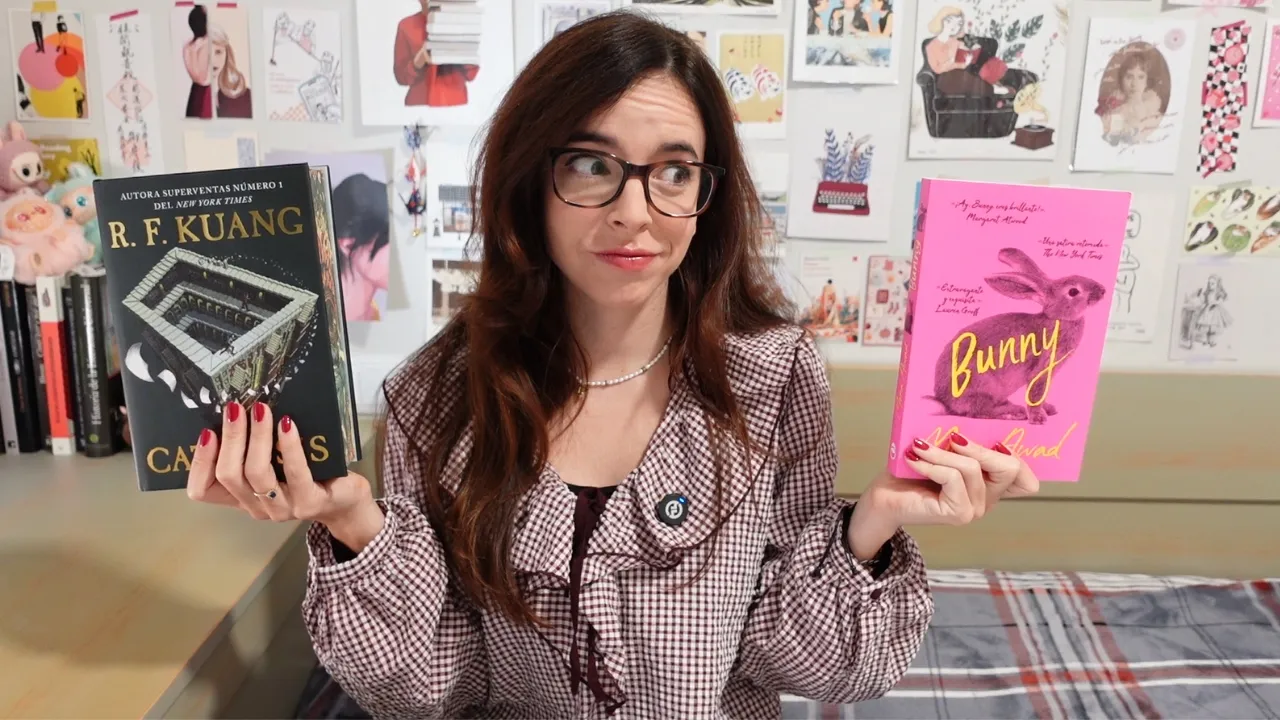








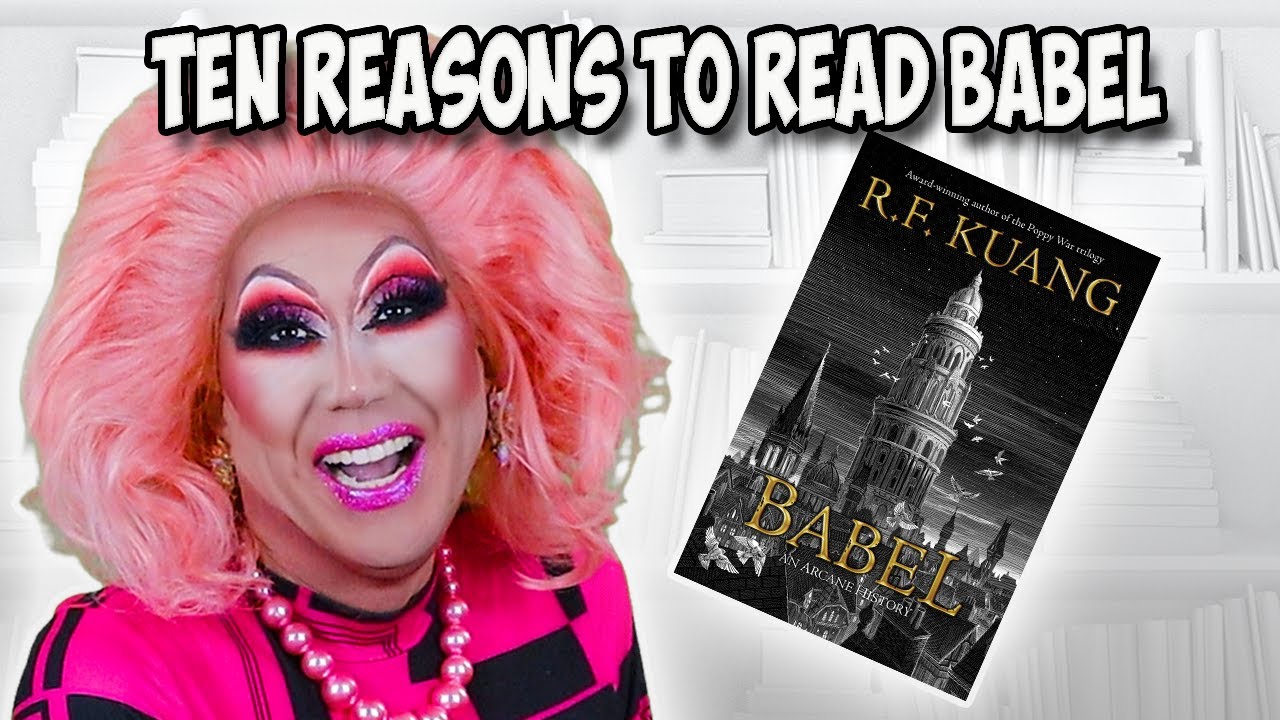








In R.F. Kuang's standalone dark academia novel Babel, the protagonist Robin Swift—a Chinese boy raised in Britain—navigates the prestigious Royal Institute of Translation (Babel), where silver working—a magical art requiring multilingual proficiency—serves as the foundation of British imperial power; the novel masterfully explores themes of colonialism, racism, language preservation, and identity through Robin's internal conflict between pursuing knowledge at Oxford and potentially betraying his motherland, while also examining the profound difficulty of translation as articulated by the reviewer's personal experience with language attrition.
Babel by R.F. Kuang: A Dark Academia Masterpiece Review
Added:Familiarity with the 'Dark Academia' literary subgenre, including its key tropes, aesthetics, and common themes like intellectual obsession, elitism, and gothic university settings.
A foundational understanding of British imperialism and colonialism, specifically the geopolitical power dynamics of the 19th century.
Basic concepts of linguistics and translation theory, particularly how language reflects cultural power and the challenges of translating meaning across different cultures.
An introduction to post-colonial literary criticism, which examines how literature can both reinforce and critique colonial power structures.
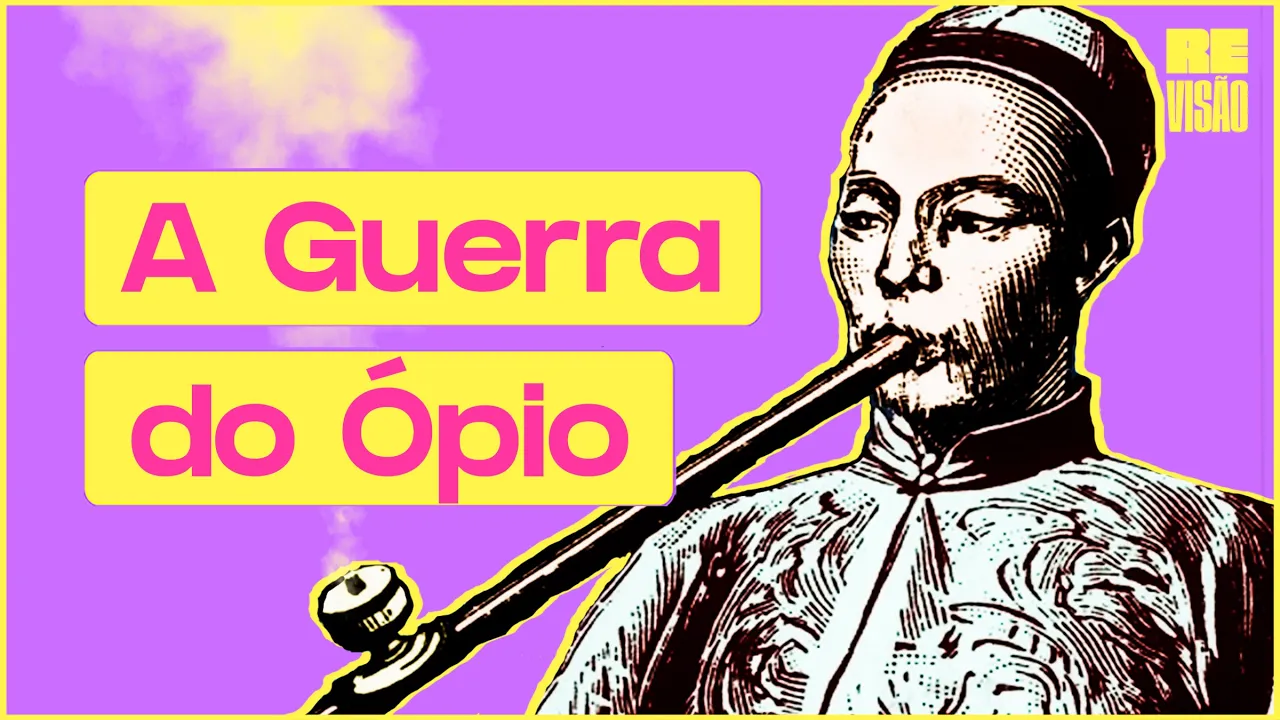
An in-depth historical study of the Opium Wars and the economic and political relations between Victorian Britain and Qing Dynasty China, which serve as the backdrop for Babel.
Exploration of the Sapir-Whorf hypothesis (linguistic relativity) to analyze how language structures shape human thought, identity, and perception of reality.
Comparative analysis of other speculative fiction works that subvert traditional Eurocentric fantasy tropes and deconstruct academic institutions.
Advanced study in translation ethics, focusing on the historical role of translators as intermediaries of empire and cultural exchange.
9.4K views653likes10:18Original Release: 2022-06-03
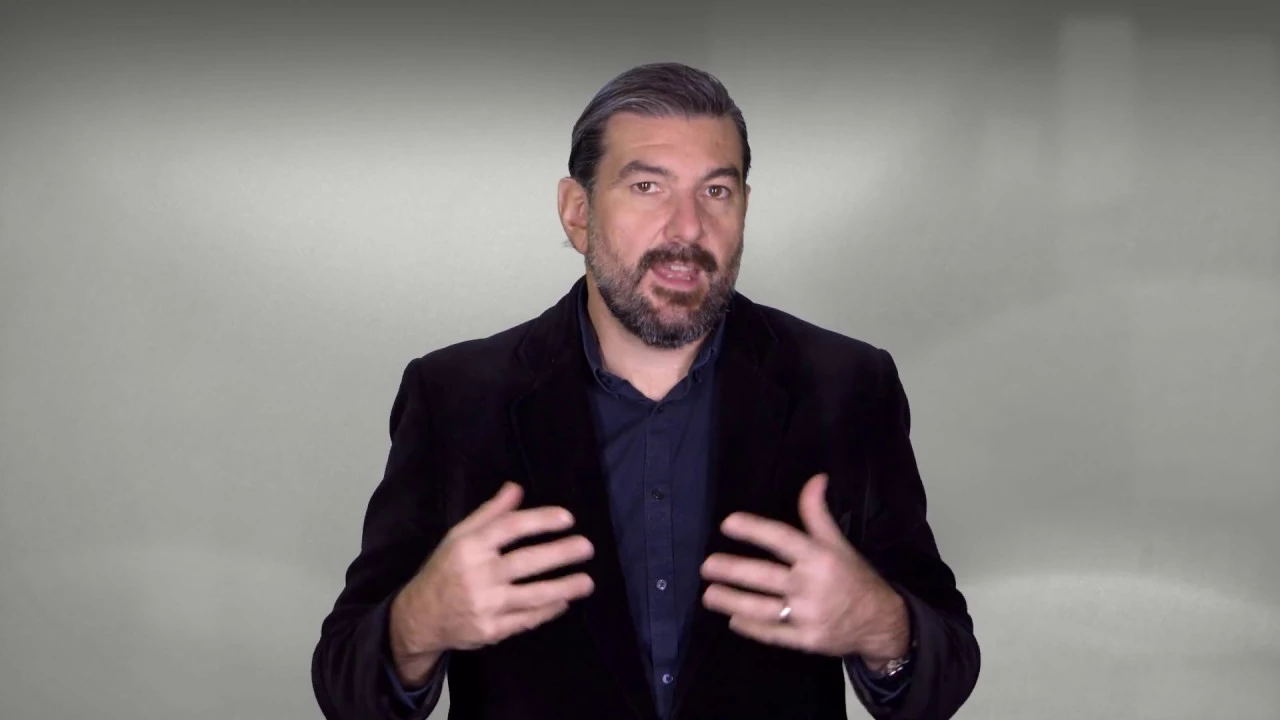
i want to give a special shout out to my patrons to my bibliospring biblio sworn and bibliomensters thank you so much for supporting my hobby and passion even more it means a lot to me hi everyone patrick here today's video will be a book review and it will be for babel by rf kwong and i think babel was absolutely impressive ambitious and intelligently crafted as unbelievable as it sounds i do honestly believe that rf quang has actually triumphed over the poppy world trilogy which i love so much just with this one book babel or the necessity of violence an arcane history of oxford trump's latest revolution is rf quang's newest novel and unlike the poppy world trilogy which i consider as a grim dog fantasy trilogy babel is a standalone dark academia novel also because this is the longest book title that i've ever witnessed to make this review more digestible i am going to simply call it as babble babble was and still is one of my most anticipated release of the year the cover art by nico de lord for the us and uk edition looks spectacular and i think many of you know that i am a fan of the puppy world trilogy i am proud to say that i was one of the first reviewers for rf course debut the poppy war and upon finishing the poppy war i mentioned in my review that rf quan will be one of the queens of modern fantasy the dragon republic and the burning god proved that notion and with babel rf guang proved once again that she is indeed one of the best fantasy authors to appear within the past five years the story in babel is told almost exclusively from the perspective of robin swift in 1828 robin swift lost his last surviving family due to cholera and he was then brought to london by the mysterious professor lovell professor laval brought robin to train him in latin ancient greek and chinese even the chinese is his first language in preparation for the day he will enroll in oxford university's prestigious royal institute of translation also known as babel babel is the world center of translation and more importantly of silver working the art of manifesting the meaning loss in translation through enchanted silver bars to magical effect silver working has made the british empire unparalleled in power and bible's research in foreign languages serves the empire's quest to colonize everything it encounters oxford the city of dreaming spires feels like a fairy tale for robin it is a utopia dedicated to the pursuit of knowledge and knowledge means power but for robin a chinese boy race in britain this means inevitably betraying his motherland robin has to decide whether he should continue to pursue knowledge and stay in babel or will he choose to side with the shadowy hermit society an organization dedicated to sabotaging the silver working which in essence defies babel one of the many passages in this novel that i can relate to heavily is this languages are easier to forget than you imagined once you stop living in the world of chinese you stop thinking in chinese words and phrases you think are carved into your bones can disappear in no time that quote speaks the truth for those of you who don't know indonesia is my first language chinese mandarin is my second language and english is my third language due to my lack usage of the mandarin it honestly feels like english has transformed into my second language now as you can probably guess from the title and premise of babel colonialism racism languages translations identities necessities of violence and finding a place to belong are some of the heaviest themes of babel regardless of whether you love the puppy world trilogy or babble more i am filled with confidence in saying that rf quang has outdone herself with this novel there is a lot to unpack within the standalone novel each of the themes i mentioned earlier was discussed with ruthless exploration and i believe that any reader reading babel could actually use the novel to write their own dissertation on one or more chosen teams within this novel it felt crystal clear that rf quang has done a myriad of research and she put all of them onto the pages of babel as a reader who speaks multiple languages i've been reading writing thinking and speaking in two or sometimes three languages every day it won't come as a surprise that i have an interest in linguistic etymology and of course babel has them all done in a meticulous and addictive fashion taking place in a historical fantasy setting babel never cease to raise start provoking questions and discuss important issues with its readers what if the city of dreaming spires is in reality a tower leading them to an inevitable nightmare through the illusion of grandeur and greatness babel is not as green as the poppy or trilogy it also has a comparatively more likable main character which i will get into soon and these elements made the events and developments in babel more relatable look i could talk about the plot all day long if i want to but it is quite frankly impossible to discuss in more detail what made the teams executed in babel so cleverly done without going into spoiler territory the book isn't out yet for more than two months and i prefer leaving the best of the plot in babel to future readers to find out for themselves instead i will now proceed to elaborate upon the characters of babel and their characterizations one of the most magnificent things about babel is its characterizations especially for robin swift in one book less than seven hundred pages long rf kong managed to meticulously introduce and develop robin swift his character development and story arc felt immense seriously by the end of the novel try to look back to the beginning of the novel and you will see how far robin swift has changed plus his character developer never felt forced his grief rage dilemma struggles kindness and relatively brief moments of happiness felt so genuine and i several times throughout the novel truly empathize with him the numbers of challenges jealousy avarice manipulation and domination he has to defeat were just staggering fortunately robin was not alone in facing the cruelties pushed upon him accompanying him were three main supporting characters robbie lady and victor this group of friends these four characters are individuals with distinct and different personalities and yet circumstances allow them to eagerly trust one another without any interrogations will they live happily ever after well that's for you to find out but do you know this is a novel by rf quang and it is not a spoiler to say that the author is going to put her characters through physically and mentally crushing pain as the characters wait for don to visit them after a night of explosive discord and conflicts i waited with baited breath with them i was so invested in the characters especially robin and victor and i consider it a testament to how well written this book was that among many other factors all characters in the standalone novel felt so distinctive and compelling there is also a feeling of satisfaction in reading kung's novels from her debut in publication order quang is an author that keeps getting better and better with each new book and babel is rf quang at the top of her game the narrative has the potential to strike a various range of emotions and it is delivered mercilessly one out of many examples and i'm going to be vague about this there was a virtuous character who has their kindness tested too far and we readers get to witness how deadly the malice that kindness can conjure from this i felt destroyed and conflicted by this in a good way but at the same time i also felt sad and to a level rewarded by the turn of events the prose continuously flows well and the author successfully nailed the character's development this doesn't mean i fully agree with the characters actions and motivation but i understood them the devastations throughout to counter colonialism portrayed were bloody and vicious and i found the narrative hard to put down babel asked its readers whether there is indeed morality and necessity in violence or is it all an unnecessary and endless deathly cycle with no way out lastly i need to mention that i have never been to oxford or the united kingdom in fact i have never been outside of asia it remains one of my goals to visit the united kingdom and other countries outside asia this is to say that babel did not only immerse me in its memorable story but it made me want to visit london even more it's such a vividly portrayed novel with incredible world building and layered histories yes babel takes place in our world but adding the magic of silver making that required memories and proficiency in languages and translations to the narrative provided a totally brilliant result in enriching the depth and complexities of the world i seem to now have a newfound extra appreciation for translators too take a look at this passage i think translation can be much harder than original composition in many ways the poet is free to say whatever he likes you see he can choose from any number of linguistic tricks in the language he's composing in word choice word order sound they all matter and without any one of them the whole thing falls apart that's why shelley writes that translating poetry is about as wise as casting a violet into a crucible so the translator needs to be translated literally critic and poet all at once he must read the original well enough to understand all the machinery at play to convey its meaning with as much accuracy as possible then rearrange the translated meaning into an aesthetically pleasing structure in the target language that by his judgment matches the original the poet runs untremeled across the meadow the translator dances in shackles isn't that so accurate and profound i actually highlighted more passages in babel compared to the entire poppy war trilogy babel lived up to my high expectation it is one of the best standalone novel that i've read it is one of the best books of the year it is a victory for literature and i think this is what every dark academia novel should strive to be paying homage to the importance of languages translations identity and ethnicities babel is destined to be one of the most important works of the year i think this august will be a very big month for fantasy not only babble is the third book that i rated with the full 5 out of 5 stars rating this year so far but it will also be released in august just one week after the first binding by r.r verdi which was the second novel that i rated with a full 5 out of 5 stars rating this year with the popular trilogy and battle as her bibliography so far i feel assured in declaring rf guang as one of my favorite authors now a marvelous one of fantasy standalone is frequently difficult to find and i think this is one out of many other reasons why you should read babel as soon as possible where do babble stands in my best book of the year list i will let you know at the end of the month so yeah that's it from me today that's my review for babble by rf guang do let me know whether you are looking forward to reading this book or not and do let me know whether you love the puppy or trilogy or not as always thank you so much for watching and thank you for your support bye bye and lastly i want to say thank you once again to all my patrons who keep on supporting me [Music]
Up Next

39:34
Joshua Cohen Discusses The Netanyahus: History, Identity, and Satire
@AmericanJewishUniversity
3.1K views•2023-08-03

12:54
Triumph of Orthodoxy Icon: Byzantine Art & History Explained
@BenCallan
2.1K views•2024-08-06

9:49
FastAPI vs Flask vs Django: Choosing the Right Python Web Framework
@TechWithTim
302.5K views•2024-05-26

1:42
Game of Thrones Opening Credits: A Cinematic Analysis
@gameofthrones
46.3M views•2011-04-18
Related Study Plans & Knowledge Roadmaps
Structured learning paths in General & Interdisciplinary Studies
general-studies
Elevator Engineering: History, Physics & Cities
01From Hoists to Safety Brakes: The Dawn of Vertical Lift
02Hydraulic vs. Traction: The Engineering Physics of Elevators
03Modern Speed, Safety, and Algorithms
+ 2 more learning modules
12h5 modules
Explore Roadmap
general-studies
Rubber: Material Science, History & Geopolitics
01Origins of Natural Rubber & Mesoamerican History
02The Chemistry of Natural Rubber & Vulcanization
03The Geopolitics of the Rubber Boom & Colonization
+ 2 more learning modules
12h5 modules
Explore Roadmap
general-studies
Containerization: Evolution, Logistics & Trade
01Ancient Trade & Bulk Cargo: Amphorae to Barrels
02The Industrial Revolution & Cardboard Packaging
03The Containerization Revolution: Malcom McLean
+ 2 more learning modules
12h5 modules
Explore Roadmap
general-studies
Textile Tech: Evolution, Labor & Global Impact
01Pre-Industrial Textiles: Handloom & Cottage Industry
02Mechanization: The Spinning Jenny to the Power Loom
03The Factory System & Global Labor Transformation
+ 2 more learning modules
10h5 modules
Explore Roadmap