

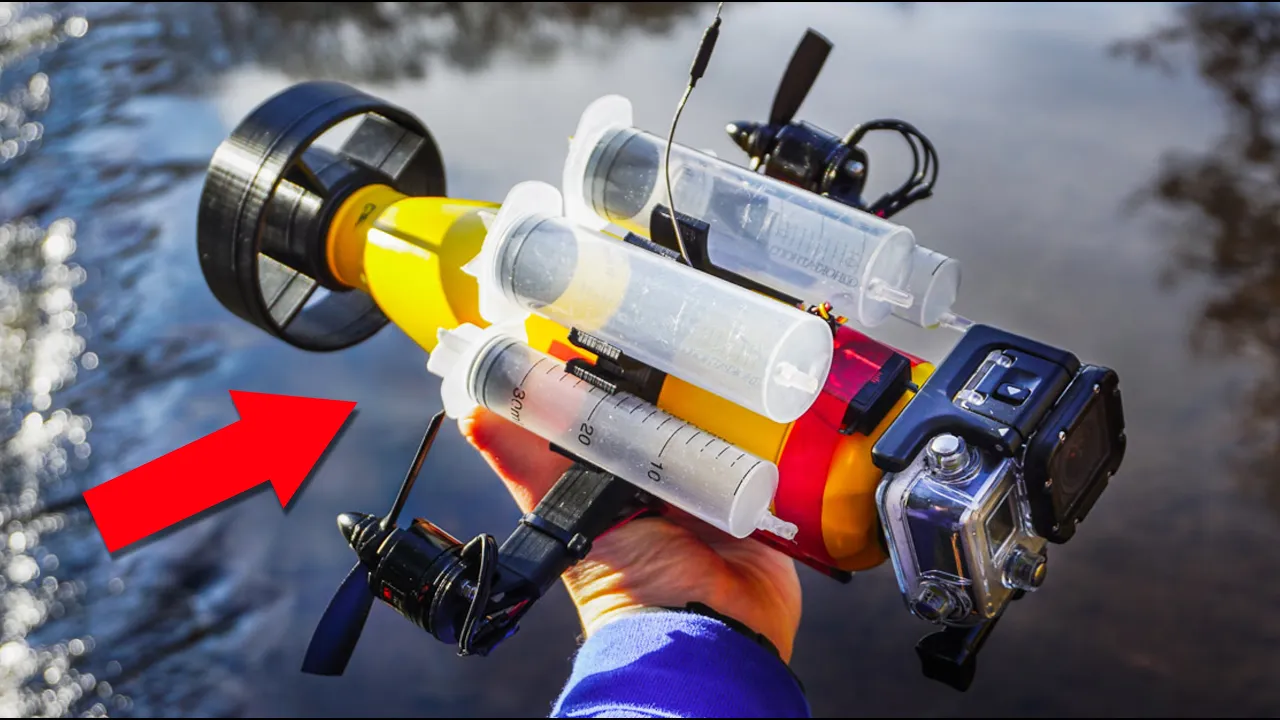



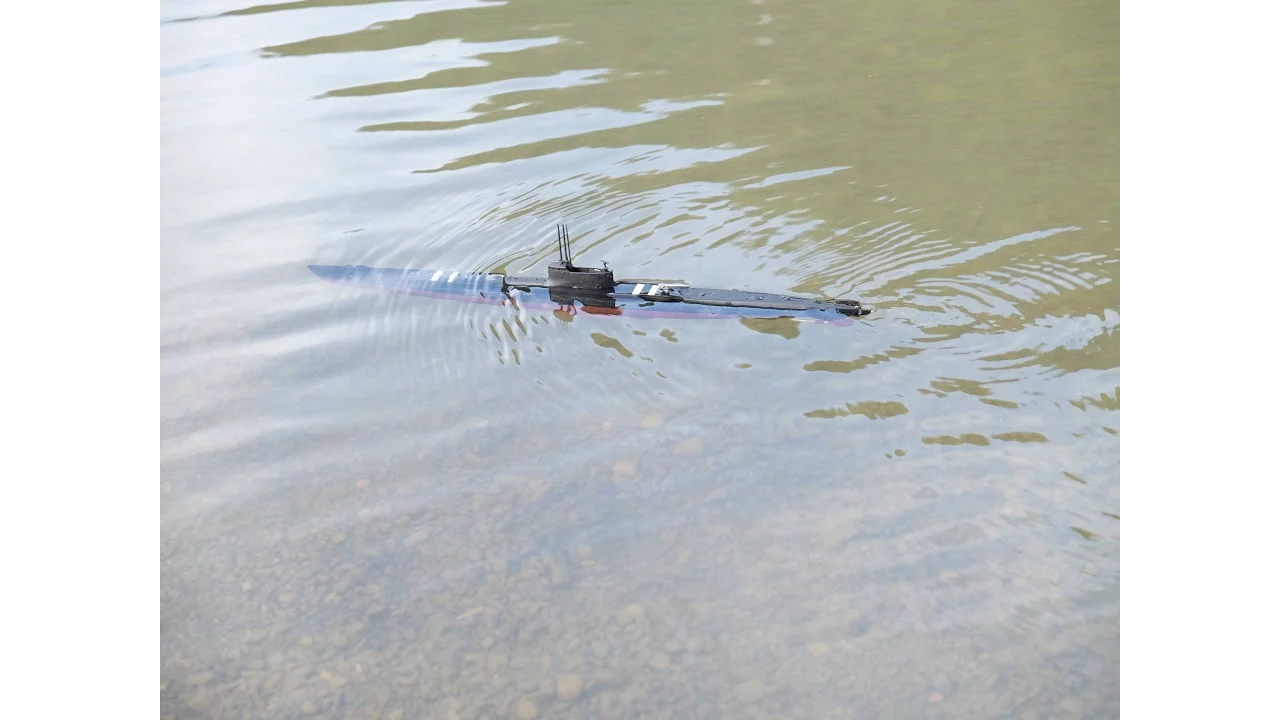







This video from the DiveTribe RC submarine community meeting on January 16th, 2021, showcases technical innovations in RC submarine building, including hydraulic system safety with bypass valves for pressure relief, 3D printed cylinder designs with adapter rings for sealing, membrane snorkels for air equalization, and Arduino-based ballast control systems. The community emphasizes collaborative learning, with members sharing techniques like weathering methods for Disney Nautilus kits, pitch control using v-tail mixers, and hull modification strategies for 3D printed submarines. The meeting demonstrates how RC submarine enthusiasts collectively advance the hobby through shared knowledge, troubleshooting, and collaborative problem-solving.
RC Submarine Building: Advanced Ballast & 3D Printing Tips
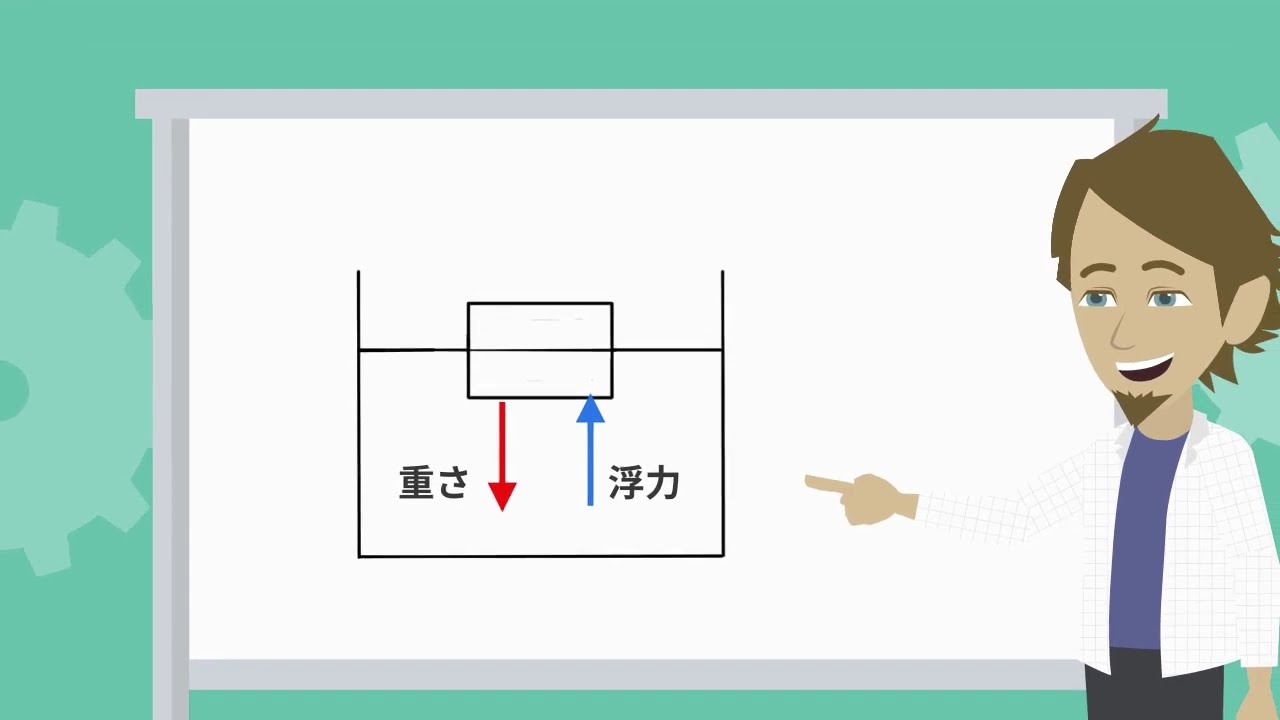
Added:Archimedes' Principle and the physics of buoyancy, including static and dynamic diving concepts.
Fundamentals of radio control (RC) electronics, including power distribution, servos, and signal transmission limitations underwater.
Basics of 3D printing technology, specifically material properties (like PETG vs. PLA) and print settings for structural strength.
Standard methods for waterproofing mechanical and electrical components, such as using O-rings, shaft seals, and watertight cylinders (WTC).
Advanced proportional ballast control systems, such as piston tanks or gas-injection systems managed by microcontrollers.
Implementation of PID controllers and IMU sensors for automatic pitch and depth stabilization.
Post-processing techniques for 3D-printed parts to ensure absolute water tightness under hydrostatic pressure (e.g., epoxy coating, vapor smoothing).
Transitioning from RC piloted submarines to Autonomous Underwater Vehicles (AUVs) utilizing acoustic localization and sensor fusion.
409 views10likes1:33:07Original Release: 2022-10-09
anybody home only the important people hey everyone there we go the usual crew standard edge hey i'm running upstairs to grab my uh my ear plugs i'll be right back don't get into trouble that is a bad thing to say that's like don't touch that that's hot you have to touch it i know oh don't drink too much for the night out yes i know incidentally ed see this lovely propeller here yeah it's coming your way out here yeah and and look i need your mailing address oh that's beautiful that's beautiful i found a patch for the hms vengeance in england and i want them to drop ship it to you and toss the box if that's okay yeah sure no drums yeah um you've got me got it beautiful name i tell you the hms vengeance you guys know how to name a submarine vengeance yeah boomer yeah rain you know down on rain on a continent vengeance vengeance is it vengeance valiant um was he got the vengeance valiant and what's the other one oh hang on i'm gonna get a list now because i've got them all later cut on the servo trays for the wct's hms what are you doing anakin skywalker arrived just trying to help it he's just here to cause trouble as usual it brings the dark side indeed indeed but to be fair i think all submariners are in the dark side aren't we yourself matthew dave yes um this is the last meeting um you were talking about using pneumatic cylinders and somebody was having trouble and you suggested turning it into a hydraulic one with a gear pump let me thank you that works awesome yeah yeah when you're dealing with a compressible fluid like a gas you get hang-ups and stuttering yep it worked it worked great with the little uh keurig uh pump gear pump it worked spectacular a billiard the only i find the only thing you got to watch because i messed around with that for my 21 is the um those hydraulic you know cylinders that that you end up building are going to have a tremendous amount of thrust so you're going to need to make sure that if you if you're using a mechanical stop that it is like very robust or you've got some sort of electrical disconnect in there because i literally exploded the first time i i you know experimented with it i exploded my entire conning tower from the the force that just a plastic syringe and a little gear pump could put out here's what you do bob is somewhere in the discharge line from the pump put in a length of flexible hose and then stick a pin in it that becomes your safety relief yeah absolutely and actually what i did i found a uh i bypassed valve and i think it was set at like 80 pounds and so it would just uh it would just release and the the excess pressure would would bleed off so here did you guys see some of you may not frequent it but uh someone had posted up a really cool um uh periscope idea and i don't know if michael bratley is on right now but it's the scissor lift that was actually really really cool i hadn't thought of that the simplest thing and it was so smooth and you know you put one of those go slows on the servo and it's just nice and and even up and down and you didn't have to make room avoid where your uh wtc would be the thing it is so slick just sits right on top so for all of us who have uh you know the the cylinder style boats it'll sit nice and and flush right up on top of the cylinder and then pop right up you have a link to that bob it's on the subcommittee website i i just found it this morning and um i don't i don't know i don't yeah yeah they got a video right there it links yeah it's on it's on youtube if you search um um i linked it up under uh favorite youtube videos there you go yep just just uh before we get started in earnest um a couple of of housekeeping notes um per hour request and and agreement um all of these are now being recorded so hey smile you're uh you can look at yourself 10 years from now and and marvel at how youthful you looked um the first one that we did the public one is posted on the dive tribe homepage if you want to go back and look at that one um that one is publicly viewable on youtube but from this point forward because this is a membership only deal um they're gonna be uh accessed only by the links that are posted on the dive tribe homepage so you guys can consider yourselves uh as you rightly should members of the elite and uh again once this is all done i'll i'll post that up to youtube and put the link on the homepage so if there's any uh exceptionally important information that you find you did not write down um it'll be in that video uh and you don't necessarily have to have a notepad you can enjoy the the company as opposed to trying to take notes um and again as uh as such and as uh uh uh housekeeping i want to reiterate because it seems to be a recurring theme if you are a newbie uh for heaven's sakes do not lurk uh this is uh something that you're paying for you better get your money's worth out of it we got uh a few talented people on this um uh forum that we've got here by all means take advantage of them um we'll let you know if uh if we think your questions are are too innate or mundane but it hasn't happened yet if it makes you feel better so now's your chance to uh ask or forever hold your peace or at least until the next dive tribe video there we go spiel over um a couple of notes from my shop because i always kick it off that way because i'm i'm uh greedy that way let's see here uh i'm gonna figure this out video video switch there we go all right some of you uh may have been following that some of you may have already placed your order this is the new 48 inch nautilus kit this is the prototype build um i'm super stoked it looks like a goopy black ugly mess right now but that's because we are currently uh undergoing our proprietary weathering technique for disney nautilus utilizing the uh modern masters oxidizing metal paint so what this will end up doing all of this black will actually turn into real rust and then what will happen after that we'll we'll do some some brushing with a stiff brush we'll we'll wipe it down down the excess and we'll do some clear coating and it'll look super awesome and uh it'll look like a real nautilus so that's the big thing yo he had two questions first off how quick did you sell out uh four hours who is the first um that's a good question i would have to go back in it was somebody i was i was not uh familiar with they they must have been johnny on the spot for my website damn are you gonna do a video on um this uh finished painting and finishing uh i'm gonna i'm gonna kind of do one better i didn't elect to do a video on this one because it's my first crack at it and i didn't want to like you know two steps forward one step back and in a video but this will have detailed step-by-step written instructions with a full illustrated um photo documentation of what to do and how to do it and all of that stuff so probably my next build will be video documentation and the one after that will likely be an rc conversion of this kit bob didn't you do a video on that technique about a year ago oh gosh it was longer than that i'll bet you it was like six years ago or seven years ago yeah yeah it's you google painting the disney nautilus on youtube and that'll pop right up it was it was it was cool yeah they changed the formulation of this stuff you can't act i used to be able to activate it with vinegar yeah um but you can't anymore it just it's yuck so you have to buy their modern masters rust activator special formulation in order for it to uh it's ferric chloride well whatever you can't use vinegar where'd you get that from it can't be fair chlor it's blue dave it's special yeah okay dave is special where'd you buy that paint from yeah i must say i wouldn't know you can get it off of amazon what's it called again metal modern masters model monsters metal effects rust iron when you find a link it worked great on my big nautilus wow i might use something u-boat i've used it here and there also weathering ships works great just in spots yeah steve how big i've got the um custom replicas 66 inch so it's it's five and a half feet yeah and how big are you how big are the plans you used clans yeah did you have any plans that you worked from no i got the kit from bob um it was a used kit that he got in stock and then turned around and sold yeah i'm looking to make like a seven or eight foot one so i have to get some decent plans that i can scale scale the little ones just if i blow them yeah i've seen a drop in mine for it it's like uh it's got cross sections and the whole bit um not a difficult thing to locate yeah yeah because i find if i blow up the small ones that i got the the lines are you know two inches thick and the resolution is downhill i'll get that bob said he might be able to help me out so i'm jazzed it sold out so fast yeah i'll give it a go i mean i used to use wire walls used to stick wide wall up beyond the anchors and just lay rust that was a good way of doing it it was it's the old sir the old um sprayer was so war and just sprayed the wire wall within a couple of minutes you started to see a stroke hey i got a question uh has any of you guys been uh messing around with arduino at all for controlling your ballast systems yeah that's what all my stuff's made out of do you want me to go grab a sub-commander oh i can't turn it on the background hang on i've already got mine in the end well where am i so nice and there's your arduino nice that's something you saw one thing you'll learn is after you you've figured out how to use the arduino you won't need the arduino itself you can just use the chip um because that's the problem of mine i was using the smallest arduino but it's all quite big but there's no need for me i'll just use the chip and the regulator and you can make it that's good to know i'd like to learn more about that and also if you don't use the arduino itself you can use less than five volt so you can power up or for free um off nothing that's interesting but if you're interested i'll give you a great code that you need to read a receiver i don't mind giving that help because uh the more people because people come up with new ideas all the time so but the hardest thing is getting it to read the receiver input properly because there's a cheap there's an easy way which is the right for one channel but if you're putting multiple channels multiple inputs it reads it the wrong way and it'll cause issues okay that's good to know yeah i'd like to if you got time i'd like to hook up with you and talk about that more yeah feel free um just pm me up let's say i i learned a lot from people i'm more than willing to help people learn it i won't give you all the code because you don't know you just need a starting point as long as you've got a starting point you can work the rest out and then everything's open nice i'm i'm experienced in writing code for machinery as well as a little bit of computer oh it's easy as if you've got that background then it's a simplified version of c plus plus nice that's the easy way to um explain it but yeah reach out feel free well if that goes to anybody if anyone wants to learn this stuff feel free to pm me or put something on the forum i'm more than willing to sit down and show you how it works because that's what we're all here for if you know me yeah yeah yeah yeah that's awesome i mean in all the wtc is now that i'm providing and it it's because it's got the free failsafe built into it and also it's just such a simple system i just plug it in and off those obviously tim's done all the work for me but um yeah that is definitely the right way forward because it can control so much at once if that makes sense i mean don't ask me any technical stuff because it just goes over my head that's why yeah i had i had no idea that your wtcs were actually using arduino yeah yeah the next one the next one will literally just usually using the same chip the arduino uses and it'll be half size yeah but the difference is you then need to learn how to solder surface holder which is difficult but for for the basic but for a basic thing you can just literally plug this in you can make an on off switch for your lights for next to nothing and then you can make out you can make it do whatever you want yes there are a lot of great resources online for arduino a guy named paul mcquarter has a 60 70 videos step by step taking you through learning arduino and programming them there's a lot we can do with that yeah what what turned me on to it was some of john dutton's videos been kind of going down the rabbit hole the work he did pretty cool stuff right now i got a question if anybody oh you have to unmute yourself that was a rookie mistake [Laughter] i was apologizing profusely for getting kicked off i don't know what happened there i lost internet and but i got i got back on so i don't know what i missed but i did want to mention uh because i saw tim talking about you know his electronics and stuff i have stock right now for his really cool water detector modules and his uh pitch controllers so if you guys are interested in nabbing those those are available and uh advertised on my site right now i got like a bunch of them in stock ready to go whenever you guys are ready um and i didn't get to finish my spiel so i'm gonna monopolize just a little bit more because i'm super excited uh making more progress on this mark iii sub driver so um you guys saw like this like old old what i was working on before with these like flanges on the outside um i got all of dave's stuff and um i'm gonna switch the camera around so you can see the the like volume that we're talking about here oh there's my dog hi hi wanna say hi to everyone um all of these caps and flanges and uh you know mounting bulkheads and all of that stuff dave was like amazingly generous and sending everything that he had there so it created you know a launching platform um for a bit of a revised version of the cylinder and this is what i've got going on right now so i am not going to by any stretch try and emulate dave's work with sheet metal um i am however going to utilize 3d printing and i'm sure he's squirming in his chair right now and smashing his head against the computer screen seeing this but yeah hey the idea behind this i i still wanted to utilize you know that uh that facing seal versus an inside uh seal on the tube because we can't control the the inside tolerances of the polycarbonate tubing and so i'm gonna have these adapter rings that go on and sandwich a big beefy 8 inch uh seal on there and then we're going to have some internal rods you know very similar to the uh you know the shear line bex otw version i guess bex uses outside so no i'm not using your idea so these are on the inside and they run through but the the cool thing about this the way i've got this set up i think it's cool is the equipment trays um actually slide on these rods and so it creates a a really stable mounting platform for all of the components so this is a three inch cylinder with dual um high output pumps uh and they're gonna slide right there we got the equipment tray that's gonna slide right right there and that'll be bolted to the end cap which is gonna bolt you know just like that um and then we're gonna have waterproof uh little caps on there so you can control the tension that that seal has on the cylinder so that is really cool the other thing i'm going to do i am going to um kybosh kill and uh bury dave's very carefully engineered vent system um this is the the current setup where you guys are probably familiar it's got like this arm that comes out and it goes up and it had like a little l shape and it would open and close a vent uh we're gonna what i'm going to do is bring this internally and it's going to be a pinch valve utilizing some soft hose so there's going to be no c breach or seal or opening that goes into the the ballast tank uh anymore it'll be a solid connection for tubing um that goes in and the other thing i'm really excited about and dave you'll you'll be kind of stoked about this is this this is an ultra top secret space age on the floor um unit and um this is hopefully a snorkel um what what this basically is is a is a membrane a nylon membrane that allows water or sorry air to pass through but not water so instead of a mechanical actuating snorkel valve this has a the membrane that is permeable only to air so mount that up in the sail and then um you know obviously if it's submerged and you kick the pump on it won't be able to draw air from the surface or from the outside the cylinder it'll draw it from inside below the tank model surfaces this gets above the water that membrane um you know quote unquote dries out it takes about three or four seconds five seconds for that membrane to to dry out and then it'll pull air and equalize the pressure in the cylinder and these are all ready-made off-the-shelf pretty super cool stuff i'm gonna try it and we'll see if it works bob have you checked the differential pressure that thing will put up with before it fails water i've i have done a very um non-scientific uh test by uh wrapping my lips around it and uh and sucking and uh i was not able to breach uh or pull any air whatsoever through this with the the rather limited suction i was able now uh if if maybe if i got my wife in there she would be able to to break it oh you didn't hear that from me um but i i was i was not i heard that loud and clear bob finally if i had said something like that you would have banned my ass it's a good thing we're not recording this or anything um so i'm excited to try it you know the the only thing i wasn't super stoked about was the fact that it was not an instantaneous um uh you know release uh or equalization of pressure but you know if it takes three or four seconds for that membrane to to bleed out i still think that's fine you know that'll that'll get up and uh and the membrane will bleed clear and then you know you can you can uh equalize the pressure that way so you know initially i was going to offer these only as a you know a dynamic or or uh you know per dave's uh you know nomenclature snort variant of of cylinders because i am a massive fan of that for subs i i think people who have static diving or insist on static diving subs are a little messed up in the head because no real boat dives that way but this will allow full static diving and uh you just like bolt it in connect the hose to it and in theory it should work so i'm excited you know it it feels kind of neat and organized hopefully by end of next week i'll have a functional prototype to uh to try hey uh bob yeah uh hey really nice work on that by the way it's very clean um what are you using pla on on those parts are you having those uh nylon centered the reason i ask is what i found in that torpedo work uh i was using um i think it was the eco abs uh for the main chassis and the little cordless motors if they built up heat would distort that chassis so i had to put a lot of attention into reducing long story short i noticed that you have the motors to the pumps seated into that into those parts i don't know how hot they get i'm not familiar with those the larger ones i was actually on your site last night looking at those um but is this something maybe be aware of it it is for sure i've i've never run into an issue with them and i've certainly never you know had an issue where these things got hot enough you know that that i actually noticed any noticeable increase in in the surface temperature of the of the pumps um you know with the dual pumps in this particular unit it's going to evacuate that ballast tank exceptionally quickly so the duty cycle is going to be very very low it's not like we're going to be running it for you know 10 or 15 minutes under high pressure or anything like that so i i think will be okay but i appreciate that comment and and certainly it would be easy enough to you know switch to like a petg uh or something like that where the melting temperature is more like you know 220 or 230 versus 180 so yeah good good point for sure yeah awesome design good work bob what are you going to uh post some more videos boy everybody just is the critic today um i like videos on on builds so uh the next one is going to be um on the um let me switch here again i've got it all set up here so i've had this one on the shelf for a while this this was a boat i think i previewed to you guys earlier um it's a sheer line trafalgar um also known as the current bex trafalgar um and this is all done up with a modified version and i showed this to you guys earlier so i don't need to go into it of the shear line cylinder well i'm gonna show it to you because it's so cool i have to just a simple thumbnail no no tools slide it forward pull it off and this is what would currently or what in the past have barely been recognizable as a sure line cylinder so i replaced the the plastic tube pvc tube with acrylic so now you can see everything that's going on in here right now i upgraded the pump from the centrifugal pump to a gear pump um with a a big big gear pump and solenoid valve that's hiding underneath there and then but these are all stock shear line components inside so i'll be doing a video on this um monday and probably posted up tuesday or wednesday worked really really well at the uh at the pond anchor's a nice touch oh on the top yeah yeah that's pretty nice yeah that's the old shear line mark unfortunately i can't copy that but anyway my my tubes are not black anymore they're all clear so i learned that lesson hey bro we got a question for you ready yes cool uh i know you you know i i got that um 148 cad files from auto for the type 21 and i think you are building the same one in smaller scale or something and i was wondering how do you tackle you know servicing this boat uh as in getting into it and so forth because i'm having a real hard time with it and i'm thinking i might be changing the the stl files and you know make it like uh or so i can open the thing from above so as opposed to his clip things because these clips are not even part of the kit so he designed something that only he can use in a way so yes good good point so in um perhaps typical european fashion um and this is just my my experience you know they they like the the um you know transverse like bayonet style mounting for submarines and it's cleaner for sure but it unfortunately means that access to the hull is is limited um as you are finding out right now so what what you actually end up needing to do is is to cut or they'll be built into the files access hatches you know for for accessing linkages and and all of that uh you know kind of stuff i am uh completely on board with you uh in regard to modification of those stl files uh split it at the water line and um you know to to create a simple um you know bolt action lockdown for the upper hull to the lower hull would be something that i would highly recommend um the fiberglass version that um and it's sitting up here in a bit of a disarray so you can see it it's uh split at the water line and you can see it's got lips and it just basically drops right down on top makes it a little bit easier you know for for access to the internals there's a you know properly engineered those can be fine it's just not as intuitive it's just not as convenient as uh as splitting the hull uh you know uh horizontally at the at the water line so i don't i really don't know what to tell you other than the fact that his system does work i've printed it you know you've got those hooks in there you can depress them and pull the the ends out uh to get access to the you know interior of the boat but you still don't have access to the linkages and such so that's uh by the way that's a problem okay good uh i don't think actually i got those clips in my kit i think they were not part of it not that i care i don't i'm not don't want to do it anyway yeah i i couldn't tell you that you know that he has a batch you know of files that he that he sells and they they come with kind of what they come with but if you if you need those if you want those i'm sure i could dig them up for you um but yeah but i i'm a huge fan of your strategy i think you're going down the right path if you've got the skills to do so let's just split that hull horizontally at the water line and you'll ultimately you'll be far more uh you know happy with the the flexibility that you have for installation and maintenance cool thanks can i just jump in if you wanted to there's a program called netfab which you can split that in your stl files and it might you'll be able to print it with the top and bottom separated you'll find that a lot easier than cutting it yourself physically so if you look for a program it's called net fab it is a free program and you'll be able to cut that up yeah i'm i'm actually using tinkercad and some other tools online so yeah i didn't think i didn't plan on cutting it physically but on the computer yes as i said netfab's the best one i've used okay and that's what i use a lot i'll i'll draft in one program and i'll run it through netfabb to clean it up and uh and make sure there's no errors in the file but just so that you guys know um 3d printed parts cut like crap they they're terrible terrible there's not really a nice easy even just using a hand saw can can melt the parts and bind on the blade and and there's there's nothing more frustrating than trying to cleanly cut a 3d printed part so it's far far better to have it done you know in the in the files and print them that way than it is to try and and you know jury rig a solution after you've got a part in your hand by the way uh you know i also got your type 2 cad files and i think you are underselling yourself there i think you're you're taking away its quality i think it's superb and you're you're saying oh it's it's all thick and it's all too too not to scale and so forth i think that's a brilliant kit well i i appreciate i appreciate that you know that that was a challenging one because the files that were given to me to modify to to do that were beautiful but it was a shell like you know it was it was just the outside and so i i needed to you know shell it in order for there to be any sort of thickness to the to the model and it it kind of messed things up but at any rate i appreciate the comments thank you very much i i i feel okay with the the price that i'm offering on that and and uh if you think it's it's cheap then by all means tell your friends bite you well what i actually ended up doing is i had uh you know i got one of the the bronco kits the 135 type 23 yeah and from which is a nice kit and from there i got all the little details like the tower you know the antennas and all that stuff there you go absolutely if i can do a quick shout out uh i just want to let you guys know and bob uh i'm in the process right now of printing out the hundley you can see part of it they're in my picture i've seen it on the forums that's awesome it has i think out of the four files that i purchased from you this has got to be one of the best it's coming out extremely solid i like the fact that it's got the uh the way the two halls are fitting together right now they're just taped so i could show it off a little bit but the files my dremel just did a fantastic job on it just barely made the hype but it did do it and uh along the way i've also got to thank david merriman for all his help on helping me get this two and a half inch sub driver not only to fit inside of it i had that extend the hull two and a half inches out so i'm not right to scale as to what bob had designed and also the uh to get the uh ballast system and this will be my very first ballast driven submarine so i'm really looking forward to this and again uh david popped in and explained to me how to set up the snorkel and everything to it uh hopefully it'll work we'll know that sooner or later i guess but it's really a neat neat project i've picked up a book for you guys that are interested it's called the sea of darkness and it's written by brian hicks and he's got a complete 500 page book on how they found the sub he went in and got all the drawings of the first i guess they had three of them and a couple of them sank and then the one that this one is really not the true one but it is one of them but anyway with that book and everything and building it it's really been a fun experience to this point and i'm really thrilled with how it's coming out so i'll keep posting on it for those that are interested but again i want to thank david for his help he's been extremely helpful to me to get this thing hopefully up and running don't give dave compliments it gives him a big head well it seems like every time i post on my project he's right there it it it's like it's minutes he's waiting but nonetheless alert okay but it's certainly helpful to have guys like you out there helping them us newbies get through this stuff because this will be my first balanced setup and you know it's in a swimming pool but it's not going to make much difference but it'll be fun to watch it down a little bit and come back up on its own that that hundley is actually a really really cool model and um you know the crazy thing is you know you kind of you build it and steve hodges will be able to chime in on this because he's building it in something stupid like half scale it's like a mile long or something like that but you know it's it's actually really long and the the issue is over and above that you've got this crazy spar that extends beyond the hull you know another half hull length so i mean i don't remember what the overall length of of the boat was after i built it i posted on that video on youtube but um you know with that spar and the torpedo hanging off the front it's a long long long boat um i i i would love to just print it out as a display model you know and keep it out just because there's so many really cool details in it and and more than that just the historical significance of the of the hunley now you said there was three boats the best of my knowledge is the same boat it sunk three times uh and it killed i believe uh two crews including the uh the uh originator the the uh mr mr hunley he died uh in one of the sinkings as well so it's not was it was not the uh the most successful boat but it was certainly one of the most historically significant boats uh when it comes to submarines so if you guys are interested i mean the cool thing about 3d files is you know you could buy it in the ads like four feet long but you could you could scale it down to like 18 inches and make a really cool you know display model for your you know your home or office or or whatever so i'm glad you're enjoying it you're doing a great job um super excited to see that thing wet we'll we'll keep on it and hopefully you know with some more help along the way with my sub driver i'll be working close with david on it we'll get it in one way or another but it has been a great build and again this book is a great history on it so it's kind of you know it makes it substantial as far as to build those so by the way it's it's kind of fun to see you there online on the forum i didn't know that that was you here from from this group and i'm very jealous on your uh dremel printer uh this printer i have is one of the first printers that dremel put out it's the 3d 40 series and i've got oh i've got eight years on it and it's still just pumping out beautifully well very pleased with it i've got i got two of the 3d 45s and i can't say enough good things about them i love those printers too the only thing i don't like about them is that they they are crap at rafts my parts always fuse to the rafts i can't get them off without like cutting i don't i don't know i had a makerbot before and it and they would just like pop right off but i the the dremel fuses right to them yeah same problem bob so i went with the blue painters tape and uh it's still you know you still wind up ripping it sometimes it just depends it's kind of temperamental in that area and again i think a lot a lot of the files have something to do with it so but boy your files on this boat have been excellent excellent so the the i'm trying to remember the next one oh um bori is the next one from that particular 3d artist uh the russian bori class uh if any of you guys are are interested that'll be the next one coming from randy sanders super talented guy up in my old neck of the woods up in canuck land there got nothing better to do in the middle of winter than draft 3d files i have actually okay just one more question is that going to be a double screw or single that is a single screw i'm trying to remember i think that might be like an uh like a shrouded pump pump jet boat i can't remember now right on looking forward to it oh somebody knows what they're talking about okay the boy has two variants the original uh is unshrouded the propeller the first the prototype and i believe the ones going after that are have shrouded there you go there you go hey a couple uh things that sprung to mind number one my my uh rc submarine for dummies book i don't actually i can't use that because see i think steve neil did that is coming along really well i keep on thinking i'm done all the text and then i'm like oh it'd be cool if i talked about this and then it's like another five pages of crap that i need to put in there um so that's coming along really well by the way so it'll it'll i think help it goes into a lot of things we lose bob again he's not hope he flies but yeah about to say otherwise so very well tonight boys oh is he coming back he's not near the bermuda triangle is he i think we've lost him at least he's not the host for me otherwise it would have been him yeah oh well he's gone now so everyone say everything bad about him i'm only joking god dave you know you want to go on good day teachers out of the room guys about a week ago well you see the navy's kind of not doing anything so i thought well the british navy doesn't do anything anyway we're not at the moment we're bloody not we're sitting around doing nothing almost as bad as all we have and nobody's better at doing nothing hey you know it and anyway those crabs sorry raf um maurice did i send you that email about that clip no can you see my screen all right yeah that's what i was talking about oh yeah yeah yeah yeah yeah i did i got i got two different versions of that yeah yeah okay so thank you yeah there you go nice and simple so i keep my tops together i'm all paid up with bob on the wtc now i know it's gonna be two months yeah i got the order yesterday so i um ordered the polycarbonate yesterday as well so well hey so maurice can you send me an email what you want engraved on the dive trays yeah well what boat names you want engraved on there so i can do that you're gonna send me a fin plate that i had number of vanguard number one yeah i'll stick it in your wtc you show me those clips again oh yeah sure let me just take it apart right so they're brass and they've got brass bearings inside angle there we go oh and they're spring-loaded yeah that's it and i i always put one forward one off i don't bother with screws and that's how my vanguard top stays on closures yeah that's it all covered door closes that's it i mean they work really well i mean that's how the shear line used to do it and i've just carried on suit i mean i've never lost the top with them and apart from my throat on the floor but they won't stay in but you don't lose your tap exactly you know it you know but and it's simple it's a quite straightforward just chuck the top on clip done and um i mean i've used magnets in the past and i've found magnets actually useless and i've always gone back to using those clips um by the way matthew i'm doing build uh photos for you on the uh vanguard yeah fantastic you're still enjoying it yeah oh yeah good i've been getting pissed off yet well are you laughing at this i'm actually making another vanguard at the moment i've got a customer some disabled customers asked me to build it for him so um i'm doing that at the present time and it's quite enjoyable doing it again there's no free time here none whatsoever thank god you're on lockdown yeah you know it i get locked in the shed and that's it i don't go i don't come out i mean oh is it the wtc's they've come on really well i'm really tough with them um you saw the videos i mean i got one here i mean as i said the old shear line design but i've tweaked it quite a lot especially with some tim's control board uh the baffles inside which sheila never had and also the uh the new valve which operates really well and i've also changed the website as well so i've got a new website it's not dot com anymore it's dot co dot uk that that's that's it's been busy actually even with the akula upgrades that that's um taken a lot of time over the last couple of months um but and then how is it with the virus well we're in lockdown this is our what third tim or is it our full flock down i can't keep track of it now four well um third yeah he's the third in it but basically because i live in kent we got put in tier four um just before christmas so we didn't have christmas with our folks or anything we were stuck here um and basically we just came straight from tier four straight into lockdown and it we don't expect to come out of this until what mid-march end of end of march um it's called absolutely havoc so the postal service didn't want to know us that's now sort of sorted itself out um trying to get stock in has been an absolute nightmare um i'm kind of glad that it's all starting to settle down again but we'll see because i only need another little spike or something like that and it all goes back being pear-shaped again um but i think you we got the um obviously the vaccinations are going out now um i'm still waiting to be called up for that one that hasn't happened yet um but it looks like a priority being in the navy well this is what we think but at the moment it looks like that we're going to get called up mid february to go and help do the vaccinations and started doing training with our guys last week um i'm not on the call out list at the moment because obviously the business and i've kind of told them to set back a little bit uh because i've got so much work on here i can't afford to lose two months away from the business and you guys don't want me to go away just yet um but i know some of my guys in my unit have already started doing training so but i won't i won't get the vaccination until most probably september time i know my uh uncle's got his he's already had his first one he got it before christmas but his second one has been delayed but ladies well what we live in now in it um just be careful all government yeah arizona's number one in the world oh what about yeah and uh it's getting worse yet they're just about ready to lock the hospitals down and uh they're gonna have to do uh what they have to do i guess i don't know but it doesn't seem to be halting there at all right behind him yeah i work for the va hospital where i live in pennsylvania and uh i got a memo which wasn't put out to everyone just a few people they basically told us don't they don't expect us to be back at work where i work until sometime in october of this year if that because people don't understand they said yes when you get vaccinated you're protected from the virus when you get the second shot but you can still carry the virus in you and get it not get sick but you can give it to someone else else yep yeah yeah yeah that's the damn virus get over it and move on then there's nothing like that about it yeah look to some people it's pretty bad the virus i had a buddy of mine that passed away from it like two weeks ago yeah we've lost three members from our boat club in the last month we've always had diseases this ain't nothing special well with that david we can carry on indeed indeed i think so i think yeah okay wraps it up doesn't it yeah it does yeah what happened to bob i think bob's just run away he's like you know what guys you crack on and do yourself you don't need me bob he was hanging around like a chain-link fence i i'm back i've got terrible internet here today i don't know what the heck's going on got a question i give up hey before i before i i lose okay there's a question i'll give it to you before i get kicked off again by my internet provider if anybody is interested in it or knows of somebody who would be um david merriman and i talked about this if we take a look at our forums there is an absolute treasure trove of information in there but it is abysmal to try and find it what we're looking for is somebody who'd be willing to crawl through the forums and extract uh you know the best threads so for example if someone has a an awesome like how-to or a build thread on a boat to just put the link down and and kind of catalog what it is and and how to find it so i'll be putting this up in the in the forums there but i really am looking for somebody who'd be willing to take the time to crawl the forums find the best threads and make a list of uh you know all of the best house videos i mean david merriman has like so much amazing information posted in there how-to videos on like painting and trimming and and you know all of this stuff it would be a shame if it got lost in this like massive vault of of information so just bear that in mind uh if you or someone you know would be interested in that let me know um if you want to volunteer great if if uh you're open to it i'd be happy to to compensate you for your time and trouble as well so bear that in mind all right steve question uh yeah i'm currently working on a boat that has an x-shaped stern i'm wondering about pitch control on that i'm looking at going 2.4 gig on it and this is it so far okay it's still got three sections to print but it's the columbia based on artists renderings that i've seen online they only just started building them back in october so there's nothing much to go on but anyway um with the x stern on it i was looking at setting up the radio because it's all computer programmable of just like a v-tail on an airplane okay but i didn't know about being able to control the pitch on that because essentially you're dealing with two channels and i thought about maybe two pitch controllers one on each channel um because they are mixed through the radio to work together i thought that would probably be about the closest thing i could come up with but just wondering if there's any thoughts ideas has anybody done that before yeah i have so all right here's what you do you don't you don't mix at the transmitter you just leave it configured the way it is elevator for stern planes rudder for rudder all right you do your mixing in the boat using a v-tail mixer input to the v-tail is where you put your angle keeper on the channel that normally goes or comes from the receiver which is your elevator so you got two inputs rudder and then the angle keeper go into the input side of the vtail mixer detail mixer goes to your two servos and that's where the mixing occurs along with the corrective inputs from your angle keeper you're still in the loop just like a regular exhale or or a cruciform tail but now everything's working for you as though it was a cruciform but it's mixed on the boat the boat has to sense angular displacement can't do that if you're doing it from the transmitter i guess yeah i've thought of that too and yeah that's definitely an option definitely an option i am looking at building one so i can have another leveler that will work like a dual one like the angle mixing one does so you plug it so it works the same way but you plug the um it does the mixing inside it does both the mixing and the leveling together really i don't know how long it will be because it's quite complicated work out all the mixing and everything but if there is a need for it i can bump it up the list well i i was going down the path of just trying to mix in the radio and then i was like well wait a minute how do i control pitch on that or or you know compensate for it to keep the boat level and that's when they came to stop but um in my experience david is absolutely right you know all of that control occurs at the at the boat level rather than the transmitter level that's that's all autonomously controlled so i remember [Music] uh hey hey um wait a minute if if you're using a v-tail mixer the electronic one that has two inputs and and and two outputs right like your tank mixer wouldn't you put the uh 82 between the receiver and that on the stern plane channel because it's mixing it downstream of pitch control it's just it's just emulating your stick movement for rise and dive so it would be between the receiver and a retail mixer input and yeah that's what i said exactly what dave said with that lovely look on his face and it's as simple as that because you're doing a stick movement of rise and dive and that's what the pitch controller does for you it's sensing the uh pitch of the boat and it's correcting for it so it'd be on that same input to a retail mixer and you're done you're you're cur you're controlling two servos with the pitch input from the uh the pitch controller instead of one right but that's what the v-tail makes the radio and to the pitch control you know and so forth then you're taking two inputs instead of one and and adjusting it so what's gonna need the input from the rudder as well yeah aircraft that's all they do it all the time with aircraft yeah the bonanza yeah i think yeah just like on an airplane you have a gyro on an airplane it's um steve yeah i'm just giving this i don't know if it's a good idea a bad idea or anything in the model airplane the rc airplane don't they have um a v-tail mixer that you get you hook up the two servos no you program it in the radio for v-tail application you have the choice on an airplane because you typically with with today now there's exceptions with an rc aircraft doing a v-tail you don't you can you yeah you mix at the transmitter you also get for your flying wings in your your diamond shapes that's fine where you're using elevons yeah but but in our case we have on-board sensing which is a prerequisite to driving a submarine you need that thing to sense pitch changes the aircraft doesn't have that burden therefore we cannot mix at the transmitter not for a submarine i've got a middle of what i was thinking dave that's made my stuff a little easier say that again tim i do like the way dave uh just explained it because that was the hardest thing was me trying to figure out how to mix it in electronically but what how david has explained it where you put put it in front of the retail mixer makes my calculations a lot easier to work out i never thought about it but one other thing uh we're making too much of this than there really is for seven bucks you can get a mixer when i charge 14.
i i don't know how much i charge i have to but yeah i i think that's the the idea steve it sounds like you you are really kind of hoping to be able to to do this at the transmitter level but uh you're breaking up real bad bob i think bob needs to feed the meter yeah i'm done i'm going outside i'm giving up is that better much better seems it's all the better i'm keeping in here for the so tim does that mean i can get on thinking about doing dreadnought now that means i don't have well that's good i will think i'll start um speaking to somebody i've got an autonomic retail mixer upstairs no i'll have applied yeah that would work a lot easier and that is right you're only looking at the level i was looking at it looking at um and yeah all right well i'll start looking now now we're happy with that i'll start looking at thinking about doing dreadnought for a couple of years time yeah with all your free time matthew all you need is another project i know i love projects so what is it stingray the stew how's that typhoon [Music] in in the immortal worlds of jackie chan you need to focus on your focus yeah nah i'm always and do lots of things at once just how i am yeah was it uh before i did the business i was doing three model boats all at once that's just how i am stupid really but uh you should see my project list yeah how are you feeling david here goddamn business see davey's feeling really good but really what he wants is a stingray i need another project thank you very much hey i'm doing fine listen look at it you miserable fox i'm in great shape well being locked in that room all day long well we're all nuts david it's just a matter of degree or death all right so now we're watching bob's off for a drive so he's obviously going home he's getting wi-fi he more videos bob come back i'm going home [Laughter] are you regretting recording this particular dive trip you guys were the ones that wanted it all recorded i wanted to just just like have our meeting and go about our day but now i've got to like download the video and upload the video and worry about editing f words this one as a uh as a recruiting tool they're coming you know i got ohio most of the way done i completely started over again i know that uh steve was excited about him there was a massive error in the internal shell it was all offset and goofy i had to start all over again yay good for you you could have produced that one and said it hit an underwater mountain it would no it was nasty i didn't like it do it right the first time and then you don't need to deal with people saying this is all crooked i don't like it well i told you it was crooked and you wouldn't like it but you bought it anyway solomon's battle damage yeah well was it mostly was it uh i'm sure it was in ohio in 2016 that ran uh hit a mountain underwater i think it was after you brought her wasn't it the upholder that failed its first c test matthew yeah something something like that was it was won the trafalgars in 2017 which upon which well afterwards the canadian navy immediately bought two exactly fair one i think that was that there was actually three i saw victoria the the renamed victoria when she came in to a squad i was there when she pulled in and uh that was the end of it for like a year and she spent a year in dry dock getting fixed why not hit another submarine yeah or is it a bit like the astute decides to run aground on the sea trials got fantastic pictures of the propeller though all right well i'll tell you what guys i'm pulling up to my house i've had enough of you i've taken all i can take today i'm gonna i'm gonna sign off as usual you are all welcome to continue chatting uh at infinium infinitum uh about whatever you'd like to talk about i will download uh this and then upload to youtube and then you guys can watch uh later at your leisure and uh yeah good stuff as always thanks good seeing y'all thanks bob catch you later all right bye hey guys hey have you got the parcel yet let's let's uh get under the technical questions and answers if not i'm going home could you uh i'll be hitting you up on the uh blogs dave and thanks again for all your help well it's nice nice to see somebody carrying forward with you know the stuff i i'm so sick and tired of guys wasting my time with questions and i never see any results you get the [ __ ] done i got no problem with that hey thank you dave i appreciate that hydraulic thing and uh like today even i got with that bypass valve i'll have to remember that so the little pinhole in the tube torpedo men know their [ __ ] not like the navigators still here yeah right so you know you were talking about vanguard names earlier yes see so you've got vanguard vengeance victorious and valley uh and then vigilant and um yeah there you go so the other one is victorious now that's a name and often it i just thought you know vengeance for raining death down on a continent after they mess with you is really a nice cool thing exactly and then you have a victorious following up beyond saying yeah that's all right anyway boys i've been harassed to go and get strands i will catch you later dave as usual it's a pleasure listening to you bully everybody what's wrong with you with me in what way god damn brits man can't get rid of them quick enough you cheeky get dave we'll talk about whipping at some point shall we no we won't [Laughter] all right see you later guys have a good one i'll see you in two weeks later youtube now you're safe man yeah you too i will do ed send us that email over yeah will do nice one man catch you soon guys bye-bye did you get that parcel steve i should do it thank you very much well messed up that was all no i it came rather promptly um so i i have not had a chance to put it in the boat yet i've been so tied up with other things but yeah i got it thank you that's when i the stuff to bob it took forever to get there as well as a bit worried it's when it's it started saying it's now left new york going to jamaica that's when i got worried what i didn't realize that was the sorting office i was like why is it going to jamaica to go to florida crazy all right guys i'm starting off be safe hey i'm a full length not a full length but uh 200 millimeter length of hull out of resin with my saturn resin printer yeah with sodium i did a drop test on it it took eight times before it broke i i dropped it on the concrete i threw it up and dropped it on the concrete so i say it's pretty strong it's eight times the a lot of people over don't drain the model properly so the resin is still inside and cracks it or they don't um they don't put enough uv time through it so or they overcook it that's why they're brittle but i've never had one break i mean yours proved it you know but i mean i threw it up it's like six foot high on the concrete i mean it didn't take no damage the story is don't drop it on concrete yeah that's true to prove now you can run the [ __ ] and it won't break so you can sink the ship however one thing i found is while the print is strong if you just print like the bottom half of the sub and then the top half of the sub it's like it doesn't like to bend well i was told by another person to simply print the top and bottom piece as one like otto does it because with resin anyway because it's just not flexible enough to do it in half pieces if you're doing it you can do it in half pieces but when you take it out of the resin and dry it they're under a towel so it can't get uv print the other half and then it's still flexible before you put the uv on it does that make sense no but i'm listening so you print the bottom half clean it drain it and then hide it from the uv so put it under a towel print the other half and then they're still flexible so you can reshape it and then hit it with a uv gun okay well like the pieces i'm making are solid 2.5 millimeter pieces yeah but they'll still be flexible um for you you put the uv on it okay the problem is people will take them out they'll put them down don't realize uv's coming through the last glass windows i've done it thinking i'll be all right i mean i love it because it only took like 10 and a half hours to print that section the same thing on my regular printer would take up to 32 hours i don't know how well i hold up over time because it's i don't think they'll last forever you know the um the resin but we'll see yeah that's true okay i'm checking out you guys all have a great day and stay safe later rob i'm gonna sign off too damn it has this work see all there yeah yeah but the quality of the print i think they're astronomical i mean the detail you'll never make you can make on it to add on they're brilliant i mean it's not a problem it's not proper modeling if you just press and print but it helps a lot one thing though it's going to be expensive because i went through a 40 bottle of resin like that and that's 40 dollars gone so it's not cheap but you dropped it huh oh wow i wish i woulda it feels like i'm pouring it down the sink because it could disappear so fast but one thing though you better make sure that your model is on the top has the top resolution because when it prints if your model looks like crap it will look like crap when you print it because it'll show all the bad marks you got to make sure the model is completely smooth all the parts are exactly how you want it or else when you print it it'll look terrible hope they have such high resolution yeah because the same model i printed it out on my regular printer it looked great i printed it out on my resin printer uh it did not look great it looked really bad i had to put the model into net fab and smooth it out smooth the outer shell which took time and then reprinted and then of course it looked great now and i just can't wait to do the next piece because i just got done on that fab uh smoothing everything out making sure that everything is smooth so that when it prints it'll it'll print great and and i strengthened the uh the ends i made them five millimeters thick instead of the regular 2.5 like i had it like you know the shell just to give it more strength at the ends and uh i mean i'm hoping it comes out good that's what i bought the saturn for but if it doesn't i'll use it just to print out the the hatches the guns and the conning tower and then i just print out the the whole rest of the sub on asa but it's just a time saver to print it on the resin printer i mean it's just uh i've got admit i i think the rest and printers are brilliant but i still like building stuff in my hands you know oh nothing wrong with it i don't mind that too but sometimes i just hate i get lazy sometimes i say it's gonna come out the same way whether i do it myself or i have the printer do it you know what i mean ernie did you have a question you're on mute there we go there we go oh okay sorry first time uh yes what i want to ask dave about his uh sturgeon he's coming out with uh i've been waiting on a skipjack from scale shipyard since july and you know i don't think he'll ever get here so uh i'm just wondering i really want a sturgeon but really want to 172 but i guess i have to take the smaller one could you talk a little bit about that dave yeah uh i don't know if you're aware but i've got an active thread going on at the forum concerning the development of tooling for a 196 scale sturgeon class kit it'll be a grp hull appendages including the sail will be resin with uh a lot of metal hearts now my job is to take uh what was formerly a thor kit and matt ford does excellent work as far as masters go he sold his interest to bob and bob asked me to reduce it all the tooling which is what i'm doing right now ernie to get back to your point i should be done with the tooling in about 30 days i'm i've already got the glove done and i invite anybody who's interested just to follow the thread at the forum to see what's up but uh to answer your question i'll be done in about a month and then it's up to bob to get into a production mode uh i can't speak for that but uh now you know what i know so uh we'll we'll have this thing wrapped up from my end in 30 days and then hopefully i'll move on to another uh uh four uh product that needs to be reduced to uh uh tooling hope i answered oh yeah i just uh uh and i guess to actually make it a long haul you just need to add about two inches of cut it and add about two inches of whole material in there i guess right well whatever eight and a half foot is yeah at this scale okay is it uh okay okay well that'll get me going i guess unless you're getting weird and doing the lipscomb or the narwhal oh no no i i was on the the russell dick dickey before dickie dick's you oh you're on the russell yeah i'm so sorry big dicky before he dicks you i was on the pig fish oh god [Laughter] well anyway so i appreciate it because like i said i've been waiting forever for a skipjack from scale shipyard which may come when i die so no now the scale shipyard the only one i know they have is 172nd yeah that's what i want they well but i talked to the guy they had i i i was going to do the skipjack just because it was a 172 skill and i wanted fiberglass the i don't like working with plastic models they just oh don't be such a friggin snob spring for the kid i got the kid i just i wanted fiberglass so i it's just a little bit more durable i think but anyway well you know what i'm on a personal close relationship with a guy who designed that kit for mobius and i can assure you he assured me that that's a fine kit okay okay if you say so steve thank you steve yeah um can you send me can you uh your email i want to send you something i think um with that retail mixer everybody was um misunderstanding what i was saying i was talking about a physical mechanical one that dubrow makes and hooking up your your pitch controller to that elevator okay i'm not at all familiar with that it's it's based on the one that the beechcraft used right right yeah but i think everybody was thinking i was talking electronically but i was talking mechanical and then hooking up your your pitch controller to the elevator one which would you know be outside the transmitter well frank i did just that about uh 30 years ago on uh albacore it was a mechanical uh mixer in a phase iii albacore worked just fine and as you described uh yeah you got your uh servo driving the pitch side but before that servo is the angle keeper and from that point on it's all mechanical yeah yeah because to me that would solve his problem that was one thing i wasn't looking forward to trying to figure out how to get it to work but you've just explained it and kind of got rid of all of my worries usually a problem is uh in practice easier than when you're trying to scull it out at night yeah i just think you know when you start trying to overthink how they work and then when you go back to the basics and thing actually it's like an episode of house when he has that eureka moment isn't he always drunk in that but no there's a lot of models with it in i might have a look getting something out there because if you don't have to buy a a veto mixer on top of it a leveler saves you space money done yep see what happens so no matt's been having a go at me to get one when i was putting him off i am looking forward to seeing how that um stingray is going to work i uh i had a stab at uh trying to get a stingray to work i never got into the hardware i was into that skull duggary mode and uh holy [ __ ] you got nothing working for you you got that door knob looking for pulser and little else going those you know spins on the side are useless but it's like anything it's like um any of his models they're not meant to work in real life the i i i i subscribe to the theory that the andersons hate model builders yeah i've got on it i am looking forward to seeing it because mate i've got a friend that makes the what's the other one that's okay i think it goes from the bottom of the oh what's it the called yellow flying wing oh the flying sub yeah i was quite shocked how well that worked i we've all been able to make it work but nobody's been able to figure out how to uh bank them so that they do not do that awful skidding turn okay you got you gotta fly into that turn in a banking fashion in those uh those two uh thrusters are too closely coupled to give you much uh role authority yeah so um it's like i'd love to help build a you know how you see the chinese people make the the enterprise but what's the point if you haven't got some input you'll never see it it's all that work for nothing but i'd love to give that a go all right that's it i'm bailing anybody got anything that's it just on the flying sub i don't know how they survived that entrance of the water i was they just all turned to jelly the movie yeah that must be you you want rationality from erwin allen what's wrong with you no no that one gets me every time all right troops i'm outta here see you later me too bye guys see you later guys i'm outta here too steve did you want that uh site yeah if you go on google and look up dubrow v-tail mixer you'll okay you'll get it okay i'll do that thank you you got it nice thank you right signing off bye guys oh one of those mixers what's that what are those mixers i use them all the time yeah they're they they sit on top of the rudder servo and then the pivot that the control the rods pivot attaching to the elevator and i imagine just put the the pitch controller on the elevator servo everything will work the way you want it yeah it's about 10 bucks on google anyway where i saw it so not to take away from you tim but no no no i thought i don't want to make it but if there's a need for it then i'll work on it if that makes sense but no i would put yeah yeah something like this that does it all and then you're not having to worry about because the problem i've seen with the angled one is when it starts to tilt it doesn't work that great does that make sense yes yes so but no um this will make life a lot easier cheers for that he had about four or four quarters um off um copy king they're the ones i use for my v um motors yep you know what i mean oh i'll let you go um catch up with you you got it take care be healthy bye bye
Up Next
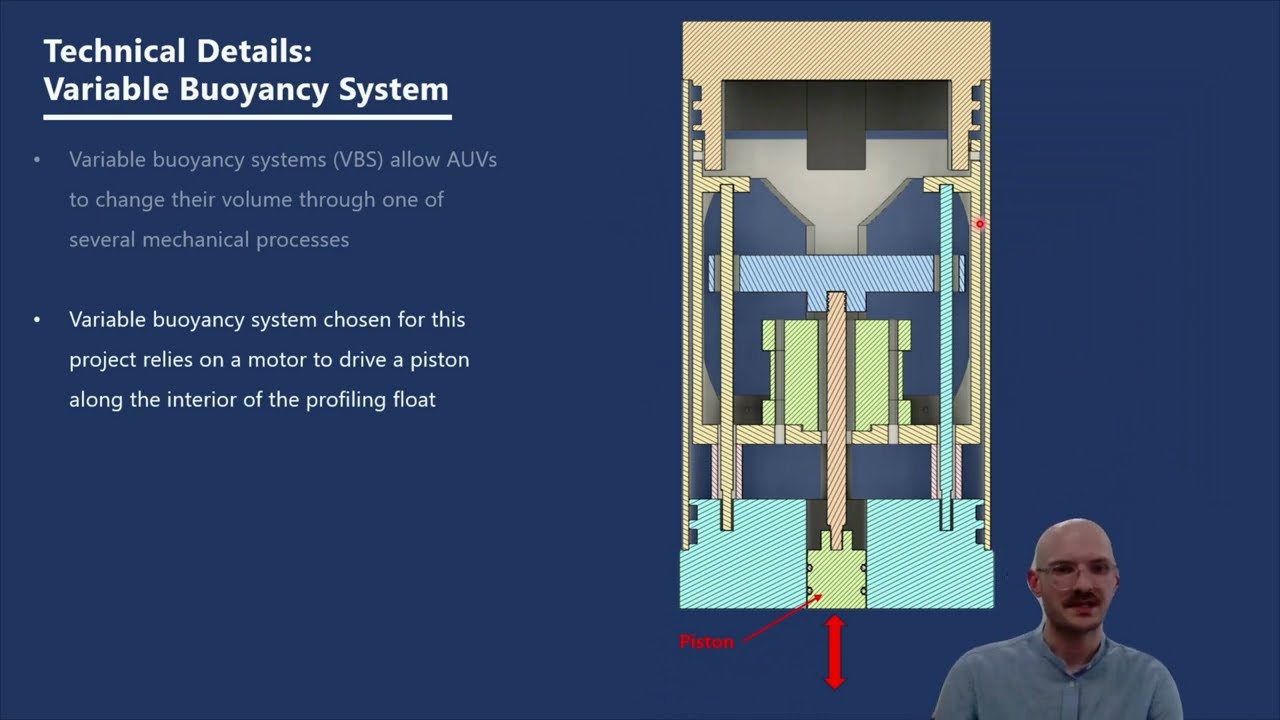
34:01
Proof of Concept Autonomous Profiling Float | Ocean Engineering Capstone
@usm_oceanengineering
214 views•2024-05-19

30:21
Damped Free Vibration of Structures: Viscous Damping Theory
@IITKanpurNPTEL
23.4K views•2019-08-26

54:16
Polymer Environmental Degradation: Mechanisms & Stabilization
@iit
1.8K views•2012-07-10
33:39
How a Student's Question Saved a NYC Skyscraper from Collapse
@veritasium
22.8M views•2025-04-26
Related Study Plans & Knowledge Roadmaps
Structured learning paths in Engineering
engineering
Structural Dynamics (DIY TMDs & Shake Tables)
01Foundations of Structural Dynamics & Resonance
02Designing and Building a Motorized Shake Table
03Constructing the Scale Building & Tuned Mass Damper
+ 2 more learning modules
35h5 modules
Explore Roadmap
engineering
Building Acoustic Levitators: Physics & Arduino
01The Physics of Sound and Standing Waves
02Piezoelectric Transducers and H-Bridge Drivers
03Arduino Programming: Generating 40 kHz Signals
+ 2 more learning modules
14h5 modules
Explore Roadmap
engineering
Building Peltier Cloud Chambers: Particle Tracks
01Cosmic Rays & Cloud Chamber Physics
02Thermoelectric Cooling (TEC) Fundamentals
03Custom Liquid-Cooling Loop Design
+ 2 more learning modules
18h5 modules
Explore Roadmap
engineering
Yagi-Uda Antennas: Modeling, Build & VNA Test
01Introduction to RF and Antenna Fundamentals
02Yagi-Uda Antenna Design Principles
03Antenna Modeling and Simulation in 4NEC2
+ 2 more learning modules
18h5 modules
Explore Roadmap