










![UNIT 3 GOVT MICRO ECONOMIC INTERVENTION [PART 2 of 9]](https://i.ytimg.com/vi/oWq9oariG50/sddefault.jpg)

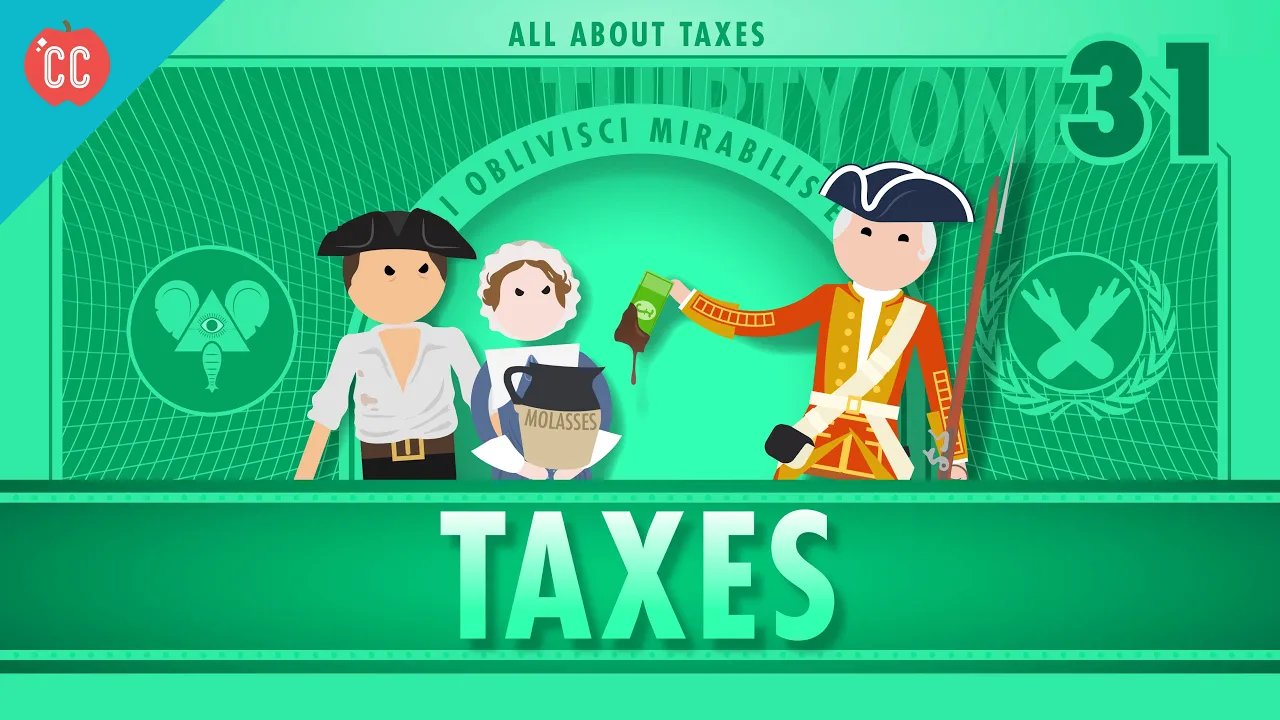
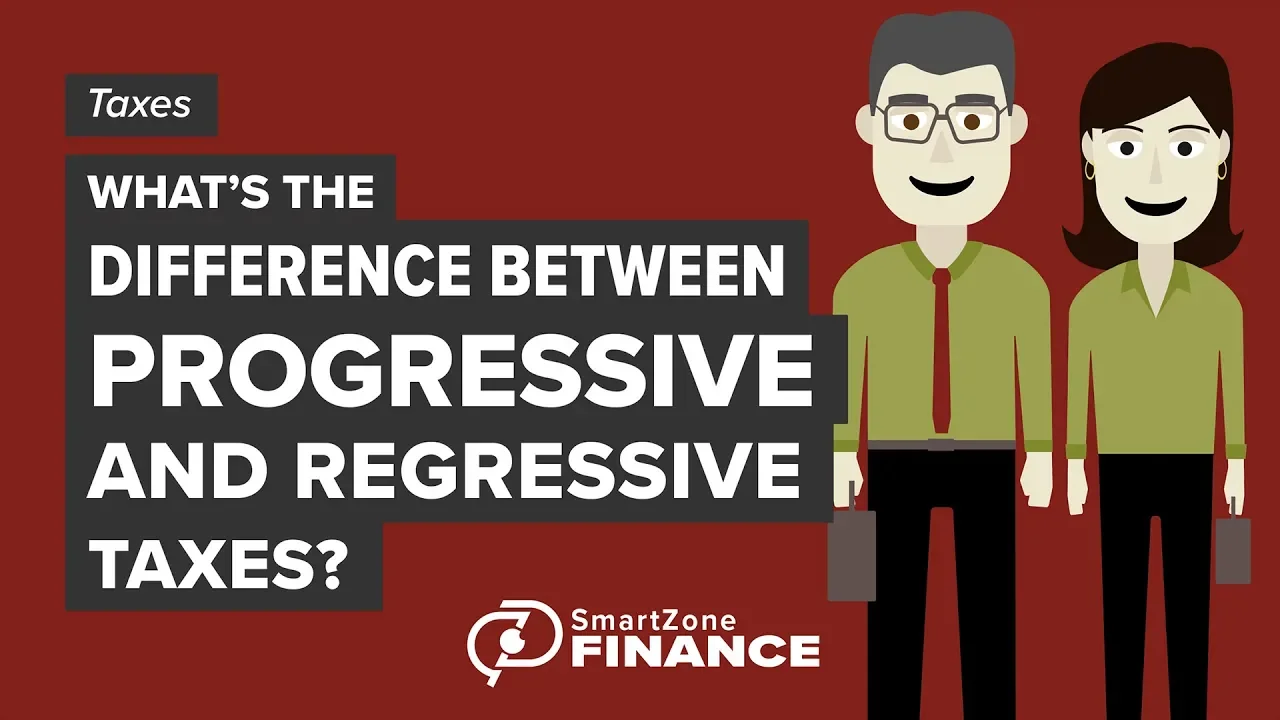
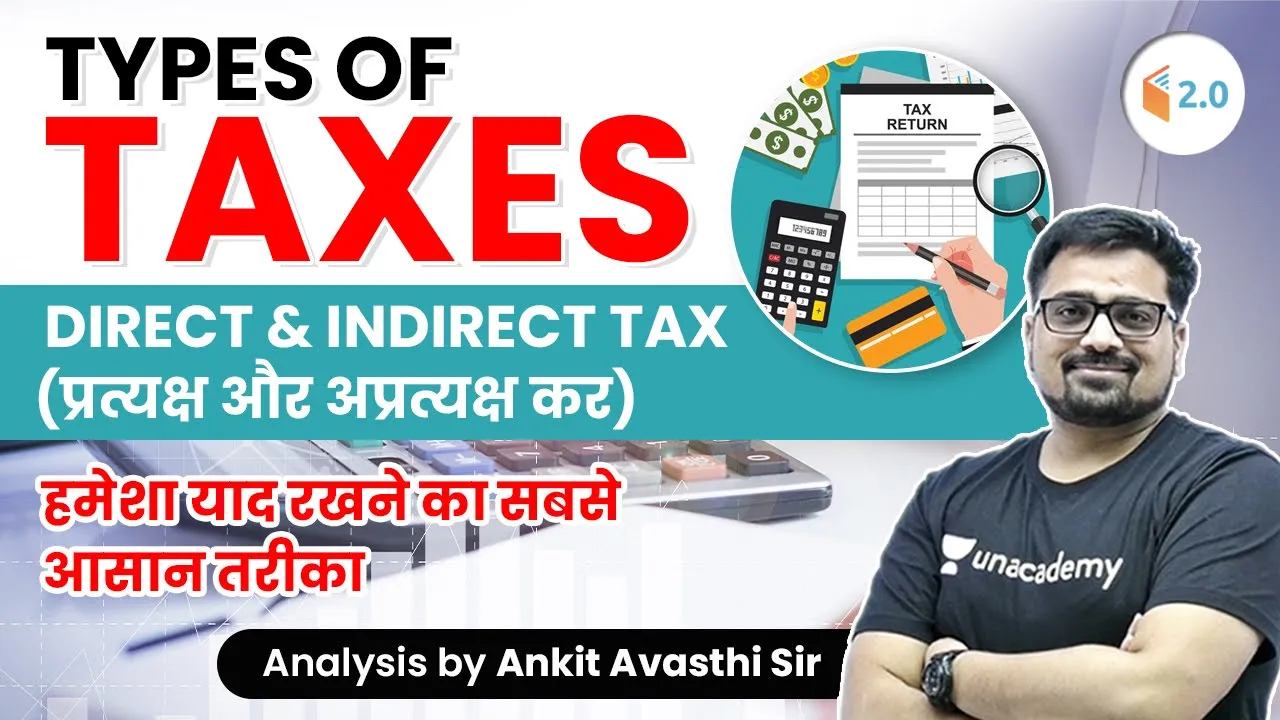





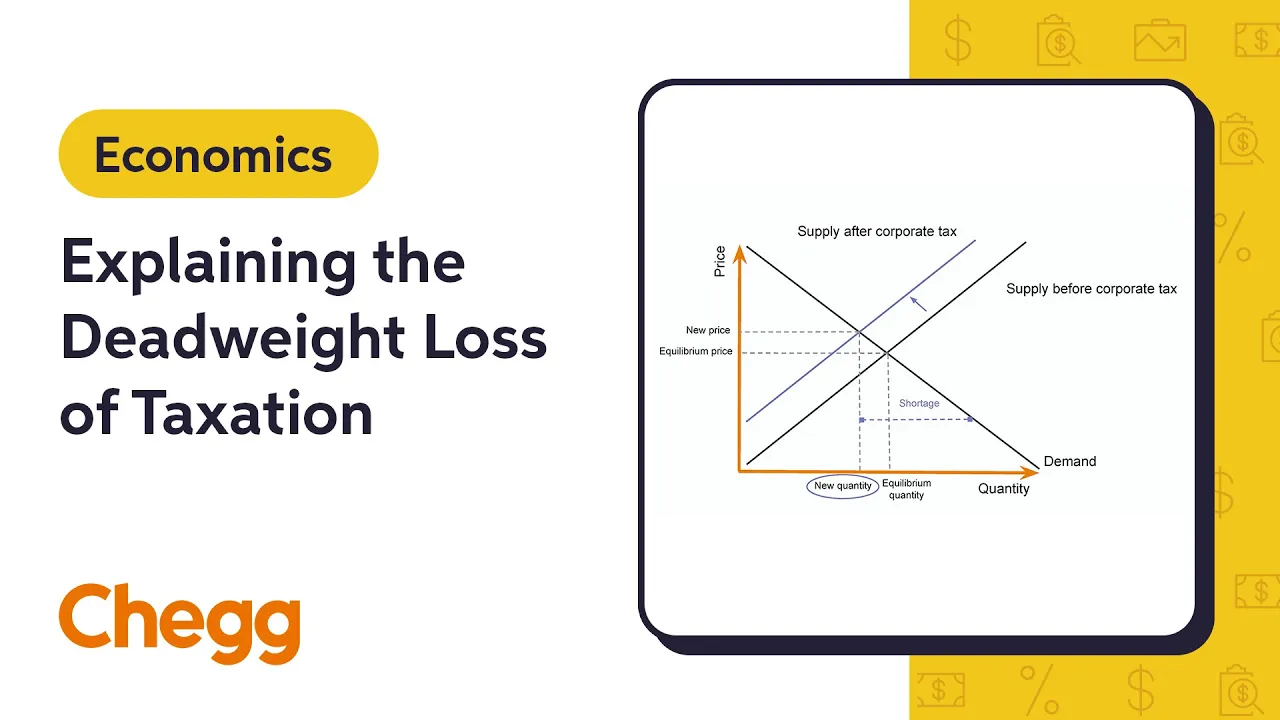
Taxes are required payments to the government that fund public services and government operations; they are generally categorized into three main types: consumption taxes (such as sales taxes, value-added taxes, and excise taxes that apply to purchases), property taxes (recurring taxes based on the value of owned property like real estate or vehicles), and income taxes (recurring taxes on earned money including wages, salaries, and investment profits). Additional specialized taxes include estate taxes, inheritance taxes, wealth taxes, capital gains taxes, gift taxes, and corporate income taxes, each serving different purposes in government revenue collection.
Understanding Taxes: Types and Economic Functions Explained
Added:Basic understanding of public goods and services, and why governments require revenue to provide them.
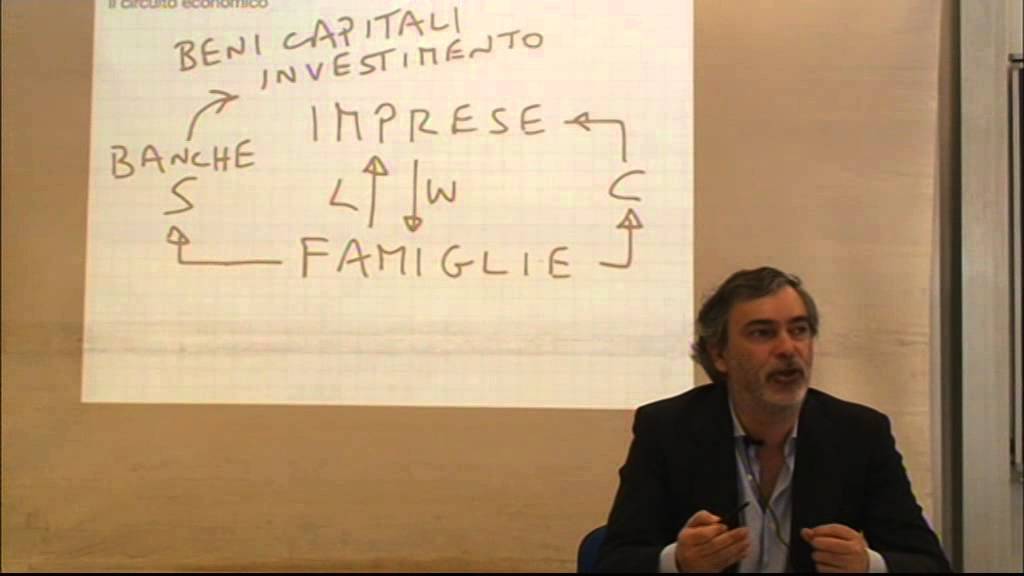
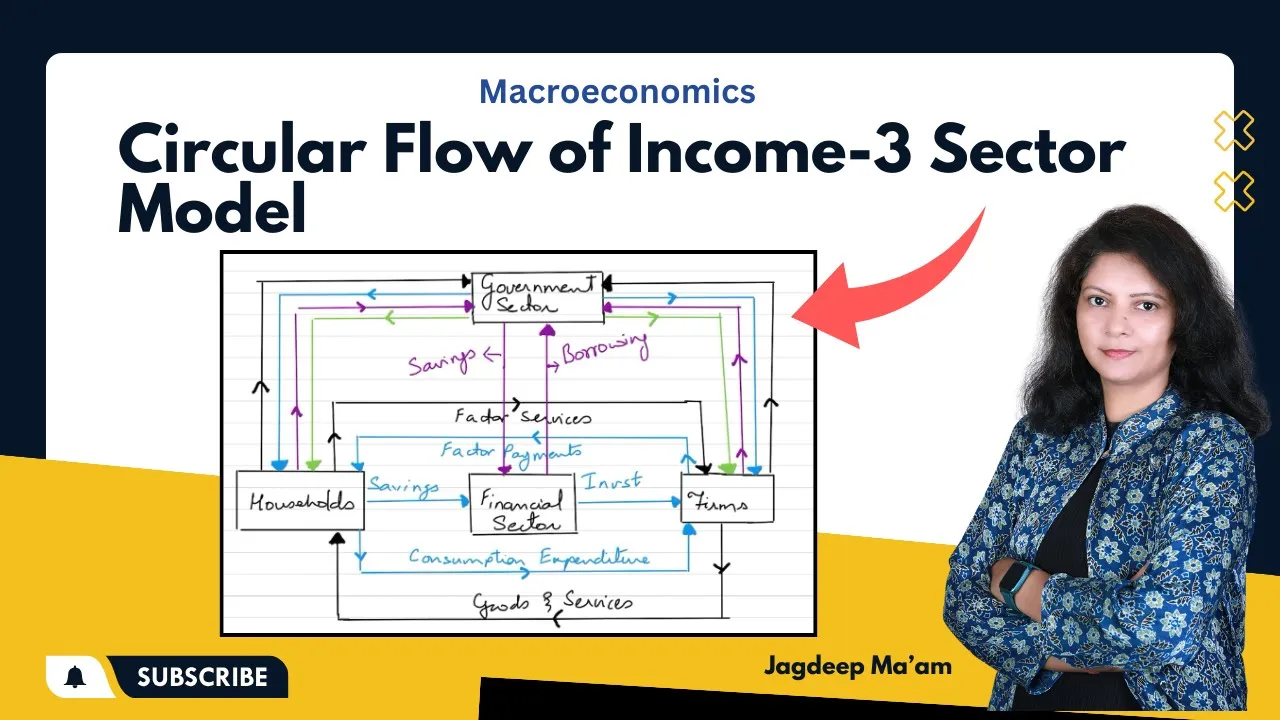
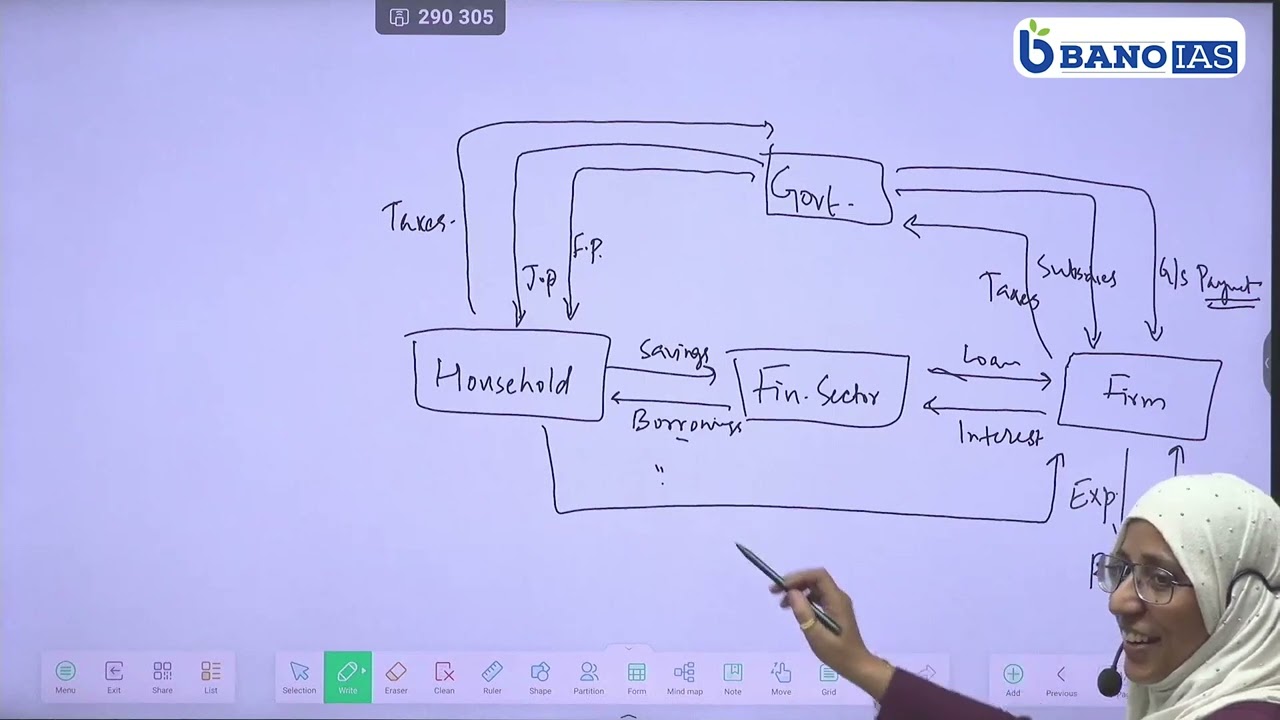
The circular flow of income model, illustrating how money moves between households, businesses, and the government.
The distinction between income (earnings over time) and wealth (accumulated assets) to understand different tax bases.
Fundamental economic concepts of supply, demand, and how government interventions can affect market transactions.
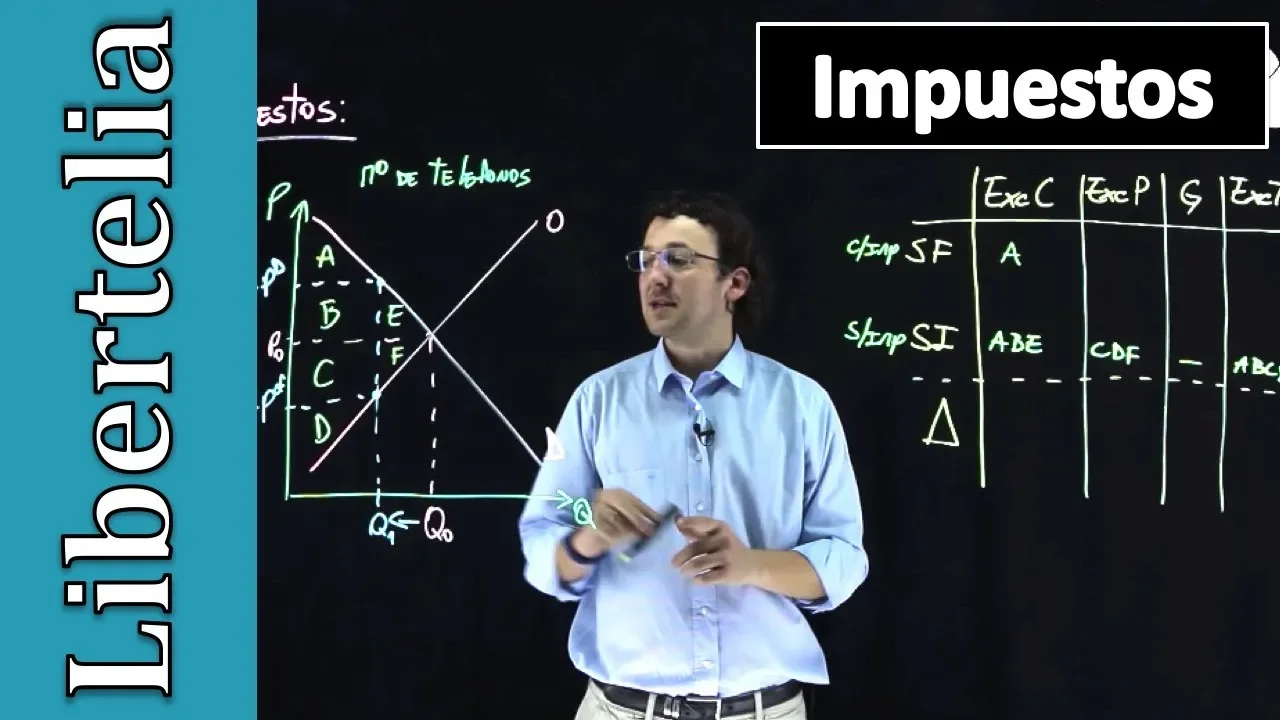
The study of tax incidence, analyzing who bears the actual economic burden of a tax (consumers vs. producers).
An exploration of progressive, regressive, and proportional tax structures and their impacts on wealth inequality.
Fiscal policy mechanisms, specifically how governments use taxation and spending to influence aggregate demand and stabilize the economy.
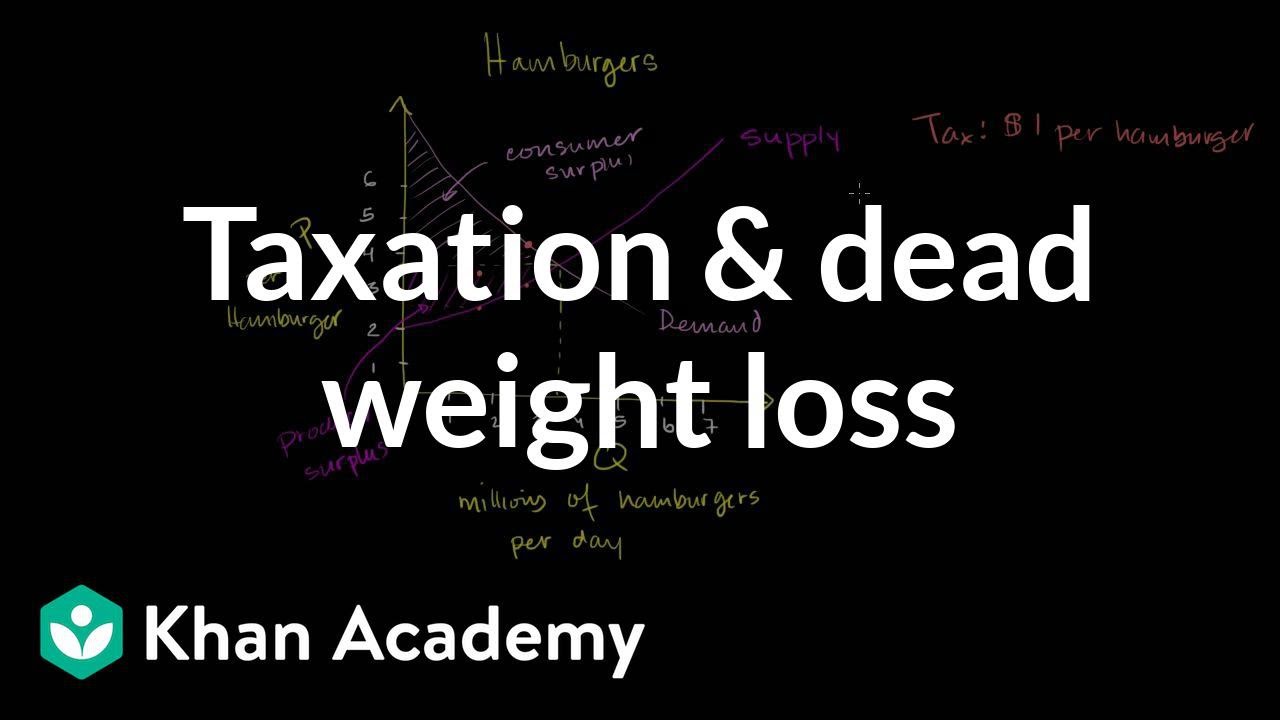
The concept of deadweight loss and how taxes can create economic inefficiencies or market distortions.
225.2K views10.1Klikes18:33Original Release: 2021-08-27
Hey I’m the Mr. Beat dude Taxes. Everyone just loves taxes. Oh they’re just great. You work 60 hour weeks busting your butt to pay the bills and feed the kids and then the government just comes along and takes it. Takes what you earned. Takes what you deserve. You know what?!? And taxation is theft!!!
Ok, during that clip. I calmed down a bit. I’m a changed man. (sighs) Let’s just break down what taxes are and why we have them first, ok?
A tax is a required payment to the government. You have to pay it. If you don’t, there will be bad consequences and stuff. Now, why on earth do we have to pay taxes? So the government can pay for stuff. Now, remember, as I said in a previous video, the purpose of the government is to protect society. More specifically, to resolve conflicts, defend a society from other societies, or provide public services. That costs money, and they need to get that money from somewhere.
What are they going to do, borrow tens of trillions of dollars to pay for everything? Hahahahahahahha but yeah seriously, they do that, too.
Now remember, in a democratic society, our tax dollars should ideally go where we want them to go. Understandably, many get upset when this does not happen. https://www.youtube.com/watch?v=2t1zK24_8MU Regardless, let’s go through all the major types of taxes that governments usually collect. And Ok, first, let’s look at consumption taxes, or taxes on the purchase of stuff. Sales Taxes A sales tax is a tax on sales. Yeah, since that definition didn’t help you whatsoever, it’s a tax you pay when you buy something. Usually, whoever is selling you stuff can collect those sales taxes the moment you purchase the stuff. That’s why when you buy that hat for $9.99, you actually end up paying $10.79 at the cash register. That additional 80 cents is the sales tax. It’s important to note that this is on final goods, or goods meant to be sold to your average consumer, as opposed to intermediate goods, which are goods bought to produce other goods.
Nearly every country in the world has some form of a sales tax. Now, there are different types of sales taxes, like turnover taxes, where there are taxes on the sale of the aforementioned intermediate goods. Or taxes on the sale of specific types of items, like the wholesale sales tax, a tax on the sales of wholesale goods before the goods are sent to retailers. Or luxury taxes, taxes on stuff not considered essential. But...that’s enough about sales taxes. Let’s not get into the weeds too much here.
Value-added taxes A value-added tax, or VAT, is a tax on the price of a good or service at every stage of production or distribution. It’s similar to a sales tax, but instead of just being applied to the stuff sold to the consumer, it is applied repeatedly at every point of sale at which value has been added to the stuff. Let’s look at an example. Say a farmer sells cotton to a textile producer. The value has been increased after the textile producer buys it, so a VAT is collected by the farmer. Next, the textile producer sells fabric to a hat maker. The value has once again been increased after the hat maker buys the fabric, so an additional VAT is collected by the textile producer. And finally, the hat maker sells hats to the hat store. The value has once again been increased after the hat store buys the hats, so yet an additional VAT is collected by the hat maker. There is the total VAT collected.
The vast majority of countries in the world have a value-added tax, but a glaring exception is the United States, which relies on sales taxes instead. Governments often prefer the VAT over the sales tax since it encourages more specialization and discourages vertical integration, which is when one company completely owns and controls the supply chain. :coughs: Amazon Here’s two quick graphs to show you the basic difference between a sales tax and a VAT. Feel free to pause here and stare at it for 48 seconds.
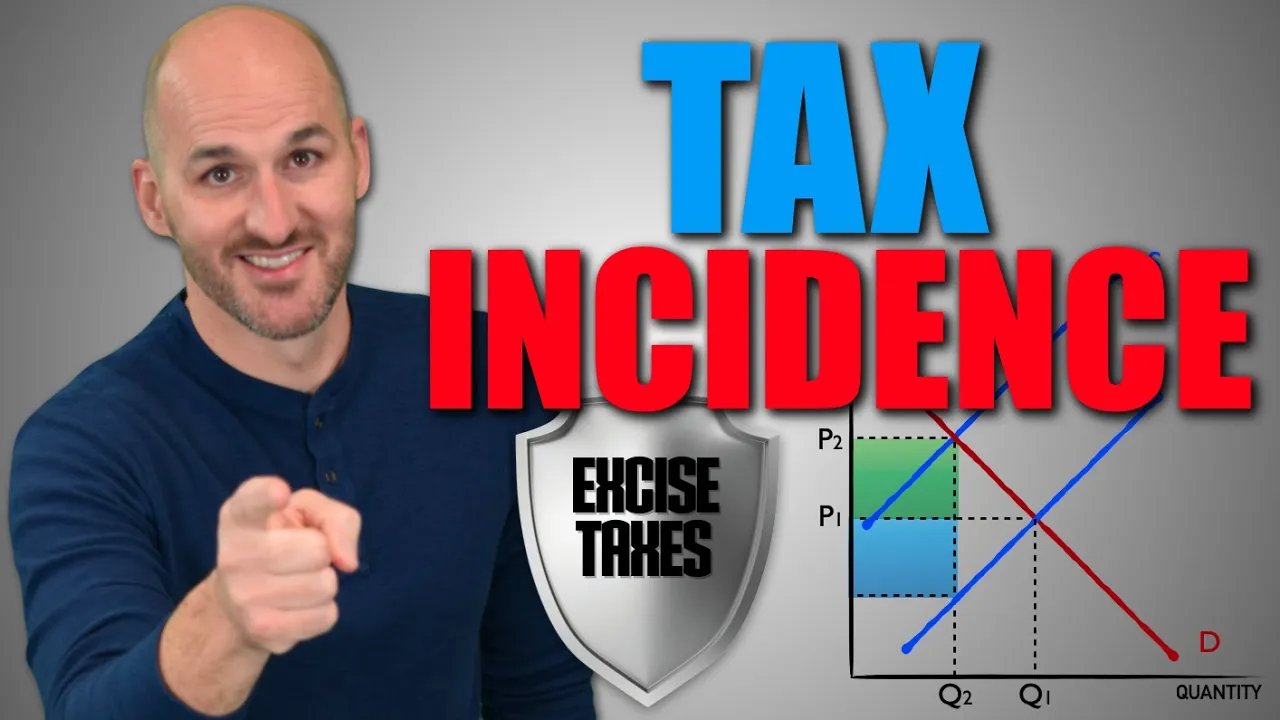
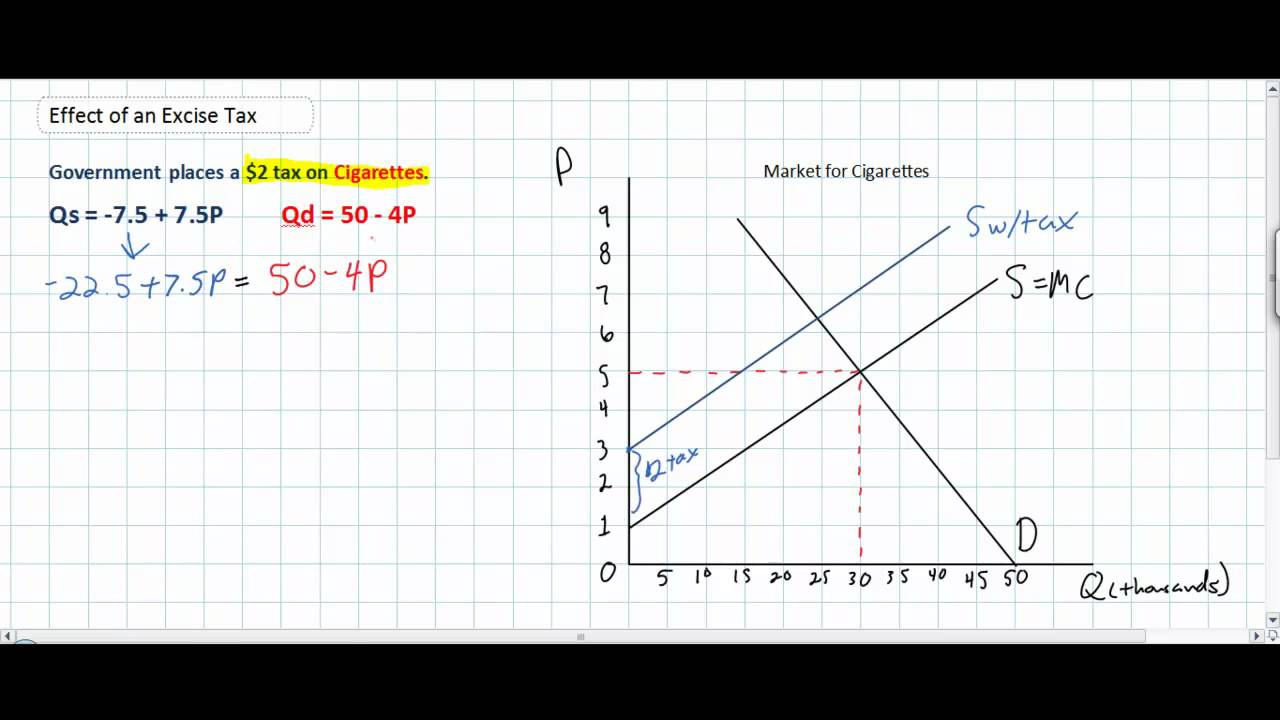
Excise taxes An excise tax is any tax on stuff made when it’s produced, as opposed to when it’s sold. Now, up until recently when I taught Economics to my high schoolers, I gave them the wrong definition, and I apologize for that. Please don’t be mad at me bros. In my defense, most places online define an excise tax the way I used to. Basically, a tax on the sale of specific goods or services, or on certain activities. I think the confusion arises because excise taxes are often sin taxes, or excise taxes placed on stuff that most people view as harmful to society. Ya know, stuff like cigarettes, alcohol, marijuana, gambling, prostitution or even sugary beverages.
But the main thing that makes an excise tax, an excise tax, is that businesses pay them, not consumers. Both excise taxes and value-added taxes are often called “indirect taxes” since consumers end up indirectly paying them anyway because producers and retailers will end up just raising their prices when they have to pay excise and value-added taxes.
Regardless, many folks are cool with excise taxes, as long as they are sin taxes, because they think if something is bad for you or society, then it should be more expensive to discourage folks from buying it. Take gas taxes. I’m currently in Missouri, and I’m getting gas here because it’s much cheaper than in Kansas. Why? Missouri has lower per-gallon excise taxes on gasoline.
So yeah, excise taxes are usually a fixed amount for each unit of a good or service sold, and governments also apply them to a narrow range of goods. Other common targets of excise taxes include salt, paper, advertising, and coffee?
Oh you BETTER not be taxing my coffee! So those are the three main consumption taxes. Critics often say consumption taxes are the most regressive form of taxation, since folks who have the least amount of wealth end up paying a larger portion of their wealth in taxes than wealthier individuals do. One way governments have attempted to solve the problem of sales taxes being regressive is allowing sales tax exemptions, meaning certain organizations like schools or nonprofit hospitals don’t have to pay sales taxes. Or, governments may make certain goods sales tax exempt, like clothing, groceries, and other stuff that’s important for survival.
Next up are taxes on property! Woohoo!
Property taxes A property tax is a recurring tax paid based on the value of the property we own. Typically, it’s on real estate, like land and buildings, but also personal property like vehicles and equipment. At minimum, we usually pay property taxes once a year, and if the value goes up on our property...yay!...we get to pay more property taxes. But if the value goes down...yay!...we get to pay LESS property taxes but...boo!...our stuff is worth less so that sucks and stuff. Governments may also collect property taxes when the property changes owners.
Oh, and by the way, property taxes are the single biggest source of state and local revenue in the United States, funding things like schools, roads, the police, and other important services.
Next up are taxes on assets. And in case you forgot what assets are, they are anything of value that can be converted into money. Estate taxes An estate tax is a tax on your right to transfer wealth at your death. It’s automatically taken out of someone’s estate- eh, get it?- upon their death. Typically, governments collect estate taxes on estates with assets worth at least tens of millions of dollars, so uh, most of you watching this video right now won’t have to worry about this one. Oh, and critics of estate taxes often nickname them “death taxes,” which I think is pretty effective use of language there buddy.
Related to estate taxes are inheritance taxes, which also revolve around the idea that many have that if you’re getting free money from a dead relative, it’s ok for the government to take some of it since you didn’t earn that inheritance, amirite? Anyway, an inheritance tax is what the beneficiary, or the person inheriting the wealth, has to pay when they receive the inheritance. Wealth taxes A wealth tax is a tax on a person’s total net worth. To figure out a person’s net worth, we look at the value of their assets minus their debt. So like, if they had $10 million in assets and $1 million in debt, their net worth would be $9 million.
I think my net worth is negative, by the way.
Anyway, similar to property taxes, a wealth tax is recurring, Wealth taxes are not that common around the world. Some European governments collect them once a year, and Colombia and Argentina both have a wealth tax. Apparently it has already raised billions in Argentina, but European countries have had less success raising money this way since people have hid their assets or taken their assets to other countries.
And so, others favor taxes on earned wealth in a given year, not accumulated wealth. Income taxes This is probably the tax that most of you complain about the most. An income tax is a recurring tax on your income, or the money you make. It’s the main reason why your paycheck isn’t as high as it should be. But it’s not just on wages or salaries. It’s also on other forms of investments an individual or household earns. Now, there can be expenses and deductions that lower the amount of income that is taxed, and that’s why filing your income taxes can get quite tricky to a point where many hire someone to file their income taxes for them.
The vast majority of income taxes are “progressive,” meaning tax rates increase as a person’s income increases, meaning they end up paying a larger percentage of income taxes than those who earn less. Typically a progressive tax system has tax brackets, so different portions of your income are taxed at different rates. The rate you pay on the last dollar you earn is often higher than what you pay on the first dollar you earn. Governments always start at zero when calculating. In the United States, there are currently seven different tax brackets at rates of 10, 12, 22, 24, 32, 35, and 37. Most Americans don’t ever have to worry about paying more than 22% of the last dollar they earn. Ok, enough of that. Some places have a proportional income tax, in which the tax rate is fixed, so you pay the same percentage no matter what your income is.
Now, if you are self-employed, you often have to calculate your own income and pay the government directly. Employers often collect payroll taxes.
So how do the richest citizens get out of paying so much in income taxes? By reporting a lower income of course! But there’s another way to get their income. Capital gains taxes A capital gains tax is a tax on the profit on the sale of an asset. Often this is through the sale of stocks, bonds, precious metals, or cryptocurrency. Even antiques can be subject to a capital gains tax if you make enough money from them. The capital gains tax rate depends on how much profit you gained in a given year.
It is FAR more common than a wealth tax, mostly since it’s easier to keep track of. However, often wealthy folks just hold on to assets...they don’t sell them, so that’s why some argue a wealth tax might be better to generate more money.
A lot of folks ask me for money, probably since they think I’m actually Mr. Beast, But what if I were to give you $15,000? Now, I’d have to check with Mrs. Beat to make sure it was ok first. Gift taxes A gift tax is a tax on money or property simply given to another person. So it’s similar to an estate tax or inheritance tax. Related to the gift tax is the generation-skipping transfer tax, when someone wants to give money or assets to a grandchild or an unrelated person much younger than them.
Wait a second, don’t corporations earn income, too? Why yes they do. Corporate Income Taxes A corporate income tax, or simply corporate tax, is a tax on business profits, which are revenues minus expenses. Typically corporate tax rates are flat. The thing about corporate taxes is that they indisputably create tax havens. See all these countries? They all have an effective 0% corporate tax rate, which is why so many companies incorporate headquarters in them to avoid paying taxes on their annual profits. Here’s one example. Back in 2017, Google shifted $23 billion to tax haven Bermuda. So yeah, this is one big reason why corporate taxes remain controversial.
Oh, and how could I forget… Tariffs Tariffs are taxes on stuff crossing an international border. Ya know, imports and exports. But mostly imports. Tariffs can be a fixed percentage of the price or change according to the price. Historically, tariffs have been an important source of revenue for governments.
The idea is that governments can both make money and encourage production to stay domestic. A win-win, right? Eh, not quite. Nearly every economist out there argues tariffs have a negative effect on economic growth and economic welfare, and that free trade and the reduction of trade barriers is the best way to grow an economy. That said, free trade can lead to income inequality, like we see around the world currently, so that’s why many politicians have called for tariffs.
In conclusion, there are MANY types of taxes I haven’t even mentioned, but those are the main types. But yeah, in general, there’s three types of taxes. Taxes on what you buy, taxes on what you own, and taxes on what you earn. Now excuse me, I got a letter from the IRS. Apparently I owe them...seriously. I gotta go pay this.
So, what’s YOUR favorite type of tax? Or should I say, what’s the type of tax you hate the least amount? Let me know in the comments below. Next week, the wildly successful YouTube series Supreme Court Briefs makes its dramatic return. Let’s see, what else. Oh, don’t forget to follow me on TikTok and stuff. I’ve been posting more on there lately. Ok, I think that’s it for now. Thanks for watching!
Up Next
4:57
Land Value Tax Theory: Economic Efficiency Explained
@LandTaxerMemes
436 views•2023-05-25
5:07
Impact of Yuan in Indo-Russian Trade Amid Sanctions
@WION
261.9K views•2022-07-01
23:08
Understanding the Land Value Tax and Georgism: A Historical Analysis
@iammrbeat
1.3M views•2022-06-10

113:18
The Age of Easy Money: Fed & Inflation | Full Documentary
@frontline
21.2M views•2023-03-15
Related Study Plans & Knowledge Roadmaps
Structured learning paths in Economics
economics
Sovereign Debt: Defaults, IMF & Restructuring
01Introduction to Sovereign Debt & Government Bonds
02Debt Sustainability & Credit Ratings
03Anatomy and History of Debt Crises
+ 2 more learning modules
12h5 modules
Explore Roadmap
economics
Market Design: Matching Theory & Gale-Shapley
01Introduction to Market Design and Price-Free Markets
02Two-Sided Matching & The Gale-Shapley Algorithm
03School Choice Systems and Mechanism Design
+ 2 more learning modules
10h5 modules
Explore Roadmap
economics
Impossible Trinity: Forex, Capital & Policy
01Introduction to Monetary Policy and Central Banking
02Exchange Rates and International Capital Flows
03The Mundell-Fleming Model
+ 2 more learning modules
8h5 modules
Explore Roadmap
economics
Healthcare Economics: Market Failures & Systems
01Introduction to Healthcare Markets and Market Failure
02Asymmetric Information and Adverse Selection
03Moral Hazard and Insurance Design
+ 2 more learning modules
12h5 modules
Explore Roadmap