



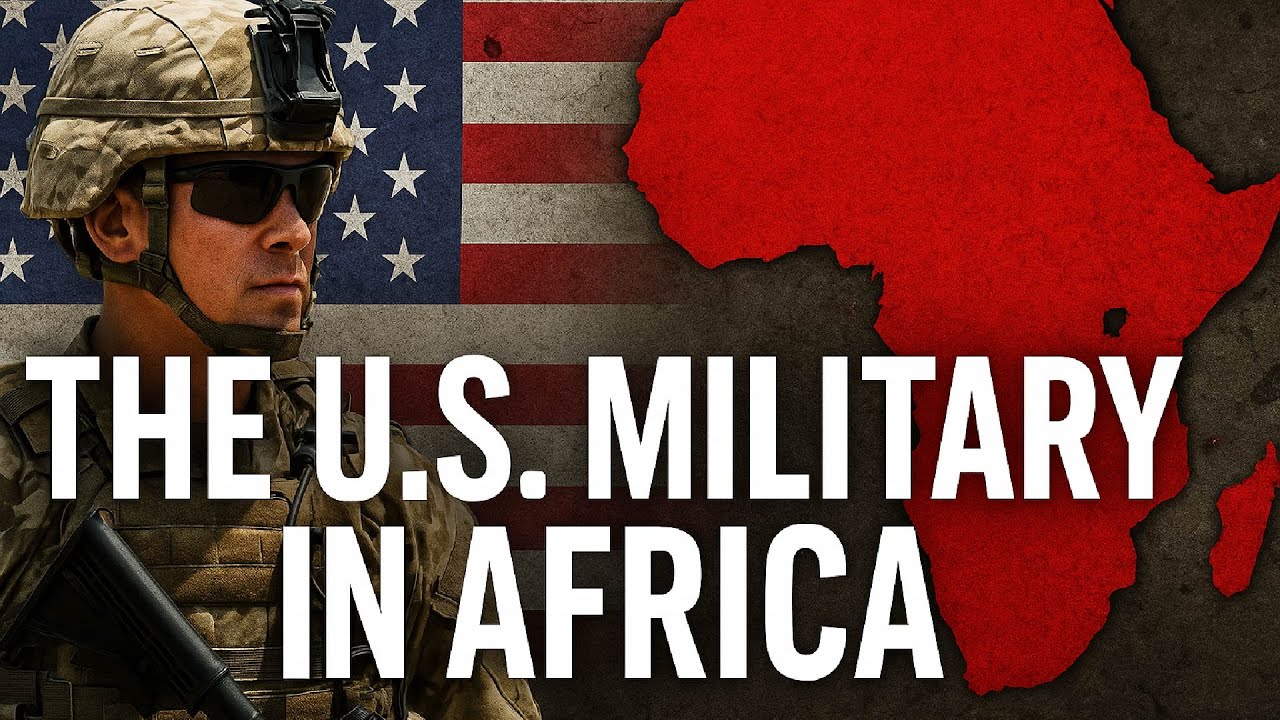




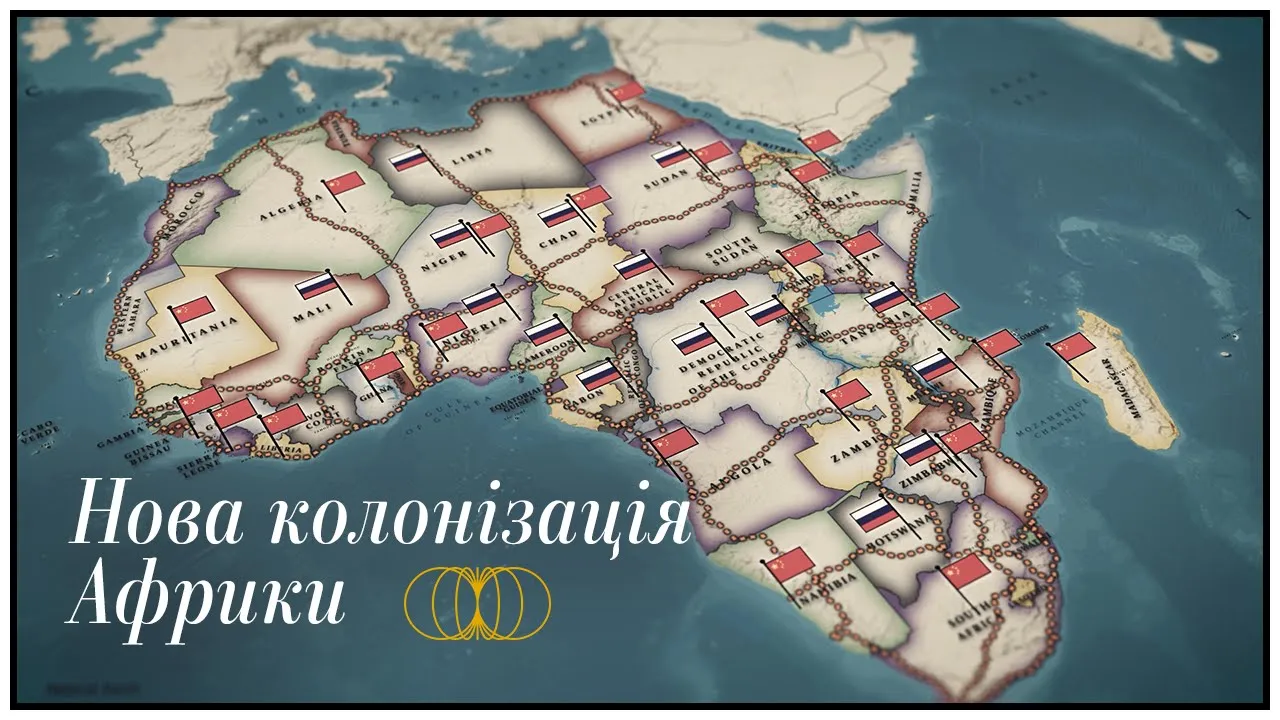





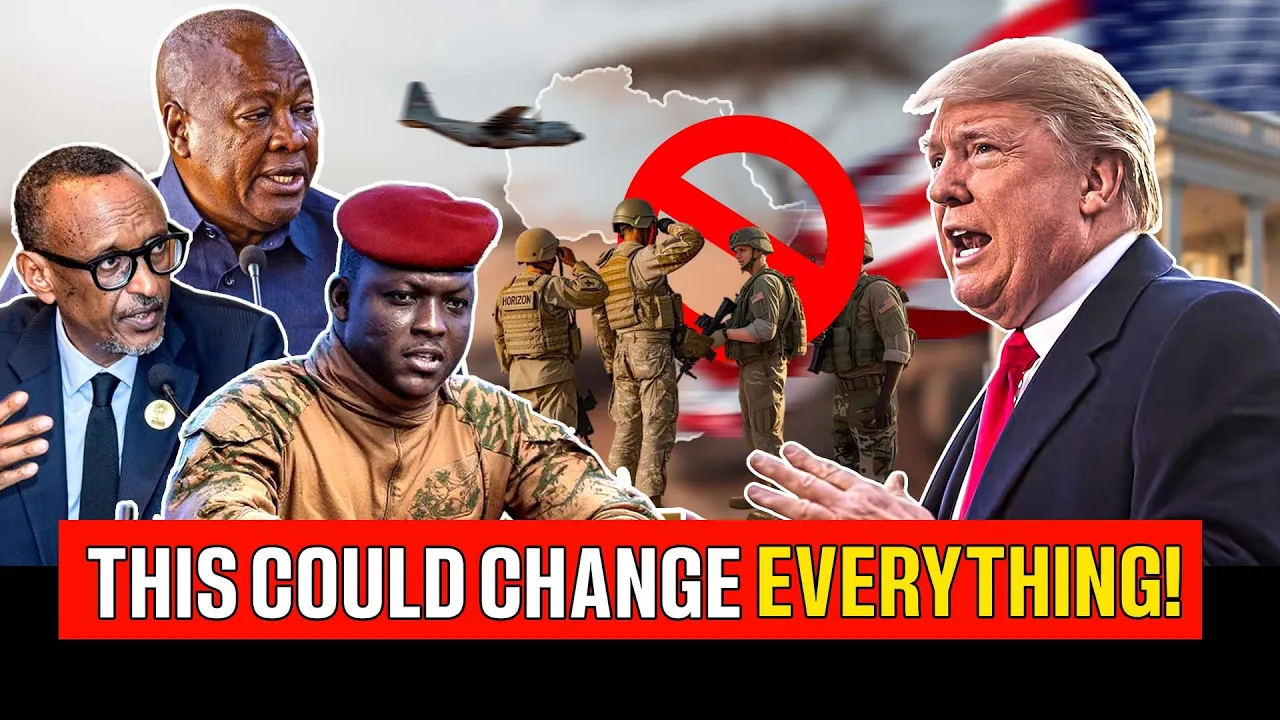


Under Trump's administration, U.S.-Africa relations evolved from direct military intervention to strategic partnerships emphasizing logistical and financial support over boots-on-ground deployments, while simultaneously pursuing protectionist trade policies that challenged African exports through the African Growth and Opportunity Act (AGOA) and intensified competition with emerging powers like China and Russia through initiatives such as BRICS, prompting African nations to reconsider their international partnerships and economic dependencies.
Africa's Future Under Trump: Security, Trade & Diplomacy
Added:Understanding of the 'America First' foreign policy doctrine and its emphasis on bilateralism over multilateral agreements.
Familiarity with the African Growth and Opportunity Act (AGOA) and its role in US-Africa trade relations.
Basic knowledge of US military involvement in Africa, specifically the role of the US Africa Command (AFRICOM) and counter-terrorism operations in the Sahel and Horn of Africa.
Awareness of great power competition in Africa, particularly the economic and political influence of China and Russia on the continent.
Comparative analysis of US foreign policy toward Africa across different presidential administrations.
Evaluation of how the African Continental Free Trade Area (AfCFTA) adapts to shifting bilateral trade policies from Western nations.
In-depth research into the economic impacts of tariff shifts and bilateral trade renegotiations on specific African developing economies.
Assessment of local and regional security initiatives (such as the African Union Transition Mission) stepping in to fill potential vacuums left by US security policy changes.
448 views10likes1:39:30Original Release: 2025-02-21
e e e e e e e e e I'm a graduate assistant here and a master's diplomacy intelligence uh with some deep research interest in emerging Technologies and how their impact uh National Security at the moment I'm trying to look into artificial intelligence and just their General governance and security aspect in Africa however uh now that I'm picking up the security conversation uh we've seen that since Trump left Africa there have been a rise of uh tensions in Africa we've seen in the Sahel region there's been a conflict of course engagement of uh United States with Africa have traversed several themes in security for example uh the war on terrorism that falled into counter violent extremism and now it's changing every day and uh we are seeing it having different uh changes uh it's having it's evolving into different themes uh and different presidents are trying to uh have a different look into Security in Africa so my question can be Will trump expand or reduce uh some of the security cooperations in Africa it could be military it could be uh bilateral Arrangement as well not so there are certain things he'll be able to touch and there are certain things he cannot touch if you have watched for those of you whove been students of international studies and been King followers of what's happened in the news uh from the time Trump left office uh Russia especially Russia there's been an influx of Russia from a military perspective on the African continent and especially in the Sahel uh there's been an increase of Isis Affiliated groups within the Sahel region so terrorism there's been an upsurge of terrorism as well so Trump coming in from a security perspective and knowing that the US considers Africa as one of its last bastions or one of its biggest Partners in the war on terror Trump may not want to reduce what is going to change is the mode of Engagement with Donald Trump he is not going to allow a lot of American boots on the ground so traditionally he even said it one of his in one of his inauguration speeches he said America does not want to get involved in fights that do not belong to them and because of him stating and saying America doesn't want to get involved in fights that they do not belong to them they American engagement under Trump will be more of the US partnering with African countries supporting them to to fight their own fights so giving logistical support uh financial support if need be as opposed to putting boots on the ground unlike what President George Bush Jr did and some of his predecessors you know the war of Terror going to Afghanistan uh invasion of Iraq in 2003 Trump will want to support Africa to fight its own uh battles but by not putting American boots on the ground so more of logistical support that is number one number two he is definitely going to be concerned about Russia's incursion into the Sahel using private military contractors the Wagner group now called the Africa core who have who are now in charge Central African Republic ner burkinafaso Mali he will want to counter that new wave of Russia in Africa he was as a as a as a global Jon he will be pushed to it even if he does not think it is important why because the Sahel have this Renaissance of pushing away foreign powers we've seen the French being kicked out uh the Sahel region appams and former French West African countries upams saying they want to shake off these shackles of neoc colonialism so that has created a vacuum that Russia has exploited so there are a lot of troops uh in the Sahel region Chad bukina Faso Mali ner Central African Republic where there are atrocities that have been you know on record that Russia its PMC Wagner group has committed so Trump will want definitely to step in e or else he loses a lot of clout a lot of influence on the African continent so on that I see continuity and change I fall back to that continuity and change there are certain aspects the war on terror he will want to maintain allies to help him fight the war on terror but largely he will not put boots on the ground I I strongly believe that he will continue to offer logistical support just to keep America in the know and don't forget uh Barnabas africom in jibuti the headquarters of africom us africom Africa command is in jibuti where they think in Camp Clan more and they've already now they want to have anou with Kenya to have mandab Bay another Camp military Camp there so the US and Security in Africa it is not going to change its goal post by a big margin that's my assessment thank you and you working on the transational actors you're looking into terrorism as well and I think terrorism is still a parent issue not just in the home of Africa but across various sectors of Africa where we seeing teror groups arising and uh in the generality perspective is there going to be a reconsideration of Trump's view on ter approachment from us perspective thank you so much I think it's a fact to say United States now views theat from terrorism as reduced I think it's not as effective as it was years ago but the tra still exists and Africa is a very strategic the United States in fighting terrorism uh that's why I think recently we had president Trump of strike Somalia because I think he is aware that Al the moment other groups Isis are really weaked Capac to come back the region so but I don't think he going to be number one priority he going to like what my colleague said going to you know enough to make sure that he what Isen across Africa Africa and also afria Partnerships like you know Kenya that's why my view Kenya a very strategic partner for the United States um but globally I think the main challenge is going to be China China and Russia but the moment I say China even from his first T of office he really saw China his tra take I think we can also look and uh United States will look like remember the agreement came during uh Biden's uh era and now Trump has just come and he's been trying to uh some of the policies that Biden really pass during his okay thanks B for question Kenya's designation is a major man to Ally it's an important designation it elevated our profile it put Kenya on the global map as a security partner for not only the United States but also NATO however it comes it comes with its own baggage but from K's perspective um if he does not become very drastic there have been very many articles and people worried that Ken that he could come and strike it off he could remove it from uh from Kenya but remember one of the considerations that made Trump or rather that made the US designate Kenya as a maor to Ally was because of their need to re to restamp their presence or revamp their presence or reevaluate and re instill uh their presence on the African continent from a security perspective the war on terror the fact that in the hor of Africa we are the Bastion of Peace we look like we're the reasonable Nation remember we are struggled by the great lakes on one side and by the land of Africa which have been troubled regions so Kenya becomes a very important security Ally for countries or hegemonic powers like the United States so our major NY to Ally I do not think Trump is going to go out of the way out of his way to strip us from that title what does that title guarantee Kenya what what benefit does Kenya get from title number one we can secure military aid from the US that is one of those of NATO allies we get first considerations in terms of getting military and security support and we play an important role in just trying to you know manage the peace and security architecture of the region Kenya is one of these important countries uh our role however and now let me know through however if our Canan government does not watch its steps its diplomatic steps even in this war on terror matter security we're going to get a uh at you know on the firing line the cross crosshairs of countries like theas I'm talking about uh how do we manage the BC conflict number one the world is watching the US is watching what we just did the other day allowing one of the factions from sadan the rapid support forces under General HTI D to come and launch a par program from Kenya that is going to create a lot of heat for us and we will app feel like we are not part of the solution in bringing peace and security within the home of Africa remember Sudan and Kenya are both members of igard and Kenya is an important country and bringing about person a than Ard how the Optics that we hosted um a group a splinter group from another country and it came and it launched a parallel process which is seem to destabilize the de facto government San for me as a diplomacy expert I think they made a mistake that could be one of those few things that Trump could pick on as an excuse to say the people you are supporting people who have saned remember the rsf is under serious sanctions from the United States of America so the question in international relationss is if you are aiding my enemy La does not leave my interest and your interest or our interest alone and the answer is no so not security Bas we are going to put ourselves in a very tight spot because by aiding or appearing to take sides in the Sudan conflict and aiding General dagalo and his rsf faction it could either get Trump to revoke our non NATO major all title or reduce his security toad to Kenya because here I feel like you're not aligning the peace and security architecture Vision that we have for the one of Africa the region thanks okay uh thank you and I think it just explains tr's approach to e e e e [Music] unit [Music] States because of [Music] that which is um ADV to American to see what happened then uh the other country would be Uganda I think uh Uganda we know that Uganda is like Kenya I think uh is a strategic partner especially the against terrorism but because of the previous administration did not agree with Uganda on certain matters they removed them from [Music] uhip [Music] [Music] [Music] uh thank you and I think it's also not worthy to mention some of the Nam set approaches where he's going to use the security councils to still intervene we are seeing rise of conflicts in Africa not just the cuse but the instability in the Great Lakes region the BRC conflict we are looking at the Sudan conflict as well and certain uh Terror activities happening for example in Somalia so I think they still going to put uh that uh consideration especially through the security Council in conflict and uh now that we've covered all the uh security uh approaches I think uh it's important remember everyone across the world look at Trump as a businessman and uh his approach to International Rel when we speak about quid proc and having uh something to get making the best deal I think his interaction now we seen the rise of conversation he's saying tariffs he putting sanctions he's putting 100% tariffs on certain uh things and especially if your trade uh relations with them are not aligning I think based on Trump there's certain subplus he can label you an enemy and he has done that to even closer to their their allies like Canada uh Mexico that are closer and now we are seeing him still continuing the trade with uh China as well so coming into Africa now cuz I don't think we are exception how is Trump trade policies uh including tars and tariffs going to affect African economies yeah thanks question definely like we've said uh Trump is a businessman and quid is very pragmatic uh number one I expect the biggest thing from an African perspective is ago ago started in the year 2000 I think by Clinton as a way of helping Africa get integrated into the global market what does what is a go all about African states have been allowed to export things on the list up to 1,800 products across different categories into the us at zero tariff without Duty in other words African countries are B to export things to the US and reap a lot of profits because of the currency the differences in our various currencies now agoa is a very good platform for Trump to continue engaging with Africa but agoa is also a very nice kol or weapon is a very nice Avenue he can weaponize to control Africa remember he's a businessman he will only do or invest where he's getting returns I have a feeling myori I go is up for Signature in 2025 countries like Uganda already were kicked out um you know privileges of drwn because of their are stands and social norms and values like you said Trump is definitely going to look at a AR fresh this is my viewpoint he may not cancel it totally but he may reorder the number of things Africa is allowed to export within the American Market why some of the things that Africans have benefited in exporting to the US are like uh raw materials and vehical parts such things and Trump campaigned on a platform of make America great again one of the biggest things that America was known for many years was the production and manufacturing of vehicles Trump might view this platform where Africa is exporting vehicle spare parts or vehicles to the us as a direct threat to this campaign promise of make am greater game so I am foreseeing that ifs are go in 2025 terms and conditions will apply he will say I will allow you continue exporting and bring your goods to the US but certain categories have to be renegotiated so you might find certain uh not materials or finished products could attract thises brought uh of course he we slapped slapped Canada some countries in Europe 25% he's threatened to slap some with 100% I know upon and and um R upon to not be that drastic but do not but do not count out that heiz ago of Africa I will tell Africa these are the terms and conditions if you do this I will allow you I will allow you a you know you to export these kind of a products and remember like we've always said economics if you control the country's economics who who plays the piper as I same go you Calla the tune so if a go is so instrumental for the African continent Trump could take that and TST and use it to try and bend out some African countries to will so I see some protectionism coming in in terms of what I was just saying he will not just allow us go as it currently stated to just export anything want into the American Market he will put terms and conditions he will want to protect the American Market such that he can create American jobs once again he can get the American manufacturing industry up and you know uh up and running because he wants to show Americans that I am I have brought you jobs that have probably gone overseas countries like Rwanda an example as a Randa at some point America slapped sanctions removed Randa from a Goa around 20 17 why because Randa instituted a policy of burning the importation of secondhand cloes so here is an African country that wants to develop its own textile industry and it said it will not import secondhand clothes the majority of which were coming from the US so when Randa said no importing of clothes and second hand clothes coming into the market was kicked R out of a [Music] if not clothes not to your goods so as a businessman he will give he will R the punches give as it takes they are going to be changes to the ago so us that is allk okay yeah uh thank you Dr G and I think that is an important conversation uh when we are renegotiating a goal I think it's in September and I'm sure there's a conversation happening even in St school where they were discussing the possibilities that African states can have with a and uh in the spirit of chatting our own path I believe Africa should have an upper hand in those discussions so that by the time we are done we are getting more benefits and uh maybe it's going to be extended for 10 to 16 years and that's a very long while for us to get it uh Dr now we know the importance of this uh investment and the economic partnership with the United States we cannot downplay it that if he pulls it out we remain uh well it's going to disrupt us in a very uh big way so what what do you think can be some of the Investments That Trump will look into the United States can look into the the plays that exist in the economic uh real between the United States and the whole African continent maybe you can cover also uh the investment that they starting at the Angola lito yeah thank you once again uh you know when you look at investment in Africa this uh uh during this period of uh sco second sco for Africa I think AA is going to be very strong and important weapon that United States will use so they will continue uh trying to to invite as many countries as possible to part of AGA uh so that they can have direct access to the uh United States markets and also United States can directly uh exports to them so I think it's there to stay I think you know and I hope so was I think it's a very good instrument uh especially for American uh interest of blocking China and Russia to Africa I think it's a very good instrument but then in terms of investment yes I think there this what President Biden did know one of his last uh I think first trip to Africa first last trip to Africa is the president of the United States when you went to Angola it concluded this deal of building AO life that Atlantic Ocean to the DRC Zambia and so forth and I'm sure they are going to continue doing that because if they fail to do that China will feel the Gap the vacuum so I think I can see that kind of investments will continue within Africa but I want to draw your attention you know of Africa I that's also important uh you know because we now have our Africa African Continental trade free area right which was signed by a lot of countries are the African States going to come together and say don't go and negotiate with President Trump as an individual let's go as a block because I think if they go as a block I think they have more than to lose uh so that's that's one uh reflect on then the second one is the IM of bricks in as much as I think my my colleague F TOA being removed and also Uganda some other count like Central African Republic and so for uh it might no longer be strategic for United States to do that because once you remove them from AOA they go to BS so by removing count from AOA I think creating market for for pigs so I think it's going to be something very complicated for them to to handle thank you yeah but I think also looking at the established uh period with which African states have been interacting with the United States that disruption is something that we should not uh forgo especially CU if you look at South Africa the employment that has been created the import cars to the United States if you look into Kenya some of the apparels that are being uh uh exported into into the United States under preferential treatment uh is very important however now that You' have Nation bricks we are seeing more African states are joining bricks uh in as much as uh the United States might look at them is not uh really uh disruptive when it comes to not just uh international relations but the political and the economic aspect of it we've seen Trump tweeting that he'll give 100% uh sanctions and uh uh stuff like that to countries that are trying to go around or circumvent the dollar payment which I think is one of the goal of the bricks uh which maybe in the longer term can work so do you think there'll be some power plays when it comes to economics as well as the politics of it in the bricks and United States yeah thank you B that's a very good question bricks presents for the US a clear and present danger to its claim to Global Tony and superpower status bricks is that big Behemoth that the US is definitely looking at and and it's only a matter of time it's only a matter of time there's a professor called Professor M who wrote a very interesting article and he said that Empires traditionally Ru for a number of years and he projected from his research that most Empires last the biggest Empires used to have a life cycle of around 500 years and that kept on declining over time the US has been the global power so to speak from let's say 1945 has been a super power from around 1945 but at time super power status and we in AIP po World from let's say the unit of the Cold War but things are shifting and things are changing other countries Regional Powers regions are challenging its status and Bricks the conglomeration of these countries into bricks is America's biggest threat right now definitely the us is going to look at bricks as a rival and two is going to look at these African countries that there is this mad scramble of African countries in joining bricks I think who else has joined of late this Ethiopia um yeah there are countries African countries that have joined quite a number the US is also looking at that of interest and I like what um Dr n said if the US puts too much pressure on African countries from econ economic perspective they have an alternative in bricks but here is a catch even bricks is coming to Africa for its own agenda let's um let's all agree that as International Studies International Nation students bricks is not coming to just make Africa great again bricks is coming for its own interest even though our countries are joining there yes granted they're going to give an alternative um platform and Forum where they can also trade you know where you don't put all your eggs in one basket and that is good and that is logical but here is the thing if Africa countries and especially the ones who are joining bricks join this dollarization debate because I think that is where now from an economic perspective I I want to narrow down to the US does not like bricks or views bricks as an exential threat because of bricks threat to Institute this debate of dollarization weakening the US dollar as a Global Currency having a different format on how you can do global trade if African countries carelessly and I use the word carelessly under advisement and I use it very loely the African countries carelessly join this band wagon you're dealing with Russia India China let's start there Brazil is a is a middle is is a middle income country it's in the semi periphery remember World systems theory is it's a strong economy but dealing with Brazil Russia India China countries that are strong economically is countries that can throw punches and take punches from the US South Africa is is the little brother there but trying to hold itself so if Africa blindly joins this deiz debate without getting Alternatives and getting it act together my fear is that we could get caught in global politics we are going to the collateral damage you know we have this saying for international students I'll paraphrase it that when two bulls fight or when two elephants fight the casualty is actually the grass the grass suffers the most so Africa needs to be careful African countries need to be careful of it we do not get caught between this big Regional power play fights we take positions from a problematic perspective bricks is good for Africa as an alternative to trade but uh in Jo joining blindly this dollarization debate we get our Aid in dollars we get all these things we sell your goods the World Market in dollars and someone has come and told you you you throw away the dollar I think we need to be cautious so Trump 2.0 and the American government the Trump Administration I think they doing a business man any country in Africa goes against American I think there will be a price to pay for that thank you that's good and uh we are seeing one of the country that is suffering for going against uh the wills of the United States uh we won't call it suffering really but we are seeing them having uh being ler heads South Africa and uh under the bricks of course and still looking into the global uh uh politics and conflict we've seen them standing against the United States uh as well and one of the tools that United States is using now is pulling away Aid trying to put sanctions and trying to untwist uh some of these states because they know that the kind of uh uh trade um interactions they have with those countries are kind of tricky so uh Dr what uh you've worked in the development uh sector uh as well in in humanitarian sector what do you think uh the move by Trump to just pull away some of this aid for example the USA the United States agency for International Development uh mean for Africa thank you so muchas once again for a very good question but if you allow me just to go back to the issue yes uh in South Africa espcially you know uh I think it's unfortunate that we are phing it as South Africa ver the United States I think it's better to look at South Africa for the principle Nations because I think if personaliz it between South Africa and the United States complicated but I think what I've seen from following South Africa's position with regards to certain conflicts and issues I think basically that South Africa is uh defending the principles that are in the CH of the United Nations I think I just wanted to if possible analy it from that angle the decision to to cut Aid know us a which is a major Tona agent for humanitarian development agents around the world I think it's really unfortunate decision uh because I think humanitarian assist is saving know there are people who without getting uh food uh without getting medicine I think their lives there risk so it's really unfortunate uh know that's my immediate uh reaction but now let's look at from the United States perspective um know from my experience of working in developmentality world is that uh there are two levels or two types of accountability there call what is refer to as horizontal accountability that is uh being accountable to the people you are saying you are trying to assist okay that is usually weak because the people who are assisting are not really in position of power but then there also physical accountability you supposed to as an agent or as an NGO you are supposed to um uh to account for the money that you get I think it's important to say some of the reasons that were raised when uh the in Trump's government uh cut a uh was that I think there no good accountability and I think lot of reports on internet of age diversion or where man that supposed to go assisting people end up being someone is someone else so that's one aspect which is very important to uh reflect on then the second one is that um you see um USA um for those who have started uh public diplomas I think was a very good way of America showing it of power so by United States cutting down or taking that away I think is taking away a lot of it soft power from several count around the world and it's really unfortunate and I hope that President Trump in this Administration when they cut a when they suspended is just a baining too such that when they after 90 days I think come up with a very clear guidelines on how they want money from the USA to be used because I do not see like I think my colleague say that United States does not since Somalia I think is not very ke on sending military on the ground so and Aid and S us Aid and sof power I think managed a lot to managed United States interest a lot in terms of getting uh winning people's minds and souls especially during the war against uh uh against teror so yeah it's unfortunate the immediate reaction is that you know I wish there was some exemptions right to provide support to people who are really in need of assistance it could be the whole affected zes like Democratic Republic of Congo Somalia Ethiopia uh South Sudan and Sudan I think and also the uh HIV and AIDS program which I think helped a lot uh to reduce new infections uh and also to end the lifespan of people are inflicted with HIV and AIDS I hope decision is going to be made very soon by the administration to consider certain uh headlines with regards to these areas thank you yeah thank you and I think you took us back to what Dr G was saying uh United States will not like to leave a vacuum I think under the uh they still have a sphere of influence not just in Africa but globally in as much as they are uh rest strategizing how approach international relations maybe Trump won't care how Africa view them but it's important how they viewed especially in the global honic uh competition so how is uh the removal of Aid going to impact Africa especially now that we are seeing this conflict Global tensions and uh generally just a vacuum humanitarian assistant is required and also I think you can mention some actors also stepping in we've seen last time when uh uh Trump pulled out of the World Health Organization for some time uh China tried to increase uh their contribution there just to have some uh influence in that sector is China would China step in or there'll be other players coming in thanks for your question Babas yeah definitely Aid is um Aid is a big factor in soft power in diplomacy because it's an extension of soft power the people who you in inantly make depend on you you end up controlling them you end up having a lot of say now African states are really from shock I mean call it some type of shock therapy the fact that for example and I not go for at the risk of B bashing the K government that such a huge portion of the health sector in the country was financed by Don and uh that's a wakeup call for many African countries why did you allow yourself to get caught up in this and I think uh coming back to what Dr said I think if I if I got it correctly if I got his um if I got the threes on Aid it was 90 days until Aid temporarily he Frozen a lot of assistance for 90 days until it is revaluated so the US understands what programs are we funding and why which ones are aligning to American interest but I think on on on the Aids HIV I think there was an exemption the neutral I think he Exempted that because I think he knew the you know the risk and you know literally putting human lives at risk if we really withdraw that so I think that was Exempted and then if I'm not wrong he Exempted humanitarian assistance especially to countries humanarian assistant to countries like Egypt dealing with refugees and something like that but African governments are going to find a huge huge deficit when Aid is withdrawn and like we rightly said a hungry man has no options all a hungry man wants is whoever is going to give them food so the risk is in creating a vacuum where Africa runs and M China and the East to try and fill out these gaps so that is one possible Big Challenge uh two it also that also happen if told the aid that we begin or start getting from the US comes with stringent terms and conditions because after 90 days he could reopen the tap but now the tap comes so many terms and conditions but African countries decide to RN themselves from the US and look East so you're going to end up having many countries now going towards China and the East and what does that do to China it elevates China's position in global politics makes China more powerful and the soft power element of the US was trying to exercise all that will go to China so African countries are going to suffer from military aid from development Aid I mean infrastructure Aid the dependency syndrome we've studied from the time we were in first year now we're beginning to see that what that dependency syndrome and what uh what that a is all about there's a very nice book for all of you if you've read and you're looking at development Studies by dambisa moo dead Aid she has two books um there one called Winer takes it all she talks about China and how it has come into Africa given Aid and takes everything thing and the other one good book is dead Aid how Aid is not working for Africa so this is a wake up call for us Barnabas as Africa to start relooking at the kind of development assistance we get and to what extent we are going to remain in that cocon to be assisted is it time uh for Africa to wake up and try and find Alternatives uh for African governments to try and fill in these gaps so that we do not find ourselves vulnerable when such shocks occur thank you yeah so uh thank you Dr G and I think uh Trump as a businessman he might try to follow the China uh route CU I think you've mentioned that vacuum and when we look at China's involvement in Africa they don't give so much Aid their is an infrastructural it's a an what uh loans and uh just business deal as as always and you might try to follow that route and Dr you mentioned the lito uh project which I think one of the infrastructural uh project that United States is trying to to to push so that they move uh minerals through DRC and other countries back to the United States and uh I think that vacuum might just be filled through trade and as youve said Aid won't help us and Africa countries need to rise up and I think getting through uh the end of the discussion now we can cover the POC itics but before we cover that do you see think that the global uh economic uh competitions trade Wars uh between uh United States and uh countries like China uh sanctions with Russia and uh the conflict in Ukraine versus Russia and Palestine and uh uh Israel is it going to impact Africa directly or indirectly yeah it's a very complicated question but thank you uh thank you I'll try my best uh yes I think we witnessed that uh the conflict between Russia and Ukraine uh impacted Africa especially strangely to our access to wheat I say strangely because I try to imagine Africa v as vast as we are with all the resources we wait for whe to come from Ukraine so that's true you know it's and it also takes away attention from Africa you know we have also uh conflicts that are happening in Africa and when for example when Gaza was happening and the same time we had uh what some people are calling genocide in D but no one was talking about it and so forth so yes I think uh the more we have uh action around uh outside Africa uh we seem to be marginalized I think the media CNN effect is not there for us it's only when guns are silence elsewhere that's when we get attention so I'm very hopeful that with President Trump and President Putin talking to each other and trying to find a solution to the conflict maybe we might have more attention might be drawn to uh the issues that we are facing but still you know it always bothers me when I have to as an aspiring African researcher having to always look at outside African borders for Solutions why do we have to always wait you know to say why what's happening elsewhere affects us I think why can we not also be uh influen us right why can we not do things here that people would come to us and uh try to find Solutions I know we have tried I think in Ukraine but we did not uh get anyway but you know so I think there's a big challenge for Africa especially we RK being marginalized if there are big goals outside Africa thank you yeah and I think uh South Africa has been really featured when it comes to standing for international uh rights uh international law as well uh with the case in the icj concerning Israel and Palestine so uh I think one of the campaign promises uh for Trump was immigration and uh in Kenya across Africa there's a huge uh number of diasporans uh living in the United States and now with America First policy we are seeing Trump Trump uh uh really advocating for borders across the United States to prevent immigrants uh especially legal immigrants from getting in uh which uh I think it's a very uh subjective term to to just explain uh in general but African diaspora are going to be affected by this because it's not just the wall it's also America First within H what is it going to mean for some of these diasporans thanks for your question okay and and understandably uh all nation states act in their best interest that's realism one one countries act in their best self-interest for Trump he views immigrants as people who have come to take American jobs um partake of this nice lifestyle that is in theica that is meant for Americans and he feels they do not deserve and and you cannot fault him for his opinion however for Africa there there'll be two con consquences number one I recently saw some time back a list that was published and on it there was a list of I think 1,230 between 230 1,240 Kenyans let's just talk about Kenya other countries in Africa had a bigger group from an economic perspective if all these immigrants who are on the verge of being deported if they were gainfully employed contributing to the American economy and also giving remittances back to their countries remember in Kenya under the new dispensation of President William Ruto it is the Ministry of Foreign Affairs and diaspora showing the diaspora component is very very important this diaspora component within Africa were remitting a lot of money we're talking about in the billions so if Trump and his administration are able to deport them if there's no intervention from their own legal justice system to stop this Africa will suffer because there will be a huge junk chunk of money that is going to be removed from the African economies various African economies so there's going to be a deficit there going to be families that are going to suffer because of that number one two what Trump is not seeing or probably he has seen and may not care is that these same immigrants that he wants to pull out have play an important role in the American economy even if they do minial jobs if that's what you want to call it even if they do a lot of blue collar jobs the they they are somehow integrated into the American economic wheel so this shock therapy of just yanking them removing them and sending them out of the US there will be some shocks within the American job market there'll be even in the American system they will fill it because I I am not so sure that Americans will wake up and be able to fill in that Gap overnight so it is a double-edged sword whereas I understand where he's coming from in terms of wanting to create jobs and protect American jobs he also needs to take cognizance of the fact that these people have been doing something to build the American economy and if he pulls them out uh there's going to be a shock a bigger consequence which he cannot see all these countries and I don't know how many there were on that list assuming there were 100 countries when all these immigrants running into the into the tens of thousands and or hundreds of thousands if they returned back home where does that leave the US in terms of how it is perceived and viewed viewed by the 100 countries so he's damaging America's soft power he's damaging America's image he's damaging he's damaging American foreign policy and how it is perceived by all these countries who will have all of a sudden 10,000 5,000 people who are grumbling and who have been deported from the US he's going to damage American relations with so many countries all over the globe yeah that's what I'd have to say uh thank you still sticking on the immigration issue uh isn't it an irony that he's against uh immigration while giving the white minority in South Africa you know history of South Africa with apid they are given Asylum yeah that's what he offered on a tweet accusing South Africa of certain gross violation of Human Rights which I think in an African view is a very interesting uh conversation to follow Dr yeah yeah it is very complicated and interesting one uh you know at times it's very difficult to know the intentions behind certain statements by President Trump there are lot of unknowns in his statements and uh whether you see them through or not or whether they are informed by clear understanding of the dynamic of uh the situation I do not know but you know South Africa to be honest I would say it's a country that we should uh collectively uh support because they have a very delicate situation in terms of balancing the Russia uh history and Injustice that happened and I think they've been doing it quite well uh of we have had challenges you know uh they've had challenges but they are doing it quite well so when you when I read or when I see President Trump this Administration trying to uh create a narrative that there's a group of population that is being uh threatened and trying to take drastic uh um measures against South Africa you know I do not think that uh uh it's unfortunate let me say it's really unfortunate because uh maybe it feeds into the general conversation which we had that uh it seems for president Trump South African government is already seen as a threat to as American interest within the region so they're trying to get as much fire around South Africa as possible to justify certain uh future actions of South Africa but to be honest I do not think that even in South Africa themselves they would be comfortable with the narrative I mean both population the uh uh the white farmers and uh also the uh black majority population I don't think they would be very happy with the rhetoric that is coming out of uh uh the the White House at the moment so that uh but then I just wanted to make some comments on I think the previous conversation when we were talking about we're talking about I think it was about bricks right uh and I said now that we have a vacuum or president Trump is creating a vacuum I think we should see some countries that are serious about creating a new international order stepping in I think it should be seen as an opportunity for them to come and say okay we no longer have any support from the United States and let's uh uh let's step in let's step up and then try to uh cover the vacuum I just want to add that it's an opportunity that is being created for country that needs to help the International System yeah yeah you're suggesting I think there's never vacuum that would be filled when it comes to international relations and African States should rise up to it maybe as we are getting to the uh final uh bits uh of this conversation then we open up uh questions from the uh uh I'll call them public yeah uh from the audience uh as well so Dr guua what do you think uh will be the political and the international relations remember African States we are we are so many we have the voting uh Powers when it comes to the UN especially when we try to counter some of these international issues uh through a strong voting block do you think African uh states can coal together and try and uh chatter apart for themselves we also know the their stance on the Israel Palestine with them having strong uh support for Palestine just uh because of the conflict that is ongoing do you think Africa have the power through the African Union and other special uh arrangement to just uh some of this influence by the United States yeah very hard question because of the various interests around getting Africans to be United Africa keeps on saying African solutions to African problems but when we get a problem we are always looking for the internation partner to come in and help us so it is it is a work in progress in my view I don't want to be a prophet of Doom to say we are very disunited we are our own enemies even though we largely appear like we are we we are I think coming to your question directly Barabas number one Africa needs to number one we need to break the barriers that divided us the barriers the colonial barriers that put us in various camps uh for example and I'll use the example of just a the previously concluded Au chairman election to just show what I'm talking about the fact that Africa still groups itself in cocoons of francophone the anglophone we view ourselves then then the Arab North the Arab speaking north northern countries we need first to overcome those internal barriers so that now we can speak or present a united front because in my view so long as we continue viewing ourselves in this Coons divide and Rule will be used against us from from here you know to ages to come any Global aspiring Power Beat China beat the US will exploit us along those divides along those uh Frank anglophone divides so for Africa to speak with one voice we number one need to present positions as one and the example you have given us the African Union has pronounced itself on the Israel Palestine conflict all of Africa should try as much as possible to find accommodate itself behind that but the problem is Barnabas in international relations countries act in their own interest and there are countries in the Israel Palestinian conflict there are countries in Africa that have aligned with either or of the two parties and they feel that if they take this blanket Africa Union position they'll be jeopardizing their bilateral relations with either Israel or with Palestine so you find people caught between a rock and a hard place what you're calling a common position banabas becomes difficult because all these 55 countries on the African continent have their own individual interests so on some positions they will coal and agree but on others these big Powers will sneak and come like Nicodemus at night and you know cut underhand back deals with individual you know African countries so it is a tricky thing but we are hoping that we can move towards consensus building better consensus but our internal divisions as African states do not make us miss or lack seeing the bigger picture where the continent can benefit sometimes if they would agree to listen African heads of States African countries sometimes need to put aside their individual interest their States interest and agree to Rally behind cont interests if Africa is to speak with one voice that's the way I look at it it's not easy uh because try as you might there will always be that one country that sneaks behind everybody's door and goes and chops and cleans its mouth and comes back and pretends it's with the rest of us but they know they're getting preferential treatment so yeah it's it's not as easy as as you put it but it's a work in progress I am hoping Africa will get to a place where we agree to put our individual interest aside and we look at Continental interests thank you that's a good way to put it and uh you've also mentioned Colonial legacies as well and we are seeing even uh Trump's uh uh Administration is having qualms with some of their close allies even in the European Union which means uh the role AF Africa is playing across the world is changing the global uh political and economic rivalry is Shifting we are seeing it going to Asia Asia region the Asia Pacific which means there's not so much Focus uh in Africa when it comes to uh this uh uh r that we have so Dr do you think uh that Africa still has a huge role to play it could be through the minerals uh we we do uh it could also be through other uh powers that are there for example the China belt and Road uh initiatives yeah uh thank you uh thank you so much I think yeah um we do have a role to play uh and it's not actually just reduced to the presence of Natural Resources in Africa I think we have a history of being very Resolute when it comes to fighting injustices uh I think if you look I know it's very possible for us to be very uh skeptical and uh critical of the African Union or African States but if considering where we have come from especially that 1960 we had very few that were independent right majority of them were under Colonial rule I think African countries came together and African people came together to fight against colonialism so we contributed I think that was a big contribution because without us and by the way uh the wars of Independence and campaigns for Independence across Africa were done without the support of the United States and other countries so we should not always rush uh to say United States without United States I think what's important is for us to uh there's an author uh he called um France Fon he wrote a book called The reget of the earth and he said for every generation there's a challenge I think it's important for the for each generation to identify its challenge uh what I think might could be our challenge our problem now as African states that we are not very clear in terms of what our challenge is contrary to the previous generations uh they knew that colonization was very bad they knew that ath was very bad and recently know as recent as 2013 I think the issue that international criminal court was focusing only on Africa I think African leaders came together and say they did not say we want immunity impunity in Africa they said no treat us equally so we can actually contribute to the International System uh not based on our resources but just B based on our africanness that I think generally we do not tolerate for quite a long time injustices so that's our contribution and I you know and I think that's very clear that speaks to why African states are very clear majority of them are very clear with regards to the Palestinian and uh Israel conflict uh and the solutions which they are trying to uh uh propose the same as well remember uh president Raposa and other African president went to try you know they went to Russia and also went to um uh went to uh Ukraine to try to come up with a peace plan at the beginning of this conflict but unfortunately what I think this is my last Point what I think the challenge is apart from us not identifying exactly a unifying challenge uh is that there's a disconnect between our political leadership and the population if we can bridge that I think it will be a very voice a strong voice to Recon within the International System thank you okay that's a good way to put it and uh I think at this juncture we open uh the panel uh to receive questions from the audience as well so we should have a mic going around how do we go about this do we take uh I think we can take two questions at a time yeah okay uh one from this side one from that side um hi uh my question is about bricks so given that uh Trump's policies are literally make America greater again meaning that he's probably likely to prioritize one American Industries and given that secondly the agoa deal is expiring in 2025 meaning that things like Imports or exports that we take to the USA are going to be drastically reduced so don't you think that Africa should start rest strategizing their part Partnerships and alliances cuz of as of now um bricks literally holds 46 of the world's population so there's an open market to trade but also secondly it has 36% of the world's GDP meaning that if it's something like economics cuz if you want your country to be empowered economically bricks is likely to get that so don't you think that Africa should stop this idea of believing that for you to be empowered or like for them to have a strategic Alliance they should only stick to the US and start rest strategizing what bricks is doing in Africa yeah okay that's uh one question I hope you got it there's an hand at the back from a gentleman greetings and thank you for this great conversation Dr Nyo and Dr Giza my name is makanga I do uh policy the governance and leadership programs at the stmo business school with the stmo Institute of public policy and governance sipg so I'm very grateful to have this conversation to sit here now we discussing African problems and coming up with a few Solutions here and there so before before I ask my question I just wanted to let you know that we are actually having some of those Solutions with us for example at The stmo Institute of public policy and governance we do a program called public policy and leadership in Africa this is a program tailored around the agenda 2063 of the African Union and we are getting participants from all over Africa um a good example is um the objective of this program is to help to speeden up the implementation of these Flagship projects under the a63 of the African Union uh for example in Kenya we have Vision 2030 in South Africa we have the national development plan we have the same thing in Egypt we have the same thing in Nigeria so how comes we can't borrow best practices from each other so the public policy and leadership in Africa program aims to do that and we have our International module at the University of cap town in South Africa and that is in September now when we talk about agoa we're talking about a program called trade and investment in Africa so a program an executive program also developed because after this conversation of the Au we actually see how Africa is going to break alongside those economic um blocks because if you're not a a member of comma then you need some Bond tariffs for you to cross the borders if you're not a member of AOA if you're not a member of Ard sadc ecoas so our our own Regional blocks becoming the brainwood the new brainwood institutions is is a us going to turn a Goa into a brainwood institution you know what I mean when I say A brainwood are we going to have a go behave like IMF where before our policies come alive they have to be dictated by them so that is quite something now my question is the pr side of let's say for example usid the way you said Trump is doing away with that the soft power so thank you for that I got to understand it's actually the soft power not the pr side because for me I take it as PR I say if you do with us side and um let's say for example Bill Gates has been doing a lot of vaccination um trials and and all this thing around Humanity using funds from us side so with all these things going down the drain is it doing good PR for us or bad so of course that is bad now on the um on the on the Kenyan side I think we are doing away with diplomacy in a way and going the international relations way you saw what was happening with the Sudan conversation the other day I saw the president asked the Au to adopt hati as its sixth piece so it looks like we are going the international relations way which is what Trump is doing and we are doing away with diplomacy and that is dangerous to us as a as a small country if I may put into court small country versus Big Country you also put it as a question yes so I'm putting I'm so I'm putting it as a question to Dr Nyo and Dr guua is should Kenya go the international relations way or the diplomacy way because if us is telling us it has its interest in Sudan and we should act and when we act we are getting all these issues so is are we having a white hand glove with a knife from the US a country like Ethiopia has Russia to deal with a country like Kenya has only us to deal with so are we being ped against each other in the regions otherwise the East Africa EAC is going to break down okay so you as as diplomats and international relations people even if we say we take a neutral stand as EAC on some of these matters these matters are going to come home near home like the DRC conflict is actually near home it's on our doorstep and no one will help us and we are not reasoning around it so we saying uh ideas being M that we can have eastern and western Congo okay so we can have Kenya administering one side and South and South Africa ading the other side so it is US versus South Africa again so it is not us fighting each other but there's some force behind us making us fight each other so how do we wake up the African person to see this white this not this white Force to see this something we don't see that is making us fight each other otherwise I just wanted to let you know that we are actually having Solutions we are thinking we are stro we are thinking so as you think the same way you're thinking also know that on the other side you have stro Institute of public policy and governance that still stays awake as it tries to Grapple on some of these matters so thank you so much yeah uh that was a great um marketing placement and uh from the sto business school and I think he's just actualized one of the goal of statmore University in knowledge Cafe where we Spar discussions uh in uh certain issues and I think generally what he's been speaking about is uh the unity of African and and understanding where outside influences can kind of mold some of our interest here in Kenya so I don't here in Africa so I don't know do you start uh with a small commentary on that and answer the question about bricks and chattering and thank you for your comments and question and and one definitely the thing is is I I made a comment and I said a bricks presents an alternative to Africa to an extent and it's I like the statistics 46% of global trade and you know the gbtb that was mentioned it is a good platform it's a good alternative for Africa and I I against bricks and what they're trying to do in terms of trying to come Hony and presenting an alternative Global um political economy but here is a question and the question that I'll POs to all the students by way of answer but it's still a question there is an English saying better the devil you know than the angel you do not it has been said that bricks will come and prevent in my view and present as a clear alternative to what the US you know and it's a but I also want us to look deeply at what bricks get out of this and within bricks they are not all equal even within bricks there are countries that are first among equals inside bricks and I'm talking about Russia and China those two are the two principles in bricks Then followed by India Brazil South Africa is the rant of the ramp so these two that is real that is they have a hierarchy within them is bricks the interest of Russia and China on the African continent the best of answering this are they positive influences is it a positive impact or are or they are they also just also coming for their own interests largely that is how we want to look at it that they are also trying to pursue their own interests granted more African countries are joining bricks so that we can have a bigger voice uh in global politics but trust me uh my candid opinion of bricks when you compare bricks and Agora uh if a Goa has been working I have I I I I'm a student of the old adage if it's not broken do not fix it so if a go has been working for any African country my advice is continue down that path of course making sure that your interests are taken care of if offering better terms then so be it have the alternative but the truth of the matter is sooner or later you will not the Masters and remain unscathed there'll be there'll be consequences sooner or later if the US feels you are pulling uh in a direction that it does not like your you're associating too much with its Rivals business rivals there'll be consequences and once uh Russia and China realize you've been the US and you have no alternative you'll be shocked at how you're going to be treated that's the way I want to look at it I want to be very pragmatic I want to tell you that all these are pondering to their own interests first so the best can do as an African country is ask who is helping where am I getting my interests where is my bread getting buttered without me having to lose too much that's yeah and thank you yeah we do not have to really reinvent the will I I that was a very brilliant question that you know uh you know how can we strategize as African states to benefit uh I would want want to propose that know to say we have a lot of mechanisms at Regional level I think you know East Africa community is is called within the cons Act of the African Union is referred to as Regional economic Community which means it purpose is to promote Regional integration the same sadak and echas why don't we really strengthen those why don't we uh really uh make sure that we trade between our amongst ourselves before we go outside before we look for Solutions outside like I think what our colleague is saying that we have local in local Solutions um you know uh one of the uh exercise that we do uh when I teach diplomacy is that the first exercise which is a bit lengthened some students are very comfortable with them is that we say let's go to our African kingdoms and see who they traded with and we find out that actually there was a lot of inter Africa trade that happened coronial times and than maybe it is now so uh or maybe let's just say we can strengthen that we can do that uh um more uh you know when I followed the debates in the uh uh for the chairperson of the African Union I think uh former prime minister uh Raa articulated that very well uh during the debates that you know what we need is to promote inter African trade this is not to say we should cut ties with a go or bricks but if we are stronger collectively as Africans we have a stronger baining power when not engaging with foreigners but I think what then happens like know I before coming here I checked the who are the main B what count that are benefiting a lot from AO I think it's South Africa Nigeria Kenya is there C and so forth and we should maintain that in support it but also uh try to support as much as possible uh regional trade uh then uh your comment which was almost like a marketing speech you know to be honest we should not underestimate the role that Kenya plays within the regional politics and it's not only now I think it starts uh if for those ones what king in terms of History uh president J Kenyata was the African Union Envoy o Envoy to the Democratic Republic of Congo the then Z so I think Kenya geopolitically and I think it's ability to balance ideological pressures makes it uh a strategic uh partner uh to find peace within uh within the region so uh whether it's international relations or diplomas I would not want to put it no that way I would just say that I think uh its efforts should be supported and be appreciated and actually let me say this which I before I I finish uh you mentioned Haiti and there was a question about migration at one stage you know the only way United States can stop illegal migrants from coming to their country is by stopping conflicts exalting in its neighborhood and one of the ha is within the reach of United States so United States with partnership with other countries including Kenya are trying to stabilize the situation in hati and I I I listened yesterday to the Cs when was referring to the Mount U called trust fund that is funding the uh the mission security mission in Haiti I realized that recently United States actually pledged a lot of money uh in in uh uh for the mission so what I'm trying to say that Kenya actually is a very strategic partner regionally and also internationally and we should actually I know it's very easy to be very skeptical but if the more we understand and research around we find out that actually it's a it's a country that it's a state which is playing a big role in maintaining International Peace and security thank you that's a very uh I'll take another uh two rounds of questions uh before we see if we still have time to spare okay so we'll take uh two more from one uh this side and this side mic is going around uh good afternoon uh my name is yra and I'm studying um uh Bachelor's of international studies so my question was how can African nations also take control of their relationship with the US instead of just reacting to the decisions that they're making like for example um when us cut a to South Africa so given the realities of global dependency can they find a real path to Independence and reduce Reliance on major powers last question for balance s so good afternoon my name is s Kabongo a student studying uh international studies so I have two short questions only one please let me put it thank so first on the US Aid on the US Aid so uh according to the us we're not uh having an interest by giving the aid right so my question is did they please achieve to make uh Africa slaves again by because once they've cut once I've cut the aid we still need it so can we say that Africa are slaves again because we are still begging for the AIDS so that's that's one question the small question okay good it's on on on the role of Africa which uh Dr James said uh Africa should identify its challenges so my question is which African country managed to identify this Challenge and solve it on its own right uh thank you for your questions uh that's what I had if the question was right can Africa take control of its Destiny the truth of the matter is there's complex inter interdependence in the world of international politics no one can an island you need your neighbors you need you uh for you to move to the next level but by and large I want to borrow a qu or an answer that Dr James gave have we managed to bridge our own divides as African nation states because if we are able to do that then we can forge common fronts common positions on some of these Global challenges are coming our way would we have for example a common African position that can be un unanimously be decided on and all African States agree that is our position no we do not have one let me answer that for you we do not have one because of our own little interests and of course because of uh extra Continental interference it is not easy I do not want to be a naysay or a doomsayer and say it is going to be possible but it is a work in progress uh we need African countries need to get to the point of we try and find what makes us unique and what we can unite on more than on what divides us so the problem the devil in the details is that we spend a lot of time on the things that divide us without gradually overcoming and see the bigger picture and I'll tell you this by for example um I'll use an example but I'll use it vaguely so that I do not upset uh powers out there for for example if an African is vying for a position in a global international and wants fellow African states to vote for that individual and that is the only that Africa is presenting you will still be surprised to know that some years back some African countries have refused to support that kind of a candidate so you realize that our voice gets weakened internationally uh that elusive Unity that we we we like talking about it has so that forging that common African position so we let us build Unity by breaking the divide in our midest then we can come to those uh positions quickly to S question have a Africans become slaves because now we are here begging for Aid again sish Dependency Theory you know the global structure the way it has been constituted was rigged and Africa has been left behind can we overcome it yes we can why how political leadership if our African leaders can do the right thing utilize their own resources to build the continent instead of you know ping thees and taking elsewhere Africa can gradually climb out of this h that we find ourselves in so yes you've put it you you used a very strong term are we slaves yes we can be if if we get to the point where we cannot function without that Aid then we are Aid addicts we are you know there's an interesting article out there uh Aid pedlers and drug and Aid addicts there's an interesting article if you Google it you'll get it there Aid pedlers and they aid addicts so Africa are the aid addicts so so we have to win ourselves we have to go into an economic rehab need to get out of this economic rehab so that we stop becoming very dependent Hing us as slaves thank you yeah uh I'll be brief uh to the first question thank you so much you for that question uh there's a book as well uh that I want to refer to uh WR by uh young I think he a Kenyan scholar it's called remembering Africa I think for us to be able to to uh be competitive we need to Define ourselves who are we you know it's very easy for us to throw a ter like Africa we are Africa what do we really mean by africanness we need to redefine ourselves once we find our own identity we should be able it should be then easy for us to find our we rally towards that unfortunately it's not yet the case uh and I hope we there will be uh this will be identified as one of our challenges our Collective challenges Sage that we do not seem we are we do not Define ourselves when I hear people saying I'm anglophone you are frankophone and so forth you know it shows that we are using identities that are coming from outside to Define us let's find our own identity and purpose then we can then go and be forced to Recon within the uh lastly uh why do I say this uh I spent some time trying to read also uh and I read the rise of China I think China is a good example of a country or a region that defined itself so its own challenges found solutions to is own challenges and then it's now a force to reckon with so I think if we I'm not saying we should copy what China is doing but we have this problem what I would want to say identity crisis uh the issue of African Consciousness it seems to be dying and expiring and um leaving us so we need to revive that and like I said I started by saying remembering Africa the book byong I think it will help you us to understand the importance of identity thank you okay uh thank you I think that has been quite a long uh discussion on the impact of Trump's uh election second election uh to Africa and we've covered a whole uh Myriad of topics from the political the security the economic as well as the humanitarian bit and as well as some of the parts that Africa can chatter all together and I think it's been a very uh fruitful conversation so I thank you Dr James n a lecturer and a researcher and Dr Edgar uh a lecturer and a researcher so uh the this has been the first uh stro University uh knowledge Cafe where we dis bring discussion that's for uh other uh discussion as well uh from lecturers students as well as experts I'll call in uh one uh person from the audience to just give the closing remarks um distinguished lecturers members of The Faculty ladies and gentlemen and fellow students good afternoon or is it evening uh my name is Alma nundi a student of international relations and I've actually had the honor of sitting in our speakers classes today and I just like to my sincere gratitude to Dr n Dr G and Mr dambo on the enlightening discussion we've had on how Trump's reelection has affected Africa I think we have all gained insight into the complexities of the US Africa relations during um Trump's presidency including the political economic and um political implications it has on the African continent um on behalf of all of us here I would like to extend my heartfelt thank you to the lecturers in by extension the school of humanities and social sciences for dedicating their time and knowledge to this discussion I'd like to thank all of the attendees for their active participation um and thoughtful questions we leave here today with a deeper awareness of how Global Leadership influences Africa's de development and for that we are incredibly grateful thank you once again I think it's only proper that we give a really good clap to our experts thank you very much Dr Dr guua Barabas thank you so much but much more so to yourselves because you have sat patiently throughout you have learned quite a bit I I think so isn't it that is also true and remember from yesterday's session the diplomats of Tomorrow are yourselves isn't it so these questions that we are challenging here what can Africa do what will Kenya do you'll be the ones implementing them do I hear yes yes so therefore we take these matters to Heart knowing that we are indeed the ones to make things better better policies better ways of governing um better ways of advising governments so that in the future when we are being asked are we in bricks are we on the American side perhaps we'll just be the ones increasing the africanness and saying we are Africa and we want to do Africa our own way yes or no let's give ourselves a clap as we as we end the day thank you very much it's time to call this to a close the knowledge Cafe series is going to be taking place every two months the next topic is going to be a big one on business and money what do you think give us some suggestions on what you think we can discuss again our faculty are doing a lot of research in these areas you're not yet on the side of paying taxes but I think we should discuss taxes what do you think anyway we because soon you'll be earning no and you'll be paying taxes all right have a nice afternoon thank you very much team SSS thank you to our distinguished panel thank you very much moderator also very well informed let's have ourselves a good evening thank you very much e
Up Next

3:22
Optimized Academic Title
@forumdavoscom
110 views•2015-05-11
88:38
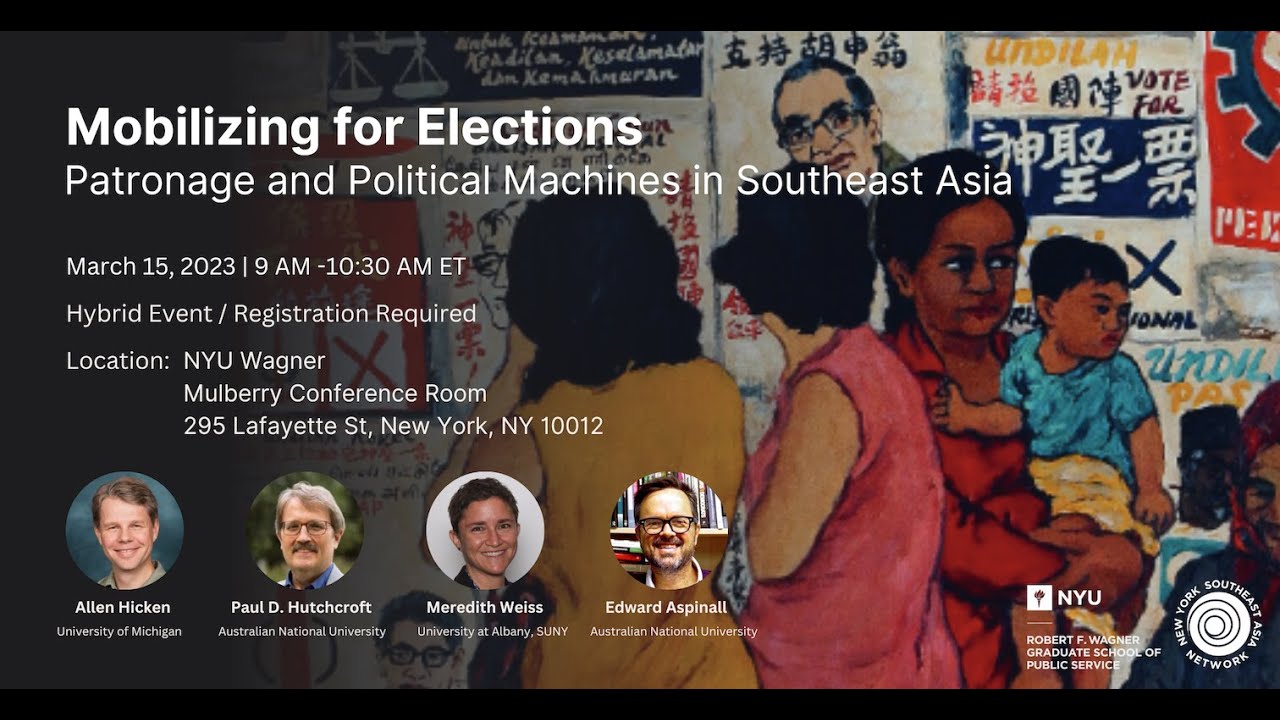
Patronage and Political Machines in Southeast Asian Elections
@NewYorkSoutheastAsiaNetwork
511 views•2023-04-05

7:33
Government Surveillance Methods: 10 Ways You May Be Watched
@BeAmazed
1.6M views•2017-04-09
10:19
Explaining the Saudi-Iranian Proxy Conflict in the Middle East
@Vox
18.2M views•2017-07-17
Related Study Plans & Knowledge Roadmaps
Structured learning paths in Political Science
political-science
Analyzing Clientelism: Patronage & Vote-Buying
01Foundational Concepts of Clientelism
02Mechanics of Patronage and Resource Allocation
03Vote-Buying, Turnout Buying, and Ballot Secrecy
+ 2 more learning modules
12h5 modules
Explore Roadmap
political-science
Economic Statecraft: Sanctions & Chokepoints
01Foundations of Geoeconomics and Economic Statecraft
02The Mechanics of Weaponized Interdependence
03International Sanctions: Types, Implementation, and Efficacy
+ 2 more learning modules
12h5 modules
Explore Roadmap
political-science
Central Bank Independence: Politics & Policy
01Foundations of Central Banking and Monetary Policy
02The Time Inconsistency Problem & Inflation Bias
03The Delegation Model and Designing Independence
+ 2 more learning modules
12h5 modules
Explore Roadmap
political-science
Consociationalism: Power-Sharing & Stability
01Democratic Dilemmas in Divided Societies
02Introduction to Consociational Democracy
03The Four Pillars of Consociational Design
+ 2 more learning modules
12h5 modules
Explore Roadmap