







![[제4강] 제2회 고문자와 출토문헌 학교](https://i.ytimg.com/vi/tv7CYE8bqsQ/maxresdefault.jpg)
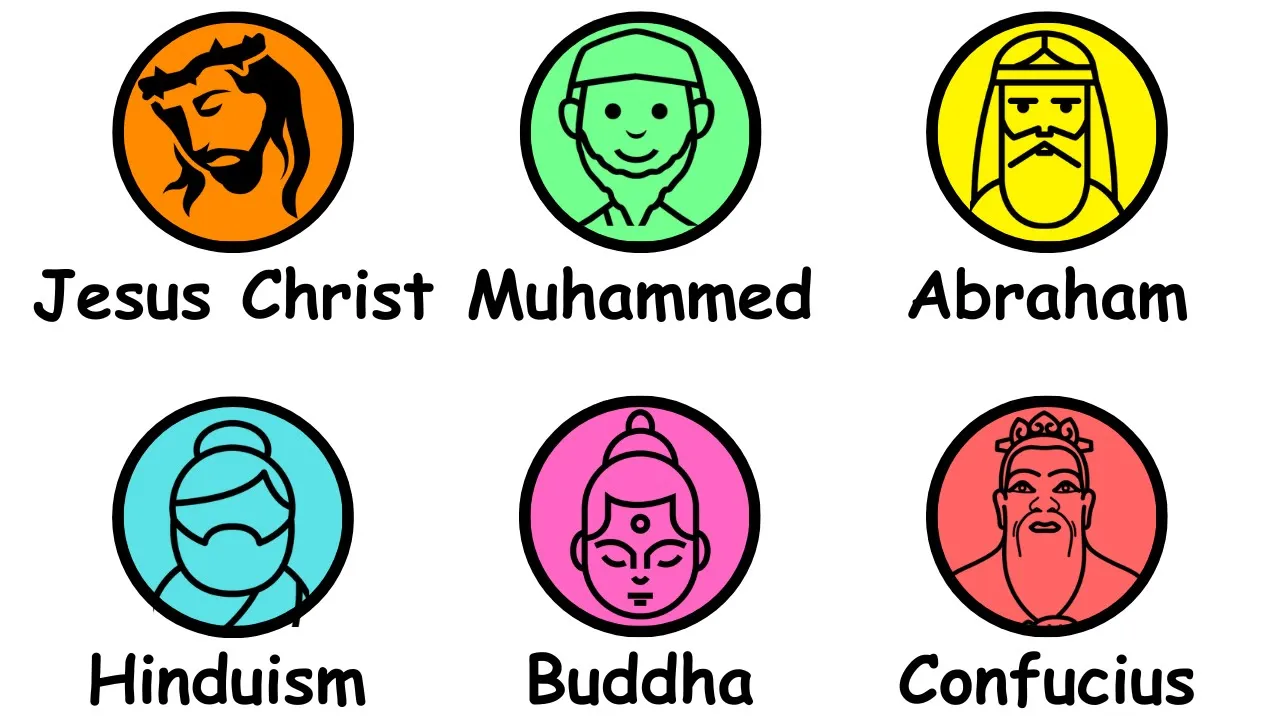









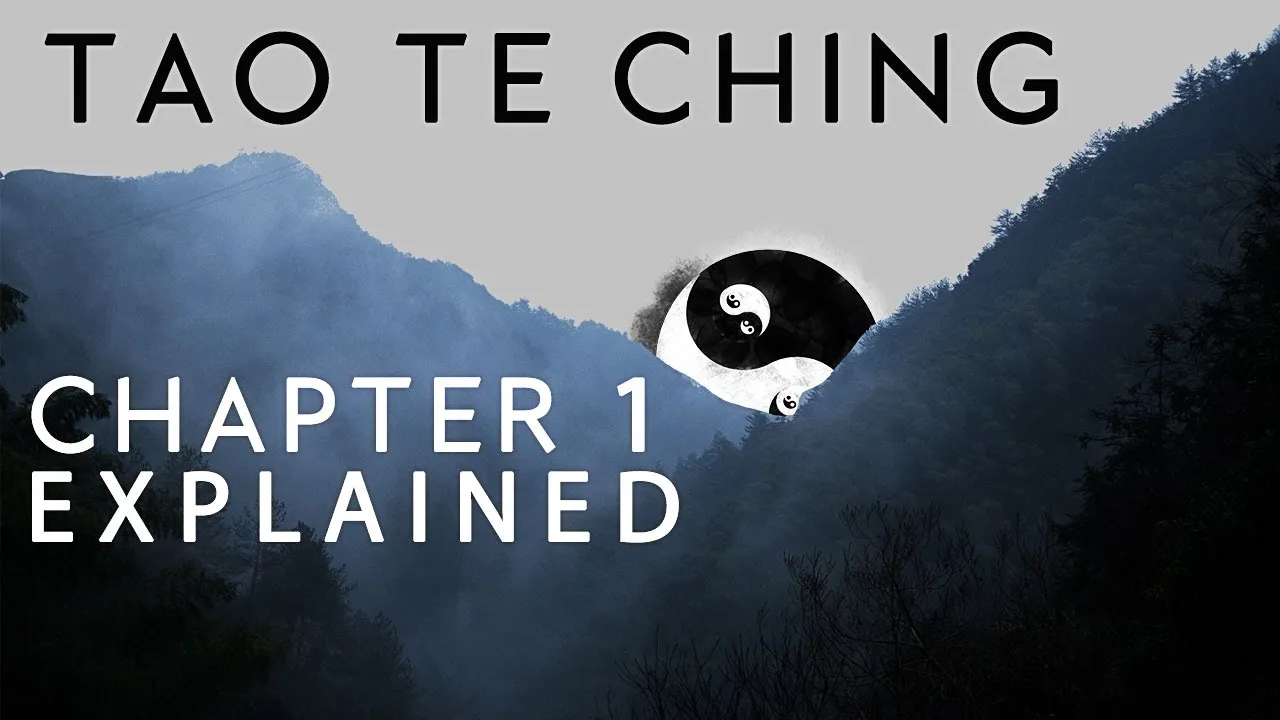


The yin-yang symbol from Taoism teaches that opposing forces are interconnected and contain seeds of each other; yin represents darkness, femininity, and receptiveness while yang represents brightness, masculinity, and action, but both are relative concepts that transform into each other and exist together in balance, with the Taoist philosophy emphasizing harmony with the universe's natural flow through flexibility, simplicity, and understanding both sides of every situation.
Yin and Yang Symbolism Explained | Taoism Philosophy
Added:Basic understanding of ancient Chinese philosophy, particularly the historical context of Taoism (Daoism).
The concept of 'Qi' (or Chi) as the fundamental life force or energy that flows through all things in Eastern cosmology.
The philosophical distinction between Western dualism (often oppositional, like good vs. evil) and Eastern complementary dualism.
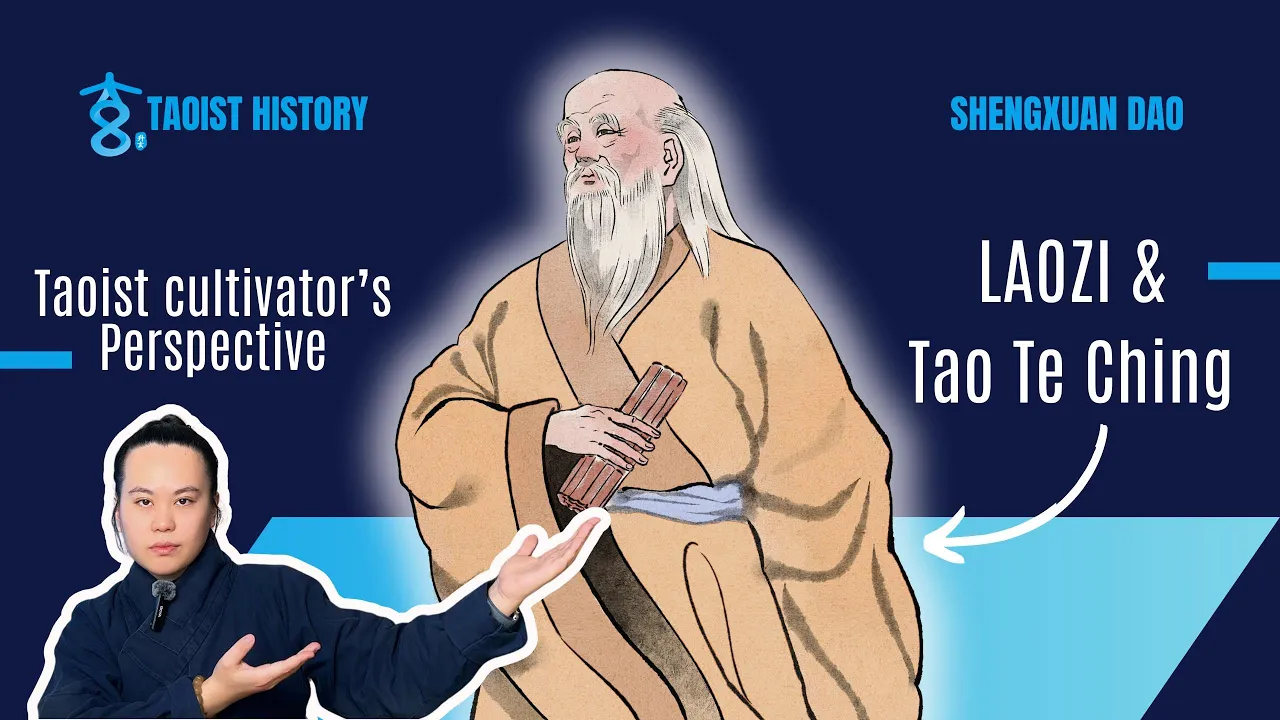
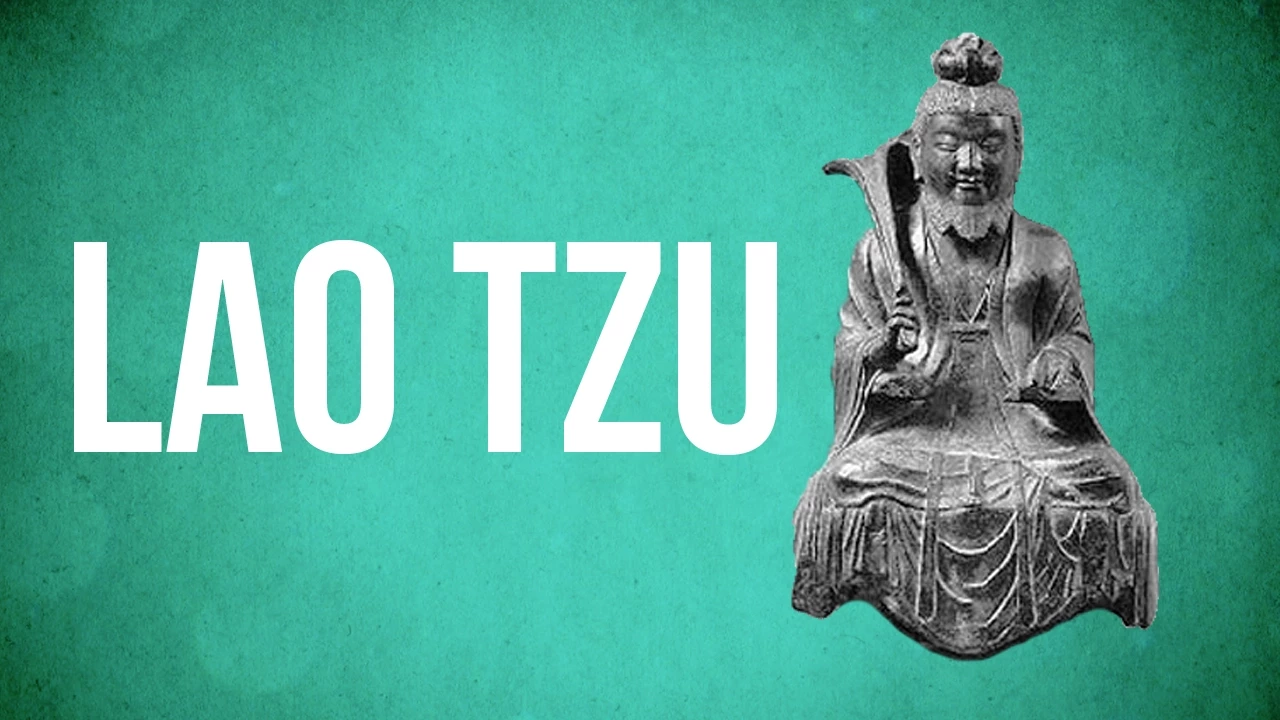
Familiarity with Laozi (Lao Tzu) and the foundational text 'Tao Te Ching'.
Application of Yin and Yang in Traditional Chinese Medicine (TCM) to diagnose and treat physical and mental ailments.
The principles of Feng Shui, exploring how environmental design balances Yin and Yang energies to promote harmony.
The study of 'I Ching' (Book of Changes) and its system of hexagrams representing dynamic balances of Yin and Yang.
Advanced Taoist practices of 'Neidan' (Internal Alchemy) aimed at harmonizing internal energies for spiritual longevity.
A comparative study of Taoist non-duality with Western philosophical systems, such as Hegelian dialectics or Cartesian dualism.
5M views116.6Klikes4:09Original Release: 2013-08-02
You might have seen this symbol before, whether it's as a temporary tattoo or at a Chinese temple.
It's called the yin-yang symbol.
It comes from Taoism, a religion born in China and it has far more meaning than you probably realize.
The yin is the dark swirl, and the yang is the light one, and each side has a dot of the opposite color, which gives a clue to the meaning of yin and yang.
Everything contains the seed of its opposite.
Darth Vadar has the seed of goodness, and Luke has the potential to follow his father to the dark side.
Like Luke and his father, yin and yang are not total opposites, they are relative to each other.
Taoists believe that the universe is made up of energies, vibrations, and matter, which behave differently in different contexts.
Something can be yin or yang depending on, well, depending on lots of things.
So, while wheat that's growing is yang, when it's being reaped, it's yin.
A wave's crest is yang, and the trough is yin.
Villages on the sunny side of a valley in China have names like Liuyang or Shiyang, but on the shady side, for example, of the Yangtze River Valley, there's Jiangyin.
The brake is yin to the gas pedal's yang.
An eggshell is yang, the egg inside is yin.
You think you're getting it?
Yang is harder, stronger, brighter, and faster, but one can turn into the other or are two sides of the same coin.
The sunbeams are yang in comparison to the shadows.
The pitch is yang, the catch is yin.
The yang starts an action, and the yin receives it, completes it.
Yin is the inside space of a cup; it wouldn't be a cup without it.
Yang is the cup.
The coffee's heat, however, is yang, and its blackness is yin.
Yang goes berserk sometimes, but there's some very powerful yins, too, if they don't quite go berserk.
Yin is the darker swirl, the female, but there is a white dot in it.
And yang is the lighter, the male, but it has a black dot.
Water flowing calmly in a river is yin, but when it goes over the waterfall, it's very yang.
Toothpicks are yin compared with a telephone pole.
The back of a person is more yang than the front.
The top of a person is the yang end.
Taoism teaches that there is a power in the universe.
It's higher, deeper, and truer than any other force.
They call it the Tao.
It means the way.
Like the Force in Star Wars, the Tao has two sides.
Unlike other religions where the higher power is all good, and perhaps has an all-evil rival, Taoism teaches that we need to learn from both yin and yang.
And unlike religions with gods that are personal, the higher power in Taoism is not.
Taoists believe that living in harmony with the way, a person will not have to fight against the universe's natural flow.
So, for example, listen more, argue less.
Be ready to back up or undo something, and you will make even faster progress.
Don't worry about being the best, be who you are.
Live simply.
Complications take you away from the Tao.
"The wise person is flexible," Taoists say.
Learning to use the Tao is what Taoism is all about, and that's why you should know your yin from your yang.
Up Next
68:45
I Ching Philosophy: Divination in Neo-Confucianism & Jung
@BryanVanNordenPhilosophy
74.4K views•2021-04-26

164:01
John of Damascus on Holy Images: A Theological Defense
@BannedBooks
139 views•2026-04-25
4:57
The Myth of Sisyphus: A Greek Legend of Eternal Punishment
@TEDEd
8.6M views•2018-11-13
10:35
Philosophy Explained: Origins, Metaphysics, Epistemology & Value Theory
@crashcourse
8.1M views•2016-02-08
Related Study Plans & Knowledge Roadmaps
Structured learning paths in Philosophy
philosophy
Frankfurt School: Critical Theory & Culture
01Foundations of the Frankfurt School and Critical Theory
02Horkheimer & Adorno: The Critique of Instrumental Reason
03The Culture Industry and Mass Deception
+ 2 more learning modules
12h5 modules
Explore Roadmap
philosophy
Philosophy of Language: From Frege to Austin
01The Linguistic Turn: An Introduction to Language in Philosophy
02Gottlob Frege: Sense and Reference
03Early Wittgenstein: The Picture Theory of Meaning
+ 3 more learning modules
15h6 modules
Explore Roadmap
philosophy
Feminist Epistemology: Standpoint & Injustice
01Introduction to Epistemology and Feminist Critiques
02Sandra Harding and Standpoint Theory
03Donna Haraway and Situated Knowledges
+ 2 more learning modules
12h5 modules
Explore Roadmap
philosophy
Environmental Philosophy: Ethics & Deep Ecology
01Foundations of Environmental Ethics & Anthropocentrism
02Biocentric Individualism and Animal Liberation
03Ecocentric Holism and Deep Ecology
+ 1 more learning modules
10h4 modules
Explore Roadmap