


















German artist Hannah Höch's 1919 photomontage 'Cut with the Kitchen Knife' exemplifies how Dada artists used collage techniques to critique post-WWI German society, visually representing the political chaos of the Weimar Republic by juxtaposing newspaper images of politicians, revolutionaries, and cultural figures to expose contradictions between revolutionary ideals and reality, while simultaneously highlighting the marginalization of women within the male-dominated Dada movement.
Hannah Höch: Cut with the Kitchen Knife, Dada & Berlin Chaos, 1919
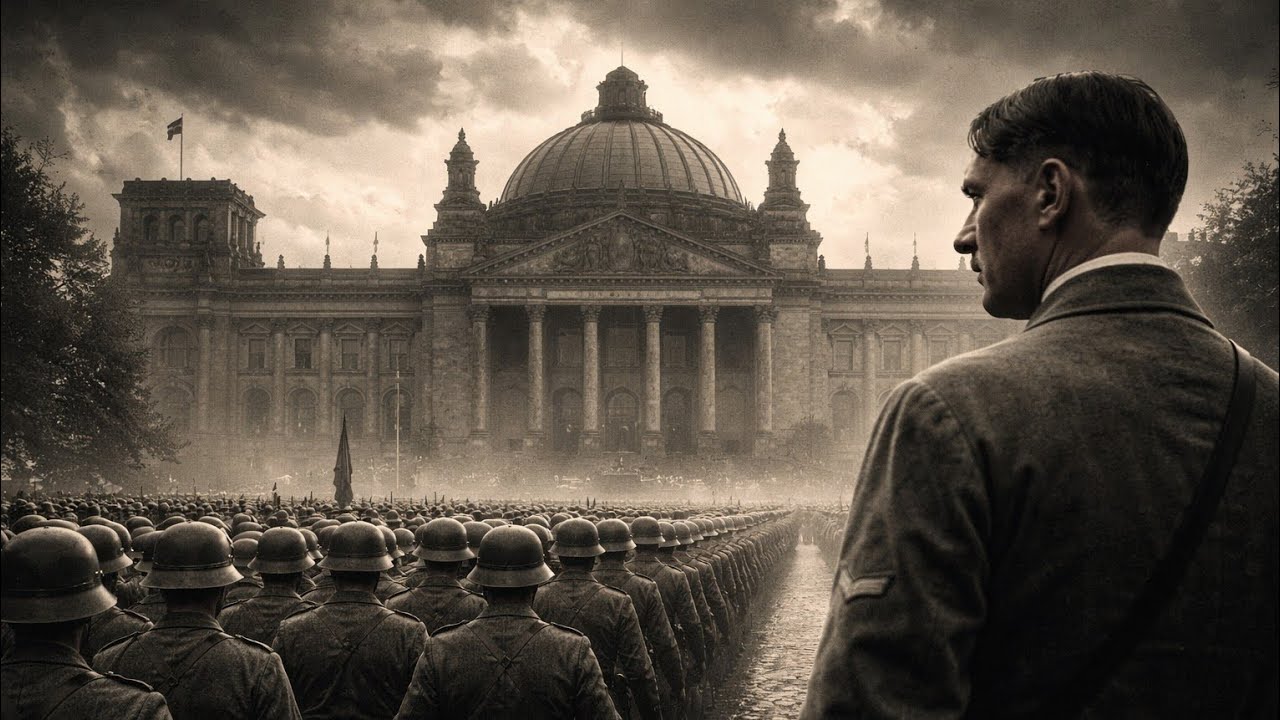
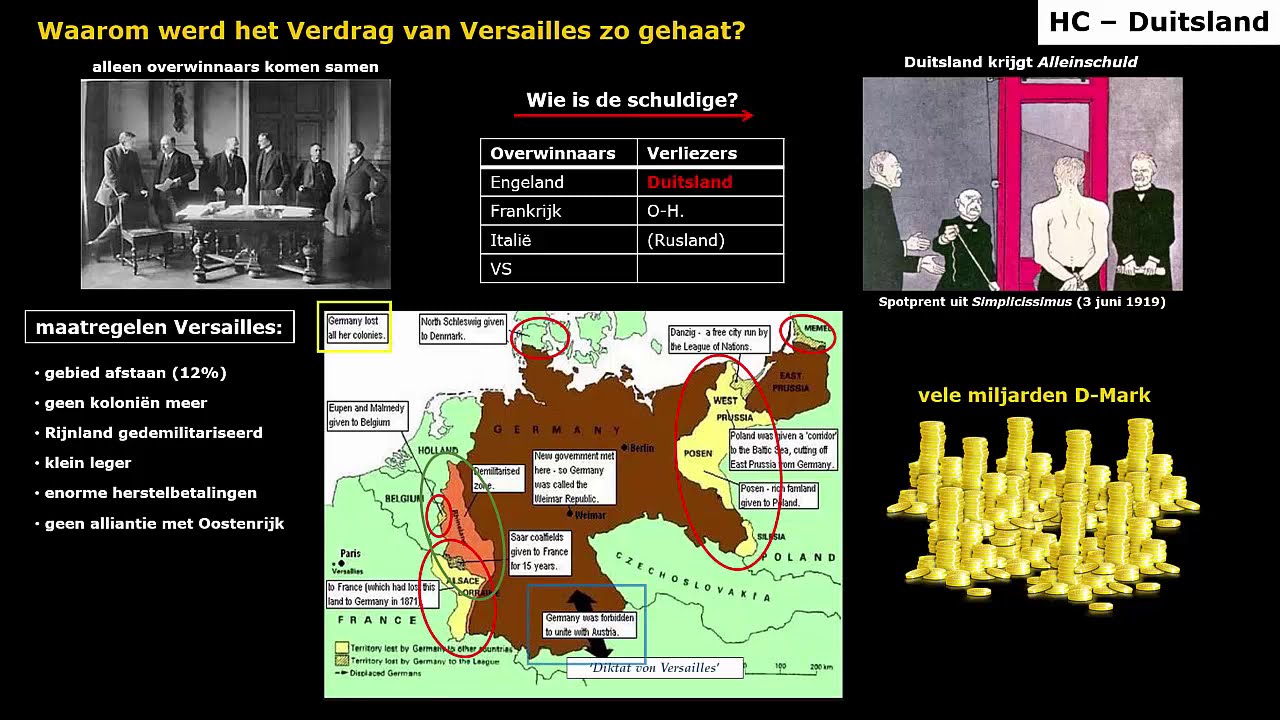
Added:The geopolitical aftermath of World War I in Germany, specifically the collapse of the German Empire and the chaotic establishment of the Weimar Republic.
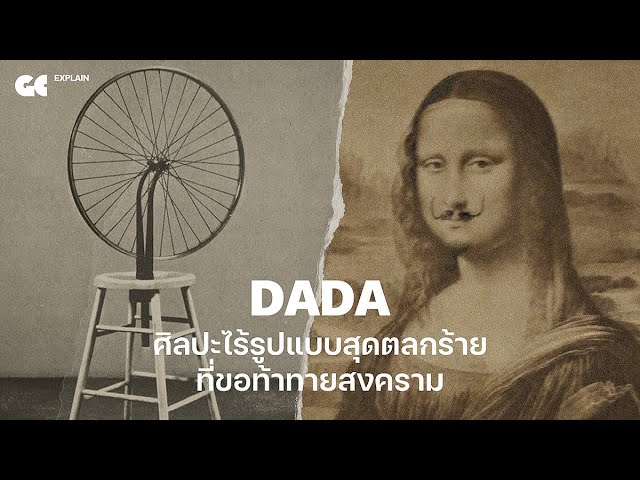
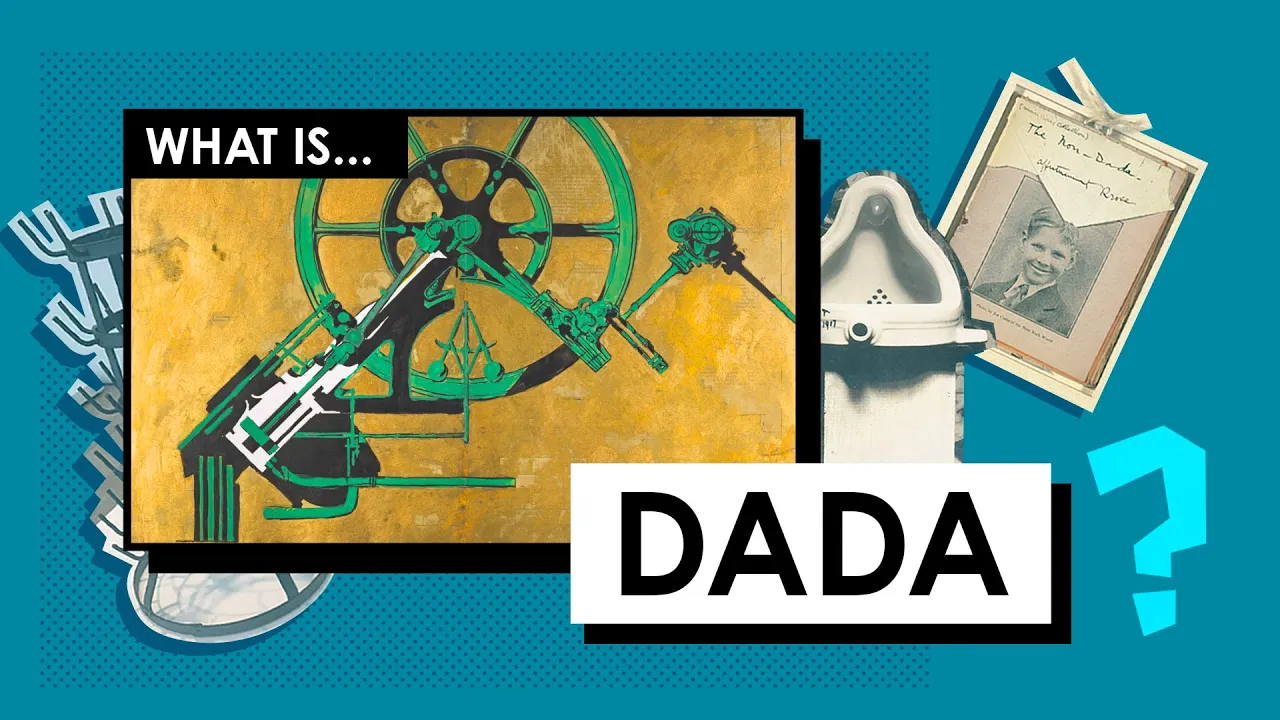
The core philosophy, anti-art stance, and origins of the international Dada movement as a reaction to the horrors of industrial war.
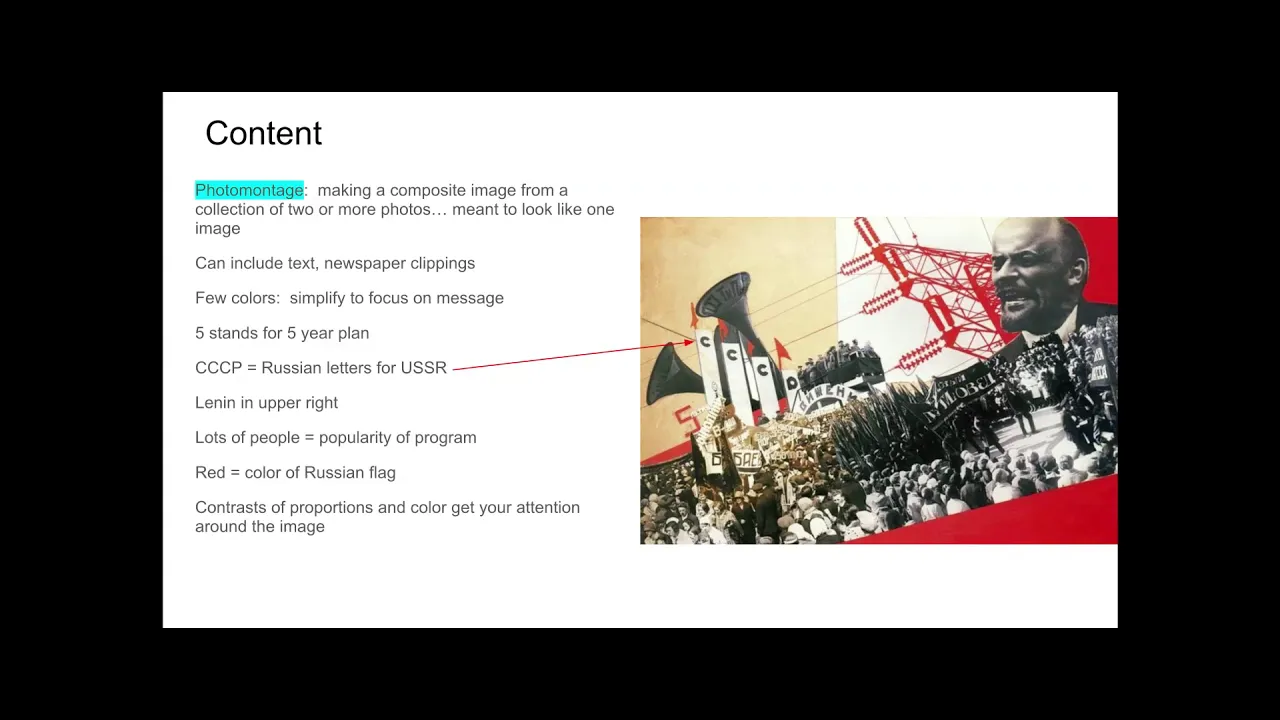
The fundamental concept of photomontage as a distinct artistic medium that appropriates mass media, press clippings, and advertisements.
The emergence of the 'New Woman' (Neue Frau) archetype in Weimar Germany and the early feminist demands for political and social equality.
The role of photomontage as a highly effective tool for anti-fascist political propaganda, particularly in the later works of John Heartfield.
The transition of German avant-garde art from Dadaism to Neue Sachlichkeit (New Objectivity) and its continued socio-political critiques.
How contemporary feminist artists (such as Barbara Kruger and Martha Rosler) adapted Weimar-era appropriation and collage techniques to critique modern consumerism and media.
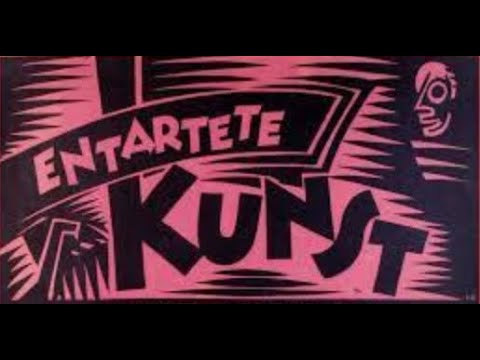
The historical suppression of avant-garde art by the National Socialist regime, specifically the targeting of Dadaist works in the 1937 'Degenerate Art' (Entartete Kunst) exhibition.
73.3K views973likes4:52Original Release: 2020-08-25
(lively music) - [interviewee] This amazing photo montage is by German artist, Hannah Hoch.
And it's from 1919.
It has an extremely long title.
"Cut with the Kitchen Knife Dada through "the Last Weimar Beer-Belly Cultural Epoch in Germany."
- [interviewer] 1919, that was a really pretty fraught moment.
So what was going on?
- [interviewee] Political chaos.
The government has been completely changed after World War I.
There's a lot of conflict between the Spartacists, the far-left wing, communists, and the Freikorps was encouraged to attack people by members of the government.
So there all these clashes and a lot of people end up getting arrested and some people end up getting killed.
And that's just one particular moment.
January of 1919, all of that infighting happens.
- [interviewer] So all this fragmentation is just beautifully captured here.
The contrast from the kind of long war, which would have really focused the country's attention, and then this complete breakdown.
- [interviewee] If you think about the title, "Cut with a Kitchen Knife," think about the idea of cutting things, literally, like that works for the photo montage.
And she's cutting a swath through all this, and piecing things back together in ways that make sense to her, focusing on the fragmentation as defining culture at that moment.
- [interviewer] I'm assuming most of these photographs came from newspapers, from magazines.
- They did. - And so it's all immediate, and topical, and all relevant at this moment, but it's being reconstructed.
- [interviewee] But I love that it's a kitchen knife.
She's very focused on the role of women artists.
As a Dadaist, how was she treated?
And she wasn't treated very well.
I think one of the things she actually had problem with is a lot of male Dadaists had grand ideas about changing cultural mores, and views, and gender equity, but then in their practice of that, they did nothing.
There's a couple of ways that that is visualized here.
If we look at the very central image, we actually see one of the foremost German expressionist artists, Kathe Kollwitz, and the body underneath her is dancer, Niddy Impekoven.
And if you look at the way that that forms a central point around which everything else rotates, and there is a sense of movement happening all at the same time.
One thing I always think is really interesting is this tiny little head is actually Hannah Hoch.
Instead of putting her signature, she puts a little portrait of herself.
And what it is, is actually pasted onto the corner of a map, which shows the countries in Europe that had women's voting rights at the time.
So that's one of the ways that we know she was thinking about the role of women in society and in the art world.
So, first of all, if you think about this image in terms of quadrants, usually the right side is known as the anti-Dadaist.
Now, the people that are in the anti-Dadaist corner are obviously politicians.
Kaiser Wilhelm is right here.
His head is really big and this figure is quite large.
She makes fun of Kaiser Wilhelm with this little figure of two wrestlers that are creating the mustache.
So then they're also other political figures.
There's General Von Hindenberg, the head of him on the body of this exotic dancer.
Down here, there is German Minister of Defense, Gustav Noske.
And he's talking to another general, and this general up here is standing on their heads.
But if we go down here, in the lower right corner, we see the world of the Dadaist.
Right here, it says Dadaisten.
So this is the corner that has Hannah Hoch, and the map, and then it also has other Dadaist figures.
There's the Dadaist, Raoul Hausmann.
Hannah Hoch had a relationship with Hausmann for awhile.
And for a long time, all of the literature on Hoch referred to as the wife of Raoul Hausmann.
Here, you see the two heads of Dadaists, George Grosz and Wielande Herzfelde, the brother of John Heartfield and Niddy Impekoven, the same dancer that's in the center here, is now over here, bathing John Heartfield in this bathtub.
And here we have Lenin, and then there's another Dadaist, Johannes Baader.
And then you see one of the Communist Party leaders, Karl Radek.
And he was back and forth between Russia and Germany.
So he's very involved with the Communist Party.
Karl Marx.
Then over here is the head of modern art critic and writer, Theodore Daubler.
And his head is on top of a baby's body.
- [Interviewee] So really infantilizing all of these-- - [Interviewee] Yeah, and then they're all men.
On the left side, there are forms of Dada.
This is Dada propaganda.
This is Einstein right here, actually.
And he is saying a couple of different things.
Right here, this little bit of text is in German, and it says, "He he, young man, Dada is not an art trend."
That it's not just something that's coming and going.
And that it's actually something more meaningful.
Now down here, there's a lot of scenes of mass gathering.
So we see Karl Liebknecht, one of the German Communist Party leaders, along with Rosa Luxembourg, who were jailed, tortured, and then assassinated in January 19.
He's saying join Dada.
Dada is going on all over Europe, and there are different centers of Dada, and they all have different art-making practices.
And photo montage was central to the Berlin Dadaists.
- [Interviewer] Well, the whole notion of the kitchen knife is really empowering.
- [Interviewee] The idea of domesticity as being something that could undermine cultural values is amazing
Up Next

8:13
Dadaism Explained: The Birth of Anti-Art and Its Enduring Influence
@CuriousMuse
473.3K views•2021-05-07

114:18
Christian Iconography: History, Theology, and Meaning | Fr. Panayiotis Papageorgiou
@Trisagionfilms
58.8K views•2020-02-21

10:26
Redgrave's The Sempstress: Victorian Social Realism, 1846
@smarthistory-art-history
3.2K views•2011-10-22

16:34
Earliest Depictions of Jesus in Art: 10 Ancient Images Explained
@UsefulCharts
5.9M views•2022-06-03
Related Study Plans & Knowledge Roadmaps
Structured learning paths in Art History
art-history
Gothic Cathedrals: Engineering, Light & Society
01The Birth of the Gothic: Romanesque to Suger's Vision
02The Structural Triad: Pointed Arches, Ribbed Vaults, and Flying Buttresses
03Theology of Light: Lux Nova and Sacred Geometry
+ 2 more learning modules
14h5 modules
Explore Roadmap
art-history
Pre-Raphaelites: Realism, Symbolism & Critique
01The Victorian Art Establishment and Academic Formula
02The Founding of the PRB and Radical Realism
03Medieval Revivalism and Literary Symbolism
+ 1 more learning modules
8h4 modules
Explore Roadmap
art-history
Street Art: From Subways to Art Market
01Subcultural Origins in Philadelphia and New York (1970s)
02The Subway Era and Style Wars (Late 1970s - 1980s)
03The East Village Scene and Early Gallery Crossover
+ 2 more learning modules
10h5 modules
Explore Roadmap
art-history
Classic Maya Art: Iconography, Glyphs & Ritual
01Foundations of Classic Maya Visual Culture
02Deciphering Maya Hieroglyphs & Text-Image Integration
03Sacred Geography and Cosmological Architecture
+ 2 more learning modules
14h5 modules
Explore Roadmap