Modern technologies like smartphones and electric vehicles require over 50 raw materials, many of which are concentrated in specific regions (e.g., China supplying 98% of rare earth elements), creating supply chain vulnerabilities that threaten the EU's climate neutrality goals; addressing this requires diversifying sourcing, enhancing domestic processing capacity, and promoting circular economy practices to recover and reuse critical raw materials.
Critical Raw Materials: Securing EU Supply Chains
Added:Deep Dive
Basic principles of global supply chain management and trade logistics.

1. MMPO - 008 (Part- 1) International Logistics and Supply Chain Management
850
Key principles of logistics and supply chain management include: (1) Superior customer value - ultimate objective to fulfill customer requirements most efficiently better than rivals using appropriate resources to build long-term competitive advantage; (2) Single entity logistics - inter and intra firms process integration requiring planning control mechanisms across supply chain network viewed as single identity; (3) Inventory perspective - traditionally viewed as buffer, but in modern SCM viewed as speedy flow with buffer used after ensuring proper information sharing and coordination; (4) Strategic orientation - decisions viewed strategically rather than operationally, considering long-term contracts with transporters; (5) Outsourcing versus insourcing - focus on doing what can be done best, outsourcing non-core activities to outside firms with better capabilities; (6) Partnership relationships - emphasis on partnering relationships among vendors, channel partners, participants and third party logistics service providers (3PLs).
Click to watch →

International Logistics Unit 1 | Concept and Importance | Global Supply chain management
9.7K
International logistics involves transporting goods from manufacturing houses to customers across international borders through four major modes: sea (carrying 90% of trade volume), rail, road, and air. Global trade management involves managing supply chain pipelines where modern products require components from multiple countries, creating interdependence. The World Trade Organization regulates global trade by establishing uniform rules. Trade serves as both economic and strategic tool, with profit motive often transcending political differences. Global logistics operations manage transportation through various modes, requiring global reach, country support, and regulatory compliance. The logistics process involves order processing, material handling, packaging, transportation, storage, inventory control, and customer feedback. Trade balance occurs when exports equal imports, with modern policy including restrictions like tariffs. Absolute advantage occurs when a country produces goods using fewer resources, while comparative advantage exists when a country produces goods at lower opportunity cost. Factor endowment theory explains that countries develop advantages based on available resources. Global supply chain management involves cross-border activities connecting manufacturers, suppliers, and customers across countries, with key factors including globalization impact, product demand, trade practices, factor endowments, strategic environment, social responsibilities, cost efficiency, market expansion, and risk management. Integrated supply chain management combines all elements including customer demand analysis, order processing, material availability, transportation systems, supplier capabilities, and warehouse facilities.
Click to watch →

International Logistics and supply chain Management
139
International Logistics and Supply Chain Management involves the planning, implementation, and control of the efficient and effective forward and reverse flow and storage of goods, services, and related information across international boundaries to meet customer requirements, with key objectives including rapid response, minimum variance, minimum inventory, quality improvement, and life cycle support, supported by principles such as superior customer value, single entity perspective, inventory optimization, strategic orientation, outsourcing/insourcing decisions, and partnership relationships, and guided by frameworks like the 7R model (Right Product, Right Place, Right Quantity, Right Condition, Right Time, Right Customer, Right Cost).
Click to watch →

Conceptual Framework, MMPO-008 - International Logistics and Supply Chain Management
117
International Logistics and Supply Chain Management is essential for business survival in competitive global environments. Key study reasons include global business expansion, cost efficiency, risk management, technological advancement, sustainability compliance, and career opportunities in high-demand fields. Logistics originates from Greek military terminology for procurement and transportation, while Supply Chain Management integrates functions across farms, customers, vendors, and third-party providers to create stakeholder value. Five core objectives guide operations: rapid response to customer needs, minimum variance in service delivery, minimum inventory levels, continuous quality improvement, and life cycle support. Five key characteristics define effective logistics: flexibility, technology adoption, customer experience enhancement, time orientation, and human resource foundation. Seven guiding principles shape strategic decisions: superior customer value, single entity integration, inventory perspective, strategic orientation, outsourcing/insourcing decisions, flexible approach, and global optimization.
Click to watch →
Perspective : Global Supply Chain Management
16.6K
Global supply chain management involves understanding the interconnected systems that move goods and services across international borders. Key concepts include demand forecasting, production capacity planning, and logistics coordination between countries. The management framework addresses challenges such as supply-demand imbalances, quality standard requirements for international trade, and the need for transparent pricing mechanisms. Effective global supply chain management requires balancing multiple factors including production costs, transportation efficiency, and market access to create resilient and responsive supply networks.
Click to watch →
Deep Dive
The concept of 'Critical Raw Materials' (CRMs) and their role in modern technologies, such as semiconductors, electric vehicles, and renewable energy infrastructure.
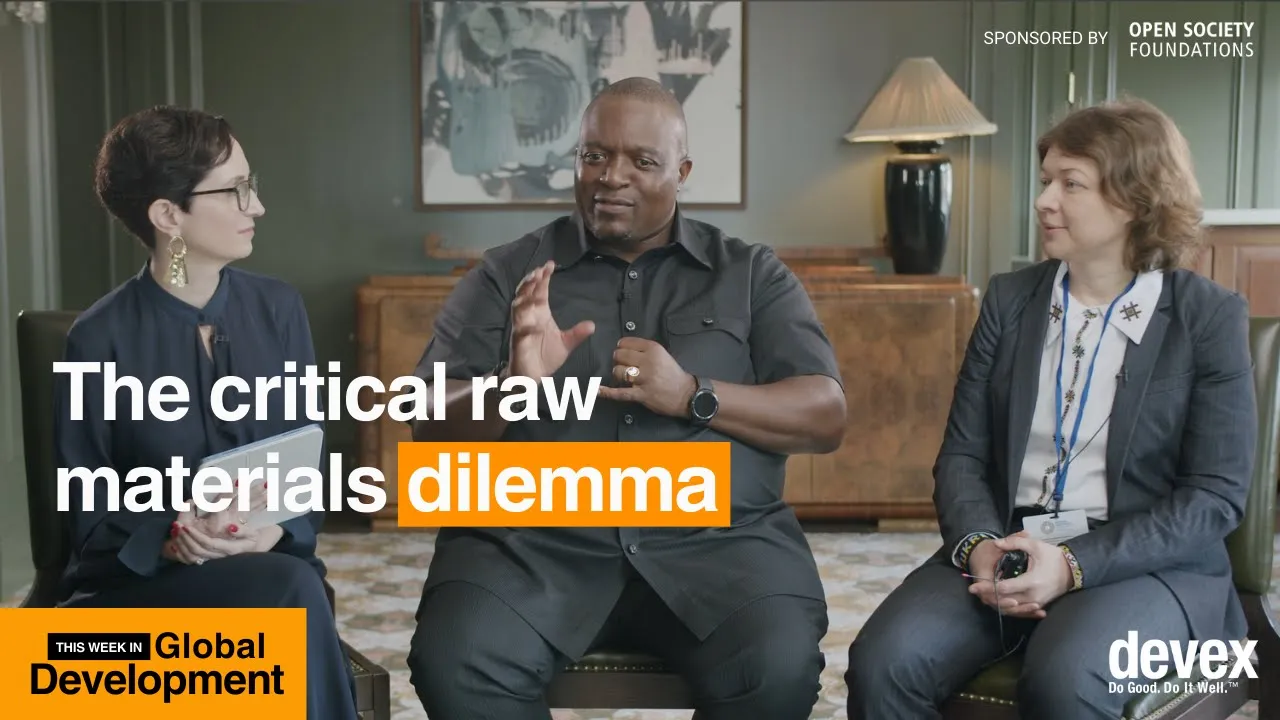
Special episode: What’s at stake in the race for critical raw materials?
13.9K
Critical raw materials (CRMs) are minerals essential for clean energy technology, smartphones, electric vehicles, and AI systems. The global transition from fossil fuels to clean energy dramatically increases CRM demand: electric vehicles require six times more CRMs than conventional cars, while wind plants need eight times more than coal plants. This surge creates competition among great and middle powers to control supply chains, value addition, and intellectual property rights. Historical colonial structures created external control patterns that persist today, with the US, China, Russia, and Saudi Arabia competing for these resources. African countries rich in CRMs face barriers to accessing or benefiting from their resources, creating equity and governance challenges.
Click to watch →
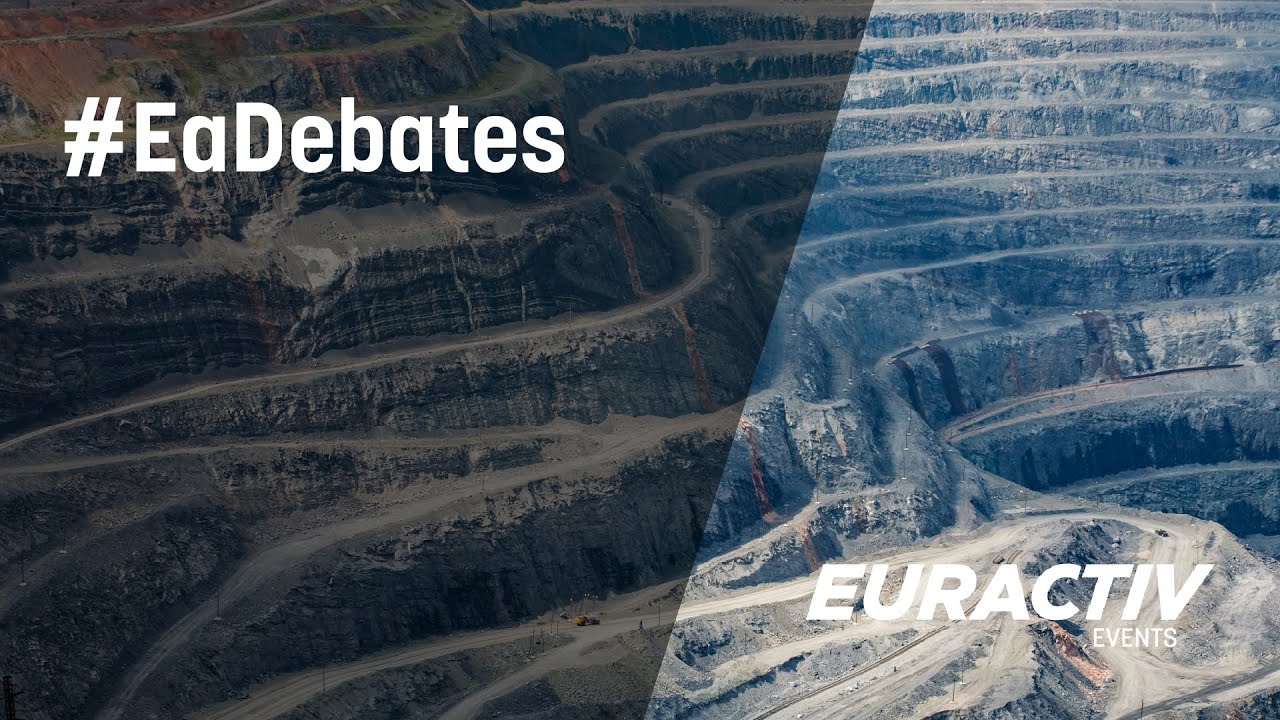
Critical raw materials - How can the EU and Kazakhstan cooperate?
1.9K
Kazakhstan has a century-long mining history with significant tailings resources that can be recycled for additional critical material recovery. Modern technologies enable extraction of scandium, gallium, and vanadium from bauxite tailings used in alumina and aluminum production. Critical raw materials are essential for achieving net-zero economy goals, being indispensable for renewable energy deployment (solar panels, wind farms), electric vehicles (batteries), and electronic devices. No economy is fully self-sufficient on all critical raw materials, making international cooperation essential. Kazakhstan's multivector foreign policy allows collaboration with multiple partners including China, the United States, and European countries. By fully utilizing its critical materials potential, Kazakhstan can become an important source of global supply chain diversification, making existing supply chains more resilient. The EU encourages faster action from European companies to compete with more active players from other regions.
Click to watch →

Предложение Трампа Украине - зрада или возможность? Андрей Николаенко, Юрий Романенко
33.6K
Critical Raw Materials (CRM) are essential minerals and materials that are crucial for modern economies, particularly for defense, technology, and energy sectors. The United States has identified approximately 50 CRM positions, while the European Union has 34, Japan has 35, Australia has 26, and Canada has 31. Of these, about 20+ positions overlap across all these countries, with 16 of these critical materials being present in Ukraine. This strategic importance makes CRM a key area for international cooperation and economic diplomacy.
Click to watch →
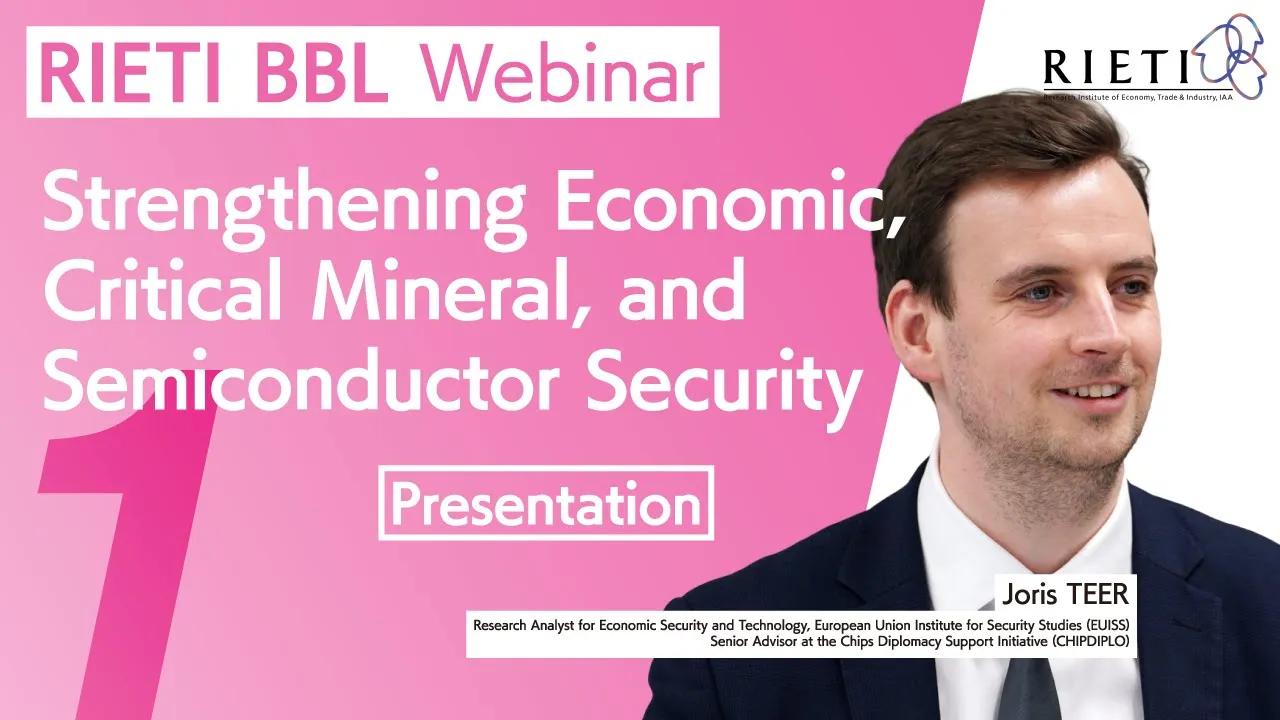
Strengthening Economic, Critical Mineral, and Semiconductor Security #1 (Presentation)
146
Critical raw materials form the skeleton of the global economy, enabling essential technologies including MRI scanners, pacemakers, fighter jets, drones, wind turbines, and solar panels. Semiconductors serve as the central nervous system connecting all modern technology and defense systems. Both categories share low economic value-added but strategic indispensability. China has been actively working to deny access to these materials globally since 2025. Made in China 2025 presents manufacturing as the backbone of national power, with President Xi Jinping stating that without advanced manufacturing, there can be no country or nation. The 'assassin's maze' concept represents China's discovery of asymmetric weapons through export controls on critical raw materials, enabling a weaker party to overcome a more powerful rival at crucial strategic moments.
Click to watch →
Globalisierung: So abhängig ist Deutschland | ZDF-Doku
2.5M
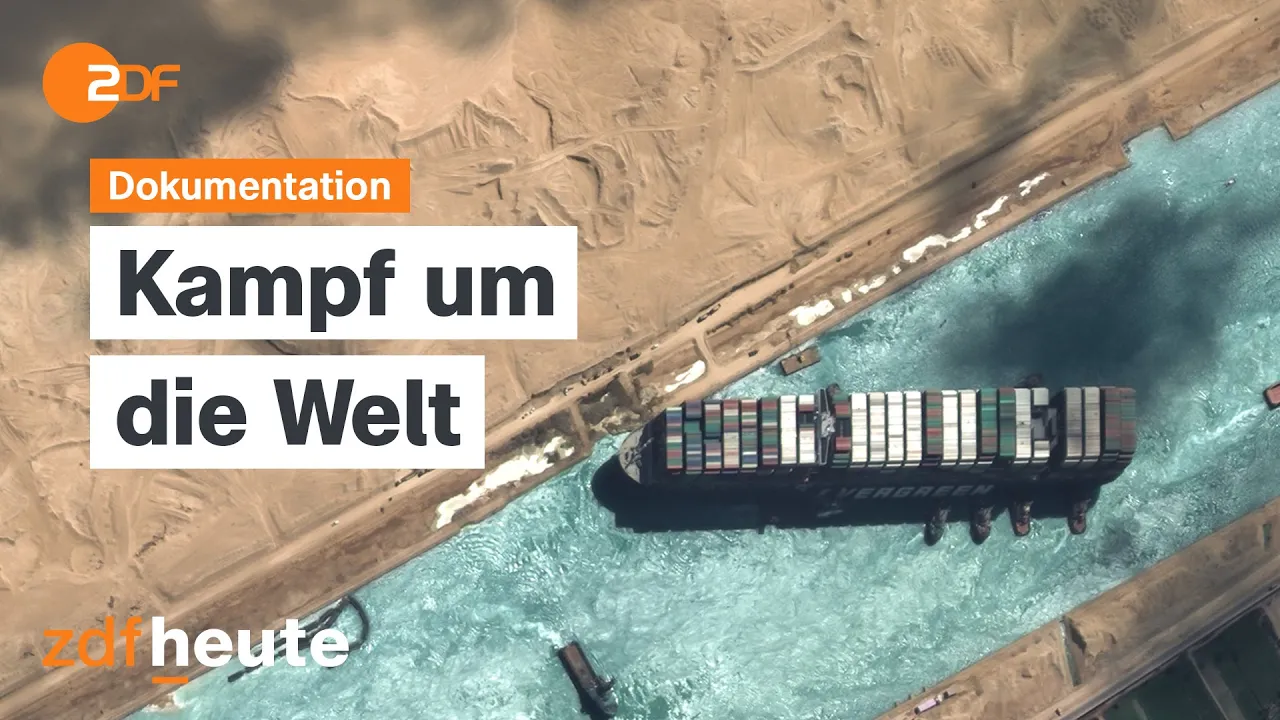
Computer chips and semiconductors are the most important raw material of our time, controlling access to modern industrial products. Taiwan produces two-thirds of all computer chips worldwide and almost 90% of the latest generation of ultramodern semiconductors. TSMC, with a market value of almost $4 billion, is probably the most important company in the world, yet few people have ever heard of it. A state-of-the-art facility costs $20-25 billion—more than the US military's annual budget. Meanwhile, electric vehicle battery production requires several hundred battery cells, and German car manufacturers remain dependent on suppliers. Demand for lithium will at least triple by 2030 and increase approximately sixfold by 2040, but supply is not keeping pace. According to recent studies, Germany was 100% dependent on imports for 23 of 34 critical minerals and rare earths considered by the European Commission.
Click to watch →
Deep Dive
Fundamentals of import reliance and geopolitical risks associated with resource dependency.

FF-#261 - Spezial - Deutsch amerikanische Zukunft - Was ist für D. geplant?
15.5K
Nations that depend on foreign resources (such as energy) become vulnerable to geopolitical influence from those who control those resources. When a nation must purchase essential resources from another country, it creates a relationship of dependence that can be exploited for political purposes. This dynamic means that formal sovereignty (legal recognition as an independent state) does not guarantee actual independence, as resource dependence can effectively limit a nation's ability to act independently.
Click to watch →

America's Critical Resource Dependence Threatens The Economy
1K
Resource dependency creates significant geopolitical risks for nations. The United States faces vulnerabilities in critical minerals like rare earths, platinum group metals, and cobalt, which are essential for technology and defense industries. This dependency can lead to supply chain disruptions, economic leverage by exporting nations, and potential conflicts over resource access. The oil embargo experience of the 1970s demonstrates how energy dependency can entangle nations in foreign conflicts. Achieving mineral independence through technological innovation, similar to how fracking enabled energy independence, could provide greater negotiating power and reduce geopolitical entanglements.
Click to watch →

„Impact economic” - Invitat: Nicolae Vasile; Moderator: Daniel Neguț - 25.02.2026
255
Resource dependence creates geopolitical tensions that affect international relations. When nations become dependent on foreign resources (like rare earth elements from China), they become vulnerable to manipulation. The United States' first visit to China as president involved negotiations to prevent price increases on rare earth magnets, as American manufacturing depended on Chinese supplies. This vulnerability transforms potential cooperation into strategic competition, as nations seek to reduce dependence on adversaries.
Click to watch →
![[中国リスクについて] 新シリーズです。 #高橋洋一 #政治 #経済 #経済学 #政策 #中国 #中東 #カントリーリスク](https://i.ytimg.com/vi/-hwnNA8HoeI/maxresdefault.jpg)
[中国リスクについて] 新シリーズです。 #高橋洋一 #政治 #経済 #経済学 #政策 #中国 #中東 #カントリーリスク
189
Countries that become dependent on specific resources (like oil from the Middle East) create vulnerability. When these resources become expensive or unavailable, dependent countries face significant problems. This vulnerability can be exploited by suppliers, creating economic and political leverage.
Click to watch →

Tak Akan Selesai ?! Tambah Masalah Ekonomi dan Suhu Dunia ! | KONFLIK ASIA BARAT - ZRA STRIM
10.8K
Nations heavily dependent on imported resources face compounded vulnerabilities during global crises. Malaysia imports 100% of its sugar and significant portions of wheat, rice, and dairy. When global food prices rise due to supply disruptions, these nations face direct impacts on food security and inflation. Additionally, nations without adequate strategic petroleum reserves (like Thailand and Vietnam) face immediate impacts on electricity costs, industrial production, and transportation. This illustrates the concept of strategic resource dependency, where nations must balance import costs against domestic production capacity and national security considerations.
Click to watch →
Deep Dive
An overview of the European Union's economic structure, single market policies, and its climate targets (e.g., the European Green Deal).

European Union | Wikipedia audio article
118
The EU-27 generated $21 trillion GDP in 2017 (17% of world GDP), with the eurozone (19 countries, 342 million people) representing the second-largest reserve currency. The single market ensures free movement of goods, capital, services, and people, with half of EU trade covered by harmonized legislation. The Common Agricultural Policy (CAP) historically dominated budgets (60% in 1980s, now 34%), undergoing reforms since 1990s to decouple payments from production. Competition policy prevents monopolies and state aid abuse, with the Commission having authority over mergers and antitrust cases. The EU has 500+ environmental directives addressing pollution, conservation, and climate change, committing to 20% renewable energy and 20% emission reductions by 2020. Regional disparities exist, with inner London having 935% of the EU average income while Bulgaria stands at 41%. Structural funds and cohesion funds support underdeveloped regions primarily in Central and Southern Europe.
Click to watch →
G20 In Action: How collective effort drives development and keeps 1.5 degree C target within reach
271
The European Union has a policy initiative called the Green Deal, which represents a change of paradigm in the social and economic features of Europe. The EU has set very ambitious targets including carbon neutrality by 2050 and a roadmap called 'Fit for 55' which means reducing greenhouse gas emissions by at least 55 percent by 2030. This ambitious target brings together all 27 member states and implies a number of policy initiatives across all sectors.
Click to watch →

Herman Van Rompuy @ UCLL Law Week Bedrijfsmanagement
251
The EU must deepen the single market on a sectoral basis, create an energy union, and advance digital integration. There is untapped potential for growth and jobs within the existing single market framework. For climate change, the EU aims for minus 40% greenhouse gas emissions compared to 1990 levels by 2030, despite higher economic activity. The Schengen Zone and Euro Zone were designed for normal times, not for facing the biggest financial crisis since the 1930s or the largest influx of non-EU migrants in centuries, requiring necessary reforms.
Click to watch →
16.07.2019 - 1. Rede Ursula von der Leyen (Originalton) - Debatte Wahl zur Kommissionspräsidentin
4.2K
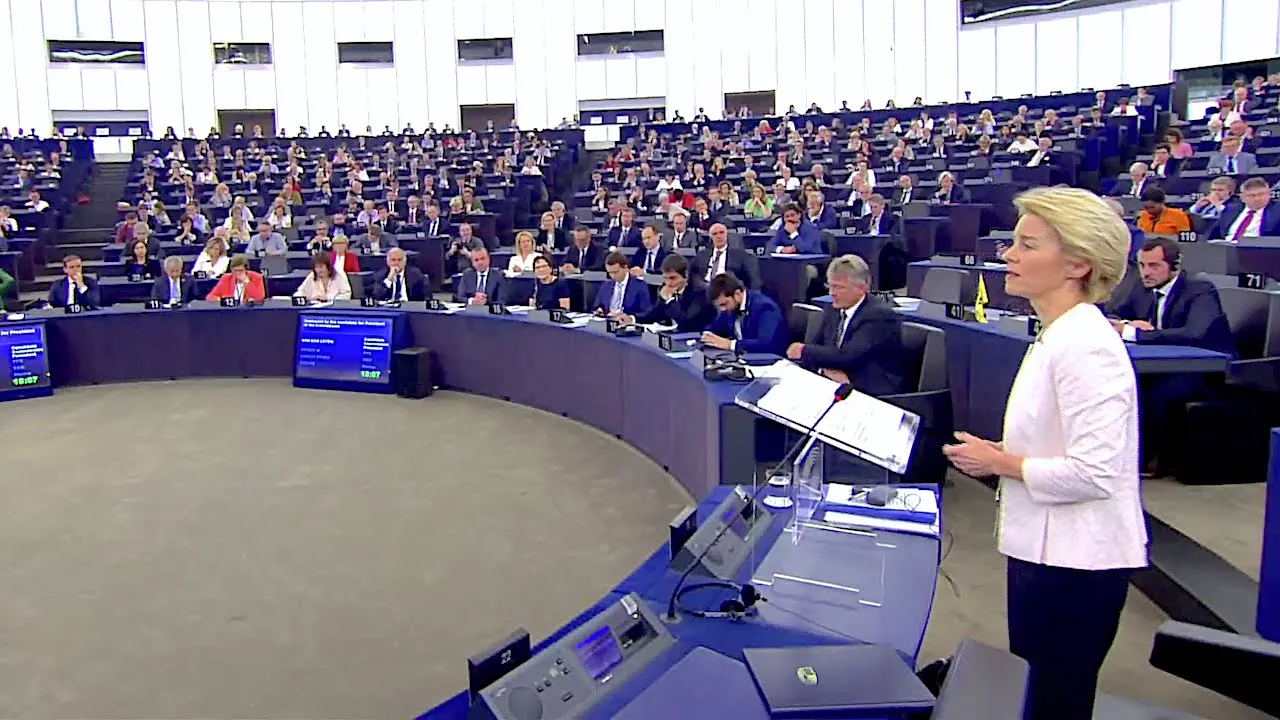
Europe aims to become the first climate-neutral continent by 2050, requiring bold collective action. The current 40% emission reduction target by 2030 is insufficient; a two-step approach targeting 50-55% reduction is needed. A European Green Deal and first-ever climate law will establish binding 2050 targets. A Sustainable Europe Investment Plan will unlock 1 trillion euros through a climate bank. A carbon border tax will prevent carbon leakage. A Just Transition Fund will support affected regions. The economy serves people, not vice versa. Small and medium enterprises need access to capital throughout the single market. A minimum wage framework will ensure full-time workers earn a decent living. A European unemployment reinsurance scheme will support economies during severe external shocks. Youth unemployment ranges from 5% to 40%; the Youth Guarantee will be strengthened and Erasmus+ budget tripled. A Child Guarantee will ensure children at risk of poverty access healthcare, education, and healthy food.
Click to watch →

Internal Market & Industry wait the swift Recovery of the EU economy as exits the COVID-19 crisis
101
Achieving the European Green Deal's climate change targets requires a competitive European economy. A smoothly functioning single market provides the necessary impetus for individual member state markets to work together effectively. Without a strong internal market, meeting ambitious climate objectives becomes significantly more challenging, as economic coordination is essential for implementing large-scale environmental transitions.
Click to watch →
Prerequisite Knowledge
- Concept 01Basic principles of global supply chain management and trade logistics.
- Concept 02The concept of 'Critical Raw Materials' (CRMs) and their role in modern technologies, such as semiconductors, electric vehicles, and renewable energy infrastructure.
- Concept 03Fundamentals of import reliance and geopolitical risks associated with resource dependency.
- Concept 04An overview of the European Union's economic structure, single market policies, and its climate targets (e.g., the European Green Deal).
Subsequent Learning
- Step 01In-depth analysis of the EU Critical Raw Materials Act and its specific regulatory targets.
- Step 02Circular economy strategies, including advanced recycling technologies and 'urban mining' for recovering valuable metals from e-waste.
- Step 03Comparative geopolitical strategies of other global powers, such as the United States' Inflation Reduction Act and China's mineral export controls.
- Step 04Technological substitution, exploring how materials science is developing alternative, non-critical materials for high-tech applications.
- Step 05Environmental, Social, and Governance (ESG) standards and ethical challenges in global mining and refining operations.
Raw Materials
Future Supply
Raw Materials
0:00Playing Section
- 1
Explains critical raw materials' role in tech and green transitions.
- 2
EU imports heavily, facing supply risks and rising demand.
- 3
Highlights the need for diversified sourcing and transparency.
The Sufficiency and Environmental Justice Critique of CRM Securitization
The mainstream EU focus on securing Critical Raw Materials (CRMs) assumes that continuous economic growth and a rapid green transition require a massive increase in resource extraction. Critics from ecological economics (degrowth) and environmental justice perspectives argue that this 'extractivist' paradigm merely shifts ecological harm to marginalized communities, both within Europe and in the Global South (often termed 'green colonialism'). This counterpoint argues that the EU cannot mine its way to sustainability. Instead of focusing solely on securing supply through domestic mining and geopolitical alliances, policies must prioritize absolute demand reduction. This involves systemic shifts toward 'resource sufficiency' (such as prioritizing public transit over massive private electric vehicle fleets, and enforcing strict product longevity and repairability standards). By focusing on post-growth economic models and reducing consumption, the EU could mitigate both its geopolitical vulnerabilities and the localized socio-environmental conflicts associated with new mining projects.
Deep Dive
In-depth analysis of the EU Critical Raw Materials Act and its specific regulatory targets.
Minerales críticos y tierras raras: Perspectivas de la Unión Europea
186
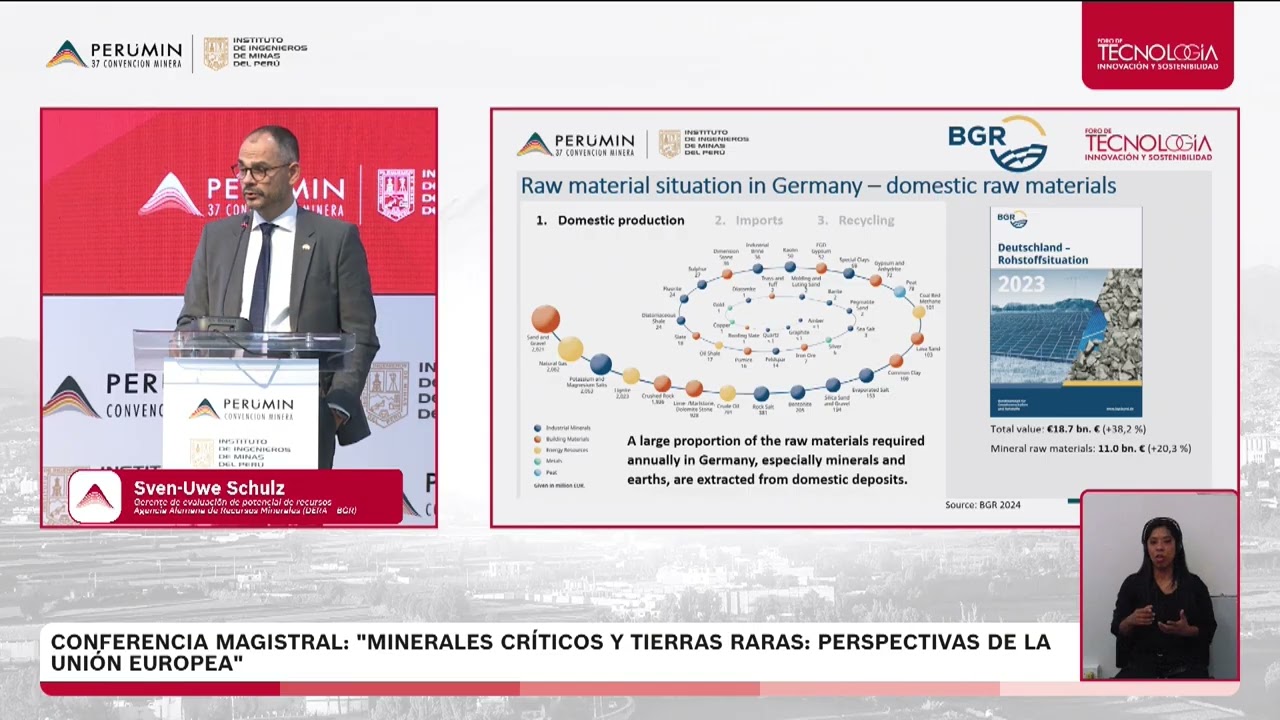
The EU Critical Raw Materials Act (CRMA) establishes specific targets: (1) 10% of EU consumption should be extracted within EU territory, (2) 40% of processing capacity should be located within EU borders, and (3) 15% of recycling should occur within EU territory. Additionally, no single external country should supply more than 65% of EU consumption for any material. Critical raw materials are defined as those of high economic importance combined with high supply risk. Strategic raw materials are a subset essential for defense, space applications, and energy transition technologies.
Click to watch →

WOJNA o SUROWCE. Zachód KONTRA monopol smoka. Energy Week
3.2K
The EU Critical Raw Materials Act establishes specific targets for 2030 to ensure raw material sovereignty. For extraction, at least 10% of annual EU consumption must come from EU extraction. For processing, at least 40% must be processed within the EU. For recycling, minimum 25% must come from domestic recycling. Additionally, no more than 65% of any strategic raw material can come from a single third country. The Act identifies four critical materials currently exceeding the 65% threshold: lithium, magnesium, gallium, and rare earth metals. 100% of rare earth metals used in producing magnets for high-technology applications are refined in China. The European Court of Auditors found that the Act lacks justification for target levels and uses unreliable baseline data, with implementation efforts not yet producing measurable results.
Click to watch →

Wieso der Ukraine-Rohstoffdeal so schwammig ist! – Ep. 300
8.4K
The EU Critical Raw Materials Act sets ambitious 2030 targets: 10% of strategic raw materials should be extracted within the EU, 40% should be processed in the EU, at least 25% should come from recycling, and import dependency on third countries should not exceed 65%. These targets aim to reduce EU vulnerability to supply disruptions from non-EU countries.
Click to watch →
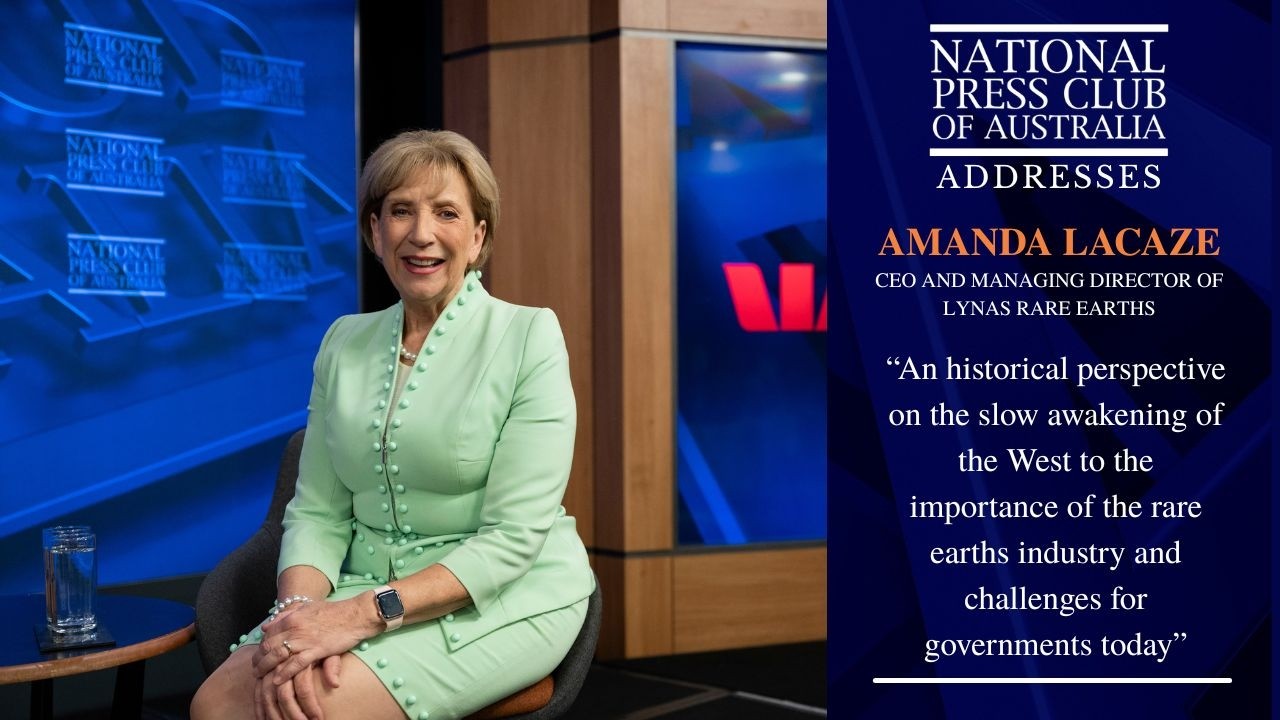
IN FULL: Amanda Lacaze's Address to the National Press Club of Australia
551
The EU's Critical Raw Materials Act is a response to the EU's reliance on imported critical minerals. Benchmarks under this act include targets for extraction, processing, recycling, and diversity of supplying nations. Both the US and EU are observing changed purchasing decisions so that consumers can comply with regulations. This represents a shift toward more interventionist thinking to address decades of underdevelopment in critical minerals.
Click to watch →
![[손에 잡히는 경제] "EU 핵심원자재법(CRMA) 초안 공개...외", MBC 230320 방송](https://i.ytimg.com/vi/hQGa_VosLwA/maxresdefault.jpg)
[손에 잡히는 경제] "EU 핵심원자재법(CRMA) 초안 공개...외", MBC 230320 방송
6.5K
The EU has identified 16 strategic raw materials essential for green energy industries, including copper, cobalt, manganese, nickel, and rare earths. The Critical Raw Materials Act aims to reduce dependence on single-source suppliers by requiring that 65% or less of strategic raw material imports come from any single country by 2030. This policy specifically targets China, which currently supplies over 90% of rare earths and lithium, 98% of rare earths, 97% of lithium, and 93% of magnesium used in electric vehicles and solar panels. The EU has set targets for increasing domestic mining to over 10%, processing capacity to over 40%, and recycling rates to over 15%. Companies with over 500 employees and annual revenue exceeding 130 million euros will be subject to periodic audits to ensure compliance.
Click to watch →
Deep Dive
Circular economy strategies, including advanced recycling technologies and 'urban mining' for recovering valuable metals from e-waste.

Recycler ne sert à rien ?? ♻️ - MB
144.8K
Decoupling economic growth from resource consumption requires ecological transition: decarbonizing energy, designing durable products, and improving insulation. However, this transition itself requires initial resource extraction, creating a paradox. Urban mining offers solutions: coal ash deposits contain billions in recoverable value; abandoned mines (200 in Morocco) contain residual metals. Notably, waste from 50 years ago now contains higher metal concentrations than current primary ores due to declining ore grades. Red mud (4 billion tonnes globally) contains concentrated rare earth elements. Two main industrial methods extract metals: hydrometallurgy (using acids) and pyrometallurgy (high-temperature processing). Biohydrometallurgy uses microorganisms to solubilize metals from low-concentration ores. Phytomining uses hyperaccumulator plants that extract metals from soil and concentrate them in aerial parts (up to 1% by mass). E-waste recycling faces challenges: high heterogeneity requiring complete object characterization, low metal concentrations, and complex alloys. Eco-design is essential—designing products for durability, repairability, and recyclability. Without eco-design, even advanced extraction cannot achieve maximum recycling.
Click to watch →

해외반응! 11월 26일 13:30
230.2K
Urban mining extracts valuable metals from electronic waste instead of traditional mining. Introduced in 1986 by Professor Michio Nanjo at Tohoku University, this concept addresses finite resource depletion and environmental concerns. While traditional gold mining yields 3 grams per ton of ore, urban mining of one ton of discarded mobile phones yields 200-400 grams of gold, 3 kg of silver, 131 kg of copper, and 16 kg of nickel. The world generates 50 million tons of e-waste annually with only 17% recycled. South Korea's National Institute of Standards and Technology developed a capsule-type material achieving 99.9% gold recovery efficiency, reusable 10 times while maintaining performance.
Click to watch →

Miliony NA ZŁOMIE! ILE ZŁOTA można odzyskać ze śmieci? Masz TAKI TELEFON lub KOMP? Masz ZŁOTO.
60K
E-waste recycling, also called urban mining, involves extracting valuable metals from electronic waste rather than mining new ore deposits. From one ton of electronic circuit boards, 150-200 grams of gold can be recovered. The speaker, a former DJ who opened a home goods store in 2000, transitioned to e-waste recycling after the 2001 economic crisis. This industry faces challenges including regulatory complexity, competition from illegal operations, and the need for specialized processing lines for different device types.
Click to watch →

Trash is cash: ‘urban mining’ for strategic metals in your neighbourhood
102.5K
Europe, which imports 90% of its critical raw materials, is implementing urban mining strategies to extract strategic metals from discarded electronics and construction waste, with the EU aiming for 25% of critical materials to come from recycling by 2030; this approach addresses both resource scarcity and environmental sustainability by treating waste as a valuable asset rather than disposal.
Click to watch →
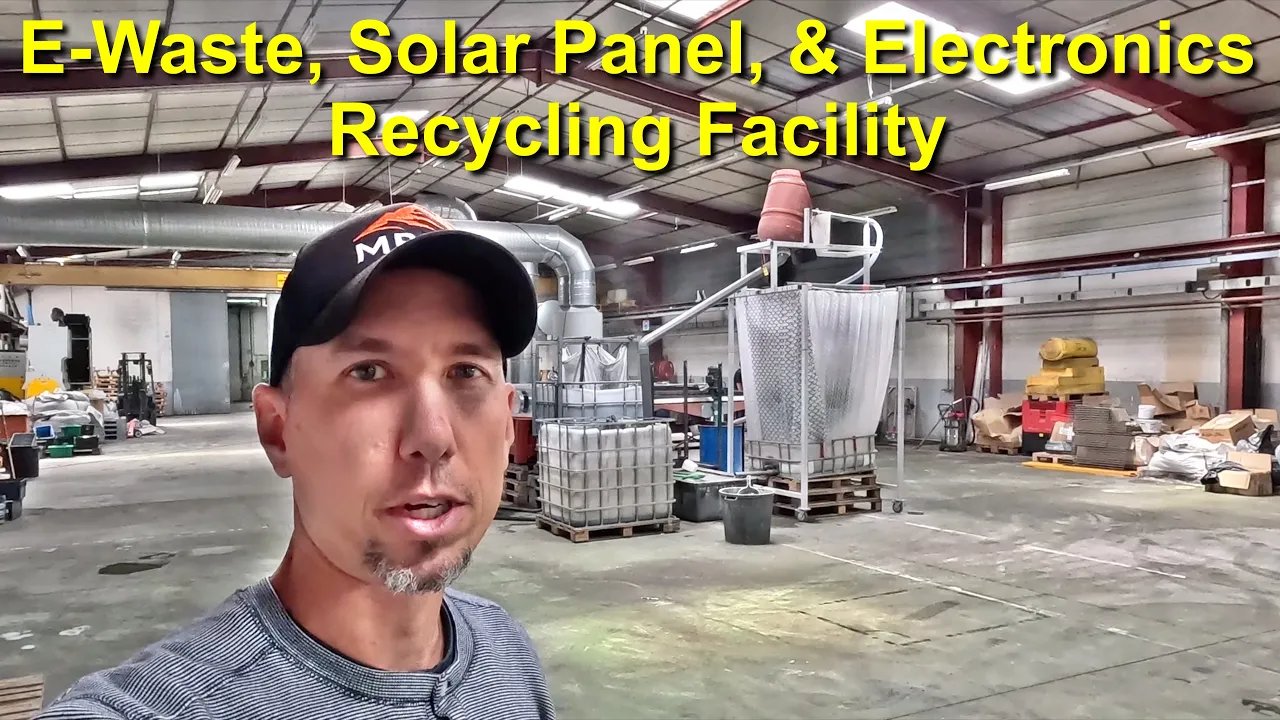
E-Waste, Solar Panels, Electronics Recycling Line For Copper & Precious Metals
64.6K
Advanced e-waste recycling facilities use sophisticated mechanical and density-based separation technologies, including high-G-force fractionators (operating at 15,000 G-forces) and shaker tables, to recover valuable metals like copper, aluminum, gold, and silver from electronic waste with recovery rates exceeding 99%, while also enabling recycling of challenging materials such as carbon fiber composites and solar panels through specialized separation processes.
Click to watch →
Deep Dive
Comparative geopolitical strategies of other global powers, such as the United States' Inflation Reduction Act and China's mineral export controls.

중국에서 벗어나자! 잇따른 광물 독립 선언 (최준영 1부) f. 법무법인 율촌 최준영 전문위원
148.2K
This comprehensive segment covers: (1) The US developed a three-tier strategy: maximize domestic production, source from FTA partner countries (20 countries including Canada, Chile, Australia, Peru), and develop production in allied nations; (2) The Inflation Reduction Act establishes mineral content requirements (50% by 2025, 60% by 2026) to incentivize domestic and allied production; (3) The IRA includes restrictions on 'foreign entities of concern,' creating compliance challenges for companies with government influence; (4) The US formed the Mineral Security Partnership (MSP) with allied nations to coordinate critical mineral security and establish responsible sourcing standards; (5) The alliance promotes ESG standards as a mechanism to exclude Chinese minerals while creating market incentives for responsible sourcing among trusted allies.
Click to watch →

Tierras raras: Por qué Trump, China y Rusia compiten por estos minerales
275
The US is pursuing a multi-pronged strategy to reduce rare earth dependency: securing Ukraine's mineral deposits (21 of 30 critical minerals), pursuing Greenland and Arctic resources, countering Chinese influence in Africa through the Litu Corridor, and implementing friend-shoring through the Minerals Security Partnership. The Inflation Reduction Act provides subsidies requiring companies to exclude Chinese entities from supply chains. Global competitors include Australia (processing plants outside China), Vietnam (reserves and US agreements), Brazil and Myanmar (developing capacity), and Argentina (exploration phase). The US has Mountain Pass as the second-largest extractor but lacks domestic refining capacity.
Click to watch →

Why the West Still Depends on One Critical Chinese Resource
71.5K
Following the 2020 pandemic and Ukraine war, Western nations began quietly building strategies to reduce Chinese mineral dependency. The US passed the Inflation Reduction Act to fund domestic battery and mineral processing. The EU launched its Critical Raw Materials Act. Japan signed deals with Australia and Vietnam. Canada screened Chinese mining investments. The UK leveraged Commonwealth ties for cobalt and nickel. Each country acted independently without coordinated public messaging.
Click to watch →

Dialogues for Tomorrow: A Green and Global Europe?
570
The US Inflation Reduction Act is not just a decarbonization strategy but a China strategy. Unlike in Europe where climate is extremely polarizing, in the US both Democrats and Republicans agree on spending money to compete with China. Many green technologies where China is ahead are precisely what the US wants to subsidize. This caught the EU by surprise because the European Green Deal was aimed only at decarbonization, not at competing with China. The EU now has to catch up on the second C (China) and develop an industrial strategy, which requires spending and may recreate the toxic dynamics that gave rise to the Eurozone crisis.
Click to watch →
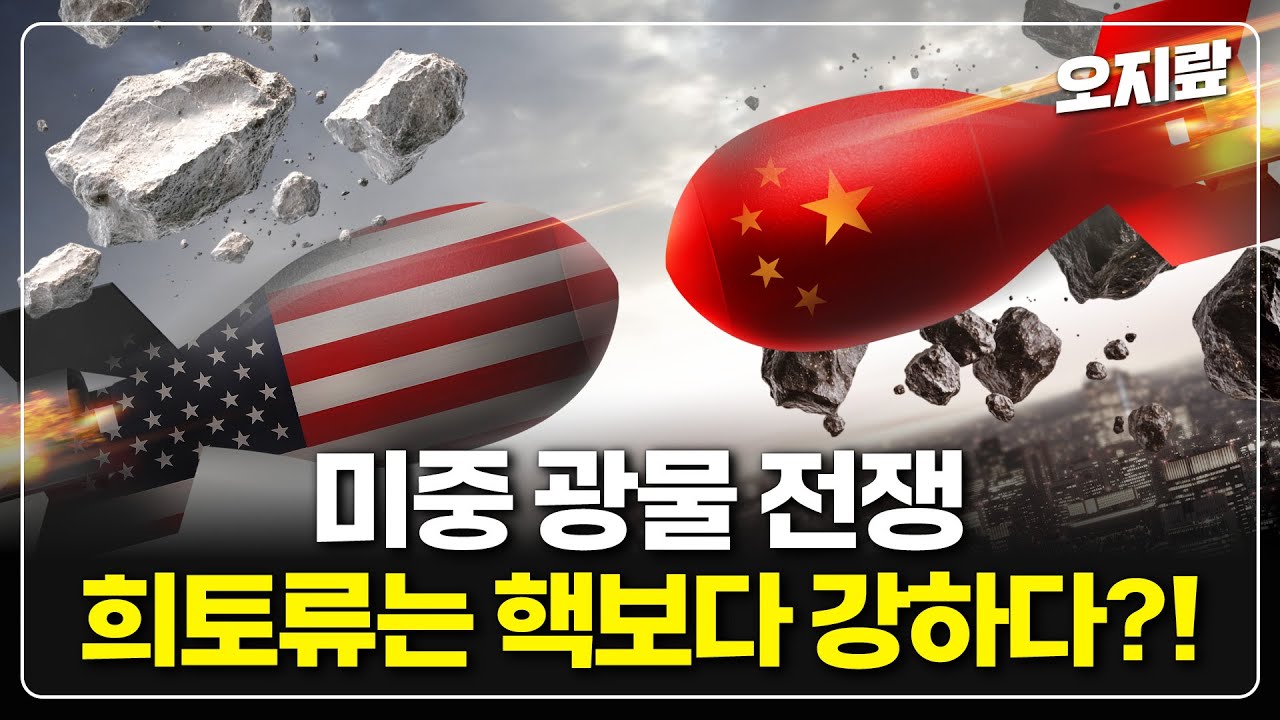
중국이 광물 패권을 노리는 이유 | 오지랖
1.9K
Strategic minerals have become the new 'war resources' of the 21st century, replacing traditional oil and gas. China has demonstrated its leverage through export controls: in 2010, it banned rare earth exports to Japan after a fishing vessel incident, forcing Japan to release the captain. During the US-China trade war, China controlled seven rare earth varieties to pressure the US. The US responded through the Inflation Reduction Act, CHIPS Act, and forming partnerships with Australia, Canada, and European nations. China has expanded its control to over 2,000 items including components and derivatives. South Korea, dependent on foreign imports for 95% of mineral needs, faces critical vulnerabilities with dysprosium inventories at one-month supply levels. Experts caution that complete blocking of Chinese exports may paradoxically benefit China by incentivizing other nations to develop their own capabilities.
Click to watch →
Deep Dive
Technological substitution, exploring how materials science is developing alternative, non-critical materials for high-tech applications.
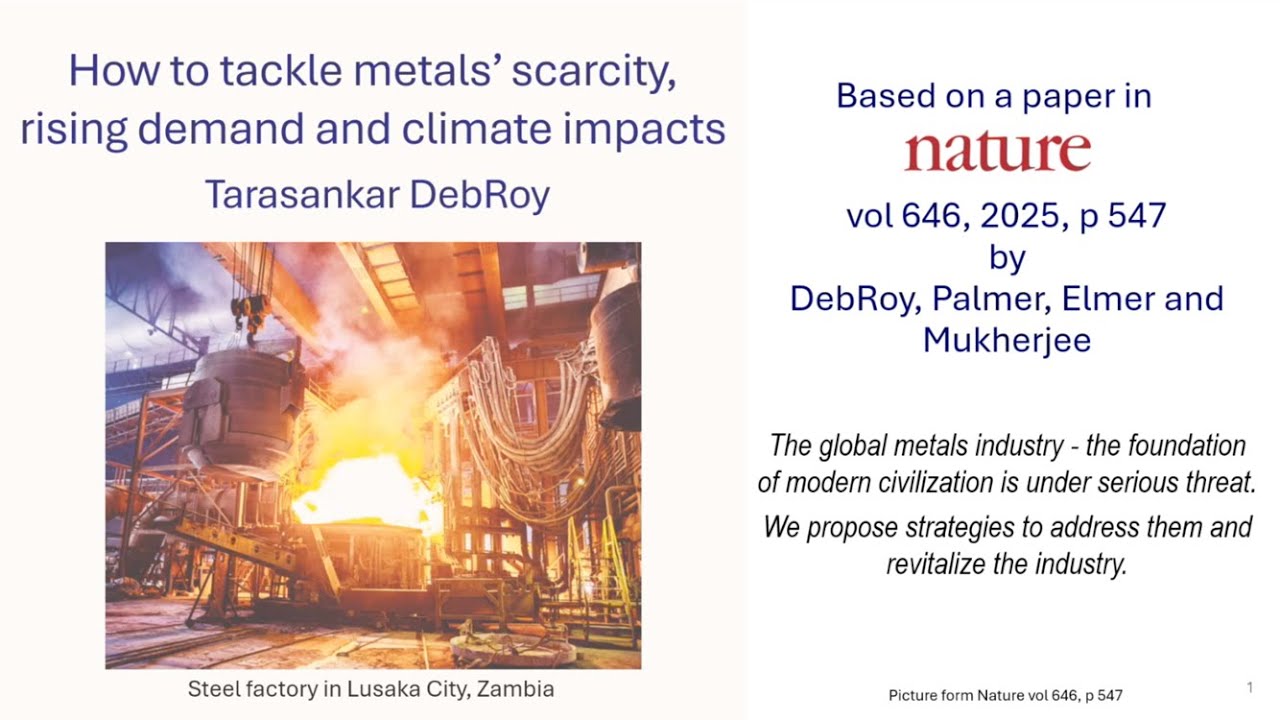
Tackling metal scarcity, rising demand & climate impact
280
Several promising material substitutions exist for critical applications: (1) Iron nitride magnets can replace rare earth magnets, reducing dependence on China-dominated supplies; (2) Sodium-ion batteries can substitute lithium batteries for many applications, including data centers and AI systems; (3) Crushed rock or cement blocks can serve as low-tech heat storage solutions instead of high-technology battery systems. These substitutions require ongoing research and development but offer pathways to more sustainable material systems.
Click to watch →

CMI Webinar: Grand challenges in anticipating and responding to critical materials supply risks
127
Material substitution opportunities exist not just at the elemental level but through understanding functional technical demands. In ceramic matrix composite coatings for jet engines, rare earth silicates provide environmental protection. While heavy rare earth elements (lutetium, ytterbium, thulium) were initially targeted due to their stability in beta phase regions during thermal cycling, analysis revealed that lower-grade unseparated tailings with appropriate average atomic radius could achieve the same performance. This demonstrates that substitution potential depends on understanding the actual technical requirements rather than pure element abundance alone.
Click to watch →

#69 Hi tech spacers using low tech tools
1.4K
When specific materials are unavailable or too expensive, alternative materials can be substituted. Delrin is a subclass of acetal material, and the presenter substituted it with a similar acetal material that was 15% less hard and 15% less stable but available in the correct thickness (4mm). This demonstrates the engineering principle of material substitution when exact specifications cannot be met, balancing cost, availability, and performance requirements.
Click to watch →
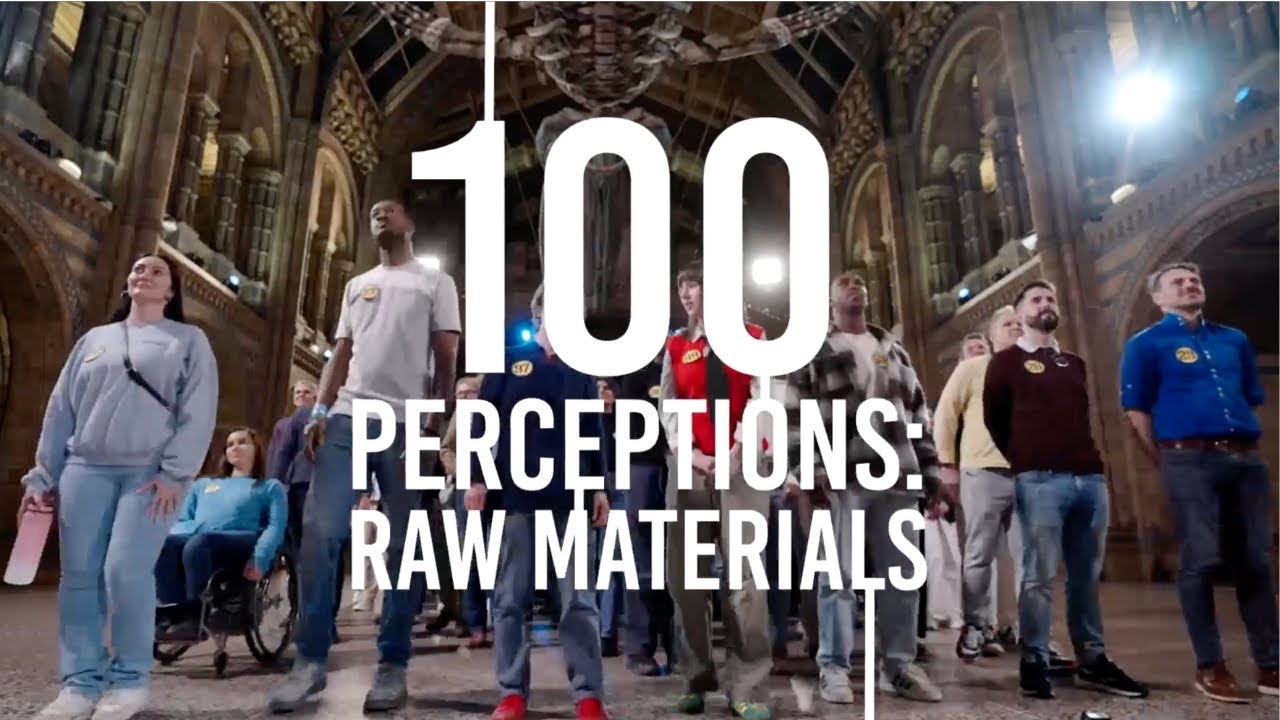
100 PERCEPTIONS: RAW MATERIALS - THE DOCUMENTARY
12.6K
The most surprising finding for many volunteers was the potential for substituting rare materials with alternatives. This highlights the importance of ongoing research into alternative materials that could reduce dependency on critically scarce resources while maintaining technological functionality.
Click to watch →
Substitution means evolution. Act now!
459
Critical raw materials are vital for high-tech manufacturing and sustainable energy applications, but Europe faces increasing scarcity and dependency on external supplies; substitution strategies—including replacing products with services, substituting substances, modifying processes, and adopting new technologies—offer a long-term solution to reduce dependency, enhance competitiveness, create jobs, and develop new business models.
Click to watch →
Deep Dive
Environmental, Social, and Governance (ESG) standards and ethical challenges in global mining and refining operations.

La minería invisible que mueve miles de millones
104
Environmental, Social, and Governance (ESG) criteria have become fundamental evaluation standards for mining investments, reshaping how projects attract capital and navigate regulatory environments. Environmental factors assess ecological impact, with particular attention to practices like mercury use in gold extraction, which contaminates rivers and threatens community health. The Minamata Convention represents an international effort to reduce and eliminate mercury use across industrial activities including mining, though transitioning to cleaner methods requires investment, technical training, and access to technologies that many small miners currently lack. Social dimensions examine community relationships, benefit-sharing arrangements, and local economic integration. Projects that successfully integrate with local economies generate regional value chains encompassing transportation, services, commerce, infrastructure, and employment. However, when operations are perceived as exclusive or environmentally damaging, social conflicts can emerge, potentially paralyzing projects for years. Governance evaluates management quality, regulatory compliance, financial transparency, rule stability, and institutional quality. A geologically promising deposit may still struggle to attract international capital if it operates in an unpredictable institutional environment lacking clear business structures. A critical distinction exists between informal and illegal mining: informal mining involves activities that haven't completed all administrative requirements but could integrate legally through formalization processes, while illegal mining involves deliberate violations of laws such as operating in prohibited areas or using unauthorized equipment.
Click to watch →

#INFACTalks - Environmental, Social and Governance (ESG) issues
226
Environmental, Social and Governance (ESG) issues in mineral exploration encompass biodiversity, water use, climate change, human rights, health and safety, supply chains, transparency, and corruption, with governance being particularly critical for successful project outcomes. The United Nations Sustainable Development Goals provide an internationally recognized framework to shape and prioritize objectives for managing ESG risks, while early consideration of potential impacts through the mitigation hierarchy (avoid, minimize, restore, offset) helps prevent project delays, regulatory issues, and community conflicts. Land use conflicts can be influenced by external actors, sometimes called 'eco-elites,' who control media, think tanks, universities, and NGOs, potentially initiating conflicts throughout exploration and mine life.
Click to watch →

Mining & ESG: The Sustainability Mandate
583
The mining industry faces specific ESG reporting requirements across five interconnected categories. Governance and Ethics encompasses organizational structure, stakeholder engagement processes, supplier certification standards, and operations in countries with low corruption perception indices. Environmental topics include toxic waste management, tailings storage facilities, air emissions, biodiversity conservation, acid rock drainage mitigation, and water resource management. Social topics focus on labor health and safety, workforce demographics, community relations, indigenous rights, and human rights due diligence. Climate risks encompass emissions targets, scope 1 emissions under regulations, and carbon price sensitivity for coal operations. Companies must navigate multiple frameworks (GRI, SASB, TCFD, CSRD) while conducting materiality assessments that balance stakeholder input with regulatory requirements.
Click to watch →
VKC talk by Eira Thomas and John Armstrong | 4 December 2024
176
ESG (Environmental, Social, and Governance) is a framework for investors to assess sustainability risks. Top mining risks include community impact, tailings management, decarbonization, biodiversity, water management, and diversity. For explorers entering new areas, key requirements include free prior informed consent (FPIC), stakeholder engagement, Modern Slavery Act compliance, IFC Performance Standards, and UN Global Compact. The mining industry has seen horrific tailings facility failures resulting in fatalities. GM (Global Industry Standard for Tailings Management) covers communities, integrated knowledge-based design, construction, operating and monitoring, management and governance, emergency response, and public disclosure. GM is now a requirement for any lender providing capital for new mining projects.
Click to watch →
![중국에게 흔들려도 땅 못파는 미국의 고민 [지구본 도서관ㅣ광물전쟁]](https://i.ytimg.com/vi/IPUANW413gk/maxresdefault.jpg)
중국에게 흔들려도 땅 못파는 미국의 고민 [지구본 도서관ㅣ광물전쟁]
109.6K
Responsible mining involves considering environmental, social, and governance (ESG) factors in mining operations. The concept of responsible mining emerged from industry efforts to address environmental damage and social concerns. Companies like Tiffany & Co. have developed certification programs (IRMA) to promote ethical mining practices.
Click to watch →
Raw Materials
Future Supply
Raw Materials
0:00- 1
Explains critical raw materials' role in tech and green transitions.
- 2
EU imports heavily, facing supply risks and rising demand.
- 3
Highlights the need for diversified sourcing and transparency.
The Sufficiency and Environmental Justice Critique of CRM Securitization
The mainstream EU focus on securing Critical Raw Materials (CRMs) assumes that continuous economic growth and a rapid green transition require a massive increase in resource extraction. Critics from ecological economics (degrowth) and environmental justice perspectives argue that this 'extractivist' paradigm merely shifts ecological harm to marginalized communities, both within Europe and in the Global South (often termed 'green colonialism'). This counterpoint argues that the EU cannot mine its way to sustainability. Instead of focusing solely on securing supply through domestic mining and geopolitical alliances, policies must prioritize absolute demand reduction. This involves systemic shifts toward 'resource sufficiency' (such as prioritizing public transit over massive private electric vehicle fleets, and enforcing strict product longevity and repairability standards). By focusing on post-growth economic models and reducing consumption, the EU could mitigate both its geopolitical vulnerabilities and the localized socio-environmental conflicts associated with new mining projects.
Basic principles of global supply chain management and trade logistics.
The concept of 'Critical Raw Materials' (CRMs) and their role in modern technologies, such as semiconductors, electric vehicles, and renewable energy infrastructure.
Fundamentals of import reliance and geopolitical risks associated with resource dependency.
An overview of the European Union's economic structure, single market policies, and its climate targets (e.g., the European Green Deal).
In-depth analysis of the EU Critical Raw Materials Act and its specific regulatory targets.
Circular economy strategies, including advanced recycling technologies and 'urban mining' for recovering valuable metals from e-waste.
Comparative geopolitical strategies of other global powers, such as the United States' Inflation Reduction Act and China's mineral export controls.
Technological substitution, exploring how materials science is developing alternative, non-critical materials for high-tech applications.
Environmental, Social, and Governance (ESG) standards and ethical challenges in global mining and refining operations.
14.9K views106likes3:16@EuroparlResearchServiceOriginal Release: 2023-03-13
Did you know that your smartphone needs more than 50 different raw materials to operate?
Lithium, cobalt and nickel power the battery.
The chips need gallium and silicon metals.
And, without indium touchscreens wouldn’t work.
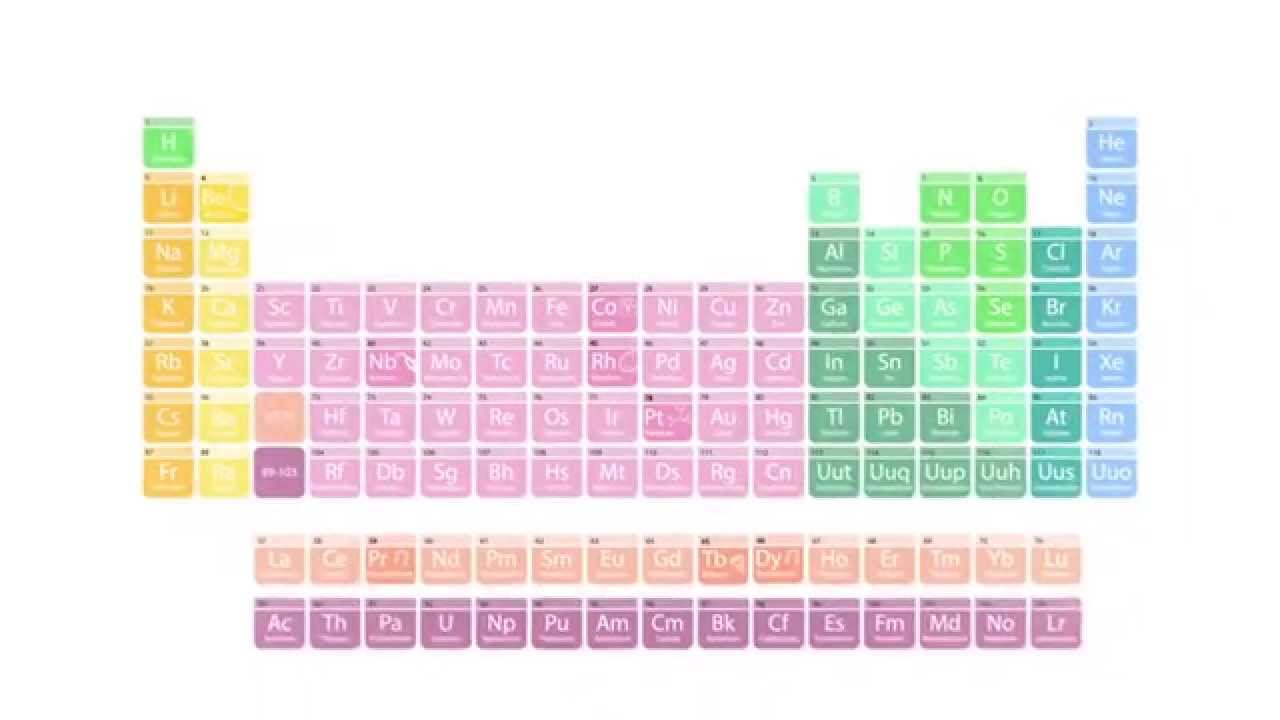
If you feel like you’ve just been transported back to high school chemistry, it’s because all raw materials are made from elements found on the periodic table.
They are used in electric vehicles, renewables, digital technologies, and the list goes on while many elements are abundant in the earth’s crust, concentration levels of raw materials are very low.
This makes it challenging to extract them in an environmentally friendly… socially responsible… and, economically viable, way.
Some of these raw materials are now dubbed “critical” in the EU because they are crucial to Europe’s economy and, there is a high risk associated with their supply.
The EU started a critical raw materials list in 2014, and by the 2020 edition its contents had more than doubled, to 30.
For batteries, fuel cells and energy storage crucial to the EU’s digital and green transitions we only mine a tiny fraction of what we consume. For instance, we import 78 % of lithium from Chile.
By 2030, we will need up to 18 times more lithium, and almost 60 times more in 2050, compared to today.
When it comes to rare earth elements, a group of 17 elements of which your smartphone needs 16, China provides an overwhelming 98% of the EU's supply.
And even if we mine the materials ourselves, they have to be sent outside the EU to be processed.
Earth Observation data and geological surveys show potential for rare earth element mining in Europe.
For example, in Sweden, Finland or Germany.
However, our budget for exploration is low compared to other regions in the world.
And even with new reserves, we will still need to ramp up the EU's capacity when it comes to refining and alloying.
For now, as current demand continues to soar, the EU will have to continue relying on international supply chains to fulfill its needs.
This means that measures to make global trade markets more transparent, effective and predictable are crucial.
We will also need to promote a more circular use of critical raw materials by recovering more of these precious elements and repairing our old devices.
Because without available, affordable and responsibly sourced and processed raw materials, our ambition to be the first climate neutral continent is at risk.
Up Next
3:50
Design for Disassembly: Sustainable Product Lifecycle & 3D Printing
@tuwien-e3089
560 views•2022-08-24

30:32
Ultrasonic Transducers: Resonant Frequency Measurement and Horn Design
@imajeenyus42
229.9K views•2017-02-22
54:16
Polymer Environmental Degradation: Mechanisms & Stabilization
@iit
1.8K views•2012-07-10

33:39
How a Student's Question Saved a NYC Skyscraper from Collapse
@veritasium
22.8M views•2025-04-26
Related Study Plans & Knowledge Roadmaps
Structured learning paths in Engineering
engineering
Building Acoustic Levitators: Physics & Arduino
01The Physics of Sound and Standing Waves
02Piezoelectric Transducers and H-Bridge Drivers
03Arduino Programming: Generating 40 kHz Signals
+ 2 more learning modules
14h5 modules
Explore Roadmap
engineering
Building Peltier Cloud Chambers: Particle Tracks
01Cosmic Rays & Cloud Chamber Physics
02Thermoelectric Cooling (TEC) Fundamentals
03Custom Liquid-Cooling Loop Design
+ 2 more learning modules
18h5 modules
Explore Roadmap
engineering
Yagi-Uda Antennas: Modeling, Build & VNA Test
01Introduction to RF and Antenna Fundamentals
02Yagi-Uda Antenna Design Principles
03Antenna Modeling and Simulation in 4NEC2
+ 2 more learning modules
18h5 modules
Explore Roadmap
engineering
ECG Monitor Design: Op-Amps, Filters & Noise
01Electronics & Breadboard Basics
02Op-Amps and Instrumentation Amplifiers
03Bioelectricity and ECG Fundamentals
+ 2 more learning modules
18h5 modules
Explore Roadmap