














![CONFORTO AMBIENTAL E EFICIÊNCIA ENERGÉTICA [ESTRATÉGIAS MELHORES QUE AR-CONDICIONADO]](https://i.ytimg.com/vi/t0J0hpOrVyY/maxresdefault.jpg)






Air conditioning creates a self-reinforcing feedback loop where cooling buildings releases heat and potent refrigerant gases that trap Earth's heat, while rising global temperatures drive increased AC usage; addressing this challenge requires improving AC efficiency, transitioning to non-emitting energy sources, properly recycling refrigerants, and implementing passive cooling designs like reflective roofs and natural ventilation to reduce reliance on mechanical cooling.
Air Conditioning's Climate Feedback Loop: A Vicious Cycle
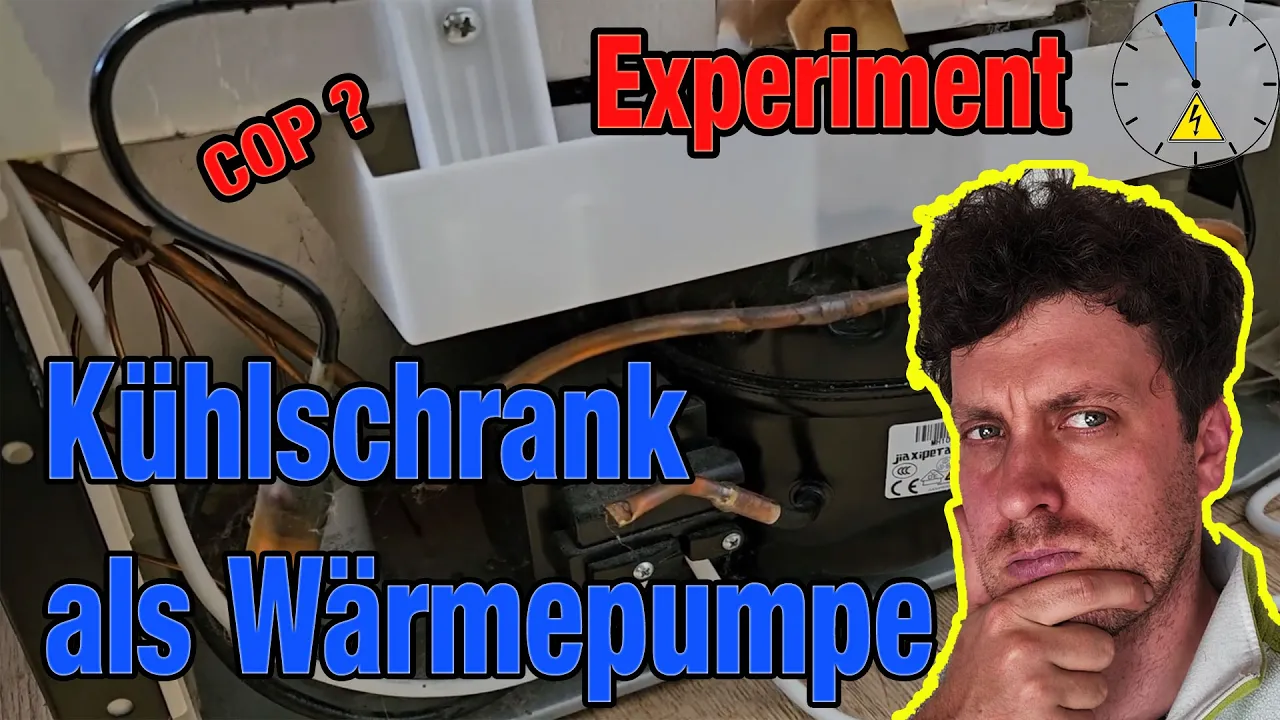
Added:Basic principles of thermodynamics, specifically how heat pumps transfer thermal energy from a cooler space to a warmer space.
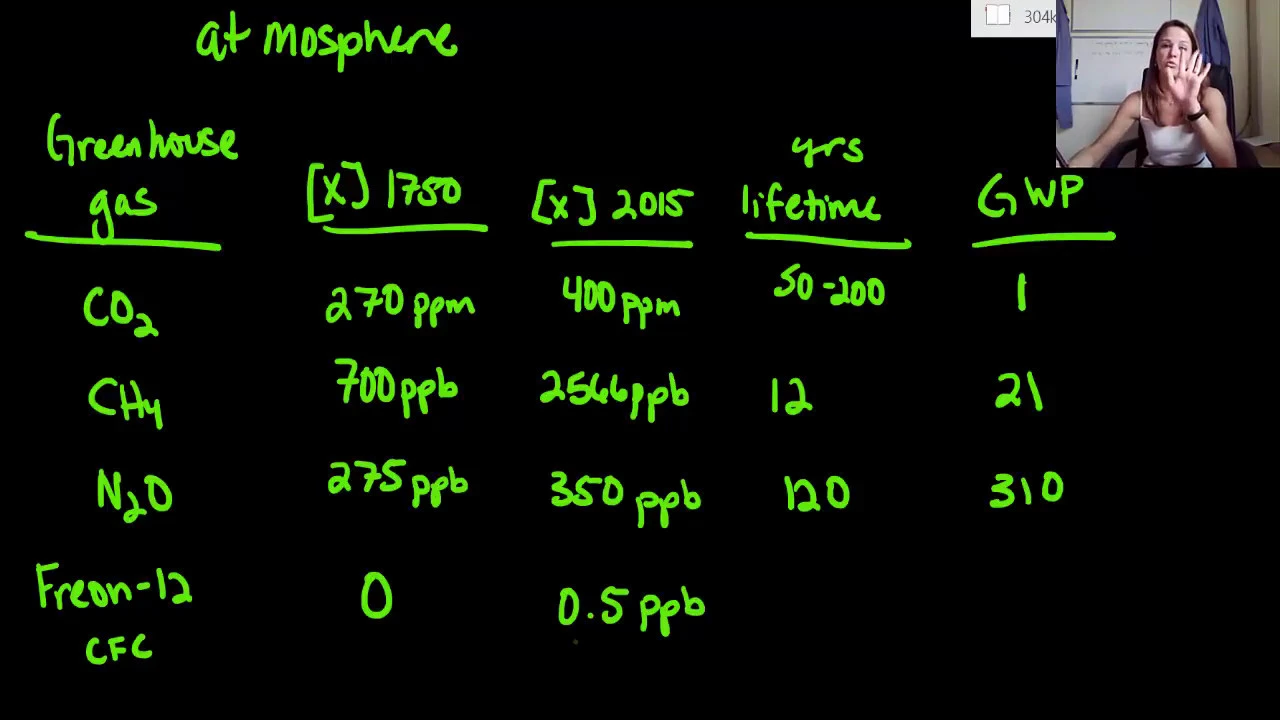
The greenhouse effect and the concept of Global Warming Potential (GWP) of different chemical compounds.
The Urban Heat Island (UHI) effect and how built environments absorb, retain, and re-emit heat.
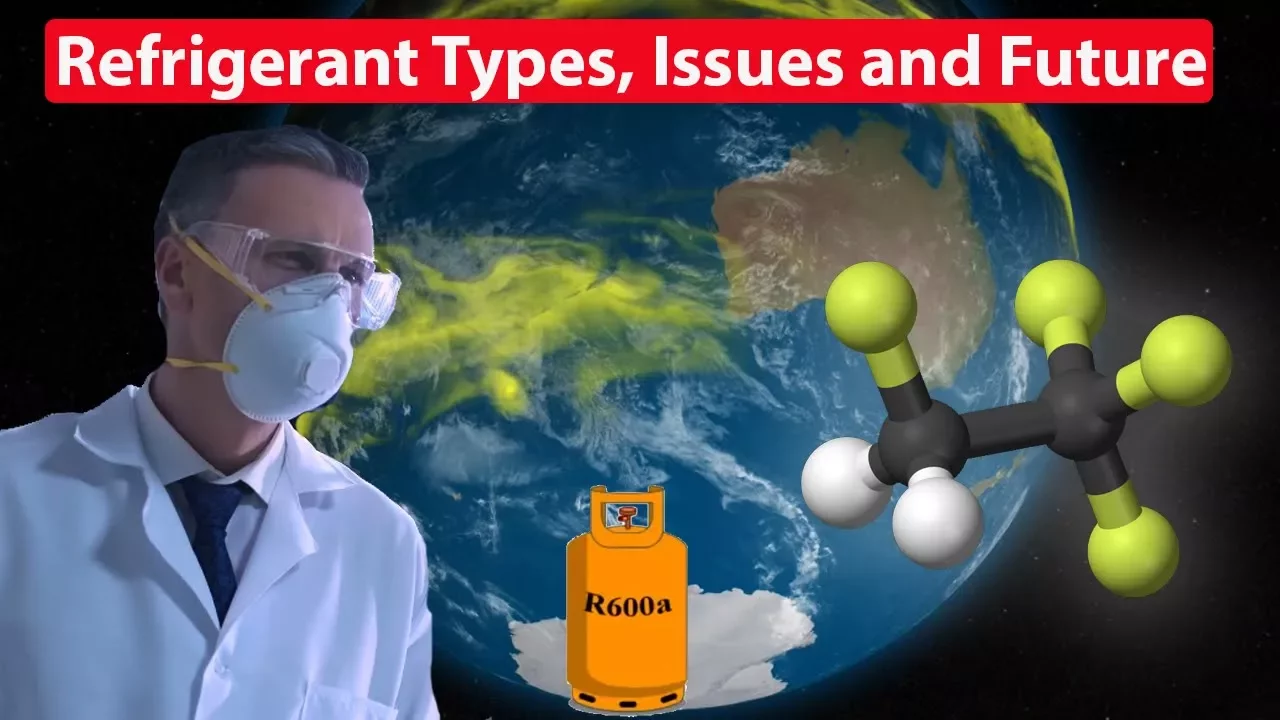
The fundamental chemistry of refrigerants, including the transition from ozone-depleting CFCs to high-GWP HFCs.
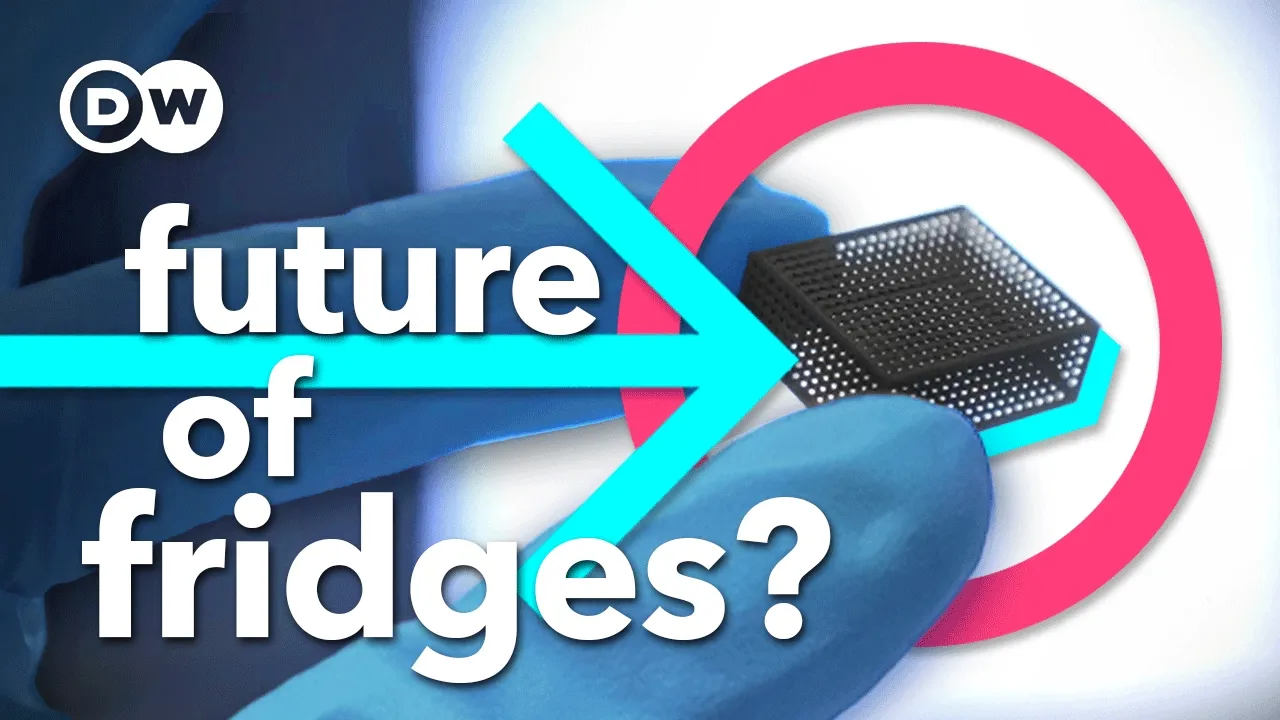
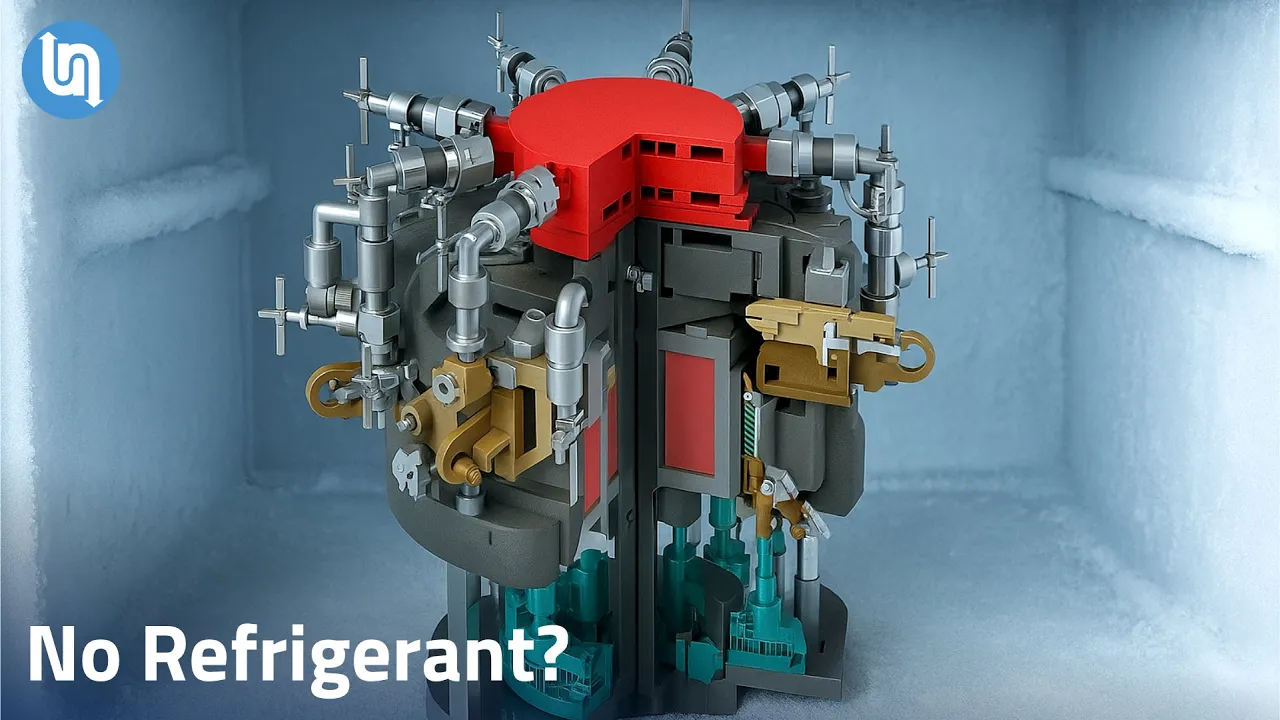
Advanced alternative cooling technologies, such as district cooling, evaporative cooling, and magnetocaloric refrigeration.
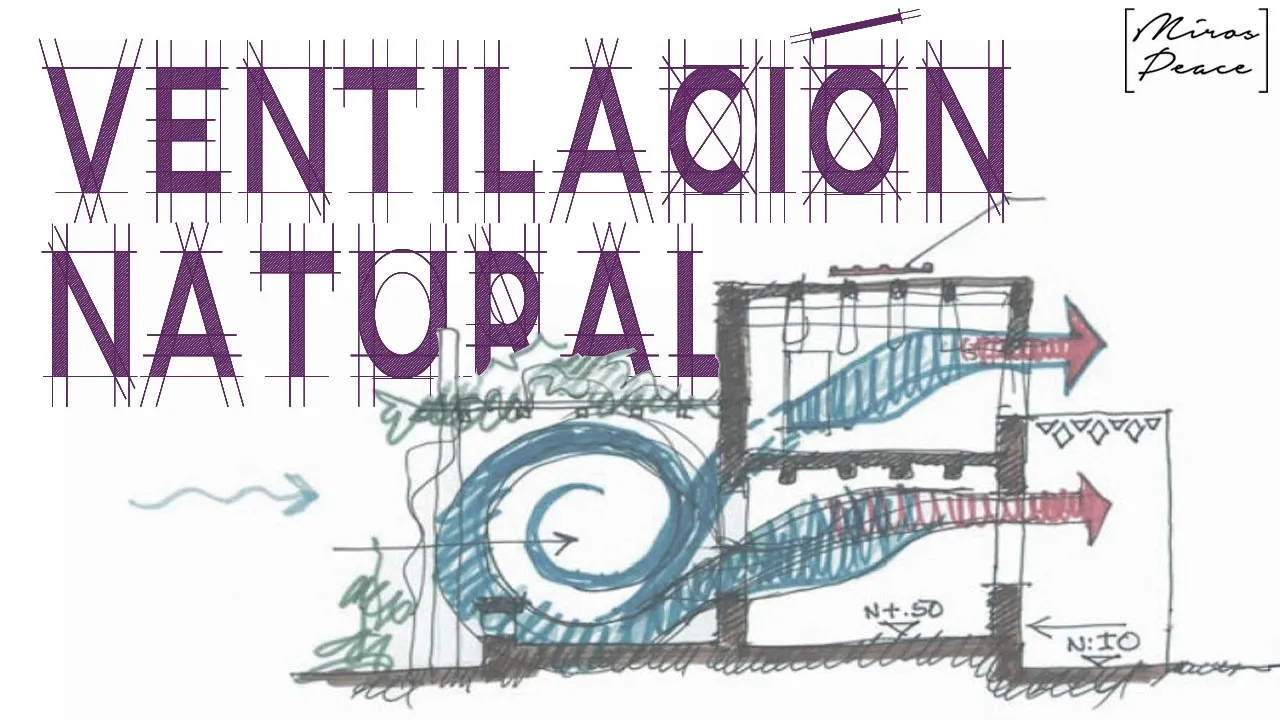
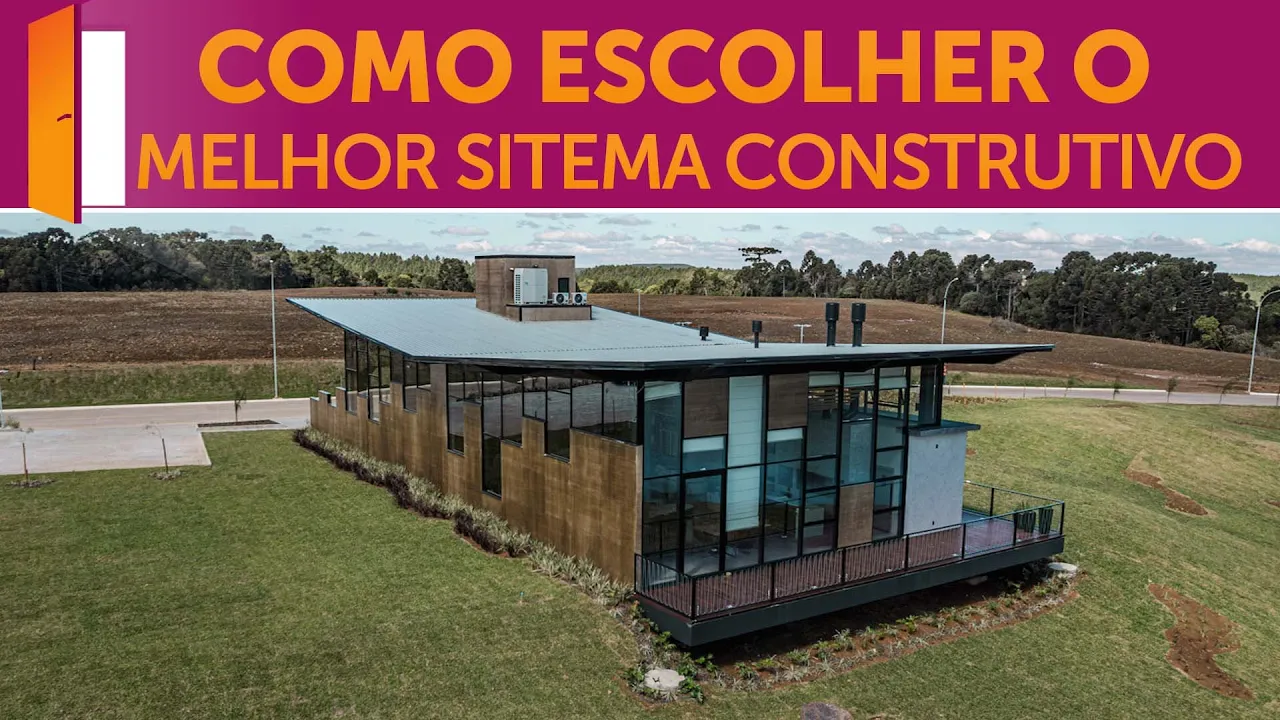
Passive building design and bioclimatic architecture strategies to reduce the cooling load on HVAC systems.
International environmental policies and frameworks, specifically the Kigali Amendment to the Montreal Protocol, aimed at phasing down HFCs.
Electricity grid integration challenges, focusing on managing peak demand from cooling and the implementation of thermal energy storage.
776.7K views29.2Klikes3:49Original Release: 2019-07-16
Hi, this is Alex from MinuteEarth.
Air conditioners are a modern wonder: they’ve saved countless lives during heat waves, cooled giant servers to essentially make the Internet possible, and in general made life in warm places more comfortable.
But keeping our indoor climate cool has, ironically, made the outdoor climate much warmer, and fixing the planet-warming effect of air conditioners is going to be one of the major challenges of the 21st century.
For now, heating buildings is still a larger overall contributor to climate change than air conditioners because more people use heat for more hours, but air conditioning heats the planet in nefarious and subtle ways that are going to be harder to address.
For example, to heat our buildings, we burn fossil fuels, which releases heat and heat trapping CO2, but air conditioning also burns fossil fuels (just out of sight), and that’s not their only problem.
The way that air conditioners cool buildings is by moving heat from inside to outside.
They can pump out enough heat to warm an entire city by a few degrees.
And on top of that, when we get rid of our old air conditioners, most of their chemical refrigerants leak out and evaporate.
And while only a small overall amount leak out, it just so happens that the refrigerants we use are thousands of times more powerful than CO2 at trapping the Earth’s heat, so they warm the Earth nearly 60% extra on top of the warming from the CO2 released to run the air conditioners.
Then, as the earth gets warmer, we use more air conditioning, which warms the earth even more in a vicious feedback cycle that’s only going to get worse over time and as developing countries get richer and more people have access to air conditioners.
Compared to today, we’re going to be using 4 times as many air conditioners in 2050, and at some point we’re going to be using more energy for air conditioning than for heating.
To avoid the immense global impact this will have, we’ll need to use the most efficient air conditioners, and generate electricity in a way that doesn’t release heat or CO2.
When we get rid of our old air conditioners, we’ll need to recycle or destroy their refrigerants, rather than - y’know - letting them leak out everywhere.
And we’ll have to switch over to refrigerants that, even if they do leak, won’t trap heat.
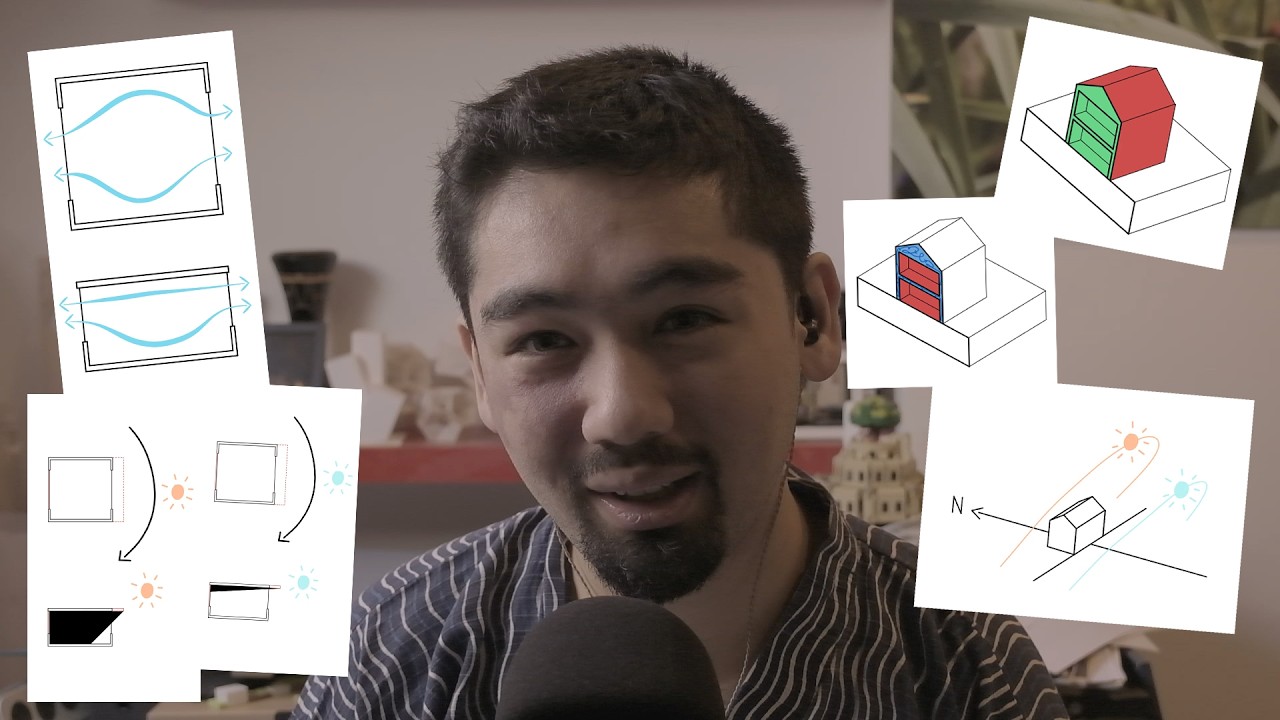
We’ll also have to figure out how to use less air conditioning, some of which we can do by using fans until it gets too hot, and some of which we’ll have to do by building buildings that are naturally cooler: buildings with shiny white roofs that reflect heat or “green” roofs that reflect, insulate, and evaporate; buildings with rooms that have windows on opposite sides so air can easily flow through, creating a natural breeze; and buildings with materials that can absorb lots of heat in the walls without letting it inside - to keep people cool in the day - and then release it overnight.
And we’ll need to go even further, by redesigning our entire cities to include more green spaces with trees that can provide shade, encourage hot air to mix with cool air, and cool the air themselves through evaporation.
Or, we could do nothing.
But that definitely wouldn’t be cool.
This video was sponsored by the University of Minnesota, where students, faculty and staff across all fields of study are working to solve the Grand Challenges facing society.
These challenges include adapting to a changing world and ensuring we have clean water and sustainable ecosystems, and part of the solution is to reimagine some of the fundamental structures of modern life, like buildings.
Professors Richard Graves at the Center for Sustainable Building Research and Bonnie Keeler at the Humphrey School of Public Affairs are researching how to move from “green design,” where we make buildings more efficient (or less bad), towards “regenerative design,” where we make buildings that positively contribute to the local communities and ecosystems of which they are a part.
Thanks, University of Minnesota!
Up Next
1:18
What Is a Watershed? Explained | Water Cycle & Drainage Basins
@BattleRiverWatershed
1.4M views•2013-12-02

15:54
Life in Biosphere 2: Sustainable Ecosystems & Human Survival
@TED
334.9K views•2009-06-16
14:30
Microplastics Everywhere: How Plastic Impacts Our Lives
@TEDx
100.9K views•2018-05-08

10:28
Ice Stupa Artificial Glaciers: Solving Ladakh's Water Crisis
@SonamWangchuk66
3.2M views•2015-05-03
Related Study Plans & Knowledge Roadmaps
Structured learning paths in Environmental Science
environmental-science
Ocean Noise: Cetacean Impacts & Mitigation
01Fundamentals of Underwater Acoustics
02Marine Mammal Bioacoustics
03Anthropogenic Noise: Shipping & Seismic Surveying
+ 2 more learning modules
16h5 modules
Explore Roadmap
environmental-science
Road Ecology: Corridors, Overpasses & Fencing
01Foundations of Habitat Fragmentation and Carnivore Ecology
02The Road Barrier: Ecological Impacts of Transport Infrastructure
03Principles of Ecological Corridors and Connectivity Mapping
+ 3 more learning modules
14h6 modules
Explore Roadmap
environmental-science
Ocean Acidification: Kelp Buffering & Shellfish
01Fundamentals of Ocean Chemistry & pH
02Chemical Pathways of Coastal Acidification
03Bivalve Physiology & Calcification Under Stress
+ 2 more learning modules
18h5 modules
Explore Roadmap
environmental-science
Ice Stupas: Glacial Retreat & Water Security
01Foundations of Glaciology & Mountain Hydrology
02Climate Change and Glacial Retreat Dynamics
03The Science of Ice Stupas & Artificial Glaciers
+ 2 more learning modules
14h5 modules
Explore Roadmap