












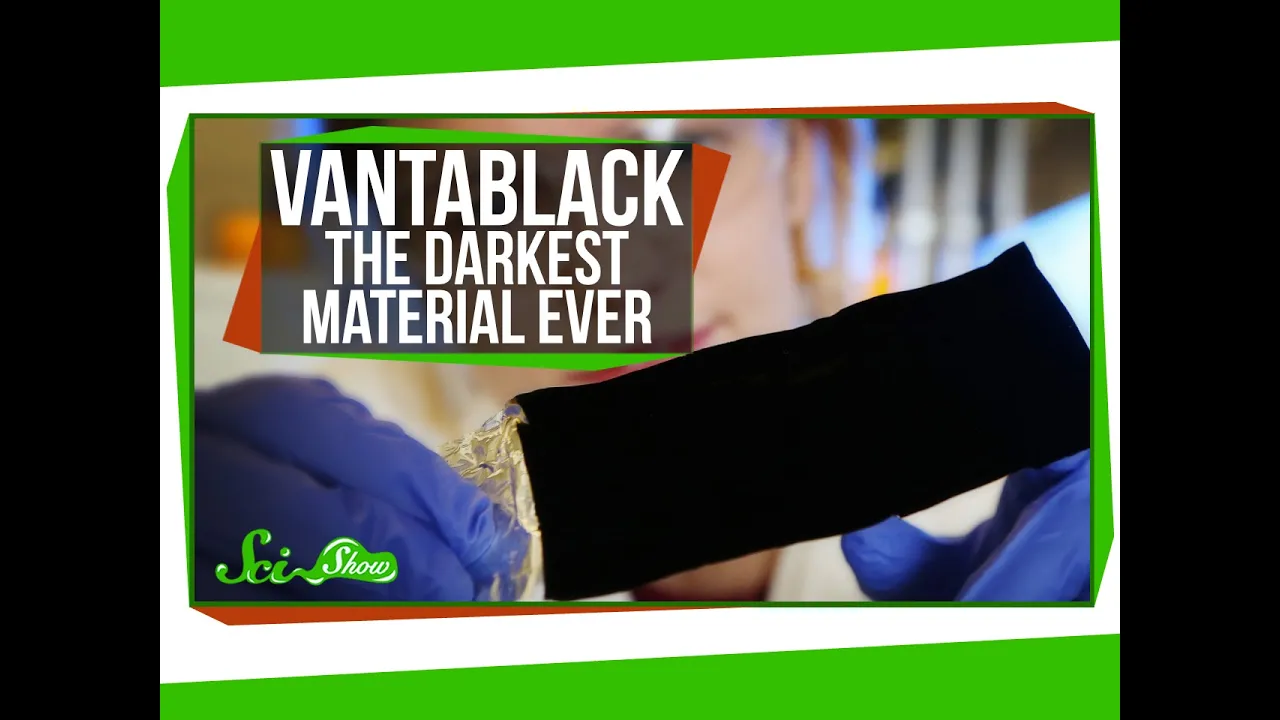



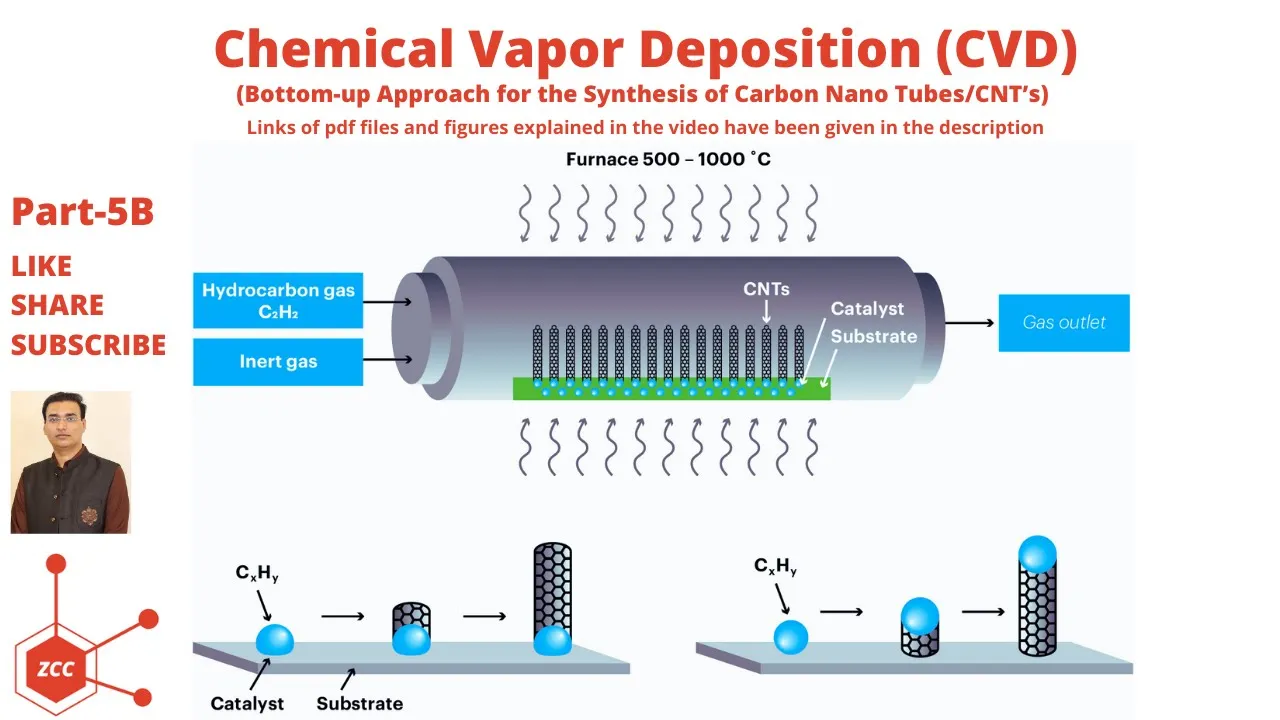











Vantablack is a revolutionary super-black coating developed by Surrey NanoSystems that absorbs 99.965% of light across ultraviolet, visible, and infrared wavelengths, making it the darkest man-made substance recognized by Guinness World Records; this extraordinary darkness is achieved through a forest of vertically aligned carbon nanotubes (each about 20 nanometers in diameter and 14-50 microns long), which trap incoming light so effectively that objects coated with Vantablack appear completely flat and lose their visible shape, though the material's delicate structure limits its durability and prevents it from being used on touchable surfaces like stealth bombers.
Vantablack: The World's Darkest Man-Made Material Explained
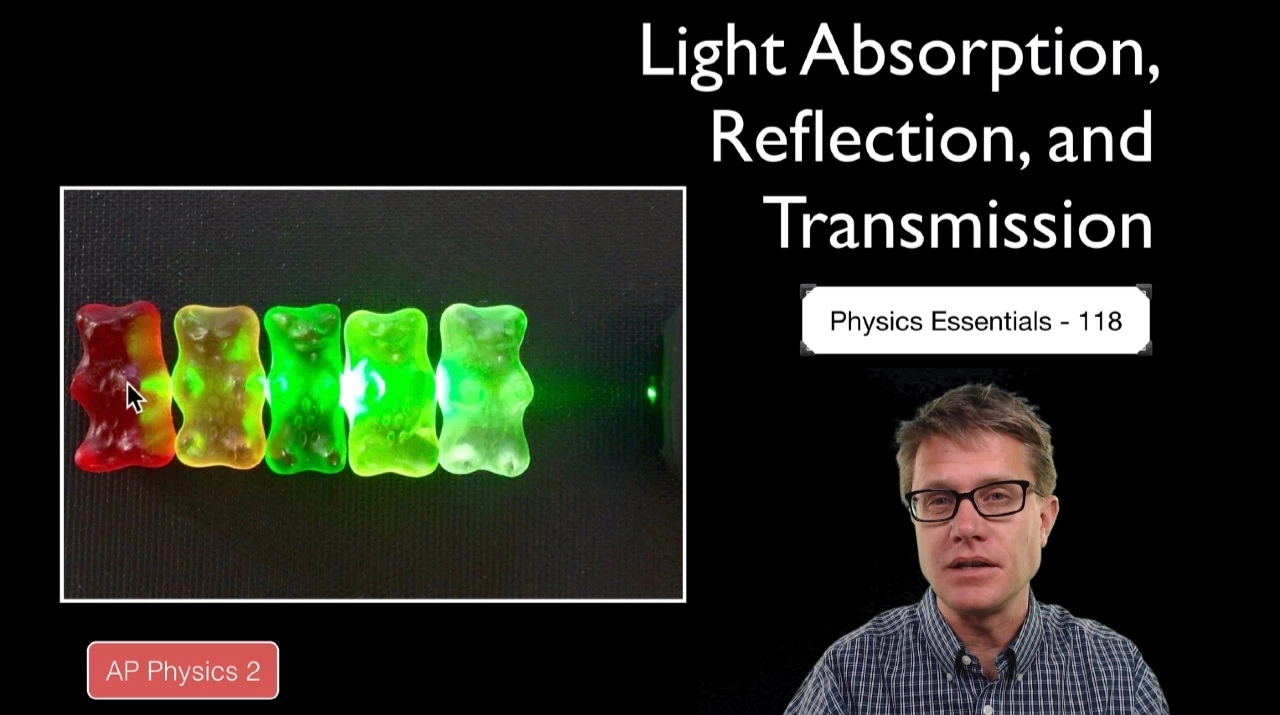
Added:Basic optics, specifically how light absorption, reflection, and transmission dictate human color perception.
The atomic structure of carbon allotropes, particularly graphene and the concept of carbon nanotubes.
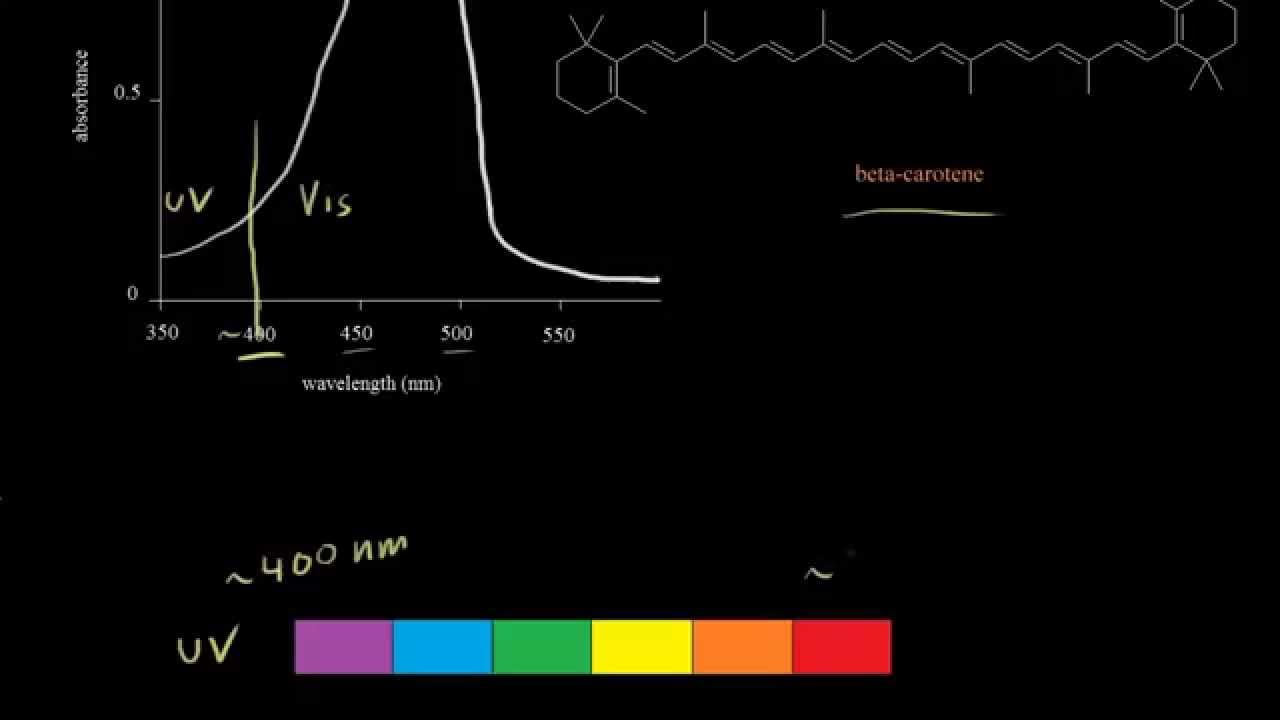
Fundamentals of the electromagnetic spectrum, focusing on visible light wavelengths.
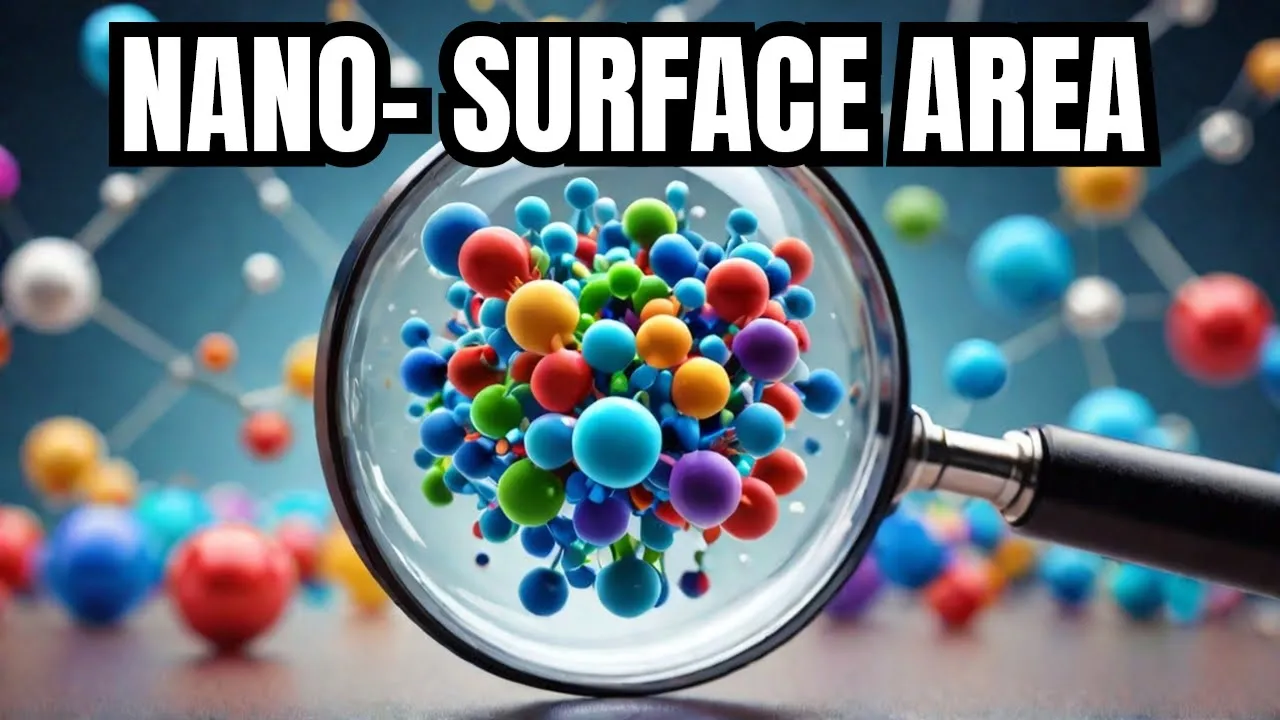
The concept of surface area at the nanoscale and how microstructures can trap energy.
Applications of super-black materials in aerospace engineering, such as reducing stray light in space telescopes.
The synthesis process of carbon nanotubes, including Chemical Vapor Deposition (CVD).
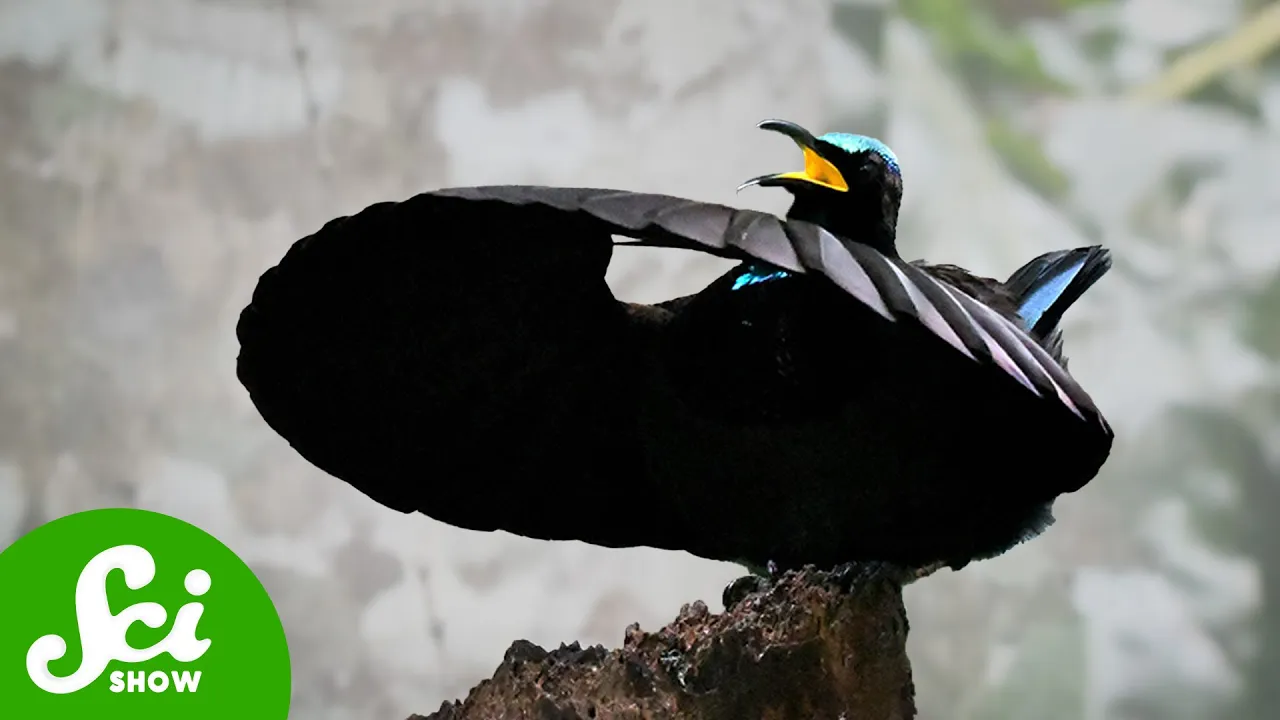
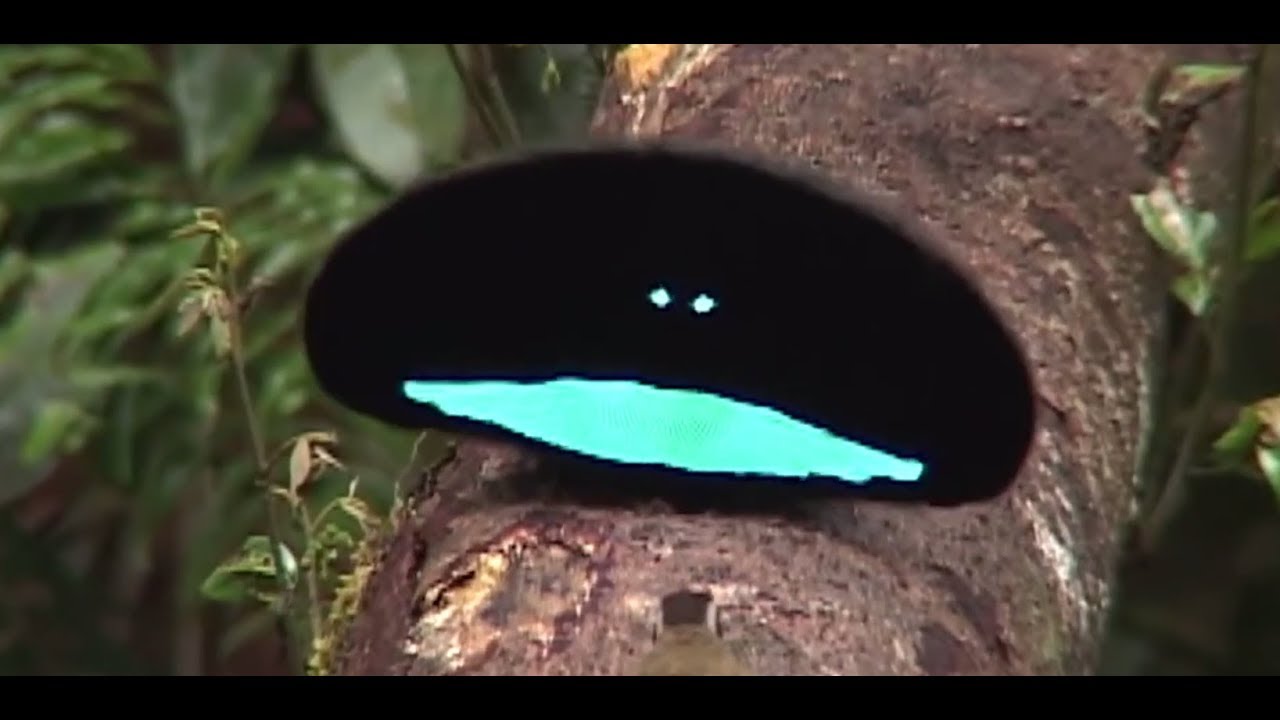
Biomimicry of ultra-black surfaces found in nature, such as the feathers of birds of paradise or scales of certain butterflies.
The artistic, ethical, and legal controversies surrounding material monopolies, specifically Anish Kapoor's exclusive rights to Vantablack.
2M views21Klikes3:41Original Release: 2018-05-20
here's an interesting clip and what we've done we've overexposed it massively and then drop the lighting back so you can see how the shape suddenly appears out of nowhere a high-tech company by the name of serene nanosystems claims to have invented the blackest black you have ever seen which goes by the name of vantablack vantablack is the definition of darkness it's a material that absorbs 99.9 65% of ultraviolet visible and infrared light this super black coating holds the Guinness world record as the darkest man-made substance to give you an idea of what that actually looks like vantablack has been described as the closest thing to a black hole will ever see phantom black is so dark that the human eye can't discern its shape and dimension which means if you were to cover a round object and pass it in front of another object coated in vent black the round object will disappear and both objects will appear completely flat the material is able to get so dark thanks to tiny carbon nanotubes that are roughly 3500 times smaller than a human hair a surface area of one centimeter squared would contain around 1000 million nanotubes and when light hits the tubes its absorbed and cannot escape the name vantablack is an acronym for vertically aligned nanotube array black and vent black is not a color but a material it's made of a forest of tiny hollow nano carbon tubes each the width of a single atom because it's not a pigment or paint you can't just buy a tin of it like paint the nanotubes that make up van toe black must be grown in the sewing nanosystems lamp using a complicated and patent process involving several machines a few layers of different substances and some extreme heat from start to finish applying bantam work to an object can take up to two days if you see it on a flat surface on its own with no other black material to reference it against it just looks like a black velvet surface until you shine a torch on it and no light is reflected back and when other black surfaces sit side by side with it they look great in comparison vantablack is not very robust it may be able to withstand extreme cold or heat but because it's made of delicate carbon nanotubes that are more than 99% empty space it can't be touched without damaging the effect of the coating so don't expect to see any stealth bombers covered in the coating phantom black is designed to reduce unwanted stray light and is highly desirable in space applications but can be used in a wide range of other applications including high-performance infrared cameras sensors scientific instruments satellite borne calibration sources star trackers and telescopes and can even provide a unique aesthetic effect in certain high-end luxury products like watches our until all your YouTube is out there if you're thinking of buying some vantablack for videos don't bother it's not sold to private individuals as the coding is subject to UK export controls anyway that's the end of this video thanks for watching and we'll see you next time bye bye you
Up Next

12:45
Black 3.0 Review: Does It Match Vantablack's Light Absorption?
@emilyartful
1.2M views•2019-11-16

12:54
Triumph of Orthodoxy Icon: Byzantine Art & History Explained
@BenCallan
2.1K views•2024-08-06

9:49
FastAPI vs Flask vs Django: Choosing the Right Python Web Framework
@TechWithTim
302.5K views•2024-05-26

1:42
Game of Thrones Opening Credits: A Cinematic Analysis
@gameofthrones
46.3M views•2011-04-18
Related Study Plans & Knowledge Roadmaps
Structured learning paths in General & Interdisciplinary Studies
general-studies
Elevator Engineering: History, Physics & Cities
01From Hoists to Safety Brakes: The Dawn of Vertical Lift
02Hydraulic vs. Traction: The Engineering Physics of Elevators
03Modern Speed, Safety, and Algorithms
+ 2 more learning modules
12h5 modules
Explore Roadmap
general-studies
Rubber: Material Science, History & Geopolitics
01Origins of Natural Rubber & Mesoamerican History
02The Chemistry of Natural Rubber & Vulcanization
03The Geopolitics of the Rubber Boom & Colonization
+ 2 more learning modules
12h5 modules
Explore Roadmap
general-studies
Containerization: Evolution, Logistics & Trade
01Ancient Trade & Bulk Cargo: Amphorae to Barrels
02The Industrial Revolution & Cardboard Packaging
03The Containerization Revolution: Malcom McLean
+ 2 more learning modules
12h5 modules
Explore Roadmap
general-studies
Textile Tech: Evolution, Labor & Global Impact
01Pre-Industrial Textiles: Handloom & Cottage Industry
02Mechanization: The Spinning Jenny to the Power Loom
03The Factory System & Global Labor Transformation
+ 2 more learning modules
10h5 modules
Explore Roadmap