
















![10 finstere Horrorgeschichten | Creepypasta german Deutsch [Horror Geschichte Hörbuch]](https://i.ytimg.com/vi/pgPdFlsuKwU/maxresdefault.jpg)

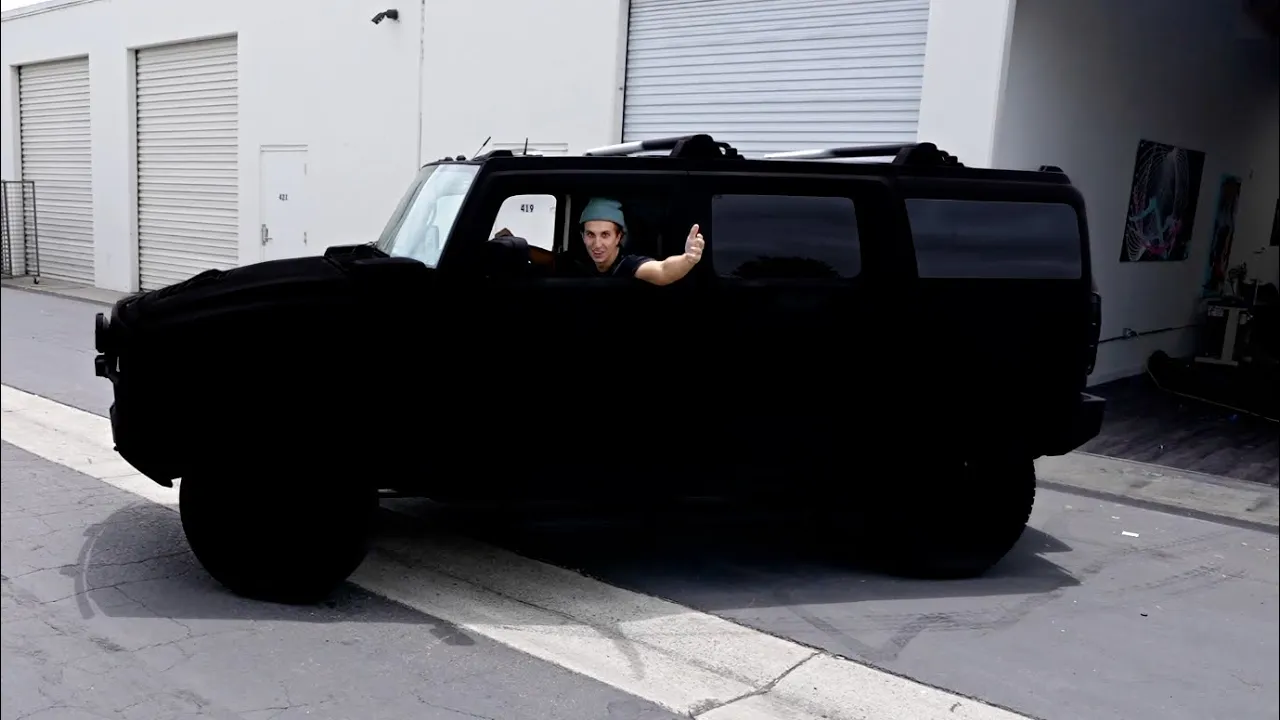


Black 3.0 is a matte acrylic paint that absorbs up to 99% of light, similar to Vantablack's 99.965% absorption rate. When applied to 3D objects, it creates a 2D visual effect by eliminating light reflection. The paint requires 2-3 thin coats to prevent cracking and works best for creating voids and outlines in paintings, particularly when contrasted with bright colors.
Black 3.0 Review: Does It Match Vantablack's Light Absorption?
Added:The physics of light, specifically how visible light interacts with surfaces through absorption, reflection, and transmission.
The concept of albedo and how reflectivity is measured quantitatively from 0% to 100%.
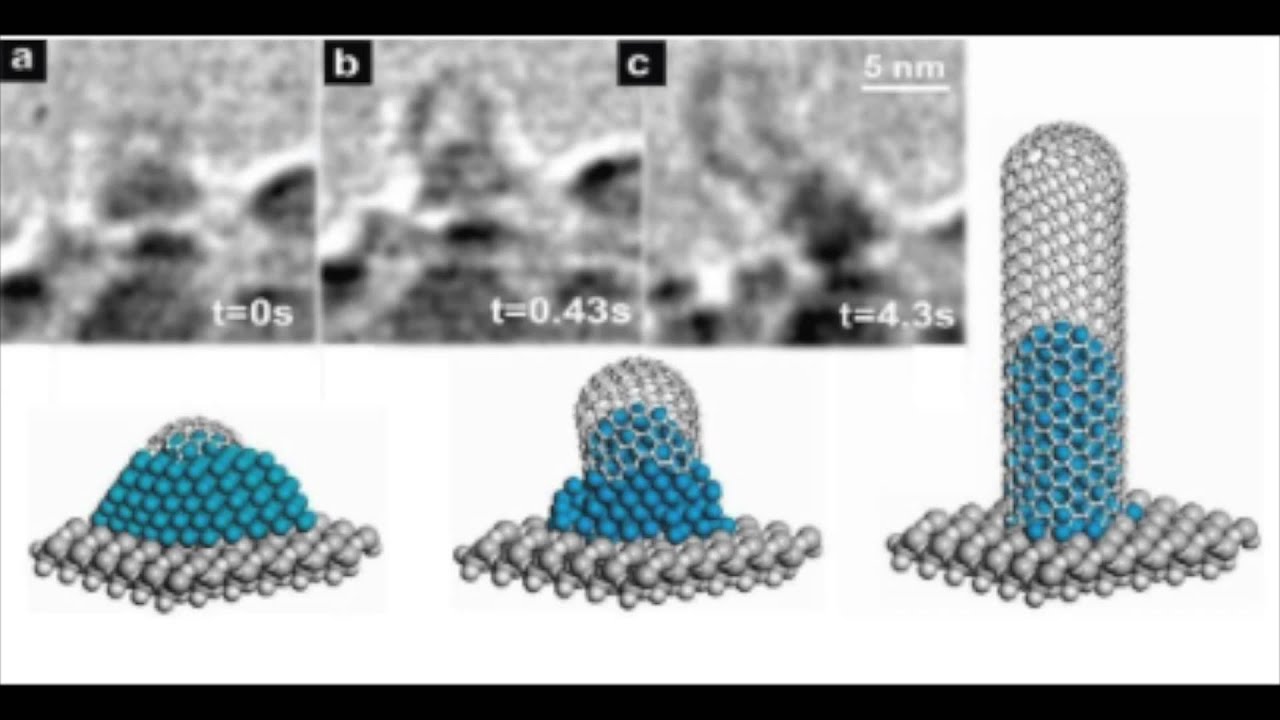
The fundamental difference between chemical pigment-based absorption (such as acrylic paint) and structural light trapping (such as carbon nanotube arrays).
The basic history and composition of Vantablack, including its development for aerospace applications and its exclusive artistic licensing.
The engineering applications of ultra-black materials in aerospace, deep-space telescopes, and optical calibration instruments to minimize stray light.
The thermodynamics of high-absorption surfaces, exploring how absorbed light is converted into heat and radiated away.
The psychological and visual perception effects of absolute blackness, such as the loss of 3D depth perception and surface texture recognition.
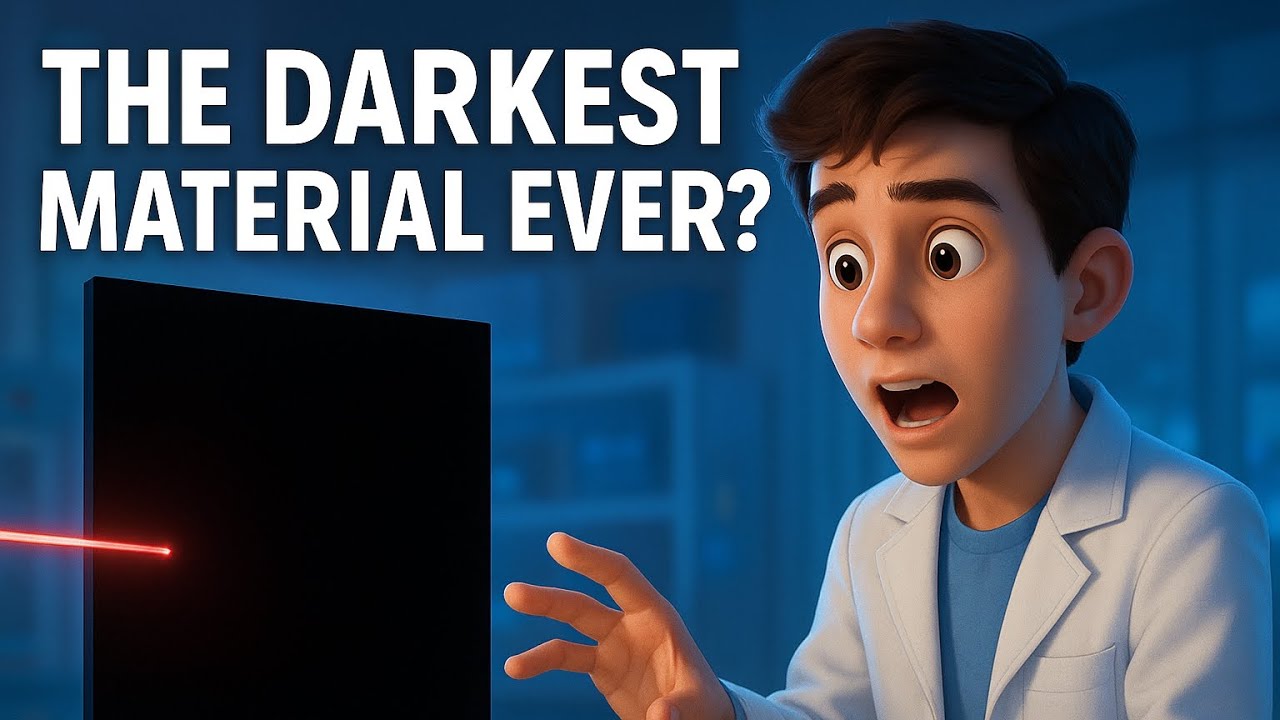
Recent advancements in materials science, such as MIT's carbon nanotube-based material that absorbs 99.995% of incoming light, surpassing Vantablack.
1.2M views62.2Klikes12:45Original Release: 2019-11-16
[Intro Music] Stay tuned to the end of the video to hear a little bit about our sponsor, Skillshare and a course that they offer that relates to this video.
Hello everyone, my name is Emily.
Today we're going to be painting with Vantablack.
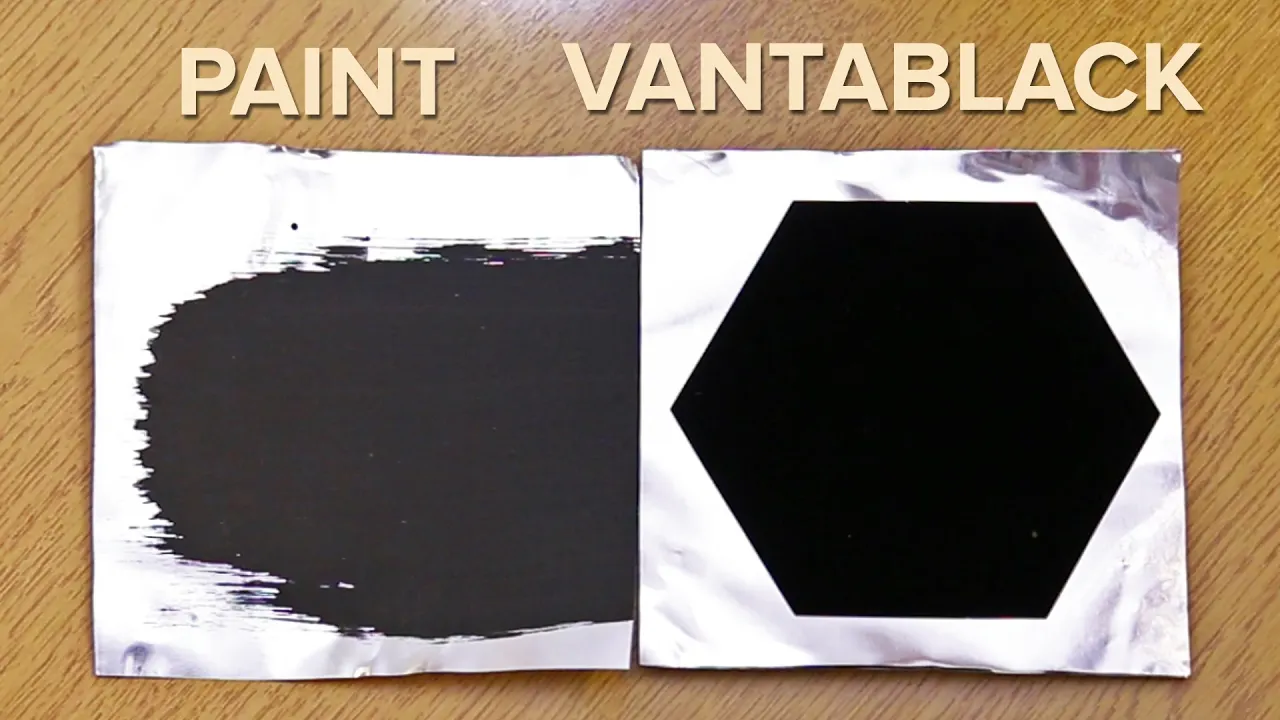
Just kidding It's not actually Vantablack, but it absorbs as much light as Vantablack, or almost as much light as Vantablack.
Wow, I've clearly done absolutely no research!
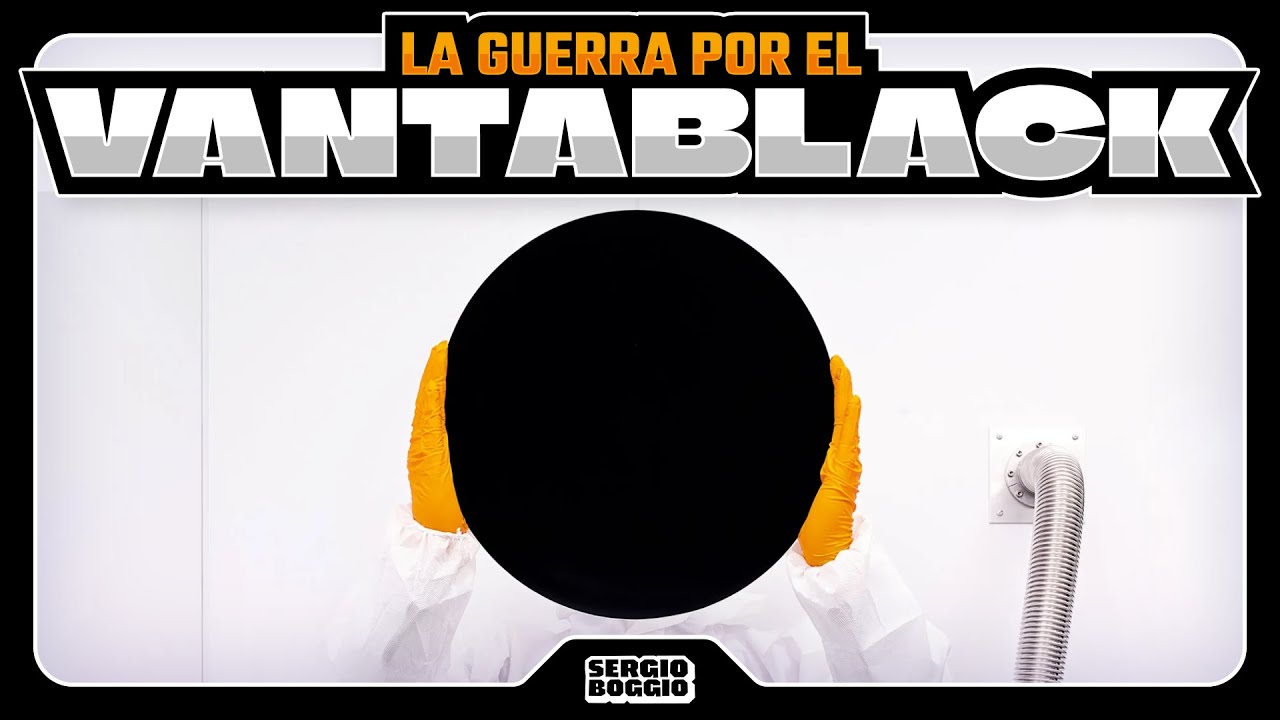
In case you guys didn't know, Vantablack is one of the darkest substances known to man.
It can absorb up to 99.965% of a light.
Meaning if you coat a 3D object in it, your brain will kind of perceive that 3D object as 2D.
I don't know if you guys have seen the clips.
I believe the most famous clip is of that mask.
What they did is coated a mask.
Just kind of like a costume mask in the Vantablack, and it was so dark as you rotate around the mask, It feels like it's just one flat 2D surface.
It's incredible and apparently, black 3.0 the paint, is supposed to have properties very similar to the Vantablack substance.
Yeah, there were two other versions of this available.
But apparently this is like the... crème de la crème.
The... End-all-be-all It's, it's the blackest black.
Yes, there have been two other versions of this.
and I believe black 2.0 is still available.
I did have to wait to get black 3.0 because they pretty much sold out right away.
Culture Hustle is a pretty cool website.
They've got a ton of artsy paint stuff, really vibrant, vibrant pinks and greens and orange...heh heh.
It definitely feels like a luxury art brand.
More almost, kind of with almost a make-up aesthetic to me [Through laughter] Like a mad scientist cross... Uh... Morphe make-up - I don't even know what I'm talking about at this point.
I don't know. I just think it's a really cool website.
You should check it out I've ordered a couple other things up there But we're focusing on black 3.0 right now.
The newly released black 3.0 Tally me banana, help me!
It's supposed to absorb more light obviously than its previous versions. Up to 99% light absorption.
So I'm really going to put this to the test.
Now, I realize that painting on a 2D surface may not exemplify the light absorption properties of black 3.0.
So I am also going to test it on a little tiny Model, I think it's an elephant.
I should know what it is, but I don't.
Ya' better not be yankin' my chain, Culture Hustle, 'cause I will be (expletive) because I've been bombarded with ads for this thing.
Bombarded! Simply.
But I'm really, really excited.
I've been holding on to it waiting to film.
So let's see if this really lives up to the hype of being liquid Vantablack.
So I went ahead and tested some other black matte paint I had laying around my studio.
One of them, the Golden, is actually technically a satin, I believe, so kind of remove that from the running.
I basically just took all of the black paint that I own and (expletive) it onto a piece of matte bristol board.
As you guys can see here, when I took the page of swatches outdoors to try to see which paints reflected the most light and the least amount of light obviously the Golden satin finish paint reflected the most amount of light, but surprisingly the Artist's Loft rivaled the black 3.0.
No, it's certainly not as dark, but it was pretty close.
I then came indoors and decided to paint the little paper mache elephant and let me tell you I have a thing about textures.
Like that kind of matte chalkboard texture.
I just get the willies.
So it was kind of difficult for me to paint this elephant.
I know it sounds like the most mundane, harmless activity ever.
Oh, I'm painting a little paper mache elephant but it was difficult for me just constant heebie-jeebie shivers up my spine.
[Cries] It was terrible!
I obviously knew that to get the greatest effect out of this paint, I would have to apply probably two to three coats, but I started to worry upon the first coat because it's so matte there's a tendency for it to want to crack in certain places So I really made sure that I was applying the black 3.0 in very thin layers.
Once I was finished painting with my paper mache elephant, I went ahead and put it to the test and although it is not as dark as Vantablack, even though I didn't expect it to be, it was dark. It was light snatching if you will.
Ladies your wigs are fine, it was the light that was being snatched today.
Tik Tok with the kids. Honey, I'm just Tik Toking with the kids!
Bear memes.
So I was obviously pretty impressed with the effect it had on the 3D object.
So I got really curious as to what it might look like on a 2D painting So I started brainstorming ideas that would complement using the black 3.0.
Like I really wanted a deep, black void kind of juxtaposed against bright poppy colors.
Oh, you mean like literally every painting I've ever done ever? Hmm. Yes.
I've been really obsessed with painting geodes lately.
Like not just crystals because I've always been obsessed with crystals but the actual splitting of something and its core is just this complex, geometric, beautiful, shiny unicorn and I know it's - [Laughs] I know it sounds so weird, but it's like that's what it reminds me of. I can't help it.
Aside from this interesting little piece that I'm creating here.
I actually have an NSFW sort of, sort of piece that I've been working on that involves the geode and I'm sure it's been done before that region has been uh, compared to flowers and you know, well, Georgia O'Keeffe was like look at all these flowers, because that's what these are but, you know, it's been compared to like a honey pot and flowers and things like that and so when I think of that... region, [giggles] I think of geodes and I have children. I should be thinking of but instead I'm thinking of So let's just, that's one for the books right there.
Oh, did you guys miss me? [Laughs] I missed this. I missed this so much!
My husband wouldn't understand!
Anyway, back to reality as we often have to pull ourselves when we're watching an Emily Artful video, because we get rocketed off into some space tangent somewhere over there with Anyway, we're back.
So I decided upon this kind of weird concept of this girl's face being torn off and underneath is this beautiful Geode and she's got flowers in her hair for whatever reason and pearls popping out of her eye sockets and her mouth.
Don't ask me now because I have no idea what this means. I never know what any of the mean.
I don't, I draw a meaning from it afterwards.
You know, a lot of the time, I use my art as a way to be like what is wrong with me? [Laughs] What's going on in that subconscious!?
But I found that actually using the black 3.0 and it's like stark black voidiness. Voidiness. Is that a word?
I found that it actually works with kind of almost using the paint itself as a symbol because it is such a deep, black light absorbing color.
I find it incredibly interesting, dynamic fantastical when the materials used are symbolic themselves like in art installations and things like that so I kind of viewed it in that sense because the black 3.0 is just so like stark. Look at that!
I think this paint is really useful and can come in handy in two different ways here, okay.
So the first way is painting a bunch of 3D objects just for like the gimmick sake.
To take a bunch of pictures or videos of look at how dark this thing is. It literally looks 2D. Like that's cool.
That's the gimmicky side of this paint, but the other use for it is using it for outlining to create voids in your paintings. I mean, it's useful.
At first when I purchased it I was like, I just spent 22 dollars on something.
I'm probably going to use it for just this video I'm not going to earn my money back, but I could genuinely see myself using this again and again especially for outlines.
I mean, it's just so black so dark. It's just so complementary to the rest of the piece.
Especially if you're using bright poppy colors, like I did.
I love acrylic painting. Okay. It was kind of my first/second art medium love.
You know, right neck and neck with colored pencils.
And I've been doing it for years, obviously my main medium is watercolor and that seems to be what I am the best at but I will always love painting with acrylics.
It's just in my mind a little bit more set up heavy and maybe I am just a lazy ass who doesn't want to make a mess.
I have a two-year-old and where I can avoid mess. That is like [Mmm, mwah] That's a spicy meatball.
Okay, I like avoiding mess but something about this paint in particular and how amazing it looks on a canvas, how amazing it looks for outlines.
It is lit a renewed of fire within me to start messing around with acrylics a little bit more.
Maybe on a small scale, again to avoid the mess but something just about the overall uniqueness of this paint has done that to me and I find that to be really interesting. Again something about the the medium itself being symbolic.
It just really tickles me. It inspires me. It interests me.
I don't know just something about the product itself and how it looks and I really enjoy it.
So if you have the extra money laying around then yes, I definitely recommend this.
I think this is definitely a 5 out of 5 clapping babies for me I think this is a first y'all. I mean, it's a 5 out of 5!
It's a full row of clapping babies!
Oh my god, look at Da Babes, look how chunky he was! Aw look at those hammies!
Anyway guys thank you so much for being patient and kind and understanding.
It's been a really, really difficult few months from me and my family and I have just been beyond stressed about taking care of everything and being Mommy to all.
so I really appreciate it seriously and thank you for welcoming me back with open arms.
I am so happy to be back and you have no idea. I just I wanted to come back. I've wanted Normalcy.
I love my job. I love what I do. I love you guys.
It just, it makes me happy to do this, you know.
I can sit down and start recording and not be in a great mood and then I really get into it and I remember why I do this and why it makes me so happy to do this and what the content means to you guys.
Like that is the biggest thing for me, that you know a handful of you guys take something powerful away from what I make.
That just blows my mind because you know, I just started doing this when I was living, you know with my ex-boyfriend, and I was using an end table as a desk.
You know when I had this teeny tiny little space in a storage room to record.
Like, oh my god. it just started small and then it got big and I love you guys so much, so much And I'm so happy to be back. Thank you guys so much for watching and don't forget to stay out of trouble.
See you guys later.
Today's video was brought to you in part by skillshare.com Skillshare is an online learning platform dedicated to helping you learn a new skill.
They've got more than 25,000 classes in art, cooking, business and so much more.
Their premium membership gives you unlimited access you can hop around the site until you find what classes are right for you.
What's great is their annual subscription rate is less than ten dollars a month.
That's way cheaper than signing up for a class at your local community college I'll be honest. I have a great business relationship with the people at Skillshare because they're all about supporting small creators that's the foundation their company is built on.
Every creator on their site puts tons of effort into their lessons like LaurieAnne Gonzalez and her class How to paint an abstract landscape.
I've always really struggled with painting landscapes.
LaurieAnne's course has really helped me learn how to break down a landscape painting into simpler shapes.
If you have a hard time with backgrounds and landscapes like I did, I highly recommend checking out this course, as well as many other amazing painting courses over on Skillshare.
Make sure to click the link in the description for two months of Skillshare premium for free, just to try it.
So why don't you learn something new today with Skillshare?
Up Next
75:35
NEET-PG 2023 Medicine Recall Analysis & Exam Strategy
@marrowmed
105.1K views•2023-04-03

12:54
Triumph of Orthodoxy Icon: Byzantine Art & History Explained
@BenCallan
2.1K views•2024-08-06

9:49
FastAPI vs Flask vs Django: Choosing the Right Python Web Framework
@TechWithTim
302.5K views•2024-05-26

1:42
Game of Thrones Opening Credits: A Cinematic Analysis
@gameofthrones
46.3M views•2011-04-18
Related Study Plans & Knowledge Roadmaps
Structured learning paths in General & Interdisciplinary Studies
general-studies
Elevator Engineering: History, Physics & Cities
01From Hoists to Safety Brakes: The Dawn of Vertical Lift
02Hydraulic vs. Traction: The Engineering Physics of Elevators
03Modern Speed, Safety, and Algorithms
+ 2 more learning modules
12h5 modules
Explore Roadmap
general-studies
Rubber: Material Science, History & Geopolitics
01Origins of Natural Rubber & Mesoamerican History
02The Chemistry of Natural Rubber & Vulcanization
03The Geopolitics of the Rubber Boom & Colonization
+ 2 more learning modules
12h5 modules
Explore Roadmap
general-studies
Containerization: Evolution, Logistics & Trade
01Ancient Trade & Bulk Cargo: Amphorae to Barrels
02The Industrial Revolution & Cardboard Packaging
03The Containerization Revolution: Malcom McLean
+ 2 more learning modules
12h5 modules
Explore Roadmap
general-studies
Textile Tech: Evolution, Labor & Global Impact
01Pre-Industrial Textiles: Handloom & Cottage Industry
02Mechanization: The Spinning Jenny to the Power Loom
03The Factory System & Global Labor Transformation
+ 2 more learning modules
10h5 modules
Explore Roadmap